

Ever notice how your dog just seems to know when you need them most? Maybe they curl up beside you on your worst days or position themselves between you and a stranger without being asked. It’s almost uncanny, the way they tune into our moods and needs before we even voice them.
Dogs have been our companions for thousands of years, but sometimes their behavior suggests something deeper than mere instinct or training. They seem to possess an almost otherworldly awareness of our emotional and physical states. Let’s be real, there are moments when your dog’s behavior feels less like learned responses and more like divine intervention. So let’s explore the signs that suggest your faithful companion might just be your guardian angel in fur.
They Sense Your Emotions Before You Even Express Them
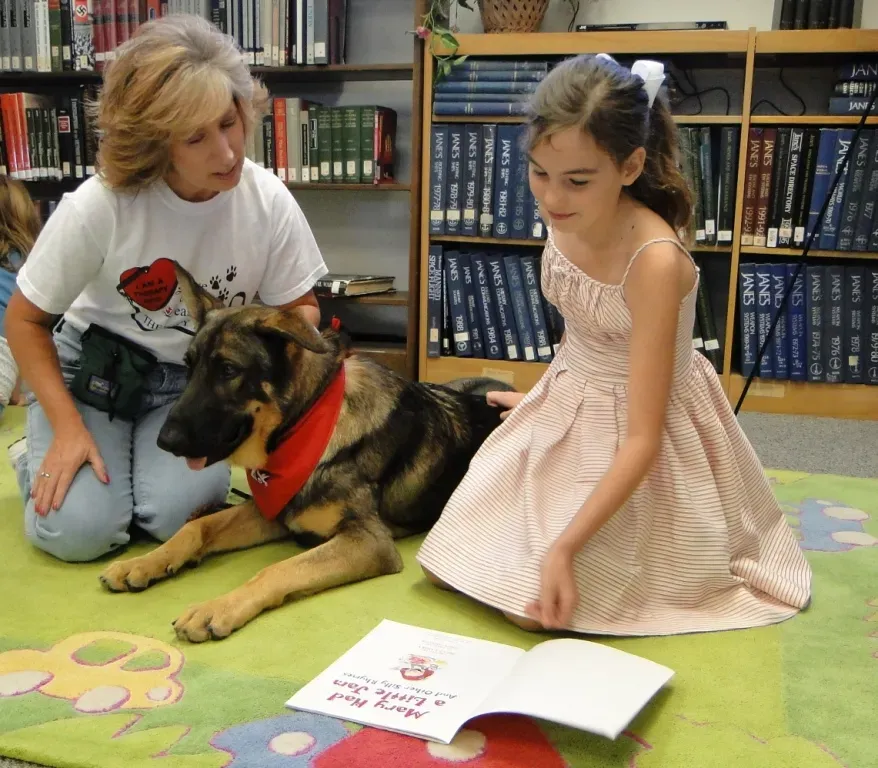
Research confirms that dogs can sense human emotions, recognizing feelings like happiness, sadness, anger, fear and even surprise by observing our faces and listening to our voices. It’s not just about reading your body language when you’re already crying or laughing. Dogs can detect chemical changes in our bodies, such as shifts in hormones like cortisol linked to stress or serotonin linked to happiness, allowing them to smell our emotions even when we try to hide them.
Think about the last time you felt anxious before an important meeting or sad after a difficult conversation. Your dog probably showed up at your side without you calling them. Dogs have an incredible sense of empathy, and they often seem to know exactly when you’re sad, stressed, or anxious. They offer gentle nuzzles, a warm presence, or simply lie next to you for comfort. This quiet, intuitive support goes beyond affection. It’s as if they sense your emotional needs and step in to offer the solace you need most.
They Position Themselves as Your Physical Protector

One of the clearest signs of a guardian dog is their strategic positioning. You might notice your pup standing or sitting between you and someone or something unfamiliar. This isn’t random behavior or clinginess. A protective dog often positions themselves between you and what they perceive as a danger.
Some dogs follow their owners closely, especially in new environments, and they’re not just being clingy – they’re making sure everything’s safe. Whether you’re at the park, walking through a crowded street, or even just sitting on the couch when a delivery person knocks, your dog takes their role seriously. This behavior, known as shadowing, ensures they’re always close enough to intervene if a threat arises, demonstrating their commitment to your safety and readiness to act as your guardian.
They Detect Health Issues Before You’re Aware of Them
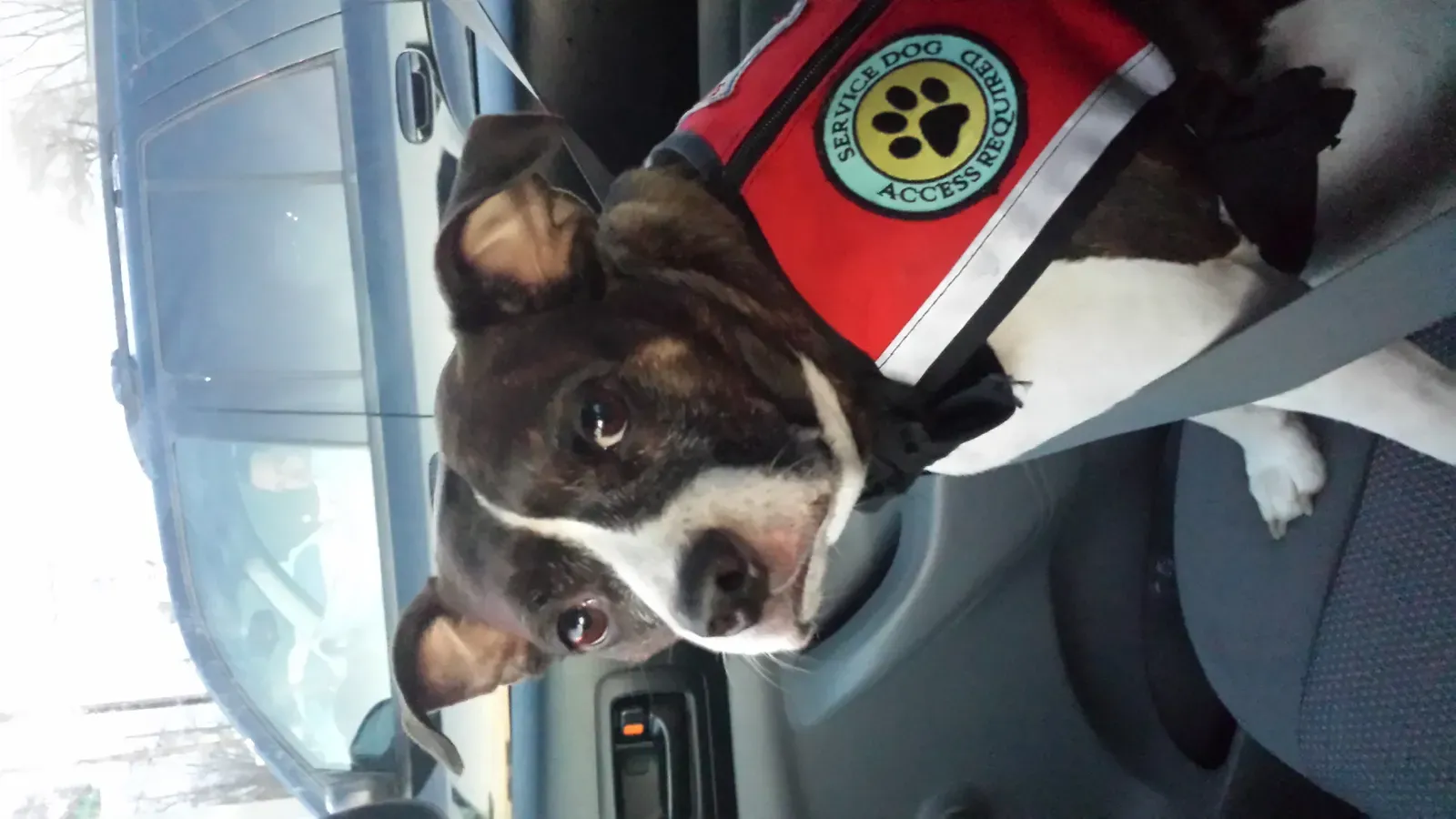
Here’s where things get truly remarkable. Dogs know when you’re sick because they can smell chemical and hormonal changes associated with infections, illnesses and even some types of cancer. There are countless documented cases of dogs detecting cancer, low blood sugar, or impending seizures in their owners. These aren’t coincidences or myths.
Dogs have acute senses, and some take this ability to a higher level by sensing danger before it happens, whether detecting an oncoming illness, low blood sugar, or even alerting someone to a serious condition like cancer. Medical alert dogs are trained for this work, but many ordinary family pets display similar abilities without formal training. Dogs can detect changes in body chemistry or behavior that precede medical conditions, and they recognize the subtle changes that can alert their owners, providing early warnings of medical emergencies. When your dog exhibits this kind of behavior, it feels as though they’re actively protecting your wellbeing, much like a guardian angel would.
They Provide Comfort During Your Darkest Moments
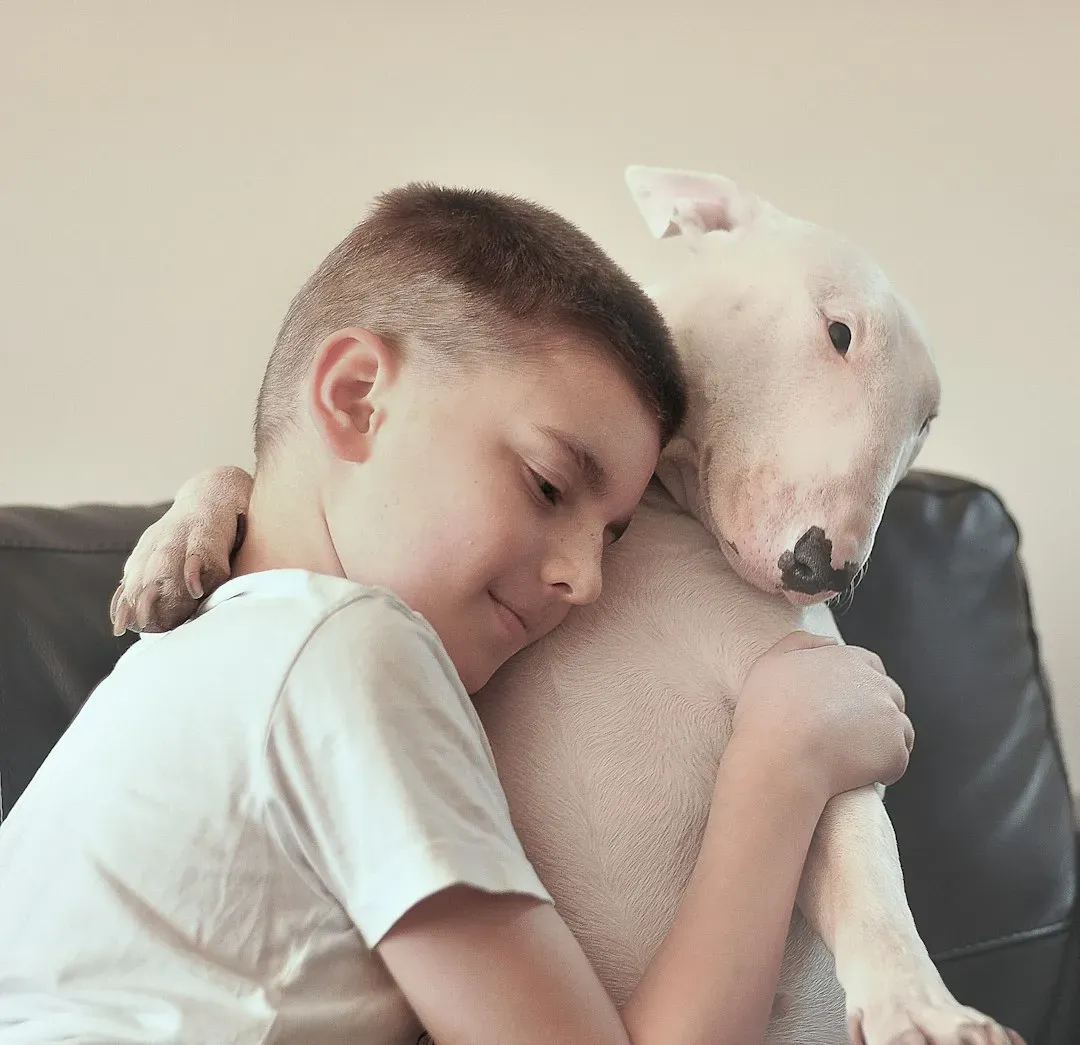
When you’re going through difficult times, whether it’s the loss of a loved one or facing personal challenges, your dog’s ability to provide comfort can feel almost divine, and dogs sense grief and often stick by your side during these tough moments. They don’t need words to understand pain. They just know.
If you are sad, they are affected by it and come close to nuzzle you, comforting you while seeking comfort themselves. Dogs that heard distress calls opened the door much faster if their owner was crying, and based on their physiological and behavioral responses, dogs who opened were less stressed during baseline measurements, indicating that those who could suppress their own distress were the ones who could jump into action. This deep emotional connection and unwavering support is reminiscent of how a guardian angel would offer comfort during times of sorrow.
They Stay Constantly Vigilant Over Your Safety
If your dog seems to follow you around the house, keeping a close eye on you at all times, it may be a sign that they’re acting as your guardian. This constant presence isn’t obsessive behavior or separation anxiety. A protective dog tends to stay constantly vigilant and alert to its surroundings.
If your dog scans the room or reacts quickly to sudden noises or movements, it’s likely tuned into potential dangers real or imagined. A protective dog remains hyper-aware of their surroundings, scanning the environment frequently and reacting quickly to sudden noises or movements. Maybe they’ve woken you up at night for seemingly no reason, only for you to later discover there was a gas leak, a fire hazard, or someone lurking outside. Many dogs have been known to wake their owners during critical moments, such as fire, break-in, or medical emergency, and dogs exhibiting this behavior often do so instinctively, as if tuned into a higher sense of awareness.
Conclusion
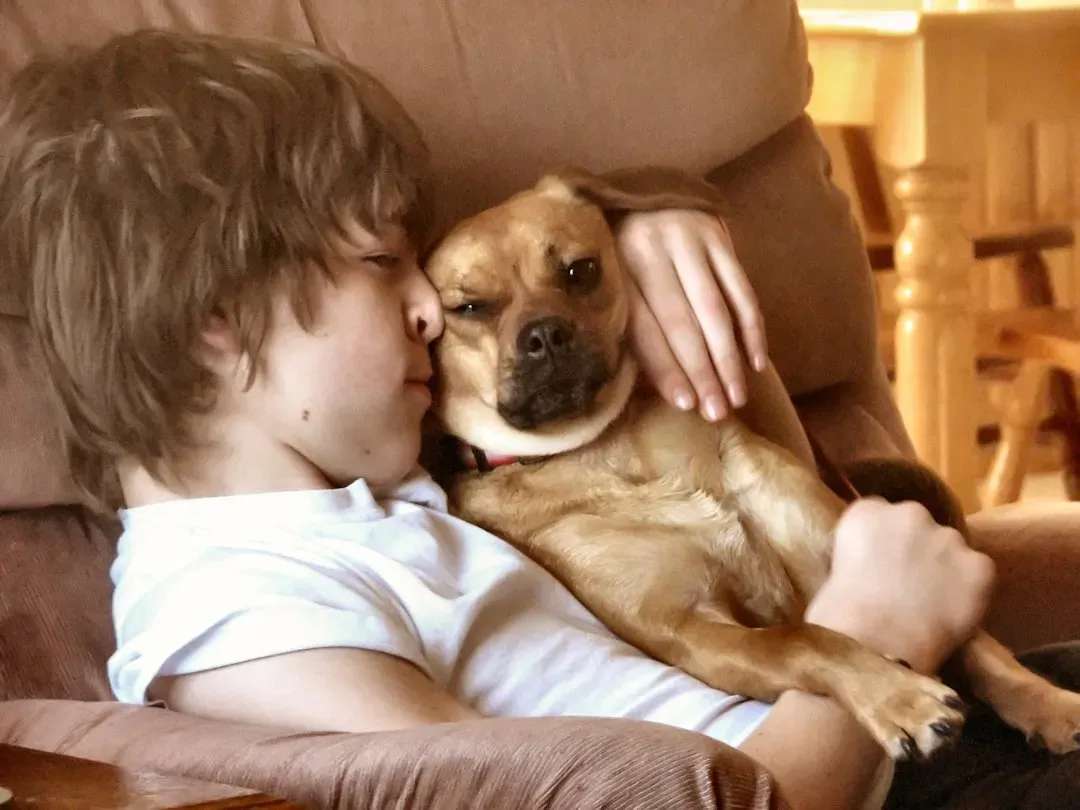
The connection between you and your dog transcends the ordinary relationship between human and pet. These loyal companions don’t just live alongside us – they watch over us with a devotion that feels celestial. From sensing our emotions before we express them to detecting life-threatening health conditions, dogs demonstrate an almost supernatural awareness of our needs.
Whether your dog positions themselves as your physical shield, comforts you through grief, or maintains constant vigilance over your wellbeing, these behaviors suggest something profound. They’re not just responding to training or instinct. They’re fulfilling a deeper purpose, acting as earthly guardians who arrived precisely when you needed them most. So the next time your dog does something that seems impossibly intuitive, maybe they really are your guardian angel watching over you. What do you think? Does your dog show these protective, intuitive behaviors?


