
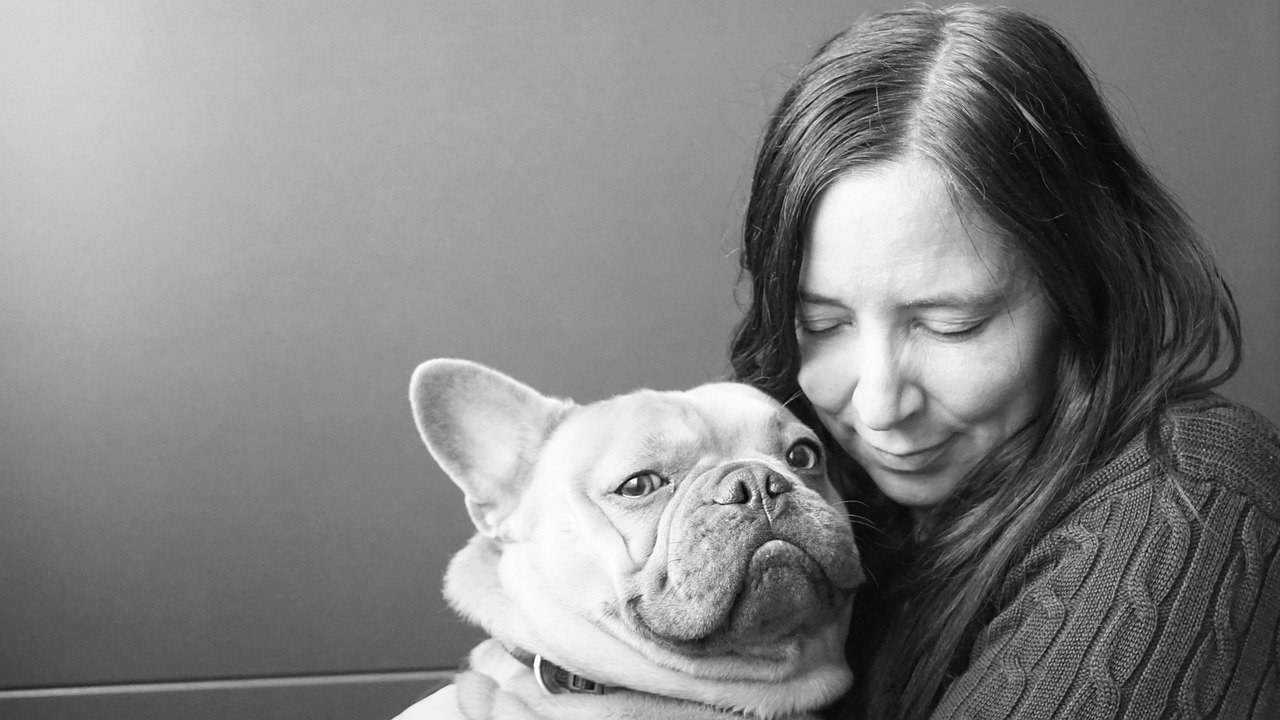
We love our dogs with everything we’ve got. Sometimes that means wanting to be with them constantly, smothering them with attention, and assuming they’re always craving our company. I get it. Their wagging tails and happy faces make it easy to believe they want nonstop interaction.
Here’s the thing, though. Dogs, like us, need space sometimes. They’re social creatures, yes, but even the most affectionate pup can feel overwhelmed by too much togetherness. The tricky part? They won’t come out and tell you directly. Instead, they communicate through subtle body language and behaviors that are easy to miss if you’re not tuned in.
Let’s be real, understanding when your dog needs alone time isn’t just about being a good pet parent. It’s about respecting their emotional boundaries and preventing stress before it escalates into something bigger. So let’s dive in and learn to read the signs your dog is quietly sending your way.
They’re Suddenly Seeking Out Hiding Spots
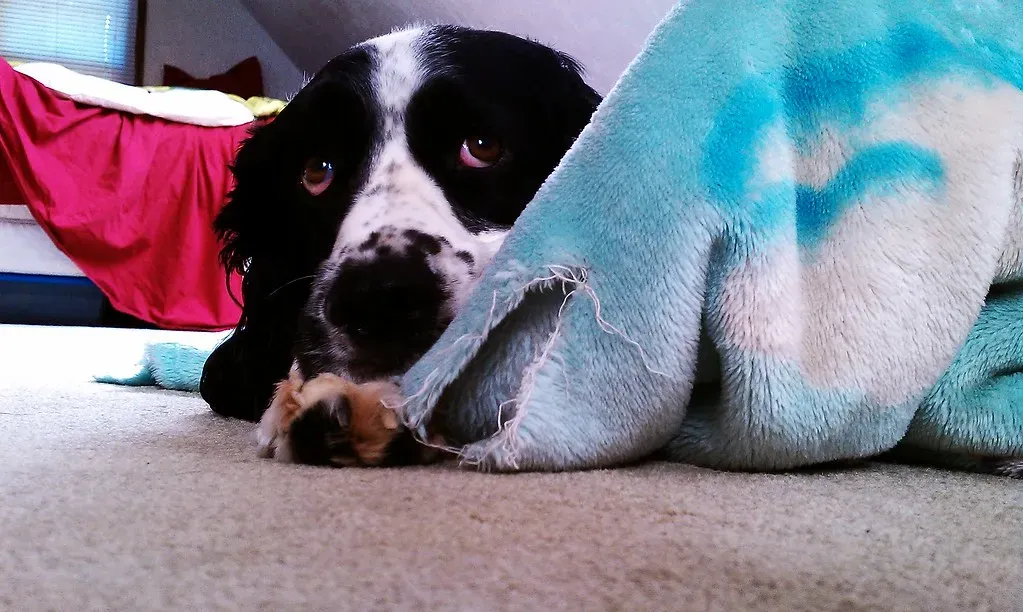
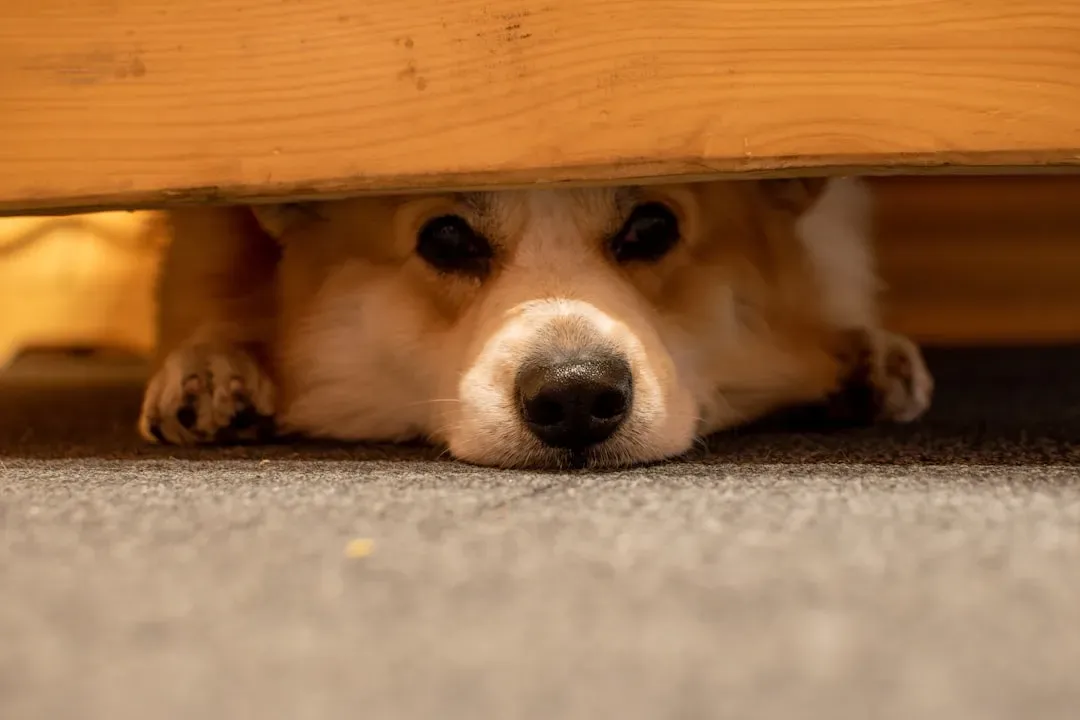
You might walk into the room and notice your dog has disappeared under the bed, wedged themselves behind the couch, or retreated to a closet. When a dog actively looks for a quiet place to retreat to, it’s a sign they need some time to themselves, and it’s important to allow them the space they need, as forcing them out of their hiding spot can increase stress and anxiety. This isn’t a game of hide and seek.
Dogs are descendants of den-dwelling animals, and many still carry this instinctive desire for enclosed, safe spaces, where hiding under furniture or in quiet corners feels natural and comfortable, much like their wild ancestors would seek out dens for security and rest. That said, if this behavior appears out of nowhere or becomes excessive, pay attention. Dogs will often go into hiding when they’re not feeling well, as they don’t understand what’s going on when they don’t feel well, which may cause them to want to hide away as a natural instinct to want to be alone in these circumstances.
To help your dog feel safe, create a designated quiet zone in your home. Think of it as their personal sanctuary. A cozy dog bed in a low-traffic corner, a crate with soft bedding, or even a covered space can work wonders. Let them retreat there without interruption, and resist the urge to coax them out for cuddles.
Avoiding Eye Contact or Turning Away From You
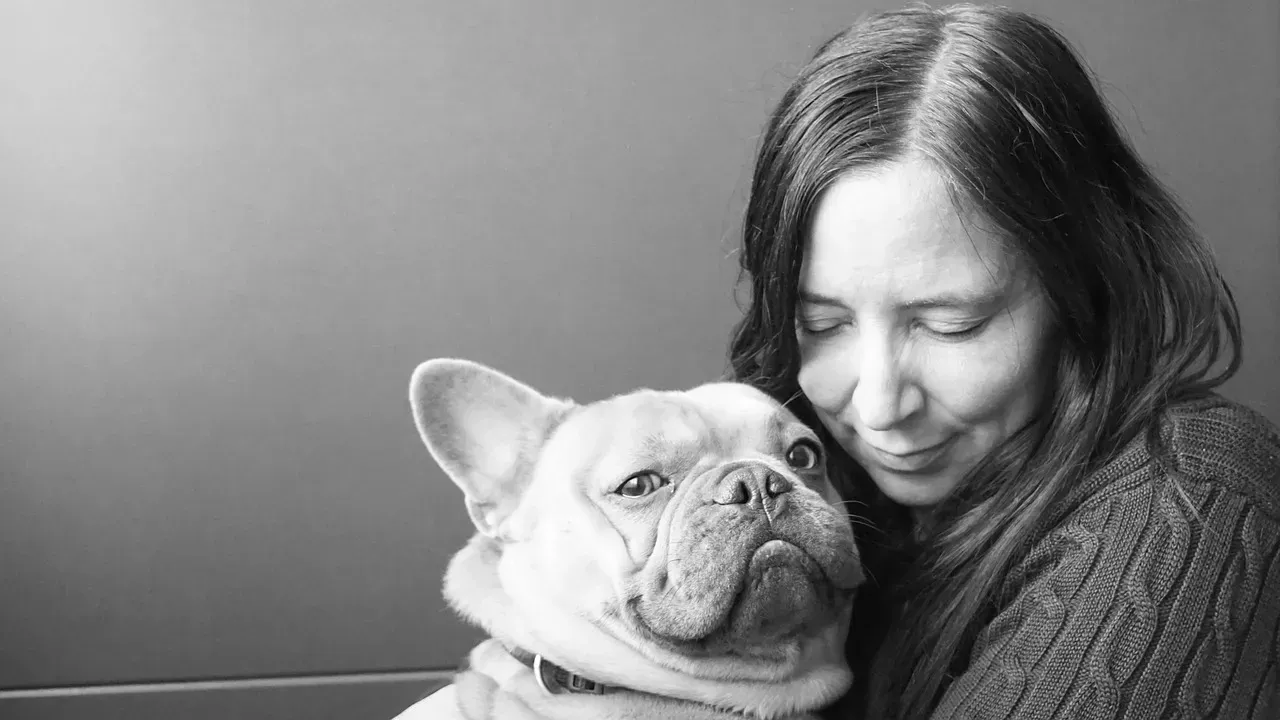
One of the clearest signals that a dog wants to be left alone is avoiding eye contact, as dogs use eye contact as a way of communicating, and when they avoid looking directly at you, it’s often a sign that they need some personal space. If your dog suddenly looks away, turns their head, or even closes their eyes when you approach, they’re not being rude. They’re politely asking for distance.
If your dog turns their back to you or walks away from you, they could be trying to send a message that they need space, similar to the way people turn their backs when they are upset or need some alone time, as it’s a way of disengaging from social interaction and signaling that they prefer solitude for the moment. Honestly, it’s kind of refreshing when you think about it. They’re setting boundaries without drama.
The best response? Back off. Give them the room they’re requesting. It’s a sign of respect for their emotional boundaries, and they’ll come back to you when they are ready. Pushing for interaction when they clearly don’t want it will only make them more uncomfortable and could damage the trust between you.
Excessive Yawning, Lip Licking, or Whale Eye
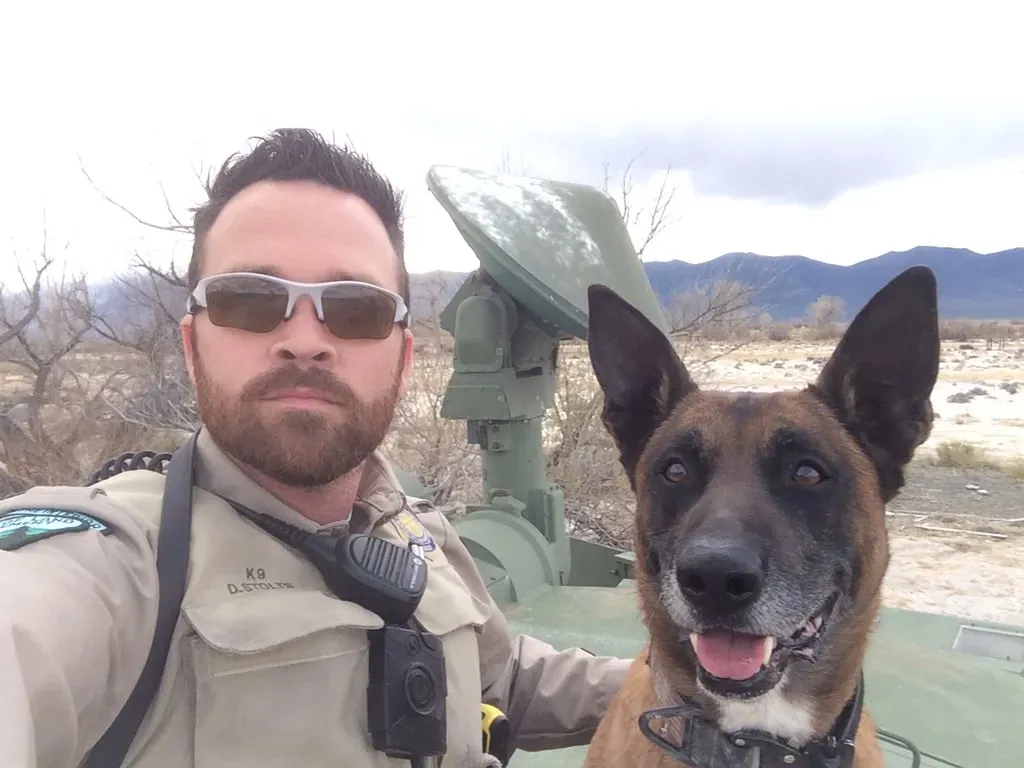
The top three calming signals owners should be on the lookout for are lip licking, yawning, and shaking off. These aren’t just random twitches or signs your dog is sleepy. Context matters here. Yawning in bed just signals being tired, but yawning during a hug might indicate stress.
Dogs naturally lick their lips or noses when eating, drinking, or after getting wet, but if your dog is repeatedly licking when no food or water is around, it may be a calming signal, or a way to self-soothe during a stressful moment. Meanwhile, whale eye is when you can see the whites of your dog’s eyes because they’re turning their head away while keeping their gaze fixed on something. It’s a sign of discomfort.
If you notice these behaviors during playtime, petting sessions, or when guests are around, take a step back. Your dog is trying to tell you they’re feeling overwhelmed. Give them a break from the stimulation and let them decompress on their own terms. Sometimes the kindest thing you can do is nothing at all.
Panting or Pacing Without Physical Exertion
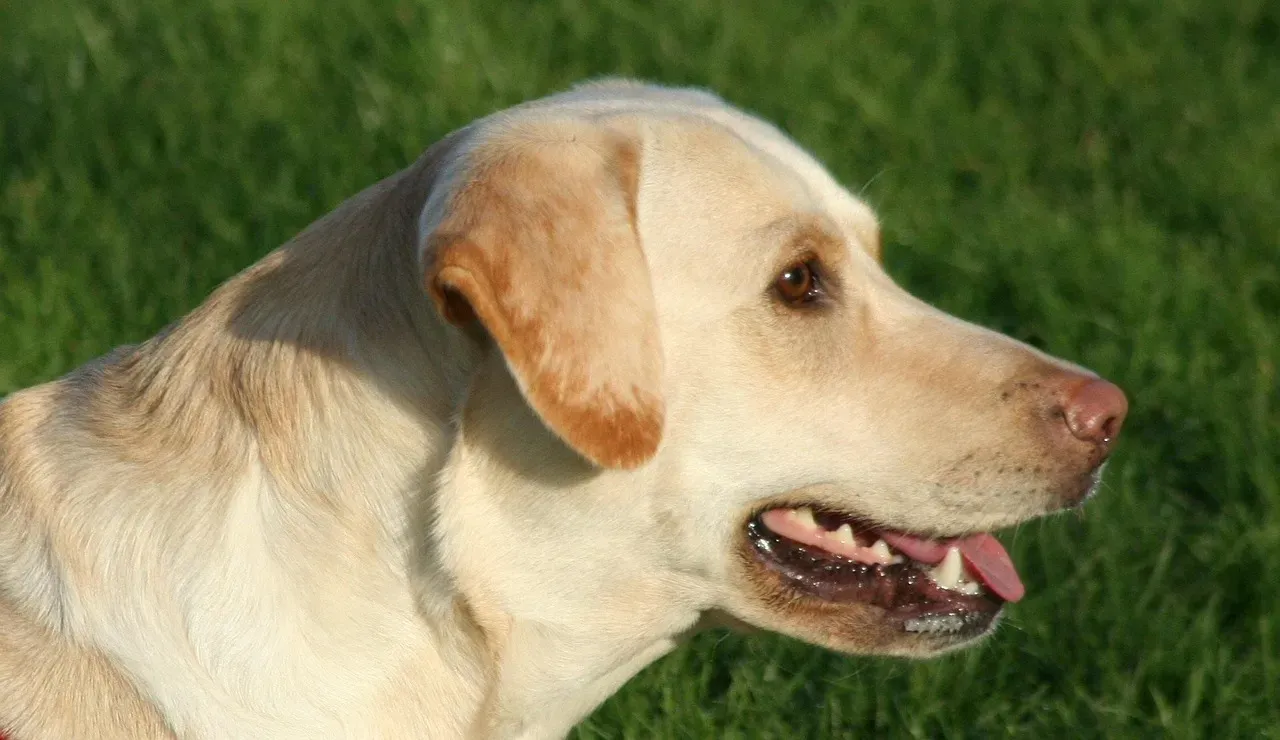
Panting is a normal way for dogs to cool down, especially after playing or in hot weather, but when panting happens indoors, in cool temperatures, or during quiet activity, it can point to stress, with rapid, shallow panting especially telling that there’s something else going on. If your dog hasn’t just run around the yard or gone for a walk, this could be a red flag.
When dogs are pacing back and forth, it’s a sign they can’t settle down because something is stressing them. Maybe there’s too much noise, too many people, or they’ve simply had enough social interaction for the day. Dogs can get mentally fatigued just like we do.
Create a calm environment by reducing noise levels, dimming lights, and minimizing activity around your dog. If you’ve had a busy day with lots of guests or excitement, your dog might need several hours of quiet to recharge. Respecting that need will help them feel more secure and balanced.
Refusing Interaction, Play, or Treats
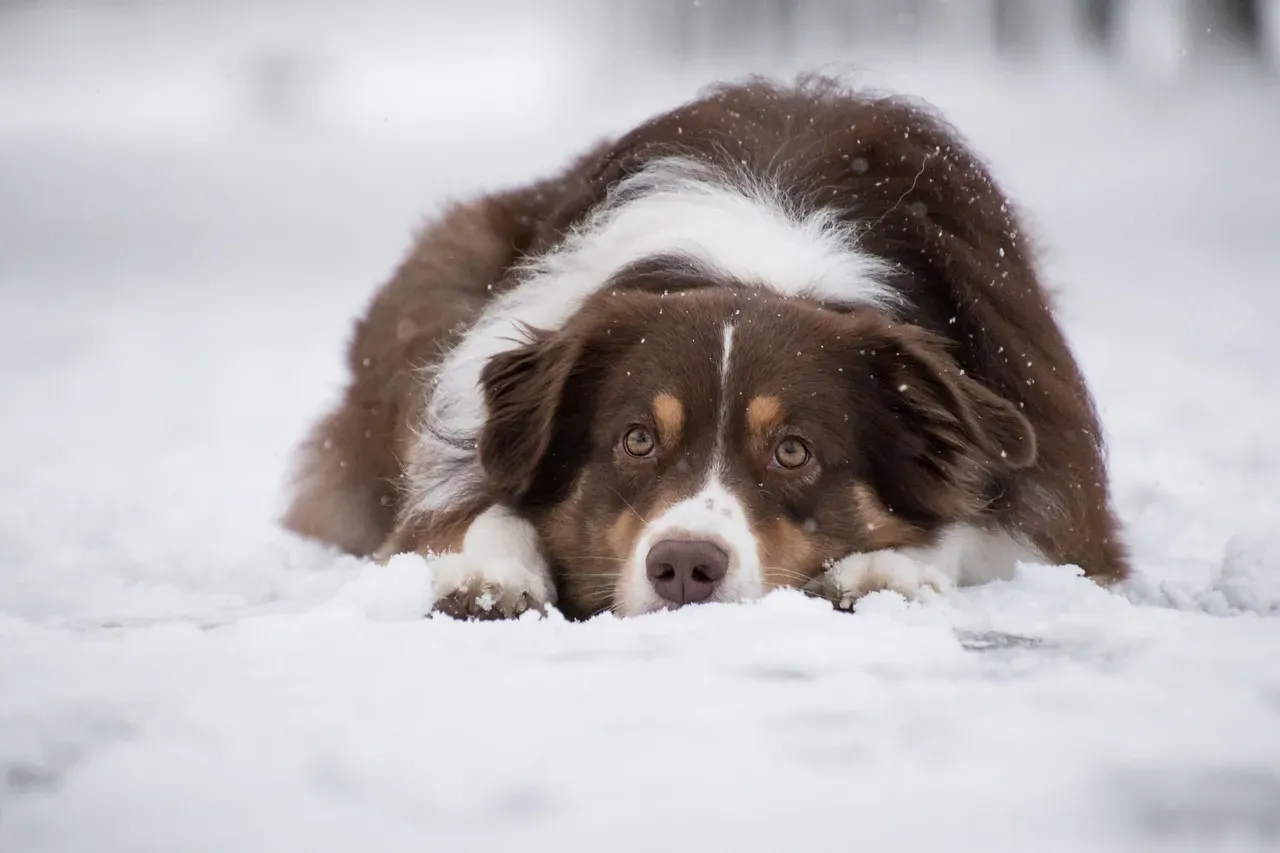
This one can sting a little. You offer your dog their favorite toy or a delicious treat, and they just… ignore you. Dogs can get tired or mentally fatigued, and when they do, they’ll often retreat into themselves, refusing play or interaction, so let them rest and recharge as there will be plenty of time for play later.
If your dog actively avoids physical contact or reacts negatively when you try to pet it, it’s signaling a desire for solitude, so respect its boundaries and allow it the space it needs. I know it sounds crazy, but your dog isn’t rejecting you. They’re communicating an emotional need that deserves to be honored.
For a general guideline, dogs should get a minimum of two hours of dedicated social time with humans or other dogs on a daily basis, which can be broken up into chunks of time over the course of the day. The rest of the time? They benefit from independence. Let them play solo, nap undisturbed, or simply exist without demands on their attention. It’s hard to say for sure, but this balance might be the key to a happier, healthier dog.
Conclusion
Learning to recognize when your dog needs alone time is one of the most loving things you can do for them. It shows you’re paying attention to their needs, not just your own desire for constant companionship. These subtle signals – hiding, avoiding eye contact, yawning, panting, and refusing interaction – are your dog’s way of saying they’re maxed out emotionally and need a break.
Dogs, like people, can be introverts or extroverts, and it sounds as though some dogs are on the introvert side and need some time and space alone to recharge and rest. Create safe spaces, honor their boundaries, and resist the urge to smother them with affection when they’re clearly not in the mood. Your dog will thank you with a stronger bond and more genuine enthusiasm when they do seek you out.
What signs have you noticed in your own dog? Have you learned to give them the space they need, or are you still working on it? Share your experiences in the comments below.


