
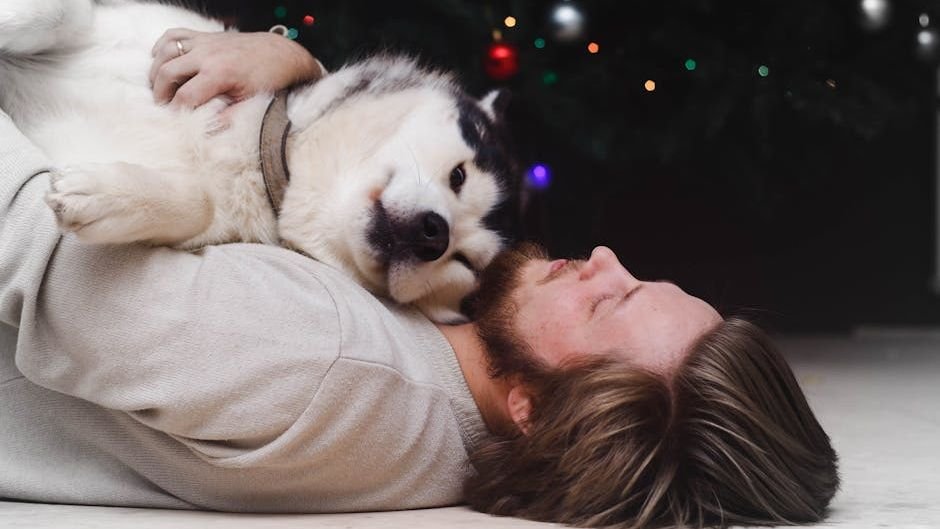
There’s a moment every dog owner knows. You’re sitting quietly on the couch, and your dog just wanders over, sighs deeply, and melts into your side. No reason. No treat. Just because you’re you. It’s one of the most quietly profound things another living creature can do, and honestly, it gets me every time.
But here’s what a lot of people don’t realize: that moment isn’t random. It’s earned. Dogs might not “trust” the way humans do, but just like people, their sense of security can be earned and lost over time. Every walk, every gentle word, every moment of patience you’ve ever offered your dog has been quietly tallied up. So what does deep, genuine trust actually look like in a dog? Let’s find out.
They Show You a Completely Relaxed Body
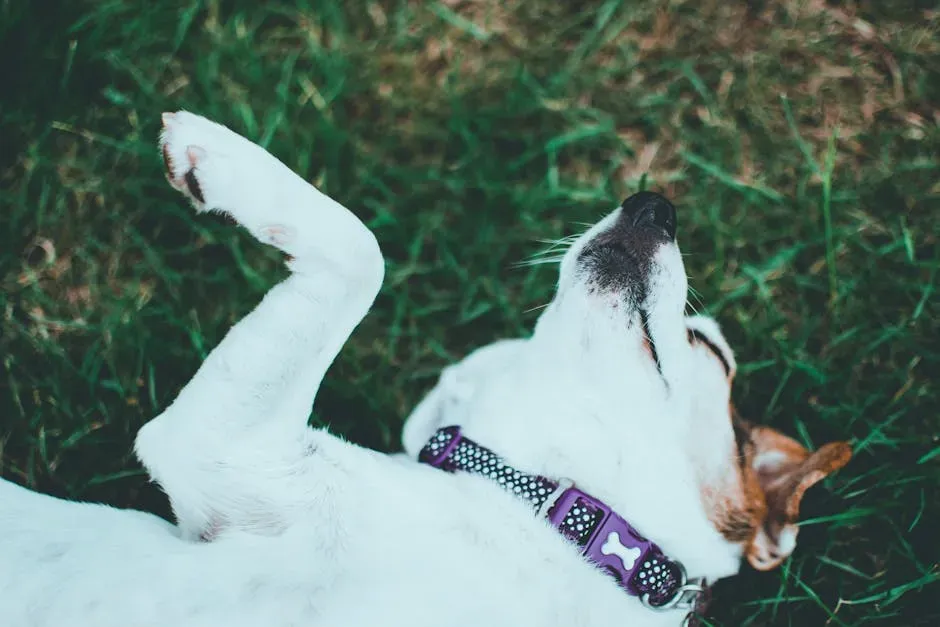
You know that full-body flop your dog does when they sprawl across the floor like they’ve got absolutely no bones left? That’s not laziness. That’s love. When dogs fully relax around you, stretching out, letting their limbs dangle, or exposing their belly, it’s a sign they trust you completely.
A dog who’s on alert and worried will have vastly different posture than one who feels at ease. Your trusting dog will present with body language that shows their comfort level with you. Think of it like this: a tense dog is always on standby, like a phone with too many apps running. A trusting dog is fully powered down, right beside you.
Signs of a relaxed, trusting dog include a relaxed face, loose lips perhaps with the tongue hanging out, a natural-looking tail position with flowing movement, and a smooth gait. In contrast, an uncomfortable dog might engage in displacement behaviors like licking their lips or yawning excessively, or might pace around. Learning to spot the difference is one of the most powerful things you can do as a dog parent.
To earn more of this, keep your energy calm and consistent at home. Loud, erratic behavior from you creates a ripple effect in your dog. Building trust is all about making your dog feel safe. Trust provides a dog with a level of certainty that interacting with you will result in something good happening.
They Make Gentle, Soft Eye Contact With You
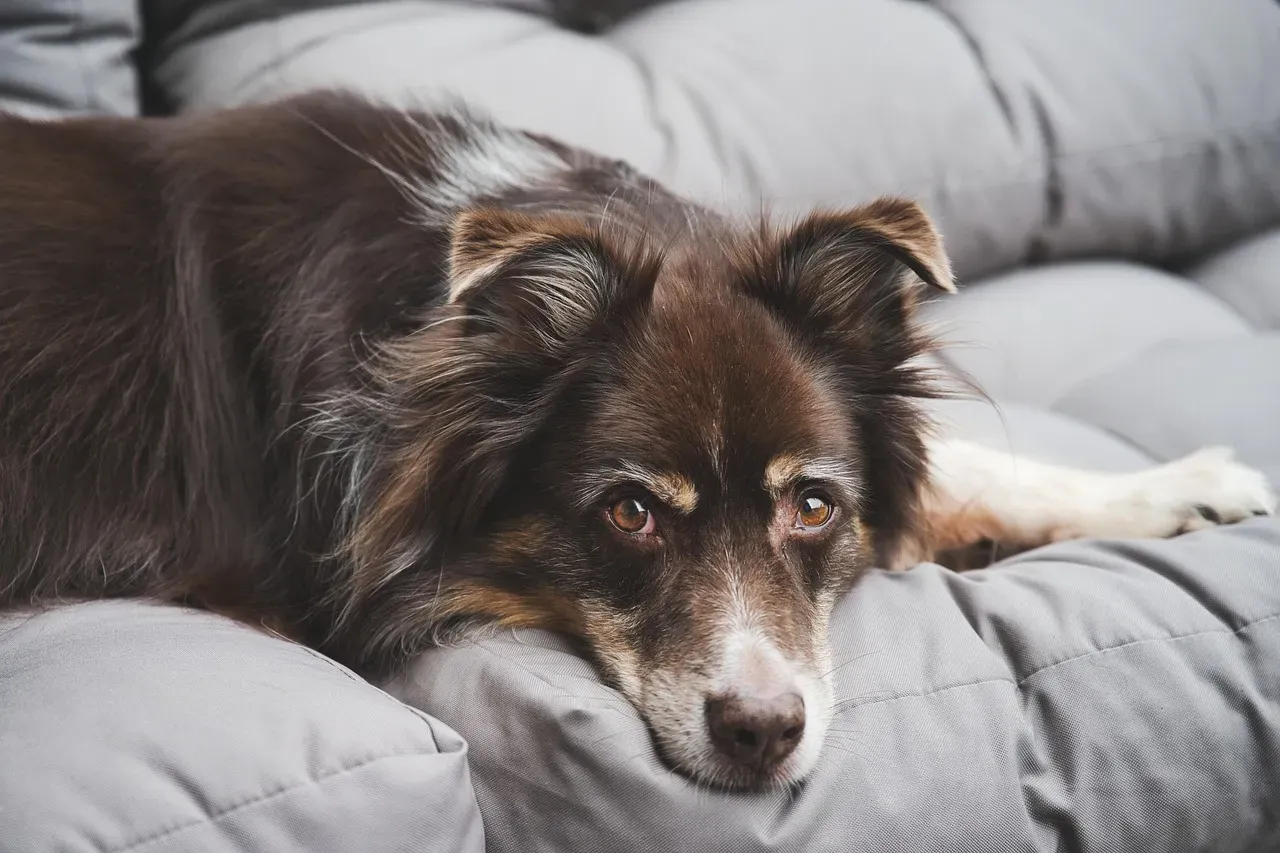
Here’s a fun fact that still blows my mind: a dog holding steady, soft eye contact with you isn’t just being cute. It’s actually a biological bonding event. Eye contact with your dog stimulates the release of oxytocin, the same hormone that helps bond parents and their children. This trust-building moment creates a deeper emotional connection.
Dogs are generally cautious regarding eye contact, especially with strangers or those they don’t trust. When your dog locks eyes with you without hesitation, it’s a sign they feel safe and comfortable in your presence. This is completely different from a hard, stiff stare, which can actually signal tension or challenge. The key word is “soft.” Warm, blinking, relaxed eyes are your dog saying “I see you, and I’m safe.”
Want to build on this? Try returning that gentle gaze during calm, quiet moments. Return soft eye contact during relaxed moments and avoid intimidating stares. It sounds almost too simple, but those few seconds of mutual gaze do more for your bond than you might expect. Think of it as a conversation happening completely without words.
They Sleep Near You or Choose Your Space to Rest
Sleep is a vulnerable state in the animal kingdom, and dogs are no exception. When your dog chooses to sleep near you, on your feet, or in your bed, they demonstrate trust. Sleeping close to you means they feel protected and secure in your presence. I think about this every time my dog chooses to curl up right next to me instead of in her perfectly comfortable dog bed across the room.
Wild canines prefer to sleep in confined spaces near other pack members, whom they can trust to keep them safe. You’re part of your dog’s “pack,” so naturally they feel safest when sleeping close to you. It’s deeply instinctual, millions of years of evolution pointing your dog straight toward you at bedtime. That’s not nothing.
To encourage this kind of comfort, make sure your dog has a consistent, safe resting environment. Designated quiet areas allow emotional decompression and recovery. Dogs trust spaces where they know they can retreat to an area that is safe, predictable, comfortable, and respected. A dog who feels secure in their space feels secure with you.
They Check In With You During Adventures and New Situations
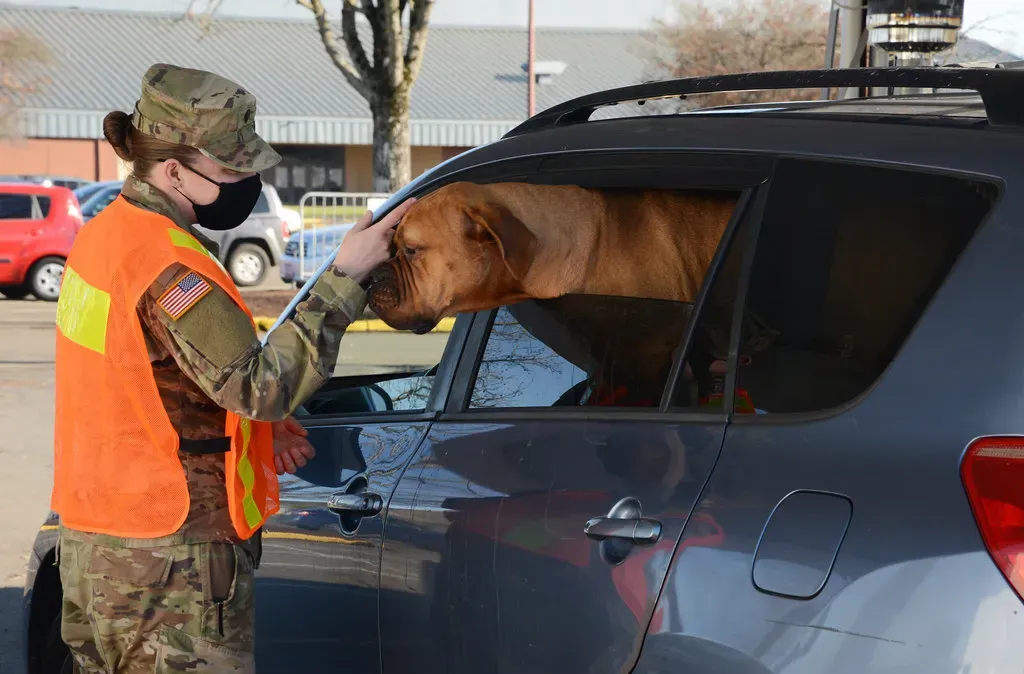
Picture this: you’re at the dog park, and your pup is zooming around having the time of their life. Then, mid-zoomie, they come running back to you for just a second before charging off again. That tiny check-in? It means everything. When you’re visiting the dog park or out on the trail and your dog frequently pauses to check in with you, you have a strong bond.
When a dog finds itself in an unfamiliar situation, it’s likely that it will look to its owner for comfort and trust that they are there to provide moral support. This is particularly evident in new environments, since dogs look to humans to learn about their surroundings. If a dog sticks near and looks to you for reassurance, you can rest assured they feel trust in your presence.
At the end of the day, the best way to know if your dog feels safe and comfortable around you is if they rely on you to provide safety and comfort. When startled or upset, if they look to you and move toward you rather than retreating and seeking distance, that’s a pretty solid answer. To build more of this behavior, practice being a positive, reliable anchor during new experiences. Stay calm when your dog is unsure. Your steadiness teaches them that you are their safe base, no matter where you are.
They Let You Handle Them During Grooming and Care
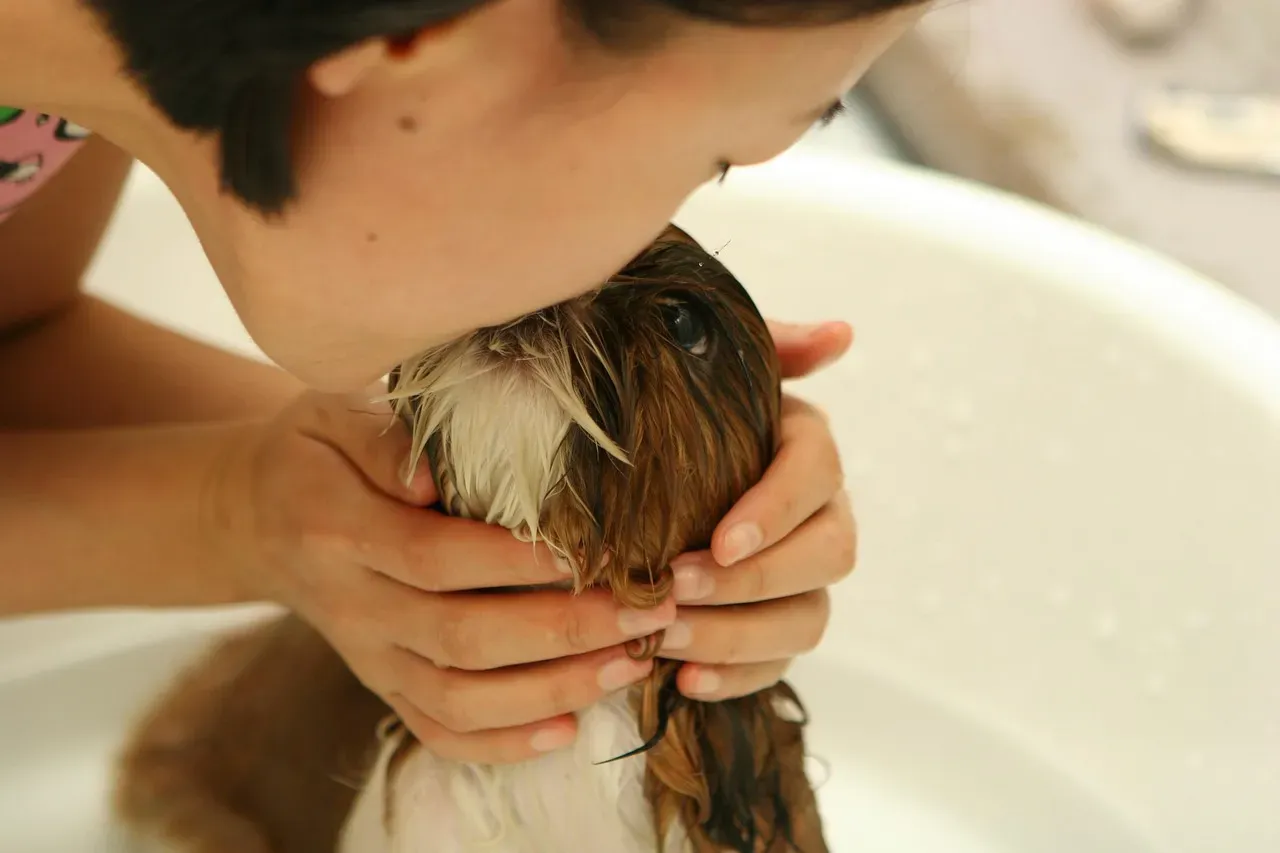
Honestly, this one is the most underrated sign on the list. Think about how strange grooming must feel to a dog. Someone fussing with their paws, poking around their ears, clipping their nails. It’s awkward at best, mildly uncomfortable at worst. From teeth brushing to nail trimming, our pups require quite a few grooming and care tasks, and allowing us to perform them without a fuss is a clear indicator that your pup trusts you. Most of the handling required for care is awkward if not a little uncomfortable for dogs, so a dog who goes with the flow during unpleasant procedures shows how much they trust you.
Many dogs are protective of their paws and may be uncomfortable with anyone touching them. However, if your dog allows you to handle their paws without pulling away or showing discomfort, it’s a sign of trust. This is especially true during grooming sessions, like trimming nails or wiping their feet after a walk. When your dog remains calm and cooperative during these moments, they trust you to care for them, even when they feel vulnerable.
The best way to earn more of this trust is to go slow and use positive reinforcement. Regular brushing, gentle petting, or massage not only keeps your dog healthy, but it also reinforces your bond. Touch builds trust and comfort, especially when it’s paired with positive experiences. Take time to learn how your dog likes to be handled. Some love belly rubs, while others prefer ear scratches or just being near you. Never rush grooming. Think of it as quality time wearing practical clothes.
A Final Thought: Trust Is a Two-Way Street
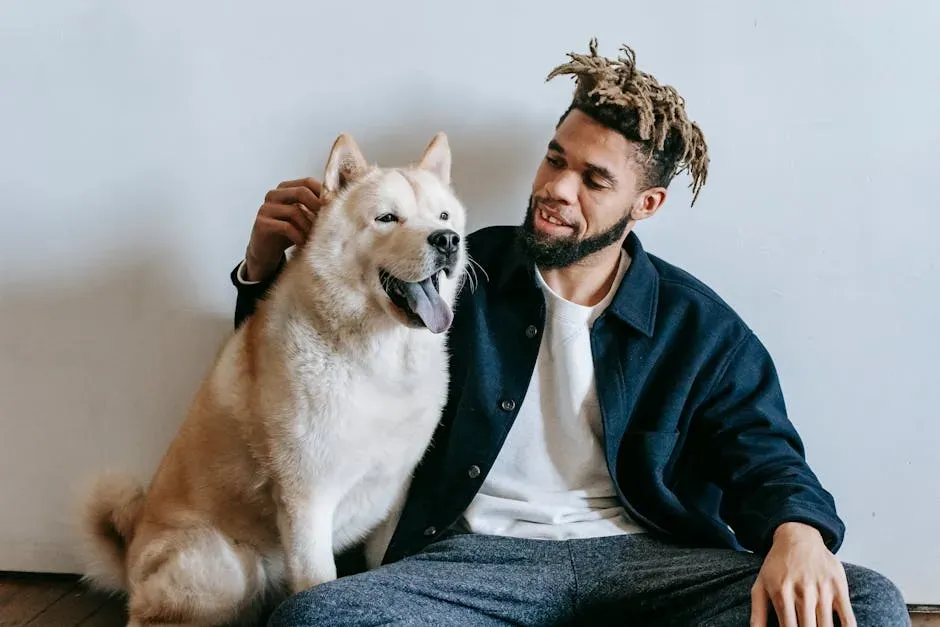
Here’s the thing that ties all of this together: trust between you and your dog isn’t a destination. It’s a daily practice. We control nearly every aspect of our dogs’ lives, from what they eat to when they eliminate, so giving your dog autonomy is a way to prove that trust is a two-way street. For example, let them choose which path you’re going to walk or how long they sniff in the park. Giving your dog the chance to have a voice in your day-to-day life is an easy way to deepen the connection to your furry best friend.
Training your dog using positive reinforcement is not only effective, but it’s also a relationship builder. Rewarding good behavior with treats, praise, or playtime reinforces your bond and creates a safe space for learning. Avoid punishment-based methods, which can damage trust and create confusion or fear. Small, kind, consistent actions stack up faster than you think.
Every relaxed sigh, every soft gaze, every sleepy flop against your leg is your dog’s quiet way of saying “I’ve got you, and I know you’ve got me.” That bond is one of the most beautiful things in the world. Don’t take it for granted. Keep showing up. Keep listening. Your dog already knows you’re worth trusting. Now it’s your turn to keep proving them right.
Which of these signs does your dog show most? Tell us in the comments, we’d love to hear your story!


