
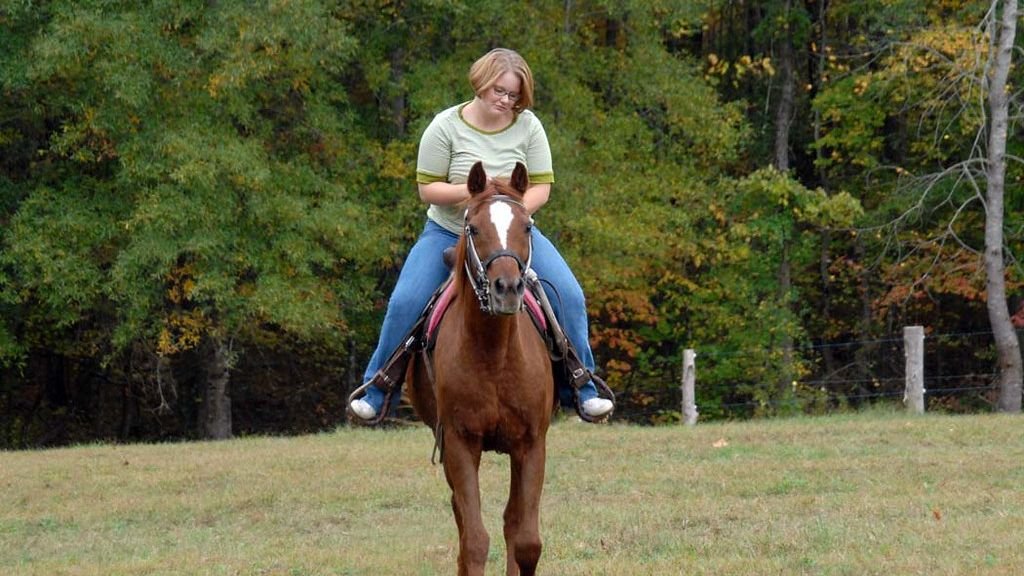
Ever wonder if your horse is truly content or just tolerating daily life? Horses can’t sit us down for a heart-to-heart, yet they’re constantly communicating through body language, facial expressions, and behavior. The challenge is learning to read those signals before small frustrations escalate into bigger problems.
Some signs are obvious, like a horse who eagerly walks up to greet you. Others are subtle, like a slight tension around the eyes or a tail that doesn’t quite swing freely. Understanding what your horse is telling you isn’t just about being a better owner. It’s about building trust, preventing stress-related health issues, and ensuring your partnership is built on genuine contentment rather than resignation. Let’s dive into the telltale signs that reveal whether your horse is truly thriving or quietly struggling.
They Approach You Willingly in the Pasture
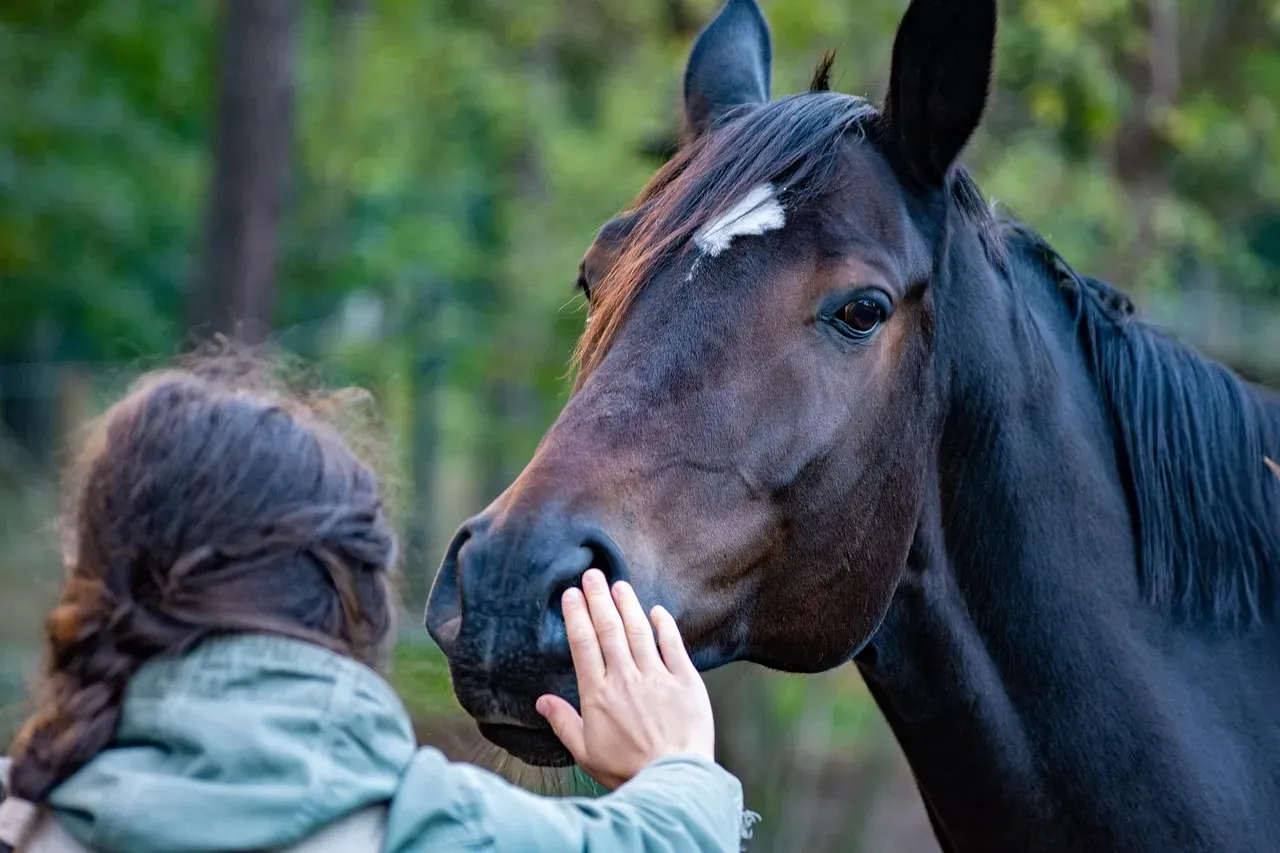
If your horse chooses to walk up to you in the pasture when you arrive at the barn, it means that she associates you with good things and trusts that approaching you will lead to positive outcomes. This is one of the most heartwarming indicators of a happy horse. Think about it: horses are prey animals with strong survival instincts. When yours actively seeks out your company instead of staying with the herd, that’s a powerful statement.
A horse who willingly approaches shows they’ve formed a positive emotional connection with you. They’re not just resigned to being caught or anticipating food. They genuinely want interaction. This behavior suggests their overall environment and care routine make them feel secure and valued.
On the flip side, a horse who consistently hides in the corner, turns away, or evades capture is sending a clear message. Something in their experience with humans isn’t sitting right. Maybe they associate being caught with discomfort, overwork, or pain. Pay attention to this reluctance because it’s often the first red flag.
Happy horses are engaged with life going on around them. They are active members in their social groupings and attentive to, and eagerly willing to, explore their environment. When your horse actively participates in their world rather than withdrawing from it, you’re witnessing genuine contentment. This engagement extends beyond just human interaction to include curiosity about their surroundings and enthusiasm for daily activities.
Relaxed Facial Expression and Soft Eyes
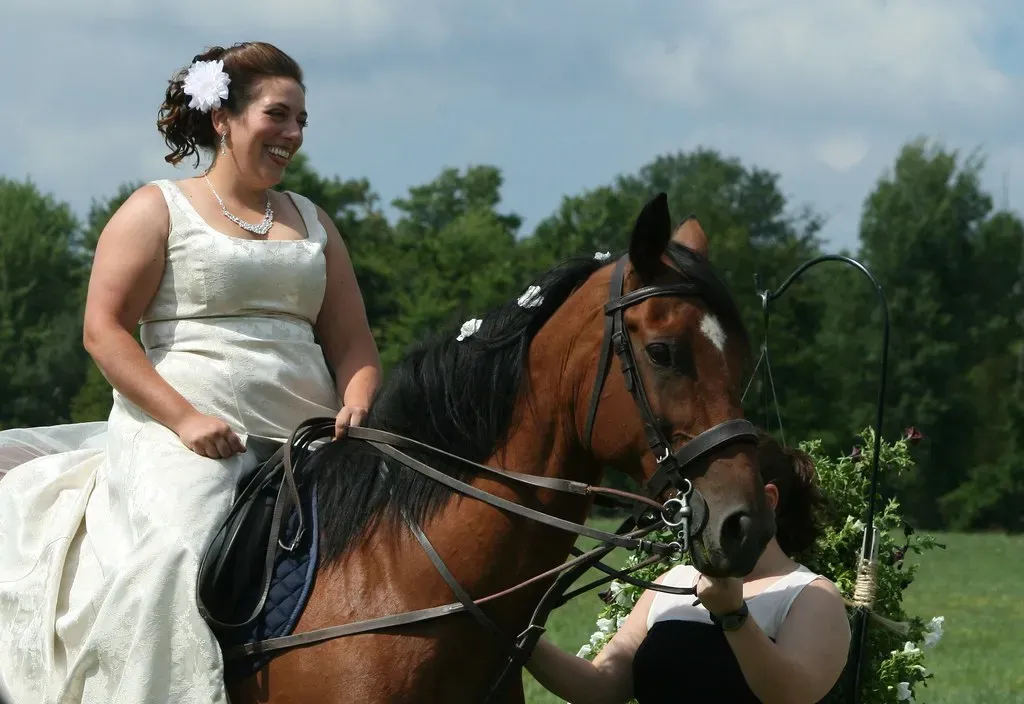
Happy horses show relaxed facial expressions, including soft eyes and unflared nostrils, indicating mental well-being and comfort. The face doesn’t lie. A content horse displays what I’d call a peaceful expression, with eyelids that aren’t tense, eyes that have a gentle focus rather than a wide, staring quality, and nostrils that maintain their natural rounded shape.
A sign of deep relaxation is that your horse’s jaw may hang loosely with a soft eye. Sometimes you’ll even notice the lower lip drooping slightly when a horse is fully at ease. The whole face just looks calm, almost serene. There’s no tension pulling at the muscles around the mouth or eyes.
Watch those nostrils too. Your horse’s nostrils are soft, round, and relaxed and breathing is even on both sides. When a horse is happy and comfortable, their breathing remains steady and their nostrils don’t flare unless they’re exerting themselves during play or exercise. The overall impression should be one of tranquility.
Contrast this with a stressed horse. Telltale signs of stress in a horse’s face include flared nostrils, widely opened eyes with whites showing, a tightened mouth, and high head carriage. Once you train your eye to recognize these differences, you’ll be amazed at how much your horse’s face reveals about their emotional state. Honestly, it’s like learning a whole new language.
Balanced Movement and Playful Behavior
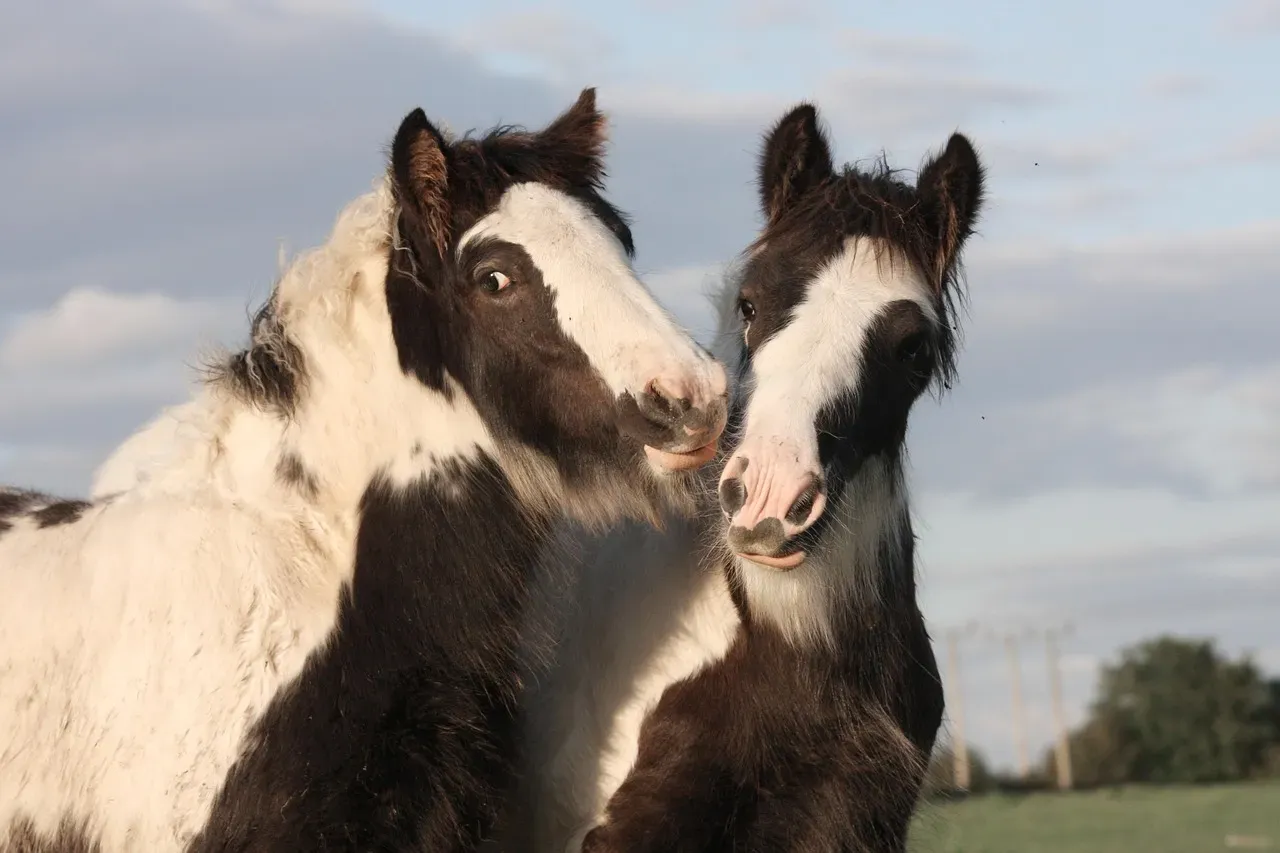
Balanced movement, calm behavior, and proper self-carriage reflect a horse’s physical and mental health, ensuring their ability to move freely and comfortably. A happy horse moves with ease and fluidity. Their gaits look natural, not stiff or restricted. When turned out, they’ll often display playful behaviors that demonstrate both contentment and physical wellness.
It may look as though your horse is fighting, but rearing up with their front legs at another horse or pawing the ground are often signs they are enjoying themselves. Horses generally won’t play with each other unless they’re happy. Yes, it can look dramatic. But that exuberant rearing, those sudden bursts of speed, the playful chasing? That’s pure joy in action. A stressed or unhappy horse rarely has the emotional bandwidth for play.
Your horse’s tail will swing freely, evenly, and loosely when happy and relaxed. Pay attention to tail movement during work and turnout. A tail that swishes naturally with the horse’s motion indicates comfort and relaxation. A clamped tail, constantly swishing tail, or one held high with tension tells a different story entirely.
Mutual grooming in the field is also a sign a horse is relaxed, healthy and bonding with another horse. When horses engage in social grooming with their pasture mates, it demonstrates they feel safe enough to engage in this vulnerable, bonding activity. These peaceful interactions between horses reflect overall contentment with their living situation.
Healthy Appetite and Normal Digestive Function
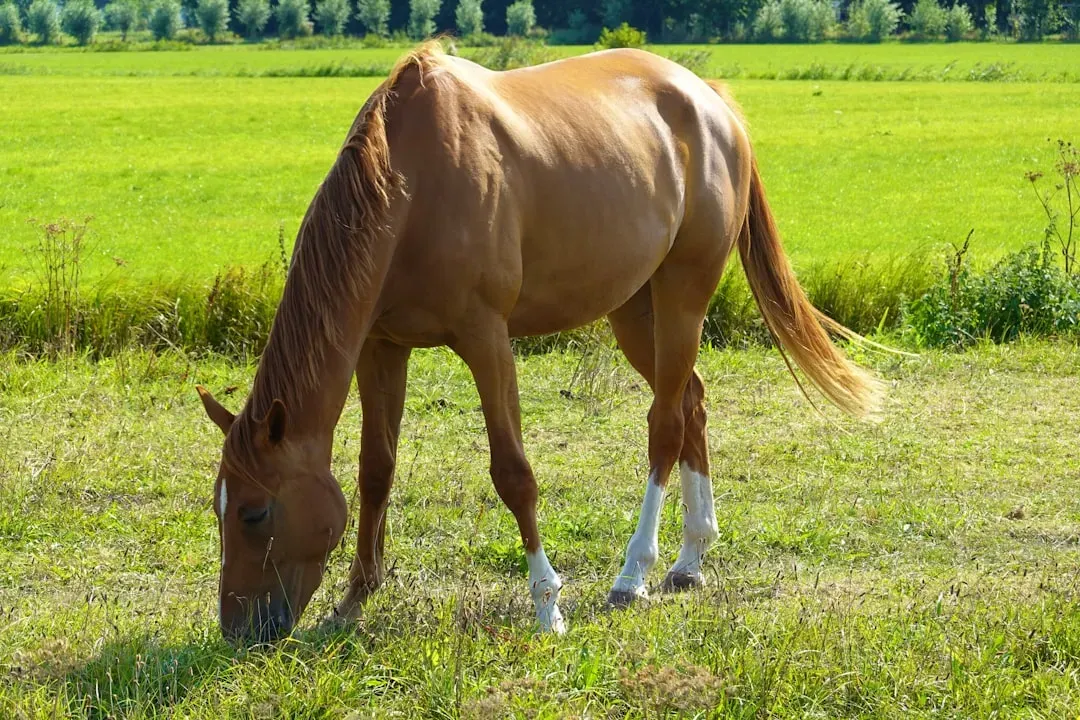
You might find this odd, but bathroom habits matter. Turns out that pooping is a sign of tension release for horses. Regular, healthy droppings especially during a bodywork session means your horse is relaxing. While this might seem like a strange indicator, it’s actually quite telling. Horses under chronic stress often experience digestive disruptions.
Good physical health in horses can be observed through normal eating habits, consistent defecation, and healthy bathroom behavior. A horse with a good appetite who eagerly anticipates meals and maintains regular bowel movements is demonstrating physical comfort. Their digestive system is functioning as it should, which is impossible when stress hormones are constantly elevated.
Your horse’s droppings should be regular and of a normal amount. Changes in manure consistency, frequency, or amount can indicate stress, illness, or discomfort. Horse owners become surprisingly knowledgeable about poop, and for good reason. It’s one of the most reliable indicators of internal health.
Loss of appetite is a serious red flag. Decreased appetite/changes in weight can signal depression or underlying health issues. If your normally food-motivated horse suddenly shows disinterest in meals, something is definitely wrong. This warrants immediate attention because horses need consistent nutrition for their digestive systems to function properly.
No Stereotypic Behaviors Present
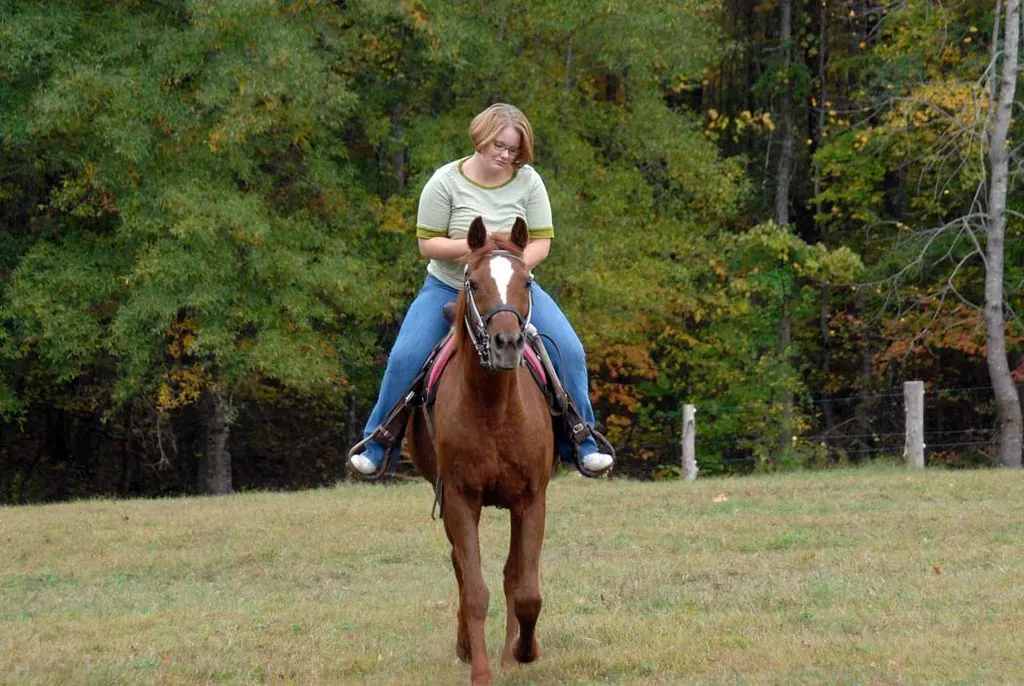
Lack of stereotypic behaviors like weaving or cribbing suggests that the horse is not experiencing undue stress and is content in their environment. Stereotypies are repetitive, seemingly purposeless behaviors that horses develop as coping mechanisms for chronic stress, boredom, or frustration. Their absence is a strong indicator of happiness.
Cribbing, weaving, stall walking, and wood chewing are among the most common stereotypies. If the horse starts chewing wood or cribbing or stall walking or kicking its stall, that is a stressed horse. These behaviors can become habits that persist even after the initial stressor is removed, which makes prevention through proper management so crucial.
Actions such as still walking (pacing back and forth or in circles), cribbing (biting an object and sucking in air), and wind sucking (arching the neck and swallowing air) are other common signs of stress or anxiety in horses. Once these behaviors develop, they’re extremely difficult to eliminate. They represent a horse trying to self-soothe in an environment that’s causing them psychological distress.
A horse who stands calmly in their stall, engages with their environment appropriately, and doesn’t display these repetitive behaviors is telling you their needs are being met. Their living situation, social opportunities, turnout time, and workload are in balance. That’s exactly what you want to see.
Resistance to Tacking Up or Mounting
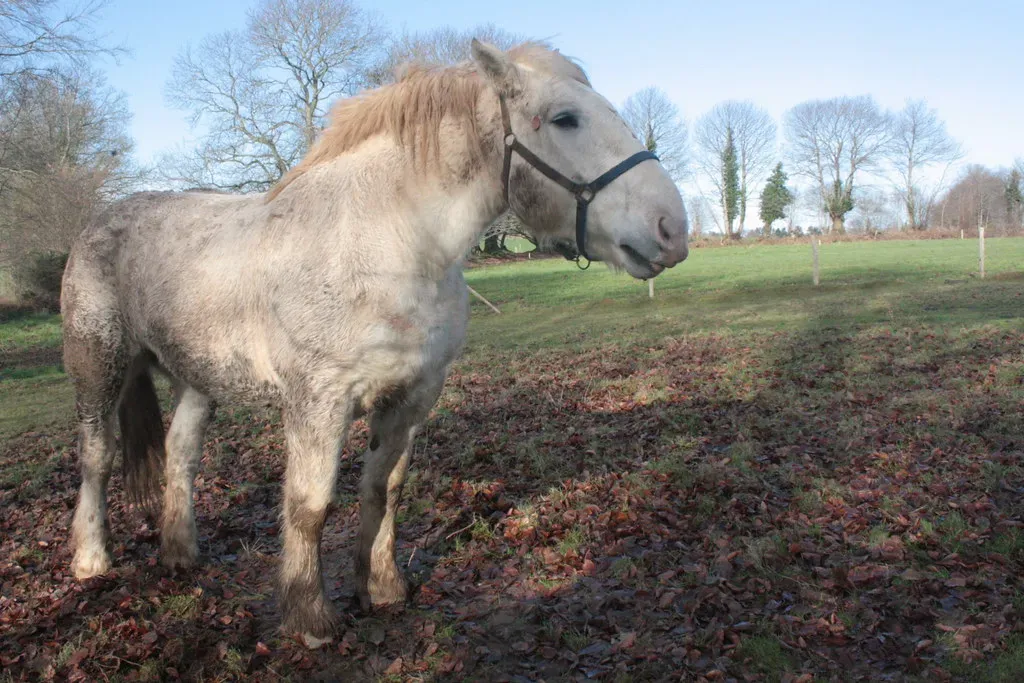
Let’s be real, a horse who genuinely wants to work with you doesn’t make it difficult to get ready. Does he lower his head and open his mouth willingly to accept the bit, or does he resist your efforts by throwing his head in the air or holding his mouth clamped shut? Resistance to tacking is often attributed to poor training or bad behavior, but more often than not it’s a sign that something isn’t right.
This is one of those behaviors that owners often misinterpret. We assume the horse is being stubborn or testing boundaries. In reality, they’re usually trying to tell us something hurts or worries them. Maybe the saddle doesn’t fit properly. Perhaps their back is sore. Or they’ve learned that being ridden consistently leads to discomfort.
Does your horse walk up to the mounting block willingly and stand quietly when it’s time to go for a ride? Or does he paw, back away, or try to leave when you attempt to climb on board? His not-so-subtle attempts to keep you off his back shouldn’t be ignored. A horse who moves away from the mounting block or fidgets during mounting is clearly communicating discomfort or reluctance.
Signs a horse isn’t happy being ridden are: Hiding in the corner of the stable when tack arrives… Showing reluctance to go into an arena or leave the yard for a hack. These avoidance behaviors are straightforward communication. Your horse is trying to tell you that riding sessions have become associated with negative experiences. Ignoring these signs risks escalating the problem into more serious behavioral issues.
Withdrawn Posture and Dull Expression
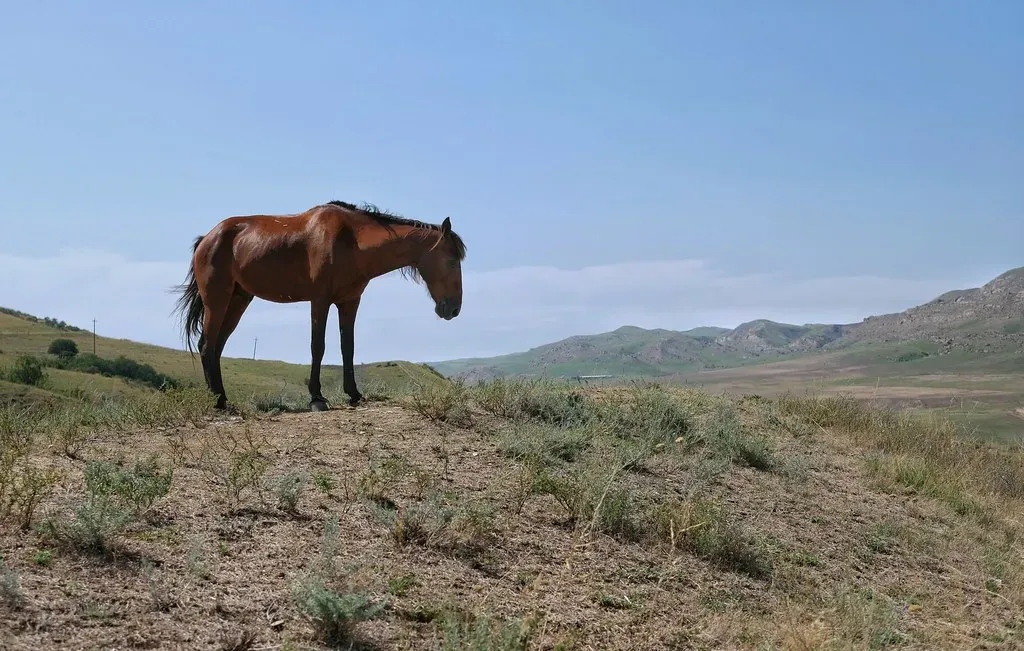
Here’s something that caught researchers’ attention. The horse often faces the back wall of the stable. His eyes are open, but dull, unfocussed and staring straight ahead with a prolonged period between each blink. His head is lowered and ears immobile with the neck stretched (open jaw-neck angle) and at the same level as the back. This is described as a ‘withdrawn’ posture and differs markedly from that of a horse observant of his surroundings.
This withdrawn stance is actually a recognized sign of equine depression. You can spot depression in a horse if you look for the signs: a level-neck “withdrawn” stance, dull stare, immobile head and ears, and reduced reactions to humans yet increased reactiveness to new stimuli. It’s heartbreaking when you know what you’re looking at. The horse has essentially checked out emotionally.
The withdrawn horses had undergone a ‘cognitive shift’, that they were so physically or psychologically stressed that they had developed ‘sensory inattention’ (‘tuned out’ or switched off from their surroundings.) This level of withdrawal represents severe psychological distress. The horse isn’t just unhappy in the moment. They’ve given up on engaging with their environment entirely.
A withdrawn horse, uninterested in his environment, may also stand with his head toward the wall of his stall. This wall-facing behavior is particularly concerning because it shows complete disengagement from the world around them. A healthy, content horse maintains awareness of their surroundings and shows curiosity about activity nearby.
Increased Stress Behaviors and Displacement Activities
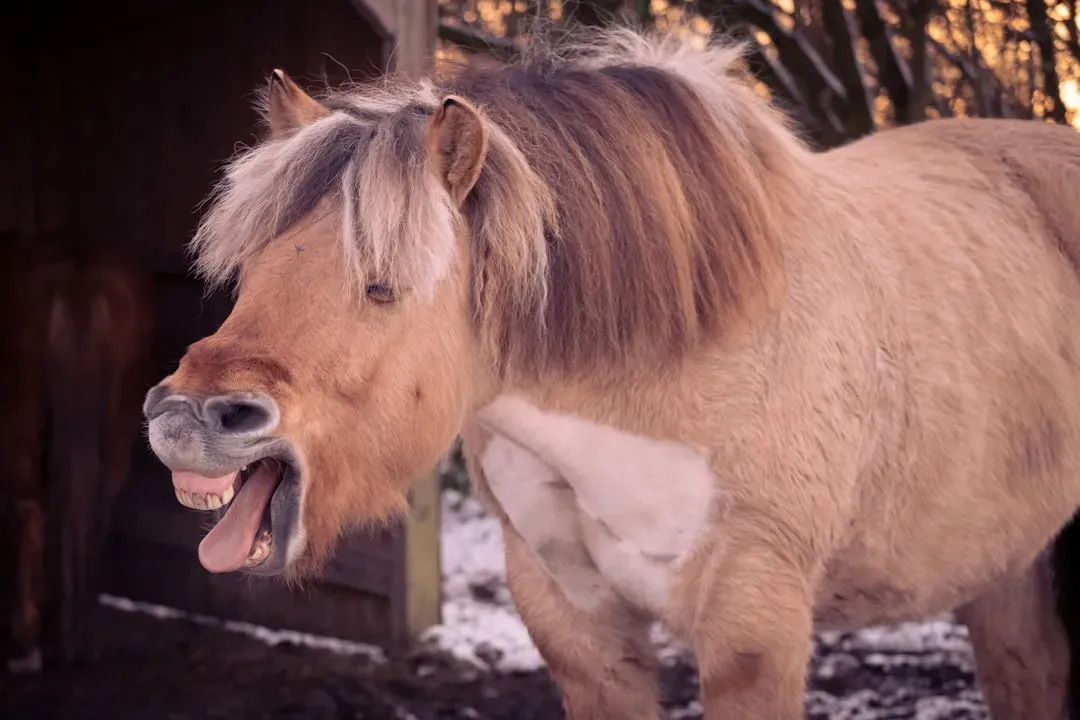
Displacement behaviour is something you will see your horse doing all the time. It’s when they exhibit them in an inappropriate context that you should take note. Displacement behaviour can be a sign of stress. These are normal behaviors that appear at odd times or with unusual frequency, signaling internal conflict or anxiety.
For example, when horses are in conflict. This is when they’re anxious about a situation, confused by what’s being asked, frustrated or in pain. You might see excessive yawning, repeated licking and chewing when food isn’t involved, or restless movements when the horse should be calm. Context is everything when interpreting these signals.
Telltale signs of stress in a horse’s face include flared nostrils, widely opened eyes with whites showing, a tightened mouth, and high head carriage. These facial expressions often accompany displacement behaviors. The combination paints a clear picture of a horse who’s struggling to cope with their current situation.
Depending on the kind of stress, horses might blink significantly less when they’re experiencing acute stress. That includes full blinks (eyelids completely down) and half-blinks (eyelids half closed). And regardless the kind of stress, they tend to have more fluttering of the eyes – a sort of rapid muscle movement in the eyebrow area. These subtle eye movements require close observation, but they’re incredibly revealing once you know to look for them.
Physical Pain Indicators and Changes in Movement
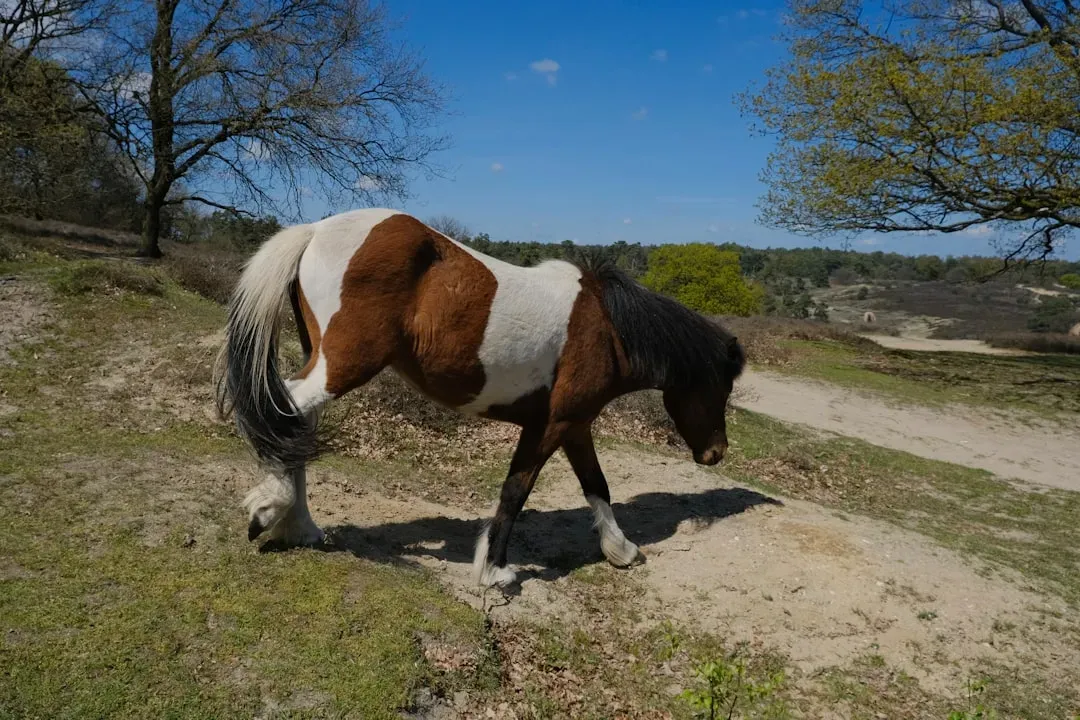
Pain is perhaps the most common cause of unhappiness in horses. A horse with no signs of pain, such as abnormal weight shifting, excessive sweating, or reduced movement, is more likely to be healthy and comfortable. When these signs are present, your horse is telling you something hurts, even if they’re not dramatically lame.
A horse in pain will show changes in behavior and body language. Look for signs like increased weight shifting, excessive sweating, abnormal movement, or rapid head movements. These can be subtle. You might notice your horse standing differently, constantly shifting their weight from one leg to another, or seeming unable to get comfortable.
Lameness doesn’t always mean your horse is holding a leg up in the air or hobbling down the barn aisle. Signs can be much more subtle than you think. In fact, studies show that most horse owners, including professionals, fail to recognize subtle lameness. Your horse might just seem “off” or less enthusiastic about work without displaying obvious limping.
Equine Gastric Ulcer Syndrome (EGUS) – the signs of this can be subtle but include reluctance to work, reactive when doing up the girth, loss of appetite and dullness is another pain-related issue that dramatically affects happiness. Horses with ulcers often seem grumpy or resistant without obvious physical lameness. This internal discomfort significantly impacts their quality of life and willingness to work.
Aggressive Behavior and Social Withdrawal
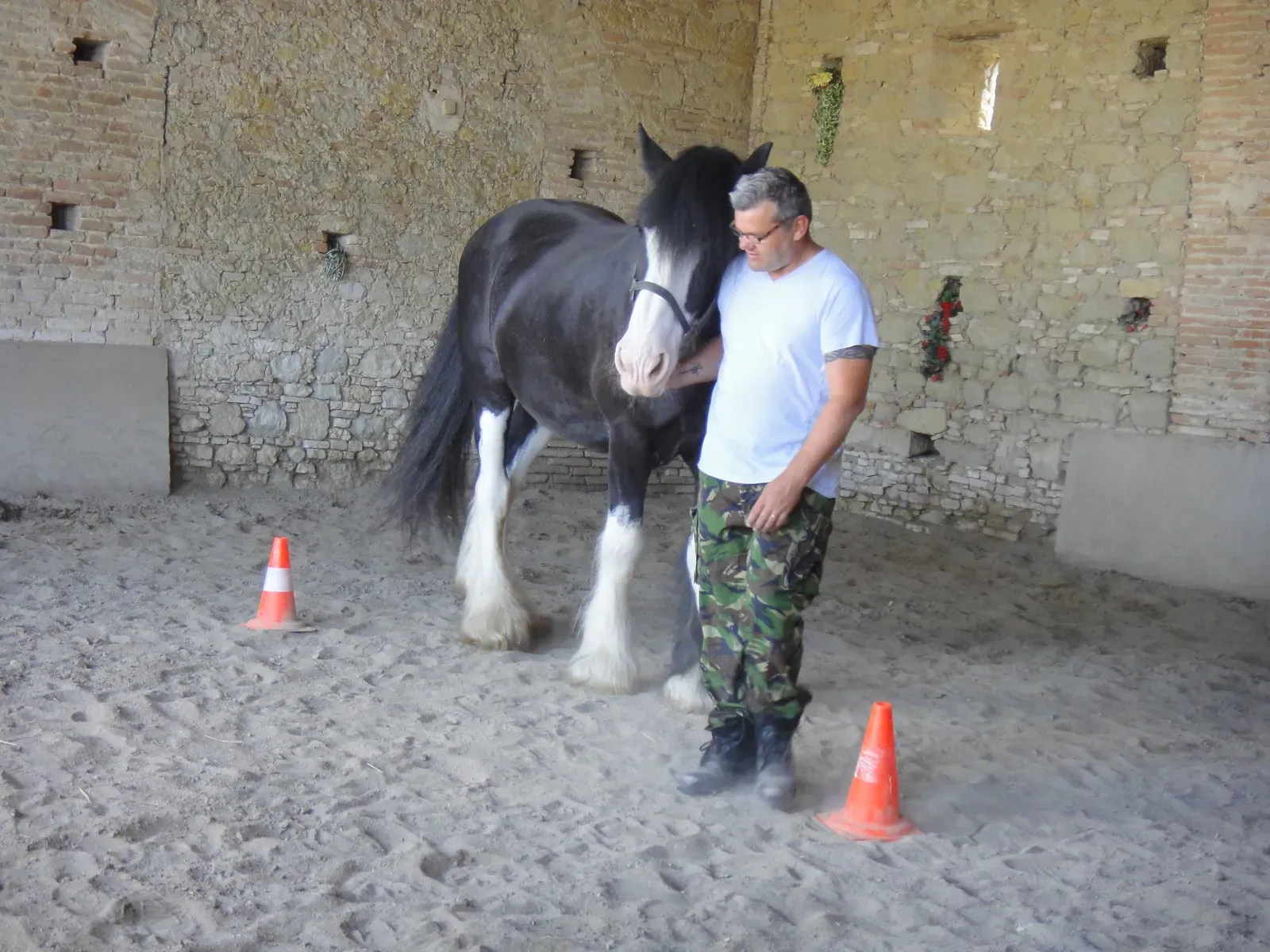
I often see horses being punished for behaviour such as barging, biting, rearing, bolting or being anxious. But the only way a horse can communicate with us is through their behaviour and body language and, chances are, they’ll have been showing subtle signs of stress long before it got to the bad behaviour stage. Aggression is almost always a symptom of deeper problems, not inherent nastiness.
Stressed horses can become dangerous as they act out in defense with abrupt movements such as kicking, biting, bucking, and bolting. When horses resort to these extreme behaviors, they’re not being malicious. They’re responding to feeling threatened, cornered, or in pain. It’s their last-ditch effort to communicate when everything else has failed.
If a horse is cornered or has learned that this strategy works and they can’t run (perhaps they’re cornered in a stable), they may fight back using behaviour such as rearing, kicking out or biting. Remember, horses are flight animals. Fighting is what they do when flight isn’t an option. If your horse is regularly aggressive, they’re essentially telling you they feel trapped with no escape from whatever’s bothering them.
Separating themselves from the herd or failing to react to other horses in their environment represents the opposite extreme but is equally concerning. A horse who withdraws from social interaction with other horses is showing signs of depression or severe discomfort. Horses are herd animals who crave companionship. Social withdrawal indicates something is seriously wrong.
Conclusion
Reading your horse’s emotional state isn’t about mastering some complicated system. It’s about paying attention to the daily details that reveal whether your horse is genuinely thriving or just getting through each day. The difference between a happy horse who eagerly engages with you and one who tolerates your presence can be subtle, yet it makes all the difference in your relationship and their quality of life.
Every behavior your horse displays is communication. The challenge is learning to listen with your eyes and respond with compassion rather than frustration. When you notice warning signs like withdrawal, resistance, or stress behaviors, view them as your horse asking for help rather than being difficult. Most behavioral problems have underlying causes that can be addressed through changes in management, veterinary care, or training approaches.
The good news? Horses are remarkably resilient and forgiving. When we create an environment that meets their physical and emotional needs, providing adequate turnout, social interaction, appropriate work levels, and freedom from pain, most horses respond beautifully. They become the willing, enthusiastic partners we hope for.
What surprised you most about these signs? Have you noticed any of these behaviors in your own horse that you might have overlooked before?


