

You know that feeling when your pup starts trembling the moment you pull into the veterinary parking lot? Or maybe they dig their paws into the ground, refusing to walk through those clinic doors. It’s heartbreaking, honestly.
Many dog parents skip regular checkups because they can’t bear to see their beloved companions so distressed. Here’s the thing though, vet visits don’t have to be a nightmare. With the right approach and a little preparation, you can transform those anxiety-filled appointments into experiences your dog might actually tolerate, or dare I say it, even enjoy. Let’s dive into five practical tricks that’ll make both your lives easier.
Start With Happy Visits to Build Positive Associations
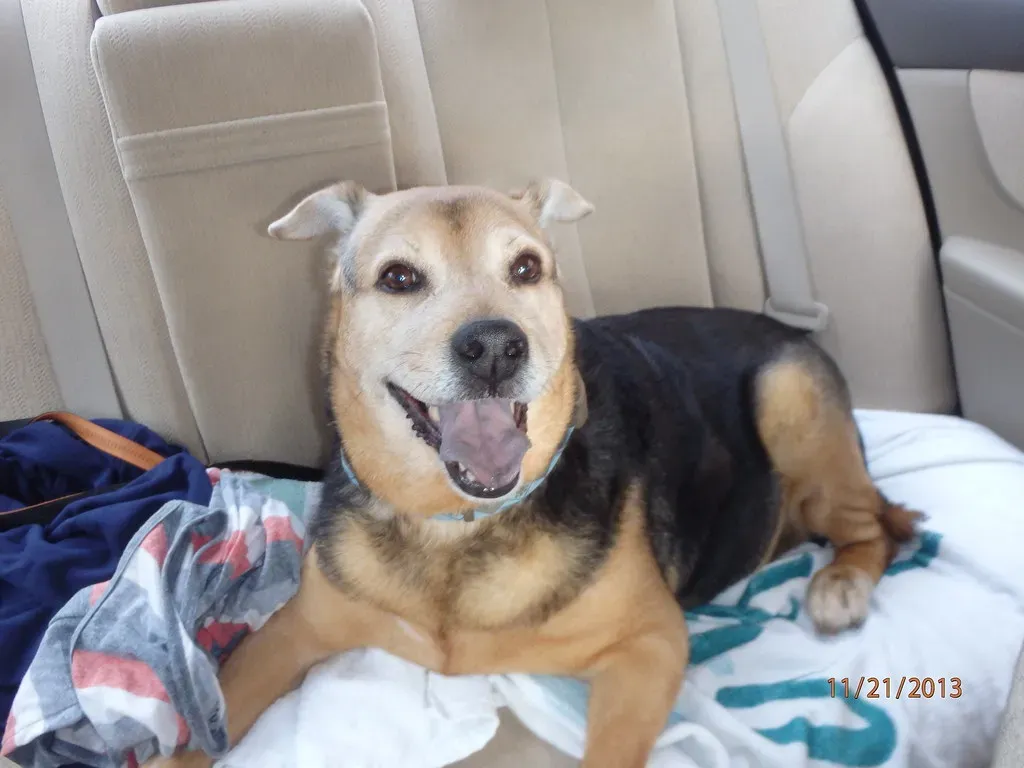
Think about it from your dog’s perspective. If every single trip to the vet ends with needles, thermometers in uncomfortable places, and strangers poking around, of course they’re going to dread the place.
The solution is surprisingly simple: take your dog to the vet just for fun. Instead of the office predicting poking and prodding, it becomes associated with treats and attention. Ask your vet if you can bring your pup in just to say hello. Most clinics are happy to welcome these casual visits during quieter hours.
Regular visits that involve non-invasive handling can create positive experiences. For some dogs, this might even need to start with car-park visits before building up to entering the building. Let your dog sniff around the waiting room, greet friendly staff members, and most importantly, shower them with high-value treats the entire time. Do this once every couple of weeks if possible.
Making casual, non-medical visits helps your anxious dog learn to adjust through desensitization training. When you visit, let your dog interact with staff and sniff around the waiting room with lots of positive encouragement and treats. Over time, your dog will form a positive association with the building.
Practice Handling Exercises at Home
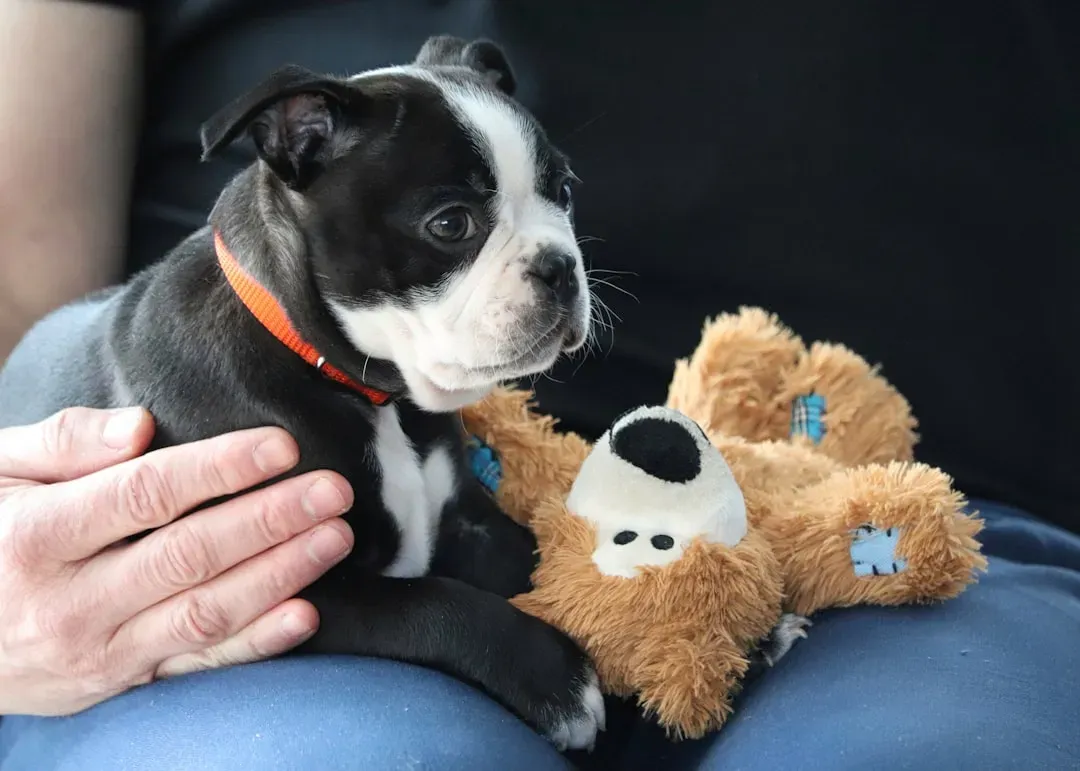
One of the biggest stressors during vet exams is the physical handling. Dogs aren’t naturally comfortable having their ears examined, paws touched, or mouths opened by strangers.
Practice similar handling techniques commonly used by veterinarians at home. The goal is for dogs to learn to be comfortable with this type of handling in a stress-free environment. Practice handling your dog’s paws, ears, mouth and other body parts while offering treats as rewards. Puppyhood is the ideal time, but dogs can learn at any age.
Start slowly and make it pleasant. Touch your dog’s paw for just a second, then immediately give a treat. Gradually increase the duration until you can hold and manipulate their paws without resistance. Do the same with their ears, tail, and belly.
Desensitization and counterconditioning are training techniques used to help pets associate potentially unpleasant handling with tasty treats or other positive rewards. By practicing these strategies, you teach them to replace their negative reaction with a new, positive response. Practice on sensitive body areas by lightly touching while offering rewards, gradually lengthening the time until your pet no longer resists. Never force your dog to accept touch or handling, always allow them to walk away if uncomfortable. If they walk away, the training needs to be in smaller, slower steps before progressing.
Tire Them Out Before the Appointment
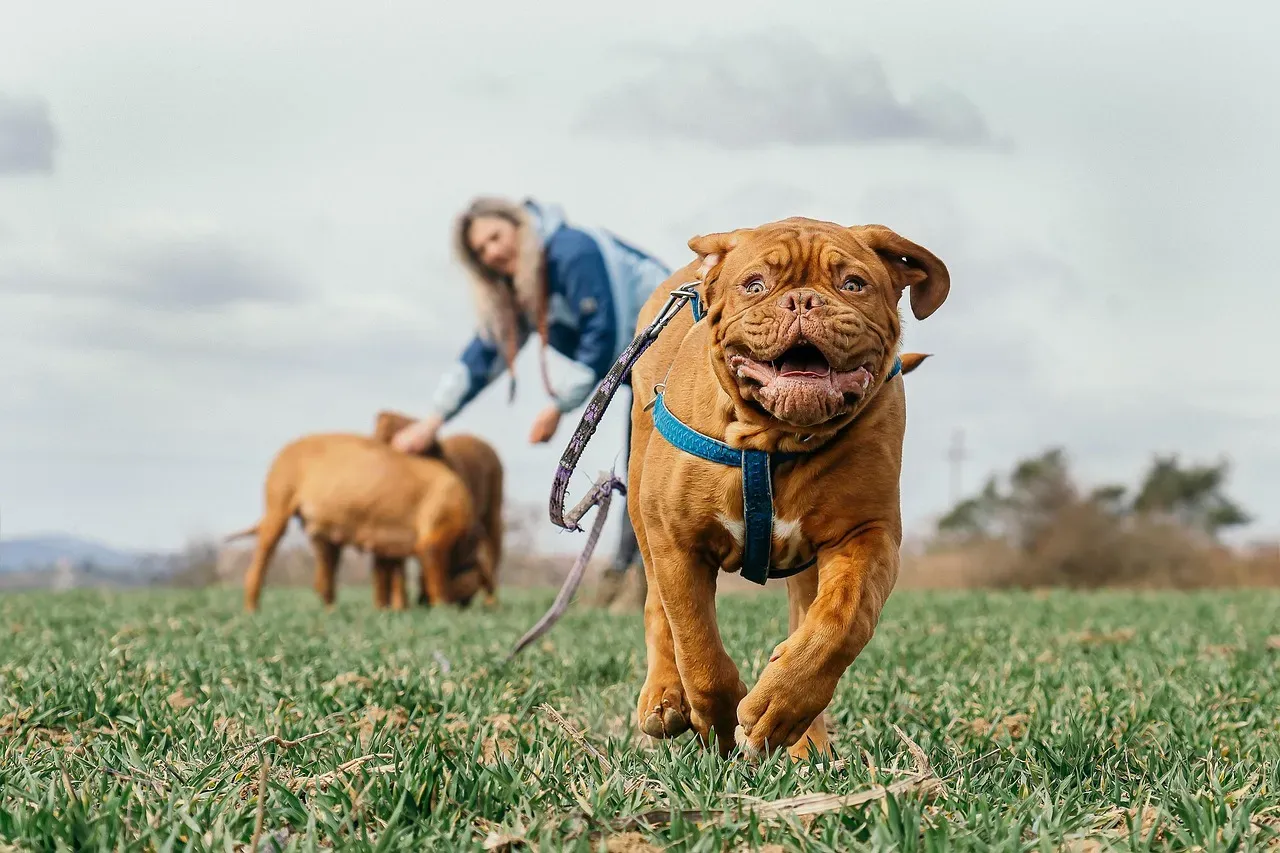
I can’t stress this enough. A dog with pent-up energy is like a coiled spring, ready to react to every little stimulus at the clinic.
Exercising your dog before coming to the vet is one of the best things you can do to help set them up for a successful visit. When dogs are pent up with excess energy, it’s much harder for their nervous system to remain calm and regulated. Offering an outlet for energy-release before coming into the clinic will support their ability to settle in the stimulating veterinary environment.
Take your dog for a long walk or engage in a vigorous play session before heading to the clinic. If your dog loves fetch, spend thirty minutes wearing them out at the park. Mental exercise is often just as effective as physical exercise. If your dog is unable to safely exercise physically due to an injury, challenge their mind before a veterinary visit. A half hour mental enrichment session will surely tucker your pup out.
A tired dog is typically a calmer dog. Their ability to cope with stress improves dramatically when they’ve already burned off that nervous energy. Of course, this works best for routine checkups rather than emergency visits when your dog might be injured or ill.
Bring High-Value Treats and Familiar Comfort Items
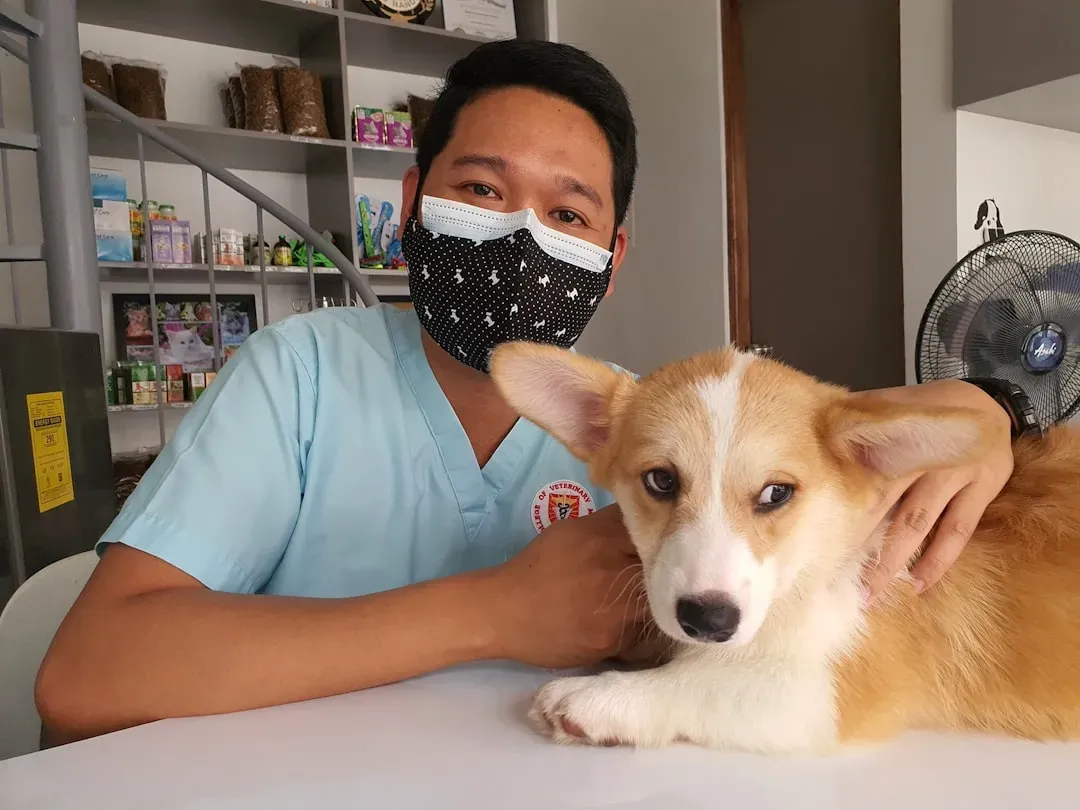
Let’s be real, your dog’s regular kibble isn’t going to cut it at the vet. You need the good stuff, the treats they’d do backflips for.
High-value food or toys should be used generously throughout the visit. In the interaction with the animals, low-stress handling methods, brief pauses and adjusting the procedure based on the animal’s body language help them to feel secure. Think small pieces of cheese, chicken, hot dogs, or whatever makes your dog’s tail wag uncontrollably.
Opt for small, soft treats that can be broken into smaller pieces and given throughout the appointment. You might also consider bringing a frozen treat dispenser or textured mat filled with your dog’s favorite spreadable snacks for extra distraction. Enjoying tasty treats can help form a more positive association. If your dog stops eating or refuses treats, it often indicates their stress levels are too high.
Bring familiar items like a favorite toy or blanket to help comfort your dog during the visit. Familiar scents provide a sense of security in unfamiliar surroundings. You can also teach your dog to go to their mat or bed. Teaching this behavior builds strong positive associations between the mat and rewards, making it your dog’s happy place. If you take the mat to the vet visit it will provide your dog with a comforting and familiar place to stand or lie down.
Consider Anti-Anxiety Medication for Severely Anxious Dogs
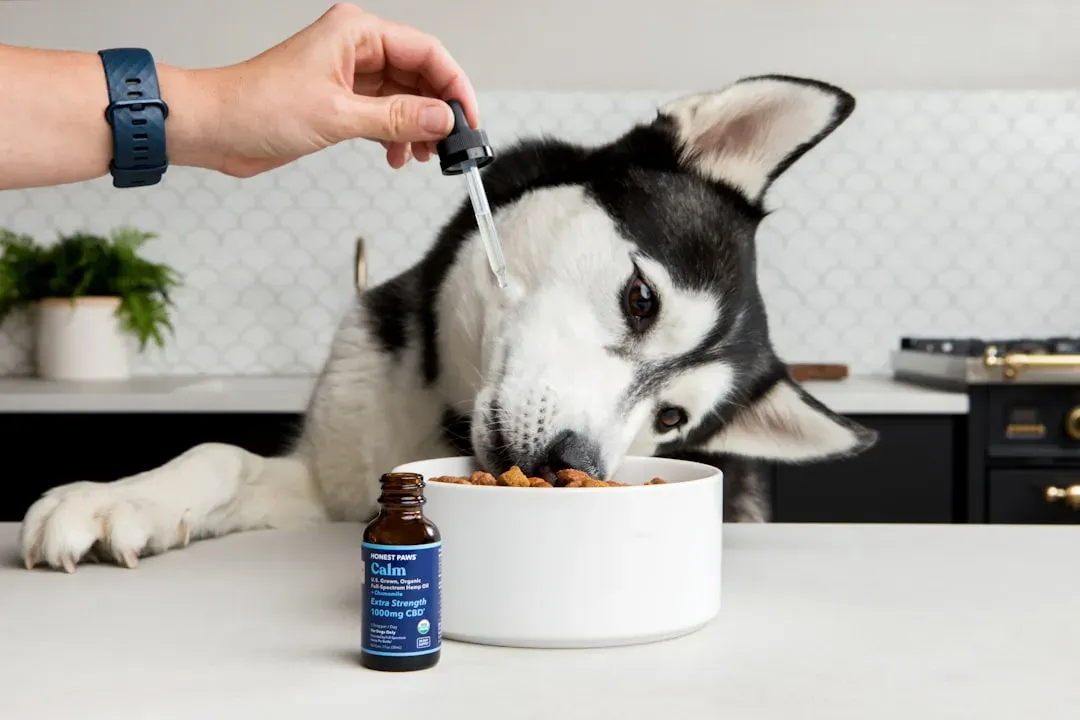
Sometimes, despite our best efforts, some dogs remain absolutely terrified. There’s no shame in asking for pharmaceutical help.
For pets with a history of severe anxiety, veterinarians may recommend pre-visit medications like gabapentin or trazodone. These medications don’t sedate your pet, they simply help reduce fear and allow your pet to stay calm enough to participate safely. For many dogs with pre-existing fear or anxiety, anti-anxiety medications can be beneficial when given at home a few hours before a veterinary visit. Not only can high levels of fear and stress negatively affect your dog’s overall health, but it often hinders your veterinarian’s ability to conduct a proper examination. A dog’s welfare and behavior can significantly improve by giving anti-anxiety medications before stressful events.
For extremely fearful dogs whose stress levels are so elevated they’re in an ‘over threshold’ state, situational anti-anxiety medication is recommended. These are medications given to your dog at home before veterinary visits. These medications help your extremely fearful pet stay below their fear threshold, keeping them in a state of mind where they are available for positive association building.
This isn’t about drugging your dog into submission. It’s about giving them the chemical support they need to cope with an overwhelming situation while you work on long-term behavioral training. Talk openly with your veterinarian about whether this option makes sense for your dog. Many dogs benefit from this humane approach, allowing them to receive necessary medical care without traumatic experiences.
Conclusion
Dogs that experienced adaptive, collaborative care and low-stress intervention techniques throughout veterinary visits had a greater reduction in stress over time. Each negative event an animal experiences at the veterinary clinic conditions them for future negative responses, causing subsequent visits to become more difficult. The good news is that the reverse is also true, positive experiences build on each other.
Transforming your dog’s vet visits from terrifying ordeals into manageable experiences takes patience, consistency, and a willingness to advocate for your dog’s emotional wellbeing. Remember, you know your dog better than anyone. Trust your instincts, communicate openly with your veterinary team, and don’t be afraid to ask for accommodations that will help your pup feel safer.
What strategies have worked best for your anxious dog at the vet? Every dog is unique, so what helps yours stay calm might inspire another worried dog parent reading this.


