
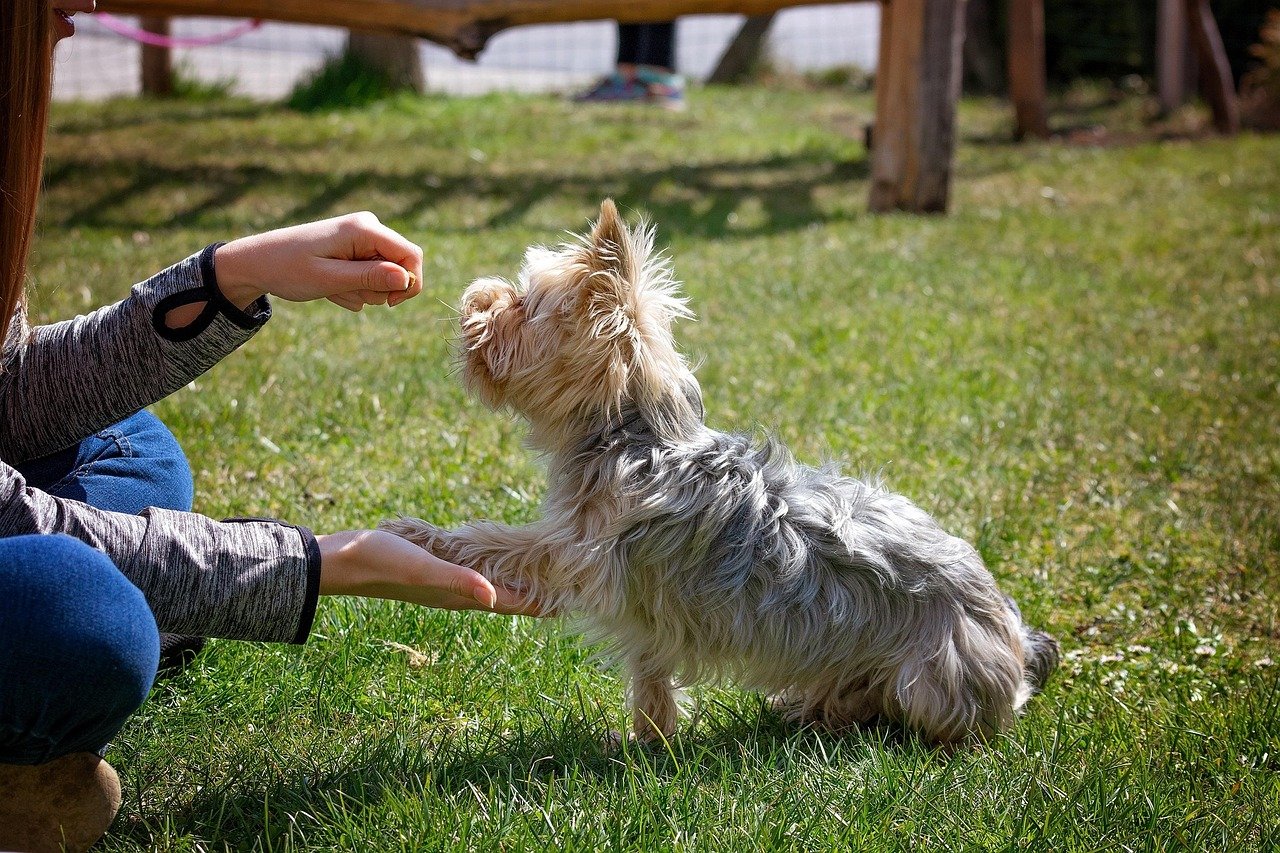
Building a strong bond with your dog doesn’t happen overnight—it takes time, consistency, and lots of love. Step one? Spend quality time together through daily walks, playtime, or just relaxing nearby. Step two is positive reinforcement—reward good behavior with treats, praise, and affection to build trust. Step three: keep communication clear and consistent so your pup understands what you expect. Step four involves physical touch, like petting or gentle grooming, which helps deepen your connection. And step five? Be patient. Every dog is different, and bonding at their pace creates a stronger, more lasting relationship. When your dog feels safe, seen, and loved, that bond naturally grows stronger every day.
Step 1: Spend Quality Time Together
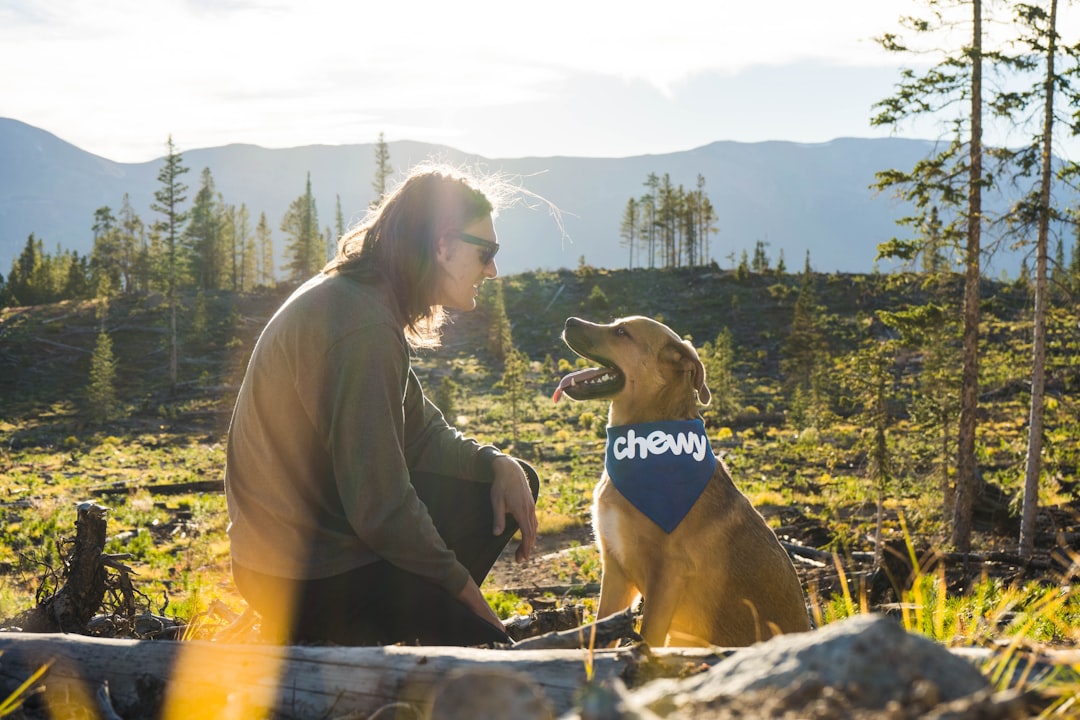
Quality time is the heartbeat of any relationship, and that includes the bond with your dog. Dogs are social creatures; they crave attention and interaction. Simply being in the same room isn’t enough. You need to actively engage with your dog—play fetch, go for walks, or just sit together quietly. Consistent, focused time makes your dog feel safe and valued. It’s like watering a plant: the more you nurture, the stronger it grows. Every minute you invest in your dog lays a brick in the foundation of trust and love.
Turning Everyday Moments into Bonding Experiences
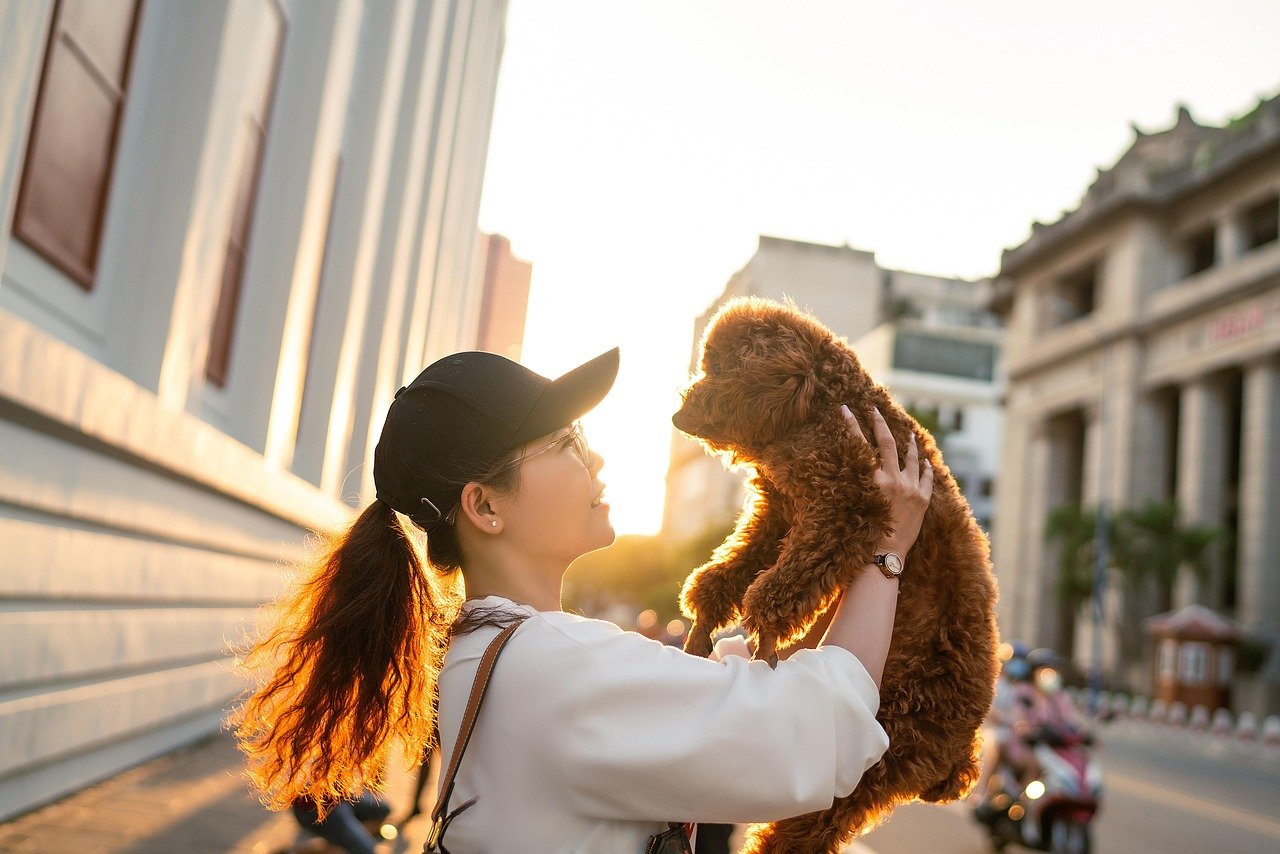
It’s not just about big adventures or special outings. Everyday moments matter. Make a habit of talking to your dog, even if you feel a bit silly at first. Dogs pick up on your tone and body language. Sharing a snack (dog-safe, of course) or even brushing your dog’s fur can be a bonding ritual. The key is intention—doing ordinary things with the focus on connection. Think of it like catching up with an old friend over coffee; it’s the little moments that add up over time.
Step 2: Communicate Clearly and Consistently
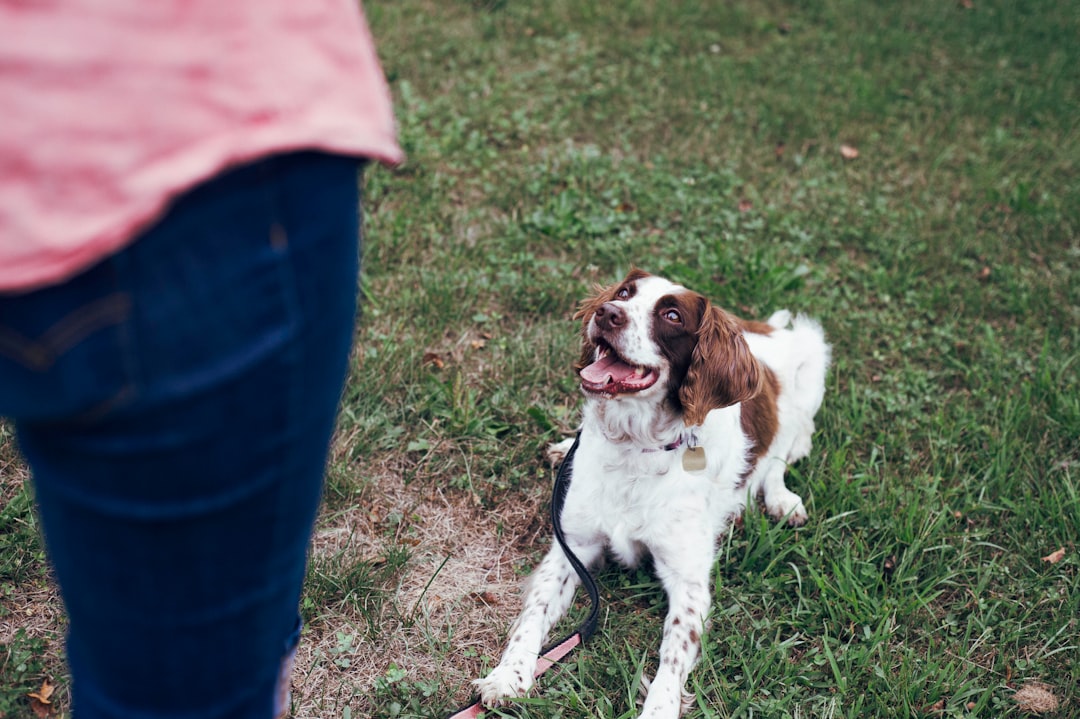
Dogs don’t speak human, but they’re masters at reading signals. Using clear, simple commands helps your dog understand what you want. Consistency is crucial—if you say “sit” today and “down” tomorrow for the same action, your dog will be confused. Use the same words and gestures every time. This helps your dog feel secure, as they know what to expect from you. Clear communication is the glue that holds your relationship together, preventing frustration on both sides.
Understanding Your Dog’s Body Language
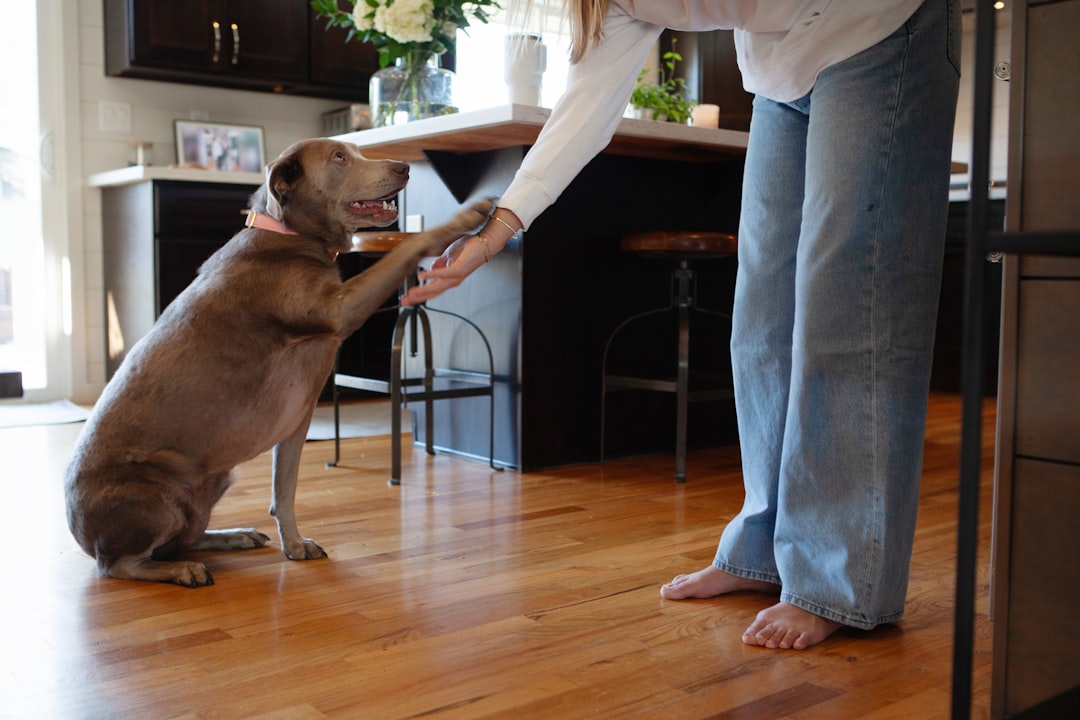
Communication is a two-way street. Pay attention to your dog’s signals—tail wags, ear positions, and even the tilt of their head. Dogs express a lot through their bodies. For example, a relaxed tail usually means they feel safe, while a tucked tail can signal fear. By learning your dog’s language, you show respect and empathy. It’s like learning a few phrases in a friend’s native tongue; it shows you care enough to understand their needs and feelings.
Step 3: Train with Positive Reinforcement
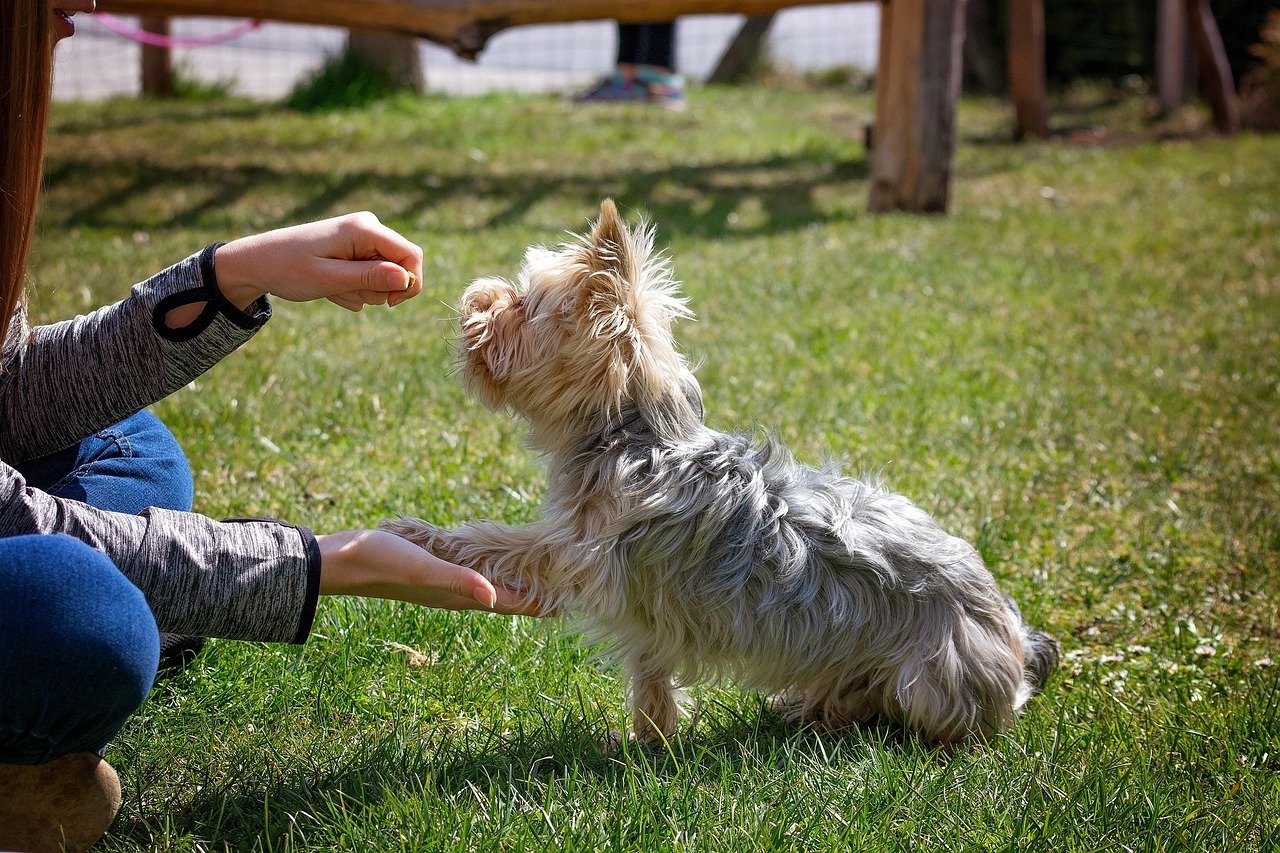
Training isn’t just about teaching tricks; it’s about building trust. Positive reinforcement—rewarding good behavior with treats, praise, or play—shows your dog you’re on their side. When your dog sits when asked and gets a tasty reward, they associate you with good things. This creates a positive feedback loop, making your dog eager to listen and please you. Training sessions also give you focused time together, which strengthens your connection.
Keep Training Sessions Fun and Short

Long, boring training sessions can frustrate both you and your dog. Keep sessions short—just 5 to 10 minutes—and always end on a positive note. If your dog gets something right, celebrate! Use a happy voice, a favorite toy, or a treat. If things aren’t going well, take a break. Training should feel like a game, not a chore. A dog who feels successful and happy during training will look forward to spending more time with you.
Step 4: Respect Your Dog’s Individuality

Every dog is unique—what works for one might not work for another. Some dogs are outgoing and crave constant attention, while others are shy and need space. Respecting your dog’s personality is a sign of deep love. Don’t force a nervous dog into overwhelming situations or expect a calm dog to suddenly become a ball-chasing machine. When you honor your dog’s individuality, they feel seen and accepted for who they are.
Finding What Makes Your Dog Happy

Observe what lights up your dog’s eyes. Is it a game of tug-of-war, a sniffing adventure in the park, or just cuddling on the couch? Try different activities and notice your dog’s reactions. Let them lead sometimes—give them choices. This empowers your dog and builds trust. It’s like getting to know a new friend and finding shared interests; the more you tune in, the deeper your bond grows.
Step 5: Be Patient and Gentle Through Challenges
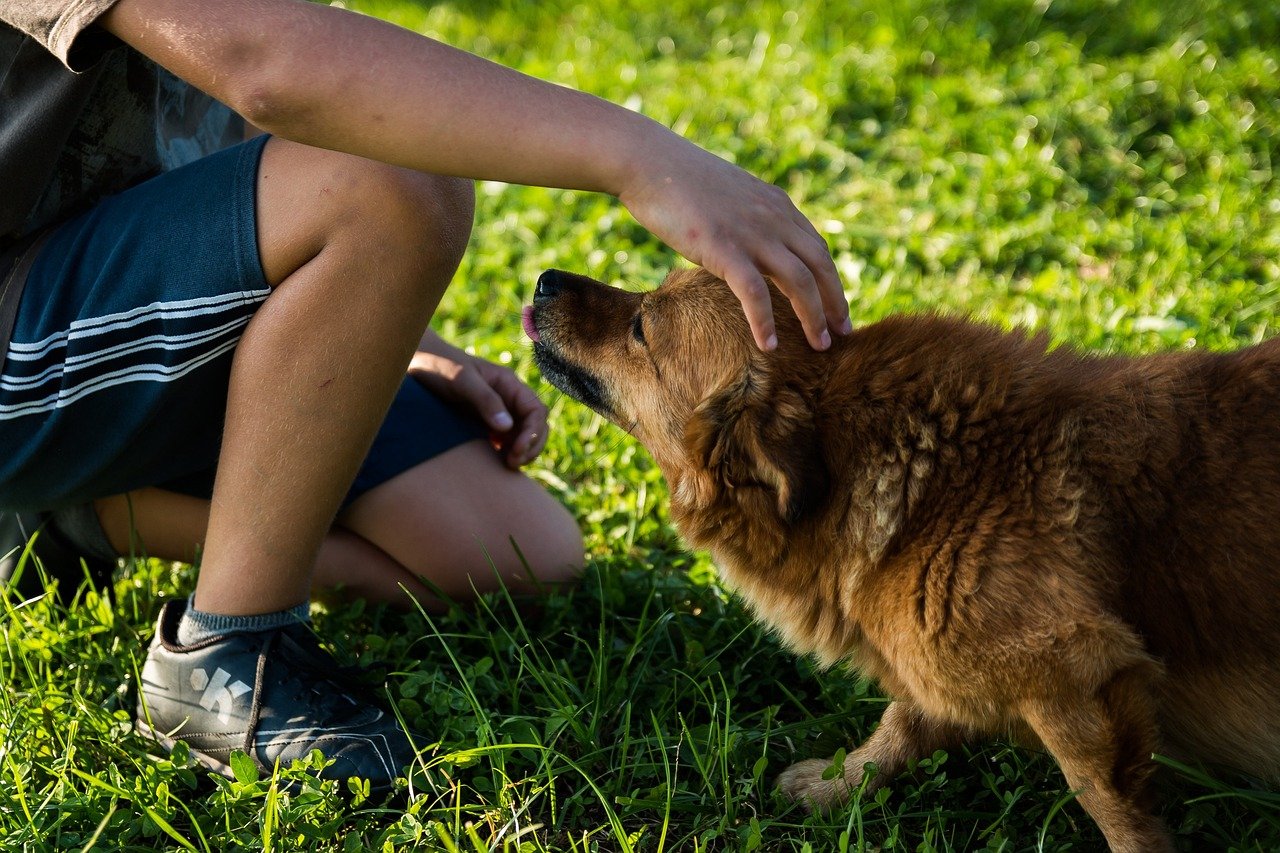
Bonding isn’t always smooth sailing. Maybe your dog is shy, fearful, or has had a rough start in life. Patience is your best friend here. Rushing or forcing interactions can set you back. Instead, move at your dog’s pace and celebrate small victories. A gentle approach—soft voices, slow movements, and lots of encouragement—shows your dog they can trust you, even when things are tough.
Turning Setbacks Into Opportunities for Growth

Every challenge is a chance to grow closer. If your dog is scared of storms, sitting with them during thunder shows you’re a safe haven. If they chew your shoes, redirect them with understanding rather than anger. Mistakes happen, but each one is an opportunity to teach, learn, and love a little more. Remember, even the strongest bonds are forged through overcoming difficulties together. Your patience today becomes their confidence tomorrow.
At the heart of it, bonding with your dog is all about trust, love, and shared moments. The more time and patience you invest, the more your dog will feel connected and secure. It’s not about perfection—it’s about being present. And when that bond clicks, it’s one of the most rewarding relationships you’ll ever have.


