
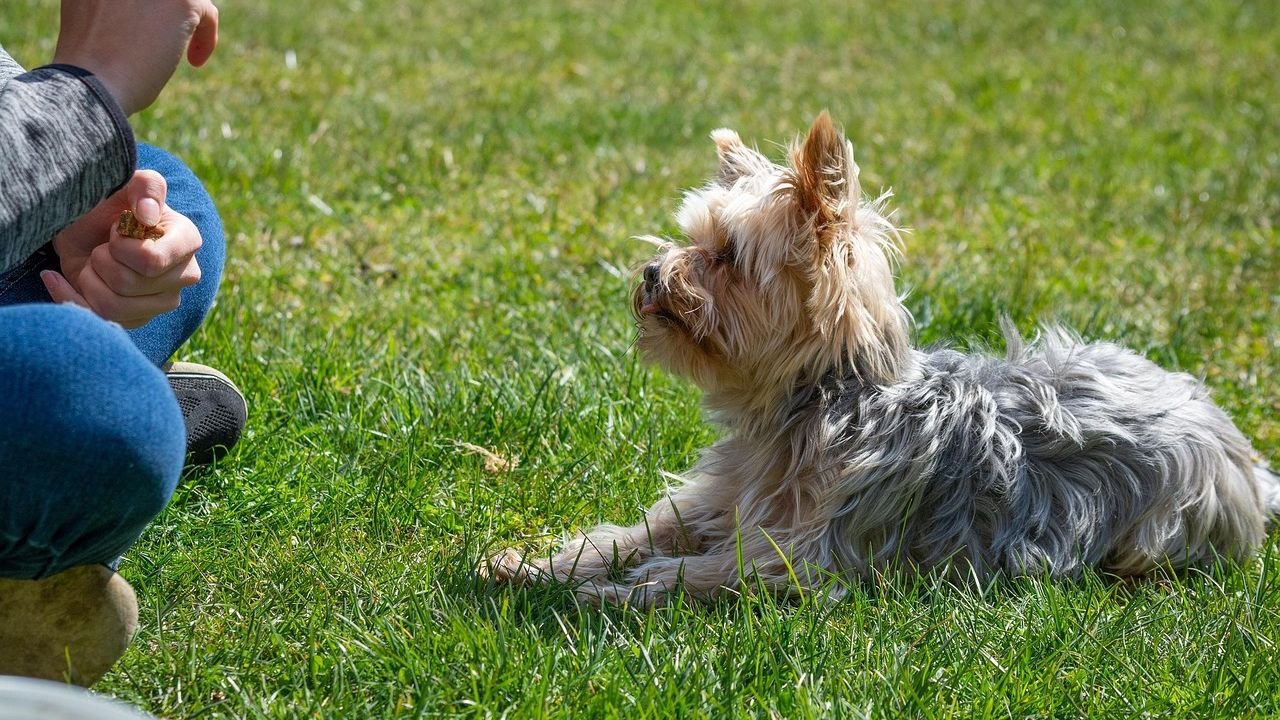
You’d think after all these years of living with dogs, training them would feel like second nature. Maybe you’ve successfully house trained multiple puppies, taught reliable recalls, or worked through leash reactivity like a champion. You know your stuff. Yet here’s the thing: Even the most experienced dog owners slip into patterns that quietly sabotage their training goals. I see it all the time, and honestly, I’ve been guilty of a few myself.
These aren’t rookie errors like forgetting treats or skipping socialization. They’re subtle, sneaky habits that can derail even the most dedicated training efforts. The frustrating part? You might not even realize you’re doing them. Let’s dive into the five training mistakes that trip up seasoned dog lovers, and more importantly, how to fix them before they undo all your hard work.
Repeating Commands Like a Broken Record
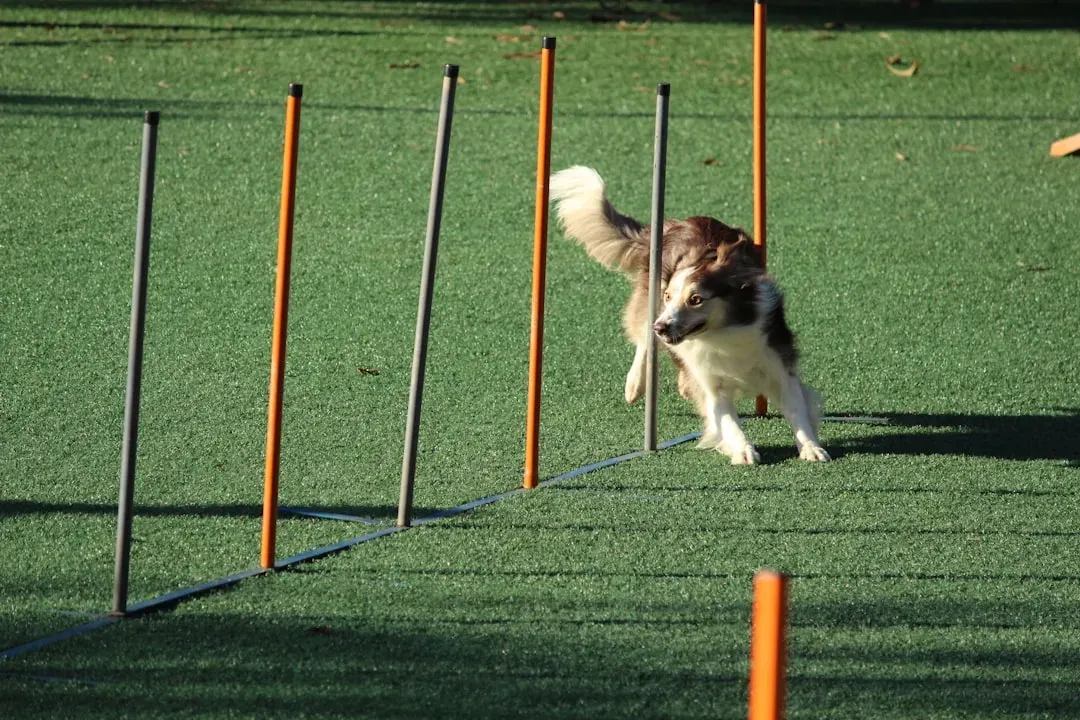
When your dog doesn’t respond to a cue, it’s tempting to keep repeating it. Sit, sit, sit. Come, come, come. Sound familiar?
By repeating the cue, you’ve taught your pet that he doesn’t have to respond right away. Your dog learns that the actual command is the third or fourth repetition, not the first one. This pattern, called cue nagging, weakens your authority without you even realizing it.
If your dog is distracted, and you don’t think he’s listening, it’s better not to say it at all. Instead, see if you can get your dog’s attention first. Say the command once, clearly, and wait. If nothing happens, reset the situation rather than filling the air with repeated words your dog has learned to tune out.
Being Stingy With Rewards
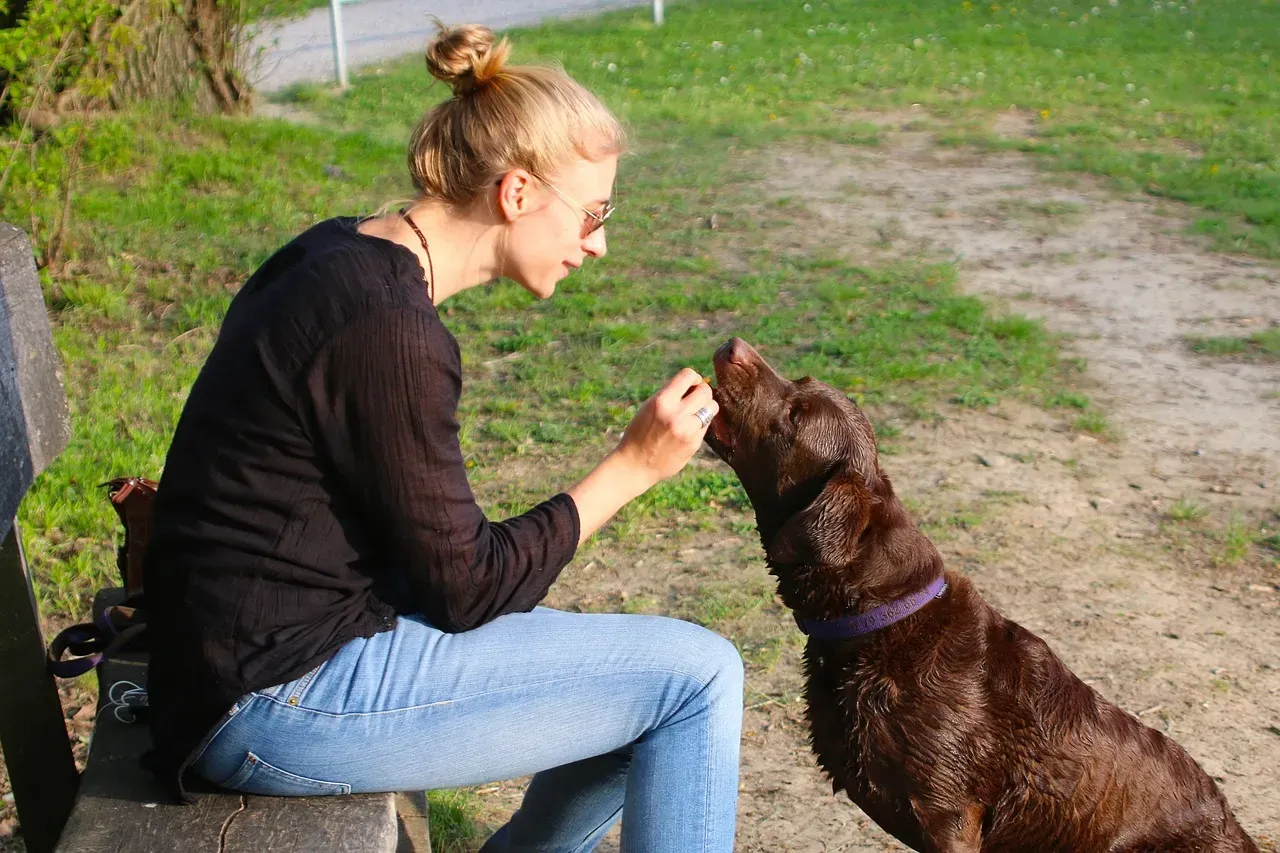
Too many people are stingy with rewards or won’t use anything but praise. But would you go to work if you stopped getting a paycheck? It’s a fair question, really.
Behaviors that are reinforced are repeated, so don’t be tightfisted with the treats, praise, games of fetch, or whatever you use to reward your dog. That will foster a love of training in your dog. Think of rewards as your dog’s currency for good behavior. The more valuable and frequent the paycheck, the more motivated your employee.
Let’s be real: Even experienced owners sometimes fall into the trap of phasing out rewards too quickly. They assume their dog should just know better by now. Yet inconsistent or insufficient reinforcement is one reason previously solid behaviors start to crumble.
Forgetting That Dogs Don’t Generalize Well

Dogs don’t generalize well. That means if you teach your dog to sit in the kitchen, they’ll think the cue for sit means “sit in the kitchen.” Your dog isn’t being stubborn when they ignore you at the park. They genuinely might not understand that the rules apply there too.
The same is true with the three Ds – distance, duration, and distraction. To help your dog generalize, each D should be trained separately before you combine them. This is known as proofing the behavior. Start simple, then gradually layer in challenges.
Every time you move to a new location, go back to basics so your dog doesn’t become confused or frustrated. I know it sounds tedious when you’ve already taught the behavior fifty times. It’s hard to say for sure, but skipping this step is probably why so many dogs have perfect house manners but turn into wild hooligans outdoors.
Allowing Household Inconsistency
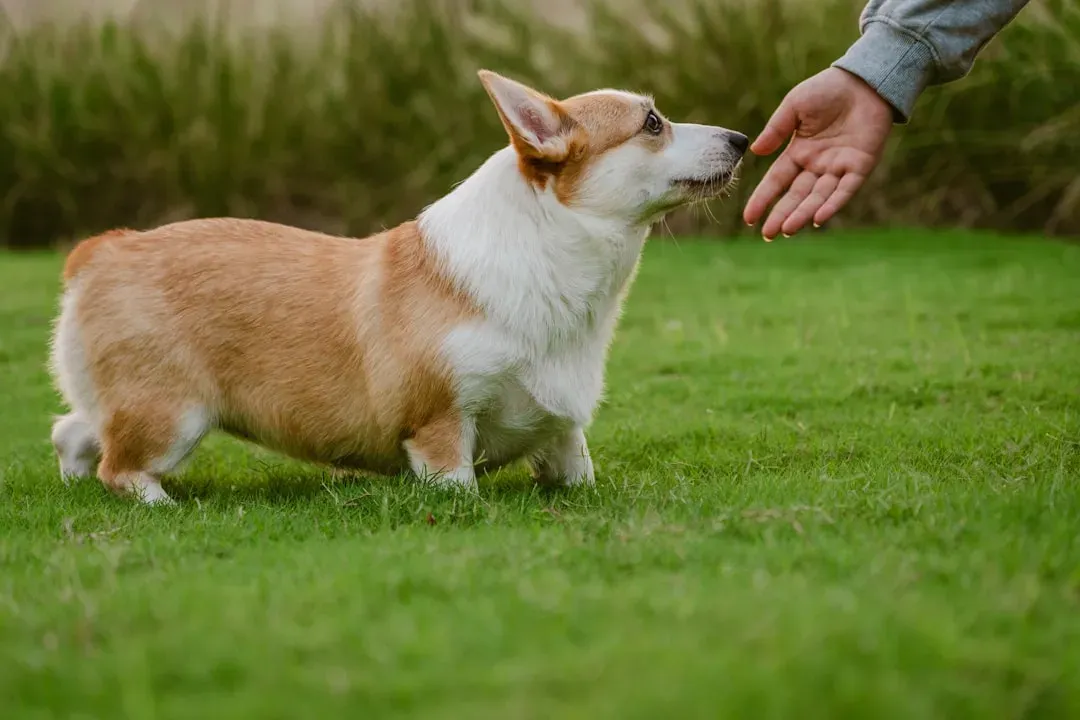
Here’s the thing: training only works when everyone’s on the same page. If you don’t feed the dog from the table but someone else slips them treats, the dog will learn to beg at the table. One person enforces the no jumping rule while another encourages the enthusiastic greeting, and suddenly your dog thinks obedience is optional.
This inconsistency can stem from various sources – different family members giving conflicting signals, sporadic training sessions, or lack of adherence to established rules. Dogs thrive on predictability, not mixed messages.
Everyone in the household should be on the same page regarding commands, rewards, and consequences. For example, if “off” means no jumping on the couch, everyone should enforce this rule consistently. Developing a shared understanding among all family members is the foundation for effective training. Have a family meeting if you need to. Write the rules on the fridge. Whatever it takes.
Training When You’re in a Bad Mood

Dogs can read human emotions. If your dog thinks you’re angry or stressed, they’ll shut down and stop learning. Although this often looks like your dog is being stubborn or ignoring you, they’re simply reacting to your negative mood. Dogs are ridiculously tuned in to our emotional states.
If you get frustrated while training your dog, they’ll likely feel intimidated and scared. If fear dominates their mind, they will have a hard time focusing on anything else. Your frustration becomes the focal point, not the behavior you’re trying to teach.
If you can’t recover, take a break and try training later when your patience and positivity are refreshed. I admit I’ve definitely pushed through training sessions when I shouldn’t have. The result? Zero progress and a confused dog. Training should feel like play, not punishment. If you’re stressed, your dog will mirror that energy right back at you. Take five minutes, grab a cup of tea, and come back when you can genuinely enjoy the process.
Conclusion
Training never really ends, does it? Even after years of experience, we can still fall into patterns that work against us. The good news is that recognizing these mistakes is half the battle. Once you spot them, you can course correct and get back on track.
Remember, your dog isn’t trying to frustrate you. They’re doing their best to understand what you’re asking in a world that doesn’t always make sense to them. Be patient with yourself too. We’re all learning as we go. What about your own training journey? What mistakes have you caught yourself making? Share your experiences in the comments, because honestly, we’re all in this together.


