

You know that sinking feeling. Maybe you accidentally stepped on your dog’s paw, raised your voice a bit too sharply, or were late getting home. Your pup retreats under the table, those expressive eyes suddenly avoiding yours, and guilt washes over you like a cold wave. Then comes the question we all ask ourselves: will my dog forgive me?
Here’s the beautiful thing about dogs. They’re remarkably forgiving creatures, wired for reconciliation in ways that put most humans to shame. Their instinct for pack cohesion often wins out over holding grudges. Forgiveness in dogs is largely driven by instinct, as dogs are social animals who rely on pack cohesion for survival. Still, forgiveness isn’t guaranteed every single time. Certain circumstances can create lasting negative associations that are harder to overcome. Let’s dive into the ways dogs signal they’ve moved past your mistake, and those crucial moments when they might not.
1. The Soft Return: When They Come Back to You
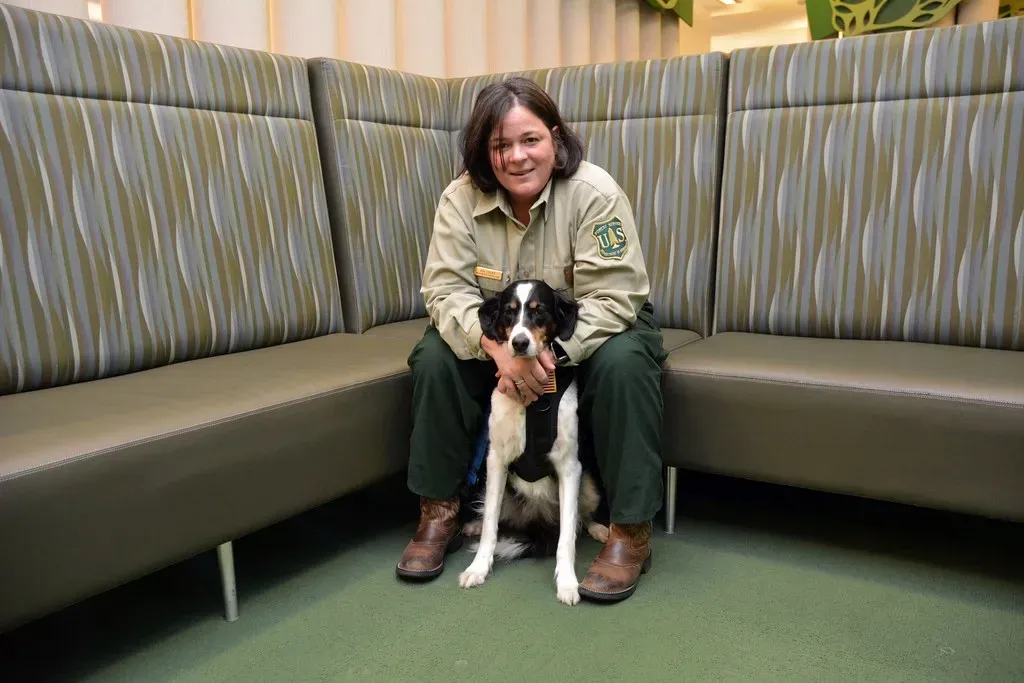
After a rough moment, your dog might act distant or reserved. However, once they’ve forgiven you, they’ll return to their usual happy behaviors, like eagerly waiting for their walk or following you around the house. This return is rarely dramatic. You won’t get a grand announcement. Instead, you’ll notice them gradually drifting back into your orbit, maybe settling near your feet or watching from across the room.
I think this is one of the most genuine signs of canine forgiveness. Dogs vote with their proximity. When they choose to be near you again after a conflict, they’re essentially saying the emotional storm has passed. Pay attention to that quiet presence beside you on the couch or the gentle weight against your leg as you cook dinner. That’s forgiveness embodied.
2. The Peace Offering: Bringing Toys or Nudging With Their Nose
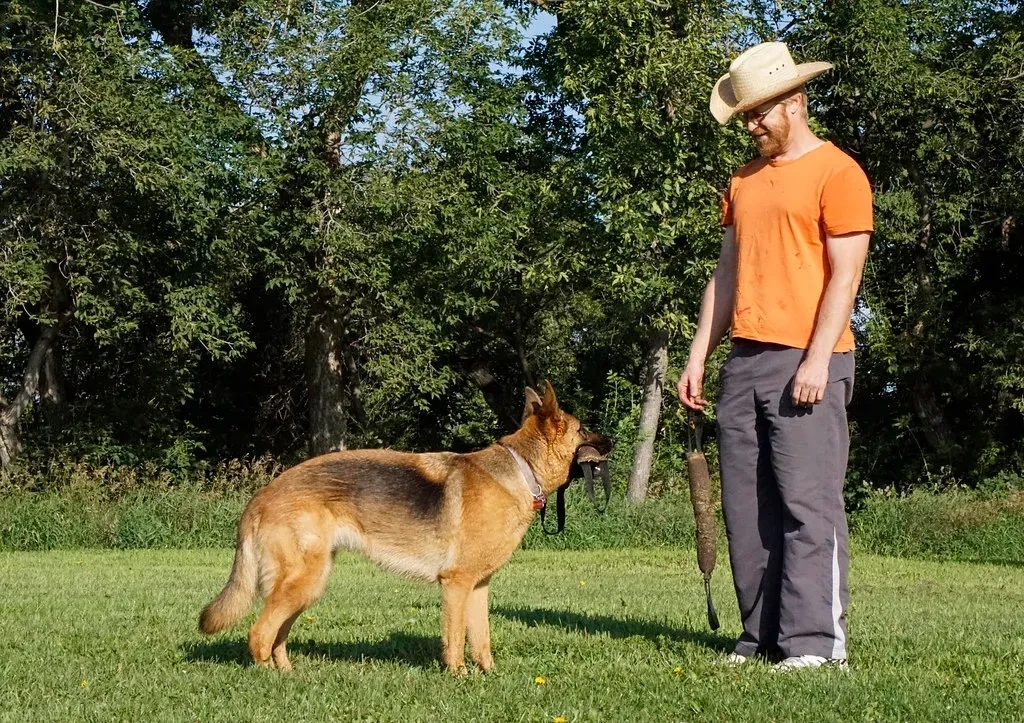
After an emotional moment, your dog might offer subtle signs of affection as a way of showing they’ve forgiven you. These can include nudging you with their nose or licking your face. Sometimes they’ll drop their favorite toy at your feet, like a peace treaty written in slobber and squeaky sounds.
This behavior mirrors what we see in broader canine social dynamics. Both reconciliation and third-party interactions are present in the domestic dog, and form important social mechanisms of the domestic dog. When your dog initiates positive contact, they’re actively working to repair the bond. It’s not just passive acceptance. They’re reaching out, choosing connection over continued distance.
3. Relaxed Body Language: The Tension Dissolves
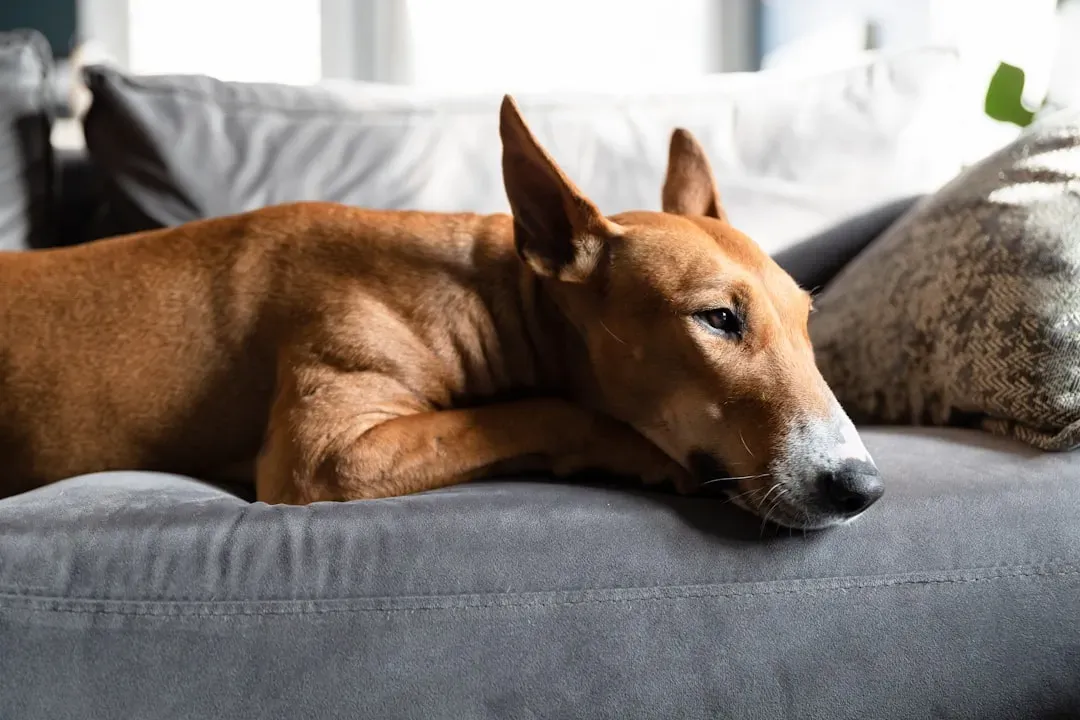
When a dog forgives you, their body language shifts to something more relaxed. Once they’ve forgiven you, their body will soften, and they’ll show signs of comfort. Watch for ears in their natural position, a loose tail wag, and muscles that no longer look coiled with anxiety.
The transformation can be subtle. Where before they might have held themselves stiffly or avoided direct eye contact, now they’ll meet your gaze with soft eyes. Their body will be looser, ears forward, soft brows, wagging tails level with their back. And the biggest indicator will be their desire to be around, near and with you. That softness speaks volumes. It’s their way of saying the air has cleared between you.
4. Playful Energy Returns: The Invitation to Have Fun
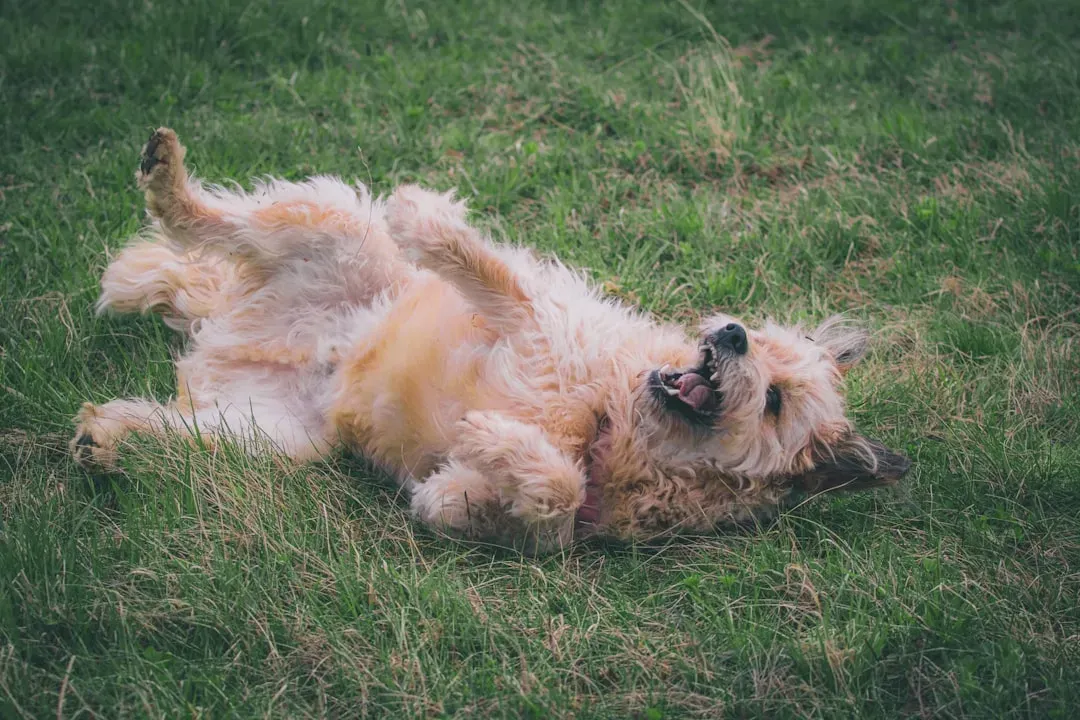
When they’ve let go of any resentment, they’ll start bringing you toys, initiating games, or playfully chasing you around. Play is serious business in the dog world. It requires trust, vulnerability, and a sense of safety. When your dog invites you to play after a tense moment, they’re telling you the relationship has been restored.
You might see the classic play bow, hear an excited bark, or notice them doing zoomies around the living room. These aren’t just random bursts of energy. They’re emotional releases, signs that your dog feels secure enough to be silly and joyful with you again. That willingness to be playful is one of the purest forms of forgiveness dogs offer.
5. Normal Routines Resume: Life Goes On

Once they’ve forgiven you, they’ll return to their usual happy behaviors. This quick return to their regular behaviors shows that your dog has let go of the tension and is ready to move forward. They’ll show up for meals with enthusiasm, greet you at the door, and settle into their usual sleeping spots without hesitation.
Dogs are creatures of habit and routine. When those patterns return after disruption, it signals emotional equilibrium has been restored. Let’s be real, this is perhaps the most reassuring sign for us humans. When your dog acts like nothing ever happened, when they’re back to stealing socks and begging for breakfast, you know you’ve been forgiven.
When Forgiveness Doesn’t Come Easy: Physical Harm or Abuse

Physical discipline can be extremely detrimental to their well-being and your relationship. Hitting your dog, even once, can erode the trust that is essential for a strong bond. Dogs have remarkable memories for traumatic events, especially those involving physical pain or fear.
More serious incidents, like punishment, can affect dogs for days or weeks. In cases of trauma or repeated negative experiences, fear-based associations may last months or even years. This isn’t holding a grudge in the human sense of plotting revenge. Instead, dogs form powerful negative associations that trigger defensive responses. When trust is broken through violence, rebuilding it requires tremendous patience, consistency, and often professional help.
When Previous Trauma Creates Lasting Fear Responses
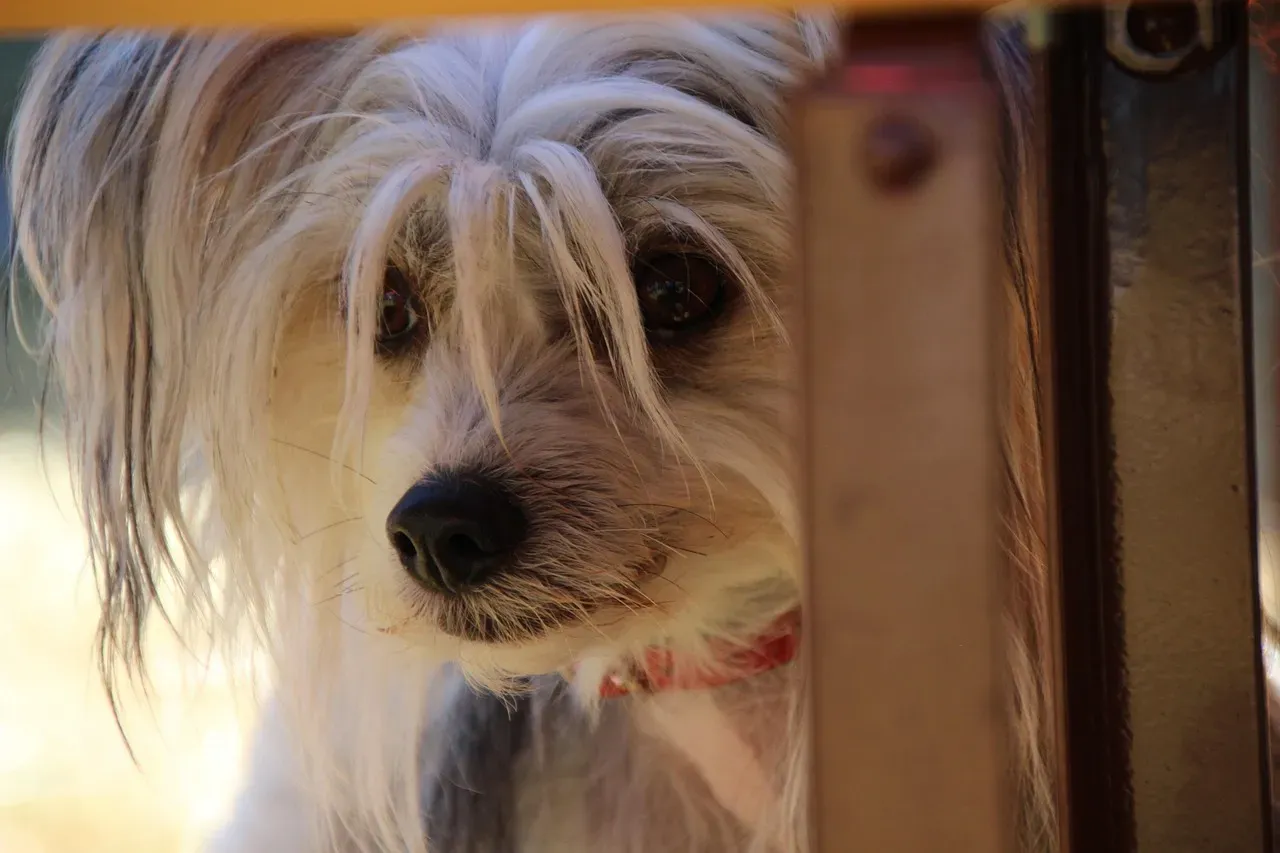
Dogs who’ve experienced abuse or severe neglect before joining your family carry those scars forward. Dogs can form negative associations with specific people based on past experiences. Even if you’ve never hurt them, certain triggers like raised voices, sudden movements, or specific contexts can activate old wounds.
All dogs go through fear periods from birth to age four or five. If the owner does not acknowledge these and attempts to force their pet into the space that it fears, they will lose the dog’s trust and the dog may never again go into that area. These aren’t grudges. They’re protective mechanisms. Understanding the difference helps us respond with compassion rather than frustration.
When Repeated Betrayals Erode the Bond

One mistake, dogs will forgive. But patterns of broken trust create deeper problems. If a dog repeatedly experiences punishment, abandonment feelings, or inconsistent treatment, their capacity for quick forgiveness diminishes. Significant emotional events, like abuse, tend to be stored long-term.
Most veterinarians and animal behaviorists agree that dogs do not hold grudges in the way that humans do. While they can have social memories about certain people or situations, their emotions aren’t as complex as ours. However, what looks like unforgiveness is often a deeply learned fear response. The dog isn’t being spiteful. They’re protecting themselves from further harm based on accumulated experience.
Understanding the Difference: Grudges vs. Fear-Based Associations
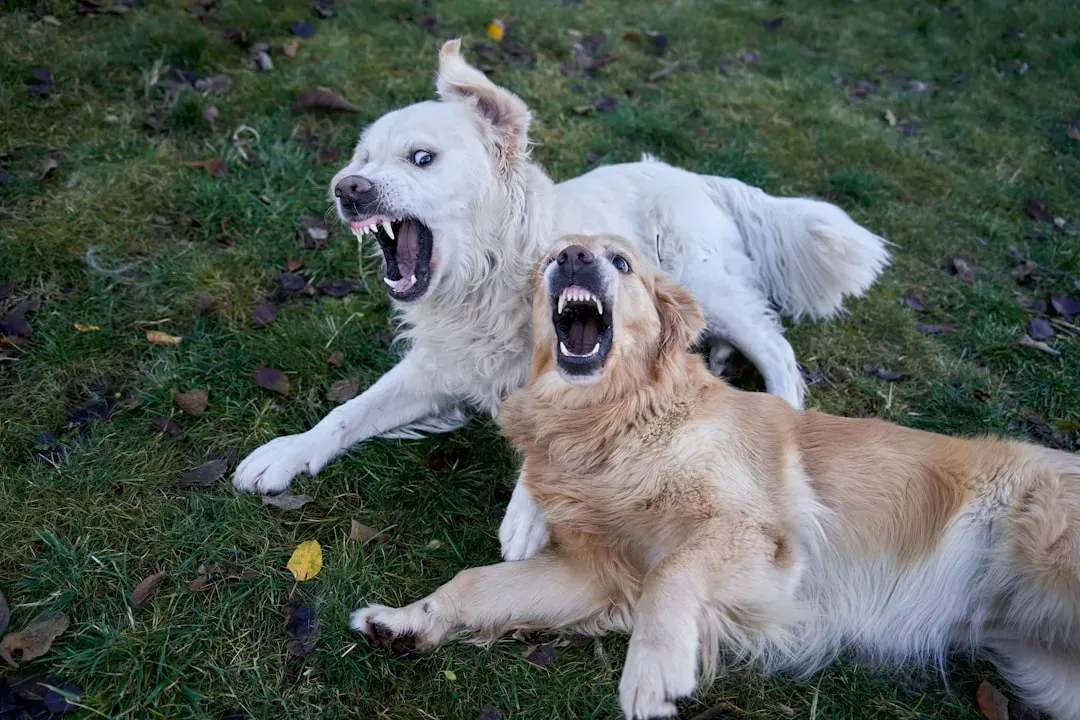
What humans might perceive to be a grudge is actually just a negative association that the dog has made with them. Dogs associate the human’s behavior and reaction to things, taking in the area, the person, the time of day, the smells and the human’s negative reaction, associating the whole scene negatively.
Dogs live primarily in the present moment, responding to what’s happening right now. Dogs do not have the emotional capacity for revenge or spite. Your pup’s actions are based purely on their instincts and reactions in the moment. When they seem to hold grudges, they’re actually experiencing triggered memories that create immediate emotional responses. It’s not premeditated or vengeful. It’s instinctual self-preservation.
The Role of Your Energy and Body Language
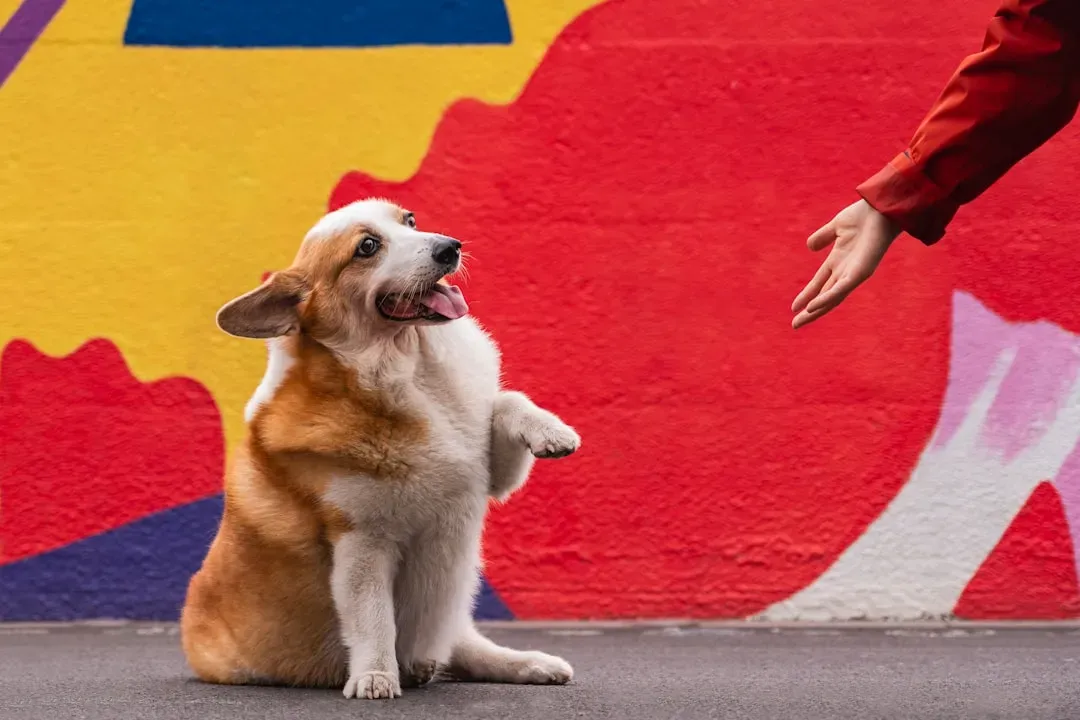
If you immediately show remorse, your dog is more likely to forgive the transgression. Your body language signals that you are no longer a threat and that you are seeking reconciliation. Dogs read us like open books, picking up on micro-expressions, tension in our shoulders, and changes in our vocal tone.
Owners should consider what message they’re sending with their body language and tone of voice because that’s what your dog is responding to. Whatever you are doing right now, that’s what your dog is reacting to, not something that happened two hours ago or last month. This is crucial to understand. Your anxious energy about whether they’ve forgiven you might actually be creating the distance you’re worried about.
Conclusion: The Gift of Canine Forgiveness
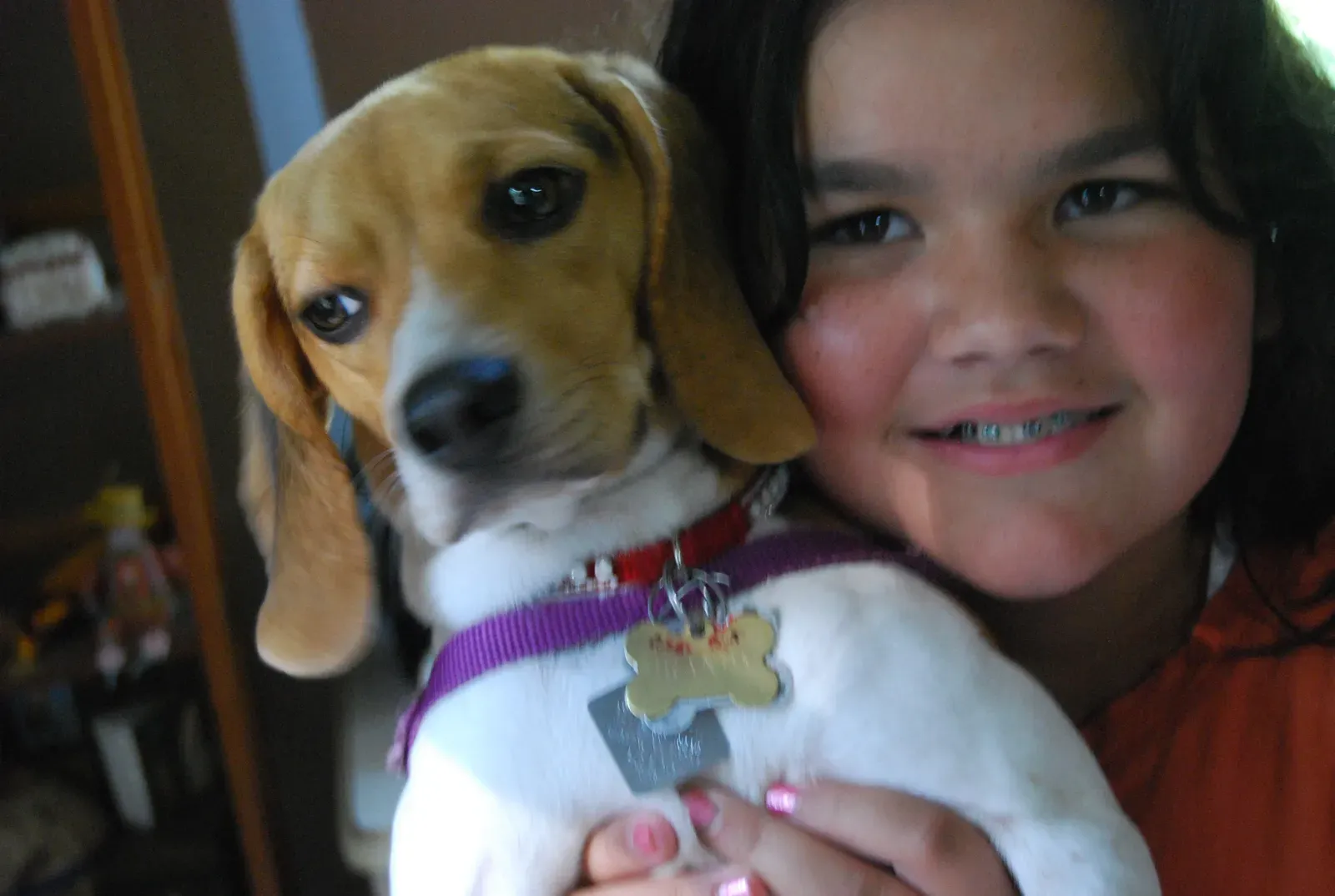
Dogs are known for their loyalty and affection, but their capacity to forgive us after a mistake is equally remarkable. No matter how much we might mess up, dogs seem to always forgive us with unconditional love and care. Their instinct for pack harmony, their present-moment awareness, and their genuine affection for us create a powerful recipe for forgiveness.
Still, it’s worth remembering that forgiveness has limits. Physical harm, repeated betrayals, and traumatic experiences can create lasting damage that requires more than time to heal. The best approach is prevention: treat your dog with consistent kindness, respect their boundaries, and when mistakes happen, make amends with patience and gentle reassurance.
Has your dog ever surprised you with how quickly they forgave you? Or have you worked through a challenging period where trust needed rebuilding? Every dog-human relationship has its own unique rhythm of conflict and reconciliation.


