
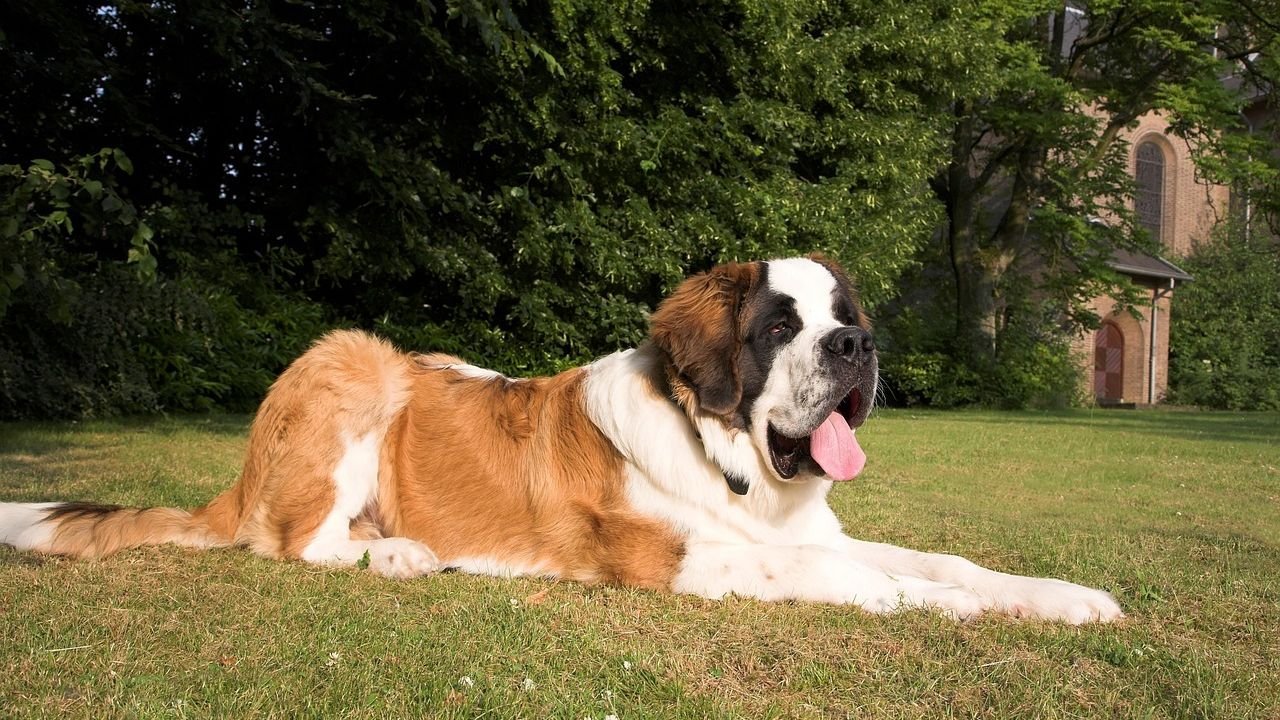
Picture this: a thunderstorm rolls in, the doorbell rings, a crowd of rowdy kids bursts through the front door, and your dog… just looks up, yawns, and goes back to sleep. Sounds like a dream, right? For many dog owners, that kind of unshakeable canine composure feels almost mythical. But here’s the thing – it’s absolutely real, and it comes naturally to certain breeds.
Not every dog is wired to stay cool under pressure. Some breeds thrive on chaos while others were quite literally bred to be steady, gentle, and emotionally grounded – in vet’s offices, noisy homes, crowded parks, and everywhere in between. Whether you’re a first-time dog parent, a senior looking for a peaceful companion, or a family trying to find the right fit, calm breeds can genuinely change the quality of your everyday life.
So, let’s dive into six extraordinary dog breeds that have mastered the art of keeping it together, no matter what life throws at them.
1. Cavalier King Charles Spaniel: Royal Calm in a Tiny Package

Honestly, if there were an award for the most emotionally balanced small dog on the planet, the Cavalier King Charles Spaniel would win every single year. Dating back to Renaissance times, the Cavalier King Charles Spaniel is known for their prestigious nobility and gentle demeanor, bred through generations of royals like King Charles I and his son Charles II. That centuries-old breeding toward gentleness? It really shows.
The Cavalier King Charles Spaniel has been a favorite lap dog of British royalty for generations, and their sweet, gentle temperament makes these calm, small dogs great for families with kids and other pets – and they are easy to train. Think of them like a perfectly tuned radio that just never picks up static.
Due to their welcoming disposition, the Cavalier makes a great therapy dog, and enrolling your Cavalier in socialization and training classes will allow for a well-mannered companion that does well in a variety of social situations. If you’re looking for a dog who mirrors your energy and keeps the atmosphere soft and loving, this breed is a near-perfect match.
Cavaliers love being lap dogs, but they do enjoy exercise, owing in part to their shared heritage with Sporting spaniels. Short daily walks and a cozy couch to curl up on – honestly, that’s all they really ask for.
2. Saint Bernard: The Gentle Giant Who Keeps Its Cool
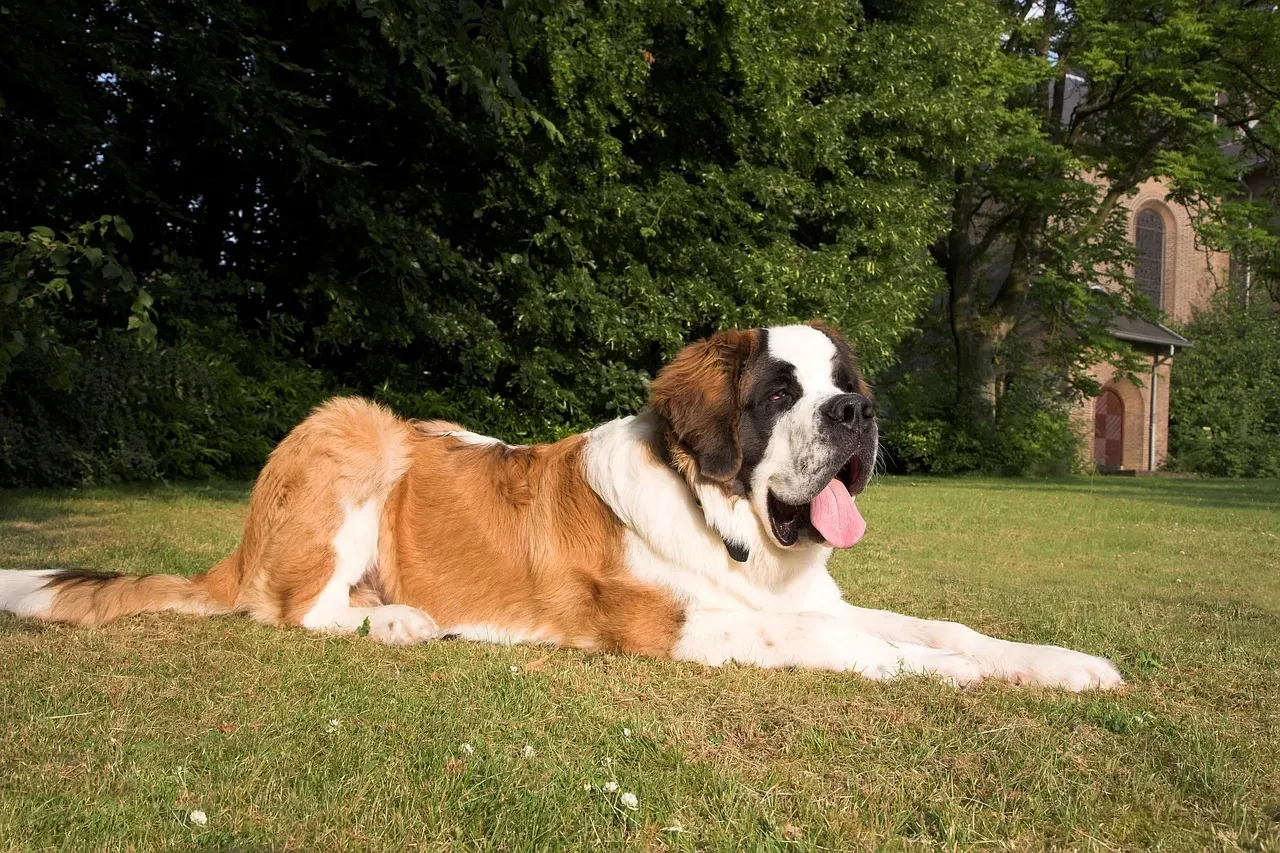
There’s something almost magical about a dog the size of a small bear being one of the most patient creatures you’ll ever meet. Saint Bernards are one of the very calmest dog breeds, which explains how they stay cool, calm, and collected during the avalanche search-and-rescue missions they’re known for – and these chill dogs are often called “nanny dogs” because of their affinity for children. A rescue dog with both bravery and gentleness? That’s a rare combination.
Dating back to the year 1050 in the snow-covered slopes of the Alps, Saint Bernards helped hospice monks locate dead or missing travelers, and though the breed is incredibly large in stature, they are genial in disposition. Their calm isn’t just personality – it’s history.
The Saint Bernard is powerful and muscular but has a mellow temperament, and the breed is friendly and patient and does well with children. Imagine having a 150-pound friend who never overreacts, never picks fights, and always seems happy just being near you. That’s basically the Saint Bernard experience.
They have a long history as guide and guardian dogs, and they’re happiest watching over their families, which makes socialization training very important – that way, they’ll feel confident around new people and situations. Early socialization is key, so start young and keep it positive.
3. Great Dane: The Laid-Back Skyscraper of the Dog World
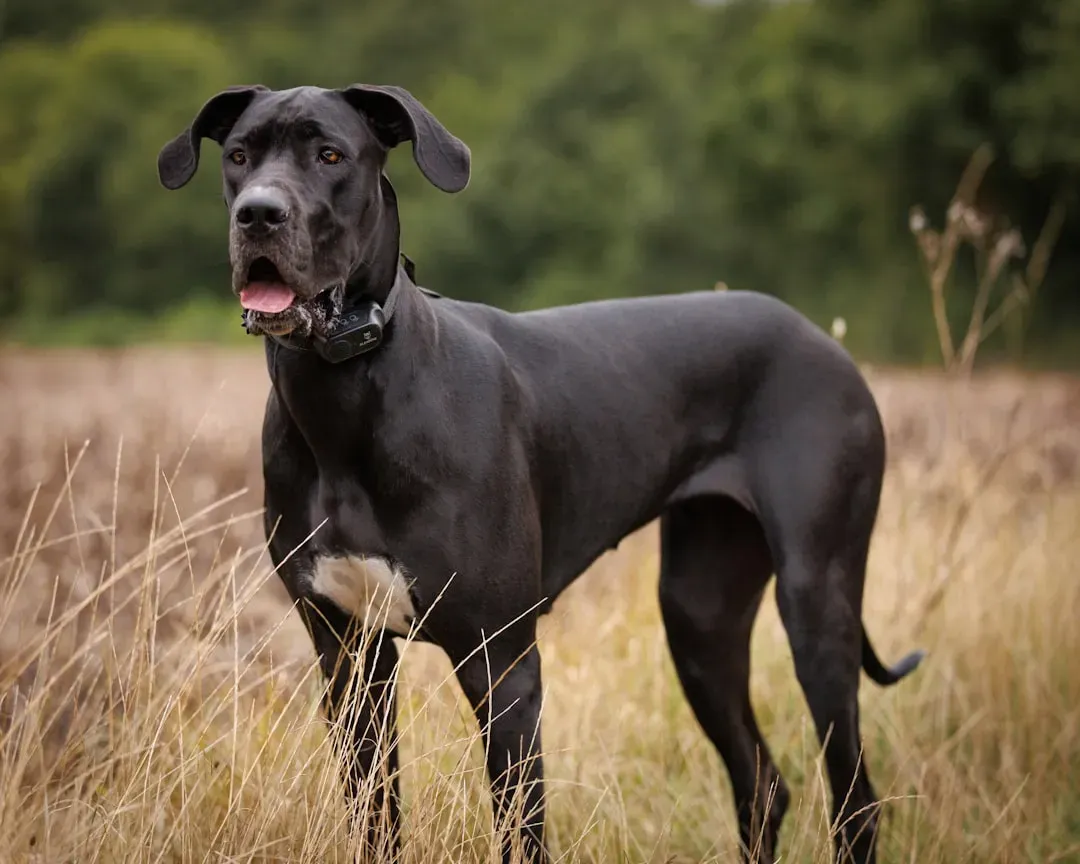
Let’s be real – when you see a Great Dane for the first time, “calm” is probably not the first word that comes to mind. But don’t let those long legs and towering height fool you. Despite their large size, Great Danes are often described as gentle souls who are generally calm and well-behaved, seldom getting worked up over loud or vigorous stimuli, and they are typically affectionate and enjoy being around their human family members.
Great Danes are known to be good with children and other pets when properly socialized from a young age, and while they make excellent companions, they also serve as effective guard dogs due to their imposing presence. It’s a beautiful paradox – a dog that’s both a gentle napper and a natural protector.
Their gentle, quiet nature makes them good family dogs, but they do need plenty of space to live and play, and Great Danes also need long walks regularly – their calm demeanor helps make that a generally hassle-free process when encountering other dogs and new people. Think of a Great Dane on a walk like a celebrity who somehow manages to be famous without causing a scene.
As puppies, they should definitely be socialized and trained in commands that will serve them in adulthood when they are tall and lanky – a large dog breed like the Great Dane needs to know its manners, especially around kids. Start training early, keep sessions short and fun, and watch this giant bloom into the most charming housemate you’ve ever had.
4. Basset Hound: Unbothered by Design

The Basset Hound might just be the spirit animal of anyone who’s ever said “I just need five more minutes.” The Basset Hound is a medium-sized dog with long floppy ears and an affable and bright personality – one of the calmest dogs you’ll ever meet, she might look woeful but will light up in your consistent presence, and she’ll enjoy using her nose for scent work before powering down for a leisurely, cozy nap.
The Basset Hound is a calm, gentle dog breed that’s adaptable to new surroundings and content with moderate exercise – these low-energy dogs aren’t very athletic, but their best asset is their nose, which can sniff out just about anything. They’re basically nature’s most relaxed detective.
Basset Hounds have a great temperament, making them wonderful companions for families, singles, and seniors alike – while they enjoy short walks, they are not overly active, and their loyalty and affection make them a great choice for anyone looking for a calm and loving pet. If your lifestyle involves more Netflix than hiking trails, this breed gets you completely.
One practical note: Basset Hounds can be stubborn during training sessions. Keep it upbeat, treat-heavy, and short. Their nose will sometimes outrank their attention span, so embrace that as part of their charm rather than a flaw.
5. Golden Retriever: Calm, Capable, and Completely Devoted
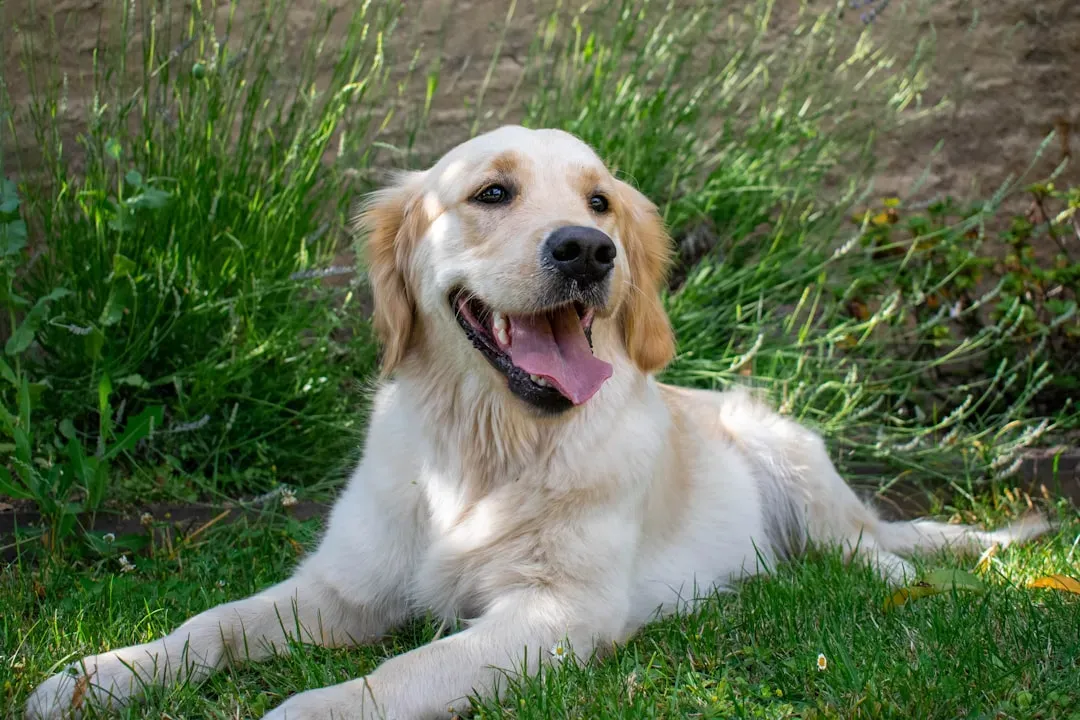
Few breeds have earned their reputation quite like the Golden Retriever. It’s no wonder the Golden Retriever is continually in the top 10 of most popular dog breeds – they are easy-going, affectionate and playful, but gentle with children, making them an ideal family dog. They’re practically the definition of “emotionally intelligent dog.”
Their temperament often makes them great service and therapy dogs, and while they can be playful and have a lot of energy in their youth, a 4-year-old Golden Retriever that’s emotionally and physically satisfied is most likely going to be calmer than a puppy of the same breed. So if your Golden pup seems a little bouncy, don’t panic – they tend to settle beautifully with age.
The Golden Retriever is a breed that can adapt to their family’s lifestyle, adopting their pet parents’ temperament or mimicking their behavior – and as much as this breed loves a long walk, they’ll enjoy a nap in the sun afterward even more. It’s like having a dog who reads the room effortlessly and acts accordingly.
Because they’re eager to please, they also respond well to obedience training, making them one of the best dogs for first-time owners. If you’ve never owned a dog before and want a breed that’s forgiving of your learning curve, the Golden Retriever might be your ideal starting point.
6. Greyhound: The Surprising Couch Champion
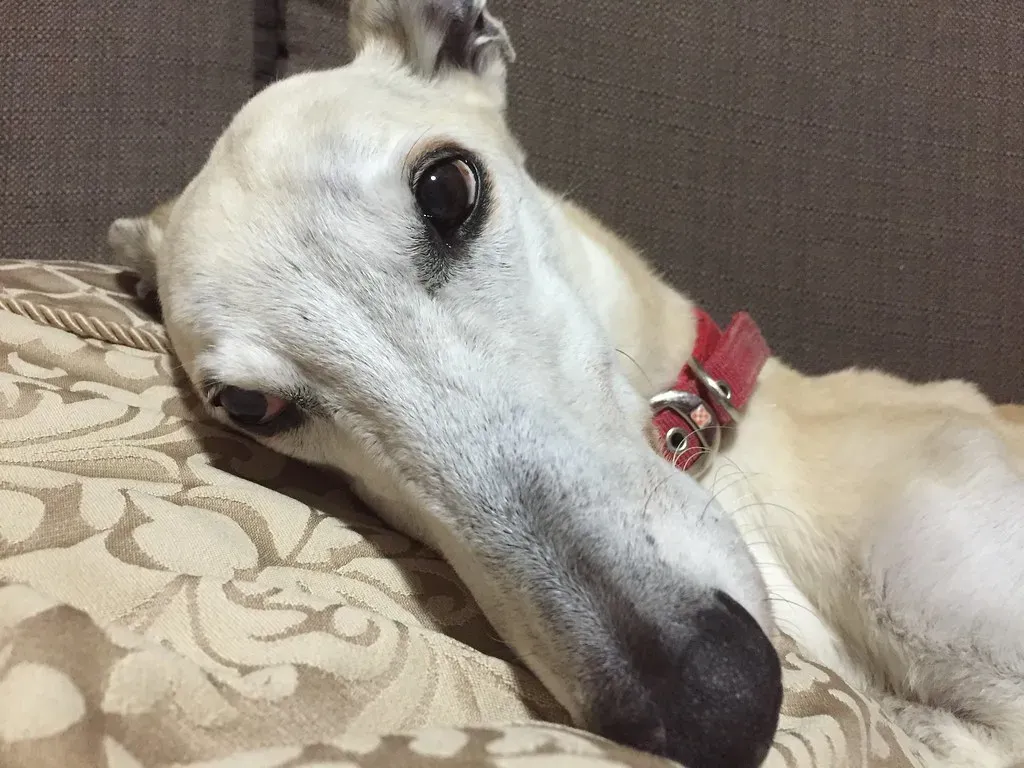
I know what you’re thinking. Greyhounds? The racing dogs? Hear me out, because this one genuinely surprises most people. Perhaps the most shocking addition to any calm breed list, Greyhounds are known for their speed, owed to their long, skinny legs and flexibility making them born racers – however, these are dogs with calm dispositions, fairly low energy and stamina, and they are gentle and kind by nature, perfectly content sleeping most of the day away.
Despite their reputation as racing dogs, Greyhounds are surprisingly calm and gentle pets – known as “couch potatoes,” retired Greyhounds often enjoy a relaxed lifestyle and are happy to spend their days lounging around the house, and they are known for being quiet, friendly, and easygoing. Think of them like a retired Olympic sprinter who now prefers yoga and afternoon naps.
If you give them space to expend short bursts of energy exercising, they’re content to lounge around the rest of the time – these sensitive pups love a calm, quiet home as much as you do, so they’re the perfect match for a low-key family. A fenced yard is ideal for those short sprint sessions, but the rest of the time? Your sofa is their sanctuary.
However, be wary of bringing a Greyhound that’s trained to chase into a home with other pets, as it can be challenging to curb their prey drive around cats and other small animals. Slow, careful introductions to existing household animals are important – but once settled, a Greyhound’s gentle soul tends to shine through beautifully.
Conclusion: Finding Your Calm Canine Match
Every one of these breeds carries something genuinely special – a steady heartbeat in a chaotic world. Whether it’s the royal softness of a Cavalier, the mountain-born patience of a Saint Bernard, or the sleepy elegance of a Greyhound, calm dogs have a way of making your home feel like a warmer, more peaceful place.
Remember that regardless of breed, it’s essential to provide proper training, socialization, and exercise for your dog to ensure a well-balanced and calm temperament – and calmness in dogs can vary from individual to individual. Breed gives you a head start, but your love, consistency, and patience build the rest.
A dog’s environment, daily exercise, and training can greatly influence their calmness – and by taking the time to provide your dog with plenty of physical and mental stimulation, you can deepen your bond while also making sure that when it’s time to relax, they’re content to snuggle up and chill out. That relationship you build? It’s one of the most rewarding things in the world.
The right calm dog doesn’t just fit into your life – they quietly, gently make it better. Which one of these six breeds spoke to your heart? Tell us in the comments, we’d love to hear your story.


