
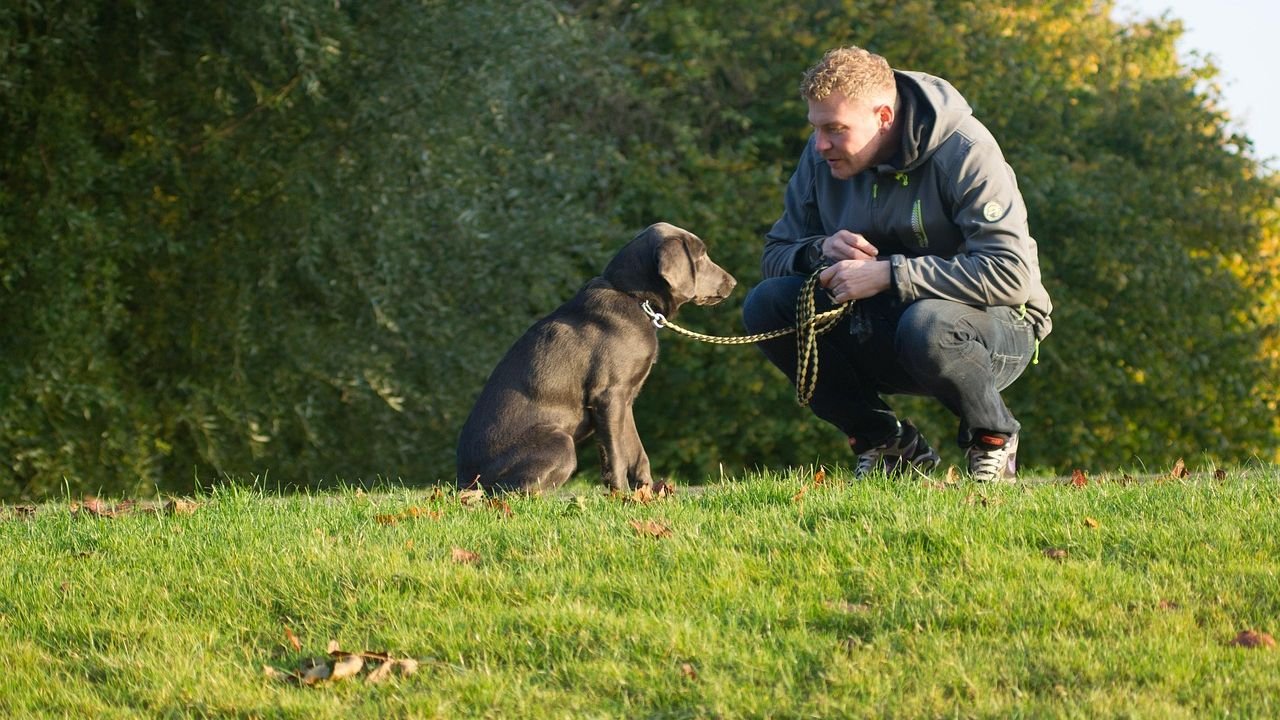
Have you ever looked at your dog and felt like they just get you? Like they’ve somehow crawled inside your head and heart, sensing exactly what you need before you even know yourself? It’s not magic. It’s not coincidence. Science is finally catching up to what dog lovers have known all along: our four-legged companions don’t just live with us. They become us, in the most tender and profound ways.
Let’s be real, there’s something deeply moving about watching your pup respond to your unspoken emotions. The way their tail wags a little slower when you’re feeling low, or how they seem to bubble over with energy when you’re excited about something. This isn’t just cute behavior; it’s a sophisticated emotional dance that’s been perfected over thousands of years of living side by side. So let’s dive in and explore exactly how your dog reflects your very essence back at you.
They Pick Up on Your Emotional Weather System
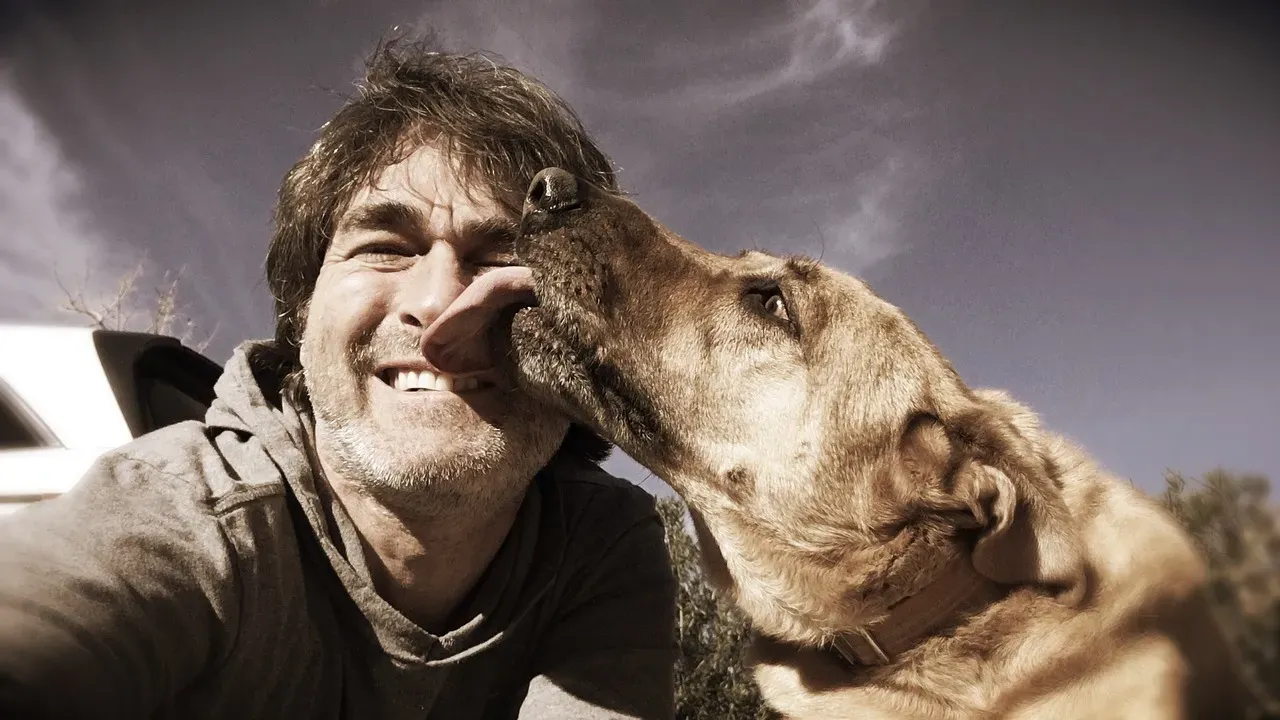
Dogs pick up chemical and physiological cues from people that allow our moods to become contagious. Think about that for a second. Your dog isn’t just watching you; they’re literally smelling your emotions through chemical signals your body releases.
Studies have evidenced that dogs exposed to human fear sweat samples spontaneously showed more owner-seeking and higher heart rates than with happiness samples. When you’re stressed, your body releases cortisol, and your dog detects this change immediately. They don’t need you to say a word.
A study found that dogs respond to human faces that express six basic emotions with changes in their gaze and heart rate. Your facial expressions matter more than you might think. Whether you’re angry, fearful, happy, sad, surprised, or disgusted, your dog is reading every micro-expression.
I’ve watched this happen countless times in my work with dogs. A client walks in appearing calm on the surface, but their dog is pacing and whining. The dog knows something the human is trying to hide even from themselves. It’s both beautiful and a little humbling, honestly.
Your Anxiety Becomes Their Anxiety
The personality of owners was significantly related to the cortisol levels of their dogs, suggesting it is the dogs that mirror the stress levels of their owners. This connection runs deeper than simple observation; it’s written in their biology.
The correlation coefficients of heart rate intervals between dogs and owners were positively correlated with the duration of dog ownership, and emotional contagion from owner to dog can occur especially in females. The longer you live together, the more synchronized your stress responses become.
Here’s the thing: if you’re a nervous wreck, your dog will likely develop similar tendencies. Highly neurotic owners tended to have dogs that also showed signs of anxiety or mood instability. It’s like living with someone who’s perpetually on edge makes them jumpy too.
This should be a wake-up call for all of us. Managing our own emotional health isn’t just about us anymore. When we work through our anxiety, we’re literally helping our dogs feel calmer and safer in the world.
They Mirror Your Personality Traits with Uncanny Accuracy
The personalities of dogs and their owners often reflect each other, with active and outgoing individuals tending to have dogs with similar characteristics, while those with anxious or aggressive dogs typically displayed more negative personality traits themselves. It’s like looking in a furry mirror.
Dog owners rated their dogs as having similar personalities to themselves in all five of the personality traits measured, with the strongest association being between the owner’s degree of neuroticism and that of their dog, followed by extraversion. This isn’t just owner bias, either.
What’s fascinating is that family members saw the same traits in the dog as in the dog’s owner when asked independently. So other people notice this mirroring effect too. Your quiet, reserved nature might manifest as a dog who prefers observing from the sidelines at the park rather than jumping into the chaos.
People often choose dogs that already match their temperament, but then something magical happens. As they live together, their personalities grow more alike. You shape each other through thousands of tiny interactions every single day.
Your Energy Level Sets Their Tempo
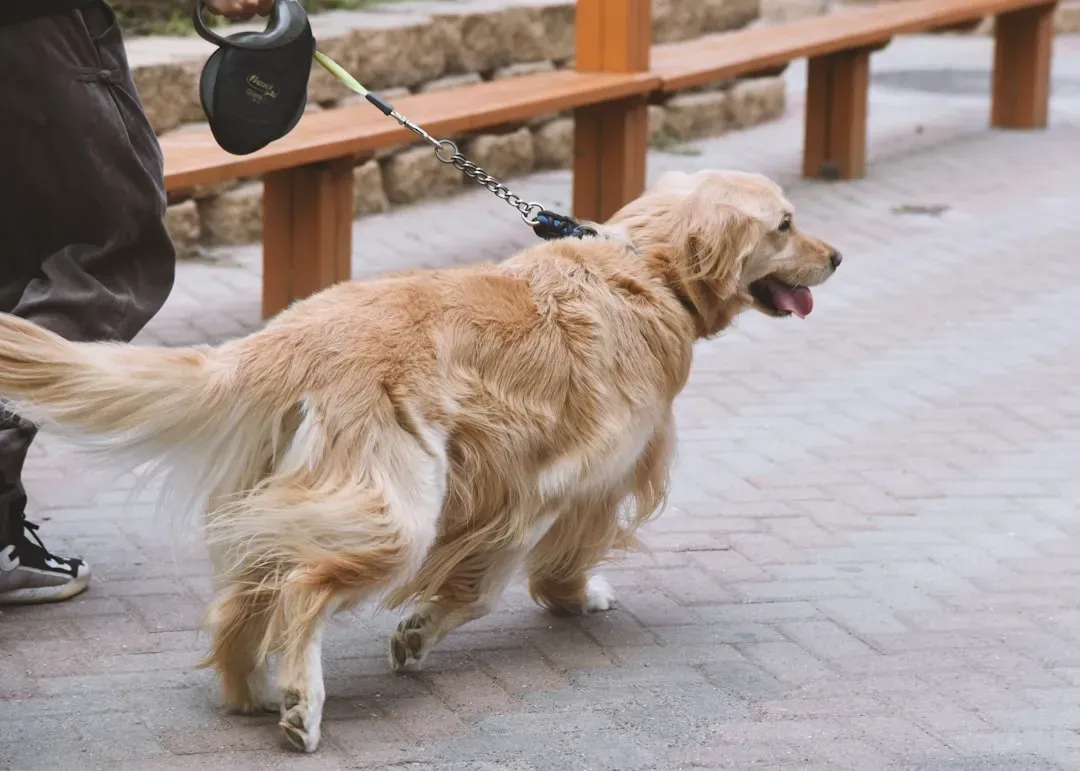
Picture a high-energy person bouncing through life with endless enthusiasm. Now picture their dog. Active and outgoing people tended to have canine companions that behaved similarly. There’s a rhythm to this relationship that’s hard to ignore.
Dogs and humans synchronize their behavior, with dogs often matching the natural movements of their owners. Watch someone walk their dog sometime. Really watch. The dog’s pace, their alertness, even their posture often echoes their human’s physical state.
If you’re constantly rushing around, multitasking, living in a state of perpetual motion, your dog will likely become restless and excitable. Conversely, a more laid-back owner often has a dog who’s content to lounge for hours. Neither is better or worse; it’s just different souls finding their match.
I think we underestimate how much our daily energy expenditure affects our dogs. They’re not just along for the ride. They’re reading our vitality levels and adjusting their own accordingly.
They Sense Your Sadness Before Your Tears Fall
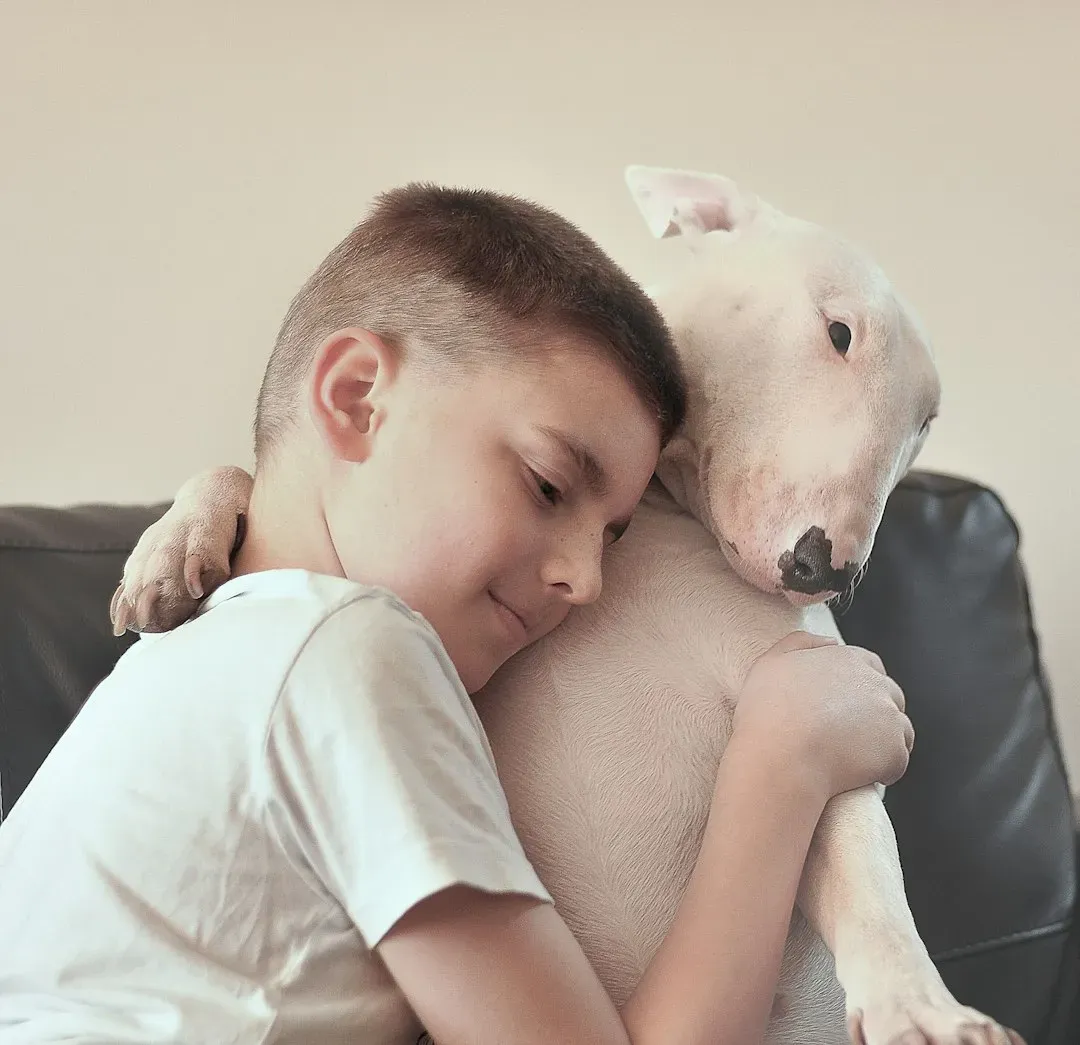
When a human cried, even if it was pretending to cry, the dog responded by turning toward and approaching the human, whether the person crying was their owner or a stranger, and even when the crying stranger did not respond to the approaching dog, the dog did not turn to approach their owner for comfort. That instinct to comfort runs incredibly deep.
The mechanism of emotional contagion triggers the dog’s behavior when confronted with a crying human, rather than the dog’s personal pain driving the comforting behavior. They’re genuinely feeling something in response to your distress. It’s not just about getting you to stop making that awful sound.
Your dog lying at your feet when you’re heartbroken isn’t random. They’ve detected the shift in your emotional state through your scent, your body language, possibly even changes in your breathing pattern. Dogs responded more to their owner’s distress than to a stranger’s distress, and when their owners cried, the dogs approached and tried to comfort them.
This is perhaps the most profound way dogs mirror our souls. They don’t just reflect our emotions; they absorb them, process them, and then offer comfort in return. It’s a level of emotional intelligence that honestly puts some humans to shame.
They Adopt Your Social Style and Worldview
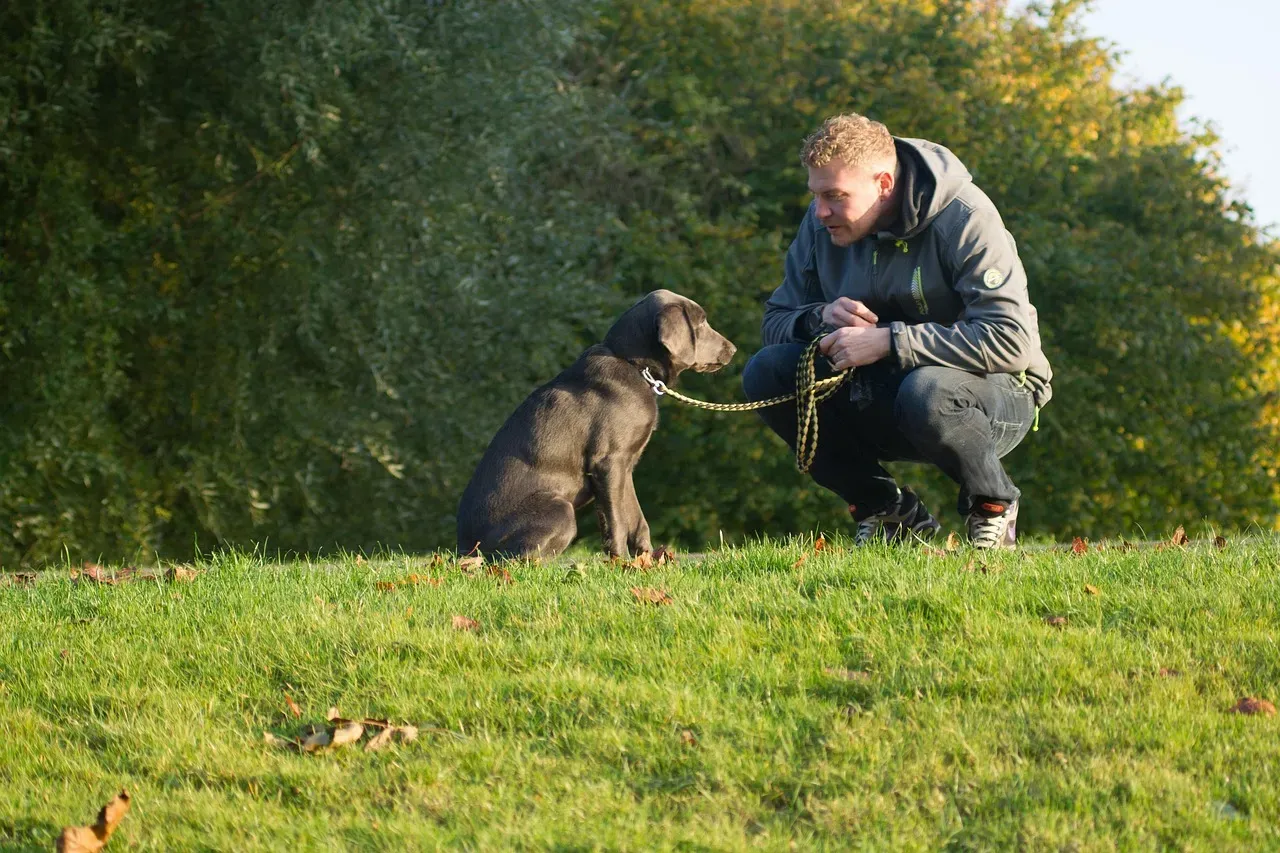
Results revealed a significant positive correlation between extroverted and agreeable owner personalities and higher sociability levels in their dogs. If you’re the life of the party, chances are your dog is too. If you prefer quiet evenings with one or two close friends, your dog probably feels the same.
Flamboyant, confident, and expressive caregivers tended to have dogs who were overly friendly and exuberant, continually trying to engage other dogs in play. Meanwhile, more reserved owners often had dogs who hung back, observing rather than participating.
This social mirroring extends to how dogs interact with the world. As they moved through classes from puppy to advanced, the similarities shared between dogs and their caregivers grew exponentially, and these striking similarities were more common than uncommon.
Your dog learns what’s important by watching what you pay attention to. If you’re wary of strangers, they’ll pick up on that wariness. If you greet everyone with open enthusiasm, they’ll likely do the same. You’re teaching them, through your behavior, how to navigate the social landscape. What a responsibility, honestly.
Conclusion
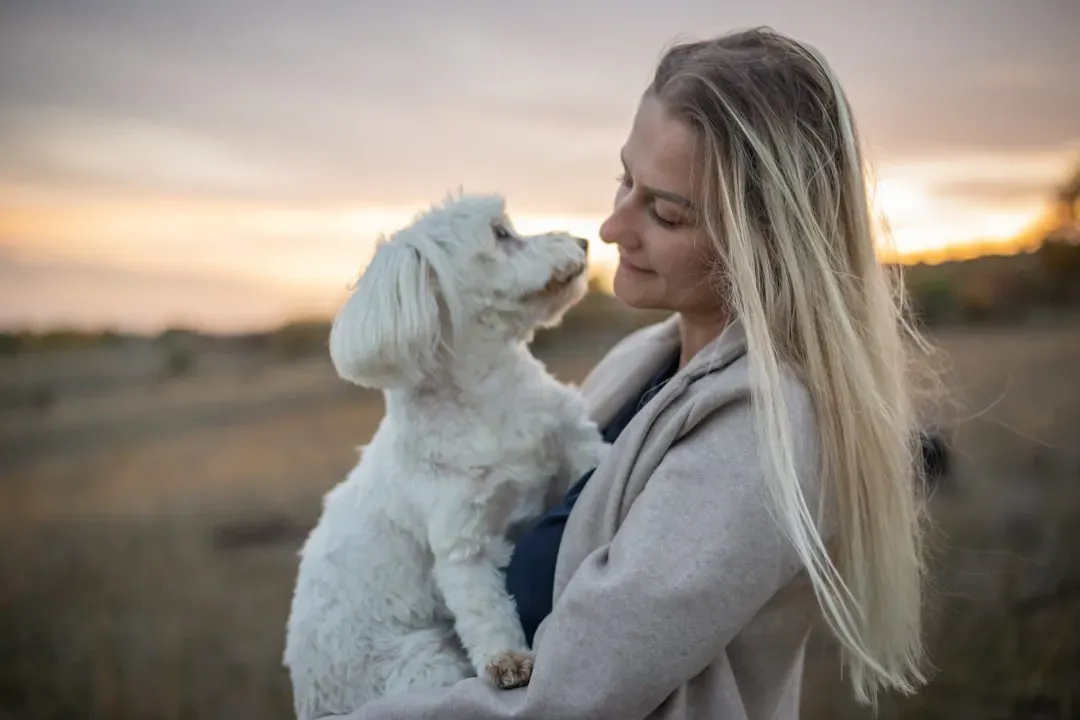
The bond between humans and dogs goes far beyond companionship. It’s a deeply intertwined relationship where emotions, personalities, and even stress levels flow between species like water seeking its level. Because of our close connection with dogs, we have co-evolved to detect each other’s signals in ways that are different from other species.
Understanding that your dog mirrors your soul isn’t just fascinating; it’s practical wisdom for better caregiving. When you prioritize your own emotional wellbeing, you’re directly improving your dog’s quality of life. When you work on being calmer, more confident, or more socially balanced, you’re gifting those same qualities to your canine companion.
So next time you look into those soulful eyes and feel truly seen, remember that your dog is doing more than looking at you. They’re reflecting you, absorbing you, and in their own beautiful way, becoming a four-legged extension of who you are. What do you think about it? Does your pup mirror your personality, or have they taught you to see yourself differently?


