
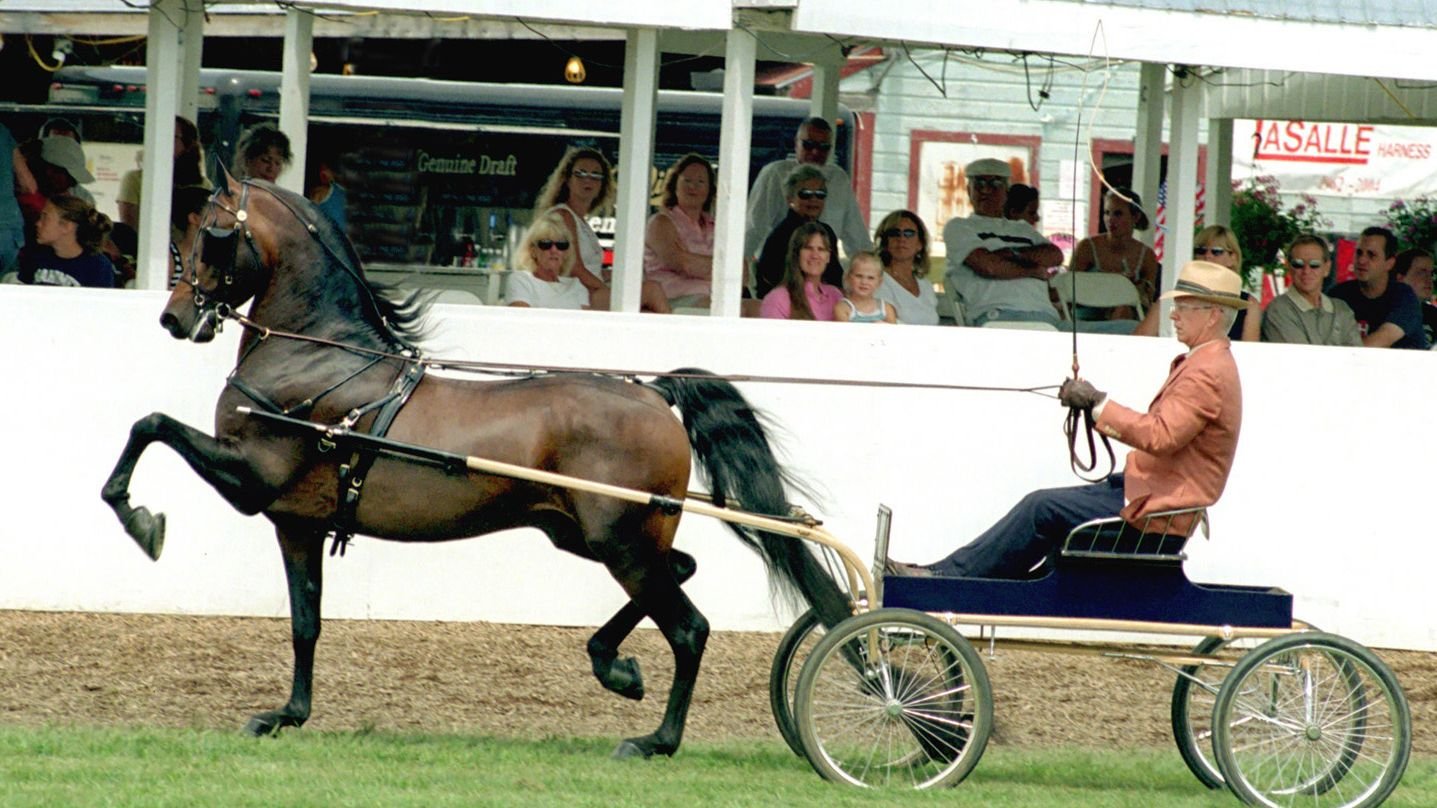
Getting your first horse is a big deal. It’s hard to imagine something more thrilling than finally having your own equine partner, someone to ride with on long trails, learn with, grow alongside. Yet here’s the thing: not all horses are suited for novice riders.
The wrong match can lead to frustration or even safety concerns, while the right breed can build confidence and make the whole experience genuinely rewarding. Professional trainers know which breeds consistently produce calm, forgiving horses that help new riders develop their skills. Let’s dive into the six horse breeds that trainers genuinely trust when working with beginners.
American Quarter Horse
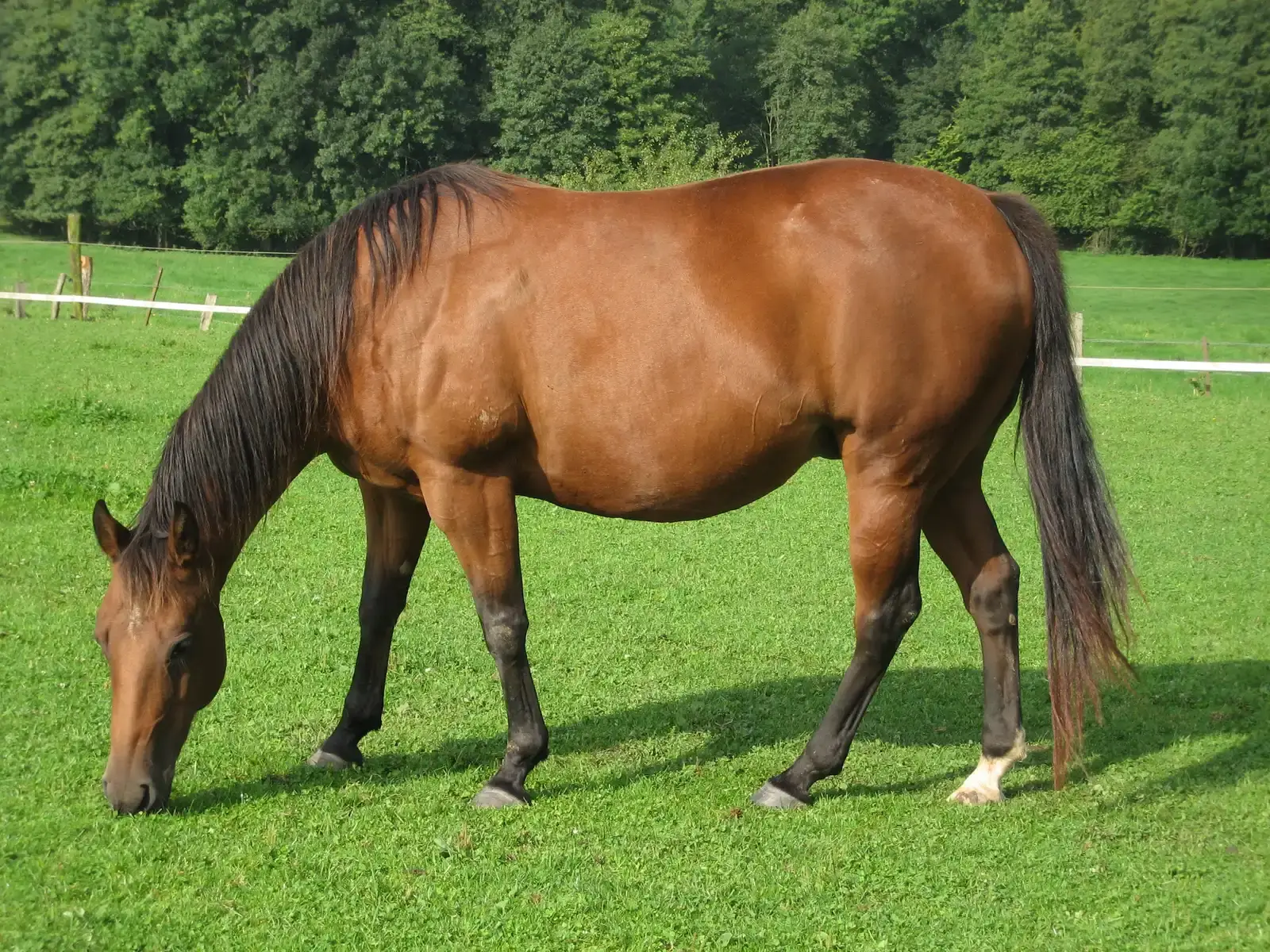
The American quarter horse is the most popular breed in the US and also the most common breed among beginners. There’s a reason this breed dominates riding schools and family farms across the country. Quarter Horses are famously level-headed and gentle, dependable and tend to form strong bonds with their owners, making them a fantastic choice for a first horse.
Their intelligence and desire to please make them one of the easiest breeds to train, and they excel in a variety of disciplines, from western pleasure and trail riding to ranch work. Whether you’re interested in Western or English riding, this breed adapts beautifully. They’re built sturdy too, with solid frames that can handle long days of riding without excessive vet bills.
What makes them particularly beginner-friendly is their forgiving nature. If you make a mistake in the saddle, which every new rider will, a Quarter Horse won’t typically overreact. They’re patient teachers in their own right.
Morgan Horse
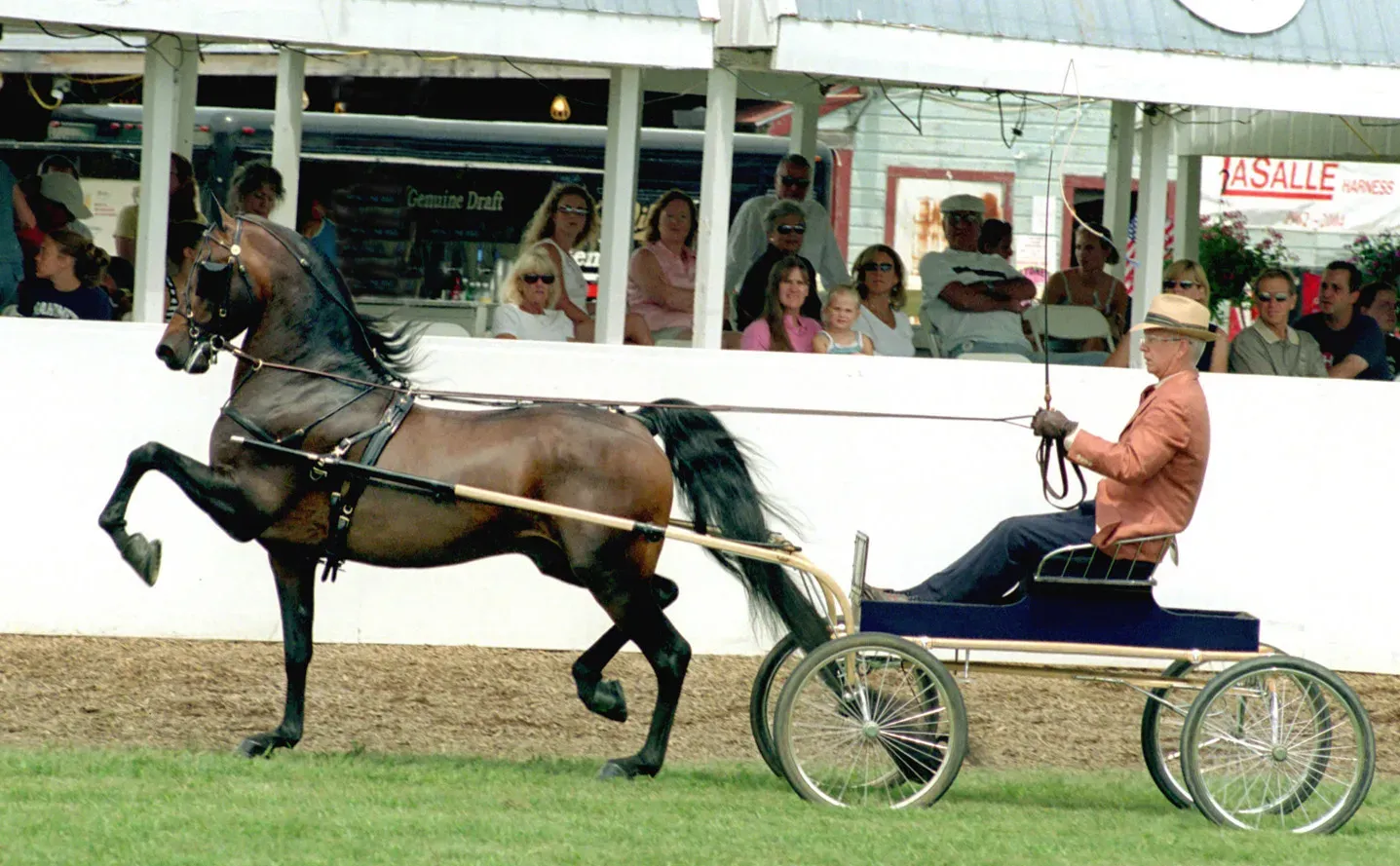
The Morgan horse nearly always tops the list of recommended breeds for newer riders, and it’s considered America’s first breed in the 18th century, known for being kind and courageous. Honestly, if you want a horse with heart, look no further than a Morgan. These horses are typically attentive and want to please their riders, and for beginning riders, they are pretty forgiving.
Morgans pack a lot of personality into their compact bodies. This breed is smart and learns quickly, and their cooperative nature means they willingly take to new tasks, whether it’s learning dressage, navigating an obstacle course, or simply being a dependable family horse. They’re also incredibly versatile, performing well in both English and Western disciplines.
Another advantage? They are also quite stoic and easy keepers. For someone new to horse ownership, having a breed that doesn’t require complicated care routines is a genuine blessing. Morgans develop strong bonds with their owners and tend to be loyal companions for years.
American Paint Horse
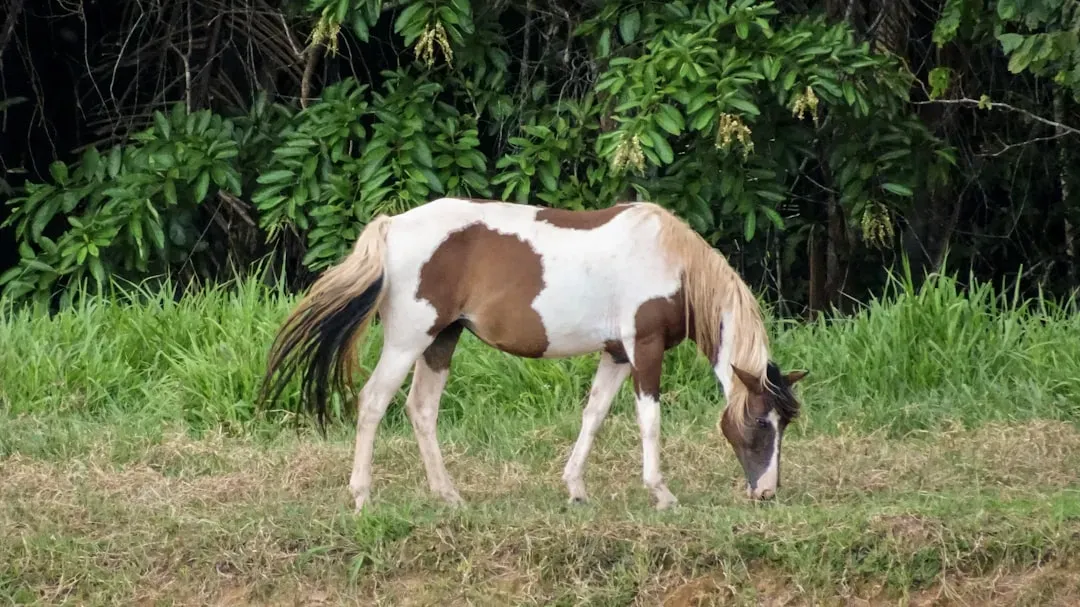
If you want a horse that’s as beautiful as it is dependable, the American Paint Horse delivers on both fronts. Sharing a common ancestry with the American Quarter Horse, they possess many of the same desirable traits, including a friendly and easy-going nature. Their striking coat patterns make them stand out, yet it’s their temperament that truly wins over trainers and beginners alike.
Paint Horses are known for being friendly, calm, and sociable, and they are generally laid-back and make wonderful partners for beginners and families who want a reliable riding companion. They typically have a calm, easygoing temperament and tend to do well with children and young riders, and their friendly nature makes them easy to train and handle.
Like their Quarter Horse relatives, Paints are intelligent and willing workers. They’re often used for pleasure riding, trail riding, and various Western events. Their dependable mindset helps new riders build confidence without feeling overwhelmed. Plus, who doesn’t love a horse with such stunning color patterns?
Tennessee Walking Horse
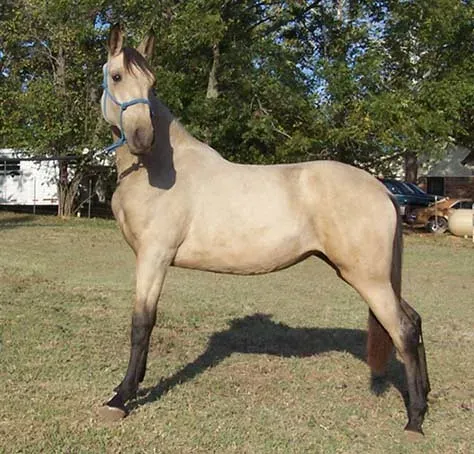
Let’s be real, comfort matters when you’re just learning to ride. If comfort is high on your list, a Tennessee Walker is worth considering, as these horses are gaited, which means their movements are smoother than most other breeds, perfect for beginners who are still building balance and confidence. Their signature running walk is famously smooth, so much so that riders often describe it as gliding.
The Tennessee Walking Horse is known for its smooth gait and friendly nature, easy to train and suitable for both trail riding and show competitions, and relatively calm, making them a good option for nervous riders. If you’ve been saddle-sore on other breeds, a Tennessee Walker might be exactly what you need. Their gentle temperament paired with that ultra-comfortable gait makes them an excellent choice for riders of all ages.
These horses were originally bred for practical plantation work, which means they’re hardworking and reliable. They don’t tend to be high-strung or overly reactive, qualities that matter immensely when you’re still figuring out the basics of horsemanship.
Appaloosa
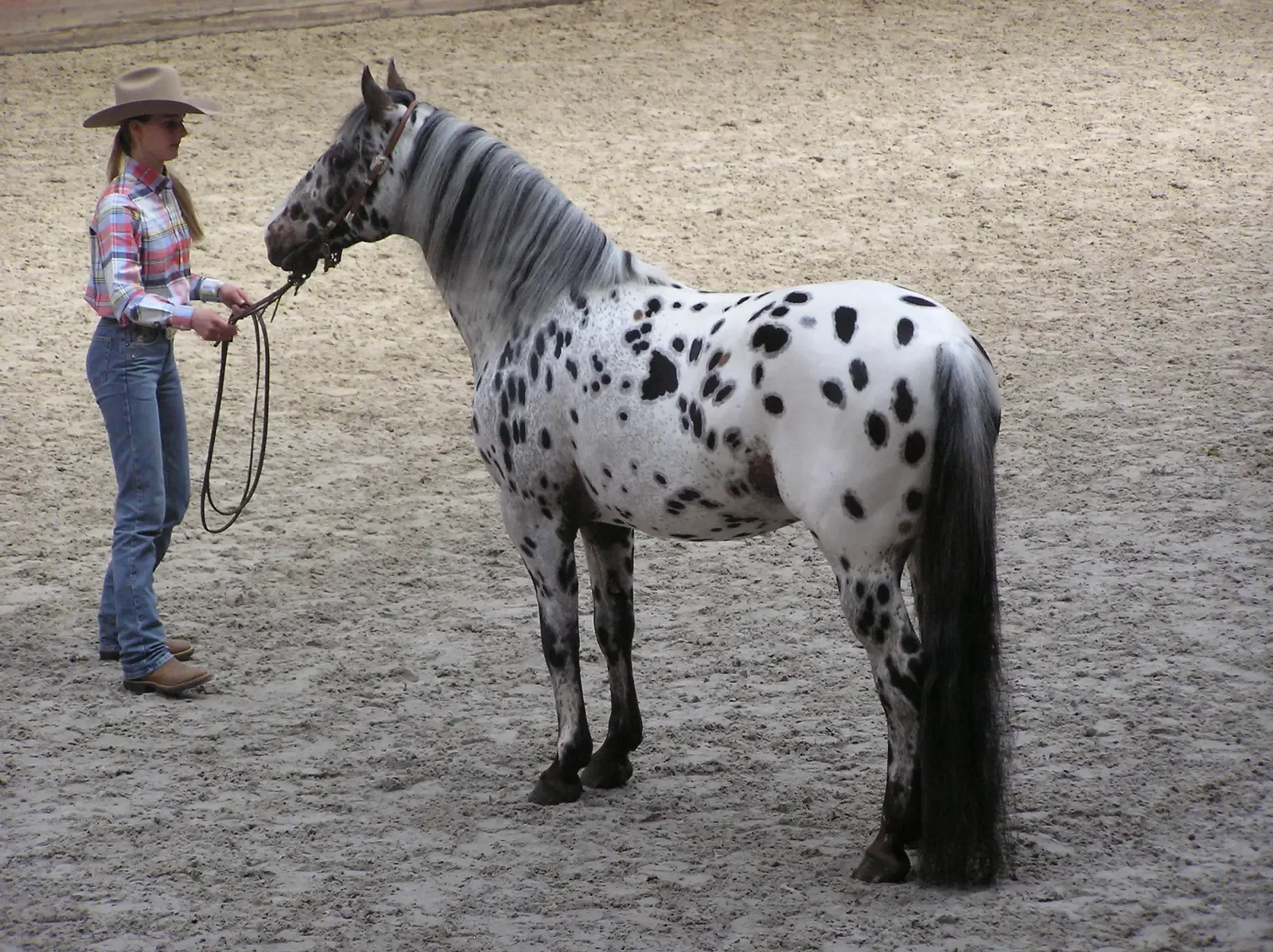
The Appaloosa stands out not just for its eye-catching spotted coat but also for its level-headedness and intelligence, as these horses are affectionate, highly trainable, and deeply loyal companions. When trainers recommend Appaloosas for beginners, they’re thinking about temperament first and looks second. Yes, they’re stunning with those distinctive coat patterns, yet it’s their willingness to learn that makes them truly valuable.
The Appaloosa is a breed known for its distinctive coat pattern and friendly nature, intelligent and easy to train, making them suitable for beginners, and also versatile and excel in many disciplines, including Western riding, trail riding, and even dressage. They have a curious nature and genuinely seem eager to figure out what their rider is asking of them.
What I appreciate most about Appaloosas is their versatility. They’re not just trail horses or arena horses; they can do both and more. For a beginner who’s still discovering what type of riding they enjoy most, having a horse that can adapt to different activities is incredibly valuable.
Icelandic Horse
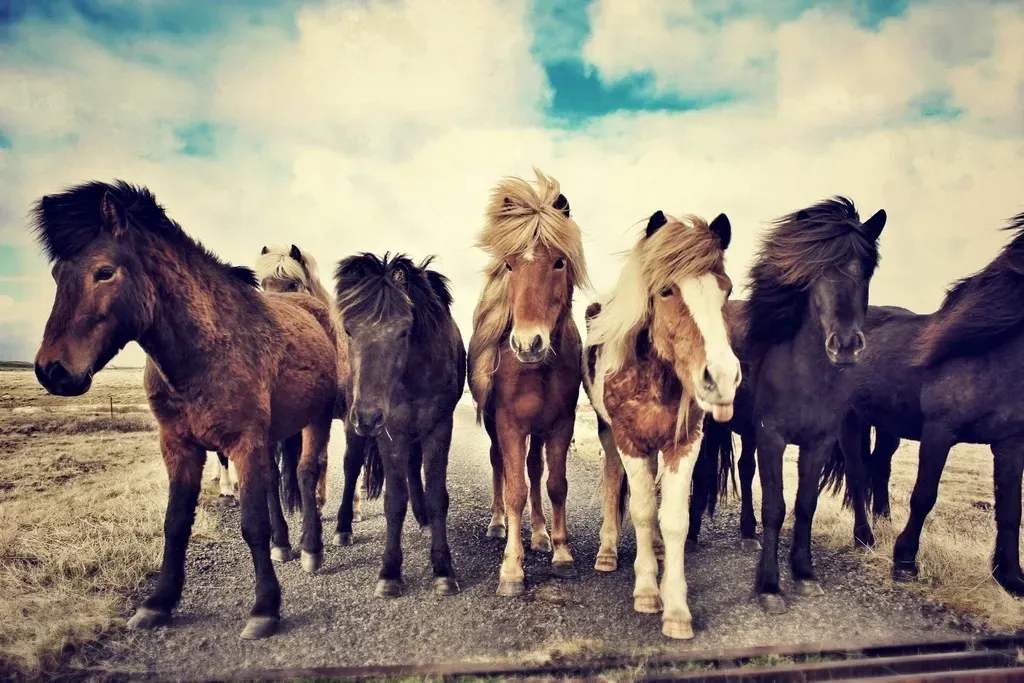
Many novice riders are nervous about riding horses that are too big, so the Icelandic horse, related to the Shetland pony, is a nice compromise, as this small breed typically stands about 13 to 14 hands, so they are a good choice for anxious or shorter riders. Sometimes smaller really is better, especially when you’re building confidence. These compact horses are surprisingly strong and can easily carry adult riders despite their size.
One of the best features of the Icelandic breed is its “tolt” gait, which is a super smooth version of a very fast walk. They are sure-footed, long-lived, and quite stoic, and their short, stocky stature makes them feel approachable for new or fearful riders. Their gentle temperament combined with their unique gait makes riding them a truly pleasant experience.
Icelandic horses are also incredibly hardy. Because of the climate and terrain where they originate, Icelandic horses do well in harsh weather, and they are sure footed as well. For someone new to horse ownership, having a breed that doesn’t require high-maintenance care and can handle various conditions takes some pressure off.
Conclusion

Choosing your first horse is about so much more than picking a breed from a list. Individual temperament, training, and the connection between horse and rider matter tremendously. Yet certain breeds have earned their reputation as beginner-friendly for good reasons: calm dispositions, forgiving natures, and genuine willingness to work with inexperienced riders.
The six breeds we’ve covered consistently produce horses that trainers trust with their beginner students. Whether you’re drawn to the versatility of a Quarter Horse, the heart of a Morgan, the stunning looks of a Paint, the smooth ride of a Tennessee Walker, the intelligence of an Appaloosa, or the approachable size of an Icelandic Horse, you’ll find solid options among these breeds.
Remember to spend time with any horse before committing, bring an experienced trainer to evaluate potential purchases, and prioritize temperament over appearance. The right horse will make your journey into the equestrian world joyful and confidence-building. What breed do you think would be the best fit for you? Share your thoughts in the comments below.


