

You know your dog better than anyone. That wagging tail, those pleading eyes, the way they greet you at the door like you’ve been gone for years when it was really just ten minutes. Dogs are creatures of joy and habit, and that’s exactly why even the smallest shift in their behavior should catch your attention.
Here’s the thing. Dogs can’t tell us when something hurts or when they feel off. They rely entirely on us to notice when their spark dims or their routine shifts. Sometimes these changes are subtle, a little less enthusiasm for breakfast or a slower trot to the door. Other times, they’re impossible to miss. Either way, these behavioral shifts often serve as the earliest clues that something deeper is happening beneath the surface, something that warrants our immediate attention and care.
Sudden Loss of Energy or Persistent Lethargy

Pain is one of the most common physical reasons for behavioral changes in dogs. Lethargy in dogs is a lack of energy and enthusiasm. It’s much more than your dog just being lazy after a long walk. Dog lethargy is characterized by a noticeable decrease in your pet’s activity levels, it’s more than just a lazy day – lethargy is a persistent state of fatigue or lack of energy that can indicate various health problems.
When your normally bouncy pup suddenly seems uninterested in their favorite game of fetch or refuses to get up for their evening walk, that’s a red flag worth investigating. Dog lethargy is almost always related to significant illness. This could signal anything from parvovirus, distemper, kennel cough, leptospirosis, and heartworm disease, some of these infections could be life-threatening.
Chronic conditions such as heart disease, diabetes, and hypothyroidism are common culprits of lethargy in dogs, these diseases affect your dog’s overall health and energy levels, making it difficult for them to stay active. Even metabolic disorders like kidney or liver problems can cause profound exhaustion. The bottom line? If your dog’s energy level doesn’t bounce back after rest and you can’t explain it with a recent romp at the dog park, it’s time to call your vet.
Unexplained Aggression or Irritability
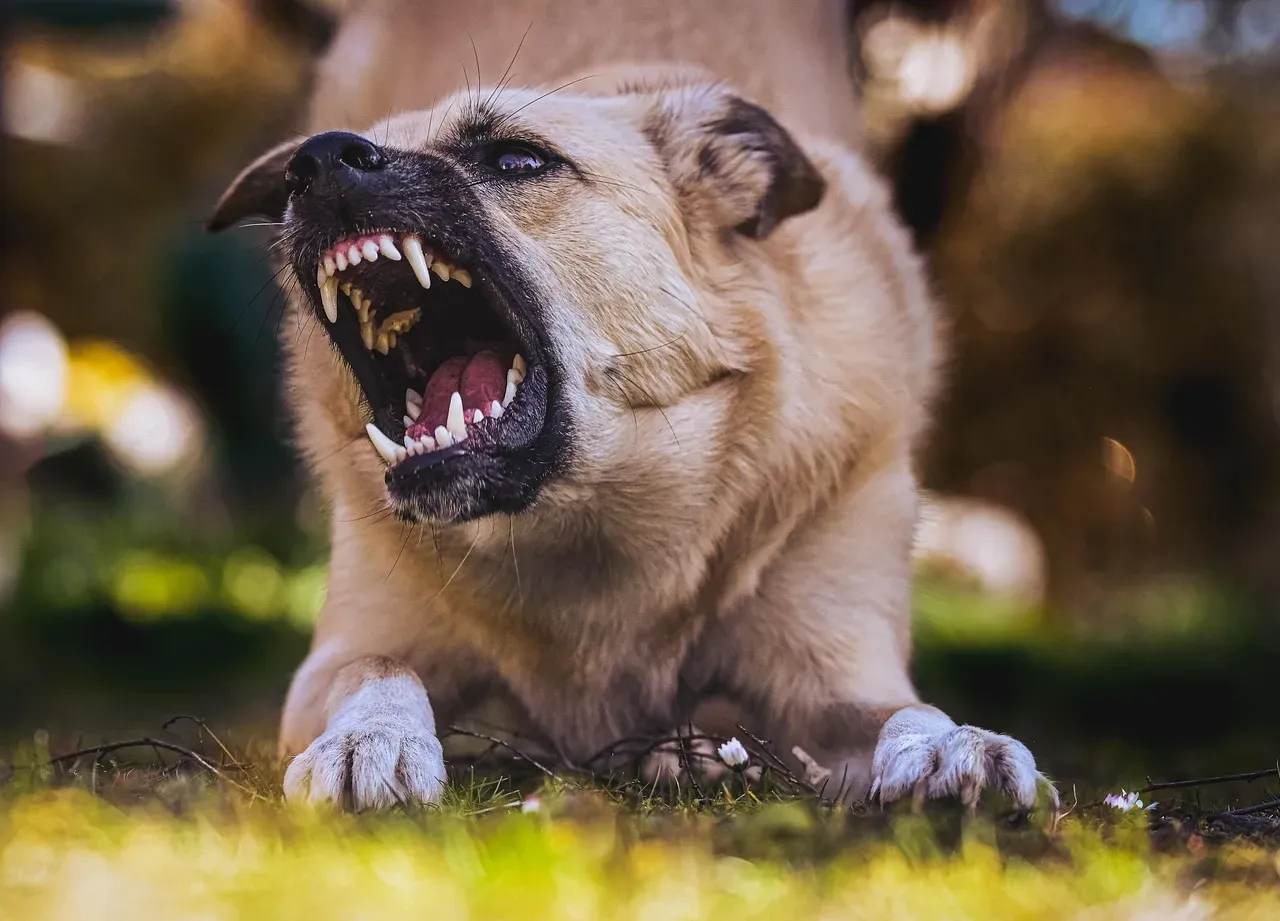
Your sweet, gentle dog suddenly snapping at you when you reach to pet them? That’s not spite or attitude. Dogs in pain may demonstrate aggressive behaviors. Sudden displays of aggressive behavior could indicate pain and discomfort.
Think about it this way. If you had a splitting headache or a throbbing toothache, you’d probably be a bit short-tempered too. Dogs experience the same thing. A dog who’s developing arthritis may seem more tired than normal or could appear grumpy when moved. A dog with a toothache or gum disease might stop eating or take up a new habit of gnawing on things.
Aggression can also stem from neurological issues, hormonal imbalances, or even cognitive decline in older dogs. Pain, in particular, is an important risk factor for behavior problems. So if your typically friendly companion becomes uncharacteristically snappy, withdrawn, or defensive, don’t assume they’re just having a bad day. Schedule a vet visit to rule out underlying health conditions that could be causing discomfort.
Changes in Appetite or Eating Habits
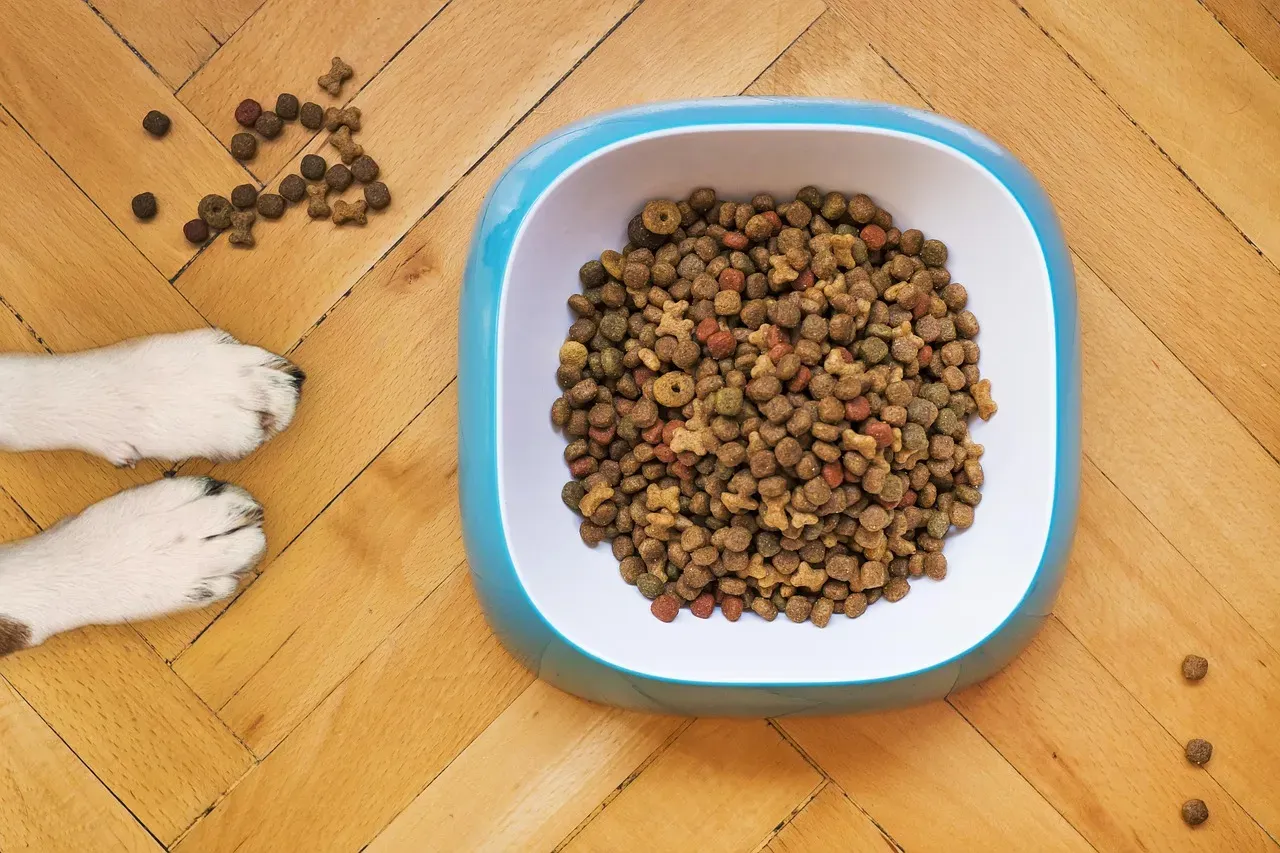
Often, when a dog with a good appetite becomes finicky, his people figure he’s probably bored with what he’s eating, this can certainly be the case, but a change in appetite is more often associated with an underlying gastrointestinal issue. When a normally-hungry dog becomes reluctant to eat, it’s often because he’s experiencing nausea, acid reflux or a canine tummy ache.
Let’s be real, most dogs aren’t picky eaters. If your food-obsessed pup suddenly turns their nose up at dinner or starts living on treats instead of meals, something’s not right. Eating disorders can be associated with inflammation of the pancreas, stomach and/or intestines, certain endocrine or hormonal disorders such as Addison’s disease can also result in appetite fluctuations.
On the flip side, increased appetite can also signal trouble. Signs your dog may have diabetes include lethargy, excessive thirst and urination, weight loss, and changes in appetite. Whether your dog is eating too much, too little, or showing interest in non-food items, these shifts deserve attention. Your vet can run blood work and imaging tests to figure out what’s going on and get your pup back on track.
House Training Regression or Elimination Issues

Urinating inside the house, even when the dog has been impeccably house-trained, is usually a sign of a physical issue, not naughtiness. Honestly, if your perfectly trained dog starts having accidents indoors, they’re not being defiant or trying to punish you for leaving them alone. They’re likely dealing with a medical condition that needs your help.
If your well-trained dog hasn’t had an accident in the house in a long time and is suddenly having frequent messes, there’s likely a medical reason, changes in elimination habits lasting more than a couple of days, such as accidents, difficulty passing a bowel movement, diarrhea, difficulty urinating, or notable changes in the frequency or volume of urine should not be ignored.
Urinary tract infections, kidney disease, diabetes, and bladder stones are just some of the culprits behind these frustrating accidents. Some of these symptoms in older dogs are especially worrisome, as they could be warning signs of a kidney issue. Incontinence can also develop with age or spinal problems. The key takeaway? Never assume your dog is misbehaving. Rule out health issues first, and you’ll likely find there’s a treatable cause behind the behavior.
Excessive Licking, Scratching, or Repetitive Behaviors

Behavioral signs of pain include both the loss of normal behaviors and the development of new and abnormal behaviors. When dogs start obsessively licking their paws, chasing their tails in frantic circles, or scratching themselves raw, they’re not just bored. Excessive licking, tail chasing, or pacing can develop into serious behavioral issues that impact a dog’s quality of life.
Thyroid problems may instigate hyperkinetic behavior, and itchy skin from allergies may be to blame for obsessive chewing and licking. Pain from arthritis, injuries, or internal discomfort can also manifest as repetitive behaviors. Sometimes dogs lick or chew at a specific area because something hurts there, they’re trying to soothe themselves the only way they know how.
Neurological, dermatological, GI, and other medical pathologies can also be present with abnormal repetitive behavior disorders. It’s hard to say for sure without a proper exam, but these compulsive actions often indicate that your dog is in distress. A thorough veterinary workup can identify whether the issue is physical pain, skin disease, neurological problems, or anxiety that requires professional intervention.
Disorientation, Confusion, or Altered Social Behavior

When dogs don’t feel well, it often manifests in the form of sudden personality changes, such as being antisocial, snippy, aggressive, or lethargic, other dogs won’t show negative behavior, but a typically independent dog might become extra clingy or needy. If your social butterfly suddenly hides under the bed or your independent pup won’t leave your side, they’re telling you something’s wrong.
Cognitive dysfunction syndrome (CDS) is a common age-related disease in dogs that affects the brain, causing deterioration similar to Alzheimer’s disease in humans, dogs may start to develop CDS around nine years of age, or older, the condition may be underdiagnosed since the behavioral changes progress slowly, and owners may assume that some changes are a normal part of aging.
Watch for signs like staring blankly at walls, getting lost in familiar places, or forgetting previously learned commands. Brain tumors may cause progressive loss of coordination, vision problems, and behavioral changes. Confusion, disorientation, and altered sleep-wake cycles can all point to serious neurological or metabolic conditions that need immediate evaluation. The sooner you act, the better the chances of improving your dog’s quality of life.
Conclusion

Your dog’s behavior is their voice. When they can’t bark out the words “I don’t feel good,” they show you through changes in how they act, eat, sleep, and interact with the world. Paying attention to these shifts, the subtle ones and the glaring ones, can quite literally save their life.
A change in normal behavior in your dog is a red flag. Trust your instincts. You know when your dog isn’t themselves. Whether it’s lethargy, aggression, appetite changes, house training issues, compulsive behaviors, or confusion, each of these signals deserves a closer look. A quick vet visit is always better than waiting too long and regretting it later.
So what do you think? Have you noticed any of these changes in your furry friend? Share your experiences and let’s keep our dogs healthier, happier, and by our sides for as long as possible.


