
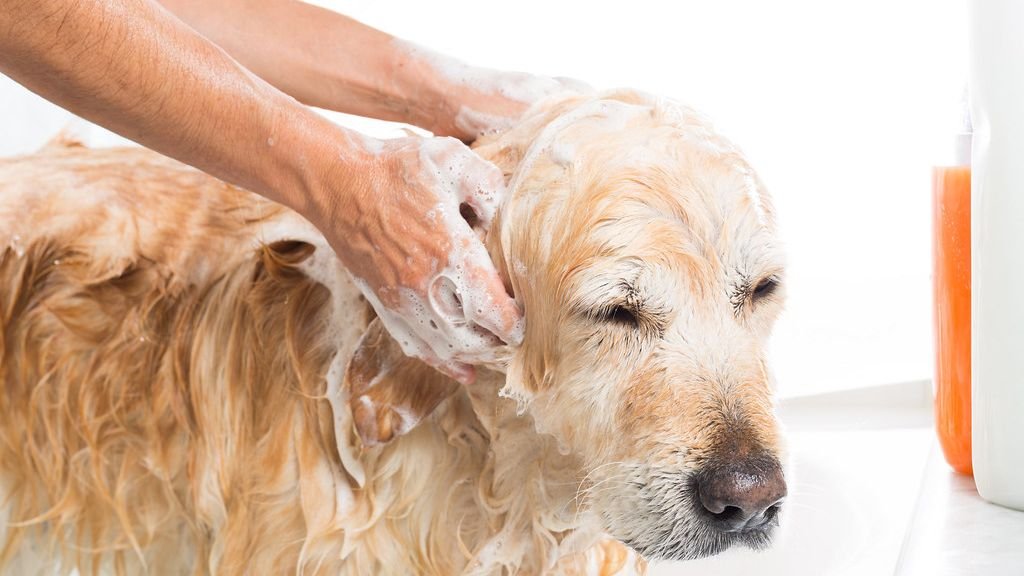
You love your dog. Deeply. You stock the good treats, you buy the comfy bed, you narrate your entire day to them like they’re your therapist. So when it comes to grooming, you figure you’re doing everything right. Warm water, a little shampoo, a good towel rub, and voilà – one clean pup.
Here’s the thing though. Some of the most well-meaning dog owners are quietly making grooming mistakes that chip away at their dog’s coat health and skin comfort, session after session. Not out of neglect, but simply because nobody told them the full story. So let’s fix that, shall we? What follows might genuinely surprise you.
Mistake #1: Bathing Too Often (Yes, It’s a Real Problem)
It feels like the right move, especially in summer or after a muddy park adventure. But honestly, bathing your dog too frequently is one of the sneakiest ways to damage their skin. Bathing your dog too frequently can strip their skin of its natural oils, leading to dry skin, which can cause itchiness and dandruff.
Think of your dog’s natural oils like a built-in moisturizer and protective shield. Strip it away too often, and the skin becomes dry, reactive, and vulnerable. Frequent scratching can also lead to secondary skin infections, so it is best to bathe your dog only when necessary, like if they get into something dirty or their fur is starting to have an oily appearance.
How often you wash your dog depends on three factors: their lifestyle, their coat type, and their skin conditions. Barring any skin issues, bathing your dog once a month should be sufficient. If your dog starts showing red or dry patches after baths, that’s their skin sending you a signal worth listening to.
Mistake #2: Using the Wrong Shampoo (Human Products Are a No)
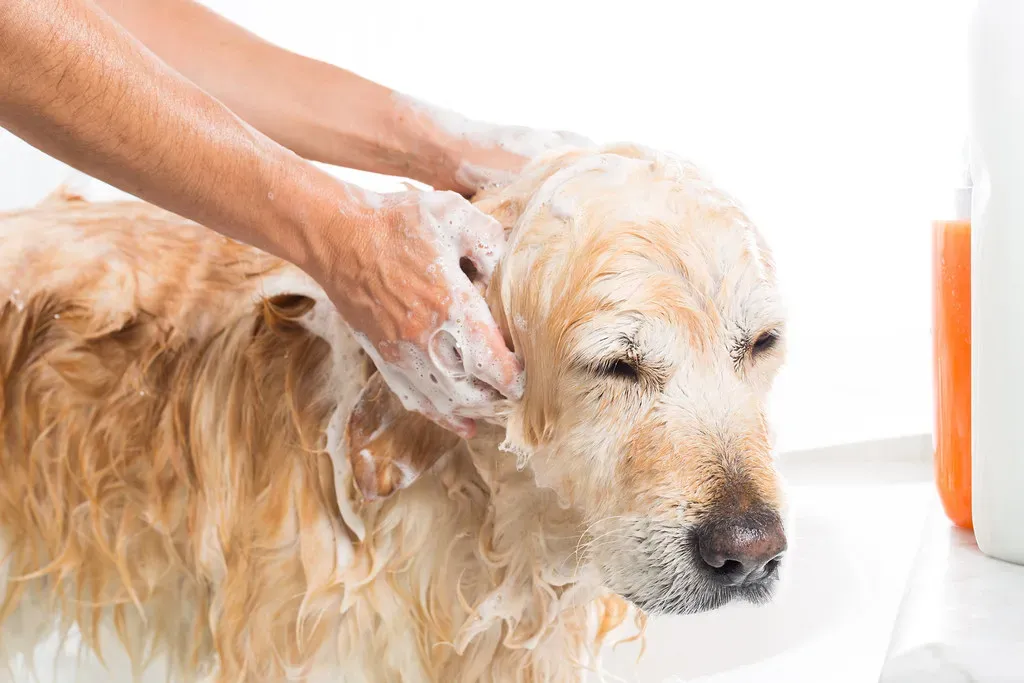
Grabbing your own shampoo because you’ve run out of the dog stuff seems harmless enough, right? It really isn’t. Using human shampoo or the wrong pet grooming products can irritate your dog’s skin and damage their coat, because dog skin has a different pH level than human skin, and using inappropriate products can lead to dryness, itching, and irritation.
Some people use human shampoo, or one filled with nasty chemicals, which can disrupt the acidity levels, leaving dogs vulnerable to parasites and bacteria, not to mention making the skin dry and flaky. Look for a dog-specific shampoo that is pH balanced, free from harsh sulfates and parabens, and ideally rich in natural soothing ingredients like oatmeal or aloe. Your dog’s skin will feel the difference almost immediately.
Mistake #3: Skipping the Rinse (The Most Overlooked Step)
You’ve done the scrub, your dog is looking at you with that pitiful soggy expression, and you want to get it over with. Understandable. But rushing the rinse is a surprisingly common mistake with real consequences. Poor rinsing can lead to serious skin irritation, hair loss, matted fur, and other problems.
If you do a poor rinse job when giving your dog a bath, shampoo residue could cause skin problems ranging from flakiness to irritation to infections. Use your hands to feel around your whole dog to find soapy spots you can’t see, especially around the belly, under the armpits, and genitals. To make sure your dog’s coat is thoroughly rinsed after shampooing, use a decent amount of water pressure to ensure the water penetrates the layers of their coat.
Keep rinsing until you see absolutely zero bubbles, then rinse just a little more for good measure. It sounds excessive, but trapped shampoo is a silent troublemaker that causes itching and skin flare-ups days after bath time.
Mistake #4: Brushing the Wrong Way, with the Wrong Brush
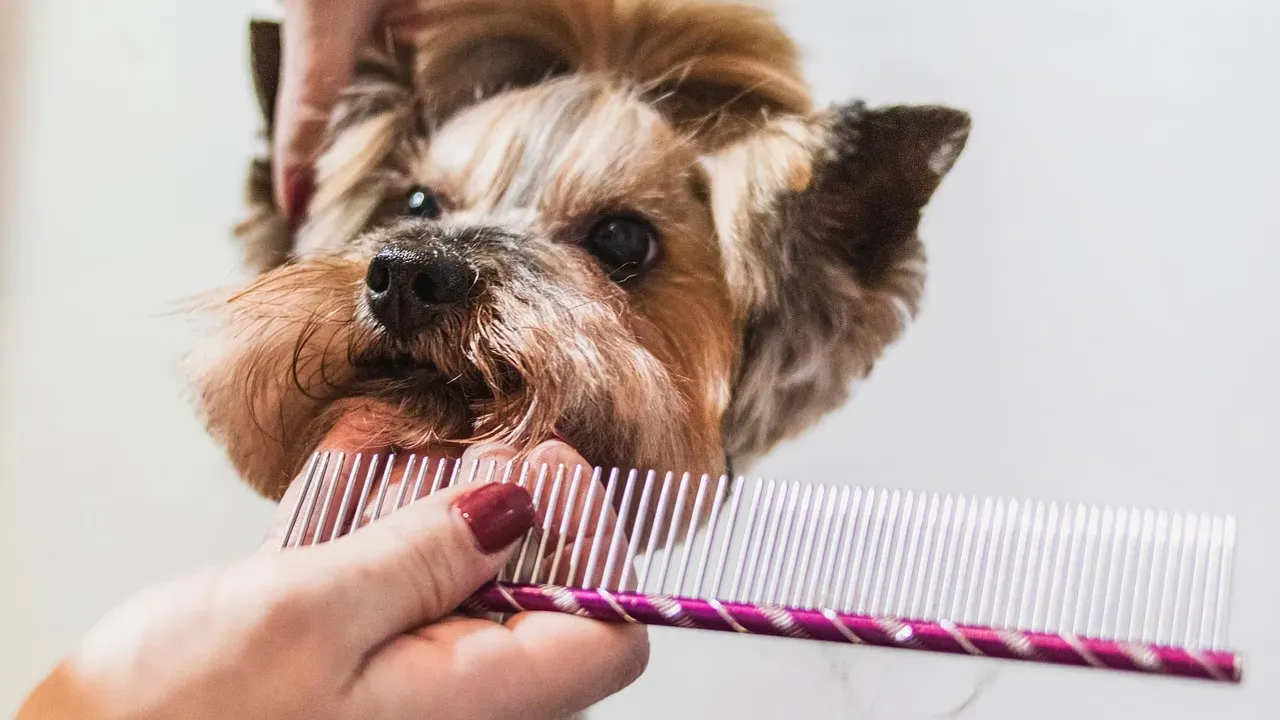
Here’s something most people don’t think about. Brushing seems so simple, almost instinctive. Grab a brush, give the coat a once-over. Done. Except the type of brush you use and the direction you use it in matters enormously. The first mistake is using the wrong brush for your dog’s coat type, since wire brushes might work well for thick double coats but can scratch and irritate dogs with short, sensitive skin.
Brushing against the grain, opposite to hair growth direction, pulls painfully on the skin and can cause microabrasions. Always brush in the direction of hair growth, starting from the head and working toward the tail in gentle, short strokes. This approach removes loose fur without causing discomfort.
Regular brushing removes dirt, prevents tangles, and distributes natural oils throughout the coat, promoting healthier skin and fur. Skipping this step can lead to matting, especially in long-haired breeds, which can be painful and lead to skin issues. Think of brushing not as a chore, but as a twice-weekly wellness check for your pup’s skin and coat.
Mistake #5: Shaving a Double-Coated Breed to “Keep Them Cool”
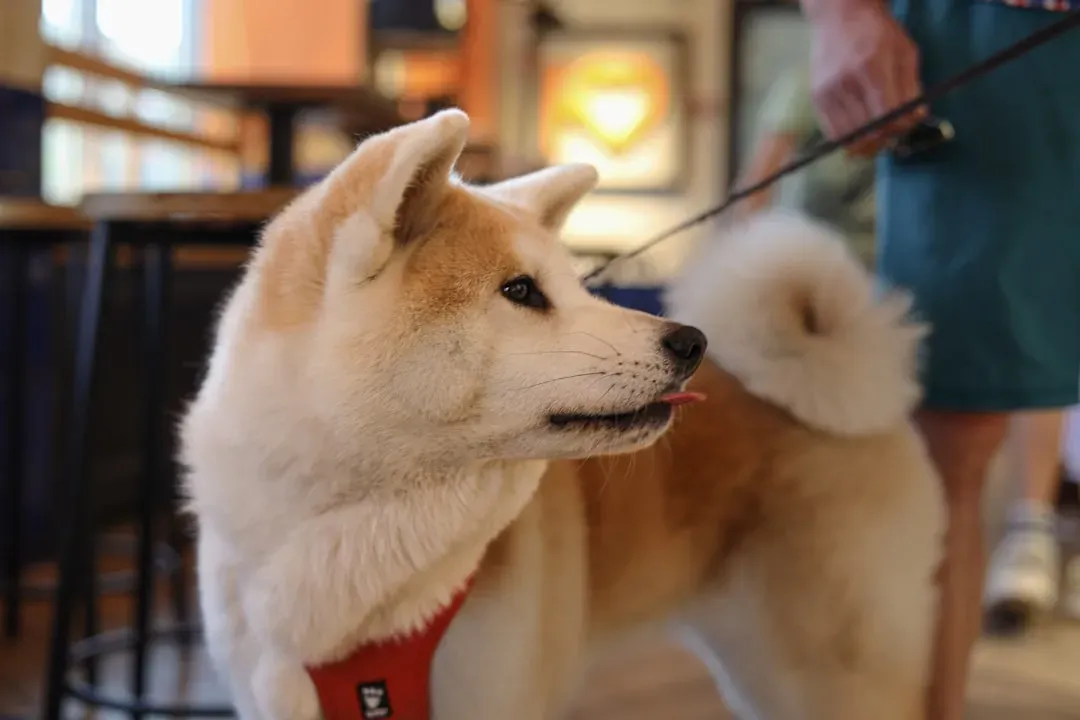
Every summer without fail, well-intentioned owners shave their Huskies, Golden Retrievers, and German Shepherds thinking it will help them beat the heat. I get the logic completely. Extra fur must mean extra hot, right? Actually, it works the opposite way. Dogs with undercoats, like German Shepherds, Huskies, Pomeranians, and Chows, are very efficient at trapping air within their undercoat, which helps keep them cool in the summer and warm in the winter.
Shaving removes this natural protection, exposing skin to sunburn and interfering with proper temperature regulation. It can also permanently damage the coat’s growth pattern. The damage isn’t just cosmetic either. Shaving your dog can leave lasting damage to their coats, as the hair follicles can become damaged, resulting in poor hair regrowth, patchiness, and duller, less shiny coats when the hair grows back.
The right move? Skip the clippers entirely. Instead, focus on regular brushing to remove loose undercoat fur. A good deshedding session is genuinely worth more than a shave, and your dog will stay far more comfortable all season long.
Mistake #6: Ignoring Mats Until They Become a Crisis
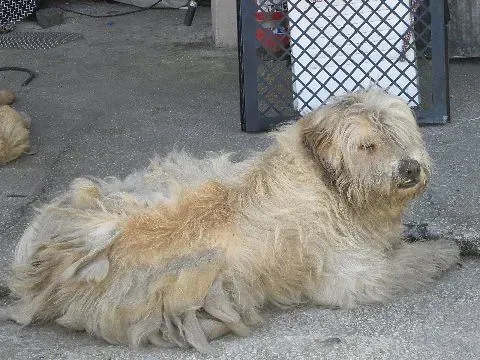
Mats are sneaky. They start as a small tangle behind the ear or under the armpit, and before you know it, you’ve got painful, skin-pulling knots that trap moisture and bacteria underneath. Severely matted coats trap moisture, bacteria, and even urine or feces against the skin. Underneath, sores can form. Infected skin can tear. Tight matting can cut off circulation or hide embedded objects like burrs or foxtails.
Watch for your dog scratching at the same spots repeatedly or flinching when you touch certain areas. Those are real behavioral cues that something uncomfortable is going on underneath the fur. Never cut mats out with scissors, as this risks cutting your dog’s skin. Severe matting requires professional help for safe removal.
Neglecting to remove mats right away can lead to discomfort and skin issues for your dog. Regular brushing and using detangling sprays can help prevent mats from forming. Prevention here truly is the best medicine. Catching that small tangle early takes thirty seconds. Dealing with a pelted coat at the groomer takes hours and causes your dog real distress.
Wrapping It All Up: Grooming Is Love in Action
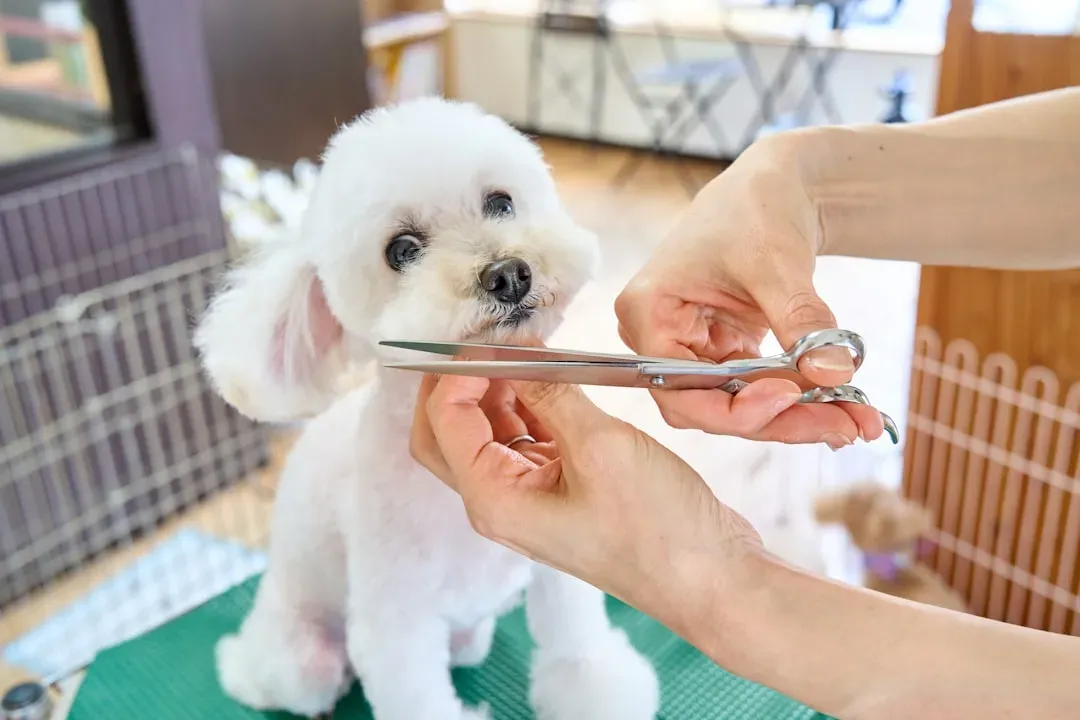
Here’s the beautiful truth about grooming. It isn’t just about a shiny coat or that fresh-from-the-salon smell. A healthy coat serves as a protective barrier against external elements such as dirt, allergens, and parasites. It helps regulate body temperature and provides insulation during colder months. Similarly, healthy skin acts as a defense against infections and keeps the dog’s body hydrated.
Every brush stroke, every careful rinse, every mat caught early is an act of love. Brushing removes debris and spreads natural oils, giving the skin more protection between full grooming sessions. Grooming time is also a chance to check your dog’s body directly, feel for warm spots, flaky areas, or scabs, since noticing those small changes can help you avoid larger ones later.
Your dog trusts you completely with their wellbeing. Knowing what not to do is just as important as knowing what to do. Armed with these six common mistakes to avoid, you’re already a better advocate for your pup’s health than you were before reading this. So, which of these mistakes were you surprised by? Drop a comment and let us know, because you might just help another dog owner out there too.


