
Have you ever watched your dog curl up beside you, their entire body relaxing as they let out that deep, contented sigh? That moment is pure trust, a sign that they feel completely safe with you. Yet, building that kind of security doesn’t happen by accident. The little things we do each day matter far more than we might realize.
Dogs need love, attention, and a supportive environment to thrive, just like humans. Their emotional well-being directly impacts their behavior, health, and even their lifespan. Here’s the thing though, you might already be doing some of these habits without knowing just how powerful they are. Others might surprise you entirely. Let’s explore the six everyday practices that can transform your dog from merely content to deeply secure and genuinely happy.
Keeping a Consistent Daily Routine
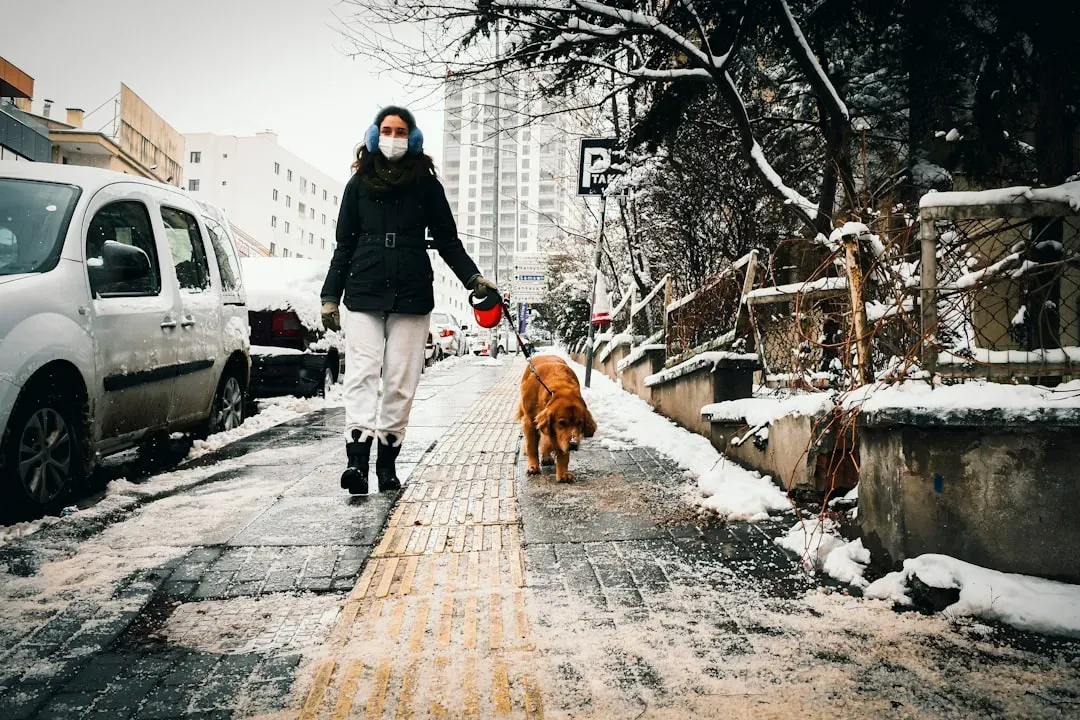
Dogs are creatures of habit who find comfort in knowing what to expect from their day, and a consistent daily routine not only helps dogs feel safe and secure, but it also promotes better behavior and emotional well-being. Think about it this way: uncertainty is stressful. When your dog doesn’t know when their next meal is coming or if they’ll get a walk today, anxiety creeps in.
Consistency is the foundation of a happy dog’s life, and regular feeding times, daily walks, and grooming sessions create a sense of stability and trust because dogs love routine as it helps them feel loved and secure. Honestly, the transformation can be remarkable when you stick to a schedule. Dogs who know their breakfast arrives at the same time every morning are calmer, less prone to begging, and exhibit fewer destructive behaviors during the day.
Predictability signals safety, and when dogs feel safe, they’re more relaxed, focused, and responsive. This doesn’t mean you need to live by a stopwatch, but keeping mealtimes, walks, and bedtime relatively consistent makes a world of difference.
Being Physically Present and Affectionate
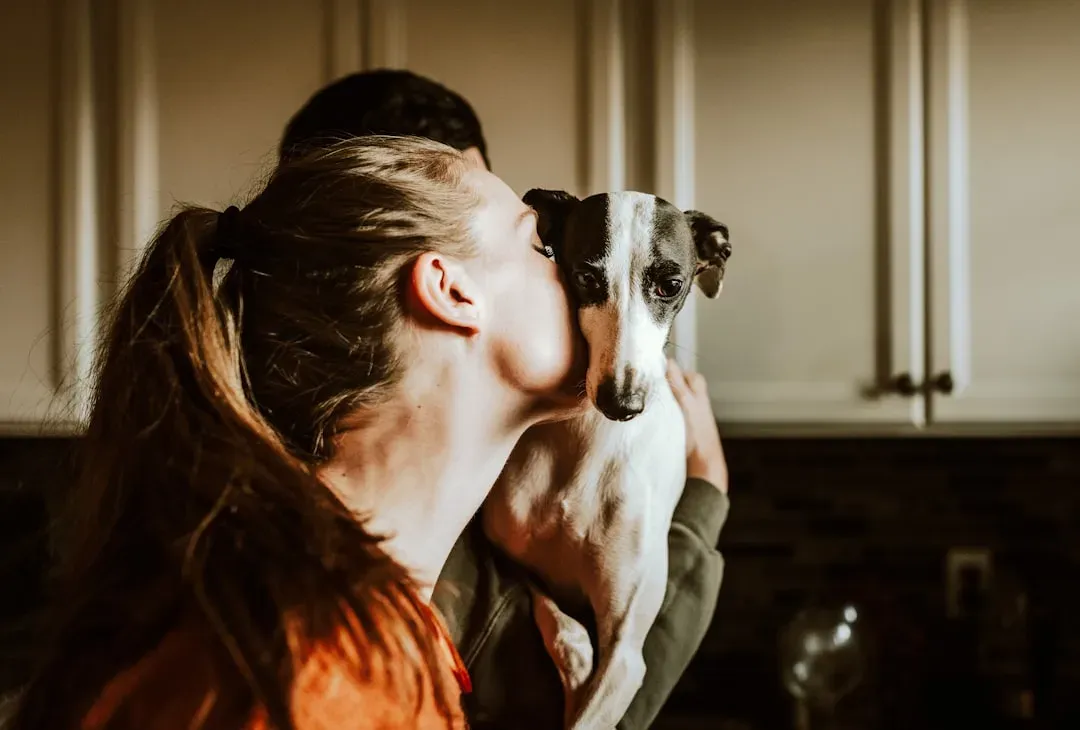
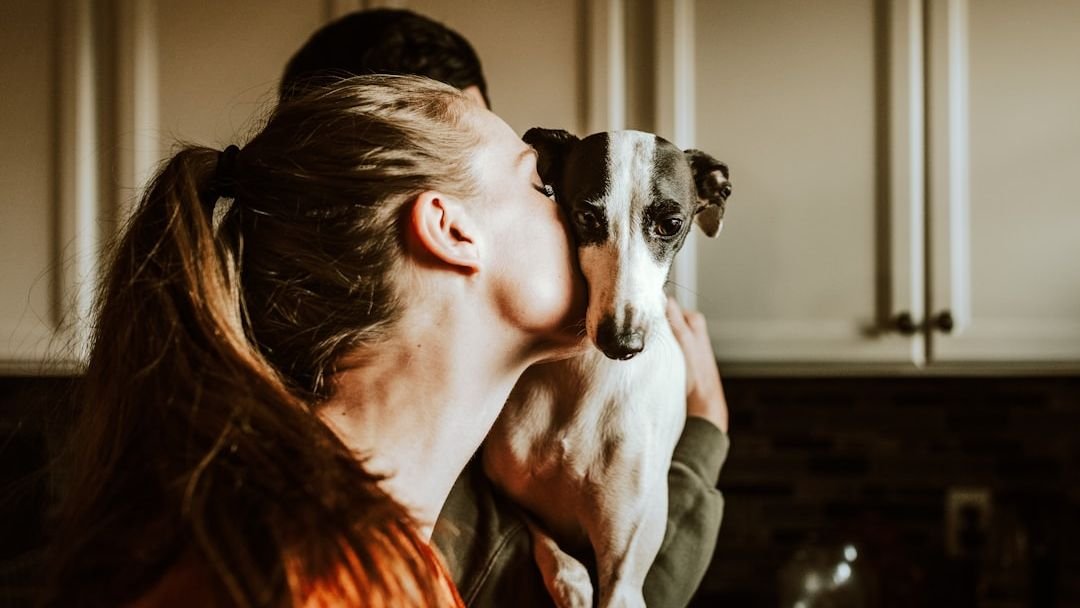
Dogs often choose proximity over interaction when they feel most at ease, and sitting nearby, resting at your feet, or lying quietly in the same room are all signs of trust that reflect how dogs experience love through emotional safety. Your mere presence is a gift to them. Sometimes we underestimate the power of simply being in the same space without doing anything special.
Training sessions that incorporate fun games and rewards strengthen your connection with your dog, and affectionate gestures like gentle petting or praise reinforce this bond, making your dog feel valued and loved. I think we live in such a busy world that we forget our dogs don’t need grand gestures. They need us.
The gentle touch of your hand, the sound of your voice saying their name, the warmth of sitting together on a cold evening create an emotional anchor. Dogs attune to the emotional states of their humans, adjusting their behavior based on tone, movement, and presence, and when your energy is calm and predictable, dogs feel less need to monitor their surroundings because simply being near you becomes soothing. Let them lean against you. Let them follow you from room to room if that’s what brings them comfort.
Allowing Them to Sniff and Explore at Their Own Pace
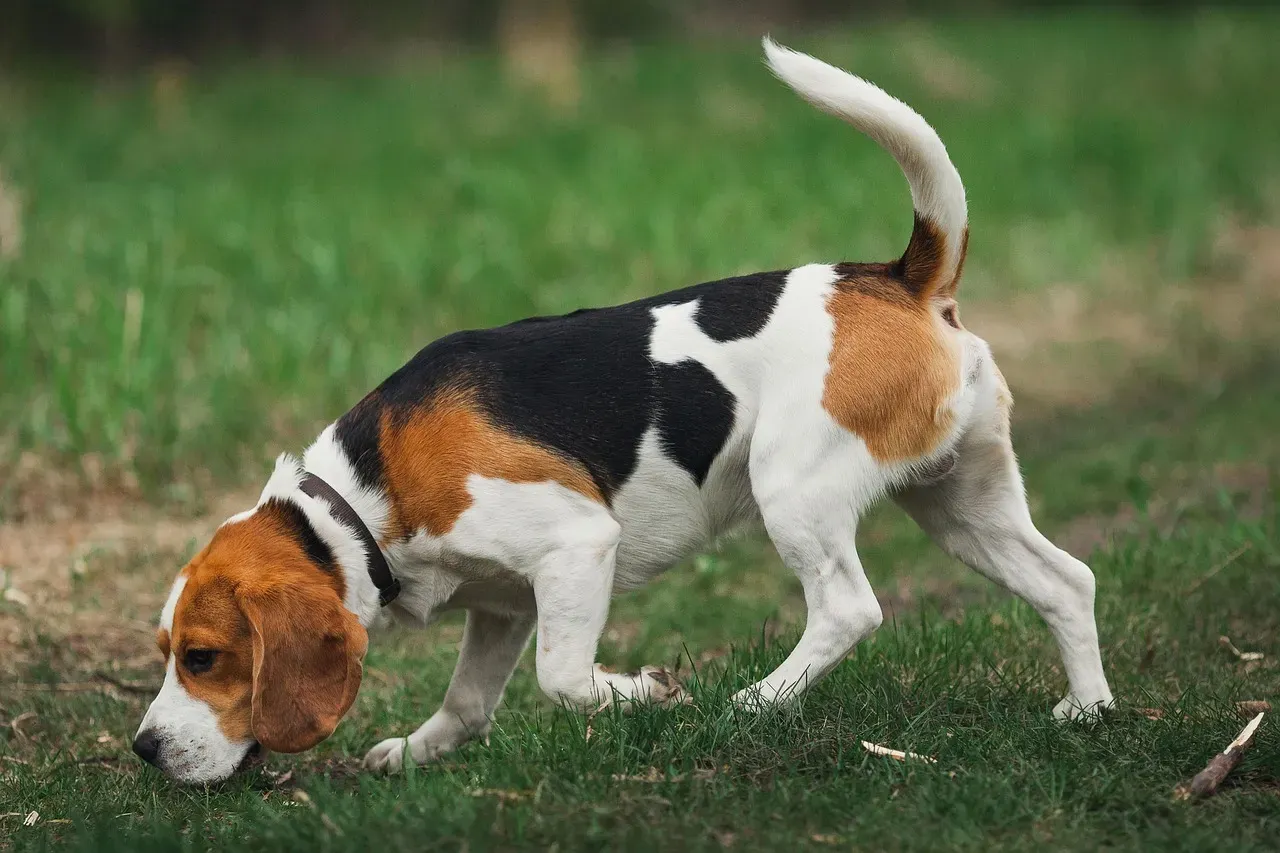
Here’s something many dog owners get wrong: rushing through walks. We think exercise means moving quickly, covering distance. Yet for dogs, walks are about so much more than physical activity. Dogs rely heavily on their senses, especially scent, to interpret their environment, and sniffing allows dogs to gather information, regulate emotions, and mentally decompress, so allowing dogs to move at a comfortable pace supports how dogs experience love through respect and autonomy.
When you yank your dog away from that lamppost they’re investigating, you’re cutting off their primary way of understanding the world. Let’s be real, those sniff sessions aren’t delays. They’re the whole point. Your dog is reading messages, processing their environment, and feeling confident about their surroundings.
This habit shows respect for their nature and builds trust. A dog who feels heard and understood is a secure dog. Next time you’re out walking, give them those extra moments to investigate. Watch how their entire demeanor shifts when they feel genuinely allowed to be themselves.
Providing a Safe Space They Can Call Their Own

When introduced properly, a crate becomes a safe, familiar space rather than a place of isolation, and a well-sized kennel helps dogs feel secure while supporting consistent routines. Every dog needs a sanctuary, a place where they can retreat when the world feels overwhelming. This might be a crate, a specific corner with their bed, or even under your desk.
Providing a quiet, comfortable area where your dog can retreat when feeling overwhelmed is essential for their emotional regulation. Think of it as their personal decompression zone. When guests arrive, when there’s loud noise outside, or when they simply need downtime, having that designated spot makes all the difference.
The key is making it genuinely inviting and never using it for punishment. Soft bedding, maybe a favorite toy, and placement in a quieter part of your home all contribute. Some dogs prefer enclosed spaces while others like open beds where they can still see you. Honor their preference. This isn’t about what looks nice in your living room; it’s about what makes your dog feel genuinely safe.
Using Positive Reinforcement and Avoiding Punishment
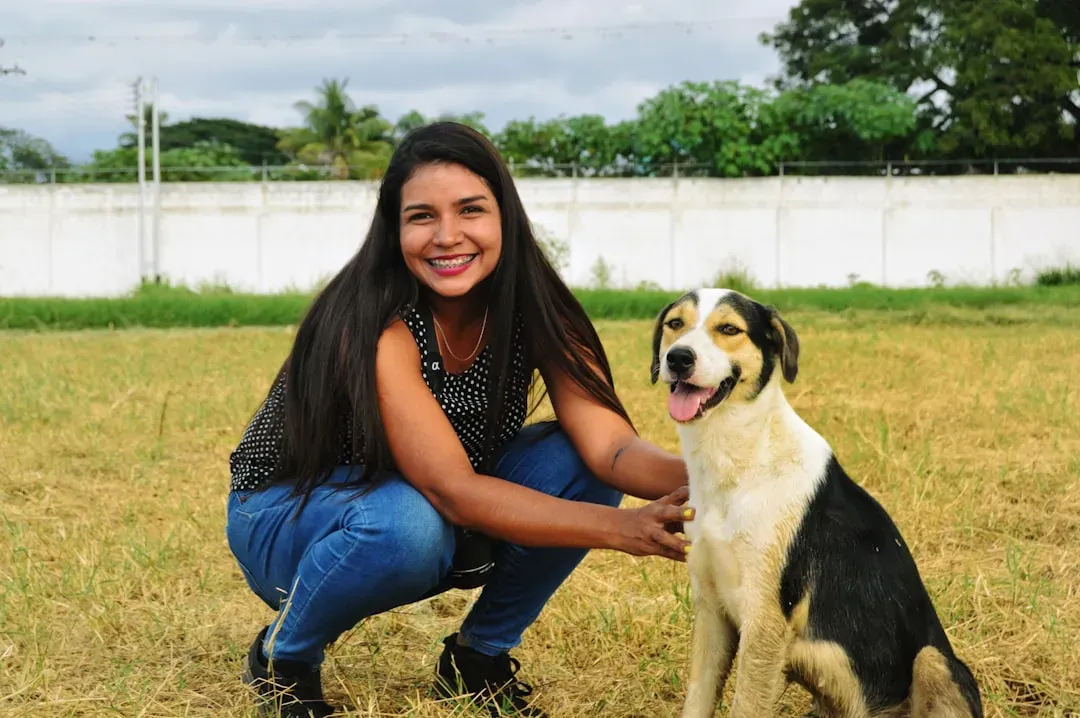
Punishment by no means makes a dog feel safer and should really be avoided because we want pups to love and trust their pet parents, and punishment creates an opposing outlook that just creates more fear, so avoiding punishment helps your dog feel safer. I know it sounds counterintuitive when your dog has just chewed your favorite shoes, but punishment erodes the very foundation of security you’re trying to build.
When addressing behavioral concerns, consistency and patience are two qualities that are absolutely necessary, and regular physical activity, cerebral stimulation, and the maintenance of a routine are all factors that contribute to the general emotional well-being of a dog. Positive reinforcement isn’t permissiveness. It’s strategic, effective training that strengthens your bond rather than damaging it.
When your dog does something right and you reward them immediately, whether with treats, praise, or play, you’re teaching them what works. They learn to trust that good things come from listening to you. Punishment, however, teaches them to fear you or hide behaviors rather than genuinely understanding what you want. Which relationship sounds more secure to you?
Respecting Their Boundaries and Reading Their Body Language

Understanding how dogs experience love through touch means observing their body language closely, and leaning in, staying nearby, or choosing to rest beside you are all signs that a dog is receptive, while turning away, stiffening, or avoiding eye contact may signal discomfort, so when dogs are allowed to initiate or disengage from touch freely, they learn that their boundaries will be respected, which builds confidence and deepens trust.
Not every dog wants to be hugged. Not every dog enjoys being petted by strangers. Recognizing and honoring these preferences is one of the most loving things you can do. A dog’s body language speaks volumes about their emotional state, and when a dog feels safe and content, their body appears loose and relaxed, with signs such as a wagging tail, a slightly open mouth, or a soft gaze, and happy dogs may also flop onto their backs and expose their bellies which shows trust.
Learning to read these signals transforms your relationship. When you notice your dog tensing during interaction and you stop, you’ve just told them their feelings matter. That message resonates deeply. Over time, many dogs become more affectionate precisely because they know they won’t be forced into uncomfortable situations. Security comes from knowing you have choice and control over what happens to your body.
Final Thoughts
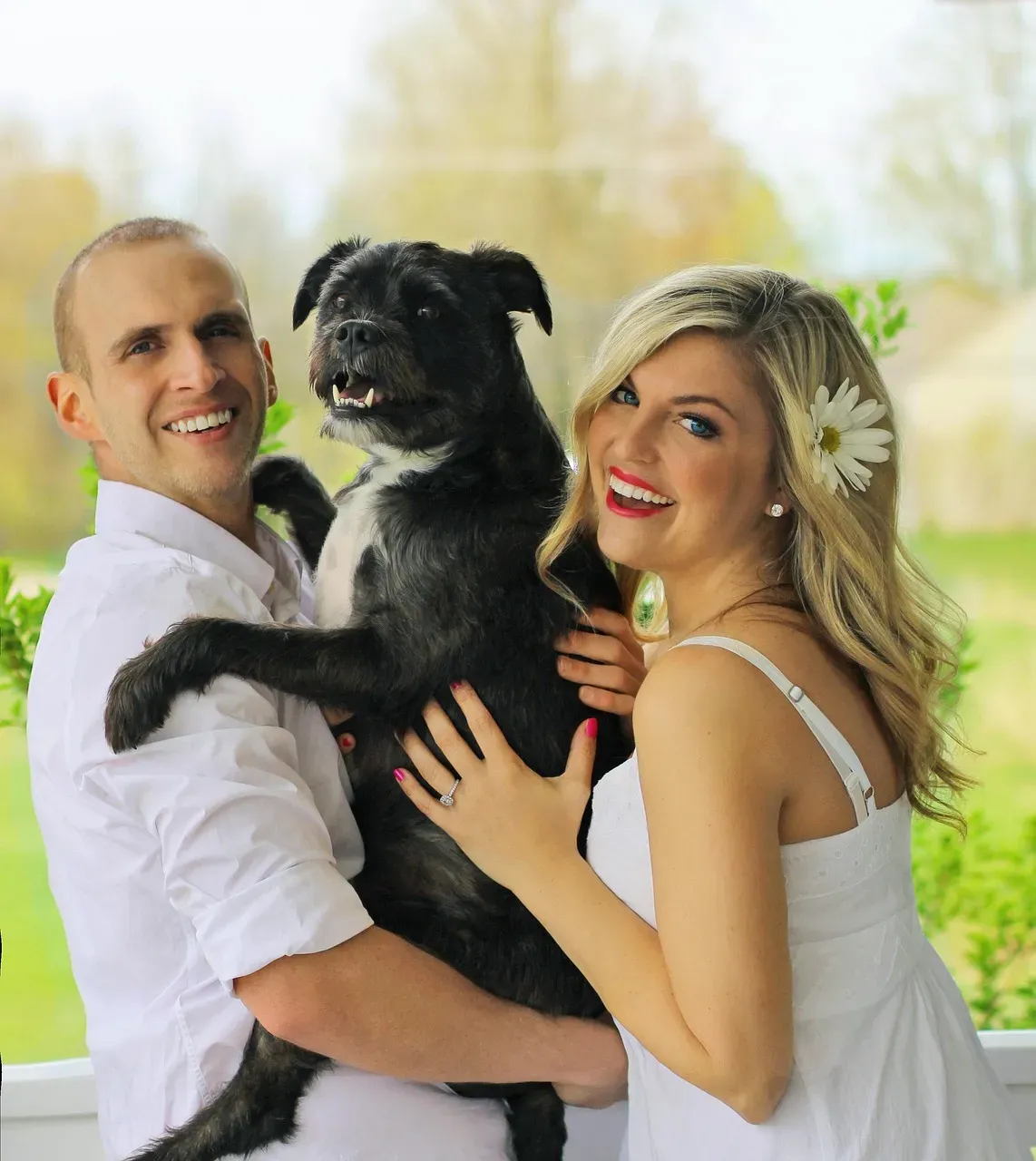
The proportions of secure and insecure classifications in dogs are similar to those found in human toddlers, which tells us something profound about the emotional lives of our canine companions. They’re not so different from us in their need for stability, affection, respect, and trust.
These six habits aren’t complicated or expensive. They’re simply intentional ways of showing up for your dog every single day. The beautiful thing is that as you practice these habits, you’ll likely notice changes not just in your dog, but in yourself. You’ll become more present, more patient, more attuned to the subtle ways another being communicates.
Your dog won’t remember that expensive toy you bought last month, but they’ll remember how safe they felt sleeping at your feet. They’ll remember the walks where you let them explore, the gentle voice you used when they were scared, the routine that made their world predictable and calm. That’s the legacy of genuine love and security. What small change could you make today to deepen that bond with your dog?


