

You love your dog more than anything. You’d do just about anything to keep them safe, happy, and healthy. Yet here’s the thing that might surprise you: some of the biggest dangers lurking around your furry friend aren’t found in dark alleys or mysterious woods. They’re right there in your home, sitting on your kitchen counter, tucked under your bathroom sink, or even brightening up your living room windowsill.
I know it sounds a bit alarming. The very spaces where we nurture our families can harbor silent threats to our dogs. It’s not about being careless or neglectful. Most of us simply don’t realize that everyday items we use without a second thought could spell trouble for our four-legged companions. Let’s take a closer look at six common household hazards that might be putting your beloved pup at risk, and more importantly, what you can do to protect them.
Human Medications Hiding in Plain Sight
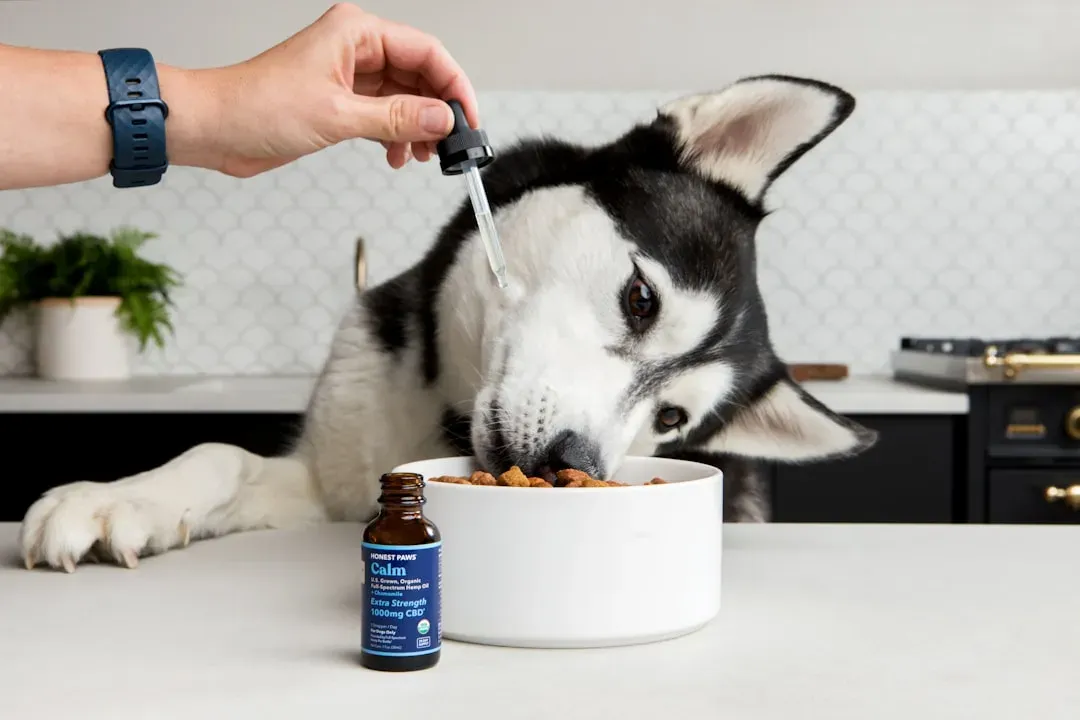
Over-the-counter medications like painkillers and anti-inflammatory drugs are among the top toxins for dogs, yet they’re incredibly easy for curious noses to find. Think about it: how many of us keep ibuprofen on the nightstand or store vitamins in an easily accessible cabinet? Even small doses of certain non-steroidal anti-inflammatory drugs can cause serious kidney damage in dogs.
Your dog doesn’t understand that those little pills aren’t treats. The most commonly ingested drugs include ADHD medications, antidepressants, and heart medications. If your pup accidentally knocks over a pill bottle and gobbles up the contents, the consequences can be devastating. Watch for signs like vomiting, lethargy, or changes in appetite if you suspect medication exposure.
The solution is simpler than you might think. Store medications in sealed containers and keep them up high in a cabinet, preferably one with a child lock. Never leave pill bottles on countertops or in purses that your dog can reach.
Cleaning Products That Spell Danger

Many household cleaning products contain toxic ingredients like chlorine bleach or formaldehyde that can make dogs sick if exposed. Even just ingesting the fumes can pose a danger. Your dog’s world is experienced largely through their nose, which means those strong chemical scents we barely notice could be overwhelming and harmful to them.
Cleaning products made with chemicals like bleach, chlorine, and phenols can have a corrosive effect on your dog’s skin, eyes, and lungs. The real kicker? Dogs can absorb toxins through their paw pads or ingest them when licking themselves, their toys, or their bedding. That freshly mopped floor might look spotless, but if it’s still wet with cleaner, your dog could be in trouble.
When using cleaning products, be aware of proper ventilation and keep your dog out of the area until everything is dry. Consider switching to pet-safe cleaning alternatives whenever possible. Store all cleaning supplies in secure cabinets, just like you would with medications.
The Garbage Can Gamble
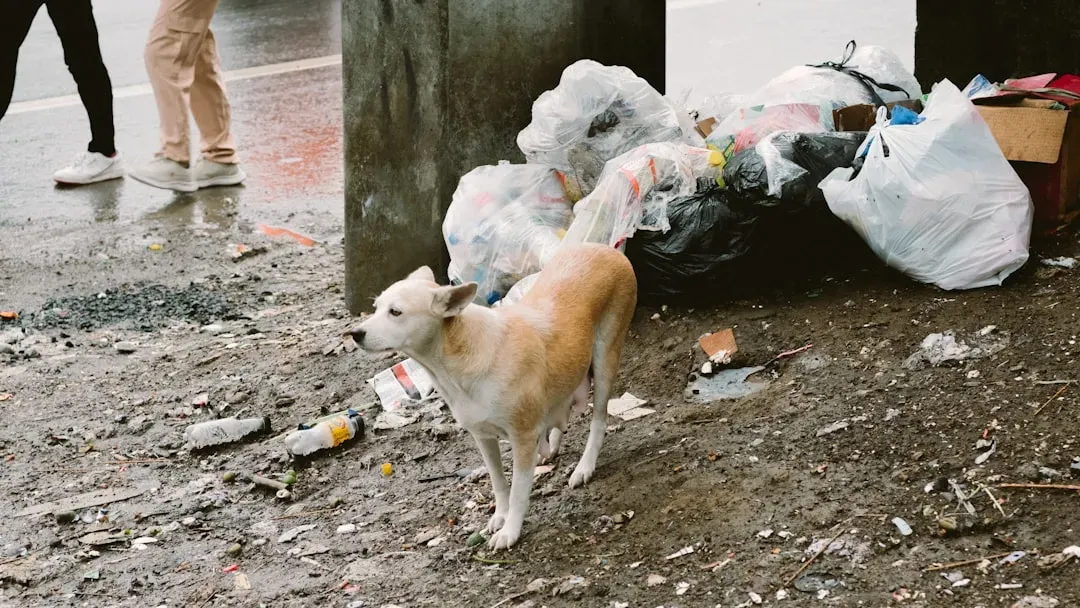
Here’s something many dog parents underestimate: the trash bin. Access to an indoor or outdoor garbage can can be hazardous to dogs, especially when the container contains moldy or rotten food or animal bones. Dogs are scavengers by nature, and that overflowing trash smells like an all-you-can-eat buffet to them.
You’ll especially want to keep your dog away from alcohol, broken glass, raw meat, eggshells, straws, plastic cutlery, peels and rinds, coffee filters and grinds, and any products containing the artificial sweetener xylitol. Xylitol, found in many common household products including sugar-free chewing gum, mints, candy, cough syrup, mouthwash, and toothpaste, is particularly dangerous and can be deadly even in small amounts.
Get a garbage bin your dog can’t get into, or use child safety locks, or block garbage bins with a gate or put them behind a closed door. It might seem like overkill, but one trip to the emergency vet will quickly change your mind about trash security.
Toxic Houseplants Hiding in Your Decor

While plants can brighten a space and improve indoor air quality, many popular houseplants are toxic to dogs, and ingesting even a small amount can lead to health problems ranging from mild stomach upset to life-threatening conditions. That beautiful pothos trailing from your bookshelf or the trendy snake plant in your bedroom might be a serious hazard.
Sago palms can cause severe intestinal problems, seizures, and liver damage, especially if the nut or seed portion of the plant is swallowed. Aloe can cause vomiting, lethargy, and urine changes in dogs, despite being beneficial for humans. Other common offenders include philodendron, dieffenbachia, and certain lilies.
The effects vary depending on the plant, how much was eaten, and the size of your dog. Some symptoms appear immediately while others take hours to develop. If you love your greenery, research every plant before bringing it home, or better yet, stick to pet-safe alternatives like spider plants or Boston ferns. Keep potentially toxic plants completely out of reach or remove them entirely.
Laundry Room Lurkers
Laundry can be hazardous to your dog, as chewing or ingesting items such as socks, underwear, shoelaces, and hosiery can cause choking or internal blockages. I’ve seen too many panicked pet parents rush their dogs to the vet after discovering a missing sock wasn’t just lost in the dryer.
Curious dogs might also try to consume dryer sheets, detergents in liquid, tablet, or powder form, laundry bleach, or small accessories like scarves and buttons, so keep these items out of reach. Those brightly colored detergent pods? They look suspiciously like toys to many dogs, and the consequences of ingestion can be severe.
The laundry room often becomes a dumping ground for dirty clothes, and dogs love nothing more than items that smell like their favorite humans. Put any dirty laundry in hampers that your dog can’t access, and put away clean laundry once you have finished folding it. Close washer and dryer doors immediately after use.
Rodenticides and Insecticides

Rodenticides are edible bait products designed to kill mice and rats that can also easily kill larger animals like dogs and cats, and these products are tasty to pets and can cause death via internal bleeding, high calcium levels, brain swelling, or poison gas production in the stomach. Let’s be real: if it’s designed to kill something, it’s probably not safe for your dog either.
There are multiple types of rat poisons, with the three most common being anticoagulant rodenticides that cause uncontrolled bleeding. The truly frightening part? Poisoning may cause life-threatening bleeding and effects may not appear for several days. By the time you notice symptoms, precious time has already been lost.
If you are dealing with rodents or other critters invading your home, ensure that your pet cannot access the substances you use, and store these products in a high location or an area out of your pup’s reach. Better yet, consider alternative pest control methods that don’t involve poison.
Protecting Your Best Friend

Your dog trusts you completely to keep them safe. They don’t know that the delicious-smelling chocolate on the coffee table or the pretty plant in the corner could hurt them. That’s where you come in.
Early signs of poisoning in dogs may include mild vomiting, drooling more than usual, or slight low energy, with your dog showing reduced interest in food, mild diarrhea, or seeming generally off. Trust your instincts. If something feels wrong, don’t wait. Contact an emergency veterinary hospital or pet poison control helpline and follow their directions.
Prevention truly is the best medicine. Walk through your home with fresh eyes, as if you’re puppy-proofing for the first time. Store hazardous items securely, keep emergency numbers handy, and never underestimate your dog’s ability to reach something you thought was out of bounds. Your vigilance today could save your best friend’s life tomorrow. What steps will you take this week to make your home safer for your pup?


