
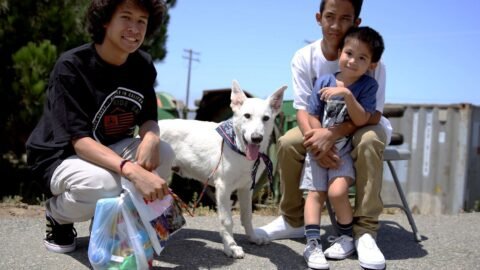
There’s something truly special about opening your home to a rescue dog. That moment when they curl up next to you or look at you with those soulful eyes, knowing they’ve finally found their person.
It’s pure magic. I’ve heard countless friends and clients share their adoption stories, and they always light up talking about their rescue pups.
Yet despite the thousands of success stories out there, so many misconceptions still linger. These myths can stop good people from meeting their perfect furry companion, and honestly, that breaks my heart a little. Let’s tackle some of the most stubborn misconceptions head-on and reveal what rescue dog adoption really looks like.
They’re All Damaged Goods with Behavior Problems
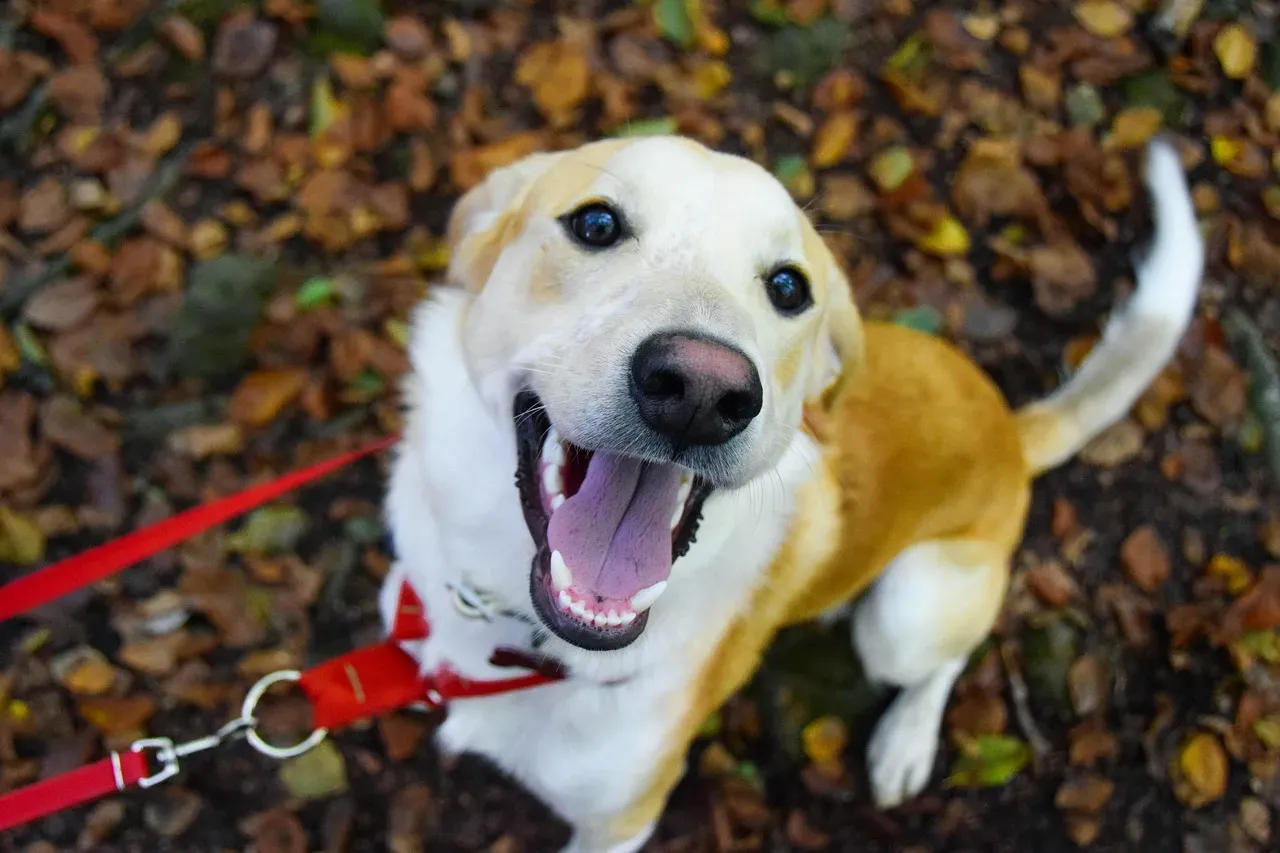
Here’s the thing. This myth is probably the biggest barrier between rescue dogs and loving homes, and it’s just not rooted in reality. Dogs end up in shelters for a variety of reasons that have nothing to do with their behavior, including owners moving to a place that doesn’t allow pets, financial difficulties, allergies, or changes in the owner’s life.
Sure, some rescue dogs might have experienced trauma or neglect. Many rescue dogs end up in shelters due to circumstances beyond their control, such as a family’s relocation, financial difficulties, or the death of their owner. Think about it: a dog who’s only ever known love and care can still wind up at a shelter because their owner got sick or lost their home.
There’s little evidence to support the common misperception that rescue pets are more likely to have behavioral issues than pets who are bred on purpose, and while some animals are relinquished to shelters because of unwanted behaviors, these cases are often the result of a mismatch between the pet and the adopting family’s lifestyle or expectations. What one family considers a problem might be completely manageable for another family with different expectations.
By the study’s end, 93.7% of owners rated their dog’s overall behavior as excellent or good and 100% reported their pet had adjusted to the new home extremely or moderately well. Those numbers speak volumes about the resilience of rescue dogs.
You Can’t Teach an Old Dog New Tricks
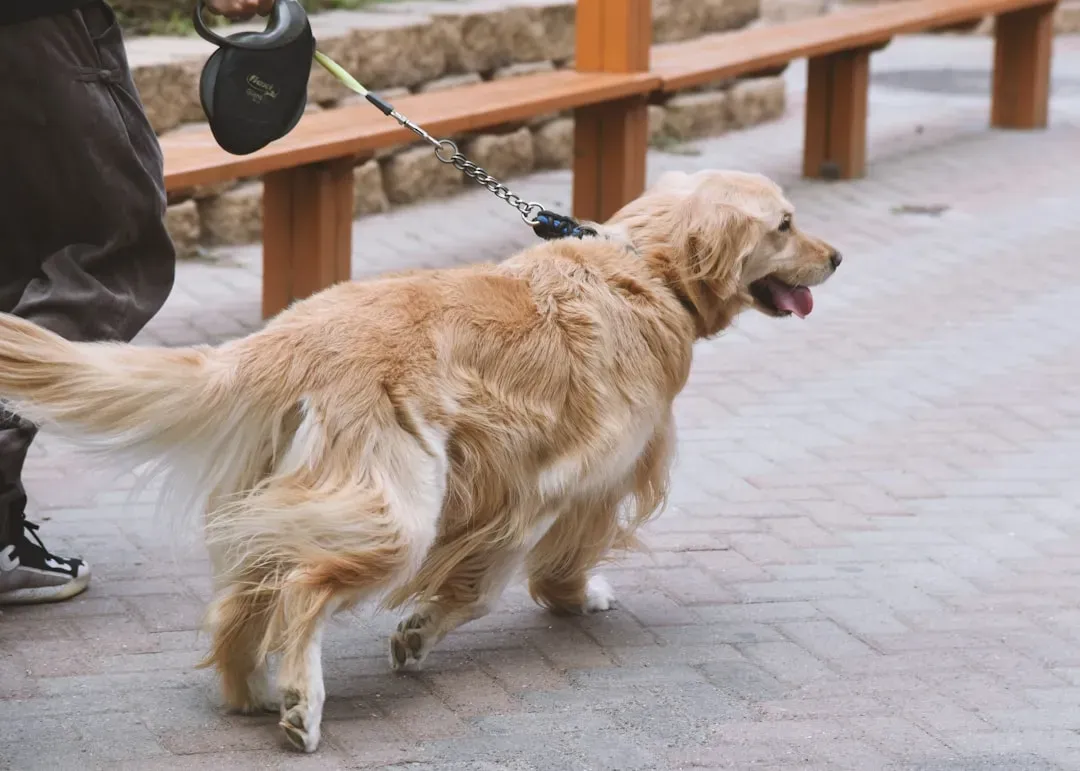
For ages, people have been spreading false information about how only puppies can be fully trained and that dogs that have a few years behind them are somehow unable to grow, learn, or adapt, which is simply not true. I can’t tell you how many times I’ve watched an older rescue dog absolutely thrive with the right guidance and patience.
Older rescue dogs in shelters will impress you with their ability to learn, as dogs are incredibly adaptable. In fact, adult dogs often come with advantages puppies don’t have. They’re usually calmer, past the destructive chewing phase, and sometimes already know basic commands.
Older rescue dogs can learn just as well as puppies. The difference is that adult dogs might need a little extra encouragement initially, especially if they’ve had inconsistent training in the past. Honestly, with positive reinforcement and consistency, you’ll be amazed at how quickly your senior rescue picks up new behaviors.
What really matters isn’t the dog’s age. It’s your commitment to building trust and establishing clear communication. Some of the most rewarding training journeys I’ve witnessed involved dogs who spent years without proper guidance before finally getting their chance to shine.
Rescue Dogs Are All Mutts and You Can’t Find Specific Breeds

Let me tell you, this one surprises people constantly. About 25% of dogs in shelters are purebred, plus there are rescue groups focused on specific breeds, so if you’re searching for a particular breed, shelters still have you covered.
Whether you’re dreaming of a Golden Retriever, a German Shepherd, or a Corgi, breed-specific rescues exist for nearly every breed you can imagine. If you have your heart set on a specific breed, you can start by seeking out a breed-specific rescue organization. These dedicated groups specialize in rescuing and rehoming particular breeds, and they’re incredibly knowledgeable about the dogs in their care.
But here’s something to consider. Mixed breeds are absolutely wonderful pets and are generally healthier and tend to live longer due to a stronger genetic diversity than purebreds. That adorable mutt at the shelter might surprise you with their personality, loyalty, and health advantages.
The shelter environment gives you something breeders can’t always offer: insight into a dog’s actual temperament and behavior. You’re meeting the dog as they are, not guessing what that tiny puppy might become.
They All Have Serious Health Problems
Shelters don’t place sick or injured animals up for adoption, and most pets who enter a shelter are healthy and can be placed for adoption very quickly, though some have health issues that shelters address and treat before making them available for adoption. The truth is, responsible shelters prioritize veterinary care.
Reputable rescue organisations and shelters typically provide veterinary care, including vaccinations, spaying or neutering, and a health assessment, before a dog is made available for adoption. By the time you meet your potential new companion, they’ve usually had more thorough medical attention than many puppies from other sources.
Now, I’m not saying health issues never happen. While it’s true that some rescue dogs might have health issues, many are perfectly healthy. What matters is that shelters are upfront about any conditions. They’ll tell you if a dog needs special care or ongoing treatment, allowing you to make an informed decision.
Animals in shelters are often healthier than those who may come from a disreputable source, as puppies purchased from puppy mills or breeders often have more health issues than shelter pets. That’s something worth considering when weighing your options.
Rescue Dogs Won’t Bond with You Like a Puppy Would
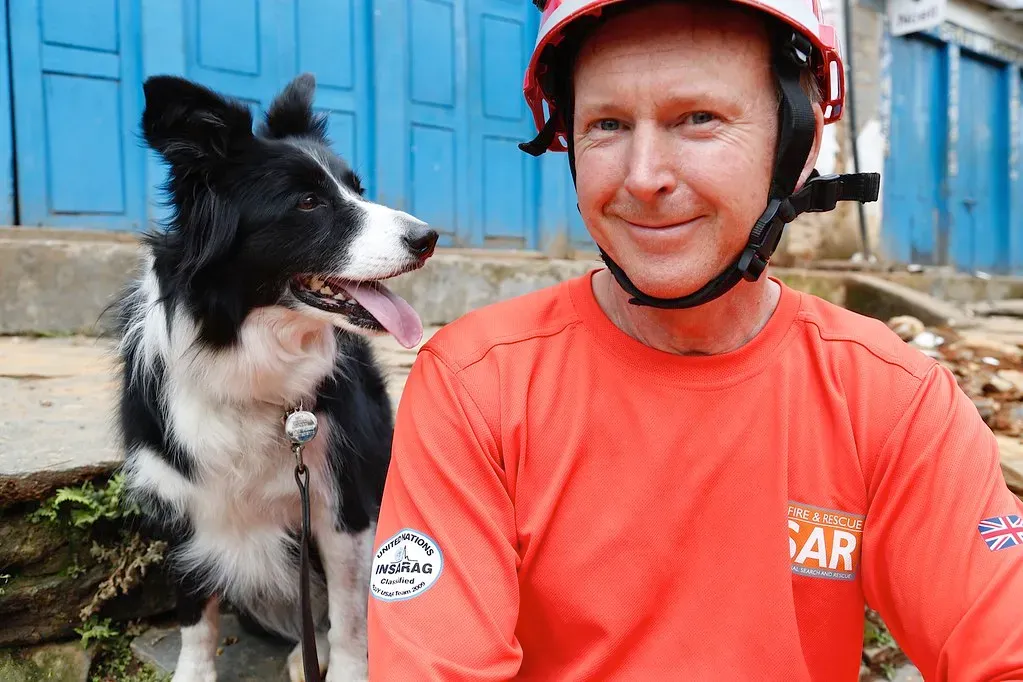
This misconception hits differently because it touches on what we all want most: that deep, unbreakable connection with our dog. Some adopters are concerned about abandonment issues while others worry that an adult or senior pet won’t feel the same amount of loyalty, but adopters will likely say their pets didn’t struggle to bond.
Animals are resilient and smart, and there is nothing like bonding with a pet you have adopted as they seem to understand that you have given them a second chance and will love you for it, with love and trust building over time. The gratitude you see in a rescue dog’s eyes is something extraordinary.
Shelters often talk about the 3-3-3 rule: It takes three days for an animal to decompress in their new home, three weeks to feel at ease and start settling into a routine, and three months to feel secure and start building a lifetime bond. Understanding this timeline helps set realistic expectations.
Those first few days might feel uncertain. Your new dog is processing a major life change. Give them space, establish routines, and watch as they gradually realize this home is different. This one is forever. The bond that forms through that journey of trust-building is incredibly strong and deeply rewarding.
The Adoption Process Is Too Complicated and Difficult
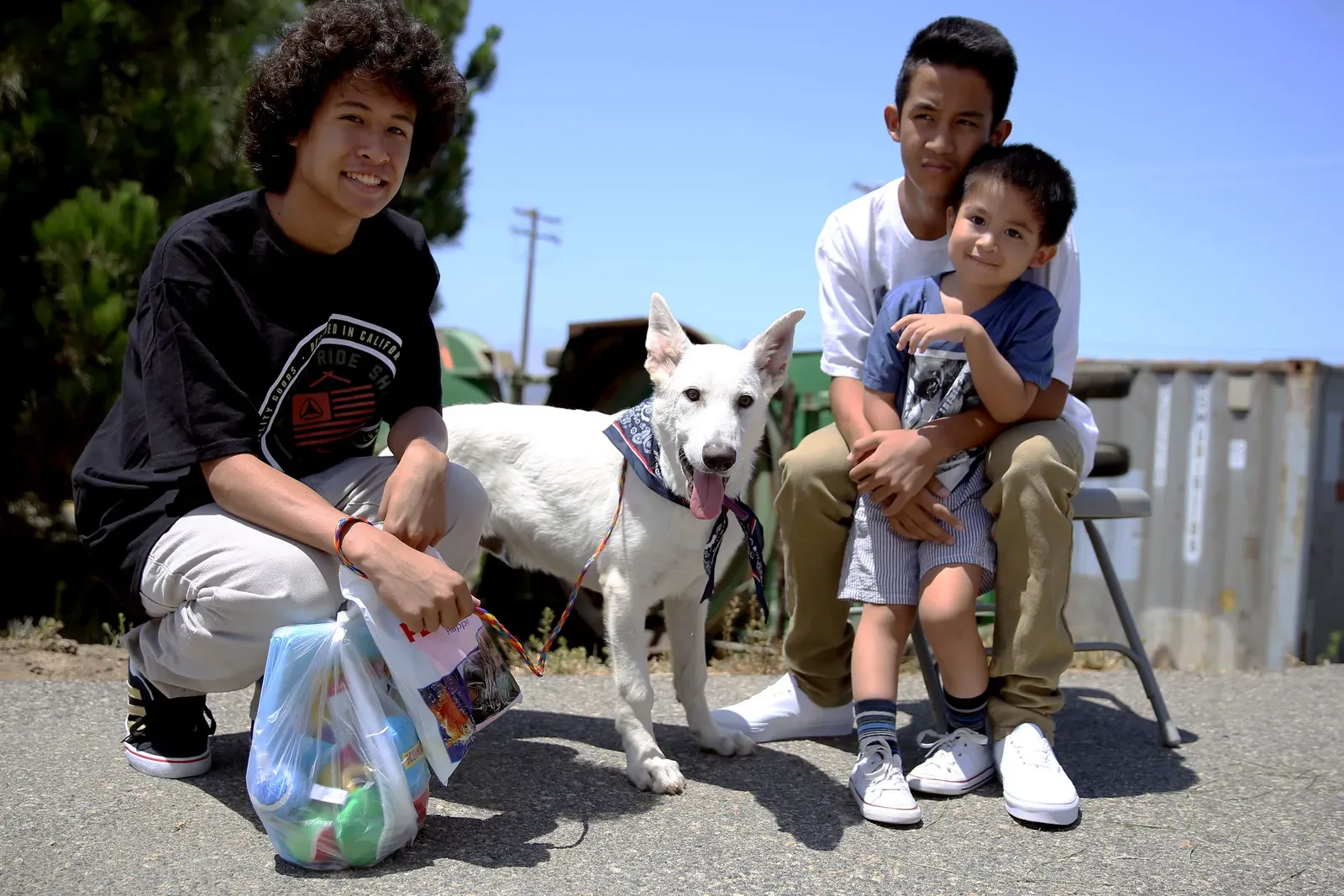
I get it. Application forms, home visits, and interviews can feel intimidating at first glance. Some people think buying from a breeder or pet store is simpler. But let’s look at what that adoption process actually accomplishes.
The adoption process is designed to ensure that dogs are placed in homes where they will be well cared for and where their needs will be met, and while this process can involve an application, a home visit, and an interview, it’s not overly complicated, with the goal being to match dogs with the right families. Shelters want what’s best for their dogs, and honestly, they want what’s best for you too.
Those questions about your living situation, experience level, and lifestyle help match you with a dog who’ll actually thrive in your home. Would you rather have a high-energy Border Collie mix in a tiny apartment with no yard, or a laid-back senior dog who’s perfectly content with leisurely walks? The screening process prevents heartbreak on both sides.
Another huge benefit of adopting from an animal shelter is that their staff can show you different dogs and tell you about their behavior to help make the best match for you and your family. They know these dogs. They’ve watched them play, observed their quirks, and can guide you toward your perfect match. That expertise is invaluable and saves you from making an impulsive decision you might regret.
Finding Your Perfect Match
Look, adopting a rescue dog isn’t always easy. There might be adjustment periods, unexpected challenges, or moments when you question everything. That’s normal with any dog, whether they came from a shelter, a breeder, or your neighbor’s accidental litter.
What makes rescue dogs special isn’t that they’re perfect. It’s that they’ve been given a second chance, and they know it. The connection that forms when you choose each other is something truly remarkable. Those myths we’ve tackled today? They keep deserving dogs waiting in kennels and prevent wonderful people from experiencing the joy of rescue dog adoption.
Every dog deserves a chance to show who they really are outside those shelter walls. When you walk into a shelter with an open mind and realistic expectations, you might just meet your new best friend. What would you have guessed about rescue dogs before reading this? Share your thoughts or your own rescue dog story in the comments below.


