
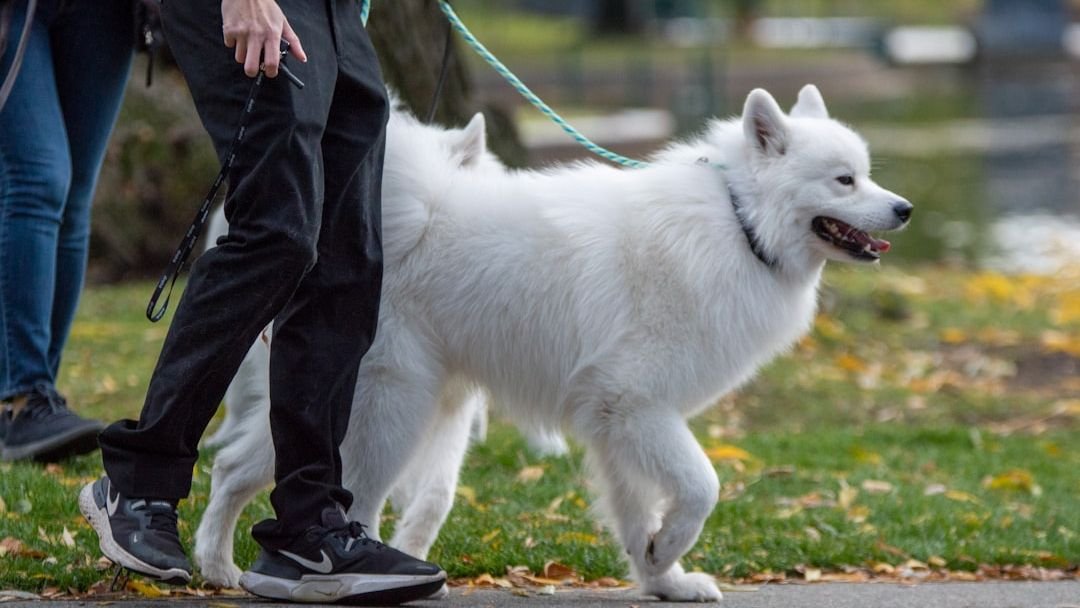
You’d think that taking a dog for a walk would be pretty straightforward, right? Grab the leash, head out the door, and let nature run its course. After working with hundreds of dog owners over the years, I’ve realized how many of us accidentally sabotage these daily outings without even knowing it.
That innocent afternoon stroll can quickly transform into a frustrating tug of war or a stressful standoff on the sidewalk. Walking your pup should be one of the best parts of your day together, a chance to bond, explore, and let them experience the world through their incredibly powerful noses. Yet so many walkers miss the mark because of a handful of simple missteps that pile up over time. Let’s dive into what’s really going wrong and how we can turn those walks around.
Turning Every Walk Into a Military Drill
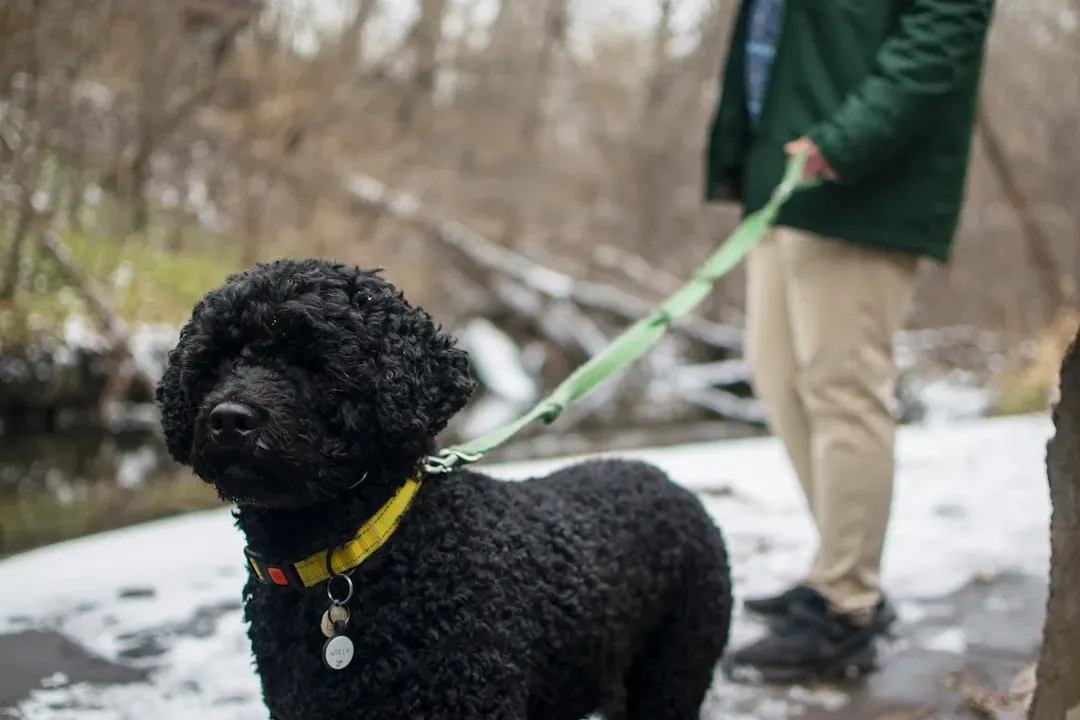
Here’s the thing about dogs. They don’t see walks the same way we do. While we might think of it as exercise or a bathroom break, your pup views it as sensory heaven. Walks are recreational times for your dog, a chance to catch up on neighborhood goings on by sniffing and marking, and they need to burn off brain energy as they discover what’s happening in their neighborhood. When you demand strict heel position the entire time with zero freedom to investigate a fascinating scent trail, you’re basically sucking all the joy out of the experience.
Dogs have around 300 million scent receptors while humans have only six million, which means dogs have very keen senses of smell. Sniffing isn’t just entertainment. It’s how they read the morning newspaper and catch up on local gossip. I know we all want well behaved dogs, but there’s a balance between structure and letting them be dogs.
Requiring perfection at every moment turns what should be a pleasant bonding experience into something that feels like boot camp. Your dog might walk beautifully, but are they happy? Making your dog act like a show dog during leash walks takes the fun out of the process for them and deprives them of much needed mental exercise. Give them some designated sniff time where they can actually explore their environment instead of marching robotically beside you.
Staying Glued to Your Phone the Whole Time
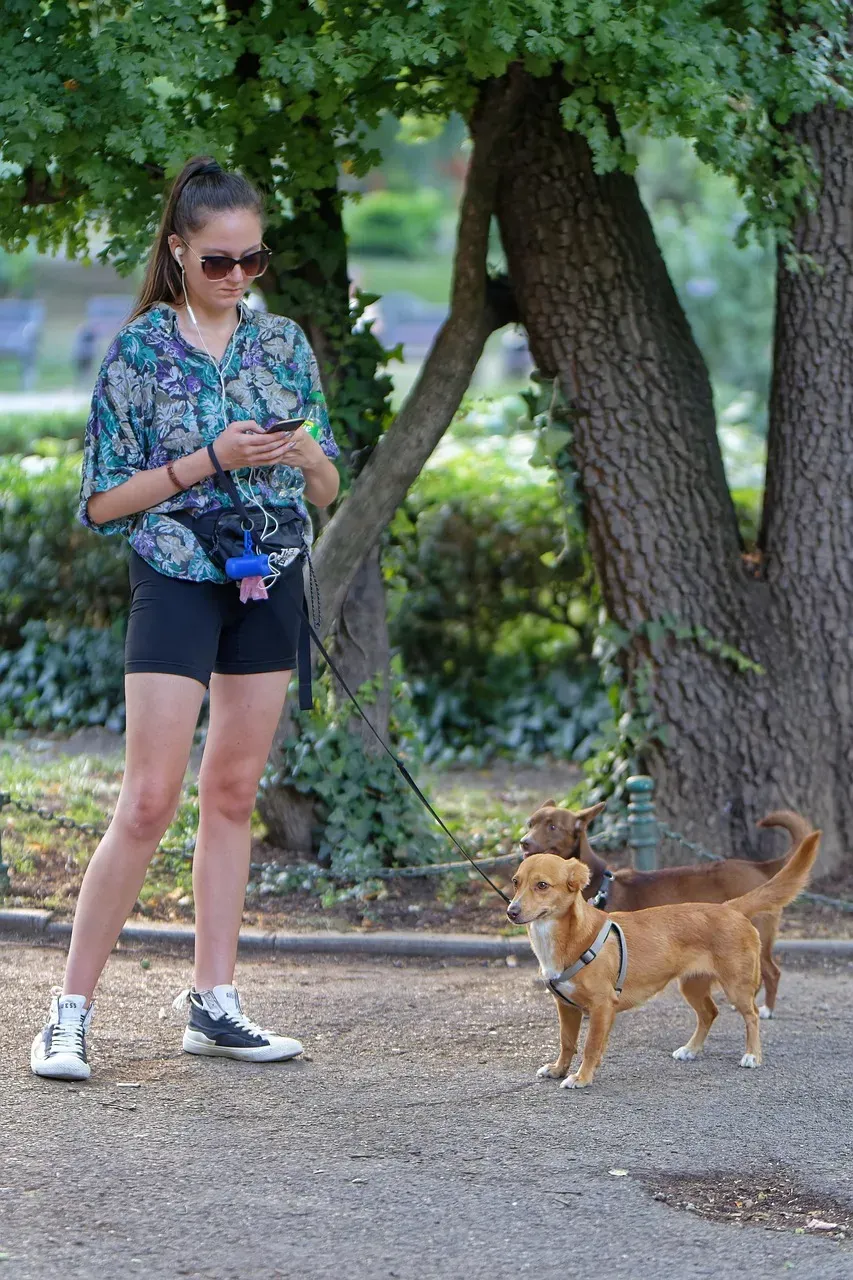
I’ll admit it. I’ve been guilty of this one myself. We’re out there checking emails, scrolling through social media, completely disconnected from the dog at the end of the leash. Sure, multiple daily walks can get monotonous, but burying your nose in your phone while your dog does his business means you miss an excellent opportunity to connect with him and experience the great outdoors as a shared adventure.
When you’re distracted, you miss important behavioral cues your dog is giving you. Dogs communicate discomfort, stress, or excitement through body language: tail tucks, yawning, pulling away, or even sudden stops. Maybe they spotted something that’s making them anxious. Perhaps they’re showing early signs of illness or injury. You won’t catch any of that if you’re engrossed in a text conversation.
When you’re not mindful of what’s going on with your dog during a walk, you might miss potential hazards on the horizon, like if you’re engrossed in your phone and holding the leash loosely when your dog spots a nervous cat on the road ahead; staying engaged with your dog keeps him safe and helps grow the bond between you. Put the phone away. These walks are one of the few times in our busy lives where we can truly be present with our dogs.
Rewarding the Pull by Following Along
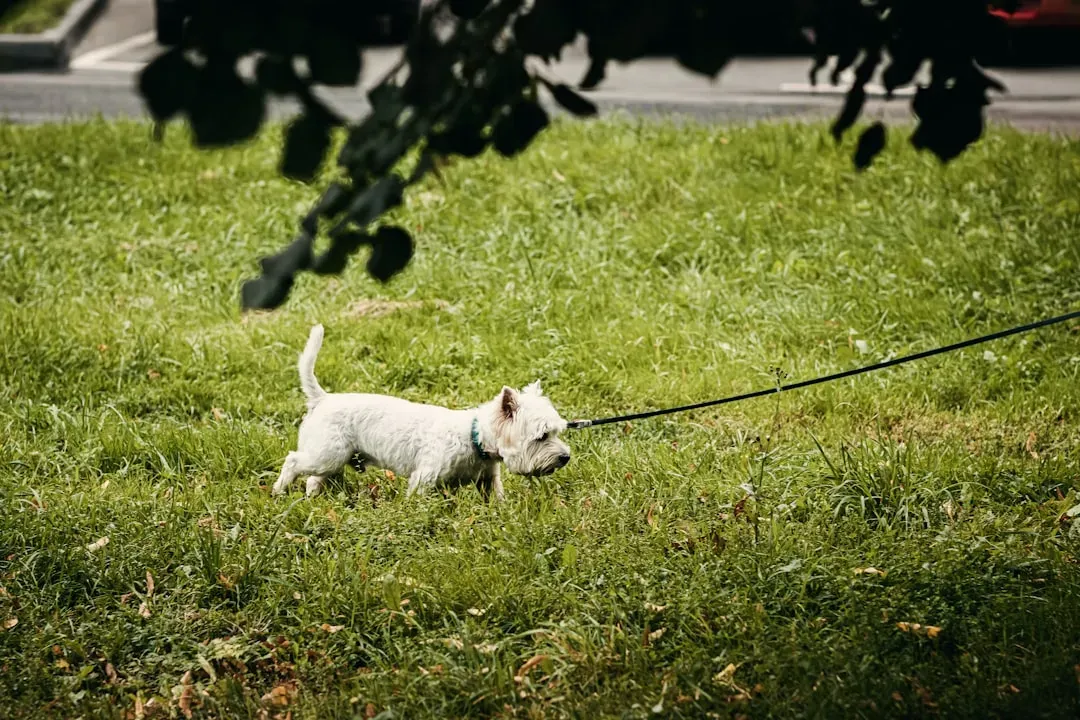
This might be the most common mistake of all, and honestly, it’s so easy to fall into this trap. Dogs pull because it works: they pull, we follow, and before you know it you’ve got a certified sled dog on your hands. Every single time you let your dog drag you toward that interesting tree or another dog, you’re teaching them that pulling gets results.
Untraining a leash puller is a challenge because you’re competing with muscle memory; dogs get used to the idea that tension around their neck means forward progress. They’ve learned the equation perfectly. Pull equals move forward. It’s simple cause and effect from their perspective.
The solution requires patience and consistency. While walking your dog, do not allow them to continue walking when they pull; the second they do, stop the walk and keep your feet planted, and when they return to your side or loosen the tension, you may continue to walk, which will take some persistence and lots of positive reinforcement. Yes, your walks will be slower at first. You might only make it halfway down the block some days. That’s okay because you’re investing in years of pleasant walks ahead instead of countless exhausting battles.
Using the Wrong Equipment for Your Dog
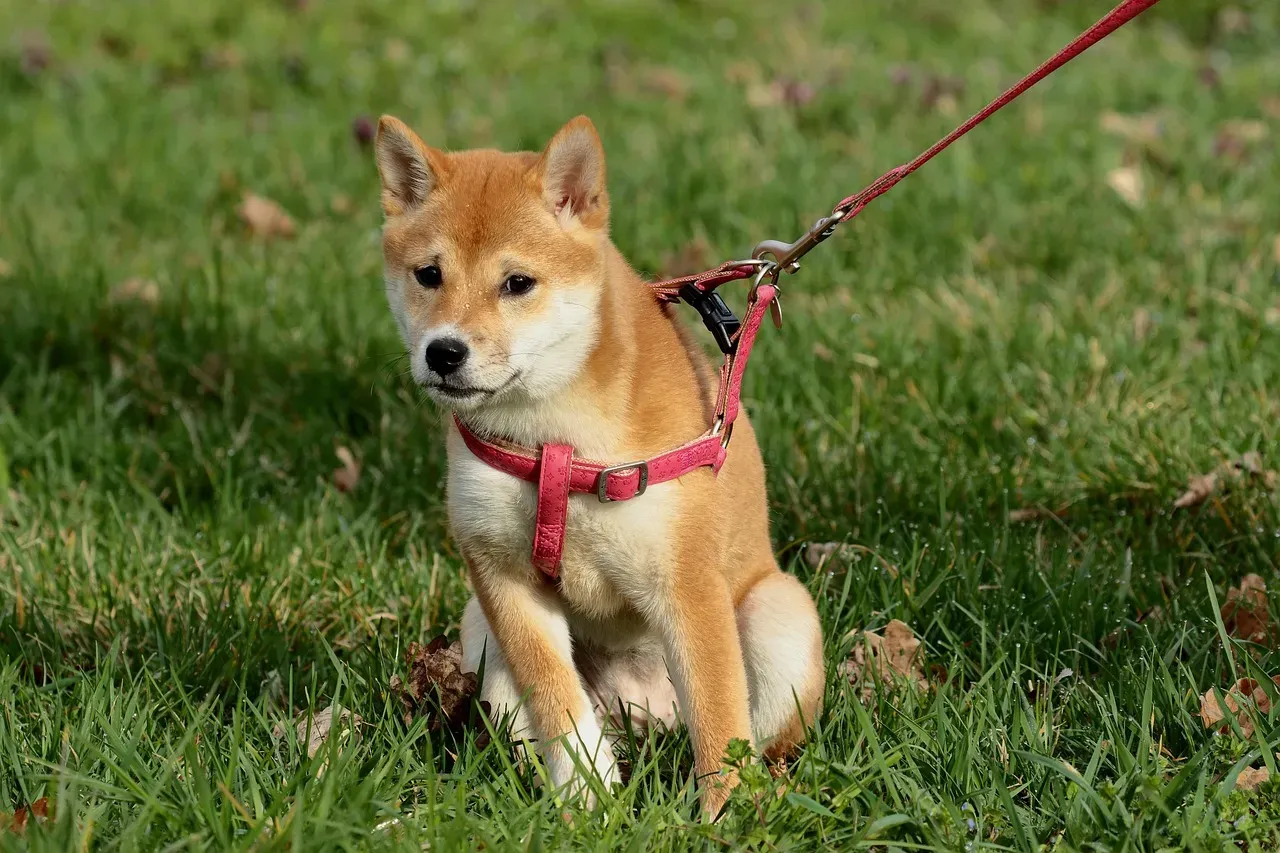
Equipment matters more than most people realize. The wrong collar or harness can make training infinitely harder and, in some cases, cause actual harm to your dog. If your dog wears a collar and tends to cough a lot on leash walks, compression of the trachea is likely the culprit, and focusing on leash training to prevent pulling and switching to a harness will likely help.
Retractable leashes might seem like the perfect way to adjust tension during your walk, but the fast moving cord can cause cuts and burns to both you and your dog, plus it can easily cause tangles and trip people and other dogs, and they can be more difficult for some pet parents to get a good grip on. These leashes actually teach pulling by maintaining constant tension, which is the opposite of what you want.
A well fitted harness, particularly a front clip one, can give you much better control without causing discomfort. Harnesses are more effective in stopping dogs from pulling as they give you more control over their body plus it puts less strain on their neck, and a front clip harness is a good option as it’s designed to prevent your dog from pulling. Take the time to find equipment that works for your specific dog’s size, strength, and walking style. It makes all the difference.
Skipping Walks or Only Doing Quick Bathroom Breaks
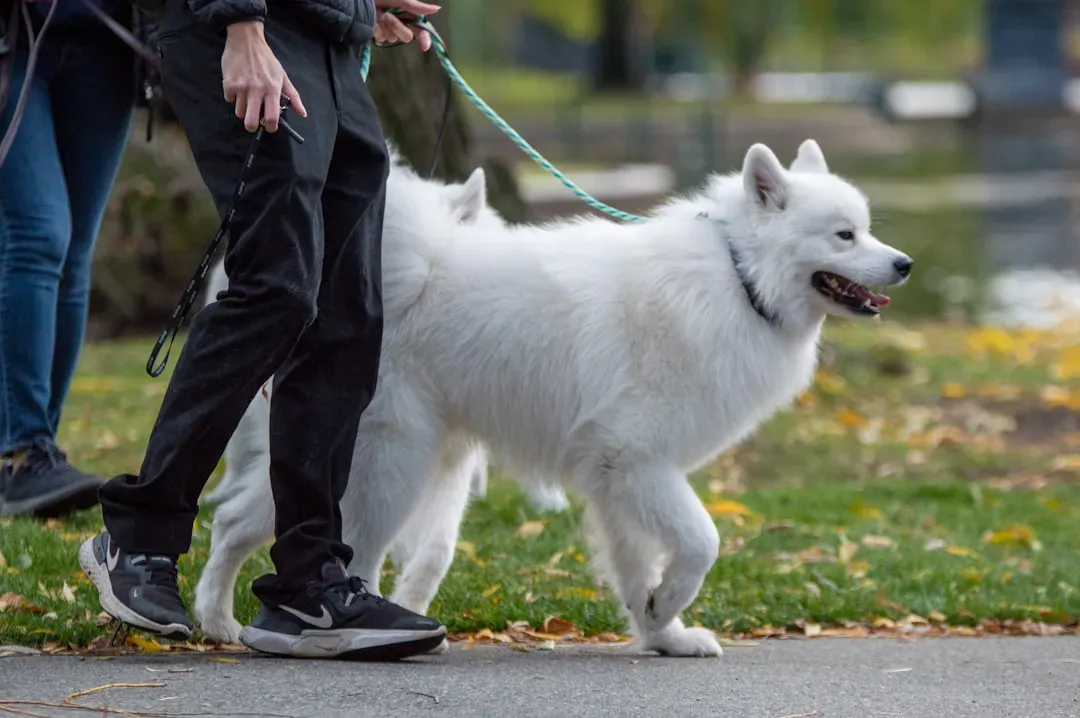
Life gets hectic, I get it. Some weeks it feels impossible to carve out proper walking time. Some dog owners are too busy during the week and try to make up for it with long walks over the weekend, but this binge walking approach can be exhausting for your dog and may lead to physical strain; it’s better to establish a daily walking routine that fits your dog’s needs.
Lack of consistency is a big one, and skipping walks or only providing quick bathroom breaks isn’t healthy; evidence from scientific research suggests dogs that are walked consistently are not only healthier but less likely to exhibit problem behaviors. Think of it this way: imagine if you spent most of your time inside the same four walls with occasional trips to the bathroom. You’d go stir crazy pretty quickly.
The goal of walking your dog is to meet both your pet’s physical and mental needs, and one of the biggest mistakes dog owners make is not providing enough mental stimulation during walks and treating them solely as bathroom breaks or exercise. Dogs need that sensory input, the chance to see new things and process information. Even a fifteen minute walk around the block provides valuable enrichment that a quick dash to the yard simply can’t match. Consistent short walks beat sporadic long ones every time.
Ignoring Bad Behaviors Until They Become Habits
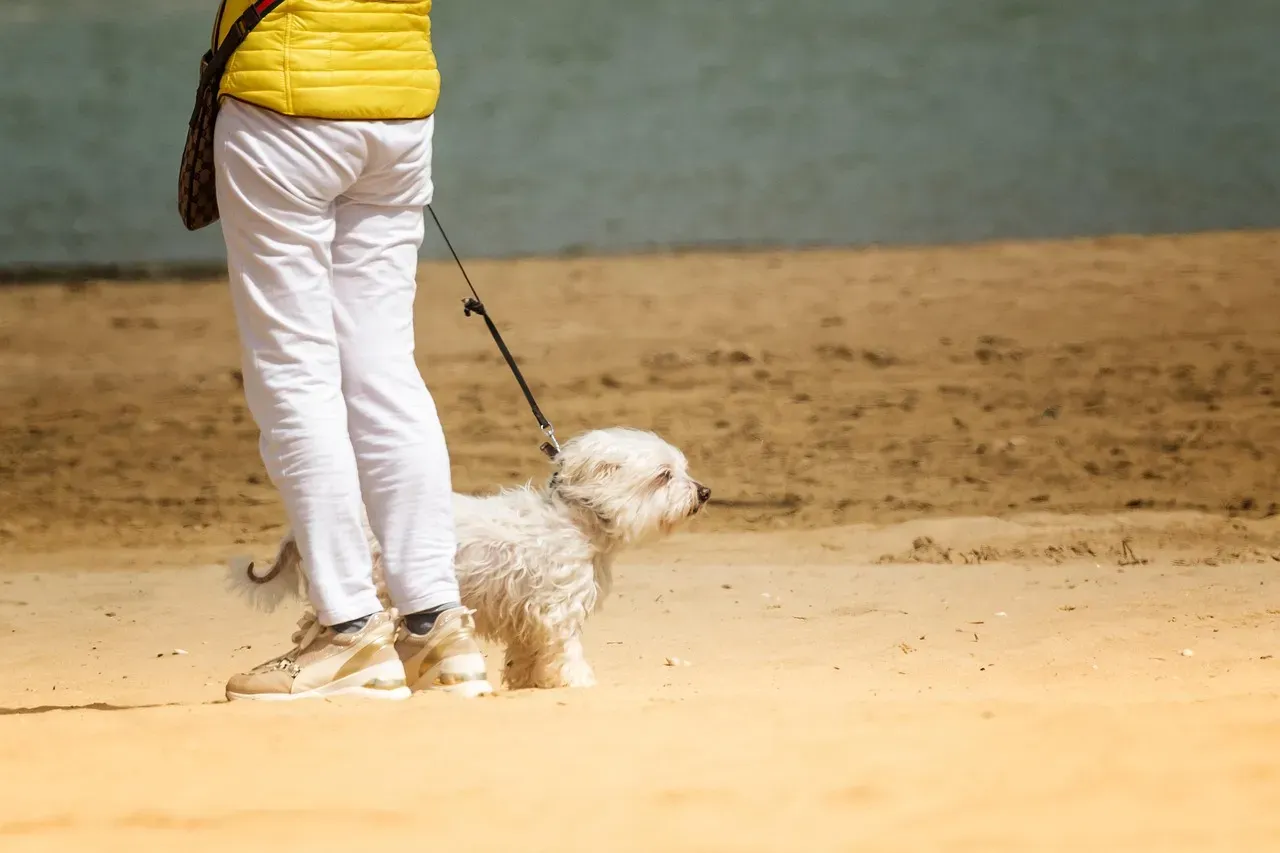
It starts small. A little lunge toward another dog. Some barking at passersby. Maybe they just get really excited and you think it’s kind of cute, so you don’t address it. While we all strive for harmonious leash walks, the reality is that we sometimes accidentally sabotage them, allowing little annoyances to grow into unmanageable problems.
It’s unfair to your dog and everyone around you to look the other way as he morphs into the neighborhood menace, and it’s best to start working on leash walking behavioral challenges as soon as you notice problems percolating rather than waiting until your dog makes them a part of his permanent repertoire. The longer a behavior continues unchecked, the harder it becomes to change because your dog has had more opportunities to practice and reinforce it.
Ignoring unwanted behaviors on walks, like barking at other dogs or disobeying common commands, can cause those habits to become ingrained and harder to fix over time; instead of hoping the behavior will stop on its own, take proactive steps like teaching heel exercises for excessive barking and practicing and perfecting typical dog commands like leave it, sit, and drop it. Address issues early with patience and positive reinforcement. Your future self, your dog, and everyone else sharing the sidewalk will thank you for it.
Conclusion
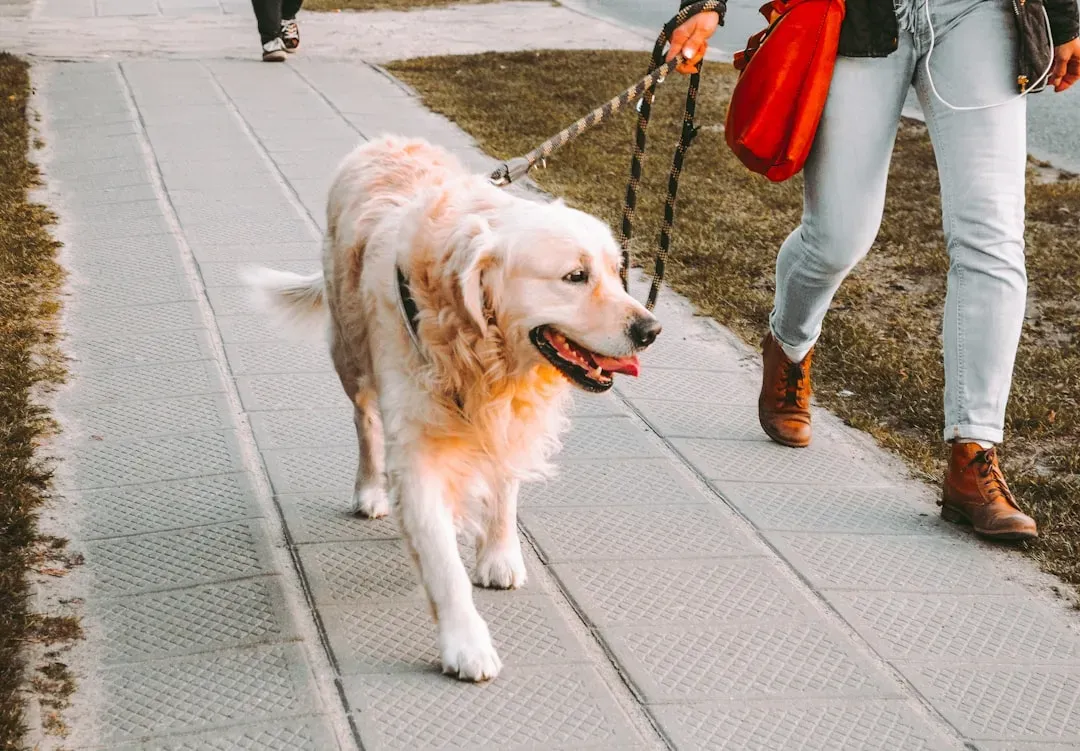
Walking your dog shouldn’t feel like a chore or a constant battle. When you avoid these common mistakes and approach walks with intention and awareness, those daily outings transform into something both you and your dog actually look forward to. It takes patience, consistency, and a willingness to see the world through your dog’s eyes, but the payoff is absolutely worth it.
Remember that your dog isn’t trying to make your life difficult. They’re just being dogs, responding to what we’ve inadvertently taught them or reacting to their natural instincts. By giving them mental stimulation through sniffing, staying present and engaged, teaching proper leash manners, using appropriate equipment, maintaining consistency, and addressing problems early, you create the foundation for years of enjoyable walks together. What changes will you make on your next walk?


