

I know exactly how you feel. Those first few weeks with a new puppy are filled with so much love, excitement, and honestly, a little chaos. You snap a million photos, cherish those soft ear moments, and dream about all the adventures you’ll share together. Then reality hits. The biting starts. The jumping. The accidents on the carpet. Maybe your neighbor’s dog walks past perfectly on a leash while yours drags you down the street like a runaway sled.
Here’s the thing nobody talks about enough: most frustrating puppy behaviors aren’t because you got a “bad” dog. They’re often the result of innocent mistakes we make during those crucial early weeks. I’ve seen it time and time again. Small missteps during puppyhood can snowball into serious behavior problems that stick around for years. The good news is that understanding these common mistakes means you can avoid them entirely. Let’s walk through the six biggest training pitfalls that lead to problem behaviors, so you and your furry friend can start off on the right paw.
Skipping the Critical Socialization Window
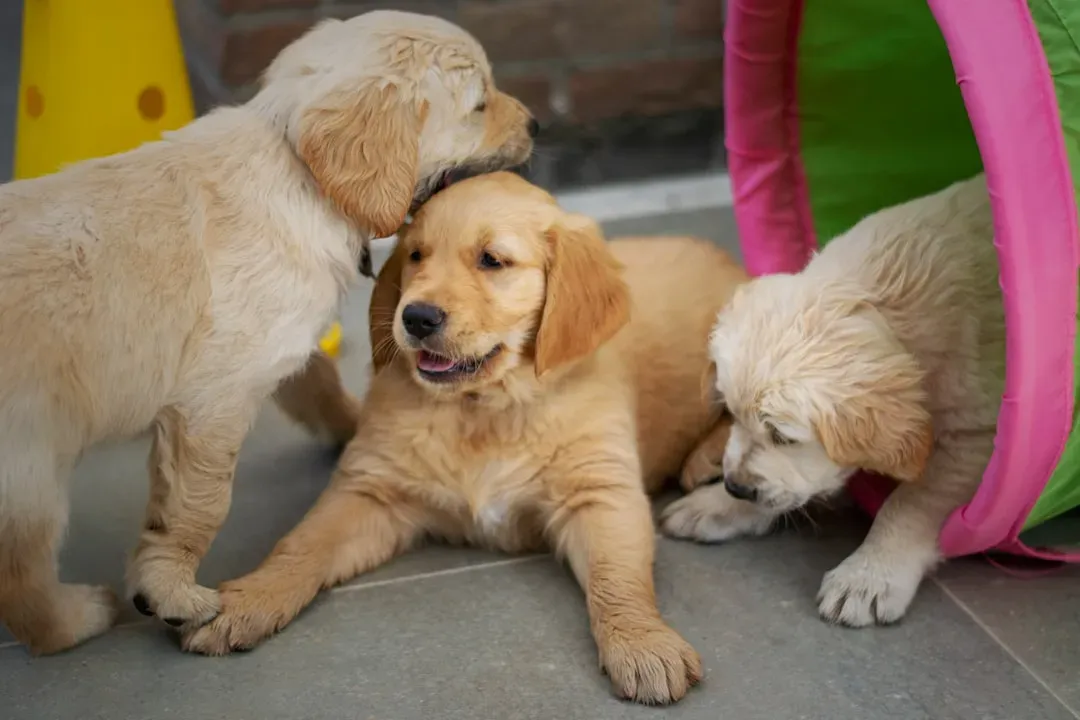
The critical social development period for dogs happens between approximately three and 14 weeks of age. This is when puppies are most accepting, less cautious, and very curious about their environment. Miss this window, and you’re setting yourself up for a lifetime of challenges.
By the time your puppy has finished his vaccination series, his sensitive period for socialization will be over, and without properly timed socialization, puppies face a considerable risk of developing permanent fears or anxiety. Many owners wait until vaccinations are complete, thinking they’re protecting their puppy. While disease prevention matters, the risk of your puppy developing serious behavior problems from being poorly socialized is far greater than that of infectious disease, but to be safe, only let your puppy interact with dogs that you know are physically and behaviorally healthy and vaccinated.
Think about it like learning a language. Children pick up new languages effortlessly during their early years, but adults struggle with the same material. Puppies work similarly. The more things a puppy experiences during critical socialization periods, the less bothered the puppy will be throughout life when confronted by new things.
Get creative. Carry your puppy to busy areas before they’re fully vaccinated. Invite friends over. Play recordings of traffic sounds, thunderstorms, and fireworks at low volumes during meals. Let them explore different textures under their paws. Every positive experience now prevents future fear and reactivity.
Being Wildly Inconsistent With Rules and Training
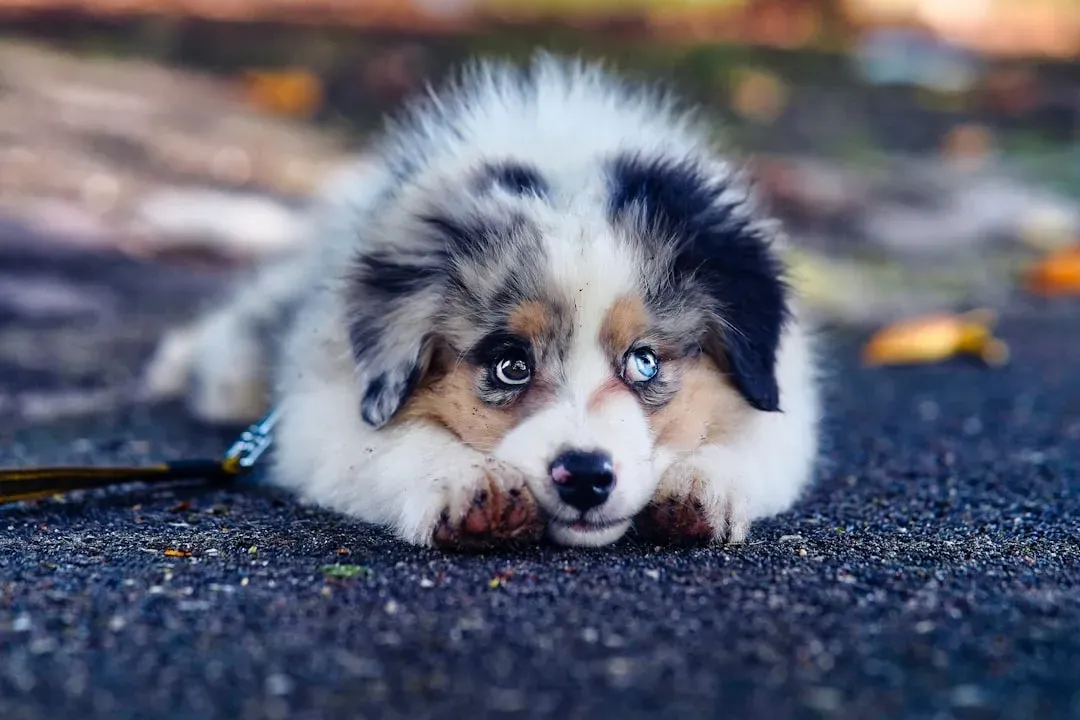
Picture this. Your puppy jumps on you Monday morning and you laugh because it’s adorable. Tuesday evening they do it again, but you’re tired and snap at them. Wednesday your partner comes home and encourages the jumping because they love the greeting. What’s your puppy supposed to think?
When we are inconsistent with our dogs like this, it confuses them as to what we expect from them. Treating bad or good behaviors with different responses each time they happen is one of the fastest ways to create an anxious, confused dog who never quite figures out the rules.
Dogs aren’t stubborn or spiteful when they break rules. They’re genuinely confused because the rules keep changing. Maybe jumping on the couch is okay when you’re watching movies but forbidden when guests visit. Or begging at dinner gets them scraps sometimes but scolding other times.
Strive to be 100 percent consistent with your responses to your dog, make it a habit that every time you come home your four-legged friend doesn’t get any attention until they sit, instead of sometimes requesting this but other times letting them jump on you. It requires everyone in the household to follow the same guidelines. Post a list on the fridge if you need to. Consistency isn’t about being rigid, it’s about being fair and clear so your puppy can actually learn what you’re asking.
Giving Too Much Freedom Too Soon
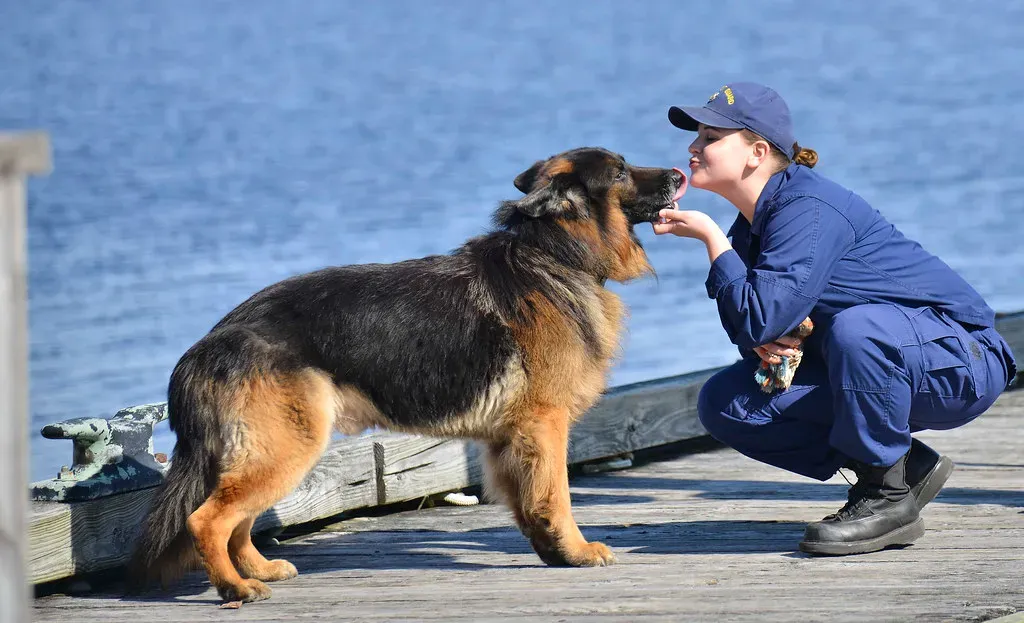
Many people give their puppies too much freedom too soon: letting them explore without supervision, roam the house freely, or greet everyone they meet. It feels mean to confine a playful puppy, I get it. You don’t want to be the fun police. However this mistake backfires spectacularly.
Dogs learn through experience, if we don’t teach them what to do, they’ll practice behaviors we don’t want them to do, and the more they rehearse it, the better they get. That unsupervised puppy chewing your couch isn’t being naughty. They’re practicing a behavior that feels good, and each repetition makes it stronger.
Letting the puppy have the run of the house, or letting them have access to the kids when either the puppy or the kids are in a crazy mood lets everyone practice bad behavior, too much freedom also means the puppy gets into more trouble. Use baby gates, playpens, and crate training to manage your puppy’s environment. This isn’t punishment, it’s prevention.
Think of your puppy like a toddler. You wouldn’t let a two-year-old wander the house unattended, right? Same principle. Supervise closely when they’re out, confine them safely when you can’t watch, and gradually expand their freedom as they prove they understand the house rules.
Training Once a Week Instead of Every Single Day
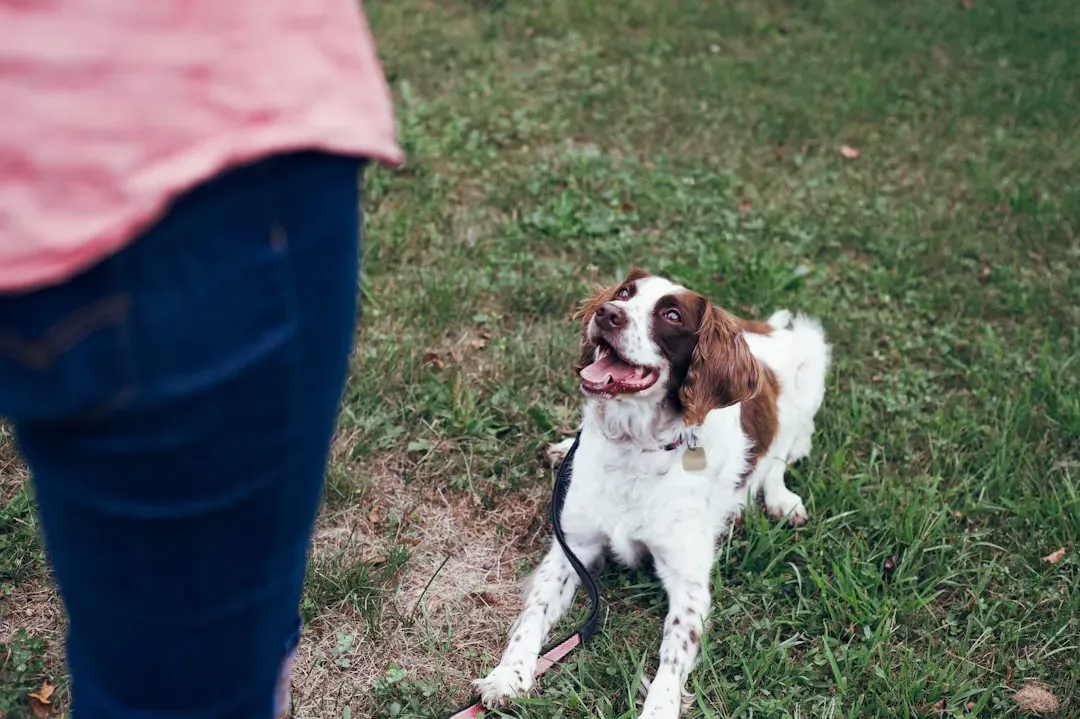
Most obedience classes only gather to formally train once a week, and that’s often the only time people train their dog. Then they wonder why Fido still can’t sit reliably after two months of classes. The problem isn’t the dog’s intelligence, it’s the training frequency.
Dogs should be trained every single day, like any habit or behavior, repetition is one of the keys to success, make a goal to train your dog for at least five minutes every single day. Five minutes sounds like nothing, right? Five minutes every single day compared to 15 minutes once or twice a week will be more beneficial, repetition and consistency are two of the most important factors for puppy training.
Training doesn’t have to be formal sessions in the backyard. Ask for a sit before meals. Practice recall during playtime. Work on loose-leash walking during bathroom breaks. These micro-training moments scattered throughout the day are incredibly powerful.
The key is keeping sessions short and positive. Dogs have the mentality of a human toddler, and just like toddlers, their attention spans can be short, for most pups, you’ll have better success with five to ten minute sessions. Multiple short sessions beat one long exhausting marathon every time.
Repeating Commands Over and Over (Cue Nagging)
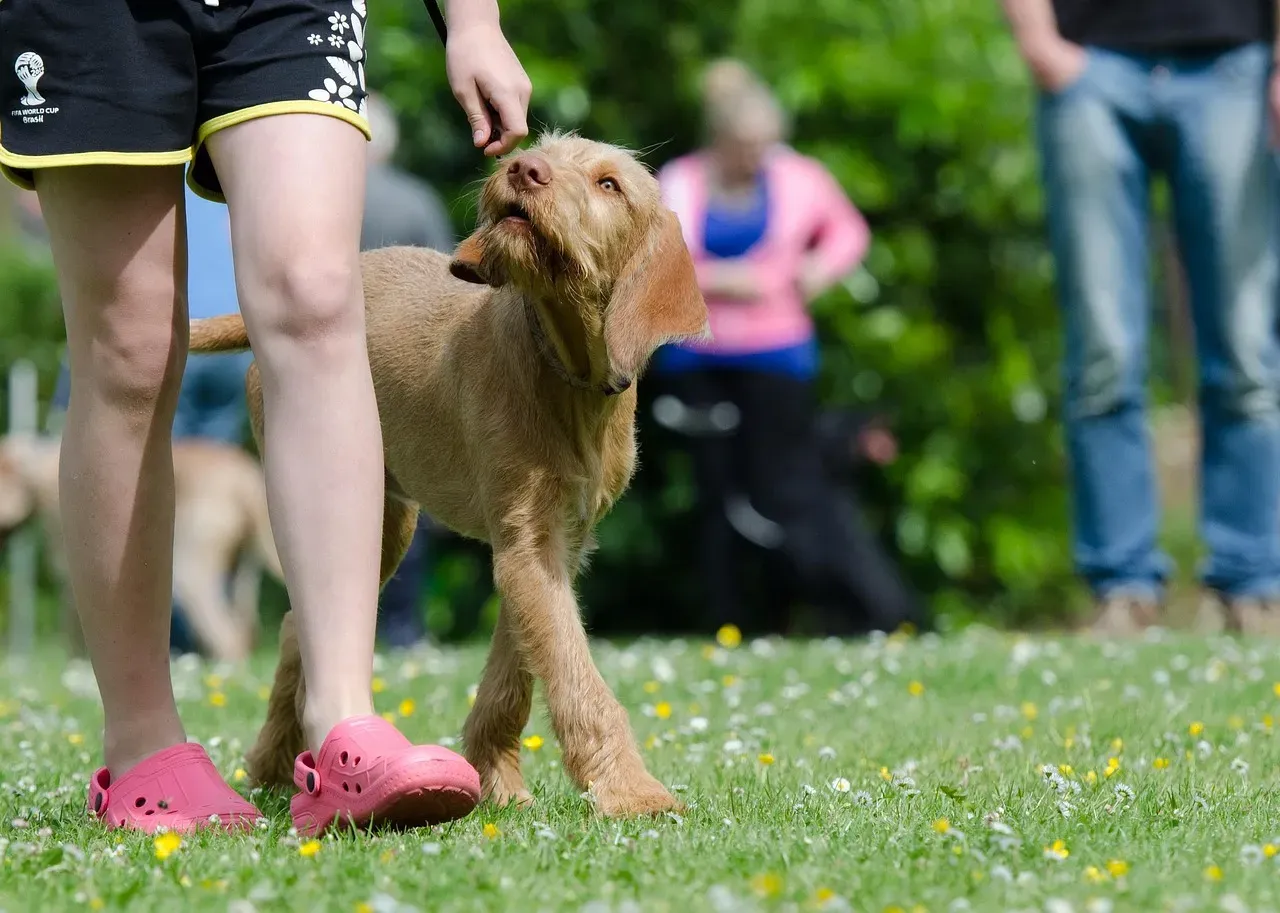
One of the biggest problems is cue nagging, which is when your dog doesn’t respond to a cue, so you keep repeating it, this often happens with the word come. You say it, your dog ignores you, so you keep saying it. Come. Come. COME. Eventually they wander over, and you think problem solved.
Actually, you just taught your dog they don’t have to respond the first time. Pretty soon, your dog doesn’t pay attention until you’ve said the word five or six times, by repeating the cue, you’ve taught your pet that he doesn’t have to respond right away and your cue is now come, come, come. Congratulations, you accidentally trained the exact opposite of what you wanted.
The fix requires discipline on your part. Say the cue once. If your dog doesn’t respond, don’t repeat it. Instead, go back to basics. Get closer, reduce distractions, and make sure your dog actually understands what you’re asking. Get their attention first with their name or a cue like watch me, if your dog is too distracted to obey don’t say the cue, find another way to get them to do as you wish.
This also means avoiding poisoning your cues. Poisoning of cues is when you accidentally associate a cue or behavior with something your dog views negatively so he stops responding, for example you’ve finally taught your dog come but now you use it to summon them for a bath something he hates, you call him he comes and you proceed to bathe him, the next day you ask your dog to come and he hesitates, maybe he doesn’t return at all. Keep cues positive, and they’ll stay powerful.
Expecting Too Much Too Fast and Losing Your Patience
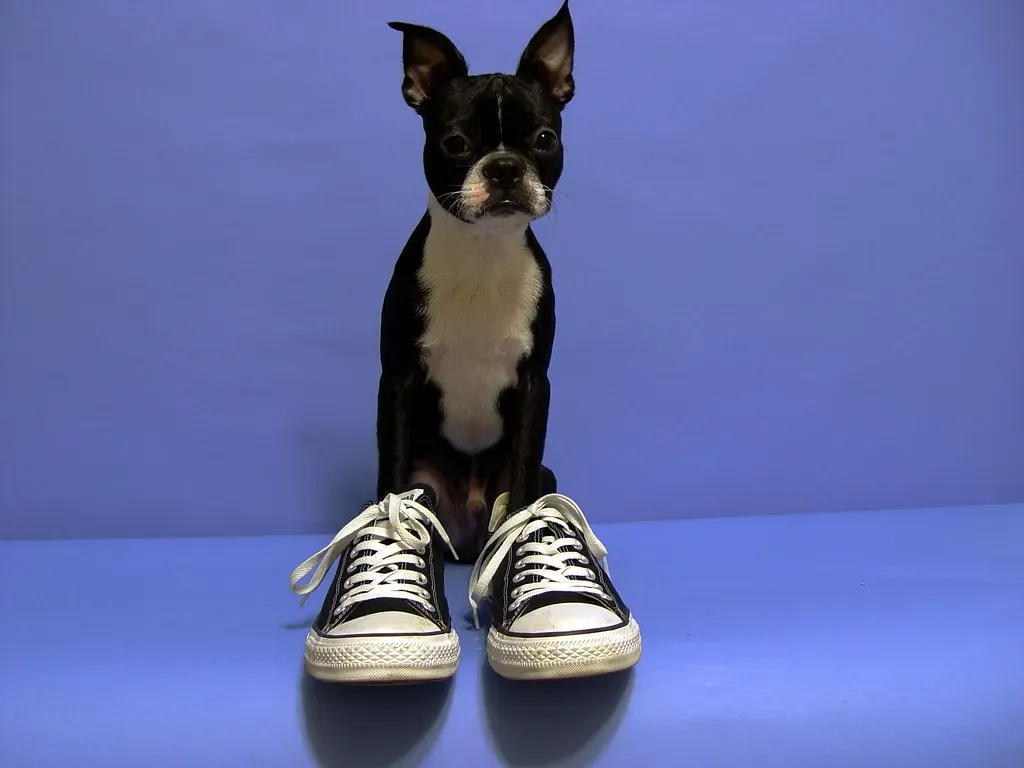
Expecting your dog to learn behaviors, difficult or seemingly easy ones, quickly perfectly and instantaneously then becoming frustrated when they don’t is a trap so many of us fall into. Your friend’s puppy learned sit in one session. Your neighbor’s dog already walks beautifully on leash. Why is yours still a disaster?
Every puppy learns at their own pace. Just like with riding a bike your dog is not going to learn how to walk perfectly on a leash after one training session, brand new and difficult behaviors will often take months of consistent practice to hone in and master. Comparing your eight-week-old puppy to a fully trained adult dog is like comparing a kindergartener to a college graduate.
Don’t train when you’re in a bad mood, our patience tends to wear thin when we’re grumpy and we’re more likely to get mad at our dog for not getting things perfect on the first try. Your frustration bleeds through your tone, body language, and energy. Dogs are incredibly perceptive, and a tense, angry training session teaches them that training is stressful and something to avoid.
Break complex behaviors into tiny steps. Celebrate small wins. If your puppy sits for three seconds instead of two, that’s progress worth rewarding. Remember they’re babies learning to navigate a confusing human world. Give them the same grace you’d give any child learning something difficult for the first time.
Conclusion

Raising a puppy is hard work. There’s no way around it. Those early months test your patience, your carpet cleaner supply, and occasionally your sanity. Yet here’s what I’ve learned from working with countless dog families over the years: the effort you invest now pays dividends for the next decade or more.
Difficult behaviors will often take months of consistent practice to hone in and master, practicing patience with your pup will pay huge dividends in the long run. Every minute spent socializing during that critical window, every consistent response to jumping or biting, every short daily training session, they all add up. You’re not just teaching commands, you’re shaping your dog’s entire approach to the world.
The mistakes we’ve covered aren’t character flaws or signs you’re a bad dog parent. They’re simply gaps in knowledge that, once filled, completely change your trajectory. Start where you are. If you’ve already made some of these mistakes, that’s okay. If you feel like you missed that early window or things have not gone as planned know that it is not too late, every moment with your dog is a new opportunity to grow confidence connection and joy together.
Your puppy is counting on you to be their guide, their teacher, and their safe place in this big overwhelming world. By avoiding these six common training mistakes, you’re giving them the absolute best chance at becoming the confident, well-adjusted companion you both deserve. So what do you think? Which mistake surprised you most? Tell us in the comments what challenges you’re facing with your puppy right now.


