
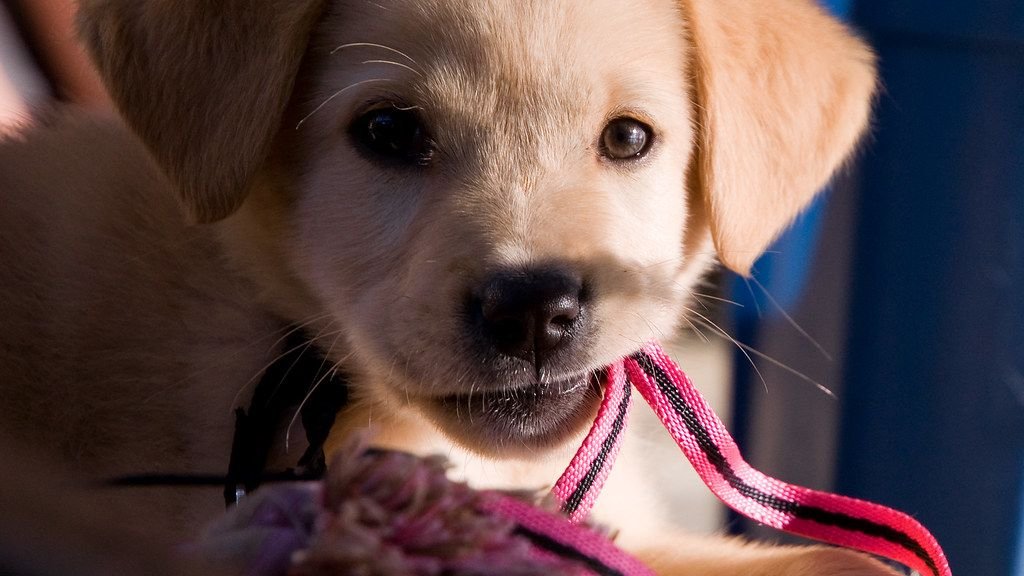
You come home after a long day and find your favorite pair of shoes transformed into confetti. The couch cushion looks like it exploded. Your dog greets you with those innocent eyes, tail wagging, completely oblivious to the destruction.
Sound familiar? If you’re nodding your head, take a deep breath. You’re not alone, and honestly, your dog isn’t trying to punish you or test your patience. There’s always a reason behind the chewing, even if it feels personal. Let’s dig into the most common culprits and figure out how to help both you and your furry friend get through this.
Teething Puppies Need Relief
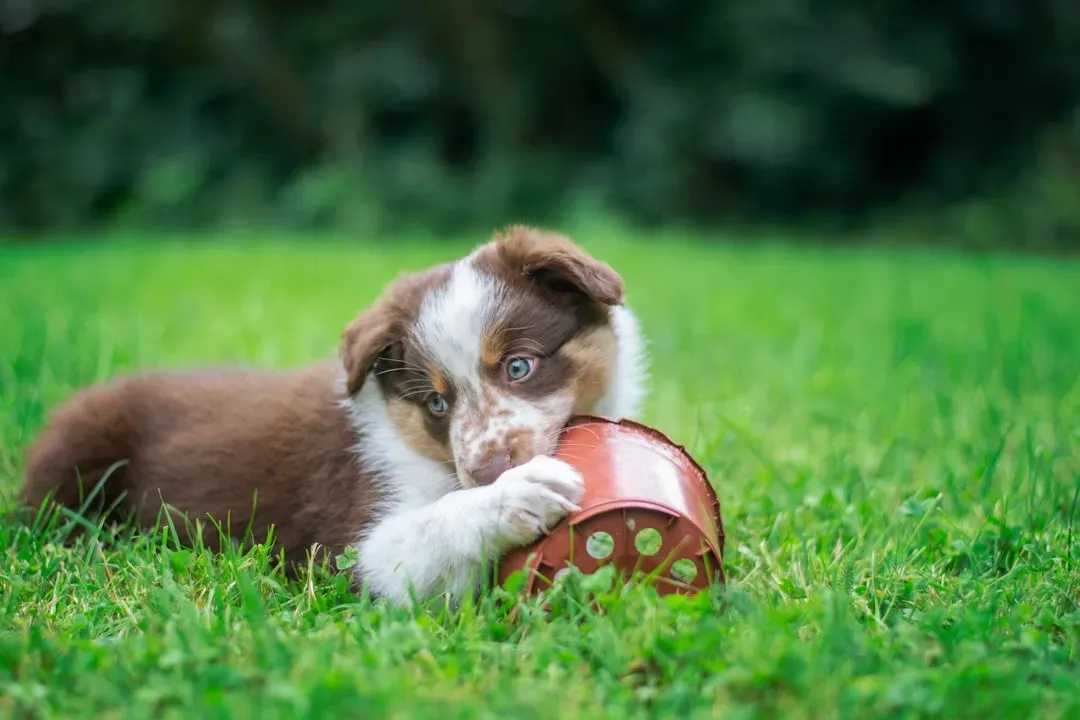
Puppies start teething around three to four months old, and the process can be incredibly uncomfortable for them. Their gums are sore as adult teeth push through. Imagine the feeling of a toothache multiplied by 42 teeth all coming in at once.
Frozen toys, special chew items, or even ice cubes can help numb their aching gums. It’s kind of like giving a teething baby a cold washcloth to gnaw on. Keep a variety of safe, puppy-appropriate toys on hand so they have options when the discomfort hits. Rotating different textures and temperatures can make all the difference.
When you catch your puppy chewing something inappropriate, firmly say “No” and immediately redirect them to an approved toy, then praise them. Consistency here is everything. The earlier you start teaching them what’s okay to chew, the easier your life will be down the road.
Boredom Is a Real Problem

Dogs get bored and need an outlet, just like people do. A bored dog will find their own entertainment, and that usually means your belongings become toys. Think about it from their perspective: they’re home alone, there’s nothing to do, and that chair leg looks awfully interesting.
Scheduling daily activities like throwing a ball, taking long walks, or engaging in enrichment activities can prevent destructive chewing. Exercise isn’t just about physical health; it’s mental stimulation too. A tired dog really is a happy dog.
Try puzzle feeders or hide treats around the house before you leave. Give them a job to do. I’ve seen dogs completely transform when their owners started dedicating just twenty minutes of focused playtime each day. Sometimes it’s the simplest changes that make the biggest impact.
Separation Anxiety Drives Destructive Behavior

Chewing that happens only when you’re away often signals separation anxiety, which can appear alongside excessive barking or indoor accidents. Your dog isn’t being spiteful. They’re genuinely distressed when you leave.
Dogs experiencing stress or anxiety may turn to chewing to ease their emotional conflict and heightened arousal. It’s their coping mechanism, however destructive it might seem to us. For some dogs, the anxiety is so intense they’ll chew through doors or drywall trying to escape their confinement.
Building a consistent routine helps tremendously. Try setting up a schedule where your dog can rely on specific times for walking, eating, and playtime throughout the day. Practice leaving for short periods and gradually increase the duration. Pair your departures with something positive, like a special treat-filled toy they only get when you’re gone.
Natural Exploration and Curiosity
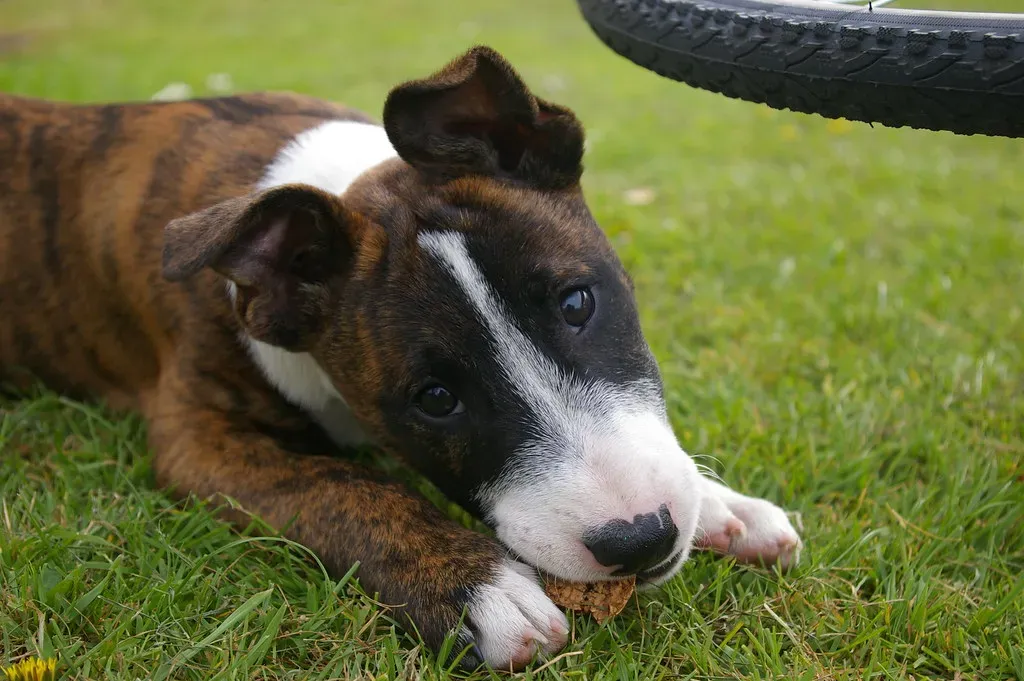
Dogs are curious creatures who explore the world through sight, sound, smell, and taste, using their mouths much like humans use hands. They’re not actually tasting your expensive shoes; they’re feeling them, understanding them.
This is especially true for puppies and newly adopted dogs in unfamiliar environments. Everything is novel and interesting. Both wild and domestic dogs naturally spend hours chewing bones, which keeps their jaws strong and teeth clean. It’s hardwired into their DNA.
Start by providing an abundance of appropriate items with various textures and shapes, and simply offer an appropriate toy when they chew something wrong. Make the right choices more appealing than the wrong ones. Rotate toys regularly to keep the novelty factor alive. What was boring last week might be exciting again after a few days in the toy drawer.
Hunger and Nutritional Needs
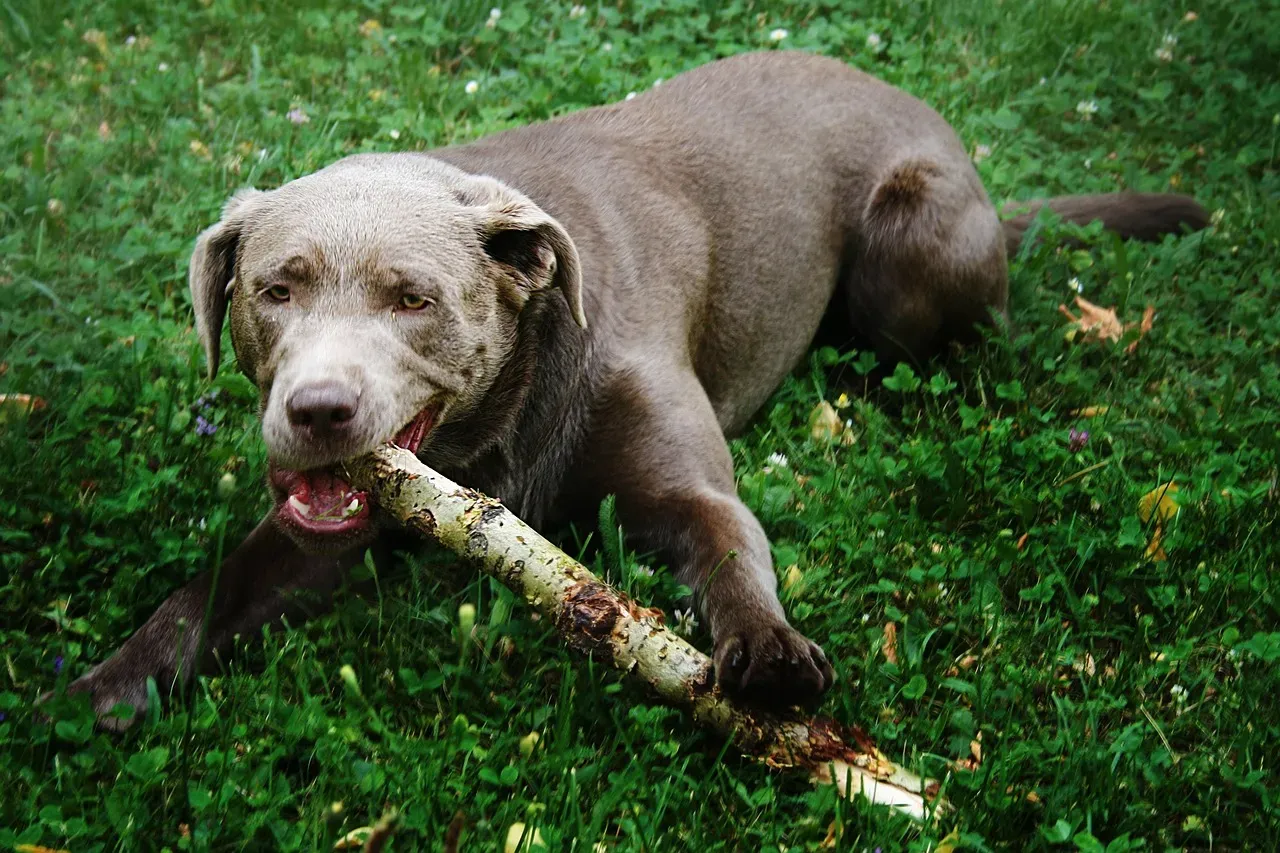
A dog on a calorie-restricted diet might chew and destroy objects attempting to find additional nutrition. Let’s be real, we’ve all felt hangry before. Dogs experience the same frustration when their dietary needs aren’t fully met.
Dogs on low-calorie diets often chew objects related to food or items that smell like food, such as plastic bowls. If you notice this pattern, it’s worth having a conversation with your vet. Maybe the portion sizes need adjusting, or perhaps the food itself isn’t providing enough satiety.
Offering food puzzle toys can help stretch out mealtimes and give your dog a sense of satisfaction. These toys make them work for their food, providing mental stimulation while also filling their bellies. Sometimes it’s not about how much they eat but how long the eating experience lasts.
Attention-Seeking Behavior

Here’s the thing: some dogs chew because they receive attention, even negative attention, from owners each time they chew, inadvertently rewarding the behavior. Your dog has learned that grabbing the remote gets you to immediately engage with them, even if you’re yelling.
Don’t reward inappropriate chewing; some owners who catch their dog gnawing furniture scold them and then give a treat, which actually encourages the behavior. It sounds counterintuitive, but it happens more often than you’d think. Instead, redirect their attention to an appropriate toy and praise them when they make the switch.
Supervise your dog during waking hours, and if you see them chewing something inappropriate, say “Uh-oh,” remove the item, insert something they can chew, then praise them. Timing matters. Corrections only work in the moment. Yelling at your dog hours after they’ve chewed something is completely ineffective because they won’t connect your anger to their earlier action.
Conclusion
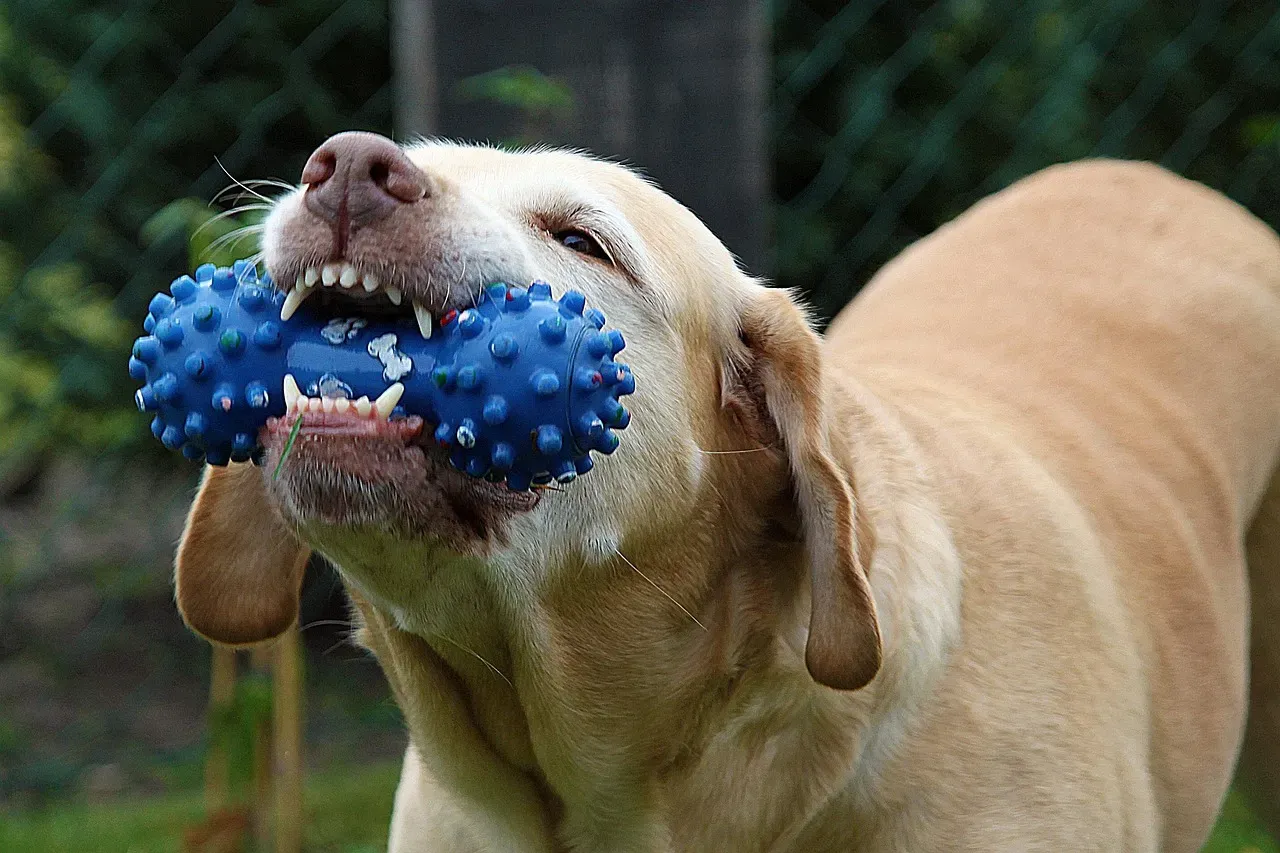
Understanding why your dog chews is the first step toward solving the problem. Whether it’s teething pain, boredom, anxiety, natural curiosity, hunger, or attention-seeking, there’s always a reason behind the behavior. The good news? With patience, consistency, and the right approach, you can redirect that chewing energy toward appropriate outlets.
Remember that chewing itself isn’t bad; it’s actually healthy and natural for dogs. Your job is simply to guide them toward what’s acceptable. Provide plenty of appropriate toys, ensure they’re getting enough exercise and mental stimulation, and address any underlying anxiety or dietary issues with your vet.
Most importantly, stay patient with your furry friend. They’re not trying to frustrate you. They’re just being dogs, doing what comes naturally. What’s been your biggest chewing challenge? Sometimes sharing experiences helps us all feel a little less alone in the chaos.


