
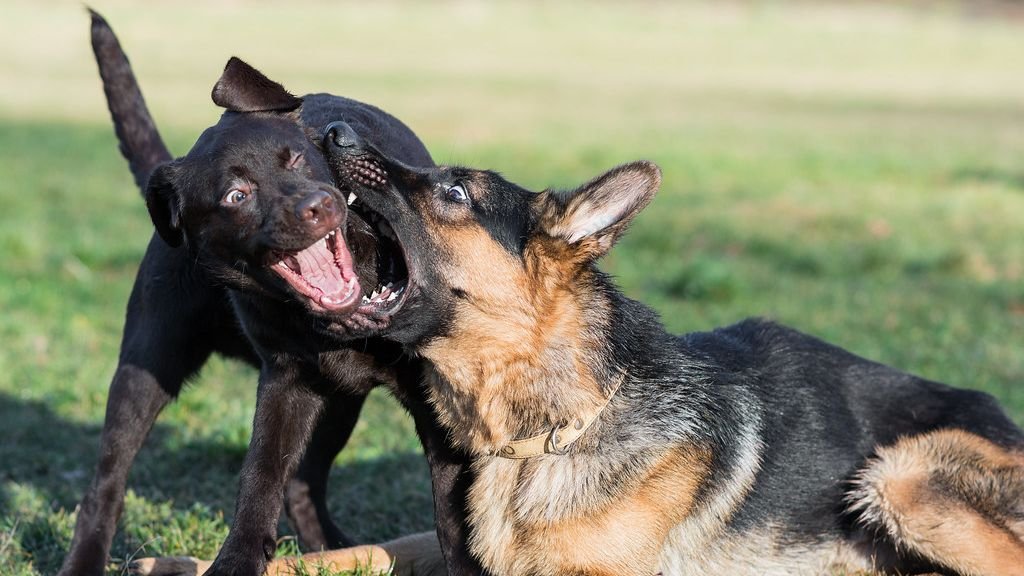
Let’s be real, nobody likes to think of their beloved four-legged companion as anything but a gentle soul. We picture our dogs as furry best friends who just want belly rubs and treat time. Yet here’s the thing: some breeds carry an intensity in their play that can cross the line from fun to frightening in just seconds. It’s not about demonizing these dogs or slapping unfair labels on them. Rather, it’s about understanding that certain breeds were bred for jobs demanding strength, tenacity, and quick reactions, and those traits don’t just disappear during playtime.
Honestly, these dogs aren’t inherently mean or vicious, but their play style can become rough, unpredictable, and potentially dangerous when not properly managed. Whether it’s a nip that turns into a bite or a playful pounce that knocks over a child, knowing which breeds require extra vigilance during play can make all the difference. Let’s dive in and explore six breeds whose enthusiastic play demands your attention and understanding.
Siberian Huskies: The Relentless Sledding Spirits
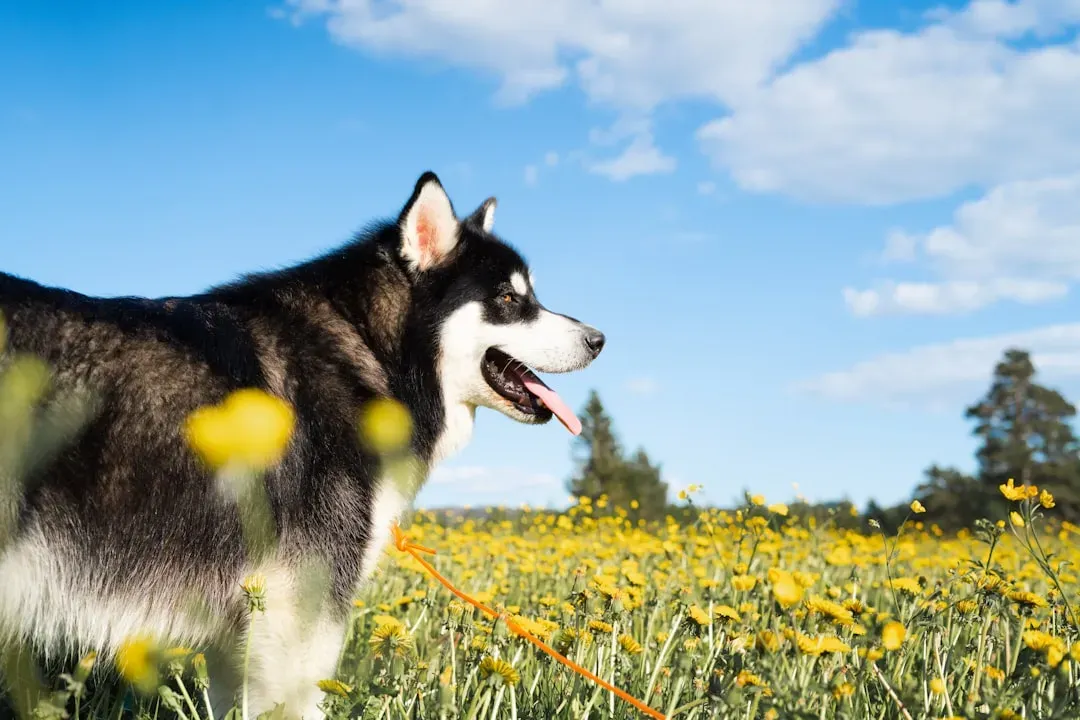
Picture a dog designed to pull sleds across frozen tundra for hours without stopping. Siberian Huskies were bred as endurance sled dogs with high stamina, requiring strenuous daily exercise or boredom will ensue. When that relentless energy gets channeled into play, things can escalate fast.
These gorgeous dogs possess an independent streak that makes training challenging. Huskies can be challenging to navigate for first-time dog owners, as they are independent and stubborn in nature, making them among the hardest dogs to train. During play sessions, they might ignore your commands to stop or calm down, continuing to wrestle or mouth even after other dogs signal they’ve had enough.
Alaskan Malamutes have a strong prey drive and can be aggressive toward smaller animals, and Huskies share similar tendencies. Their play can quickly shift into predatory behavior, especially around smaller pets or children who run and squeal. That combination of high energy, prey drive, and stubbornness creates a cocktail that requires constant supervision.
Watch for hackles raised along the back, stiff body posture, or relentless chasing that doesn’t include the playful pauses most dogs naturally take. If your Husky refuses to back off when another dog rolls over submissively, intervention is needed immediately.
Rottweilers: Gentle Giants With a Protective Edge
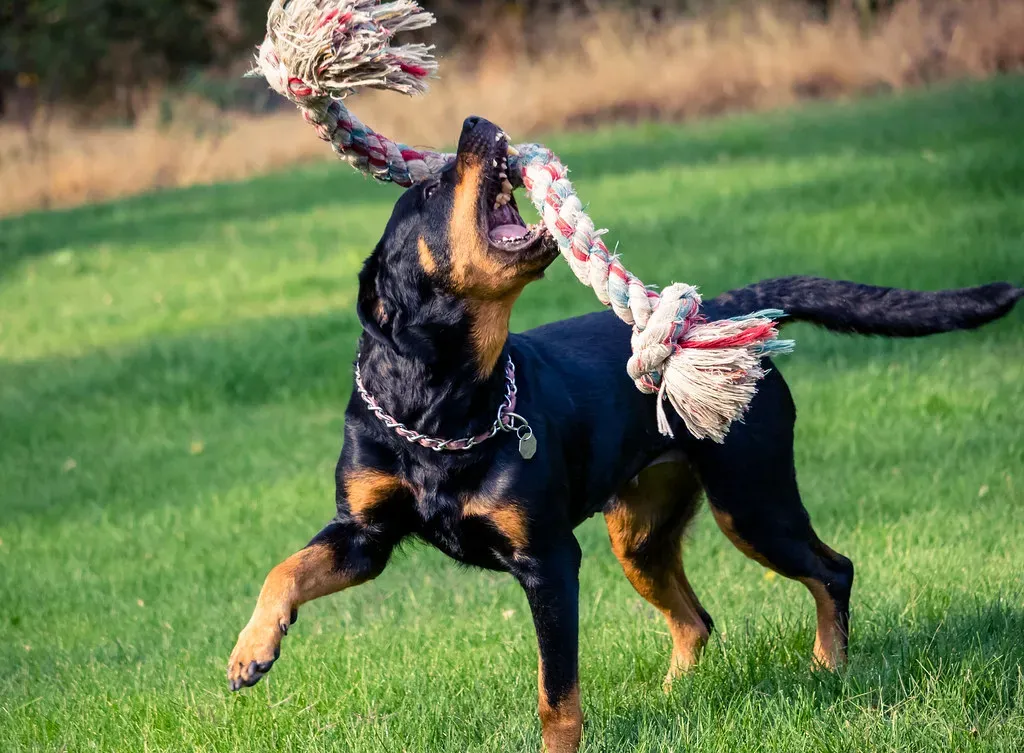
Rottweilers can be loving family dogs or aggressive protectors depending on their upbringing, with their thick stocky frame topping 150 pounds and naturally protective and territorial qualities. When these massive dogs play, their sheer size and strength become the issue, even when intentions are pure.
A playful body slam from a Rottweiler can send an adult sprawling, let alone a child. Their play often involves body checking, wrestling, and powerful jaw pressure that, while inhibited, still feels intimidating. In the hands of dedicated owners, Rottweilers can be well-socialized and trained to become docile family pets, though consistent supervision is still recommended.
The danger intensifies when their protective instincts kick in during play. A Rottie might misinterpret rough play between children as a genuine threat and step in aggressively. Their territorial nature means they may also resource guard toys during play sessions, snapping at anyone who approaches their prized ball.
Look for stiff tail carriage, direct staring, or a sudden freeze during play. These signals suggest the dog has shifted from playful to protective mode, and you need to create distance quickly before things escalate.
German Shepherds: Intelligence Meets Intensity
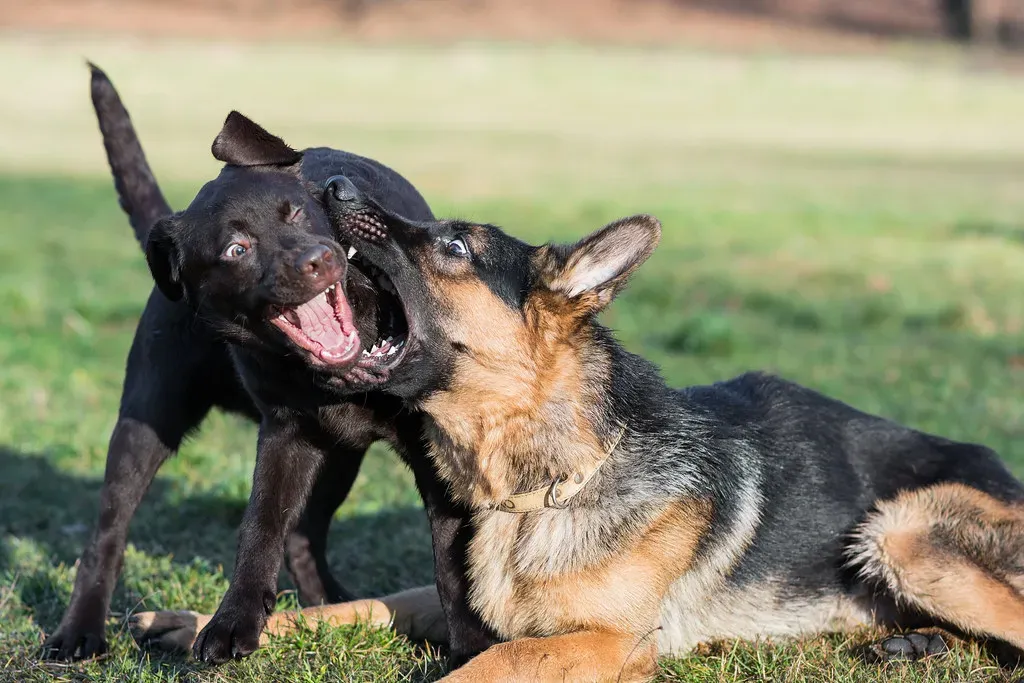
German Shepherds are highly intelligent working dogs who have fulfilled roles as police, guide, and search-and-rescue dogs, with their regal stature and intensity making them appear intimidating at a glance. That intensity doesn’t vanish when they’re playing fetch in the backyard.
These dogs play with purpose and focus. Their herding background means they might nip at heels, circle playing children, or attempt to control movement through physical intervention. Some aggressive behavior in German Shepherds can result from natural wariness of strangers and people they haven’t built trust with, though they can make safe family pets if exposed to different people and animals at a young age.
I think what makes German Shepherds particularly tricky is their ability to switch from playful to serious in milliseconds. One moment they’re happily chasing a ball, the next they’ve detected something they perceive as threatening and their entire demeanor changes. Their play can include harder biting, persistent barking, and body blocking that feels less like fun and more like control.
Watch for ears pinned forward in alert mode, lowered head with intense eye contact, or excessive vocalization during play. These behaviors suggest the dog is becoming overstimulated and might react defensively if play continues.
American Pit Bull Terriers: Powerful Players With Tenacity
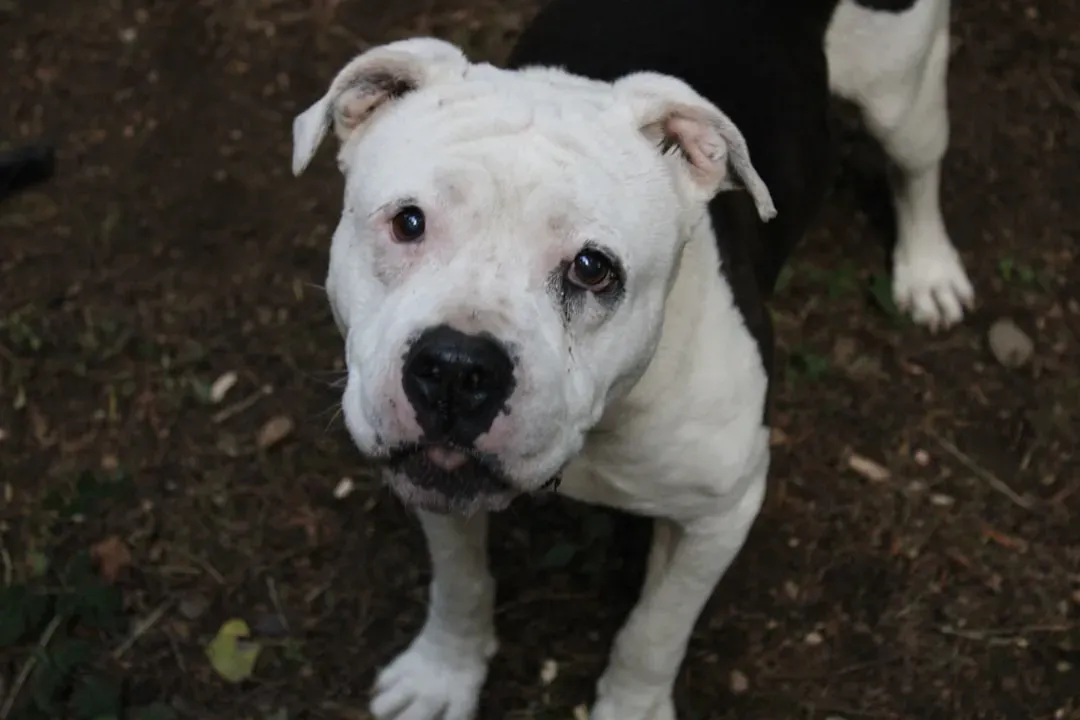
The American Pit Bull Terrier tops many lists of dangerous breeds, known for its muscular build and powerful bite, originally bred for blood sports. Yet many Pit Bull owners will tell you their dogs are total sweethearts who just don’t know their own strength during play.
The challenge with Pit Bulls lies in their incredible jaw strength and their tendency to not recognize pain signals from other dogs. Dogs play fighting with teeth is not alarming, as many canines love softly mouthing each other, and well-socialized pups will adjust their grip if they accidentally bite too hard. However, Pit Bulls sometimes lack that adjustment mechanism, continuing to clamp down even when their play partner yelps.
Their terrier heritage means they possess remarkable determination. Once engaged in play, they can become fixated, ignoring commands to stop or release. This tenacity, combined with their muscular build, creates scenarios where play quickly crosses into dangerous territory, especially with smaller dogs or children.
Monitor for locked jaw posture during tug games, refusal to drop toys on command, or growling that sounds more serious than playful. If the dog’s body becomes rigid rather than loose and bouncy, separate them immediately and provide a cooling-off period.
Doberman Pinschers: Alert Guardians in Constant Motion
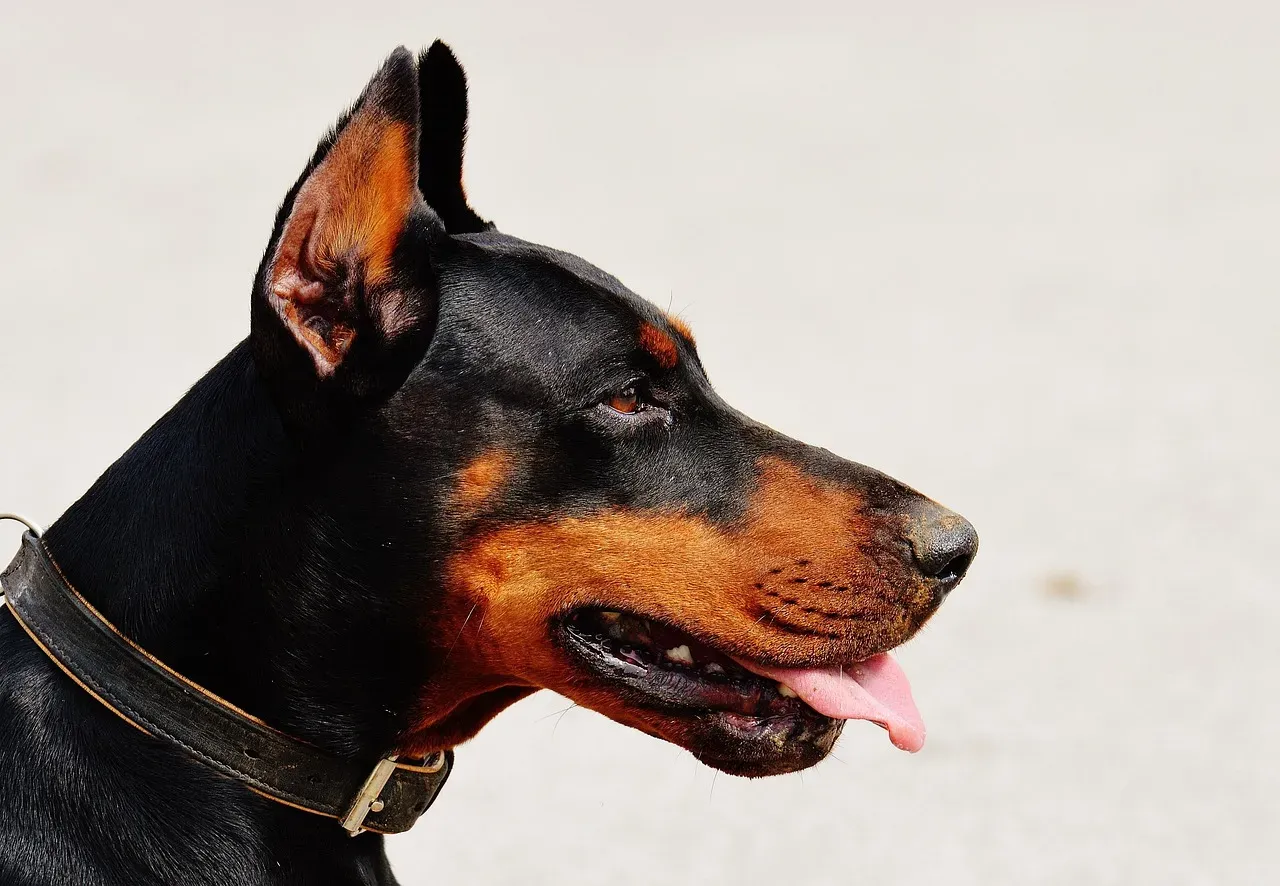
Doberman Pinschers were originally bred as personal protection dogs, and without basic obedience training and mental stimulation, they may exhibit aggressive behavior toward other animals or people. Their sleek, athletic build allows them to move with startling speed during play sessions.
Dobermans combine high intelligence with strong protective instincts, making their play unpredictable. They might be happily romping one second, then suddenly perceive a threat and switch into guard mode. Doberman Pinschers are among the most intelligent breeds, frequently used as police and guard dogs, though unsocialized Dobermans tend to be highly suspicious of strangers and may respond accordingly if they feel threatened.
Their play style tends toward the intense end of the spectrum. They love chasing, leaping, and wrestling with considerable force. Without proper socialization, this intensity can morph into genuine aggression, particularly around unfamiliar people or animals entering their perceived territory during playtime.
Pay attention to excessive barking during play, stiff-legged bouncing rather than fluid movement, or ears pinned back rather than relaxed. These cues indicate heightened arousal that could tip into aggressive responses if someone makes an unexpected move.
Jack Russell Terriers: Small But Mighty Troublemakers
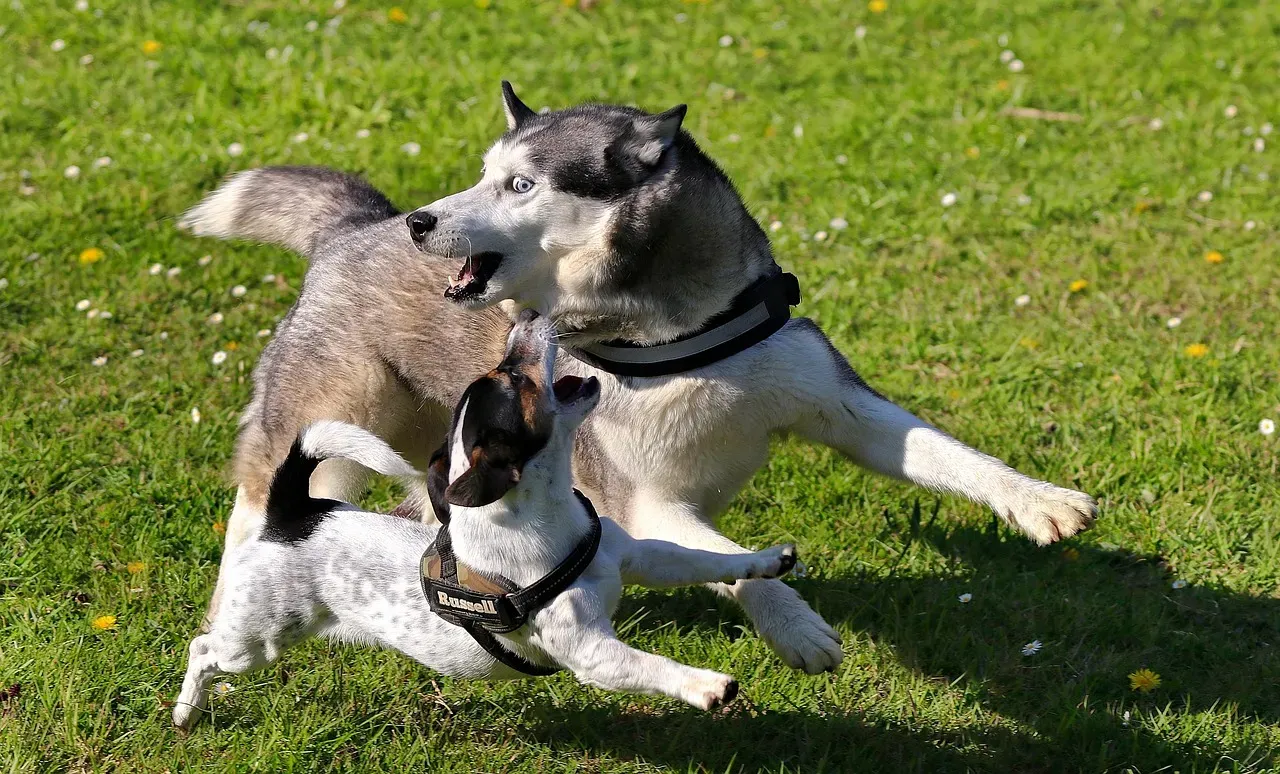
Don’t let their compact size fool you. Jack Russell Terriers are small dogs with exceptionally high energy levels, bred to hunt foxes with considerable stamina, needing plenty of exercise and mental stimulation to stay happy. These little dynamos pack more energy and attitude than dogs three times their size.
Jack Russells play with a ferocity that startles people who expect a small dog to be delicate. They’re fearless, often challenging much larger dogs and refusing to back down. Jack Russell Terriers are known for their playfulness, curiosity, and athleticism, with a strong prey drive requiring early training to help break instinctual habits.
Their terrier background means they were designed to chase and catch prey that goes underground. That translates to play that involves relentless pursuit, quick snapping movements, and surprising bite strength for such small jaws. They can nip at ankles, grab pant legs, and become possessive over toys during play sessions.
Look for targeting behavior where they fixate on movement, rapid jumping and snapping at faces or hands, or refusal to disengage when play partners try to walk away. If your Jack Russell growls over a toy or snaps when you try to interrupt play, that’s a red flag requiring immediate attention and training intervention.
Understanding the Bigger Picture
Here’s what I need you to understand: Breed is not the sole determinant of a dog’s behavior, as genetics, training, socialization, and environment all play critical roles. These six breeds don’t deserve to be written off as dangerous monsters. They’re intelligent, loyal, and capable of being wonderful companions when raised properly.
The issue isn’t that these dogs are inherently aggressive during play. Rather, they possess physical traits and behavioral tendencies that require knowledgeable, consistent management. While genetics can play a role, environment, training, and socialization are crucial factors, and any dog can become aggressive under the wrong circumstances.
Early socialization is everything with these breeds. Exposing them to various people, animals, and situations while they’re puppies teaches them appropriate play behavior and bite inhibition. Without that foundation, their natural intensity can manifest as problematic roughness during play.
Watch for the difference between playful body language and aggressive signals. The play bow position with lowered front legs and elevated rear is an invitation to play, and well-socialized dogs will take short timeouts to signal they’re still non-aggressive. If those pauses disappear and play becomes relentless, it’s time to intervene.
A dog that experiences fear, anxiety, frustration, or pain may be less tolerant of perceived threats and may respond with an aggressive display. Sometimes what looks like aggressive play is actually a dog communicating discomfort that we’ve failed to recognize.
Proper training and adequate exercise prevent most aggressive play incidents. These high-energy breeds need jobs, mental challenges, and physical outlets for their considerable stamina. When those needs go unmet, play becomes the outlet for pent-up frustration and energy, often resulting in roughness that crosses boundaries.
Did you have any idea that your dog’s enthusiastic play might actually be a warning sign? Understanding these six breeds’ tendencies isn’t about fear, it’s about respect for their power and commitment to raising them responsibly. What steps are you taking to ensure your dog’s play stays safe for everyone involved?


