
You’ve probably heard the saying that there are no bad dogs, just misunderstood ones. That’s mostly true. Yet if you spend any time chatting with animal shelter workers, you’ll notice a pattern. Certain breeds show up more frequently than others, not because they’re flawed, just because they’re bursting with energy that owners couldn’t quite match.
These aren’t the calm lap dogs who lounge around. We’re talking about powerhouse pups who need jobs, serious exercise routines, and mental stimulation that rivals a puzzle competition. When those needs aren’t met, shelters become overwhelmed, kennel workers get exhausted trying to keep them settled, and the dogs themselves struggle. Let’s dive into six dog breeds that shelter staff wish would just take it down a notch sometimes.
Belgian Malinois: The Relentless Workaholics
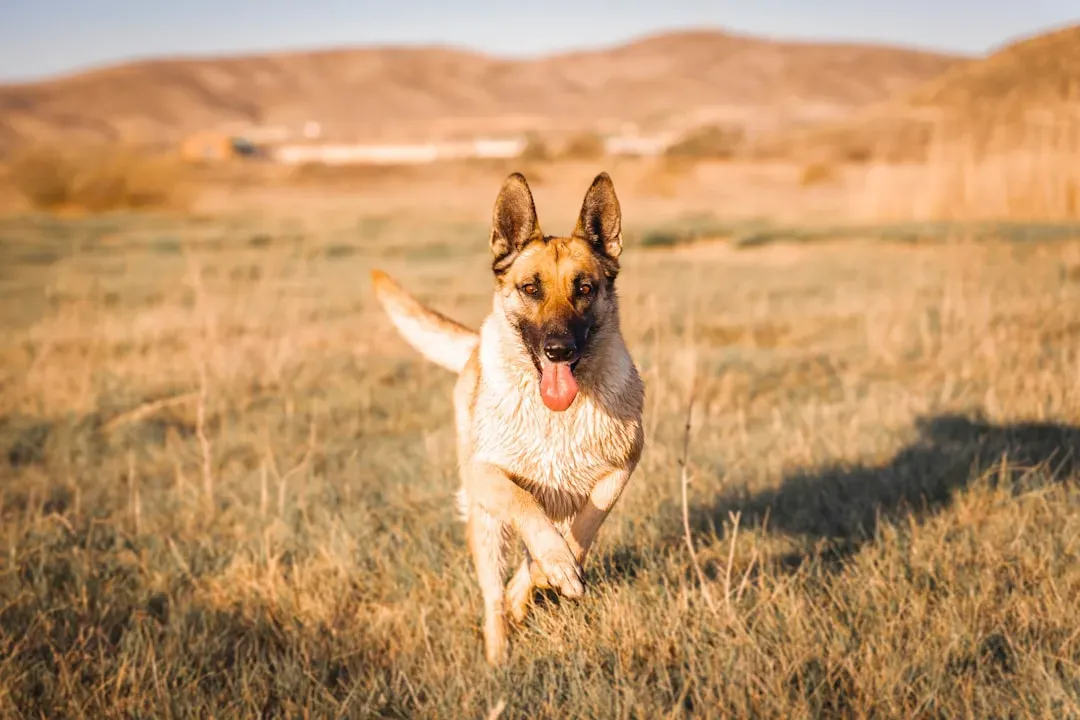
According to many experts, Belgian Malinois is the most energetic dog breed. Think about that for a moment. The most energetic. First-time dog parents should think twice before adopting a Belgian Malinois since they might feel overwhelmed by the dog’s energy levels, and a short walk will not suffice for them.
A Belgian Malinois needs substantial daily exercise – typically 2-3 hours of intense physical activity combined with mental challenges. These dogs were bred for police and military work, and that drive doesn’t disappear just because they’re living in a suburban home. I think that’s the critical misunderstanding.
If a Belgian Malinois doesn’t get enough mental and physical stimulation, they can quickly become bored, leading to destructive behaviors like chewing, digging, or excessive barking. Shelter workers see this constantly. Families adopt these stunning dogs without fully grasping the commitment required, then surrender them when the furniture gets destroyed.
Border Collie: Too Smart for Their Own Good
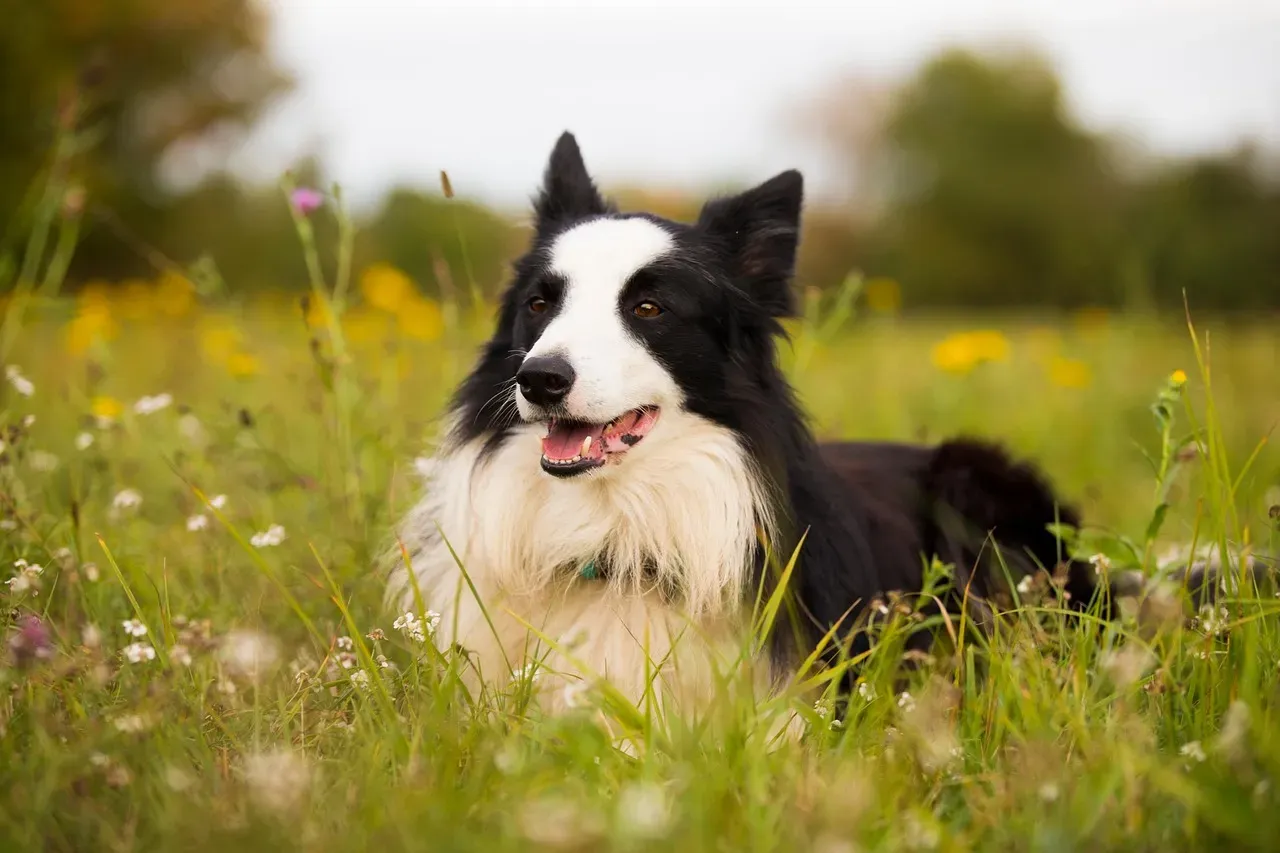
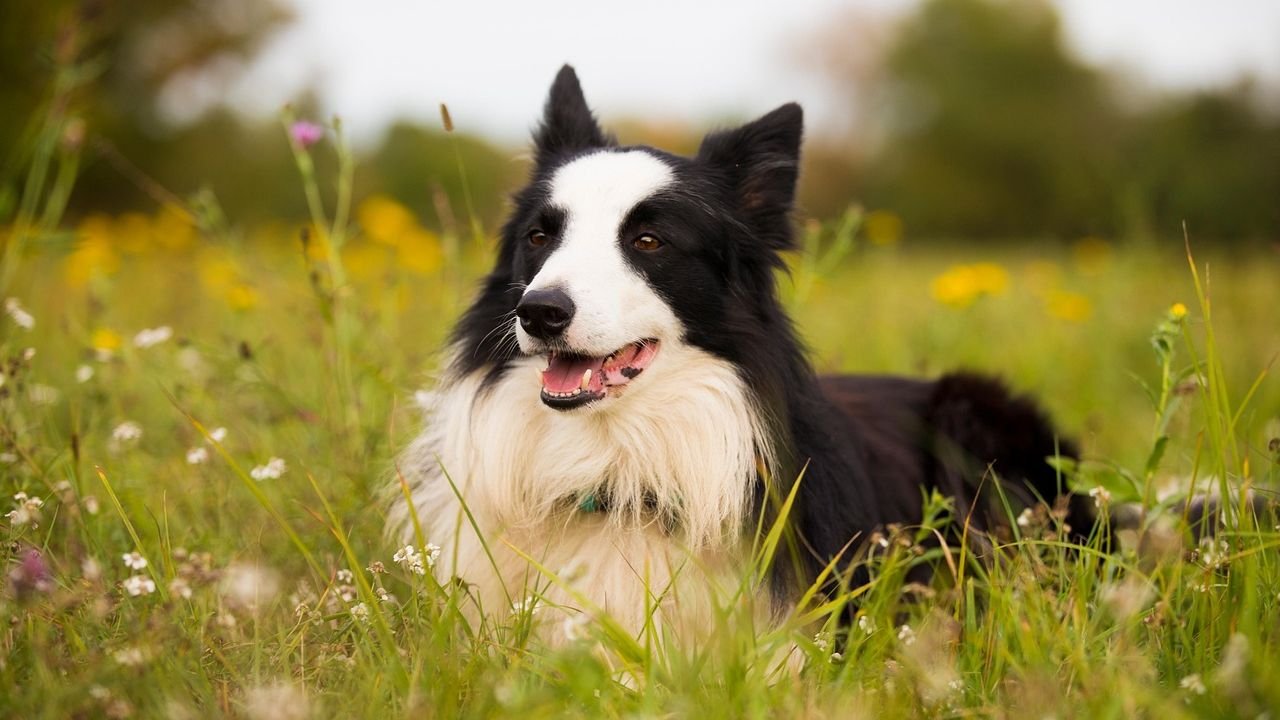
This is one of the leading reasons for the number of young Border Collies in shelters every day, as if you aren’t ready for a herding breed’s drive and energy, they can be exhausting. Here’s the thing about Border Collies. They’re brilliant.
This breed is recommended for active people with time to spare as they require around 2 hours of exercise a day, and this is a big demand. Yet it’s not just about physical exertion. Just like humans, smart dogs can use their brains for good or for mischief, and a smart Border Collie needs lots of training, work, and reminders.
Border Collies are very smart and require a lot of mental and physical exercise, which can be overwhelming for people who aren’t prepared, and without proper outlets for their energy, they can become understandably frustrated, leading to behavioral issues such as excessive barking or destructive behavior, which often results in them being surrendered. Shelter staff watch these dogs pace endlessly in kennels, desperate for something to do.
Siberian Husky: Escape Artists with Endless Stamina
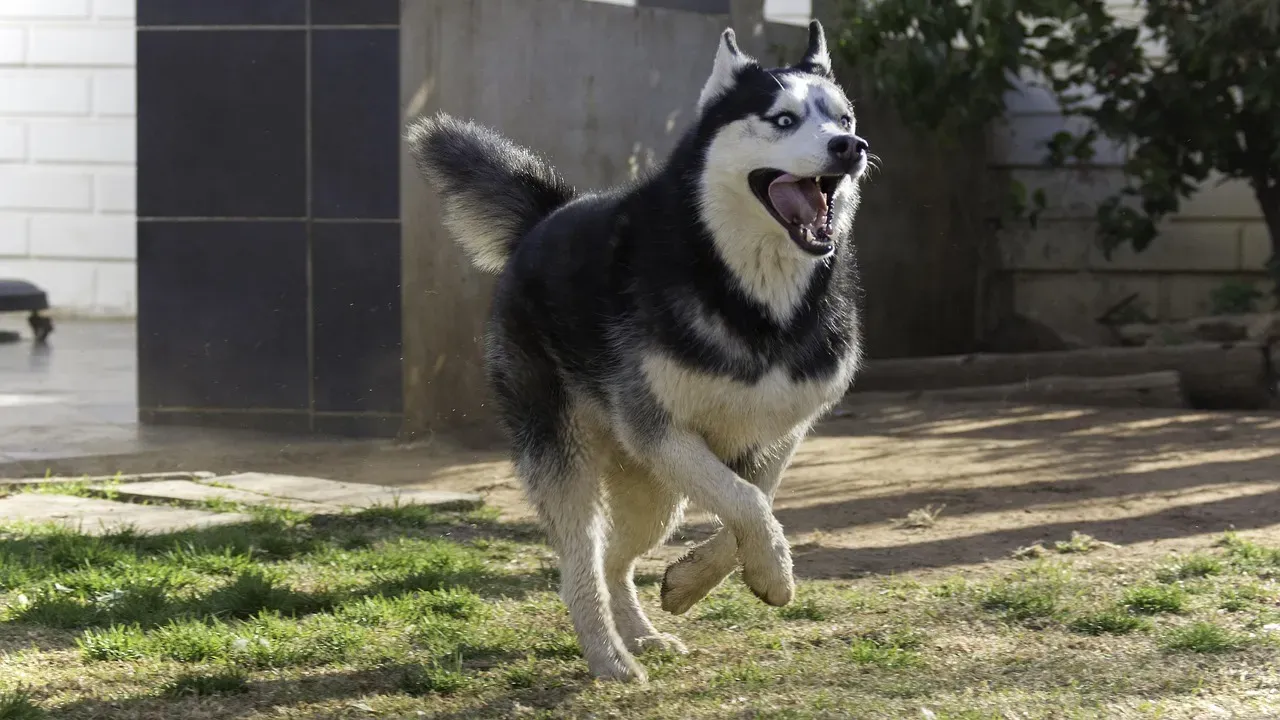
The main reason why huskies are such hard work for most people is because of how much exercise they require every day, needing at least 2 hours of exercise daily, which is one of the highest out of any dog breed. Let’s be real about Huskies. They’re gorgeous, photogenic, and utterly exhausting.
Due to their high popularity combining with their high physical and mental needs, Siberians are abandoned or surrendered to shelters at high rates by new owners who do not research them fully. It’s heartbreaking, honestly. Many Huskies end up in shelters due to owners underestimating their exercise needs or inability to contain them properly.
They have been described as escape artists, which can include digging under, chewing through, or even jumping over fences. Shelter workers deal with constant returns because these dogs figured out how to unlock gates or squeezed through impossibly small gaps. The intelligence that makes them so captivating also makes them nightmare-level challenging.
Australian Shepherd: Perpetual Motion Machines
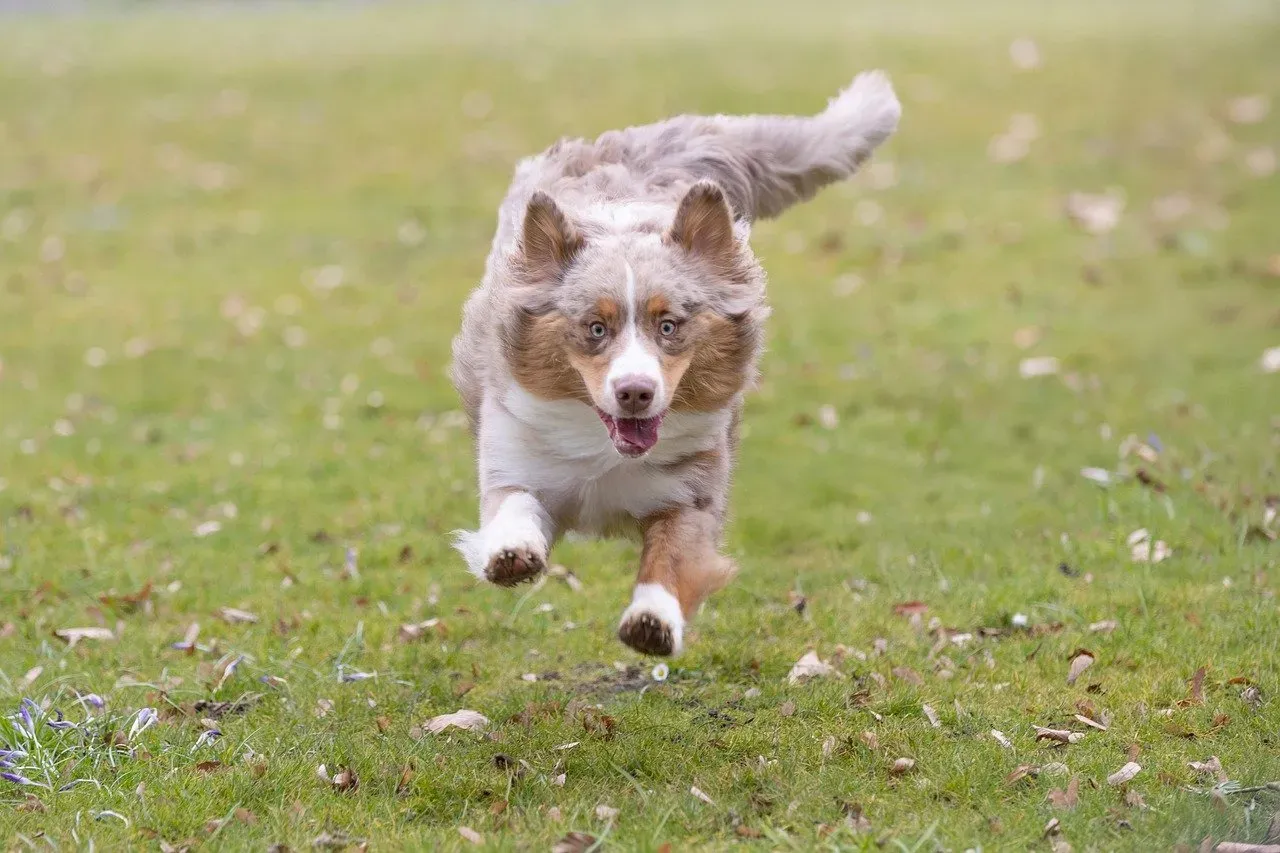
Chicago and Denver both have Australian Shepherds and Australian Cattle Dogs near the top of their lists, energetic herding dogs that flourish when they have a job to do. Australian Shepherds are stunningly beautiful with their varied coat colors and bright eyes. They’re also nearly impossible to tire out.
These dogs were bred to work livestock all day long. Without sheep to herd, they’ll try herding children, cats, or even the vacuum cleaner. Shelter kennels are particularly difficult environments for Aussies because they need space to run and tasks to complete. Watching them circle their kennels obsessively is tough on everyone involved.
High-energy dogs require a significant amount of daily exercise and mental stimulation. When Australian Shepherds don’t get what they need, the results are predictable. Destroyed property, constant barking, and neurotic behaviors that make rehoming them even harder.
Jack Russell Terrier: Small Dogs, Enormous Energy

Don’t let their compact size fool you. This small but highly energetic breed can be challenging without proper training, and despite their size, they need rigorous daily exercise to avoid boredom-related behaviors like digging and barking, which often leads to Jack Russells becoming one of the most common breeds in shelters.
Jack Russell Terriers were bred to work and have tons of energy, loving walking, running, and tagging along to whatever their owners are doing, excelling at activities like dog sports, training, puzzle-solving, chasing, and more. Shelter workers know these little terriers are escape artists who will test every boundary.
They get into trouble, and if they cannot find trouble, they create it, and if bored, they can apply their extreme intelligence in destructive ways. I know it sounds dramatic, yet it’s accurate. Jack Russells in kennels become bored quickly, and bored Jacks are trouble waiting to happen.
Dalmatian: Endurance Runners Trapped Indoors
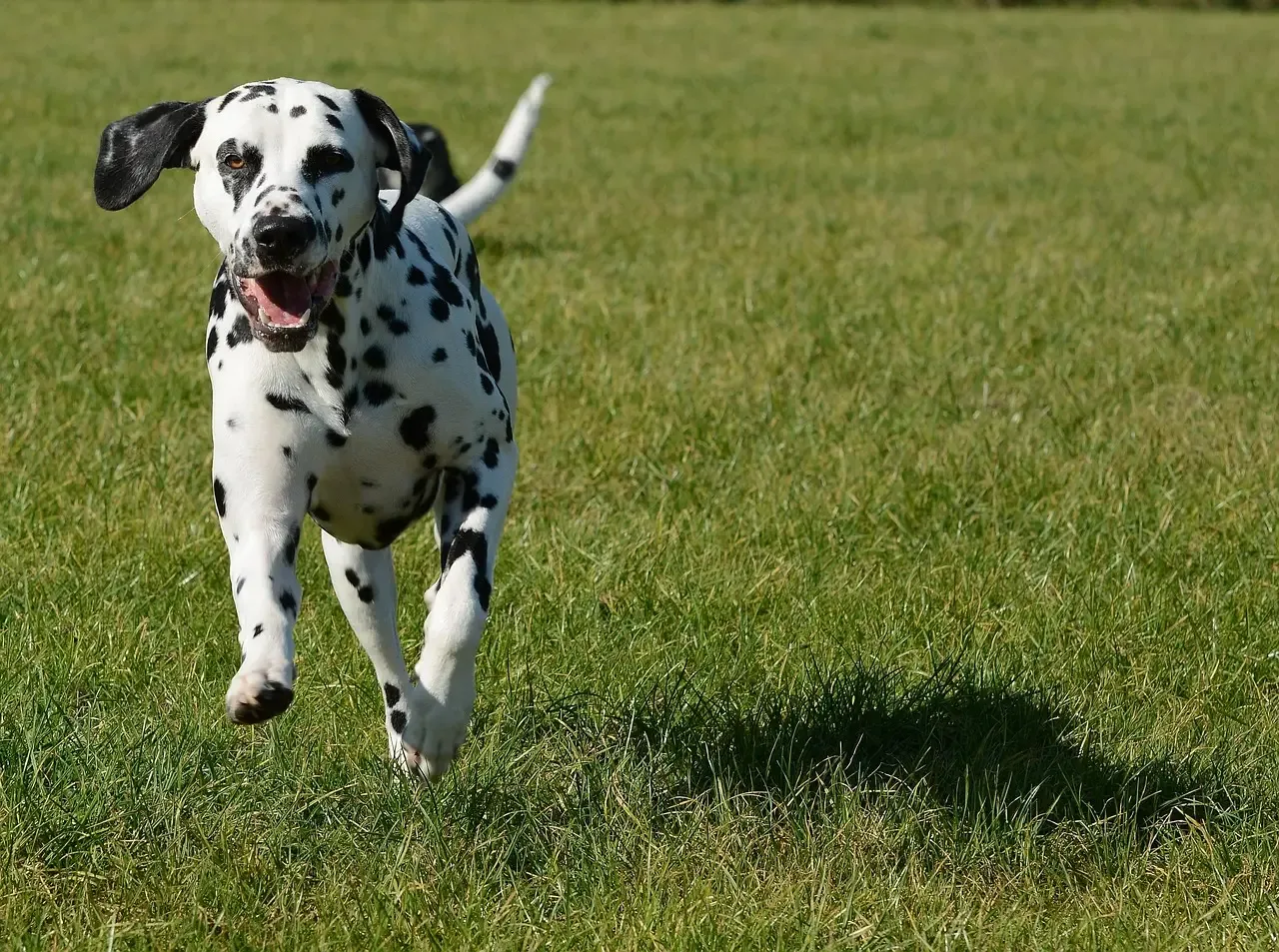
These white and black dogs not only make wonderful Disney characters, but they are active dog breeds who used to run with horses, and Dalmatians still have the same stamina. That’s the core issue right there. Stamina built for running alongside carriages doesn’t translate well to apartment living.
If they are not assigned an adequate job, the dogs can become one of the most hyper dog breeds and develop behavioral challenges, including developing the tendency to bark at anything and everything. Shelter staff see Dalmatians surrendered when families realize the cute spotted puppy from the movie needs hours of running daily.
They were also described more often as having behavioural problems regarding aggression and high arousal. High arousal doesn’t mean aggressive necessarily. It means these dogs are wound tight with unused energy, making them reactive and difficult to manage in shelter environments. They need outlets that most families simply can’t provide consistently.
Conclusion

The pattern is clear. These six breeds end up in shelters not because they’re bad dogs, rather because their energy levels and working dog instincts clash with modern family life. Shelter workers adore these breeds when placed correctly. They just wish more people understood the commitment before bringing one home.
If you’re considering adopting any of these powerhouses, ask yourself honestly whether you can provide what they need. Daily vigorous exercise, mental challenges, training sessions, and patience through the learning curve. These dogs deserve homes where their energy is celebrated, not seen as a burden. What do you think? Could you keep up with one of these incredible breeds?


