
When your doorbell rings, does your heart skip just a bit? Not because you’re nervous about company, but because you know your dog might react in ways that make everyone a little uncomfortable. Maybe there’s barking that won’t stop. Perhaps your beloved pup retreats to a corner, visibly shaking. Or worse, you worry about a growl or snap directed at someone you care about.
Here’s the thing about dogs. They’re not all golden retrievers bounding to the door with toys in their mouths. Some breeds carry instincts so deeply woven into their DNA that socialization alone can’t always smooth the rough edges. If your home sees a steady stream of visitors, whether it’s family dropping by unannounced or friends gathering for dinner, certain breeds simply struggle with that lifestyle. It’s not about being a bad dog. It’s about being the wrong fit. Let’s explore which breeds might turn your welcoming home into a minefield of stress for everyone involved.
Akita: The Noble Guardian Who Doesn’t Share Well
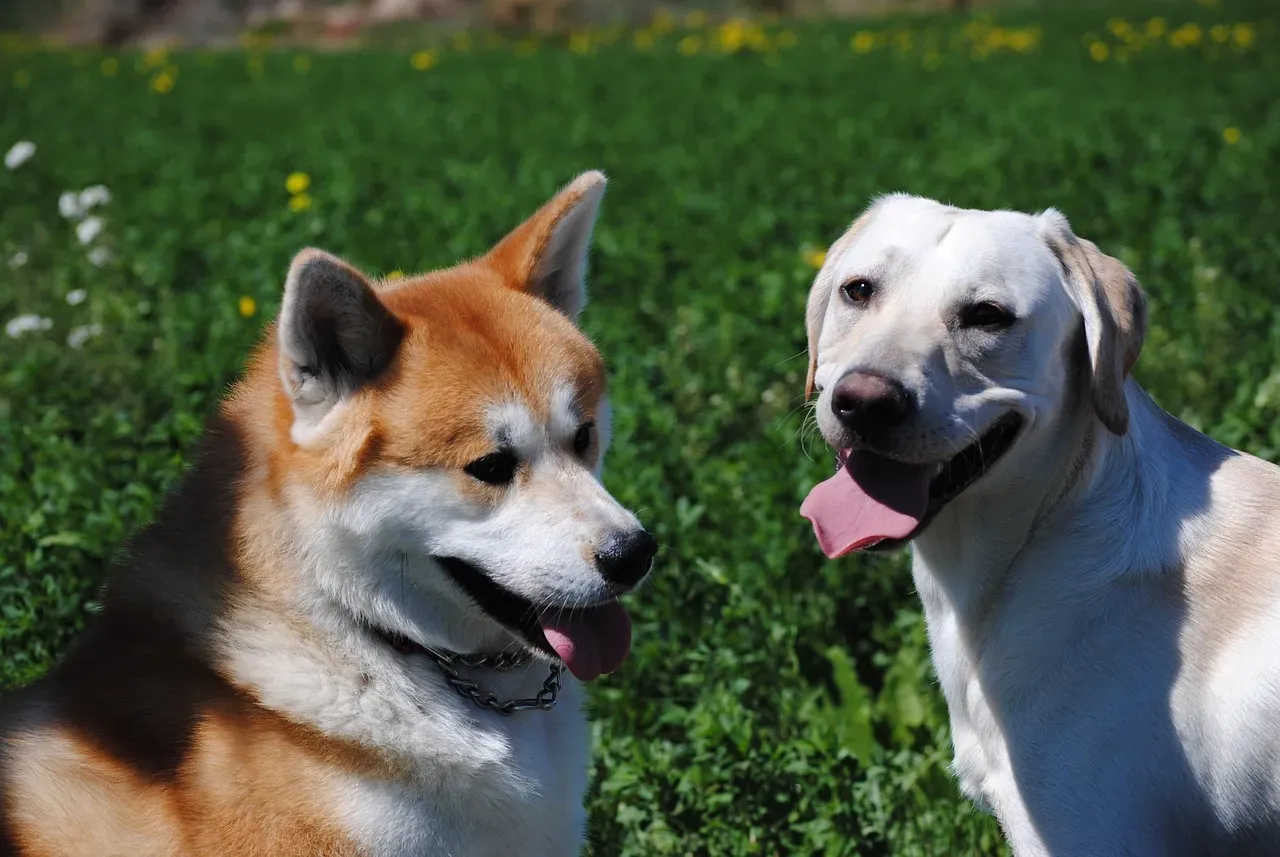
Akitas are fiercely loyal to their families yet often aloof with strangers and can act reserved or distant when meeting new people, making them reliable guardians but not the friendliest companions for guests. When you invite someone into your space, an Akita might not see a friend. They see a potential threat to their territory and the people they’ve sworn to protect.
With roots tracing back to feudal Japan, the Akita was bred for its unwavering loyalty and natural guarding instincts, originally used to protect nobility and track game. That protective drive doesn’t simply vanish because you say someone is welcome. They are deeply loyal to one or two people but may be aloof toward others, creating challenges for households with frequent guests or younger children. You might find yourself constantly managing introductions, keeping your Akita separated, or explaining to visitors why they shouldn’t try to pet your dog.
Chihuahua: Small Dog, Giant Territorial Attitude
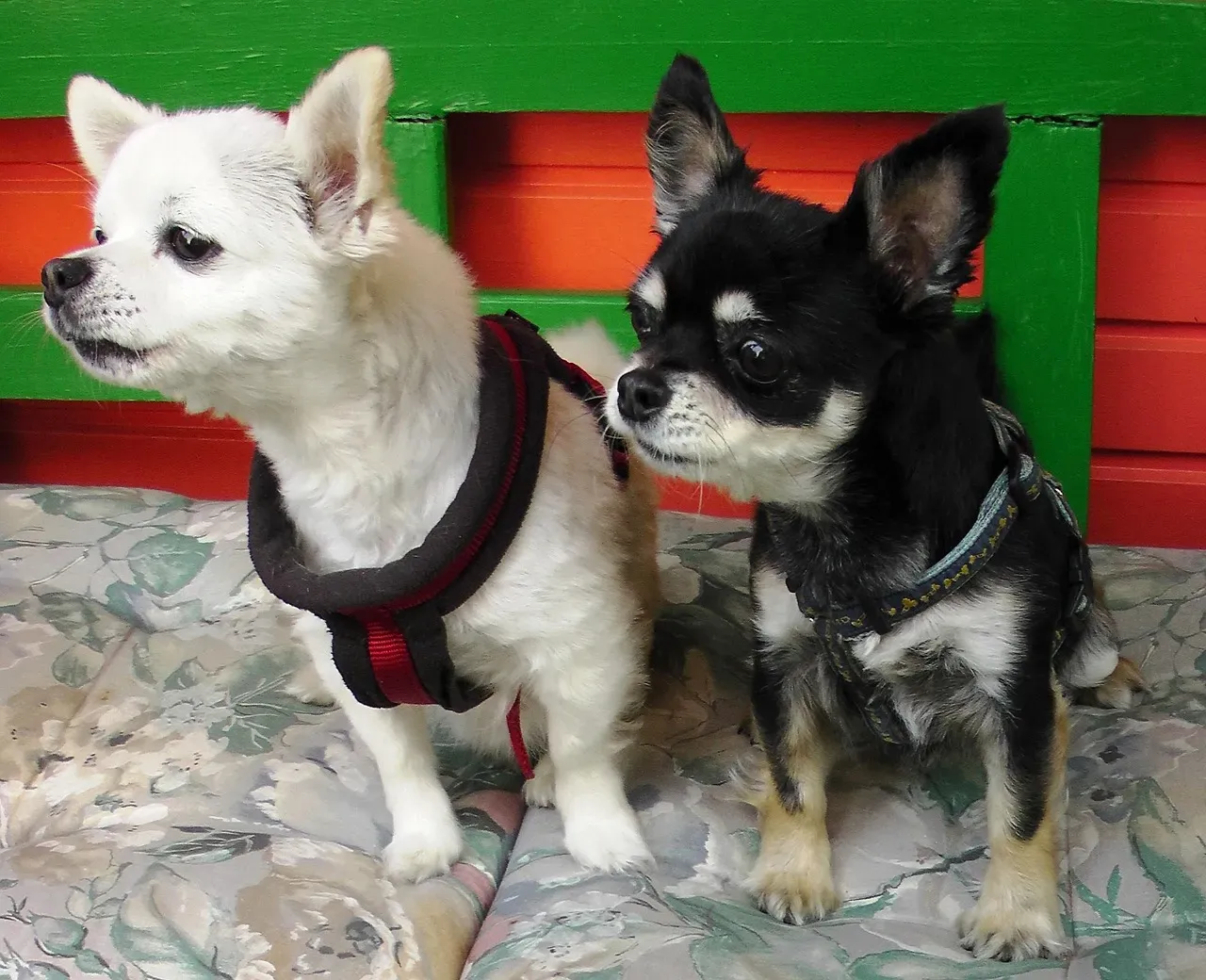
Let’s be real. Chihuahuas get a bad reputation, but it’s often earned. Many Chihuahuas act as though they are guard dogs, barking at strangers or other animals, making first meetings less than friendly for those unfamiliar with the breed, and their personality makes them charming to owners but challenging to guests. When the doorbell rings, expect a symphony of high-pitched barking that might not stop until your visitor leaves.
While Chihuahuas can be affectionate with their owners, they don’t do well with young children, can become defensive around children who are too young to understand boundaries, and are very protective and can become snappy or nippy around people they don’t know well. Their tiny size makes them feel vulnerable, so they compensate with attitude. With their diminutive stature, Chihuahuas often feel vulnerable in many situations, leading to defensive or anxious behaviors, and their small size can make them feel threatened around larger dogs, causing them to react aggressively or nervously in an effort to protect themselves. If you host dinner parties or have kids running through your house regularly, a Chihuahua might spend the entire time stressed, snapping, or hiding.
Chow Chow: The Fluffy Introvert With Boundaries
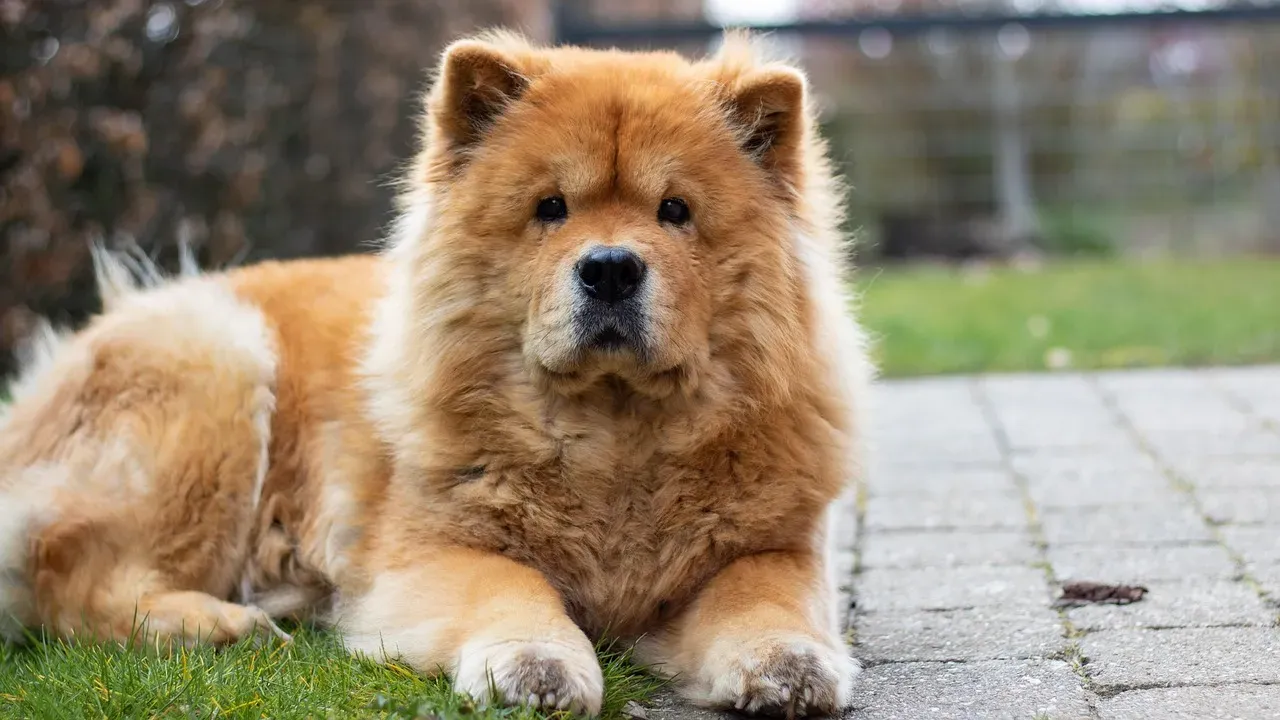
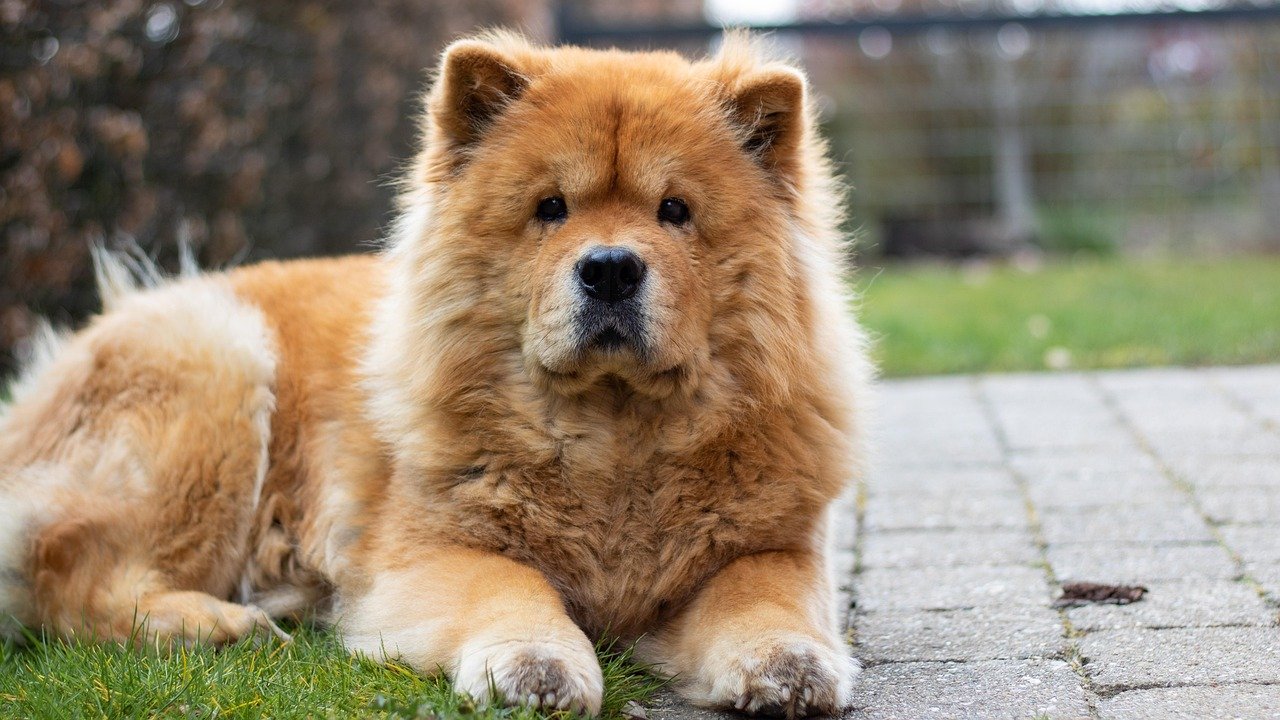
With family, they can be loyal and devoted, but strangers are often met with suspicion, and this protective instinct makes them good watchdogs but also less than welcoming to guests, though they are not aggressive without cause. Picture a dog that looks like a teddy bear but has the personality of a cat who barely tolerates your existence. That’s a Chow Chow with strangers.
Meeting a Chow Chow for the first time often feels different from meeting many dogs, as their calm but distant personality, combined with their imposing look, can be intimidating, and they are not naturally playful greeters, but rather reserved companions who take time to warm up. They won’t rush to sniff your guest’s hand or wag enthusiastically. Instead, they’ll watch from across the room with an expression that says, “I’m judging you, and I’m not impressed.”
These ancient Chinese dogs were originally bred for guarding and hunting, and they still retain a strong sense of territoriality, with their independence and aloof nature making them cautious of strangers, often reacting with barking or growling when they sense an unfamiliar presence near their domain, and though deeply loyal to their families, they may not extend the same affection to guests or other animals in the home. Honestly, if your social calendar is packed, a Chow might spend more time stressed than relaxed in their own home.
German Shepherd: The Protective Professional
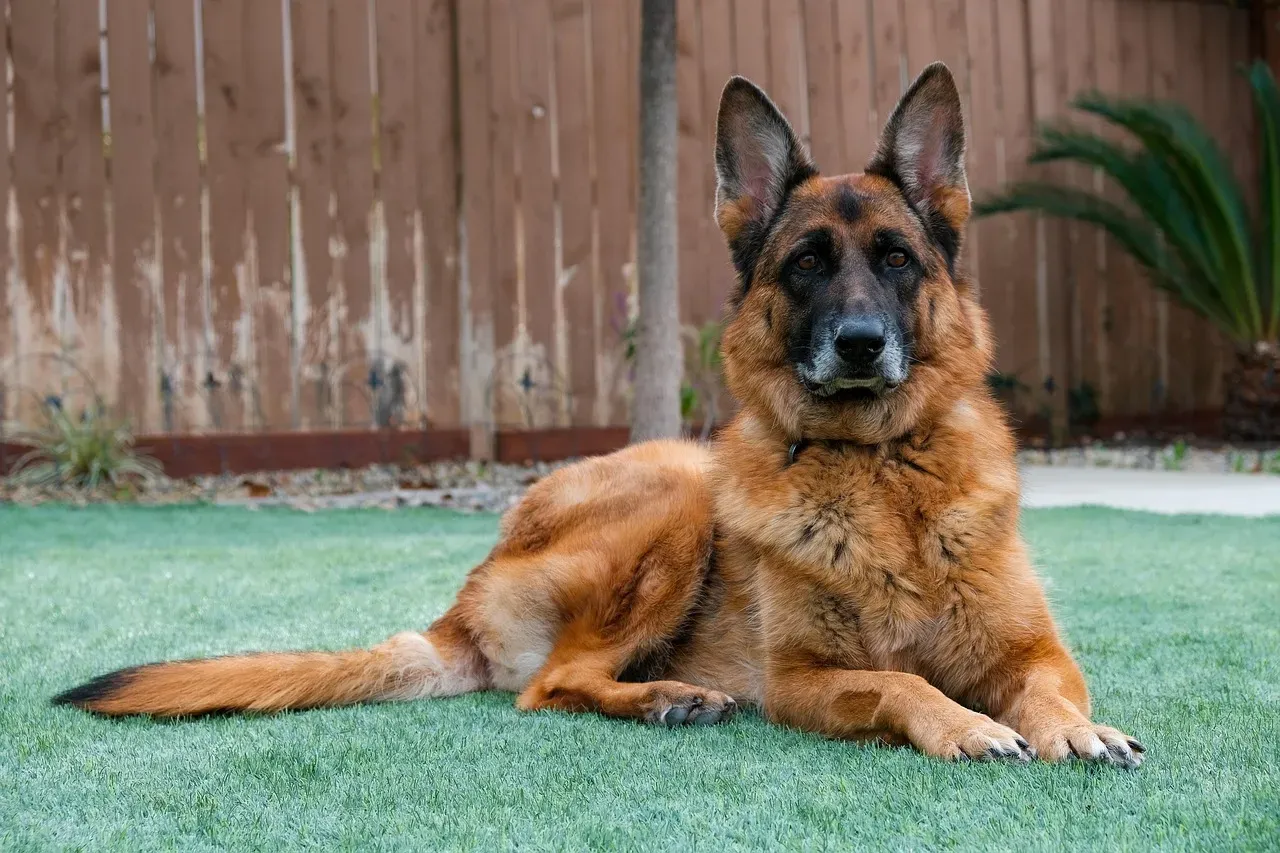
Often considered one of the best guard dogs in the world, the German Shepherd is a loyal and courageous breed that excels as a family guard dog, muscular, agile, and intelligent, naturally protective and thriving when given both purpose and companionship, fiercely loyal with an instinctive drive to protect family members, and their alertness and confidence make them quick to sense threats and stand up to strangers without hesitation. That sounds amazing, right? Well, it can be if you live alone or rarely have visitors.
The problem is that German Shepherds don’t always distinguish between a genuine threat and your college roommate stopping by for coffee. This can result in German Shepherds being hypervigilant and reactive to strangers or unfamiliar situations, as they tend to form deep bonds with their owners. They might position themselves between you and guests, bark relentlessly, or refuse to relax while someone new is in the house.
German Shepherds are high-energy herding dogs who love having a job that lets them use their brain and body, and they thrive on consistency, so being thrown off their routine may result in anxious behaviors such as pacing and door-scratching. Frequent visitors disrupt that routine. Every new person becomes another variable they feel compelled to monitor and control. Unless you’re prepared for intensive training and management, a German Shepherd in a socially active home can become a full-time job.
Tibetan Mastiff: The Imposing Mountaineer
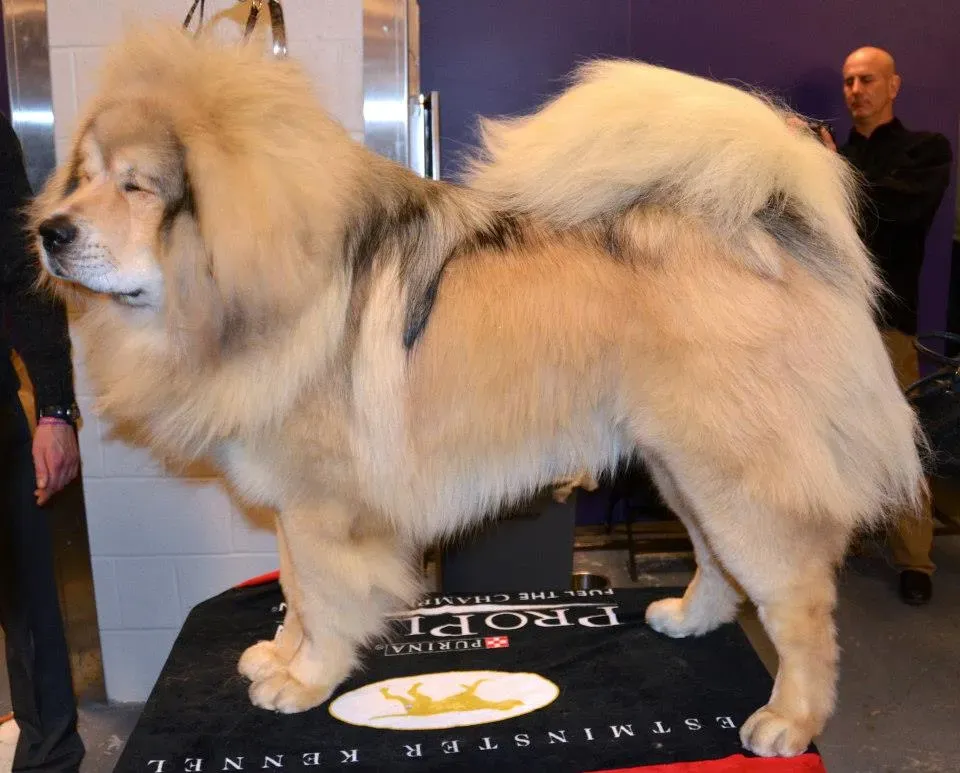
The Tibetan Mastiff is one of the most imposing guardian breeds in the world, bred in the Himalayas to protect livestock from predators, and its lion-like mane and massive frame make it a powerful and commanding presence, with this heritage explaining why it is naturally watchful and cautious of strangers. Imagine a dog the size of a small bear stationed at your front door. That’s the visual your guests will face.
When it comes to temperament, Tibetan Mastiffs are fiercely loyal to their families but often aloof with unfamiliar people, not the type of dog to enthusiastically greet visitors and may regard new faces as a potential threat, making this protective nature excellent for guardians but challenging companions in social settings. They don’t do the social niceties that many other breeds naturally perform. Be aware that if you keep a Tibetan Mastiff in your home, it may not allow anyone else to visit, but it will have a mellow, sweet disposition with family members.
If you host book clubs, family gatherings, or have service workers coming through regularly, a Tibetan Mastiff will treat each arrival like a border breach. It’s hard to say for sure, but this breed seems happiest when their world is small and predictable. A bustling household? That’s asking for constant vigilance and stress.
Rottweiler: The Loyal Skeptic

Rottweilers are natural guard dogs, extremely affectionate with family but reserved with strangers, and they have great attacking qualities, yet they remain great family pets when raised in a healthy environment. But here’s where things get tricky. The Rottweiler has a natural guarding ability and an imposing presence that can deter intruders before they even step inside, calm and watchful, this breed observes strangers with aloofness while staying alert to potential threats.
The Rottweiler has an innate tendency to be cautious and protective of strangers, which comes from their long history as working dogs. When someone knocks on your door, your Rottweiler isn’t thinking, “Oh goody, a friend!” They’re thinking, “Who is this person, and why are they here?” That skepticism doesn’t turn off easily, even with proper socialization.
They don’t act aggressively without reason but remain cautious around new people, and instead of barking at everything, they observe and react only when necessary, and when danger is real, they step in with confidence. The challenge is that in a home with constant foot traffic, your Rottweiler might never fully relax. They’re always on duty, always assessing. That’s exhausting for them and stressful for you when you’re trying to host a casual get-together.
Conclusion: Matching the Dog to Your Lifestyle
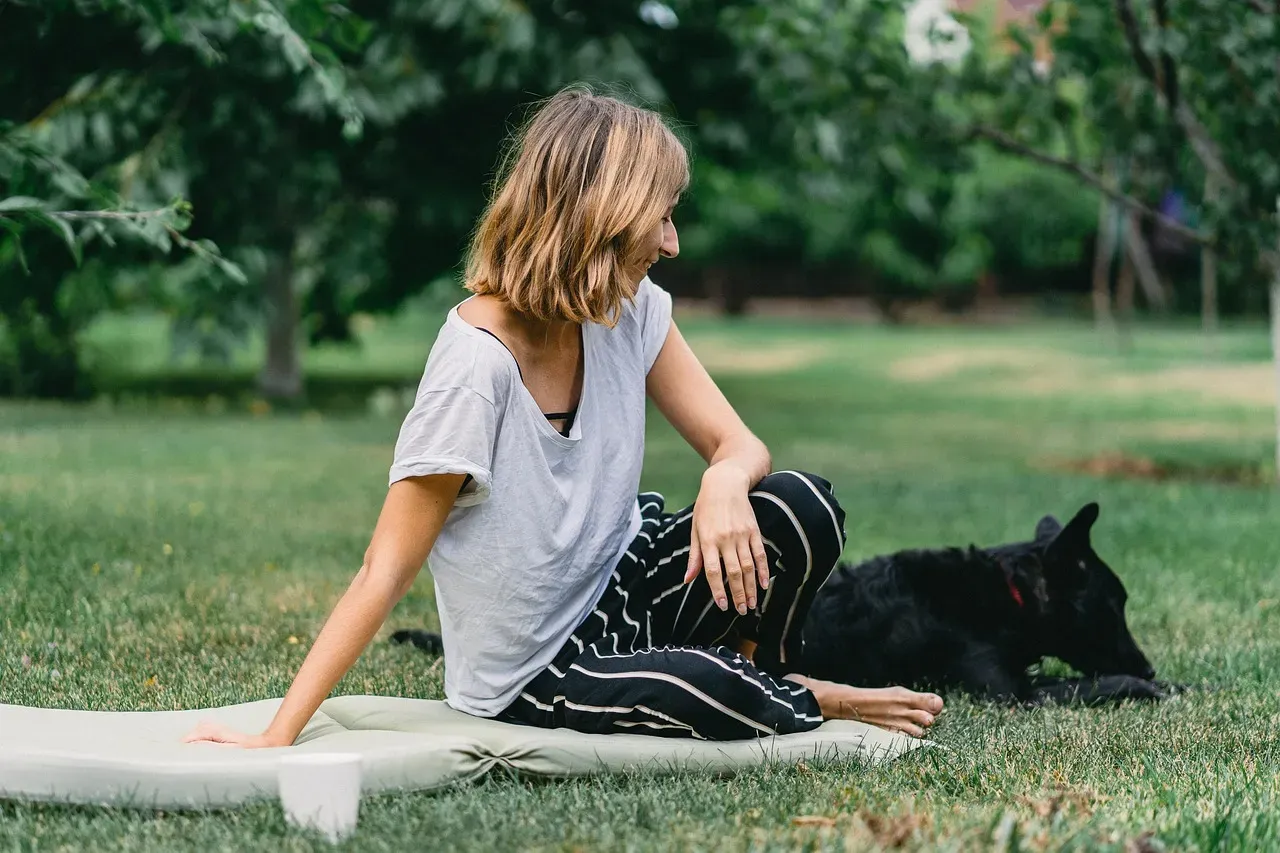
Choosing a dog isn’t just about falling in love with a face or a breed’s reputation. It’s about honestly assessing your life and asking whether a particular dog can thrive in it. These six breeds are magnificent in the right homes. They’re loyal, protective, and deeply devoted. Those qualities become liabilities in homes where the door constantly opens to new faces.
If you already have one of these breeds and struggle with their reaction to guests, don’t despair. Consistent training, patient socialization, and sometimes professional help can make a significant difference. Creating a safe space where your dog can retreat during gatherings might also ease their stress. Still, prevention is always easier than correction. If your lifestyle includes frequent visitors, playdates, or spontaneous gatherings, these breeds might turn your home into a battleground of stress and management.
What’s your experience with dogs and guests? Have you found ways to help a territorial breed feel more comfortable, or did you learn the hard way that some dogs just aren’t built for a busy social life? Think about it.


