
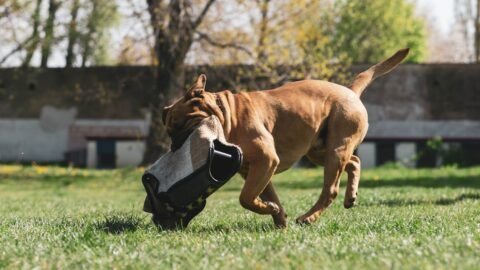
You know that sinking feeling when you walk through the door, ready to relax after a long day, only to discover your favorite shoes have been turned into confetti? Or maybe your couch cushion looks like it went through a paper shredder. If you’re nodding along, you’re definitely not alone.
Dogs who don’t get enough physical and mental stimulation often turn to chewing as a way to entertain themselves. Think of it like this: a bored dog is a creative dog, and unfortunately, that creativity often gets directed at your belongings. Certain breeds are especially notorious for this behavior when they’re under-stimulated.
Let me be clear about something important. These breeds aren’t bad dogs. They’re often incredibly intelligent, energetic, and loyal companions. The chewing isn’t spite or revenge. It’s simply their way of coping with boredom, anxiety, or pent-up energy that has nowhere else to go. Understanding which breeds are more prone to this behavior can help you prepare, prevent, and ultimately build a stronger bond with your furry friend.
Labrador Retriever: The Mouthy Maverick
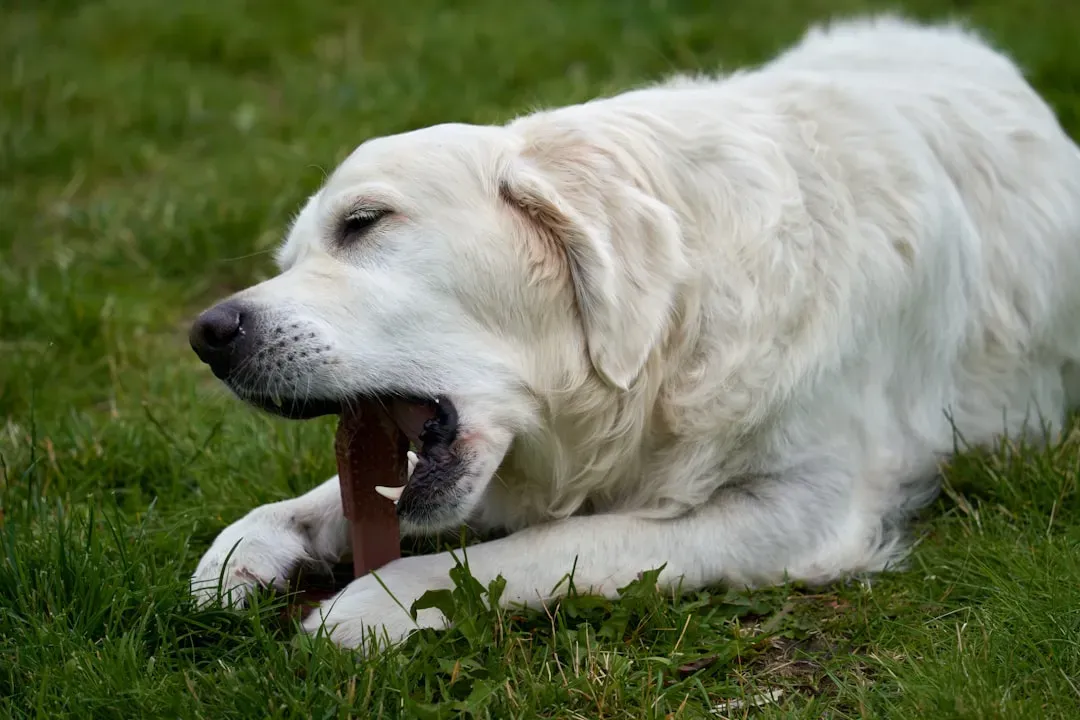
Labrador Retrievers are both playful and highly active, with an innate instinct to pick things up in their mouths due to their retrieving heritage. This natural tendency becomes problematic when Labs don’t receive adequate exercise and mental challenges.
If they are not sufficiently exercised, both mentally and physically, they may resort to exercising their jaws on whatever they find to chew. I’ve seen Labs work their way through entire shoe collections, baseboards, and even furniture legs when left to their own devices. Their powerful jaws make the damage particularly impressive, shall we say.
The good news? Labs are incredibly food-motivated and eager to please. Providing them with puzzle toys, especially treat-dispensing ones, can work wonders. Long walks, fetch sessions, and swimming are excellent outlets for their boundless energy. A tired Lab is typically a well-behaved Lab.
Border Collie: The Genius Gone Wild
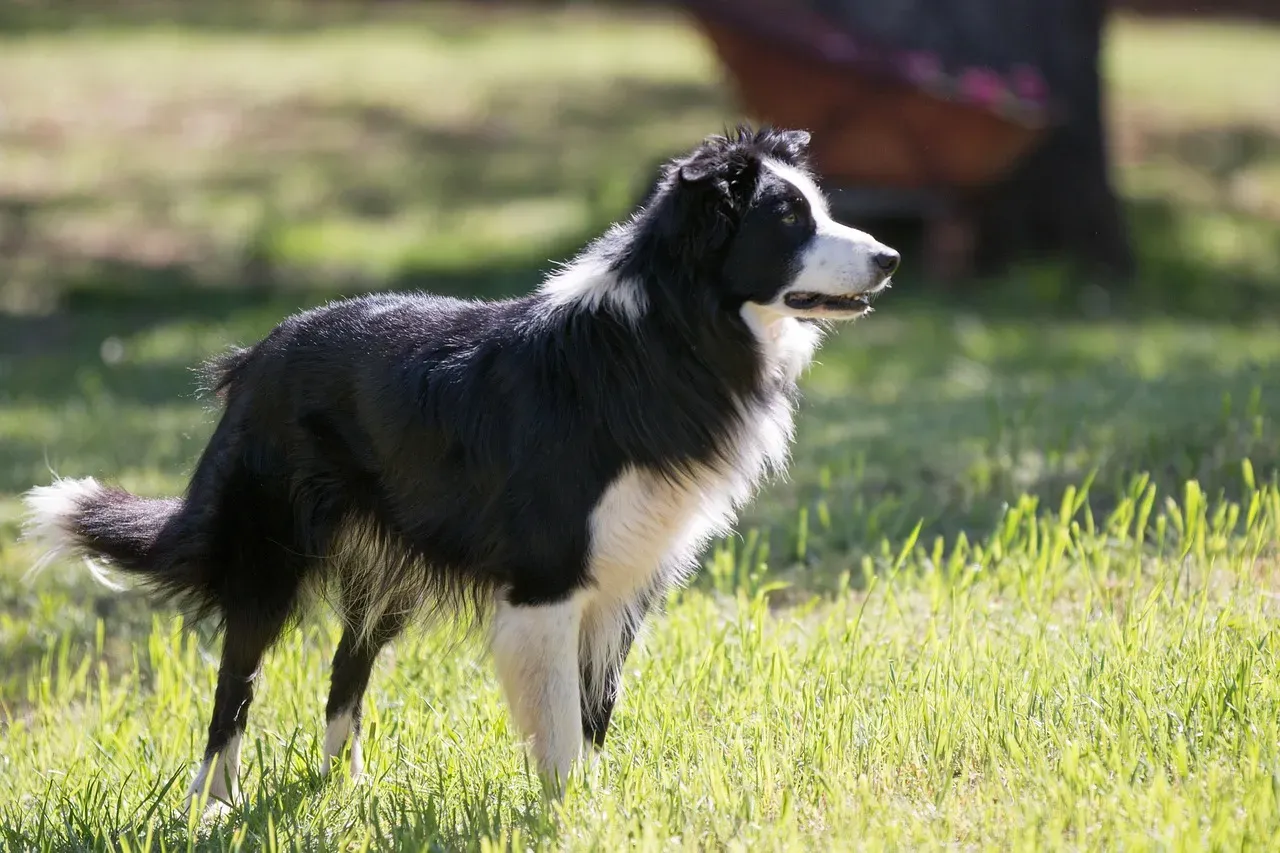
Border Collies are widely recognized as the most intelligent dog breed, and if they aren’t given enough mental and physical stimulation, they’ll often direct their energy into chewing. These dogs were literally bred to work all day herding sheep. That drive doesn’t just disappear because they’re living in a suburban home.
When a Border Collie’s brilliant mind isn’t engaged, trouble follows quickly. They need jobs to do, challenges to solve, and activities that make them think. Without these outlets, your belongings become their entertainment project. We’re talking about a breed that can learn new commands in just a few repetitions.
Agility training, herding exercises, advanced obedience work, or even learning tricks can help satisfy their need for mental stimulation. These aren’t couch potato dogs. If you’re considering a Border Collie, ask yourself honestly whether you can commit to keeping that incredible brain occupied. Otherwise, you might find your furniture paying the price.
Beagle: The Nose-Driven Nibbler

Beagles are naturally energetic and curious, making them more prone to destructive chewing. These hounds were bred to follow scents for hours on end, which means they have stamina for days and an insatiable curiosity about the world around them.
Beagles explore primarily through their noses and mouths. When they’re bored, they’ll investigate everything they can reach, and that investigation often involves chewing. Their determination is remarkable. I’ve heard stories of Beagles chewing through walls to get to something interesting on the other side.
Scent work and nose games are perfect for Beagles. Hide treats around the house or yard and let them search. Take them on “sniffari” walks where they can explore different smells at their own pace. Keep their food interesting with puzzle feeders that make them work for their meals. A Beagle with a job to do is far less likely to redesign your furniture.
Golden Retriever: The Gentle Destroyer
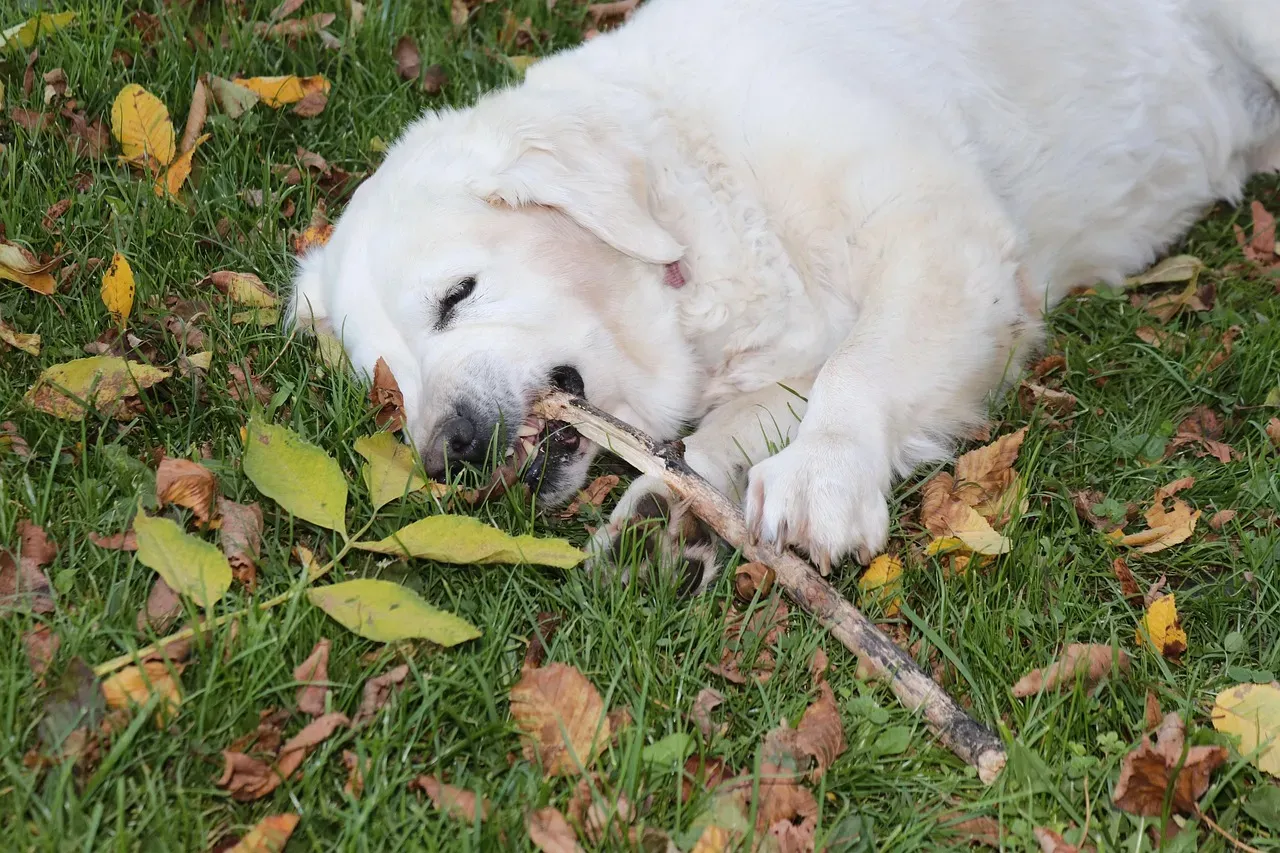
Golden Retrievers were bred to retrieve waterfowl, so they like to hold things in their mouths, and as a result, many Goldens also love to chew. Their soft mouths were designed to carry birds without damaging them, but that doesn’t mean they’ll be gentle with your belongings when bored.
If they’re not getting enough attention and don’t have enough chew toys, they may decide that other objects around the house are meant for chewing, and they’re also prone to separation anxiety. Goldens are exceptionally people-oriented dogs. Being left alone for long periods can trigger anxiety that manifests as destructive chewing.
These lovable goofballs need plenty of interactive play with their humans. Fetch, tug-of-war, and swimming are great physical outlets. Training sessions, even short ones, provide mental stimulation and strengthen your bond. Rotate their chew toys regularly to keep things interesting. The key with Goldens is making them feel included and engaged in your daily life.
Boxer: The Energetic Excavator
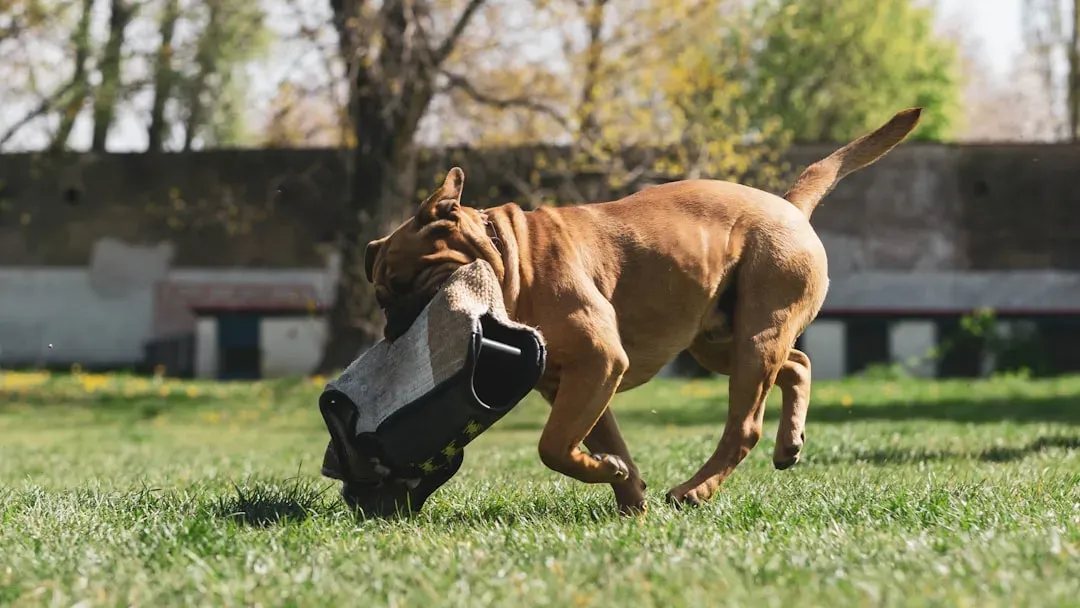
Boxers have a low boredom threshold, which makes them more likely to help themselves to what they may view as a perfect chew toy. These muscular, bouncy dogs are basically perpetual puppies with powerful jaws. Their exuberance is endearing until it’s directed at your coffee table.
Boxers need substantial physical exercise daily. We’re not talking about a quick walk around the block. These dogs need to run, play, and burn off that seemingly endless energy. Without proper outlets, they’ll create their own entertainment, and it usually involves chewing something you’d rather they didn’t.
Interactive play is crucial for Boxers. They love games that involve their humans, like fetch or tug. Obedience training gives them structure and mental challenges. These dogs also respond well to dog sports like agility. The more tired and mentally satisfied your Boxer is, the less interested they’ll be in turning your belongings into chew toys.
Australian Shepherd: The Working Dog Without Work

Australian Shepherds are prone to destructive chewing because they’re natural high-fliers, high-energy workaholics, and if they don’t have the opportunity to work, that energy has to go somewhere. These dogs were bred to herd livestock across vast distances. That’s a lot of drive packed into one dog.
Aussies are incredibly intelligent and need constant engagement. When an Australian Shepherd is bored, the results can be spectacularly destructive. They don’t just chew. They demolish. Their problem-solving skills mean they can figure out how to access things you thought were safely out of reach.
These dogs absolutely need a job. Whether it’s herding, agility, flyball, or advanced obedience, Aussies thrive when they have something to work toward. Daily training sessions, puzzle toys, and plenty of physical exercise are non-negotiable. If you’re not prepared to keep an Aussie’s body and mind occupied, honestly, you might want to consider a different breed.
Conclusion

Dogs who don’t get enough physical and mental stimulation tend to look for ways to entertain themselves, and chewing is one option, so providing plenty of ways to exercise their mind and body is essential. The breeds we’ve discussed aren’t inherently destructive. They’re simply more prone to boredom-related chewing when their needs aren’t met.
The real solution isn’t about finding a magic spray or the perfect chew toy, though those things can help. It’s about understanding your dog’s breed characteristics and committing to meeting those needs every single day. Regular exercise, mental challenges, appropriate chew toys, and quality time with you can transform even the most destructive chewer into a well-adjusted companion.
Remember, destructive chewing is often your dog’s way of telling you something. Listen to what they’re trying to communicate. What do you think? Has your dog ever surprised you with their creative chewing choices? Share your experiences in the comments below.


