

Picture this: you’re sipping your morning coffee, gazing out the window, when a fluffy squirrel scampers across your lawn. Your dog looks up, notices the visitor, and then… goes right back to napping. Sounds impossible? It isn’t if you have the right breed. Most dogs possess a prey drive that sends them bolting after anything that moves, turning peaceful mornings into chaotic chase scenes. Yet some breeds defy this expectation entirely.
These remarkable dogs don’t see every rabbit or bird as an invitation to hunt. They’re wired differently, bred over generations for companionship, guarding livestock, or simply being calm observers of the world around them. If you’re someone who values a tranquil backyard where wildlife and your dog can peacefully coexist, you’re in luck. Let’s explore six breeds that might just surprise you with their zen-like approach to backyard visitors.
The Newfoundland: Gentle Giants with Zero Interest in the Chase
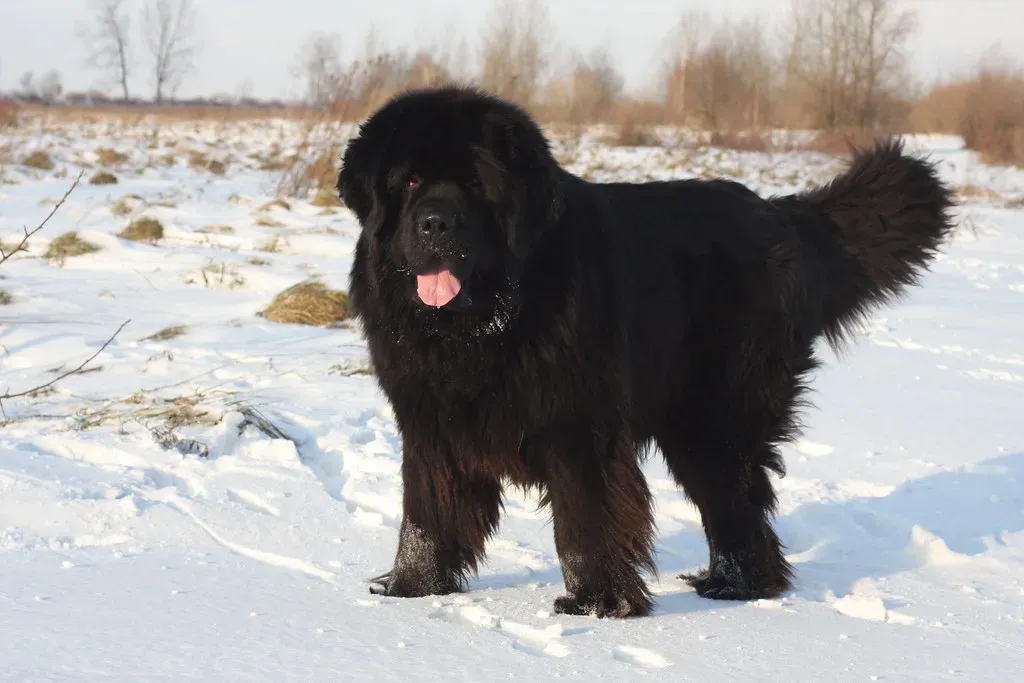
Newfoundlands are calm, gentle breeds around other pets and wildlife, despite their love of rescuing people from water. These massive dogs can weigh well over a hundred pounds, but don’t let their size fool you into thinking they’re fierce hunters. They are affectionate and playful with nearly everyone, including strangers as well as other dogs and household pets.
Newfoundlands are renowned for their unique gentleness, even temperament, loving nature, and devotion, and historically, they have displayed a keen sense of responsibility and life-saving instincts. Their background as water rescue dogs means they were bred to save, not chase. When a chipmunk darts across the yard, your Newfie is far more likely to watch with mild curiosity than launch into pursuit mode.
Their placid nature makes them wonderful companions for homes backing onto wooded areas or parks. They’re observers, not hunters, content to lounge in the sunshine while birds hop nearby without a care in the world.
The Cavalier King Charles Spaniel: Royal Lap Dogs, Not Hunters

Cavaliers are not interested in the chase, and most dogs of this breed are more interested in spending time with the family, not chasing after other animals. These silky-eared beauties were bred to warm the laps of nobility, not to track game through dense forests. The breed was originally designed to keep royal ladies company by warming their laps in drafty castles and carriages.
Sure, beneath their regal appearance, there is a hidden sporting spaniel that may lead them to try chasing birds and squirrels, but this instinct is incredibly mild compared to working breeds. Most Cavaliers would rather snuggle on the couch than engage in any serious wildlife pursuit. They’re adaptable, affectionate, and perfectly happy sharing the yard with whatever critters happen to wander through.
Their easygoing temperament makes them ideal for families who want a dog that won’t terrorize the local ecosystem. They’ll alert you to visitors, but they’re more likely to wag their tail than give chase.
The Great Pyrenees: Guardians, Not Predators

Because the Great Pyrenees is a working breed whose task is to guard livestock, it has a low prey drive and is unlikely to be interested in, or chase, smaller animals or pets. This makes total sense when you think about it. These dogs were bred to protect sheep and goats, not hunt them down. The Great Pyrenees is a gentle giant with a trademark gorgeous white coat and a sweet and gentle nature.
Imagine trusting a dog to watch over vulnerable livestock without treating them like prey. That’s exactly what Great Pyrenees were designed to do. Their calm, watchful demeanor extends to backyard wildlife. They’re protective without being aggressive, observant without being obsessive.
They’re gentle with children and protective of their family, both two-legged and four-legged. This protective instinct doesn’t translate to chasing wildlife. Instead, they’re content to supervise from a distance, keeping an eye on things without interfering.
The Clumber Spaniel: The Retired Gentleman’s Dog

Because of his slow, steady hunting method, he was called the ‘retired gentleman’s shooting dog’. Clumber Spaniels are incredibly mellow for a breed with hunting origins. Calm and sedate, the Clumber is a sweet and gentle dog who enjoys the company of his people and bonds with the entire family.
Here’s the thing: while Clumbers were bred to hunt, the Clumber Spaniel’s hunting instincts may not be as strong as those of some other breeds, though the predation drive can still exist and they might be inclined to chase smaller animals. However, they are loyal and affectionate with great enthusiasm for work and play, sometimes reserved with strangers, more aloof than other spaniels, and show no tendencies toward aggression.
Their methodical, deliberate nature means they’re not prone to sudden bursts of chasing energy. They’re thinkers, not impulse chasers, making them surprisingly good neighbors to backyard wildlife.
The Japanese Chin: Feline Elegance in a Canine Body

They often have a very low prey drive, making them exceptionally good with cats and small pets, and considering their cat-like personalities, they may even be a better fit for families with cats. Japanese Chins are unique little dogs that behave more like cats than canines. These tiny pups act more like kittens than canines, loving to swat things with their paws, and they’ve been bred to stay calm rather than react instinctively.
Japanese Chin have been selectively bred to have a calm demeanor and to not display negative, instinctual behaviors. This makes them exceptional companions in homes where wildlife frequently visits. They’re far more interested in grooming themselves or perching on high furniture than stalking birds.
Their small size and delicate nature mean they’re not physically built for intense chasing anyway. They’re observers, content to watch the world go by without feeling the need to control it.
The Bulldog: Too Chill to Bother

While the lovable Bulldog was bred to bait bulls, they actually have a very low prey drive, are often happiest serving as family companions, and while they may bark at passing wildlife, they’re unlikely to go running after it. Bulldogs are famous for their laid-back attitude. They’d much rather lounge on the couch than chase anything, wildlife included.
Their physical build doesn’t exactly scream “athlete,” either. Short legs, stocky bodies, and a tendency to overheat mean Bulldogs aren’t built for prolonged chasing. They might give a half-hearted bark at a passing squirrel, but that’s about the extent of their wildlife interaction.
Breeds like Mastiffs, Great Pyrenees, and Bulldogs tend to have lower prey drives and were bred primarily for watching over people, livestock, or property rather than pursuing moving animals. Bulldogs fit this pattern perfectly. They’re watchful but not reactive, calm but not lazy. They’re just… wonderfully unbothered by the world around them.
Conclusion

Finding a dog that can peacefully share space with backyard wildlife isn’t about luck. It’s about understanding breed history, temperament, and what each dog was originally designed to do. The six breeds we’ve explored prove that not every dog is hardwired to chase. Some are content to observe, guard from a distance, or simply couldn’t be bothered.
If you’re dreaming of mornings where birds, squirrels, and your dog all coexist without drama, these breeds offer exactly that. They bring calm, companionship, and a refreshing lack of chaos to your outdoor space. Did any of these surprise you? What’s your experience with dogs and wildlife? Share your thoughts with us!


