

You’ve prepared the perfect meal, set the bowl down with love, and watched your dog walk over to investigate. Then, instead of diving in with enthusiasm, they sniff, pause, and walk away. Sound familiar? If you’re nodding your head right now, you’re definitely not alone.
While most dogs seem like they’d eat just about anything (including things they absolutely shouldn’t), some pups are surprisingly selective about their food. It’s not that they’re trying to be difficult or stubborn. Sometimes, it’s simply part of who they are. Certain breeds are naturally more discerning at mealtime, and understanding why can make all the difference. Let’s explore which breeds tend to be pickier than others and what you can actually do to help them enjoy their meals without the daily drama.
Yorkshire Terrier: Tiny Dog, Big Opinions

Yorkshire Terriers may be small in stature, but their personalities are anything but, and their dietary preferences often reflect that same bold character. These little dogs can be surprisingly finicky, often turning their noses up at foods that don’t meet their standards.
Yorkies can suffer from health concerns like skin allergies and stomach sensitivities, which partly explains why they’re so selective. Although they are small, they have large characters, and they will not hesitate to show their disapproval of certain foods, mainly due to their sensitive stomachs. Think about it from their perspective: if something makes you feel queasy, you’d avoid it too.
So what helps? Try to stick with real meat snacks rather than processed ones that are high in fat and additives. High-quality protein sources matter for these sensitive little stomachs. Some Yorkie owners swear by freeze-dried food toppers mixed into their kibble, which can boost flavor without overwhelming their delicate systems.
Shih Tzu: The Gourmet Connoisseur
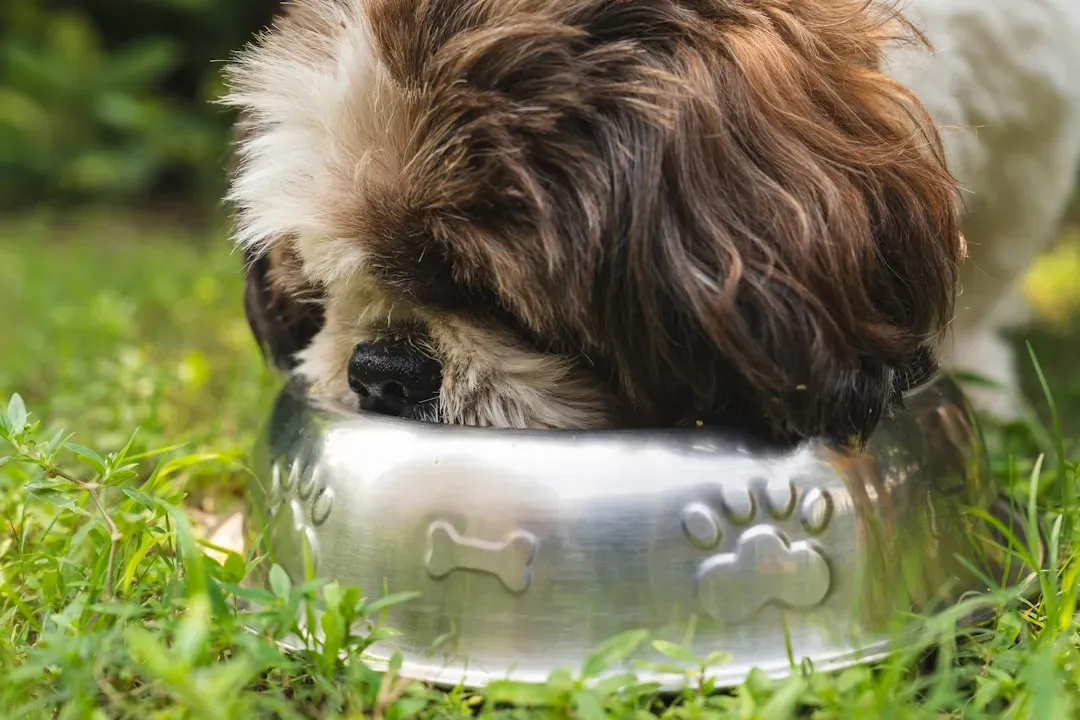
Shih Tzus are characters with their sophisticated tastes, which sometimes include their food intake as well, and these dogs may choose top notch gourmet food rather than the regular kibble. They’re not being dramatic (well, maybe a little), but they genuinely seem to prefer variety and quality.
As a result of their tiny stature, Shih Tzus can become extremely picky, and thus they may refuse food that is not to their liking. Here’s the thing: they can also become bored with eating the same thing day after day. Imagine eating identical meals for weeks on end. You’d probably get tired of it too, right?
What works for these refined pups? Try rotating flavors or mixing wet food with dry kibble to keep things interesting. Dental issues including painful tooth decay, tooth infections, and loose teeth can be the reason that a Shih Tzu suddenly becomes picky about food, so always rule out health problems first with your vet. Creating a calm, distraction-free eating environment can also encourage them to focus on their meals.
Maltese: The Variety Seeker

Maltese dogs are usually picky eaters, especially when it comes to dry kibble, and their tiny mouths and developed tastes make them extremely selective of the textures and flavors that they like. These fluffy little companions crave novelty at mealtime.
Unusually, the issue with the cute Maltese is that they can become bored of the same food. They’re not trying to be difficult; they just genuinely lose interest when meals become monotonous. It’s honestly fascinating how such small dogs can have such strong preferences.
The solution? The best way to keep your Maltese dog fit and glad is by providing a balanced diet consisting of both wet and dry food, and also, by not making abrupt changes in their diet. Gradual transitions between flavors and textures keep them engaged without upsetting their sensitive tummies. Think of it as keeping their meals fresh and exciting while maintaining nutritional balance.
Chihuahua: Small Package, Specific Needs

Chihuahuas, one of the smallest dog breeds, are notorious for being picky eaters, and their small size means they require less food, but it needs to be nutrient-rich to support their high energy levels. They may refuse food based on texture, taste, or even the size of the kibble.
Chihuahuas have delicate digestive systems so you should avoid ingredients like corn and soy in their dog food, and these pups also need to eat foods that are high in protein because it’s easier for them to digest. Their tiny bodies process food differently than larger breeds, making quality ingredients absolutely essential.
What helps these little ones eat better? Look for smaller kibble sizes that fit comfortably in their tiny mouths. High-protein options with easily digestible ingredients work best. Honestly, feeding schedules matter too: offering smaller, more frequent meals can prevent low blood sugar issues while keeping their appetites consistent throughout the day.
Dachshund: The Stubborn Gourmand

Dachshunds are characterized as creatures of stubborn nature, and this trait may even apply to their alimentary habits, as such dogs might choose not to eat at all if the food does not look or smell nice enough to them. Their pickiness isn’t accidental; it’s practically woven into their personality.
They may also develop a preference for human food, which can lead to nutritional imbalances if not monitored carefully, and owners often need to experiment with different types of high-quality dog foods and avoid feeding them table scraps. Once a Dachshund gets a taste of your dinner, good luck convincing them that kibble is just as delicious.
The key to success? Patience and consistency. Don’t give in to those soulful eyes begging for table scraps. Instead, find a high-quality food they genuinely enjoy and stick with it. Mixing in some premium treats can help, but avoid creating a cycle where they hold out for something better. Let’s be real: Dachshunds are smart enough to train you if you’re not careful.
Cavalier King Charles Spaniel: The Gentle Selective Eater

Cavalier King Charles Spaniels are known for their regal appearance and affectionate nature, but they can also be fussy eaters. They’re not picky eaters like some other breeds, but they will only eat what they should be eating if it’s the right kind of food, and these dogs do best on a high-quality kibble that provides them with the proper vitamins and minerals.
Cavalier King Charles Spaniels can suffer from health damage like heart disease if they’re overweight, so look for a weight control formula when selecting dog food for your pooch. Their food needs go beyond just taste preferences; it’s about supporting their overall health and preventing breed-specific issues.
What works best? Choose nutrient-dense formulas designed for their size and activity level. These gentle souls respond well to routine, so establish consistent feeding times and stick to them. Quality matters more than variety for Cavaliers. They appreciate knowing what to expect at mealtimes, and a reliable, nutritious diet keeps them healthy and content.
Conclusion
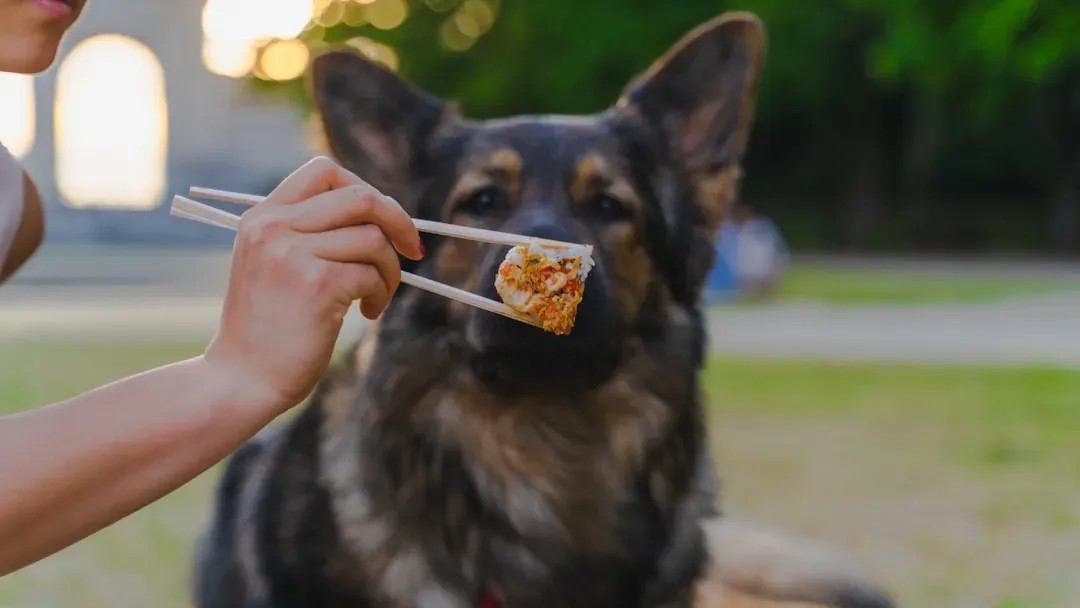
Picky eating in dogs isn’t always a behavioral problem. Sometimes, it’s simply part of their breed characteristics, shaped by size, metabolism, and even genetic predisposition. Understanding your dog’s unique needs makes mealtime less stressful for both of you.
Picky eaters are often created by their owners offering too much variety of food, as well as a result of humans feeding table scraps. The good news? You have more control over the situation than you might think. Consistency, quality ingredients, and ruling out health issues with your vet are your best tools for success. Remember, even the pickiest eater won’t starve themselves when offered nutritious, appropriate food at regular intervals.
What’s your experience with picky eaters? Have you found creative solutions that work for your furry friend? Every dog is unique, and sometimes it takes a bit of trial and patience to find what clicks.


