

Have you ever watched your dog start pacing nervously, sniffing the air obsessively, or pressing against your legs on a perfectly sunny afternoon, only for a massive storm to roll in an hour later? You weren’t imagining it. Your dog was reading the sky long before the clouds arrived. It’s one of those things that sounds almost magical, until you dig into the science behind it.
Studies show that dogs feel changes in barometric pressure and even in the static electric field in the air, and their behavior can be the first sign of weather changes. Think of it like having a furry meteorologist living in your home, one that never charges a subscription fee. The fascinating part is that some breeds are especially gifted at this. So let’s explore the six most uncannily accurate canine weather watchers, and what their signals mean for you.
The Border Collie: Your Hyper-Alert Living Barometer
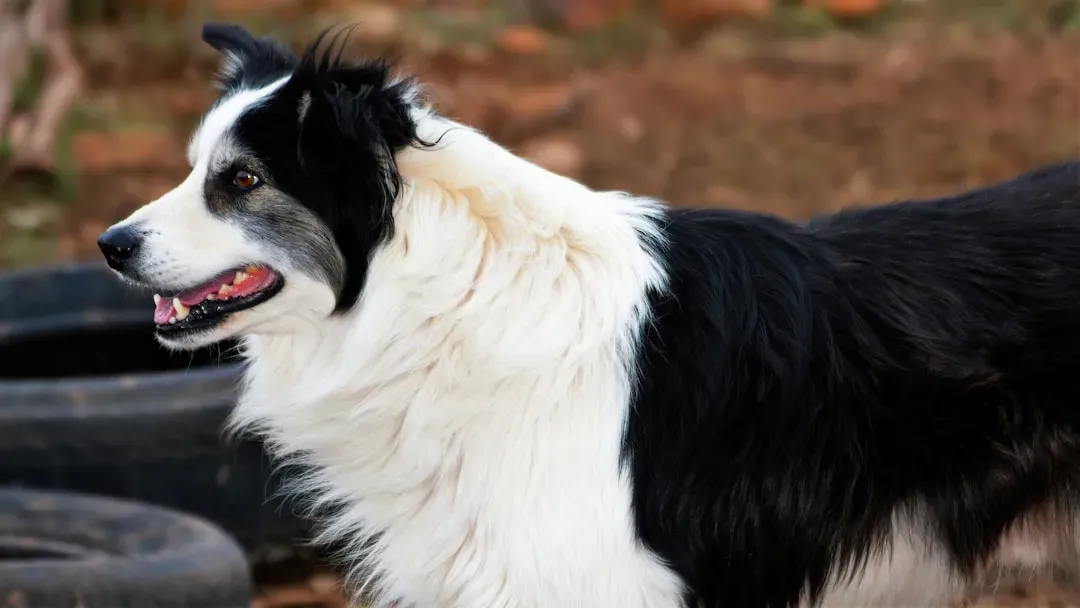
If you own a Border Collie, you probably already know that this dog notices everything. Nothing escapes them. A leaf moving three gardens away. A car slowing down on the street. A shift in the wind. Honestly, it can feel exhausting trying to keep up with what they’re reacting to.
Border Collies are known for their heightened sensitivity to shifts in air pressure and electric charge, and these subtle changes may be detected hours before a storm, with reactions like pacing or seeking shelter often being the dog’s first signs of awareness. When you see your Collie suddenly become restless for no visible reason, take a look at the weather app.
This breed excels at identifying irregular patterns in its environment, including shifts in sound, temperature, or scent, and may respond to low-frequency rumbles that go unnoticed by people, with their awareness shaped by generations of work in unpredictable weather.
Many Border Collies display sudden changes in behavior, such as circling, vocalizing, or nudging their owners, and these alert-driven actions often occur before the first raindrop. If your Collie is nudging you toward the couch and won’t stop staring at the window, that’s not just a bid for attention. That’s a weather report. Pay attention to it. Your dog is trying to tell you something real.
The German Shepherd: Weather Intelligence Wrapped in Loyalty
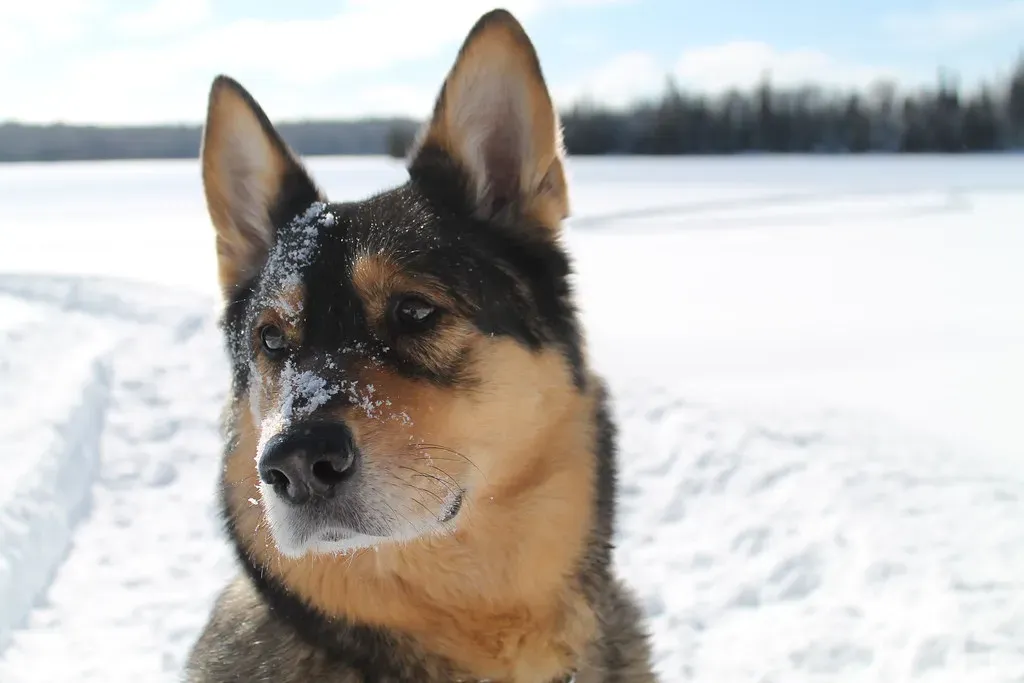
German Shepherds are remarkable dogs in so many ways, and their ability to sense incoming weather is no exception. What makes them stand out isn’t just raw sensory power. It’s the combination of sharp instincts and extraordinary emotional attunement.
German Shepherds are known for detecting subtle shifts in their environment long before a storm arrives, their body may stiffen, and they become unusually focused on doorways or windows, with many showing hesitation or clinginess as early weather signals trigger concern. If your Shepherd suddenly becomes your shadow, that’s a signal worth noting.
Many German Shepherds show heightened awareness of environmental changes, including barometric pressure sensitivity, and this breed may become restless or alert before a weather shift or distant thunder, reacting to subtle changes that often go unnoticed by humans.
Here’s a practical tip: when your Shepherd starts fixating on the windows and won’t settle despite having had food, water, and exercise, check your radar app. They may pace, whine, or make eye contact when sensing discomfort in the air. These are not random behaviors. This is your dog communicating with you in the only way they know how.
The Rottweiler: The Quiet Guardian Who Reads the Sky

People often underestimate Rottweilers because of their imposing presence. But those who live with them know just how emotionally intelligent and perceptive these dogs truly are. They are watchers by nature, and that watchfulness extends far beyond your property line.
Rottweilers have keen perceptual abilities, often reacting to subtle atmospheric changes like a drop in barometric pressure or increased static in the air, and this heightened awareness can prompt restlessness or pacing, especially before storms, showing they pick up on things well before humans do.
Rottweilers often stay close to their humans during weather changes, showing protective and alert behavior, with their loyalty translating into physical cues like body blocking or nudging, and these responses becoming more intense when they sense an incoming disturbance. If a Rottie suddenly decides your personal space doesn’t exist, a storm might be on the way.
One of the most noticeable dog senses in Rottweilers is their auditory sensitivity, and before storms they may retreat to quiet spaces or become overly alert, as these unusual behaviors are part of their natural instinct to protect themselves and their home from environmental changes. Create a calm, comfortable corner for your Rottweiler where they can retreat during these moments. It helps more than you might think.
The Belgian Malinois: Built for Every Sensory Signal Nature Throws
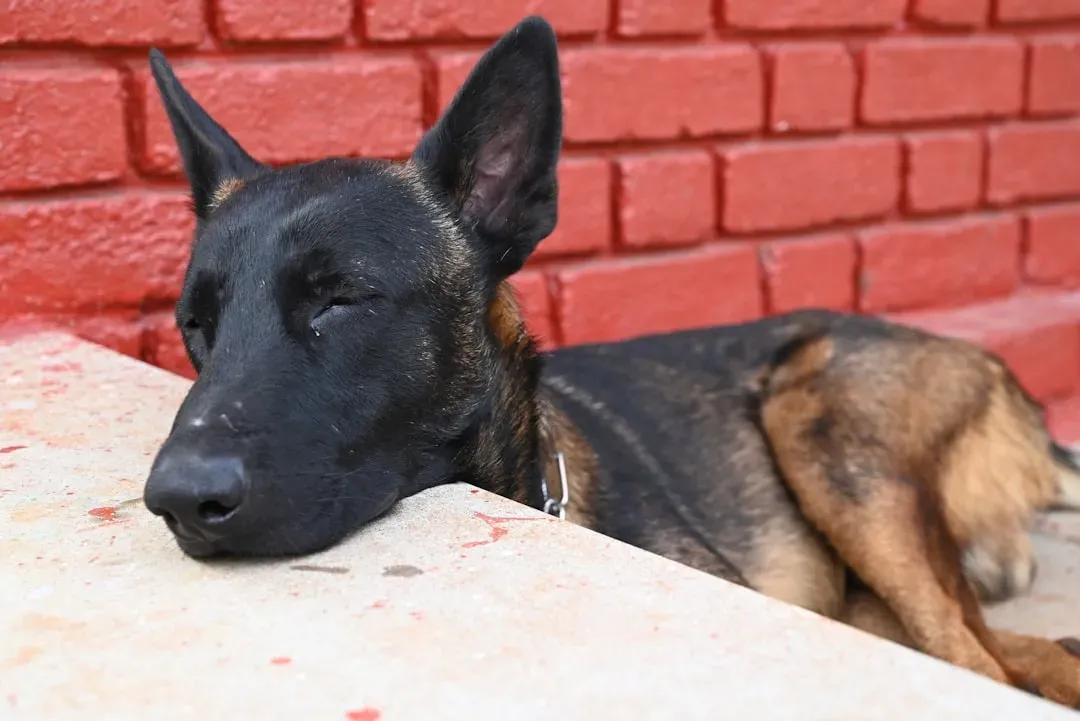
Let’s be real, the Belgian Malinois operates at a frequency that most of us can barely comprehend. These dogs are used by military and police forces around the world precisely because their sensory systems are extraordinarily refined. It’s no surprise, then, that they are among the most gifted weather detectors in the canine world.
Belgian Malinois are one of the most alert and responsive dog breeds known for their exceptional awareness of their environment, and low-frequency storm sounds such as distant thunder or rumbling can trigger early behavioral responses in this breed, with it beginning to circle or seek out its handler before visible weather changes, often well before rain is present.
The Belgian Malinois can respond to silent cues such as static buildup, changes in scent, or sudden stillness, making them a useful early warning companion in areas prone to storms, with many handlers relying on their shift in demeanor for signs of weather changes.
If you share your home with a Malinois, keep a mental note of behavioral shifts. This breed tends to nudge, pace, or follow owners more persistently when sensing disruption, and may become unusually clingy or territorial right before a storm approaches. These are not quirks. They are data points from one of nature’s finest sensory instruments.
The Doberman: Lean, Sharp, and Tuned Into the Atmosphere
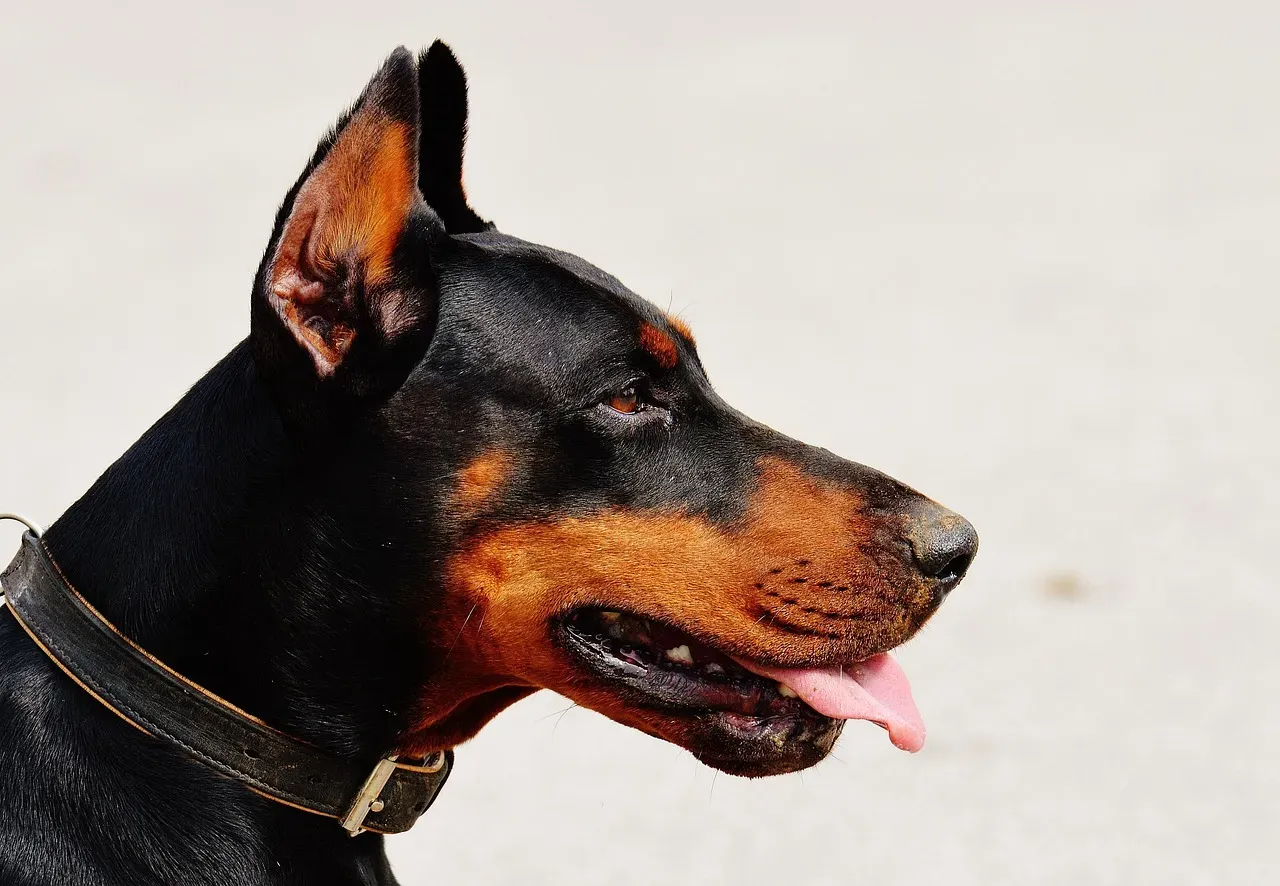
There is something genuinely striking about the way a Doberman reacts to environmental change. They are all nerve endings and awareness. One second they’re calm and composed; the next, they’re pacing and whining with an urgency that seems to come from nowhere. Except it doesn’t come from nowhere at all.
During weather changes, Dobermans may pace, whine, or try to seek shelter, and their powerful bond with humans means they often try to warn or stay close when sensing danger. It’s genuinely touching when you realize the behavior isn’t panic, it’s loyalty.
Their lean body and strong nervous system contribute to heightened reactivity, and with quick reflexes and a high level of environmental awareness, Dobermans can react even to barometric pressure drops, a level of response that has made them a breed often noted for their storm-sensing behaviors.
The practical takeaway here is important. For pressure-sensitive dogs, weather shifts can create physical discomfort similar to how humans with arthritis might experience increased pain before storms. Your Doberman isn’t being dramatic. They may genuinely feel discomfort as pressure changes. Consult your vet if there are radical signs of fear as a storm is approaching, as a vet can advise on medication and natural remedies to keep your dog calm when they have sensed a storm.
The Akita: Ancient Instincts, Extraordinary Awareness

The Akita is one of the oldest and most revered dog breeds in the world. Originating in the mountainous regions of Japan, these dogs were bred for environments where reading nature wasn’t a party trick. It was survival. That deep, ancestral awareness hasn’t gone anywhere in the modern Akita.
Their broad, upright ears and intense gaze aren’t just for show, as Akitas stay tuned in to the slightest noise or motion, and this constant awareness is what helps them react quickly to unfamiliar sounds, including distant thunder or pressure changes.
Akitas thrive in structured environments and immediately notice deviations from their usual surroundings, including shifts in human behavior and animal patterns that often occur just before a storm, and their reactions such as restlessness, alert pacing, or unusual vocalizations can serve as early indicators.
Known for their loyalty, Akitas are closely connected to their household and tend to be highly protective, and when they sense environmental changes, especially those hinting at danger, they become more alert around loved ones. I think that combination of ancient instinct and fierce devotion is what makes the Akita’s weather-sensing abilities feel almost mystical. Don’t dismiss it. Learn it, and respond to it with the same care they’re showing you.
What Your Dog Is Really Trying to Tell You: Understanding the Science

Before you brush off your dog’s strange pre-storm behavior as anxiety or attention-seeking, it helps to understand what is actually happening beneath the surface. The science is genuinely fascinating, and it completely reframes the way you look at your dog’s reactions.
Their sense of smell tells them rain is on its way, their sense of hearing picks up the sound of thunder long before you hear that tell-tale sign of a storm, and dogs can sense a drop in the barometer pressure and are sensitive to the static electricity caused by lightning.
Barometric pressure changes, specifically drops in pressure, can signal the approach of a weather front or storm, these changes can result in the generation of infrasound waves that dogs might detect, and the ability to pick up on these low-frequency vibrations could provide dogs with an early warning system alerting them to impending changes in the weather.
Dogs can detect chemical concentrations common during some storms, and smell ozone in the air associated with lightning. Think of it this way: your dog’s nose is essentially a chemical detector capable of smelling a thunderstorm that is still many miles away. As the pressure in the air gets lower or changes, the way odors travel changes, and your dog can notice this because of their super-nose, picking up the difference in how smells are traveling and realizing there is a shift in the pressure. That is not magic. That is biology working at a level we simply cannot match.
Conclusion: Your Dog Is Talking. Start Listening.
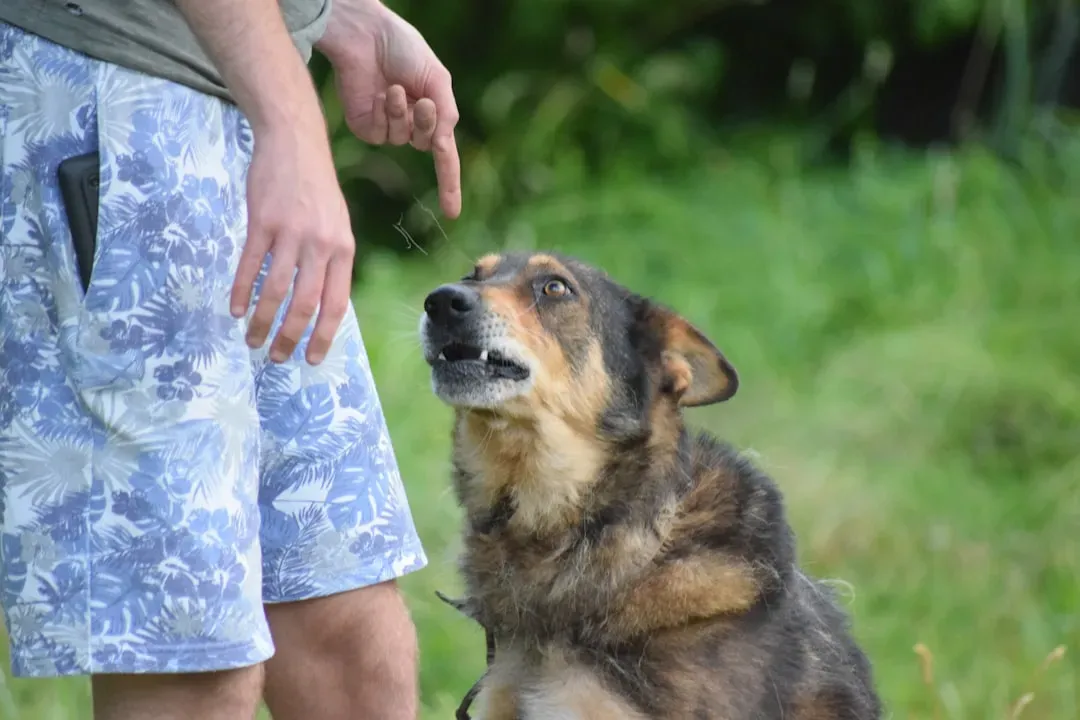
There is something deeply moving about the realization that your dog, in their pacing and whining and clinging, is not being difficult. They are being brilliant. They are doing what thousands of years of evolution built them to do: read the world with their whole body and communicate what they find.
Your dog isn’t psychic; they’re just equipped with specialized sensory systems that detect environmental changes you can’t perceive. Once you accept that, a whole new layer of communication opens up between you and your dog.
Start paying attention to the small things. The sudden restlessness on a clear afternoon. The persistent nudging. The fixed stare at the horizon. These breeds in particular are gifted messengers of nature’s shifts. Learn their language, and you won’t just understand them better. You’ll care for them better too.
The next time your dog acts “weird” for no obvious reason, maybe skip the weather app and watch your dog instead. They probably already have the answer. What would you have guessed was behind those mysterious behaviors before reading this? Share your stories in the comments. We’d love to hear them.


