You’ve fallen in love with those puppy eyes, the tiny paws, the soft whimpers. Your new dog bounces around the house, tumbling over their oversized feet, and you think you’re ready for anything. Here’s the thing, though. Many dog lovers discover too late that certain breeds transform dramatically as they mature. That adorable, manageable puppy can evolve into a force of nature by their first birthday, demanding far more than you bargained for.
The shift isn’t always obvious at first. Somewhere between the teething phase and adulthood, these dogs reveal their true personalities, energy levels, and needs. I think it’s important to understand that we’re not talking about bad dogs or problematic behavior in the traditional sense. We’re talking about breeds whose genetic blueprints kick into high gear once they’re physically mature. Let’s dive in.
Border Collie
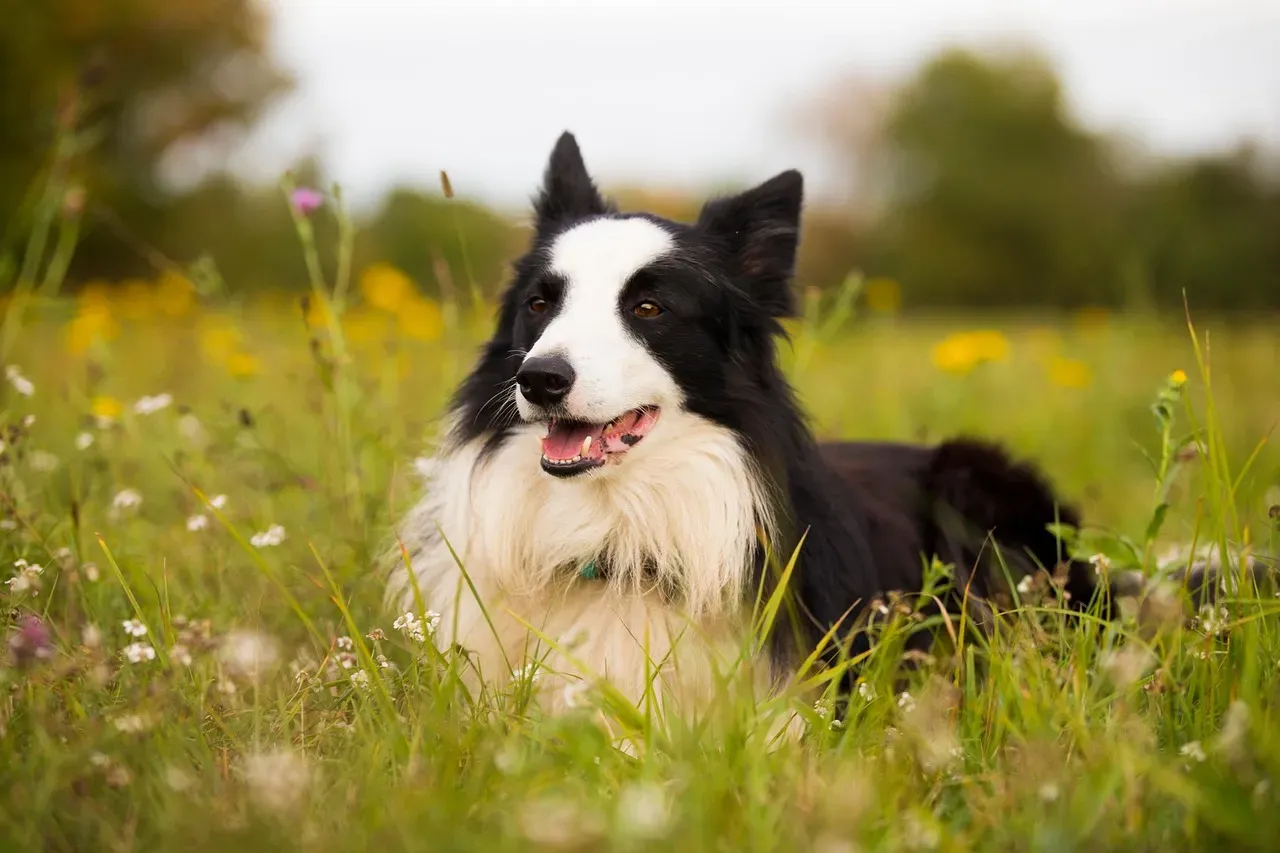
Picture a dog so intelligent they can learn a new command in less than five repetitions. Now imagine that same dog gets bored without a job to do and decides to create their own entertainment. Border Collies were bred to work on the farm, so they’re not only intelligent and obedient but also responsive and alert. They need lots of room to play and release their energy.
What seems like a clever, trainable puppy becomes an intense adult who watches your every move. Border Collies are incredibly intelligent and obedient, but can be a disastrous house dog if not properly exercised or given a challenging job every day. Their herding instinct doesn’t disappear in suburbia. Natural herders, Border Collies are prone to nipping at peoples’ heels. They’re loyal and affectionate with their owners but tend to be standoffish or snappy with strangers. Without proper outlets, you’ll find a dog who herds children, chases shadows, or develops obsessive behaviors that’ll test your patience.
Belgian Malinois
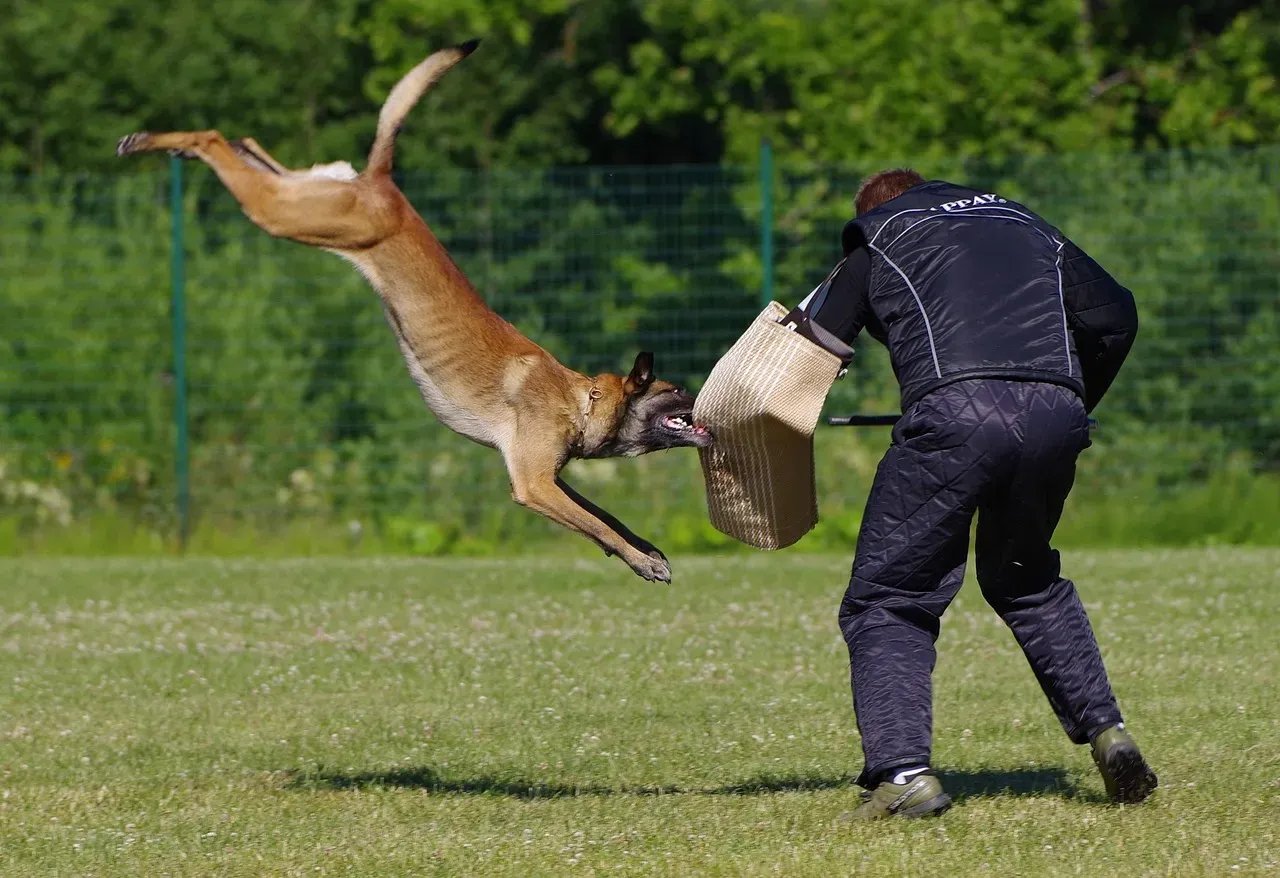
People see these dogs in movies working alongside police officers and think they’d make great family pets. That’s where things get complicated. The Belgian Malinois is a breed that embodies high energy, intelligence, and a strong working drive. Originally bred for herding, this dog thrives on having a job to do and requires an owner who can provide extensive training, regular, rigorous exercise, and mental stimulation.
As puppies, they’re playful and eager. As adults, they become relentless. Belgian Malinois dogs are intelligent and highly trainable, making them well-suited for active and experienced owners. This breed is not ideal for households with small children or sedentary lifestyles. Without guidance, their energy can turn into destructive behaviors or anxiety. You’re looking at a dog who needs hours of daily activity, not just a walk around the block. Their intelligence and eagerness to please make them excellent at obedience and agility training, but these same traits mean they can quickly become bored and potentially destructive if not properly engaged. Malinois are often used in police and military roles due to their trainable nature and resilience, highlighting their need for a structured, active lifestyle that a typical pet owner may find overwhelming.
Siberian Husky
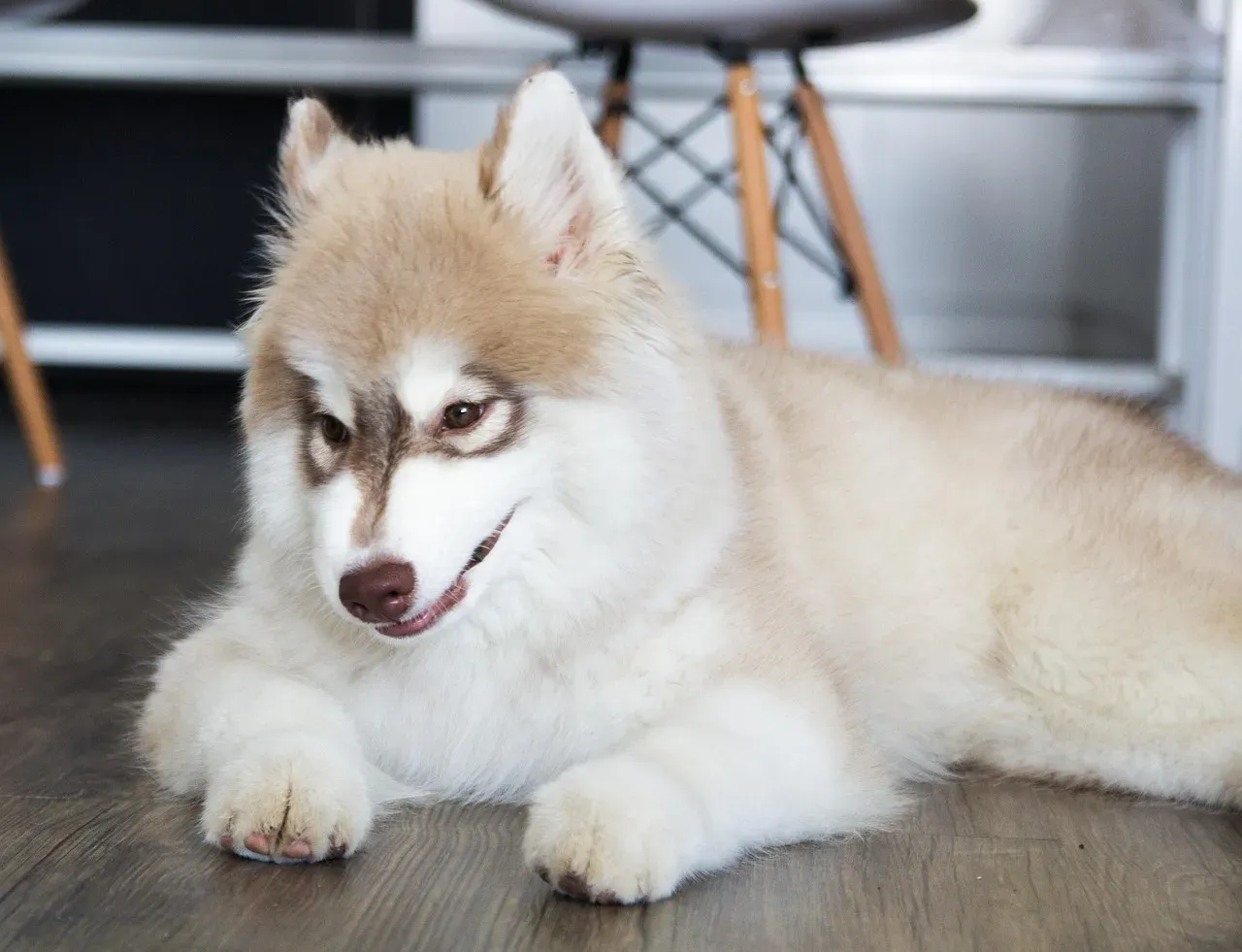
Let’s be real. Those stunning blue eyes and wolf-like features are hard to resist. Husky puppies are fluffy bundles of cuteness that seem manageable enough. Then adolescence hits, and suddenly you have an escape artist with the endurance of a marathon runner. Huskies are far from being low-maintenance dogs. This high-energy breed requires a lot of exercise and is prone to bolting out the door. They are also very intelligent and skilled escape artists with a strong will that can lead them to ignore you in favor of doing whatever they want.
Originating in Northeastern Asia (Siberia), the Siberian Husky was designed as the ultimate winter sled dog. Fueled with high endurance and speed, these striking canines require strenuous daily exercise such as running or hiking or boredom will ensue. Their independent nature makes training frustrating for many owners. Siberian Husky behavior, especially when under-stimulated, can be challenging to navigate for the first time dog owner. Huskies are independent and stubborn in nature, making them among the hardest dogs to train. Honestly, if you’re not prepared to provide serious physical outlets daily, you’ll end up with a destructive, howling mess.
Australian Shepherd
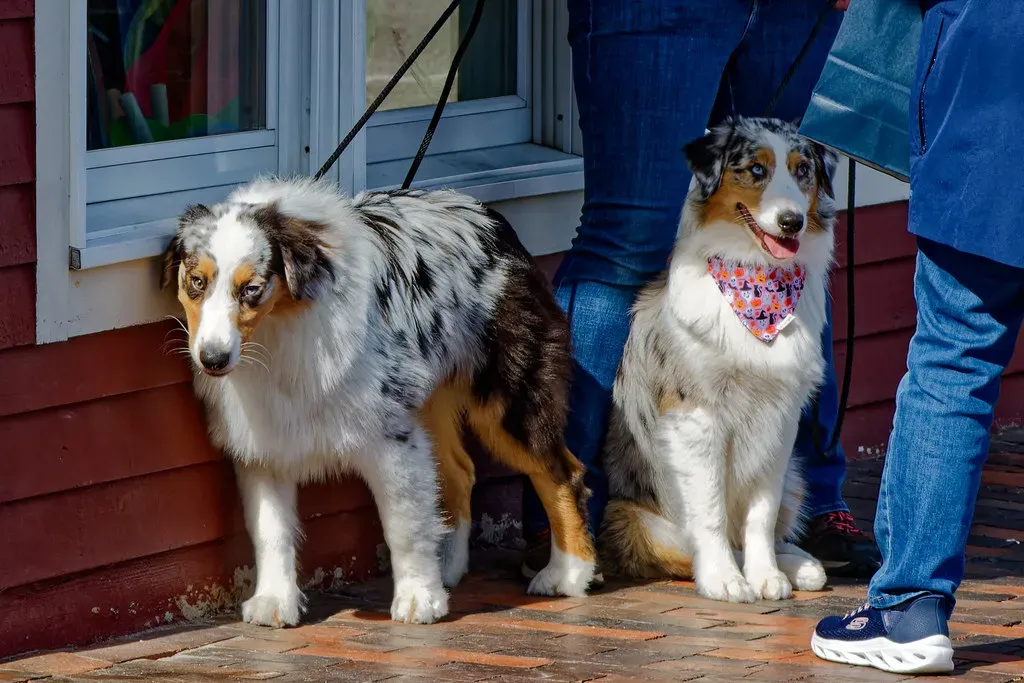
Australian Shepherds look like the perfect medium-sized family dog. They’re beautiful, smart, and affectionate as puppies. Once they reach maturity, however, their herding heritage becomes undeniable. Australian Shepherds are also herding dogs, along with being one of the most intelligent and high energy dog breeds. They are incredibly smart and hard-working, and so they require a lot of mind and body stimulation regularly.
These dogs weren’t bred to lounge on couches. If you’re bringing an Australian Shepherd dog home, be prepared to provide them with resources to run around and play. They are essentially farm dogs and so they need a job to be happy and healthy. Without structured activities, these majestic dogs will likely resort to chasing people and animals in the absence of some work. If they do not get enough exercise, structure, and training, you might see some behavioral issues in them, and they can become indifferent or stubborn. I know it sounds dramatic, yet this breed can become genuinely difficult to manage without proper outlets.
Jack Russell Terrier
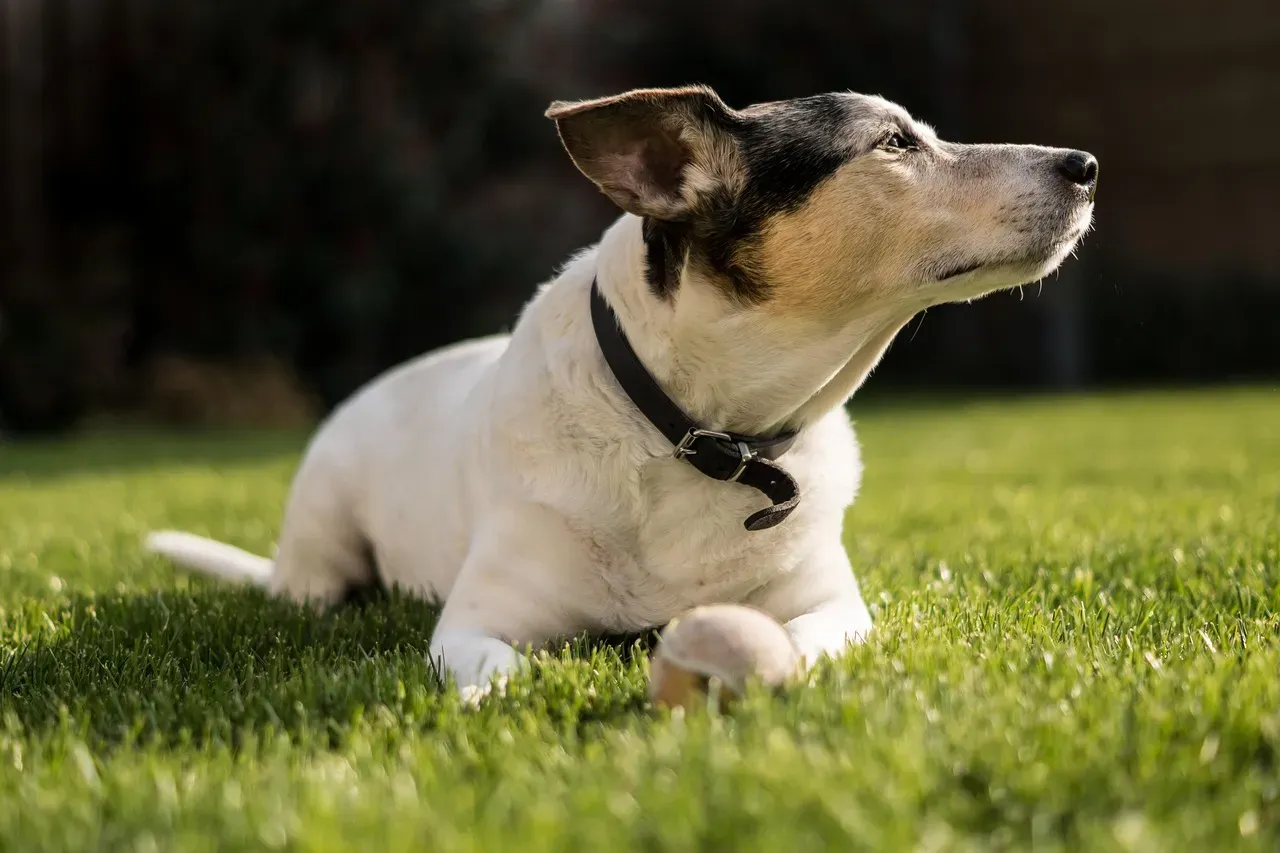
Small dogs are easier, right? Not when we’re talking about Jack Russells. What appears as a compact, portable companion morphs into a tiny tornado with teeth. The Jack Russell Terrier is a pint-sized dynamo with an enormous personality. These energetic dogs love chasing, digging, and performing tricks. They’re small but fearless, and they’ll keep you laughing with their antics as long as they get plenty of exercise and attention.
Despite their size, they pack the energy of dogs three times their weight. Originally bred to hunt foxes, they’re fearless, fast, and often up for a challenge. Their sharp minds mean they excel in activities like agility, scent work, and barn hunts. The problem is that most people underestimate them because of their appearance. Breeds like Border Collies, Australian Shepherds, and Jack Russell Terriers are known for their high energy. They thrive when they have a job to do. Without proper training and activity, you’ll find yourself living with a barking, destructive little terror who refuses to settle down.
German Shepherd
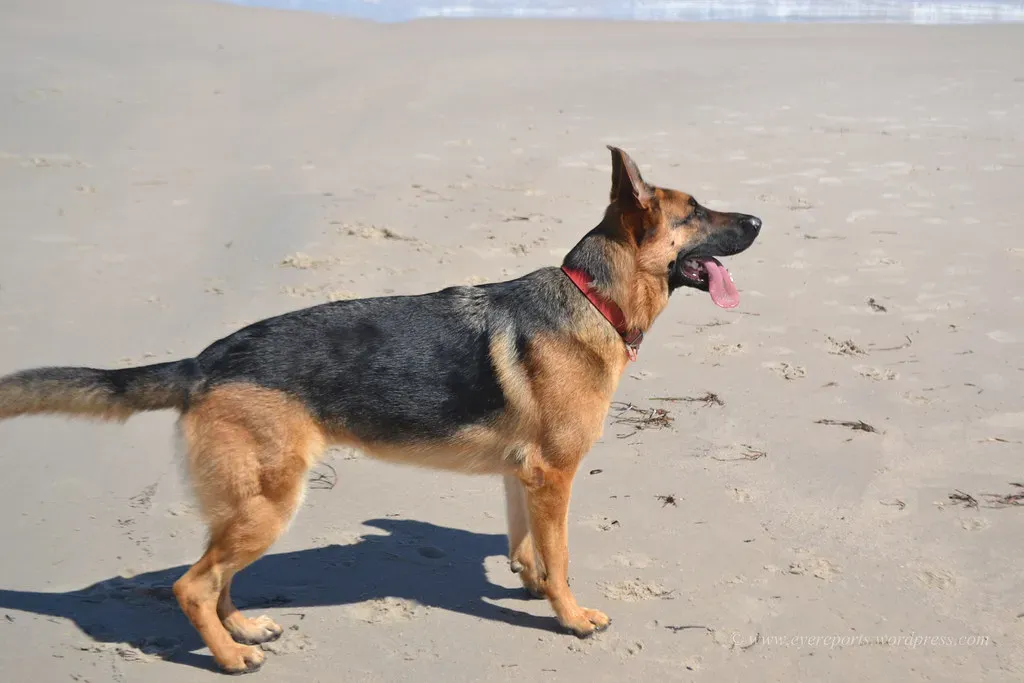
German Shepherds are among the most popular breeds, beloved for their loyalty and versatility. As puppies, they’re adorable furballs who seem eager to please. Yet as they mature, their protective instincts and drive intensify significantly. Guarding-type breeds (i.e. German Shepherds, Rottweilers, Dobermans, etc.) may start to display severe guarding tendencies.
German Shepherds are loyal, protective, and energetic dogs. They need daily walks, runs, and mental engagement through training. The challenge isn’t just their physical needs. These dogs need consistent leadership and structure. They need structured training, clear boundaries, and early socialization. Experienced owners provide consistent guidance and leadership. Without firm, consistent handling, a German Shepherd can become overprotective, anxious, or reactive. It’s hard to say for sure, but many German Shepherds surrendered to shelters show behavior problems that stem from inadequate training during their developmental phases.
Conclusion
The transition from puppy to adult dog can catch even experienced owners off guard. These six breeds demand dedication, time, and an active lifestyle that many families simply aren’t prepared to provide. Their needs don’t diminish as they mature; they intensify.
Understanding breed characteristics before bringing home a puppy can save you years of frustration and prevent a dog from ending up in a shelter. These breeds aren’t inherently difficult, they just require the right match. They thrive with owners who appreciate their working heritage and can channel their energy productively.
Did any of these breeds surprise you? What’s been your experience with high-energy dogs once they’ve grown up? Share your thoughts in the comments.