

You come home after a long day, and what greets you isn’t your dog’s wagging tail but rather the remnants of what used to be your couch cushions. Or maybe it’s a freshly excavated hole in the backyard that looks like it could be an archaeological dig site. Sound familiar? If you’re nodding along, then you’ve probably experienced firsthand what happens when certain dog breeds don’t get enough mental and physical stimulation.
Some dogs are perfectly content lounging around all day, but others? They’re wired differently. These breeds were created for jobs that demanded stamina, intelligence, and an almost relentless drive to work. When modern life doesn’t provide an outlet for all that energy and brainpower, well, they’ll create their own entertainment. Unfortunately, that entertainment usually involves your belongings, your sanity, or both. Let’s dive into six breeds that are absolute masters at transforming a quiet afternoon into total mayhem when boredom strikes.
Border Collie: The Genius Who Refuses to Be Idle
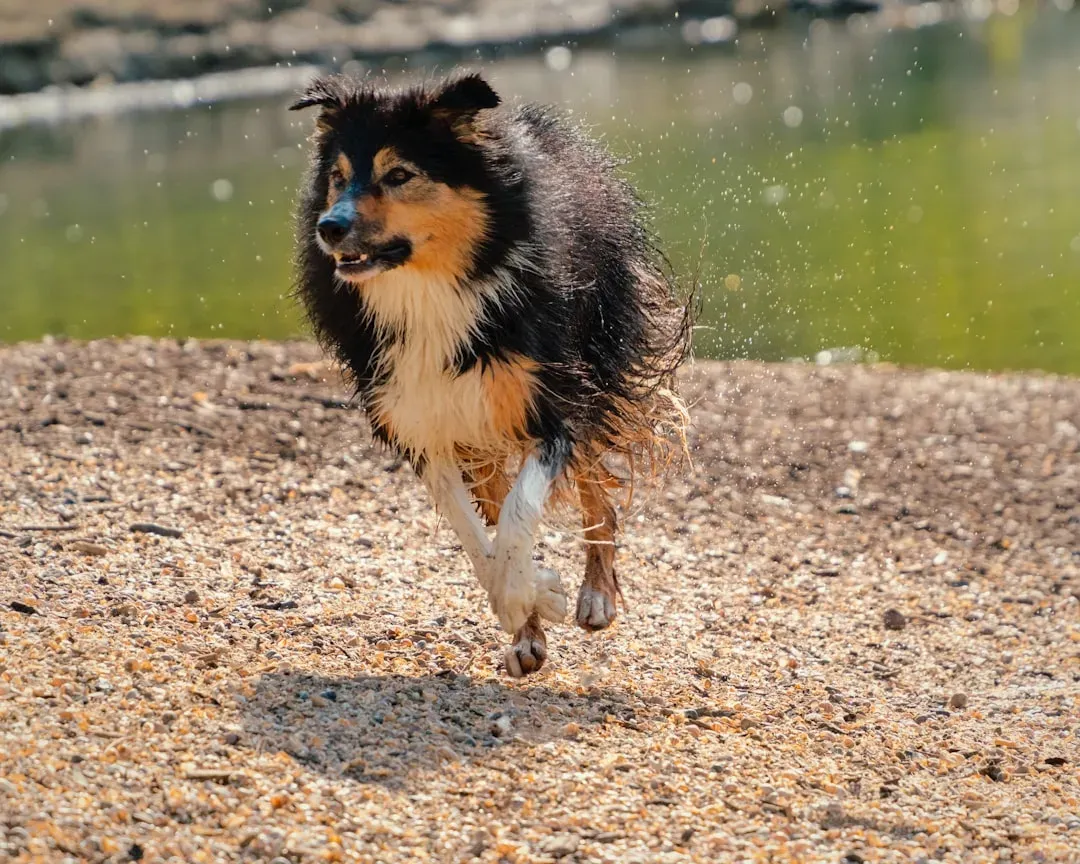
Border Collies are considered by many to be the smartest dog breed on the planet, with one well-known Border Collie reportedly knowing more than 1,000 words and language commands. That’s not just impressive. It’s almost unsettling when you think about it.
Originally bred to herd sheep, these dogs have an almost endless energy supply and a sharp mind that thrives on problem-solving and challenges. Their intelligence is a double-edged sword. Sure, they can learn tricks faster than you can teach them, but when they’re left without a job to do, that brain starts working overtime in ways you won’t appreciate. When bored, they can become destructive, turning their attention to chewing, digging, and even herding children or other pets in the home.
I’ve seen Border Collies try to herd everything from toddlers to vacuum cleaners. It’s almost comical until you realize your dog is genuinely stressed because nobody is listening to their “instructions.” Without adequate mental and physical stimulation, they may become bored and exhibit destructive behaviors. Think shredded furniture, chewed baseboards, and obsessive behaviors like pacing or constant barking.
These dogs require a minimum of one to two hours of vigorous physical activity daily. A quick walk around the block won’t cut it. They need agility courses, puzzle toys, advanced obedience training, or actual herding work to keep their minds engaged and bodies tired.
Belgian Malinois: The Workaholic on Overdrive
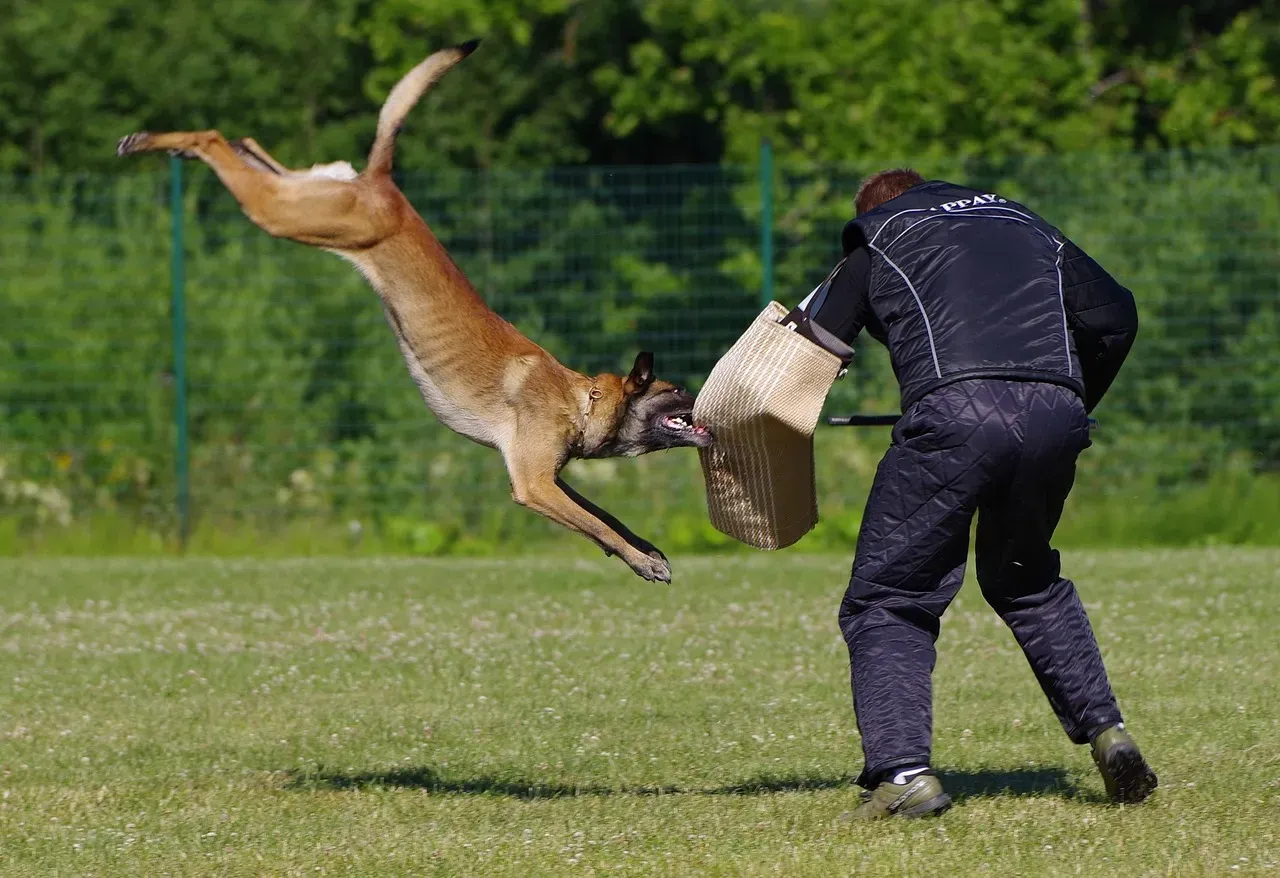
The Belgian Malinois is known for being a smart, energetic and hardworking breed with a through-the-roof energy level. These dogs are the ones you see working alongside military personnel and police officers, and there’s a reason for that. They thrive on structure, purpose, and constant activity.
If a Belgian Malinois doesn’t get enough mental and physical stimulation, they can quickly become bored, leading to destructive behaviors like chewing, digging, or excessive barking. Honestly, calling them high-energy feels like an understatement. Belgian Malinois require two to three hours of daily exercise, including both physical activities and mental stimulation, divided into multiple sessions throughout the day.
What makes them particularly challenging is their intensity. Without proper exercise, a Belgian Malinois will most certainly become anxious or destructive. They don’t just chew a shoe; they dismantle it with surgical precision. They don’t just dig a hole; they redesign your entire garden layout.
These dogs need jobs, not just exercise. Mental stimulation through puzzle toys, trick training, and nose work are essential to prevent boredom. If you’re not prepared to dedicate significant time each day to training, playing, and working with a Malinois, you’ll end up with a four-legged tornado tearing through your home.
Jack Russell Terrier: Small Dog, Massive Attitude
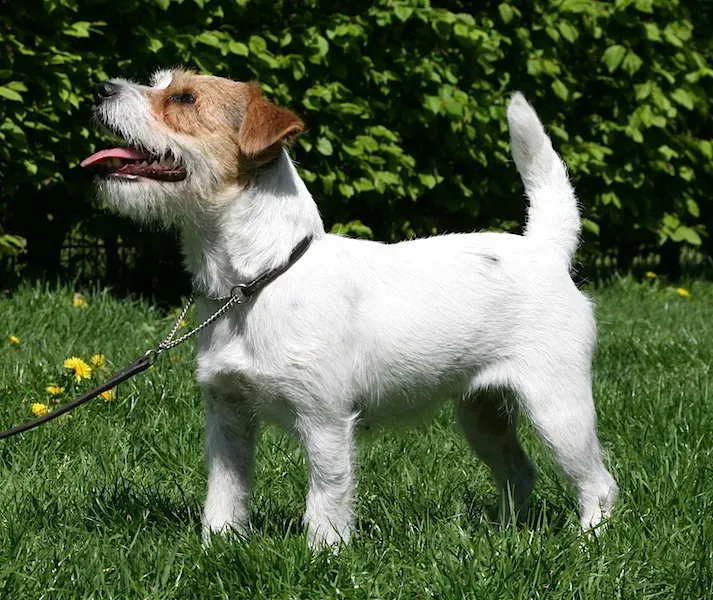
Don’t let their compact size fool you. The average Jack Russell needs as much exercise as a young German Shorthaired Pointer or a Lab, and most unfortunately never get even close to the level of activity which they need to stay sane and calm on a daily basis.
Jack Russell Terriers are gutsy little dogs who take life by the horns, often living the definition of small dog syndrome, and they can be stubborn, excitable and have a high prey drive. They were bred to hunt foxes, which required them to be fearless, tenacious, and incredibly persistent. Those traits don’t just disappear when they’re living in a suburban home.
The two biggest reasons that Jack Russells bark are because of boredom or anxiety, and boredom can be easily fixed by giving your dog a variety of chews to entertain herself with. However, barking is just the tip of the iceberg. Jack Russells are high-energy dogs and may turn to digging out of boredom or frustration. They’ll also chew through anything they can get their teeth on.
Jack Russells need daily activity to burn off their high energy, aiming for at least an hour of walks or play like fetch or tug-of-war. Without it, you’re basically asking for trouble. Their boredom doesn’t manifest as sadness; it erupts as hyperactivity and mischief.
Siberian Husky: The Legendary Escape Artist
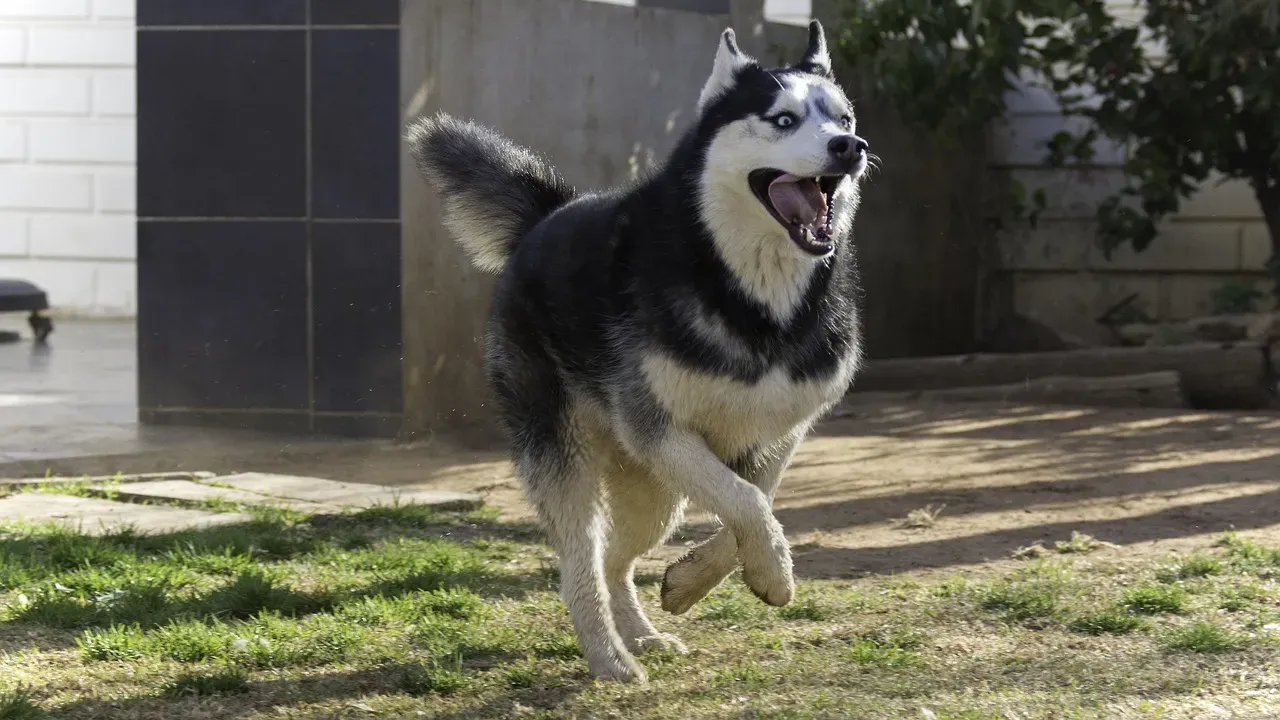
Huskies are a very independent, headstrong breed that has been bred to think on their own out in the tundra. That independence is part of their charm, but it’s also why they’re absolute nightmares when bored. Bored Siberian Huskies are famous for howling and destructive chewing, chewing through drywall, ripping the stuffing out of sofas, and turning your yard into a moonscape of giant craters.
Let’s be real. Huskies are legendary escape artists. Many Siberian Huskies are clever escape artists who will go over, under, or through fences in search of adventure. They can dig under fences, jump over walls, and some have even figured out how to open gate latches. I know someone whose Husky learned to turn doorknobs. Doorknobs!
Without exercise, mental activity, and lots of companionship, a Husky can be incredibly, massively destructive. On average, a husky needs around two hours of exercise per day to tire them out. A short stroll isn’t going to satisfy a dog bred to pull sleds across frozen tundra for miles on end.
Being the social creatures they are, Huskies often suffer from separation anxiety and can become destructive when left unattended. They need companionship, activity, and mental challenges. Otherwise, you’re going to come home to chaos.
Australian Shepherd: The Herding Dynamo
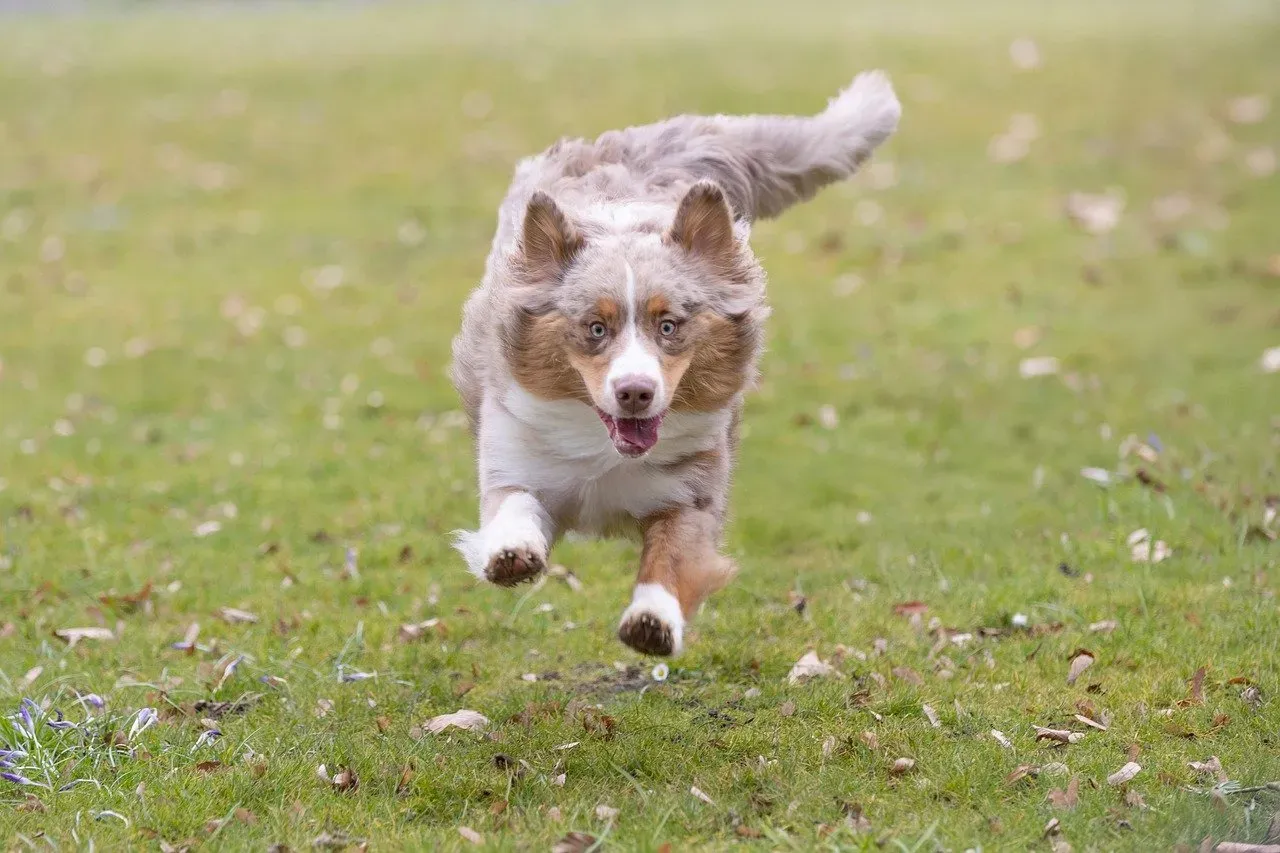
Australian Shepherds are known for their intelligence and high energy levels, and they are happiest when they have a job, whether it’s herding livestock, participating in agility training, or even learning new tricks. These dogs are relentless workers, and when there’s no work to be done, they get creative.
Australian Shepherds are prone to destructive chewing as natural high-fliers, high-energy workaholics, and if they don’t have the opportunity to make the most of those traits, they’ll seek alternative habits to satisfy them. That could mean chewing furniture, obsessively herding family members, or developing compulsive behaviors.
These intelligent dogs are also one of the breeds most likely to suffer separation anxiety, and some resort to gnawing through the furniture in protest. It’s not spite. It’s stress. They genuinely don’t know what to do with themselves when they’re not engaged in meaningful activity.
Australian Shepherds need both physical and mental challenges daily. Agility courses, obedience training, interactive toys, and even doggy sports can help keep them satisfied. Without these outlets, they’ll invent their own entertainment, and trust me, you won’t like their choices.
Dalmatian: The Energetic Firehouse Mascot

Dalmatians are famous for their striking spotted coats and history as firehouse mascots, but they were bred as carriage dogs meant to run long distances and guard horses, which required both stamina and alertness. That history means they’re built for endurance and constant activity.
Dalmatians can quickly become bored and restless when they don’t receive enough physical exercise or mental stimulation, and this boredom can lead to destructive behaviors such as chewing on furniture, digging up the yard, or finding ways to escape and explore independently. They’re not content to just lie around all day. Their bodies and minds demand action.
Dalmatians are known for their intelligence, meaning they need tasks challenging their minds and bodies, and without proper outlets for their energy, they can develop bad habits that are hard to break. They need long runs, interactive play, and training sessions that keep them engaged.
Some breeds have more intense attachment styles and are more likely to act out when bored or lonely, including Dalmatians. They crave companionship and activity. Leave them alone for too long without proper stimulation, and you’ll return to a scene that looks like a tornado swept through your living room.
Conclusion: Love Them, Challenge Them, Tire Them Out

Here’s the thing about these breeds. They’re not bad dogs. They’re just wired for action, problem-solving, and constant engagement. When we bring them into our homes without understanding their needs, we set everyone up for frustration.
Boredom in dogs is often the result of insufficient mental and physical stimulation, and this can manifest in unwanted behaviors such as chewing furniture, digging, excessive barking, and other forms of destruction. The solution isn’t to avoid these breeds. It’s to meet their needs head-on with daily exercise, mental challenges, training, and companionship.
If you’re considering one of these breeds, ask yourself honestly whether you have the time, energy, and commitment to keep them engaged. If the answer is yes, you’ll have an incredibly loyal, intelligent, and fun companion. If not, well, you might want to consider a breed with a lower energy baseline. What do you think? Are you up for the challenge, or do these high-energy pups sound like more than you bargained for?


