

You’ve probably seen it happen. A friend invites you over, and before you even knock on the door, you hear frantic barking, the sound of paws scrambling on hardwood, and maybe something crashing to the floor. Or maybe you’ve lived it yourself, standing in your own yard, watching your dog ignore every command you’ve ever taught them. Let’s be real, some dog breeds just come with more baggage than others. It’s not about bad dogs, it’s about understanding that certain breeds were wired for jobs that don’t always translate well into modern living rooms. On the flip side, there are dogs who seem to glide through life with the emotional stability of a zen master. This article dives into both worlds: the breeds that might test your patience in ways you never imagined, and those that could teach us all a thing or two about staying cool under pressure. So let’s get started.
Siberian Husky: The Escape Artist Extraordinaire
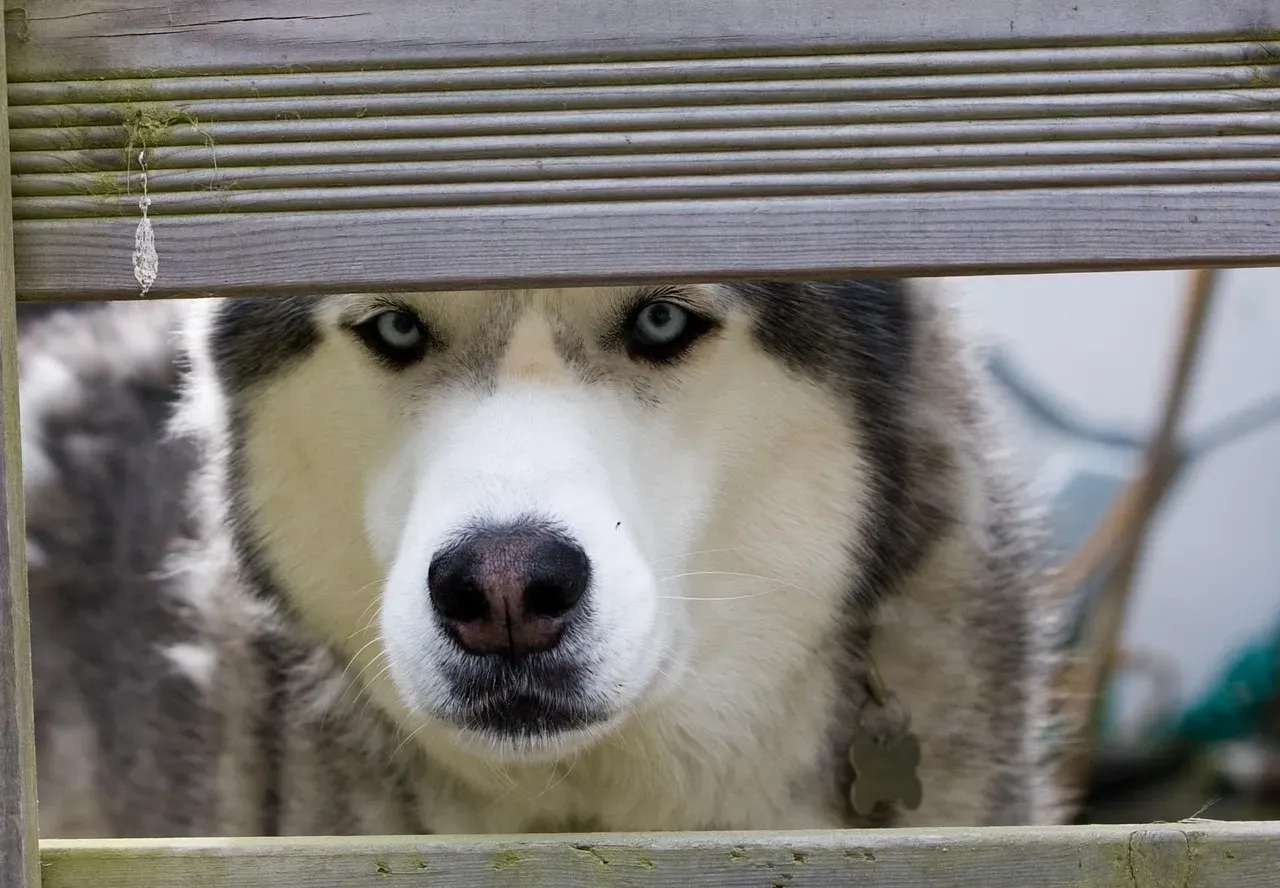
Siberian Huskies are celebrated for their endurance, but this same trait makes them difficult household pets, with their instinct to roam meaning they often test fences and barriers, leading to frequent escapes. Picture coming home to find your backyard resembling a crime scene, with tunnel systems dug under the fence line that would impress a prison break movie. These clever canines are escape artists who will try to go on neighborhood escapades by themselves if there’s nothing to stop them, and they need an experienced pet parent who keeps an eye on them and stops them from hatching dangerous escape plans.
These dogs are notoriously vocal, using howls and talking sounds to express themselves, and their stubborn streak often challenges first-time owners who expect easy obedience. Managing their strong will requires patience that not everyone has. They’re beautiful, yes, with those striking blue eyes. Huskies are also notorious for being prone to digging under or jumping over fences, and once loose, their independence and prey drive can lead to dangerous situations, with insufficient daily exercise potentially leading to significant behavioral issues including aggression.
Beagle: The Nose-Led Troublemaker
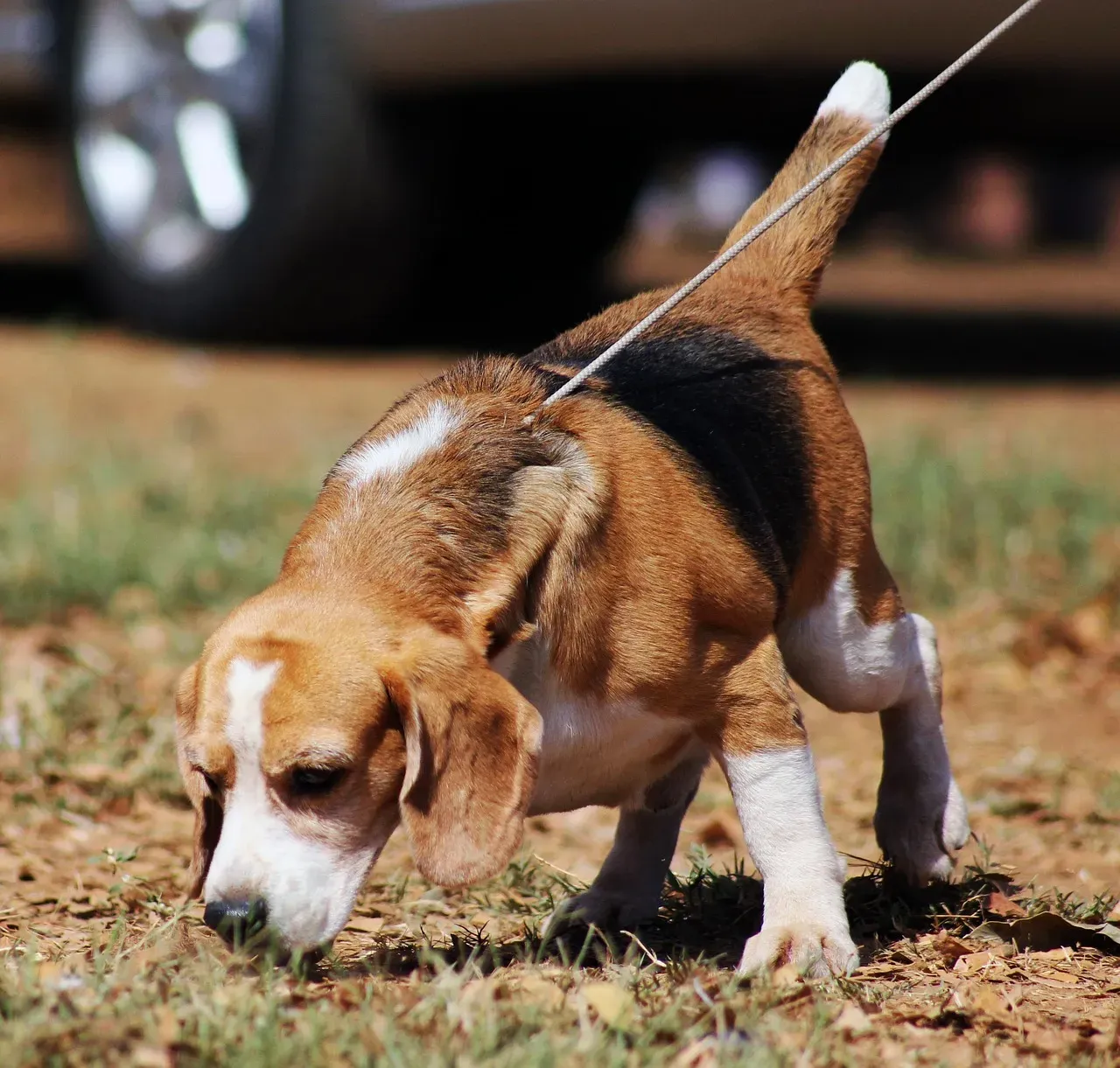
Beagles follow their noses straight into chaos. These compact hounds were bred to track rabbits for hours on end, which sounds charming until you realize that same drive translates to your dog completely ignoring you the second they catch an interesting scent. Training a Beagle can feel like negotiating with someone who’s wearing noise-canceling headphones.
Their determination is legendary. Once a Beagle locks onto a smell, your voice becomes background noise. They’ll pull you down the sidewalk, dart into bushes, and generally act like you don’t exist. It’s hard to say for sure, but roughly half of Beagle owners have probably contemplated renaming their dog “Selective Hearing.” Beyond the scent obsession, they’re also prone to excessive barking and howling, especially when left alone, which your neighbors will definitely appreciate.
Chihuahua: Tiny Dog, Giant Attitude
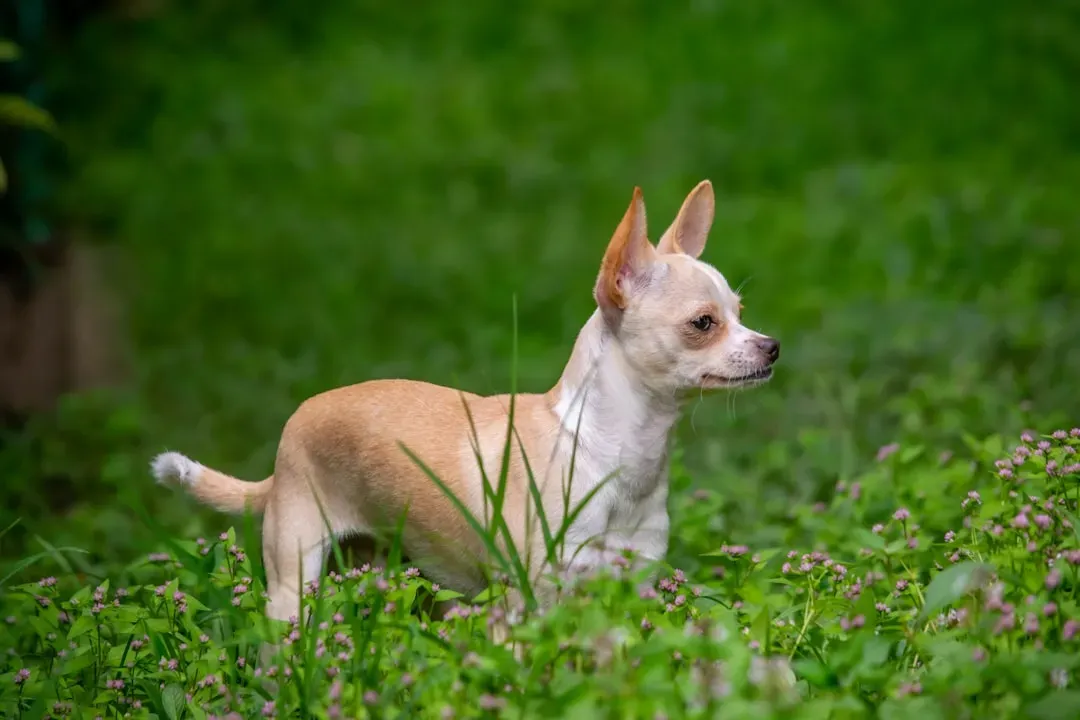
Chihuahuas, the tiny dogs from Mexico, are affectionate yet possessive, loving attention and following their owners everywhere, crying or whining when left alone. Here’s the thing about Chihuahuas: they genuinely don’t realize they’re small. Like many dogs, Chihuahuas have excessive barking and destructive chewing issues, which can be helped by starting with short absences and providing plenty of toys.
Research from the University of Pennsylvania revealed that smaller breeds like Dachshunds and Chihuahuas exhibit higher rates of aggressive behavior. They might not cause the damage that a large breed could, but their nipping, snapping, and general Napoleon complex can make socialization genuinely challenging. They tend to bond intensely with one person and view everyone else with suspicion. Training requires consistency they’re not always willing to give, and their fragile size means you’re constantly worried about accidents during any behavior correction.
Dachshund: The Stubborn Tunneler
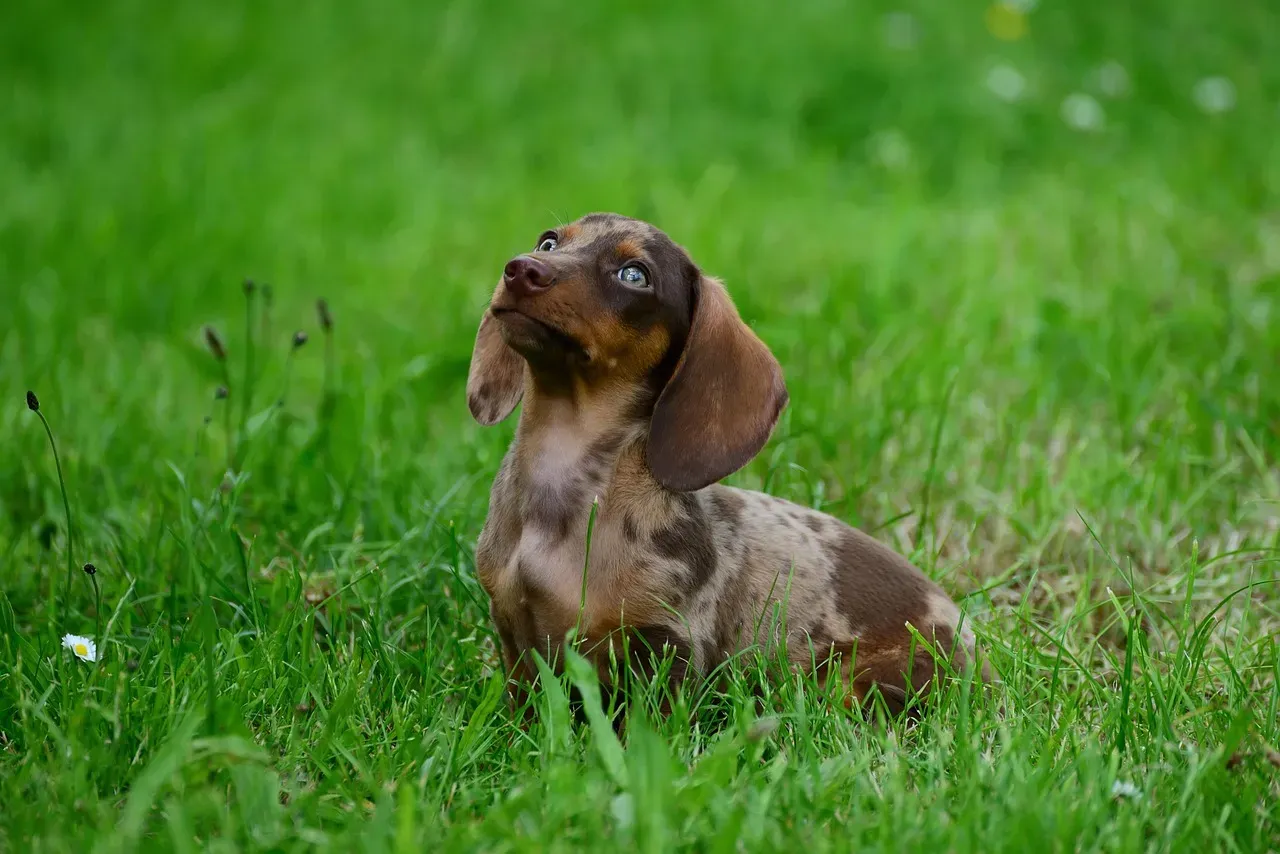
Dachshunds were bred to hunt badgers, which required independent thinking and relentless determination. Those same qualities make them hilariously stubborn pets. They’ll hear your command, process it, and then decide whether it’s worth their time. Spoiler: it usually isn’t.
Their long backs and short legs don’t just make them adorable, they also mean behavioral issues often intertwine with physical limitations. Jumping off furniture or pulling on leashes can cause serious spinal problems, yet try convincing a Dachshund to take it easy. They’re also diggers by nature, so your garden might become their personal excavation site. Their bark is shockingly loud for such a small package, and they’re prone to separation anxiety that manifests in destructive ways when you leave.
Jack Russell Terrier: Perpetual Motion Machine
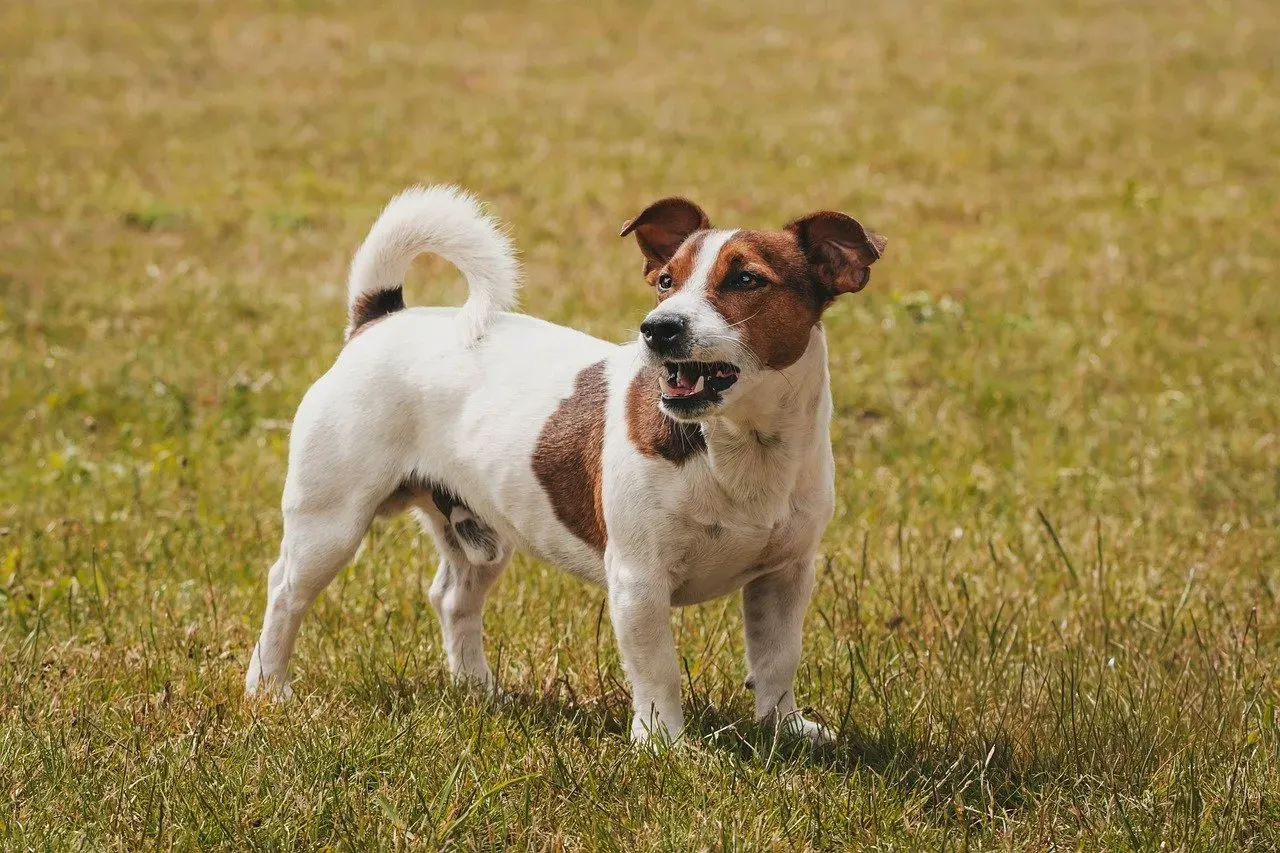
Jack Russell Terriers are basically caffeinated toddlers in dog form. They were bred to hunt foxes, which required endless energy, lightning-fast reflexes, and zero fear. Those traits don’t exactly make for a relaxing companion animal. These dogs need jobs, puzzles, and constant mental stimulation, or they’ll create their own entertainment, usually at your expense.
They’re incredibly smart, which sounds great until you realize they’re using that intelligence to outsmart you. They’ll figure out how to open cabinets, escape from crates, and find every weakness in your training. Their prey drive is intense, meaning small animals including cats are often in danger. Without several hours of vigorous exercise daily, a Jack Russell will bounce off your walls literally. They’re also prone to aggressive behavior toward other dogs, especially when they’re not properly socialized.
Dalmatian: High Energy, High Maintenance
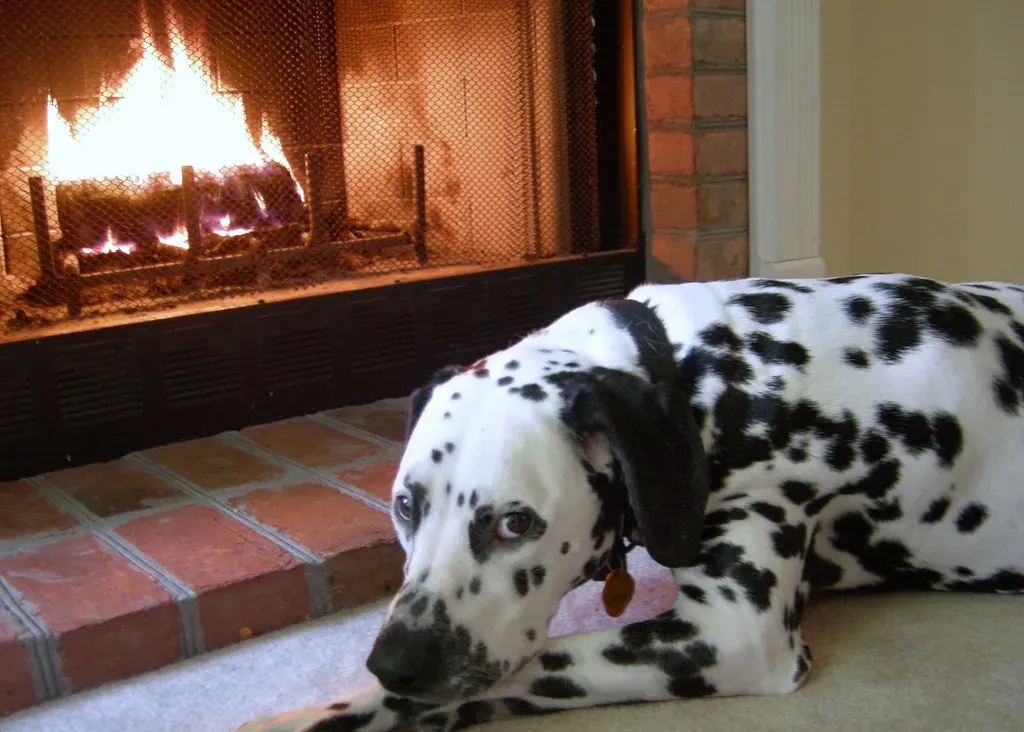
Many Dalmatians aren’t able to hear because of a genetic defect in the breed, and being around a toddler or small child might startle them often, which could result in accidental bites if the Dalmatian isn’t expecting it. Those adorable spots come with a package deal that includes hyperactivity and stubbornness. Young Dalmatian pups can be incredibly hyperactive, which is fun for children, but because they tend to grow quickly, they might start getting too rough during play.
Dalmatians were bred to run alongside carriages for miles, so they need massive amounts of exercise. A quick walk around the block won’t cut it. Without adequate physical activity, they become destructive, anxious, and difficult to manage. They’re also incredibly strong-willed and require firm, consistent training from someone who knows what they’re doing. Their energy levels don’t mesh well with apartment living or sedentary owners, and their size means when they misbehave, the consequences are significant.
Cavalier King Charles Spaniel: The Gentle Soul

Cavaliers are a small breed that is calm and gentle, well-suited for a family household. These dogs practically invented the concept of being easygoing. These dogs aren’t just adorable; they’re emotionally intuitive to a fault, with studies on canine empathy showing breeds like the Cavalier often respond to human distress faster than many others.
The Cavalier King Charles Spaniel is a picture of elegance, wrapped in warmth and affection, and as a well-behaved breed, this little companion brings a calm, friendly presence to any home. They’re perfectly content curling up in your lap for hours, yet they’re also happy joining you for gentle walks. Their adaptable nature means they fit into various living situations without complaint. They rarely bark excessively, get along wonderfully with children and other pets, and respond beautifully to training because they genuinely want to please you.
Basset Hound: The Laid-Back Loafer

With droopy ears and soulful eyes, the Basset Hound might look perpetually sleepy and truthfully, that’s not far from the truth, as this calm dog breed is famously laid-back, preferring slow strolls and long naps over energetic play. Honestly, if dogs could embody the phrase “taking it easy,” it would be a Basset Hound. What sets the Basset Hound apart is its unshakeable temperament; it’s not easily flustered or excitable, making it a top choice among well-behaved breeds.
These dogs love companionship and are inclined to bond deeply with their owners, offering loyalty without overwhelming attention-seeking. They’re patient with children and tolerant of household chaos in ways that more high-strung breeds simply aren’t. Their exercise needs are minimal, though they’ll enjoy a leisurely walk where they can investigate interesting smells at their own pace. Training requires patience since they can be stubborn, though they’re intelligent enough to learn when properly motivated.
Bernese Mountain Dog: The Gentle Giant
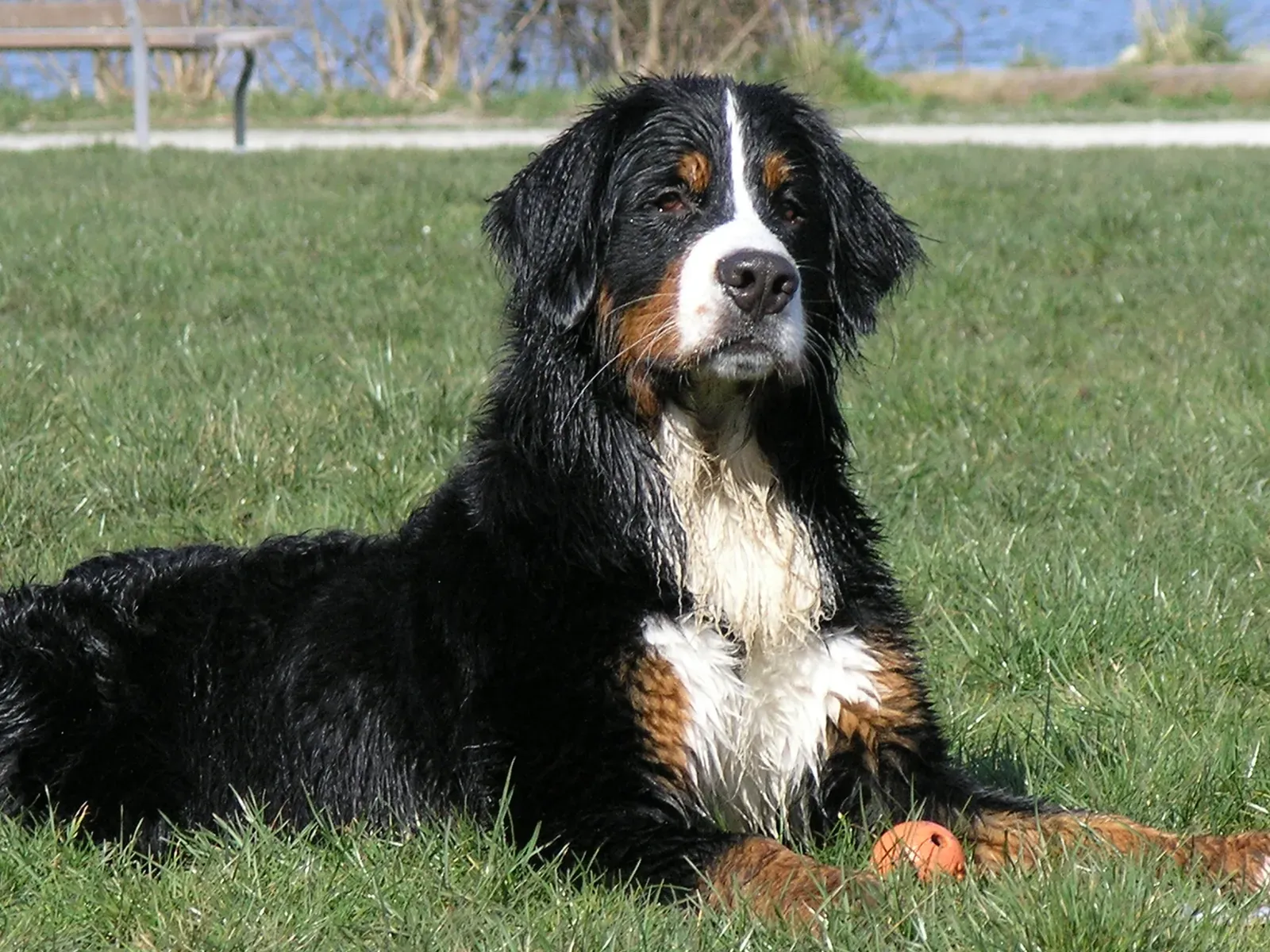
These majestic, large dogs from Switzerland possess a serene and even-tempered nature that endears them to many, with their calmness being one of the Bernese Mountain Dog’s most prominent traits, making them excellent family pets who rarely display hyperactive behavior and often get along well with other dogs. Their calm presence feels almost therapeutic. This large breed has a reputation for their friendly, loving natures, and they also tend to be pretty calm, loving spending time with children and happily watching over them as gentle giants that are affectionate and easygoing, making them great family pets.
Despite their impressive size, they move through life with remarkable gentleness. They’re patient with children, tolerant of other pets, and surprisingly adaptable despite needing adequate space. Training comes relatively easily because they’re eager to please and intelligent enough to pick up commands quickly. They need moderate exercise, but nothing extreme, and they’re perfectly happy lounging around the house between activities.
Great Dane: The Serene Heavyweight
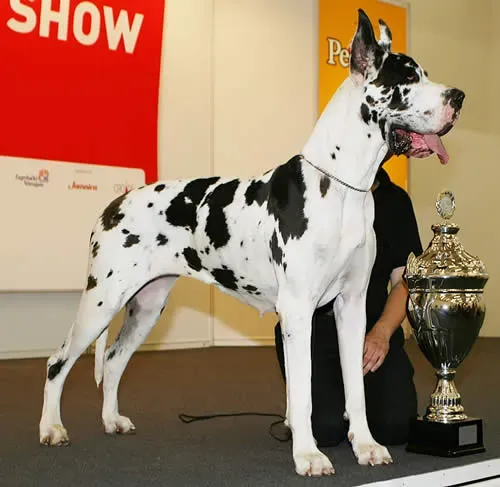
They may be extremely large and strong, but the Great Dane is known as a gentle giant because of their calm and loving disposition, making them excellent family pets. It’s wild that dogs who can weigh more than many adult humans are among the calmest breeds around. The giant Great Dane is one of the calmest dog breeds; their gentle, quiet nature makes them good family dogs, but they do need plenty of space to live and play, with Great Danes also needing long walks regularly, and their calm demeanor helping make that a generally hassle-free process when encountering other dogs and new people.
Their temperament is remarkably even-keeled. They don’t get easily worked up over loud noises, unexpected visitors, or household chaos. Training is important given their size, but they respond well to positive reinforcement and gentle guidance. They’re affectionate without being clingy, protective without being aggressive, and dignified in a way that makes them seem almost human at times.
Shih Tzu: The Royal Lap Dog
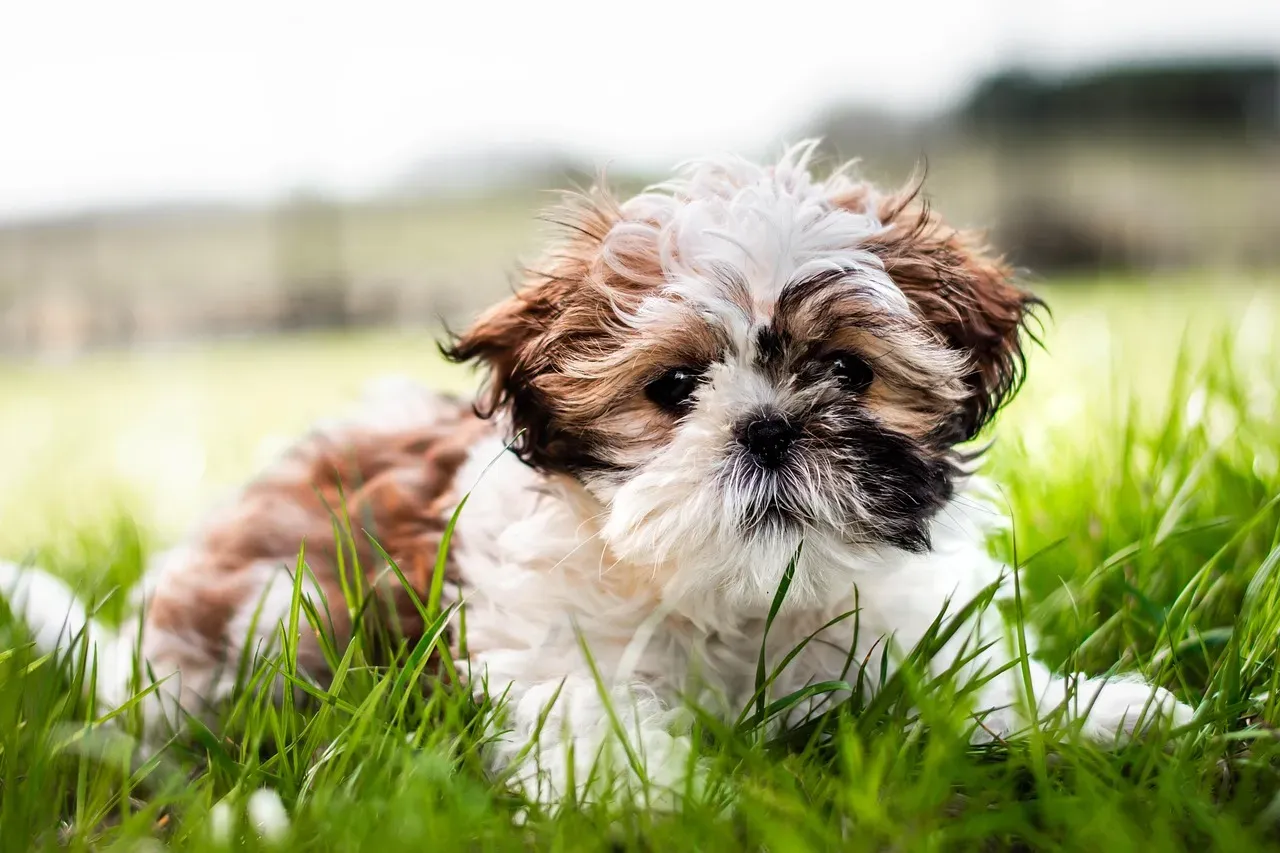
The sweet and small Shih Tzu is a friendly breed with a calm nature, and for centuries, these tiny dogs were adored by Chinese emperors, spending most of their days relaxing by their sides as faithful companions who are often quite relaxed and enjoy being pampered. Their royal heritage shows in their demeanor. Shih Tzus are small dogs with a naturally calm and friendly personality, making them excellent lap dogs and great for families.
They’re adaptable to various living situations, from tiny apartments to larger homes, and they’re generally wonderful with children when socialized properly. Their exercise needs are minimal, they’re happy with short walks and indoor play. They’re also remarkably patient and rarely aggressive, preferring peace and comfort over confrontation. Training is usually straightforward since they’re smart and eager to maintain their pampered status in your household.
English Bulldog: The Ultimate Couch Potato
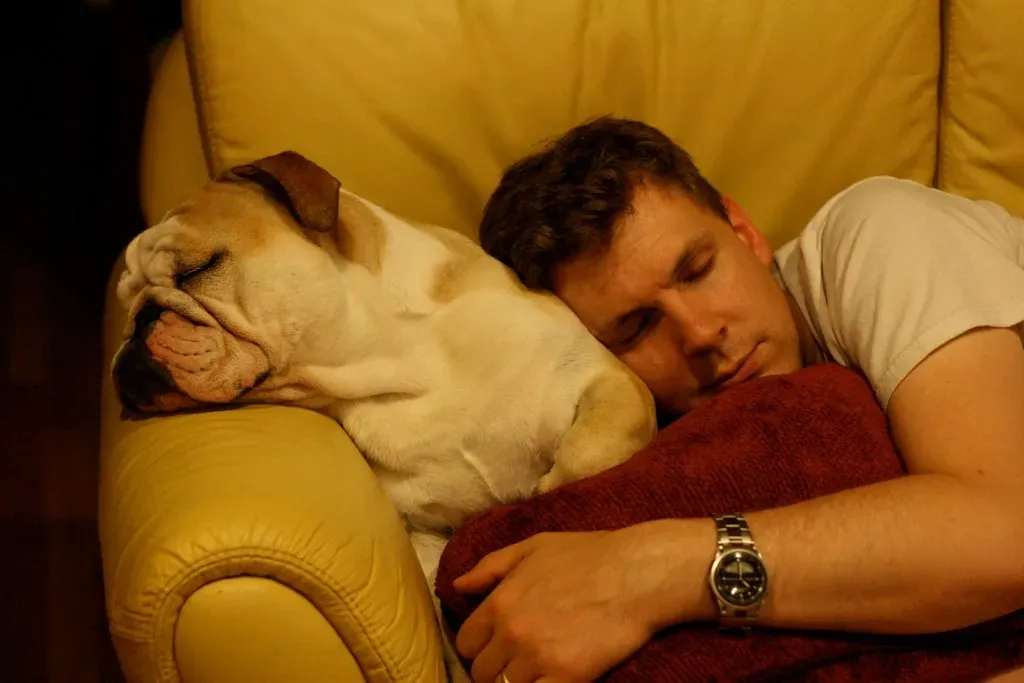
A well-socialized English Bulldog is generally a calm, low-energy dog, and while napping is one of the English Bulldog’s favorite activities, they also need to get outside for a walk and some playtime each day to stay happy and healthy. I know it sounds crazy, but these dogs take laziness to an art form. Not only are English Bulldogs calm, but they also tend to be downright sleepy, meaning they’ll absolutely love cuddling up with you on the couch and taking naps with you in bed.
One of the most popular breeds according to registration statistics, the Bulldog is calm, friendly, and does well with children, known for their loveable, gentle dispositions. They’re patient with kids, tolerant of other pets, and generally unbothered by household commotion. Their low energy means they’re perfect for less active families or apartment dwellers. Training requires gentle consistency, and they respond well to positive reinforcement, though their stubborn streak means you’ll need patience.
Conclusion: Finding Your Perfect Match

Here’s what I’ve learned after years of watching people choose dogs: behavior problems aren’t always about the dog being bad. Sometimes it’s about humans picking breeds that don’t match their lifestyle. A Siberian Husky in a small apartment with an owner who works twelve-hour days is going to become a problem dog, not because huskies are inherently awful, but because their needs aren’t being met. Similarly, someone wanting an active hiking companion will find an English Bulldog frustrating, not because Bulldogs are lazy failures, but because they were never meant for mountain trails.
The breeds with challenging behaviors often need specific outlets for instincts that served them well in their original jobs. The calm breeds tend to be those developed primarily as companions or guardians who needed steady temperaments. Neither category is better or worse, they’re just different. The real question is whether you’re prepared for the reality of what your chosen breed will bring into your life. What do you think about it? Did any of these surprise you, or does your own experience with these breeds tell a different story?


