
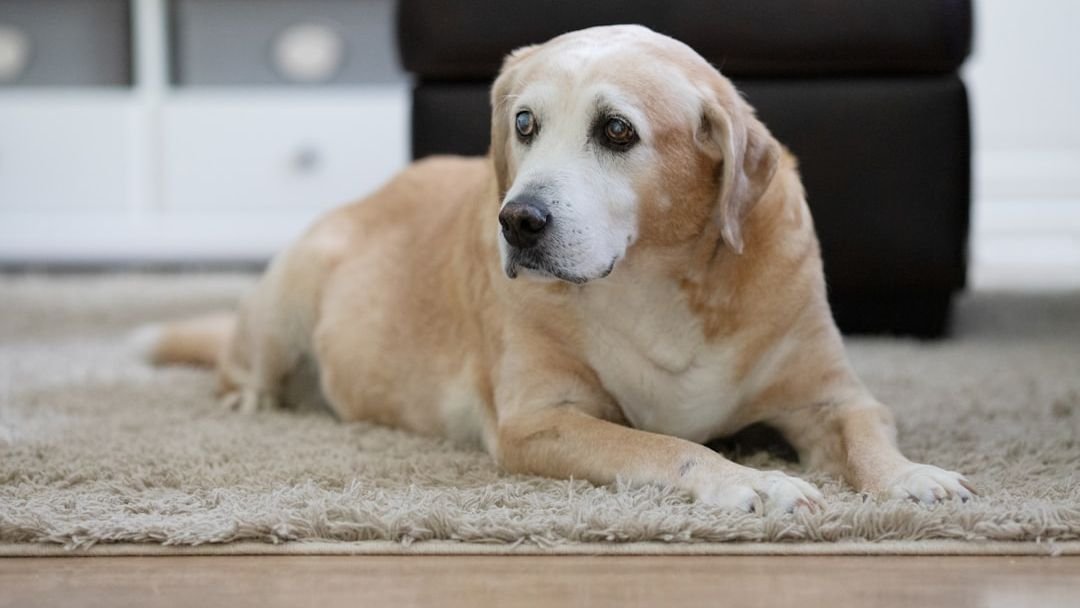
You know that moment when your dog hesitates at the stairs they used to bound up without a second thought? Or when they struggle to stand after lying down, their legs taking a moment longer to cooperate? It’s heartbreaking to watch. Our dogs give us everything, their whole lives wrapped in loyalty and love. Now it’s our turn to give back.
Creating a comfortable home for your aging companion doesn’t require dramatic renovations or a huge budget. What it does require is awareness, a bit of creativity, and genuine empathy for what they’re experiencing. Think about it this way: they’re still the same dog who greeted you at the door every day, who learned your routines better than you know them yourself. Their spirit hasn’t aged, even if their body has. So let’s dive in and talk about how to make their golden years truly golden.
Invest in Supportive Orthopedic Bedding
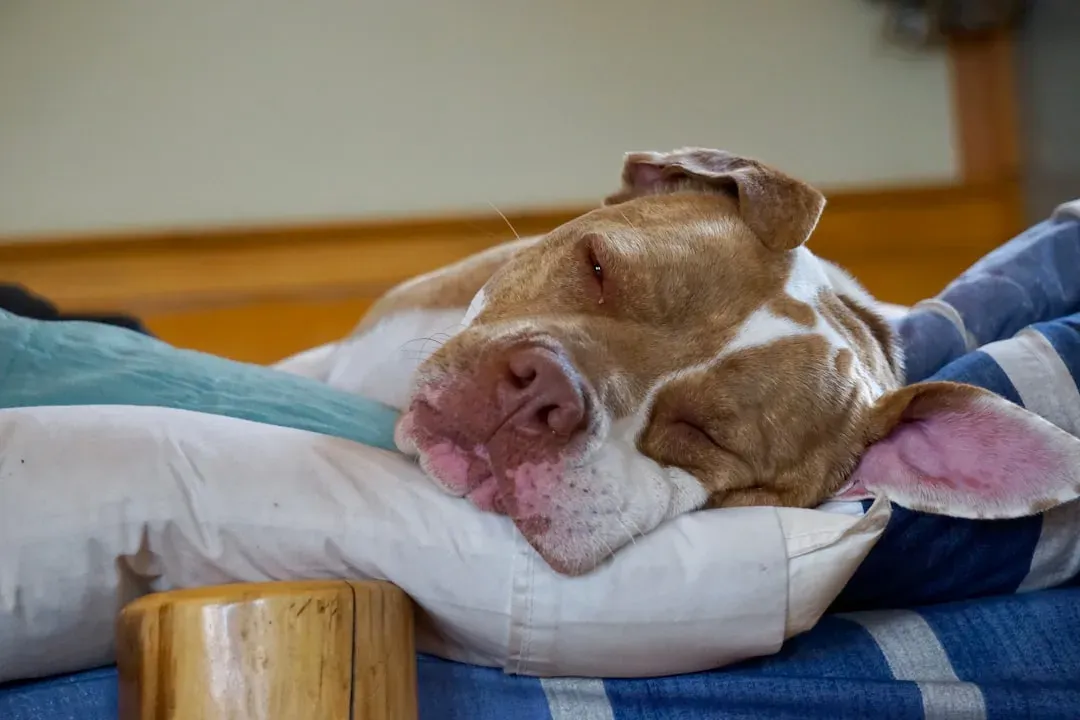
Dogs spend roughly half their day sleeping, thirty percent lounging around, and just twenty percent being active. As they enter their senior years, they need even more rest to function at their best. That old flat cushion they’ve been using? It’s doing them no favors.
Orthopedic beds help reduce the pressure on painful joints and muscles, providing much-needed relief from discomfort caused by arthritis and other age-related health issues. These beds aren’t just fancy pillows. They’re designed with memory foam that contours to your dog’s body, distributing their weight evenly and preventing those painful pressure points that develop when joints press against hard surfaces.
Here’s the thing: cheap foam collapses quickly. Repeated use causes inferior beds to flatten under the dog’s weight, eventually providing nothing more than a thin layer of material between their joints and the floor. Look for beds with high-density foam that maintains support over time. Your dog will sleep more soundly, wake up with less stiffness, and honestly, you’ll notice the difference in their mood and mobility almost immediately.
Create Non-Slip Pathways Throughout Your Home
Hardwood and tile floors look beautiful, I get it. They’re also terrifying for a dog whose hips aren’t what they used to be. Arthritis affects over half of senior dogs and can cause stiffness, limping, and difficulty with stairs or getting up.
If you have hardwood or tile floors, add non-slip rugs to help prevent slipping. Place them strategically along the routes your dog uses most: from their bed to the door, near their food bowls, in front of the couch. Think of it like creating a safe highway system through your home. You don’t need to carpet the entire house, just the main thoroughfares.
Adding a non-slip bath mat to the tub is an easy home modification to make, helping keep your senior dog comfortable. Slippery surfaces aren’t just uncomfortable, they’re genuinely scary for aging dogs who’ve lost confidence in their footing. Give them back that security.
Add Nightlights and Improve Lighting
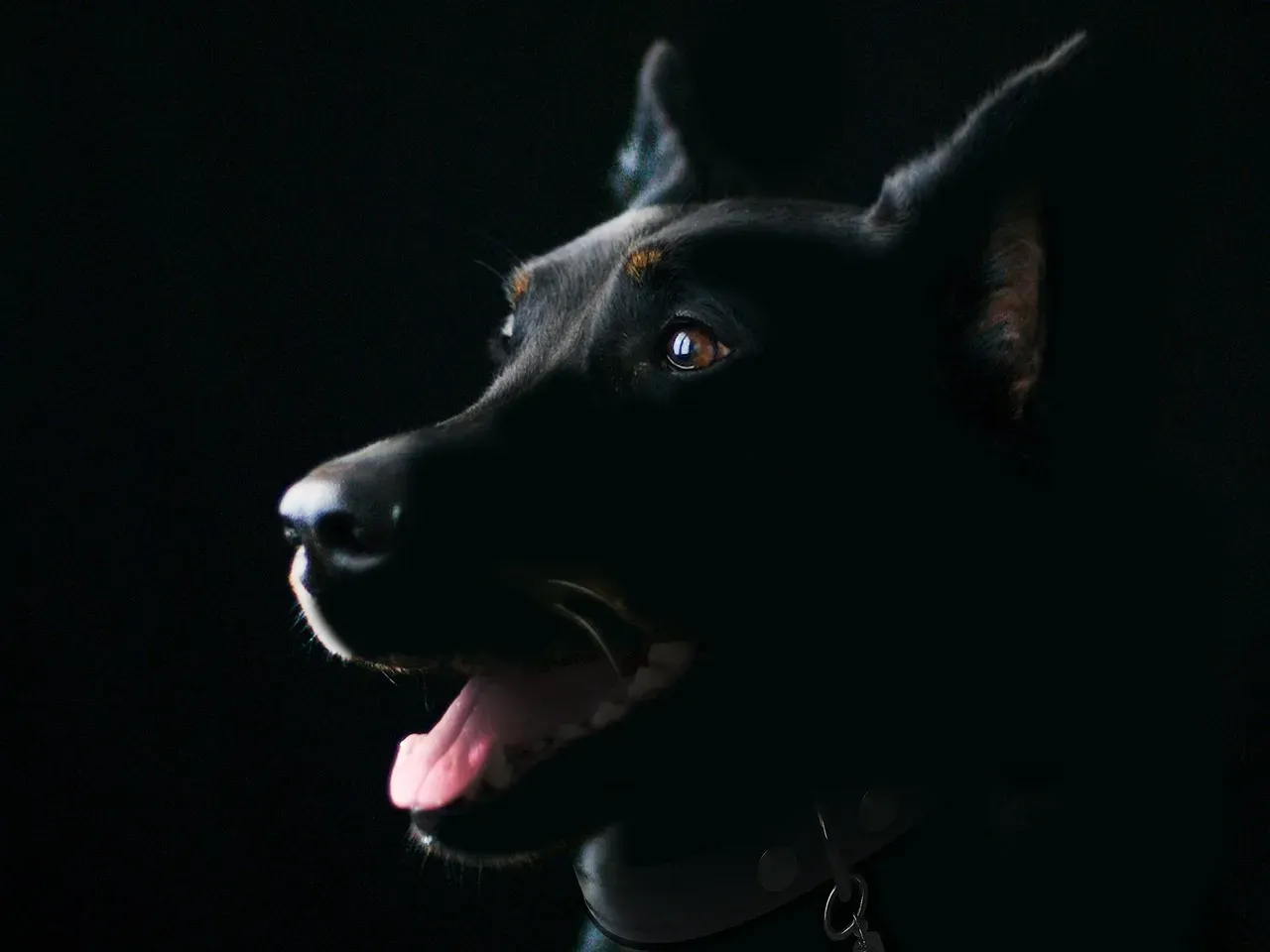
As dogs age, their vision becomes less accurate, and as it begins to diminish, it can be fear-inducing for your dog and even cause a fall or injury. Low-light conditions become especially problematic for senior pups.
Adding a nightlight to your dog’s sleeping area and in the hallways of your home is strongly recommended, especially if your dog wakes at night, which is common for senior dogs who suffer from doggie dementia. The warm glow helps them navigate without panic or confusion. I’ve seen this simple change make a massive difference for dogs who were becoming anxious after dark.
It’s very important not to rearrange furniture or add new furniture if possible, as your dog is likely to bump into any obstacles and may hurt themselves. Keep walkways clear and try not to move their food and water bowls or bed. Consistency paired with good lighting gives your aging dog the confidence to move around independently, which preserves their dignity and quality of life.
Install Ramps or Pet Stairs for Furniture Access
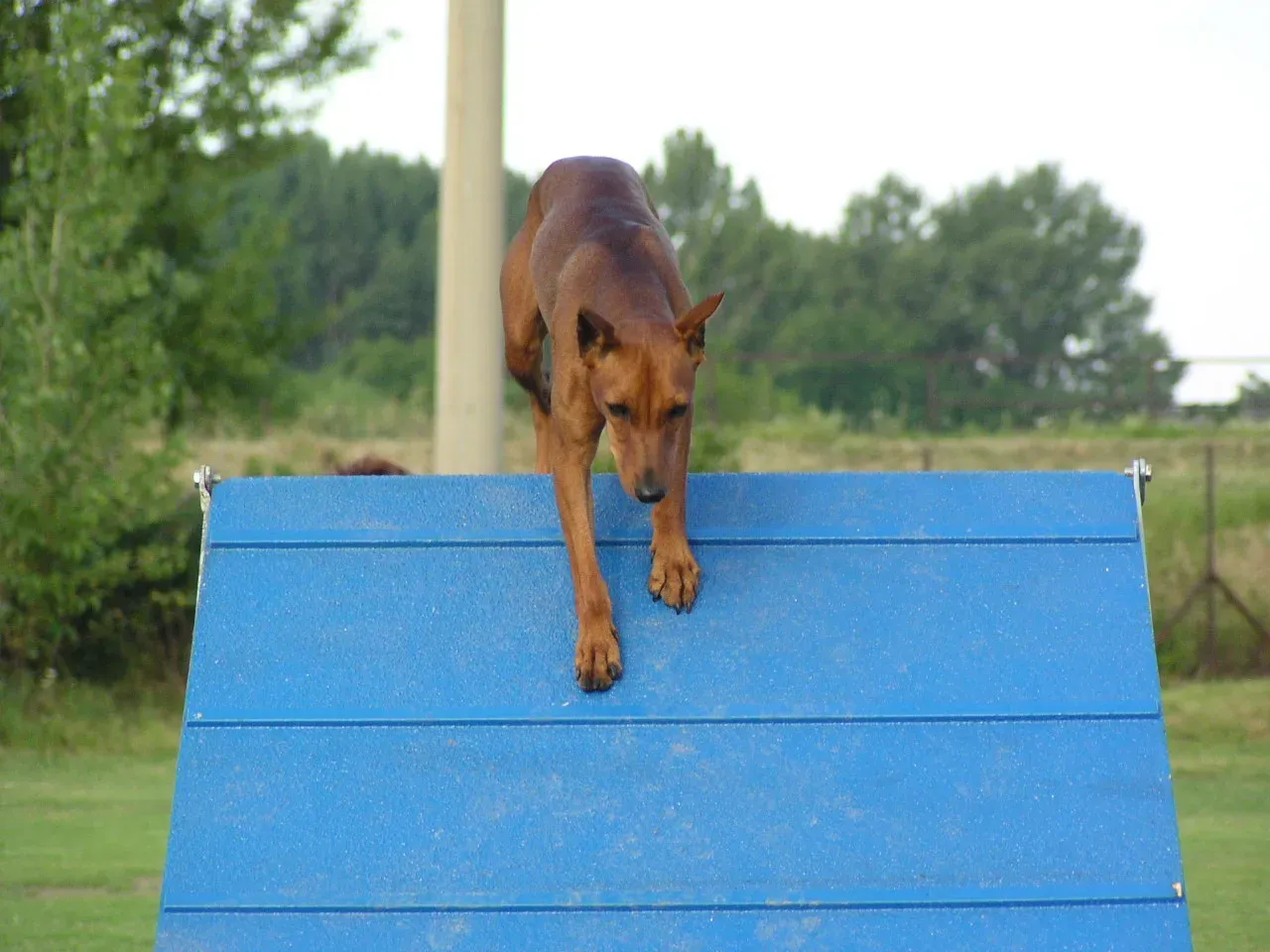
When dogs lose vision, they may especially struggle with depth perception which can make navigating their favorite furniture challenging or dangerous. To help senior dogs, it can be helpful to use dog ramps or stairs to help dogs get on and off beds and couches.
Let’s be real: your dog isn’t going to suddenly stop wanting to cuddle with you on the couch just because their joints hurt. Ramps or pet stairs can make furniture and vehicles easier to access, and an orthopedic bed can provide comfort for joints and muscles. These tools aren’t about coddling them, they’re about letting them continue doing what brings them joy without the pain.
Place ramps at gradual inclines near their favorite spots. Some dogs take to them immediately, others need gentle encouragement with treats and praise. Be patient during the learning phase. The payoff is worth it when you see them confidently accessing their beloved perch without that painful leap.
Adapt Your Home for Vision and Hearing Loss
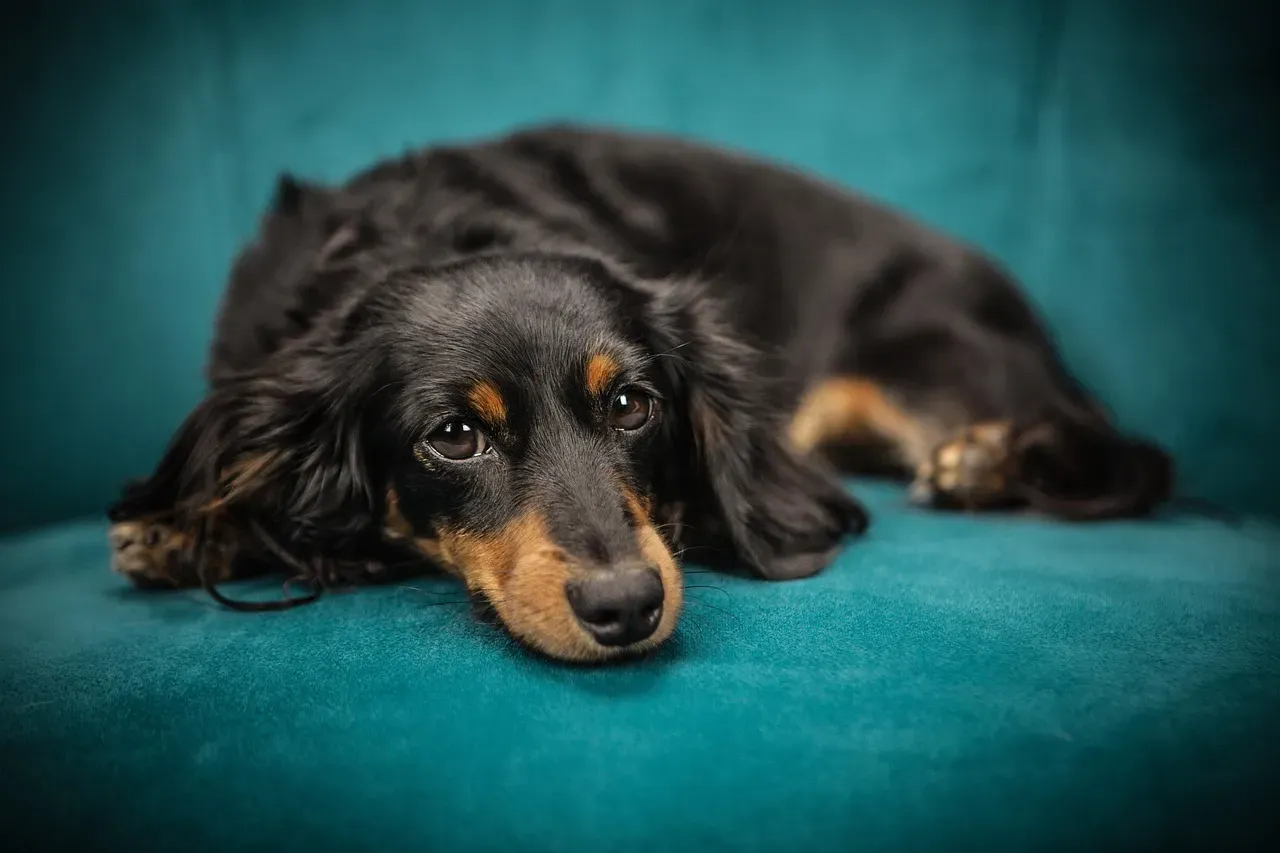
As dogs age, much like humans, they can start to lose their sight and hearing capabilities. Almost all dogs in their elder years will have these symptoms, whether minimal or extreme. It’s incredibly common, yet it catches so many of us off guard.
For dogs losing hearing, communication shifts entirely. When your dog experiences significant hearing loss, your ability to communicate via hand signals will create greater safety for your dog and more support for the emotional bond you share. Start teaching visual cues early, pairing hand gestures with verbal commands before hearing fades completely.
Keep the layout of your home the same as your dog is very likely to bump into obstacles and may hurt themselves. For blind or vision-impaired dogs, predictability becomes their lifeline. Place scented markers, like essential oils on furniture corners, to help your dog orient itself. Their nose becomes their map, and creating scent landmarks throughout your home helps them navigate with confidence. Never underestimate how adaptable dogs are when given the right support.
Maintain Comfortable Temperature and Easy Access to Essentials
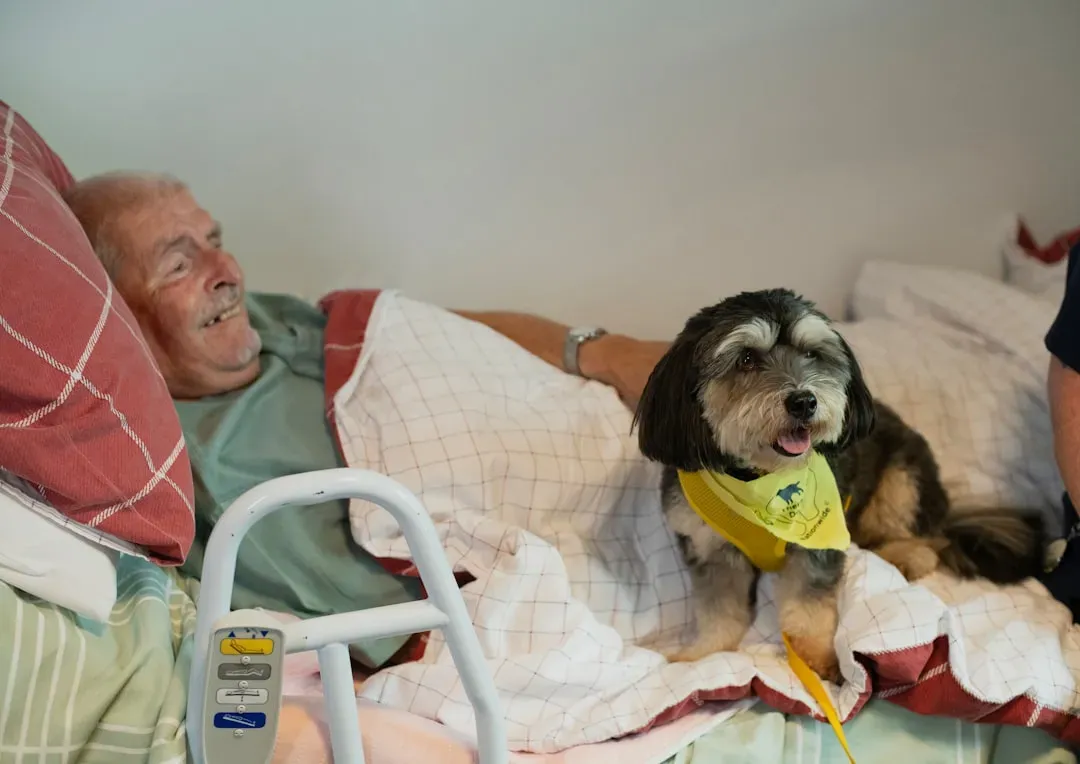
As dogs age, they begin losing large amounts of hair and their bodies are more sensitive to temperature fluctuations. Avoiding wide temperature variations and keeping the humidity consistent increases their comfort. That drafty spot they used to love? Not anymore.
Make sure they have easy access to the essentials: food and water bowls, litter boxes and pet beds. Raise their food and water bowls if bending down causes strain on their neck and shoulders. Keep multiple water stations around the house so they’re never far from hydration. These small adjustments remove daily obstacles that can frustrate and exhaust an aging dog.
Many accidents occur because dogs cannot reach the bathroom fast enough. Consider more frequent potty breaks and easier access to the yard. Senior dogs often develop incontinence, which isn’t their fault. Waterproof bedding protectors and washable pads preserve their dignity while keeping your home clean. Approach these changes with compassion, never frustration. They’d hold it if they could.
Conclusion
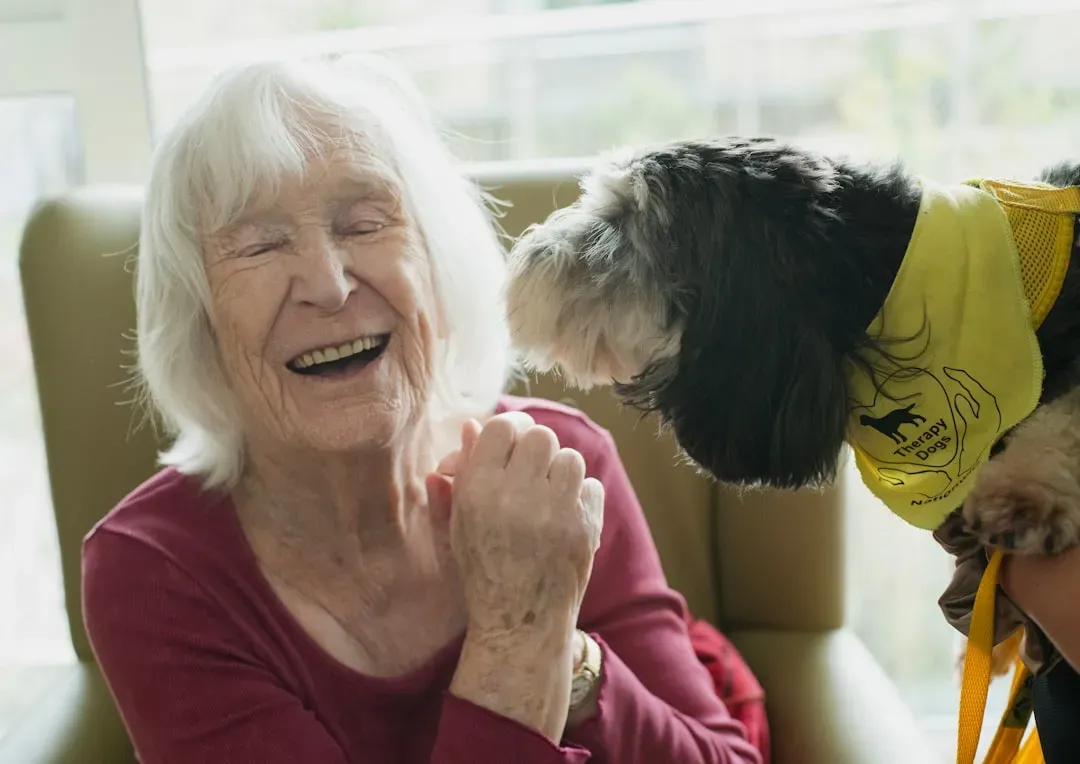
Your senior dog has spent years learning your moods, your schedule, your quirks. They’ve been there through everything, asking for nothing except your presence and a scratch behind the ears. Now they need you to return that attentiveness. The beauty of these home modifications is that they’re mostly simple, affordable changes that dramatically improve your dog’s daily comfort and safety.
Watch how they move through the house. Notice what makes them hesitate. Listen to what their behavior is telling you. Sometimes the most loving thing we can do is anticipate their needs before they struggle. These adjustments aren’t about prolonging the inevitable, they’re about ensuring every remaining day is filled with comfort, security, and the knowledge that they’re deeply loved.
What changes have you made for your aging pup? Sometimes the smallest shifts make the biggest difference.


