
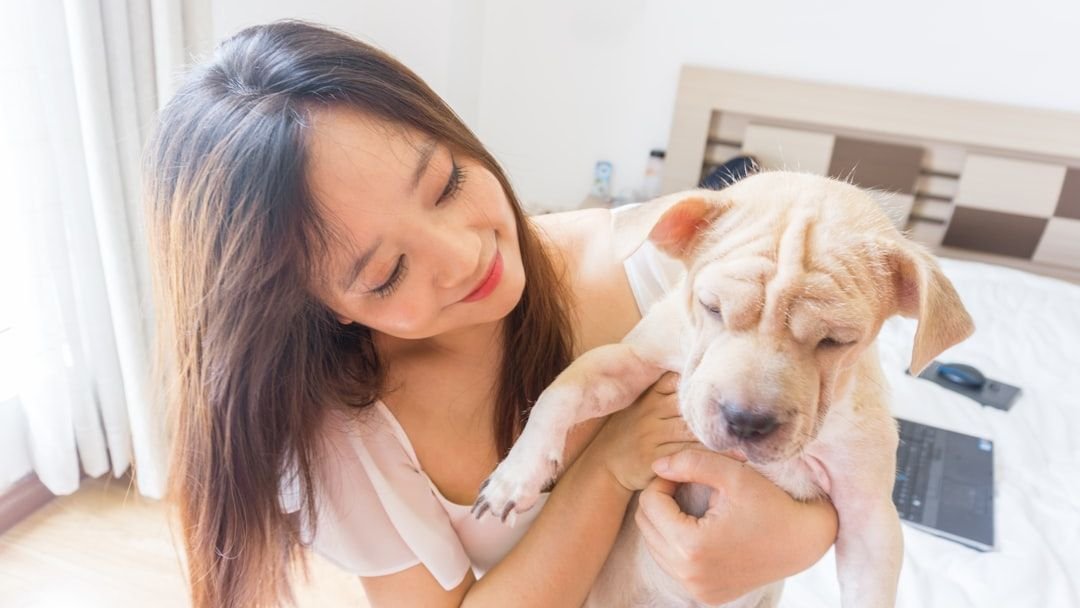
Picture your furry friend bounding toward you, coat gleaming in the sunlight, looking their absolute best. That gorgeous shine isn’t just luck. It’s the result of thoughtful, consistent care that goes beyond the occasional bath. Your dog’s coat tells a story about their overall health, and honestly, it can reveal more than you might think about what’s happening inside their body. When their fur looks dull or feels dry, it’s often your pup’s way of waving a little flag, asking for some extra attention.
Let’s be real, grooming isn’t just about keeping your dog Instagram-ready. It’s about comfort, health, and connection. The time you spend brushing, bathing, and caring for your dog’s coat strengthens your bond while keeping them feeling fabulous. Ready to transform your grooming routine into something that truly benefits your best friend?
Master the Art of Regular Brushing

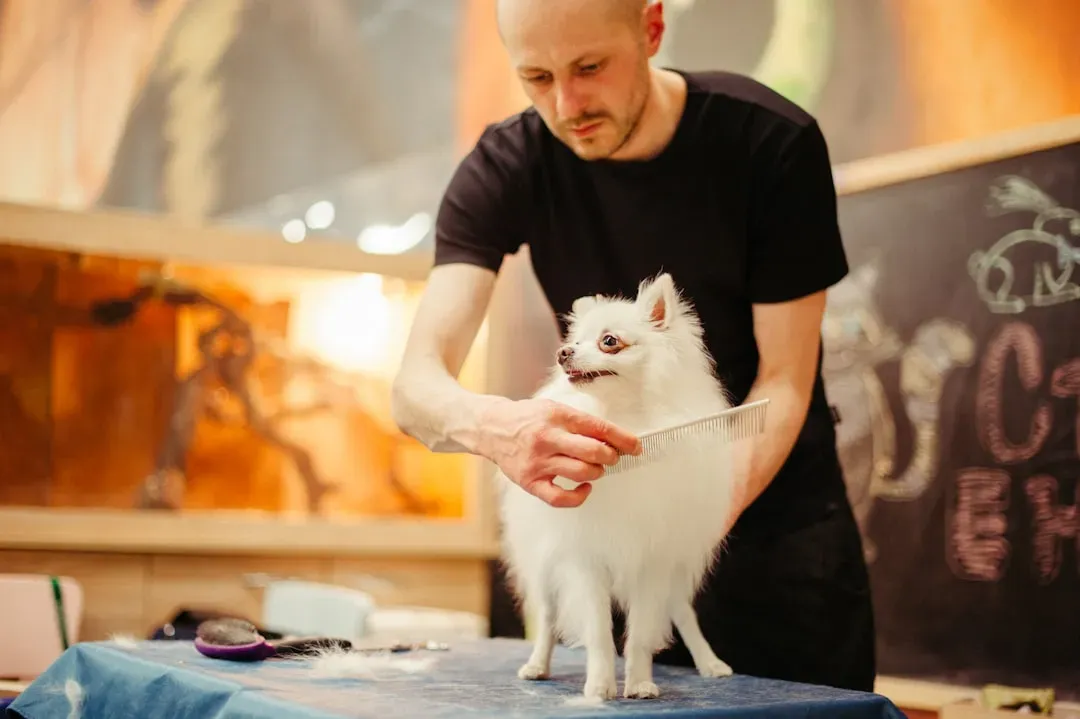
Brushing your dog’s coat regularly is one of the simplest and most effective ways to maintain its health, helping remove loose fur, dirt, and debris while distributing natural oils that keep the coat shiny. Think of it like this: your dog’s skin produces natural oils that are basically nature’s own conditioning treatment, and brushing spreads that goodness from root to tip.
Here’s the thing though, not all dogs need the same brushing schedule. Short-haired dogs should be brushed once a week with a soft-bristled brush, while long-haired dogs need brushing every other day to prevent mats. Regular brushing also provides an opportunity to check for any unusual lumps, bumps, or parasites that may require attention.
I know it sounds crazy, but those few minutes of daily brushing can prevent hours of dealing with painful mats later. Pay special attention to areas behind the ears, under the legs, and around the collar where tangles love to hide. By incorporating brushing into your routine, you can strengthen your bond with your pet and make grooming a pleasant experience for both of you.
Perfect Your Bathing Schedule
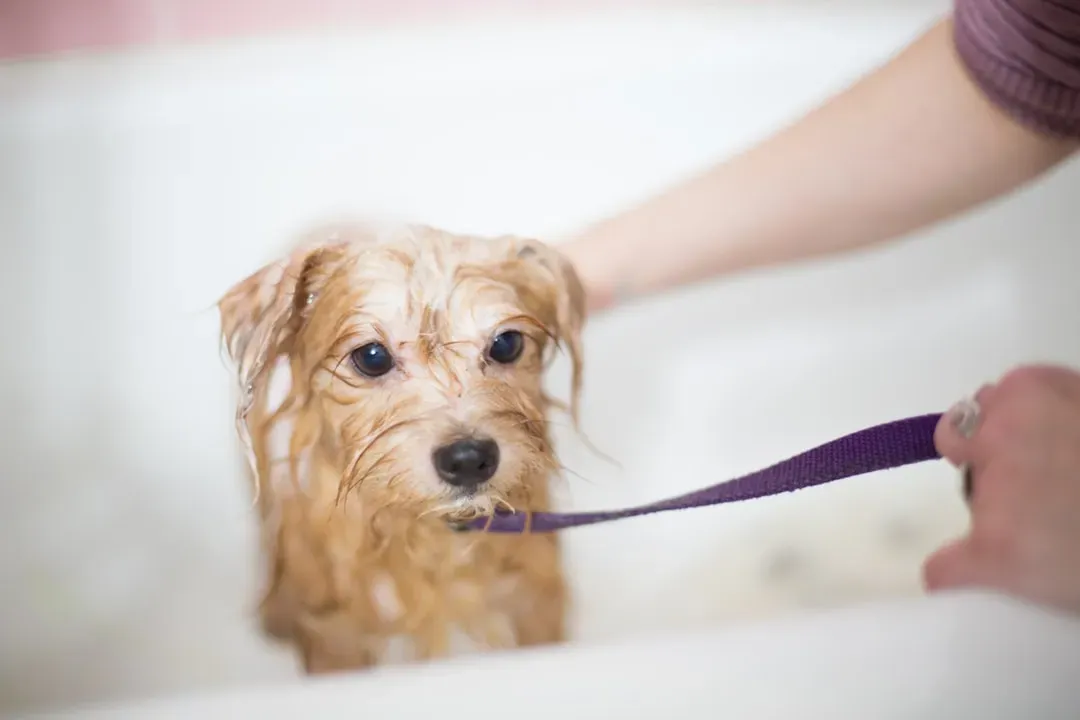
Let’s tackle one of the most debated questions among dog parents: how often should you actually bathe your pup? The answer isn’t one-size-fits-all. The ASPCA recommends bathing your dog at least once every three months, but some may require more frequent baths if he or she spends a lot of time outdoors or has skin problems.
Bathing is an important part of your dog’s grooming routine, but it’s essential not to overdo it as overbathing can strip the coat of essential oils, causing dryness and irritation. Typically, dogs only need a bath every 4 to 6 weeks unless they’ve gotten particularly dirty or smelly.
Watch your dog for behavioral cues. If they’re scratching more than usual or you notice their coat looking greasy, it might be bath time. Take care to not spray or pour water directly in his ears, eyes or nose. After bathing, make sure to dry them thoroughly, especially if they have thick fur, because moisture trapped in the coat can lead to skin issues.
Choose the Right Grooming Tools
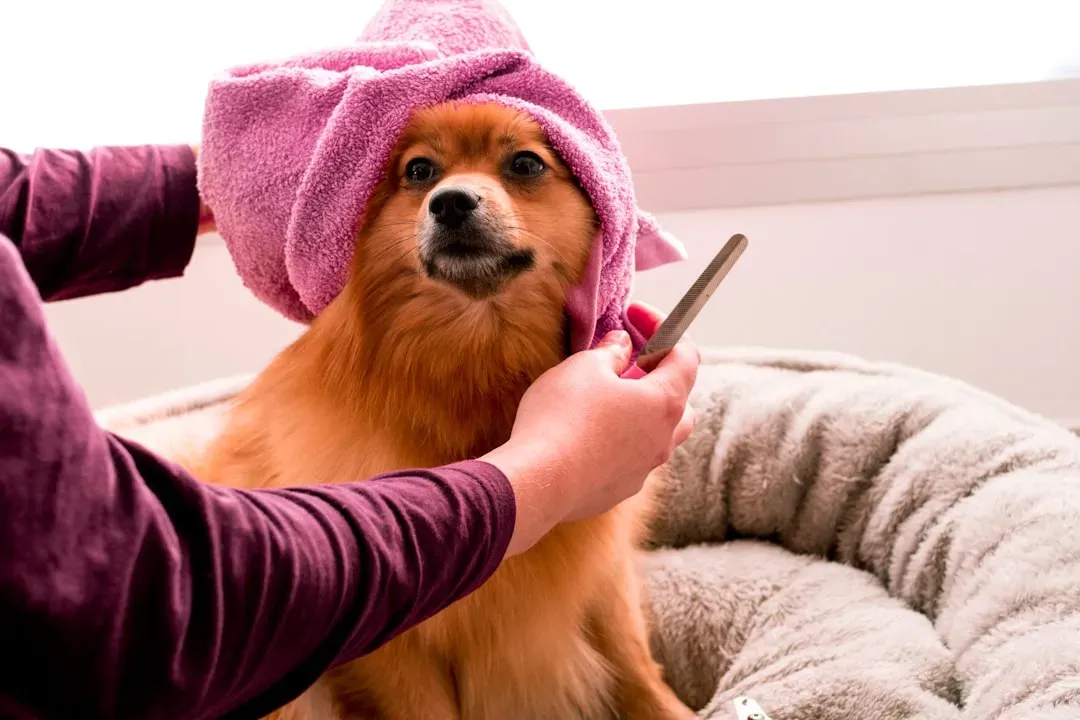
Walking into a pet store and staring at rows of brushes can feel overwhelming. Which one does your dog actually need? Understanding the type of coat your dog has is essential, as there are various coat types ranging from short and smooth to long and curly, and each type requires specific care to maintain its health.
For dogs with double coats like Golden Retrievers or Huskies, a rake can be used gently to remove excess undercoat, especially in dense areas like the hind legs. Slicker brushes work wonders for removing tangles in longer coats, while bristle brushes are perfect for short-haired breeds to remove loose hair and add shine.
Investing in quality tools makes the whole experience better for both of you. Your dog will feel more comfortable, and you’ll actually see results faster. Ask your veterinarian or groomer to recommend a specific type of brush or comb that will work best for your dog’s hair type.
Feed for a Gorgeous Coat from Within
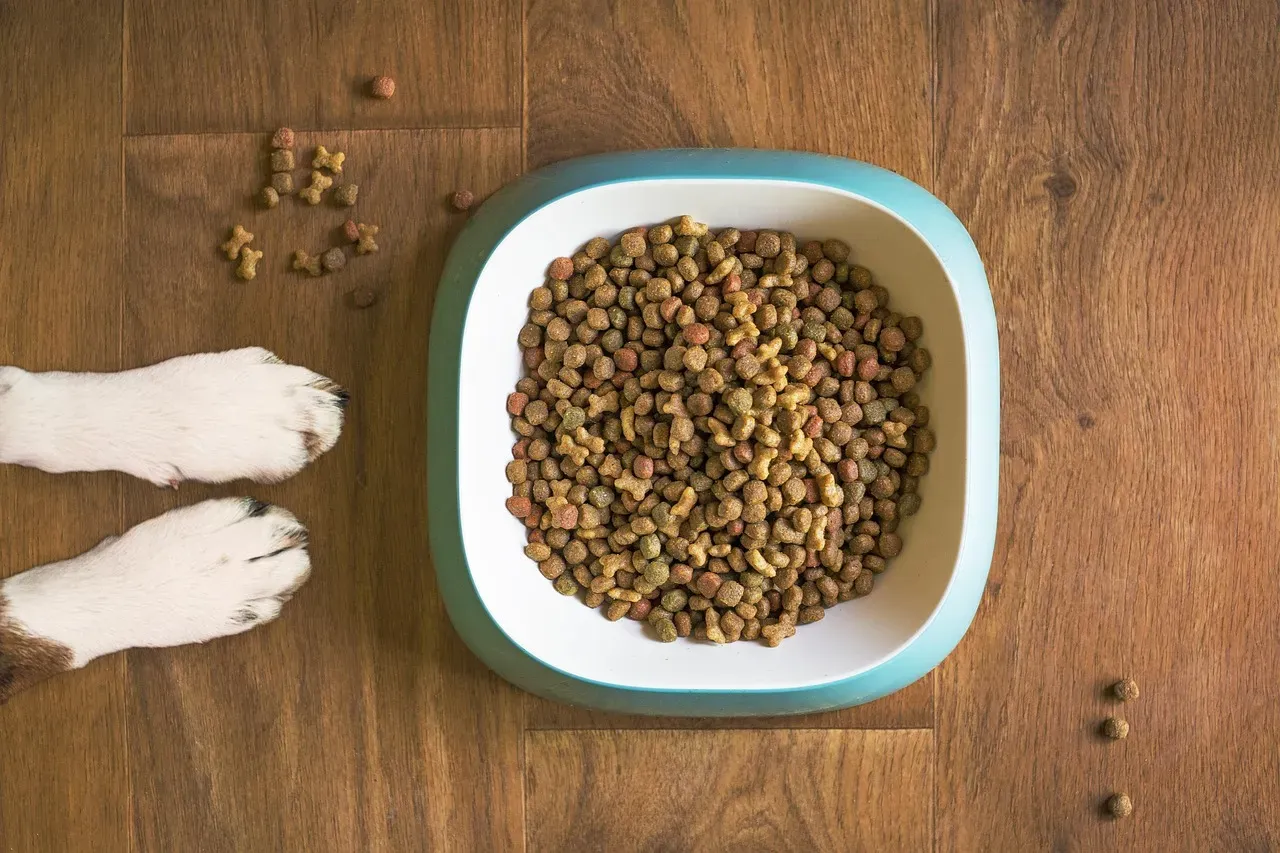
Here’s something many dog owners overlook: what goes into your dog’s bowl has everything to do with what you see on the outside. Dogs really are what they eat, and their skin and coat can be a reflection of the nutrition they’re receiving, with an appropriate, balanced diet playing an important role in dog skin care.
Omega-3s reduce inflammation all over your dog’s body, which aids your pup’s skin, eyes, bladder, muscles and joints, and they can also help your pooch maintain a healthy, shiny coat. One of the most commonly cited benefits of omega-6 and omega-3 fatty acids for dogs is an improvement in skin and coat health, helping dogs with dry, itchy skin and dull coats.
Look for dog foods that list quality protein sources as the first ingredient and contain added omega fatty acids. If your dog’s coat remains dull despite good grooming habits, chat with your vet about whether a dietary supplement might help. Sometimes that’s the missing puzzle piece.
Watch for Warning Signs and Health Issues

A healthy coat isn’t just about appearances; it’s an indicator of your dog’s overall well-being, and if your dog is scratching constantly, shedding excessively, or their coat appears dull, it may be time to focus more on grooming tips for dogs and regular maintenance. I think it’s so important to pay attention to these subtle changes before they become bigger problems.
You should schedule an exam with your vet as soon as you notice any abnormality in your pet’s skin or hair, or if your pet begins to excessively scratch, lick and/or bite areas on his fur. Bald patches, red skin, constant licking, or a sudden change in coat texture can all signal underlying health issues that need attention.
Several common hormonal problems can cause change in skin color, coat consistency, thickness and distribution. Don’t brush off these signs as just part of aging or seasonal changes without checking with your veterinarian first.
Maintain Overall Hygiene Beyond the Coat
A truly healthy dog requires attention to more than just their fur. While not directly related to coat health, trimming your dog’s nails is an essential part of grooming that contributes to their overall well-being, as long nails can affect your dog’s posture, cause pain, and even affect how they walk.
Dental care matters too, believe it or not. Bacteria from gum disease can get in your dog’s bloodstream, causing other health problems. Clean your dog’s teeth two to three times per week using dog-specific toothpaste.
Check those ears regularly, especially if your pup loves swimming or has floppy ears. Dogs with floppy ears may benefit from regular removal of earwax, using an ear-safe cleaner and a cotton ball. These seemingly small tasks add up to create a healthier, happier dog whose coat naturally reflects that vibrant health.
Conclusion
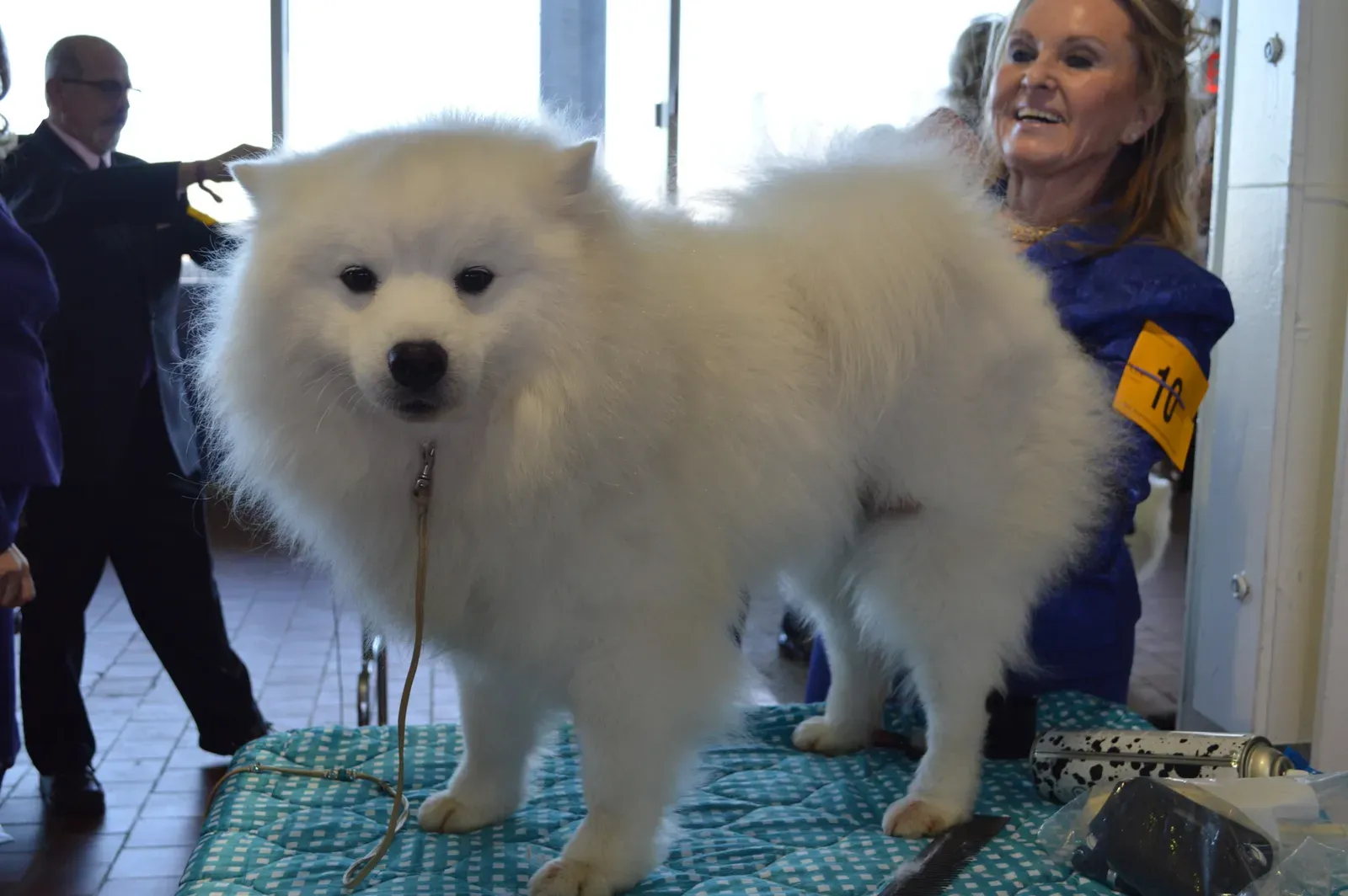
Caring for your dog’s coat is truly a labor of love that pays off in countless ways. When you commit to regular brushing, thoughtful bathing, proper nutrition, and overall wellness care, you’re not just maintaining appearances. You’re investing in your dog’s comfort, health, and happiness while deepening the incredible bond you share.
The best part? Your dog will feel the difference. They’ll move more comfortably, scratch less, and radiate that unmistakable glow of a well-cared-for companion. Start with one or two of these tips today, build your routine gradually, and watch your furry friend flourish. What small change will you make first to help your dog’s coat shine? Your pup is counting on you, and trust me, those tail wags of appreciation will be worth every moment you invest.


