

Your dog is lying calmly on their favorite blanket when suddenly they scramble to their feet, ears pinned back, tail tucked between their legs. You haven’t heard anything unusual. Yet there your beloved pup stands, visibly shaken, heart racing from something you didn’t even notice.
Here’s the thing: our dogs experience the world through a completely different auditory lens than we do. Dogs’ ears are much more sensitive, picking up frequencies between 40 and 65,000 Hz, while we humans max out at about 20,000 Hz. What sounds normal or even pleasant to us can feel overwhelming, distressing, or downright painful to them. Reported prevalence of noise sensitivities in domestic dogs varies by study, but often ranges as high as 50%.
The tricky part? Many of us miss the signs entirely. Let’s explore the hidden soundscape of your home and discover which everyday noises might be secretly stressing your best friend.
That Innocent Vacuum Cleaner Is Actually a Monster
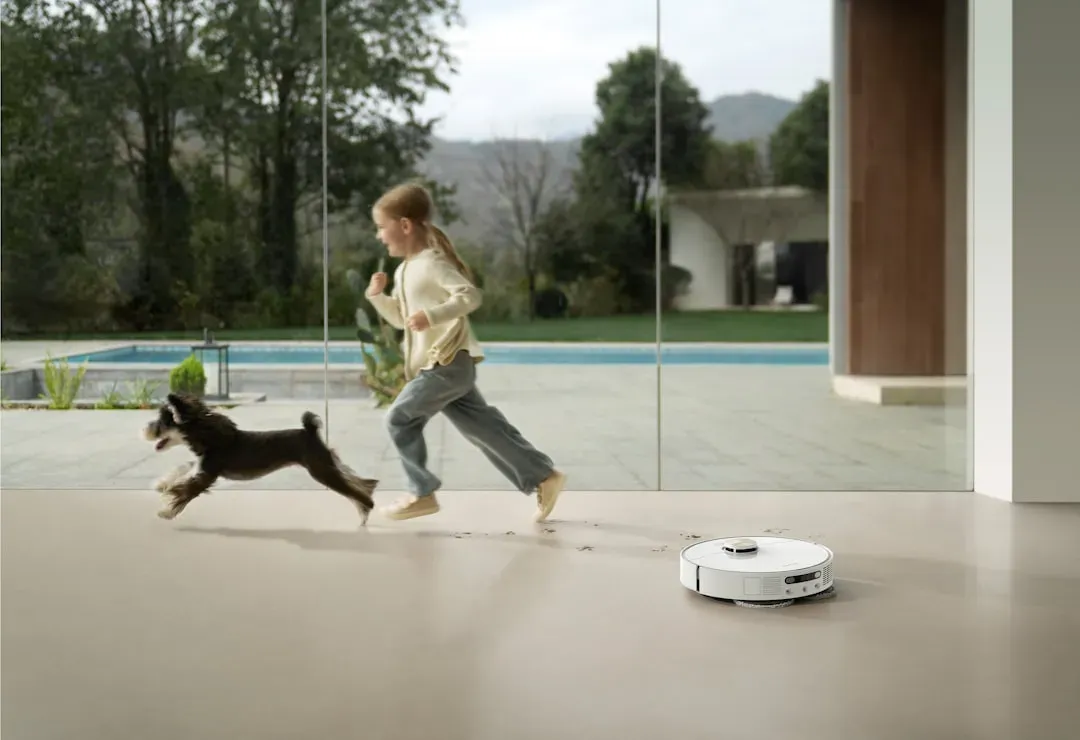
If your dog bolts the moment you open the closet door where the vacuum lives, you’re not alone. Considering a dog can hear sounds at lower decibels that humans (below 0dB), imagine how loud a vacuum cleaner is that often registers around 75dB. To us, it’s just a slightly noisy appliance. To your dog, it sounds sharp and painful.
Dogs can hear different frequencies to humans, so what might sound normal to us can sound sharper and louder to canine ears. When a very loud vacuum cleaner, that isn’t an everyday sound, springs into action, it can be a big surprise. The unpredictable movement doesn’t help either – vacuums lunge forward, reverse, and swing around, mimicking predator-like behavior that triggers instinctive wariness.
Watch for subtle signs like lip licking, panting, retreating to another room, or hiding under furniture. These behaviors aren’t stubbornness or drama. Your dog genuinely perceives the vacuum as a threat to their safe space.
Smoke Detector Beeps Are Worse Than You Think

Dogs were more likely to have a strong, anxious reaction to high-frequency, intermittent sounds, such as smoke detector warning beeps, than to low-frequency continuous sounds, such as microwave humming. That single chirp every few minutes when your battery is dying? It’s torture for sensitive ears.
An Australian Shepherd exhibited stress behaviors for several days, including refusing to eat. Eventually, the cause of her distress was found to be the low-battery warning chirp of a smoke detector located in another part of the house. The sound was so distressing that it affected her appetite and overall wellbeing for days.
These high-pitched beeps can actually cause physical discomfort. Because the sounds are unpredictable and piercing, your dog never knows when the next one will strike. Creating a state of constant vigilance is exhausting for any animal. Changing batteries regularly is one of the simplest ways to protect your dog’s peace of mind.
Fireworks and Thunder Aren’t Just Loud – They’re Layered Stressors

Most of us know dogs dislike fireworks, but the issue goes deeper than volume. Dogs diagnosed with storm phobia can react with anxiety or fear to wind, rain, thunder, lightning, and other associated stimuli, including barometric pressure changes, the “smell of rain,” static electricity, and even time of day. It’s a full sensory assault.
The signs of fear can range from mild to severe, including trembling, vocalizing, panting, pacing, drooling, hiding, digging at doors and escape attempts. When pets get scared, they may try to flee and escape in search of safety. Honestly, Independence Day isn’t a celebration for everyone when nearly half the neighborhood dogs are panicking.
The randomness and intensity of fireworks make them especially terrifying. Your dog can’t predict when the next boom will happen, and their acute hearing picks up frequencies and volumes that overwhelm their nervous system. Preparation and creating a safe, interior space away from windows can make a significant difference.
Microwaves, Dishwashers, and Other Kitchen Culprits

Kitchen appliances produce a symphony of sounds most humans barely register. Microwave beeps, the chirps of a smoke alarm system when a battery is dying, cell phone noises, alarm clocks going off…these high-pitched sounds are just some of the noises commonly heard in your home that may leave your dog feeling extremely unnerved.
Even lower-frequency hums from dishwashers or washing machines can bother certain dogs. The tumbling, whooshing, and beeping create an unpredictable soundscape in what should be your dog’s safest environment. You might notice your dog leaving the kitchen when you start cooking or hiding when the dishwasher runs its cycle.
Dog owners may miss the subtle cues that a dog feels fear or discomfort when hearing certain noises, which include coming close to their human family members, lip licking, pacing, ear tucking, yawning, or simply retreating. Pay attention to these behaviors. They’re your dog’s way of communicating distress without barking.
Doorbells and Phone Alerts Spike Anxiety Instantly
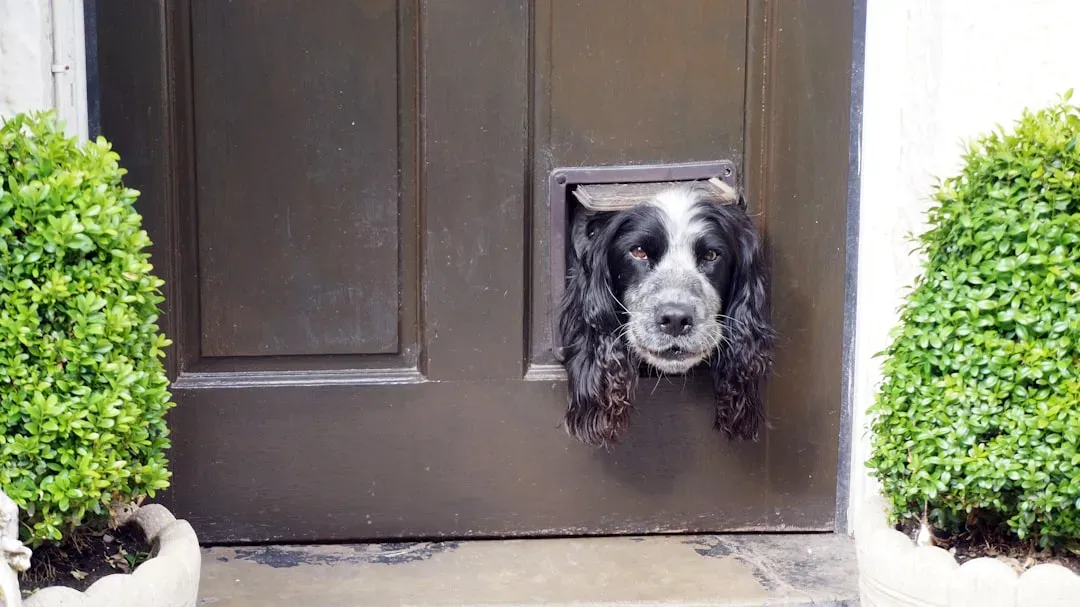
Doorbells trigger an immediate stress response in countless dogs. The sound announces an intruder, at least from your dog’s perspective, and activates their protective instincts. But there’s more to it – the pitch and suddenness of the ring jolts them from whatever calm state they were in.
Phone alerts, notification pings, and alarm sounds fall into the same category. These high-frequency, intermittent noises happen without warning and often multiple times per day. Your dog never fully relaxes because they’re subconsciously waiting for the next disruptive sound.
Some dogs become hypervigilant, constantly scanning for the source of these sounds. Over time, this vigilance turns into chronic stress. Consider using softer notification tones or vibration mode when possible. Small adjustments can significantly reduce your dog’s daily stress load.
Construction Noise, Lawn Equipment, and Outdoor Sounds

Outdoor noises infiltrate even the coziest home environments. Lawnmowers, leaf blowers, garbage trucks, and construction equipment emit loud, mechanical sounds that can unsettle dogs. In today’s world, loud or unexpected sounds can overwhelm a dog’s nervous system. Dogs can become fearful of everyday sounds that people hardly notice, such as noises coming from a vacuum cleaner or kitchen appliances.
These sounds are particularly challenging because they’re outside your control. Your dog hears them approaching from far away thanks to their superior hearing range, building anticipation and anxiety long before you notice anything. By the time the garbage truck reaches your street, your dog has already been stressed for several minutes.
Watch for pacing near windows, barking at seemingly nothing, or refusing to go outside during certain times of day. These are clear indicators that external sounds are causing distress. White noise machines, calming music, or moving your dog to an interior room during peak noise times can help buffer the impact.
Conclusion: Listen Through Your Dog’s Ears
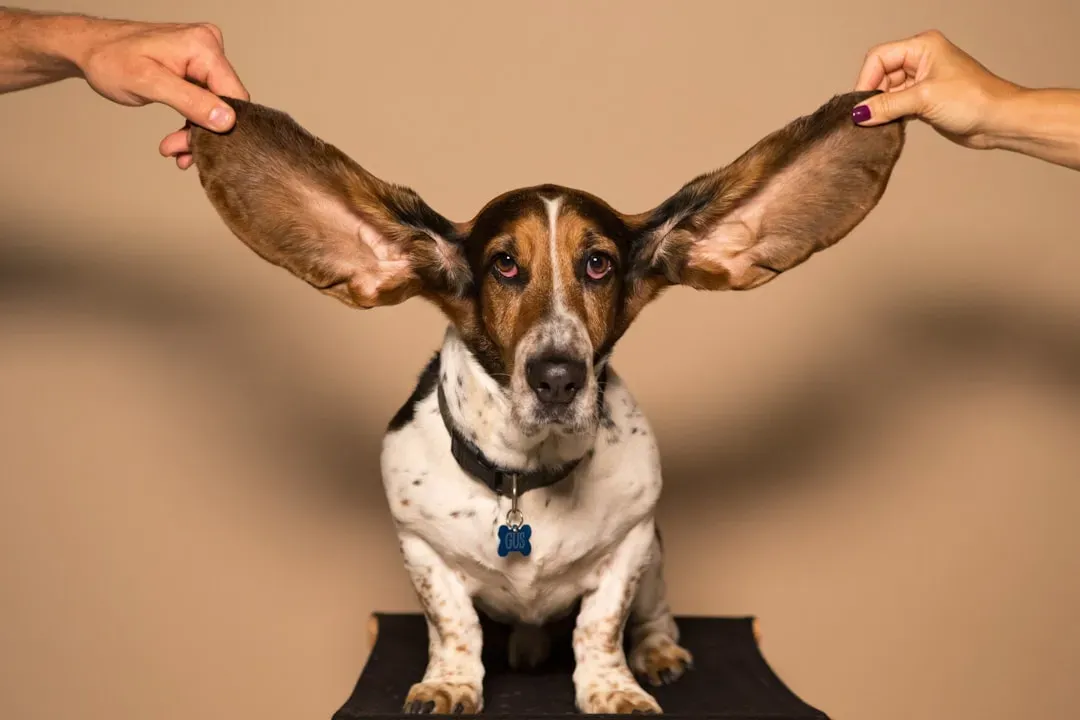
Better education is required for dog owners to accurately interpret canine body language, to both safeguard dogs’ welfare and minimize development of anxiety-related behavior problems. Once you start noticing the sounds that bother your dog, you can take meaningful steps to reduce their exposure and anxiety.
Simple changes make a world of difference. Replace smoke detector batteries before they start beeping. Create a safe, quiet space away from household appliances. Use calming music to mask unpredictable noises. Most importantly, validate your dog’s feelings instead of dismissing their reactions.
Your dog isn’t being difficult when they react to sounds you barely notice. They’re navigating a sonic landscape far more complex and intense than anything we experience. Understanding this difference is the first step toward creating a calmer, happier home for your furry companion.
What everyday sounds have you noticed stressing your dog? Share your experiences in the comments below.


