
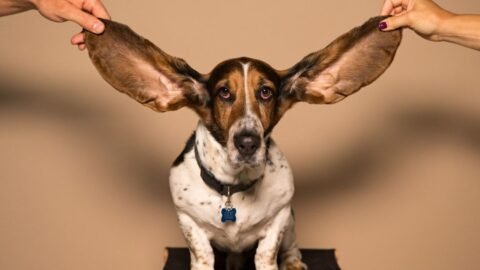
You know that look your dog gives you when they tilt their head, ears perked, seemingly tuning into a sound you can’t even detect? There’s actually something pretty remarkable going on in those fuzzy ears. Dogs experience the world in a way we humans simply can’t comprehend, picking up frequencies and distant noises that remain completely hidden from us.
I think most of us take our dog’s hearing for granted, assuming they just hear a bit better than we do. The reality is far more fascinating. Their auditory abilities are genuinely extraordinary, shaped by thousands of years of evolution. Understanding how your dog hears can change the way you interact with them, help you recognize potential problems, and honestly, it’ll make you appreciate your furry friend even more. Let’s dive into some truly surprising facts about those incredible canine ears.
They Can Hear Frequencies More Than Twice as High as You Can

Dogs can hear high-frequency sounds that go as high as 45,000 Hz, while we can only hear up to 20,000 Hz. That’s a massive difference. Think about it this way: your dog is experiencing an entire auditory universe that’s completely silent to you.
This is how dog whistles work (which usually range from 23,000 to 54,000 Hz). When you use one of those silent whistles, your pup hears a clear, sharp tone while you hear absolutely nothing. It’s thanks to their predatory heritage that dogs can hear high-pitched sounds so well. Wolves, dogs’ ancestors, prey on small rodents such as mice, so the ability to hear the tiny animals’ squeaks is important for survival.
This explains why your dog might suddenly go on alert in the middle of the night, staring at what seems like empty space. They’re likely picking up on the ultrasonic squeaks of mice in the walls, the high-pitched hum of electronic devices, or other sounds completely inaudible to human ears.
Those Ear Muscles Are More Powerful Than You Think

Here’s something wild: dogs have more than 18 muscles that control the ears. Compare that to the mere six muscles humans have. This isn’t just anatomical trivia; it has real practical implications for how dogs navigate their world.
These allow dogs to raise and lower their ears to convey emotions, and also swivel them to zoom in on sounds. Each ear can move independently, which means your dog can literally point one ear toward the sound of a squirrel rustling in the bushes while keeping the other trained on you. It’s like having two satellite dishes that can adjust their position for optimal reception.
Those muscles aren’t just for hearing, either. Those 18 muscles allow your dog to quietly tell you whether it’s happy, sad, curious, puzzled, angry, afraid, alert, asleep, or relaxed. Paying attention to ear position gives you an incredible window into your dog’s emotional state.
Puppies Are Born Completely Deaf

This one surprises a lot of people. Puppies are born blind and deaf, with both their eyes and ears sealed shut. For their first two weeks of life, newborn pups experience the world entirely through touch and smell. It sounds vulnerable, right? Actually, this is perfectly normal and protective.
Between 14 and 18 days after birth, an exciting change occurs – puppies’ ear canals begin to open. This marks the beginning of their auditory journey, though their hearing isn’t immediately perfect. Around the third week, they start responding more consistently to sounds. While they are born deaf, their hearing develops quickly and should be fully developed at 2 months old.
If you’re raising puppies or adopting a young pup, understanding this timeline is crucial. Their early weeks require a calm, quiet environment to support proper auditory development. Loud noises or chaotic environments during this critical period could potentially affect their hearing as they mature.
Distance Detection That Puts Humans to Shame
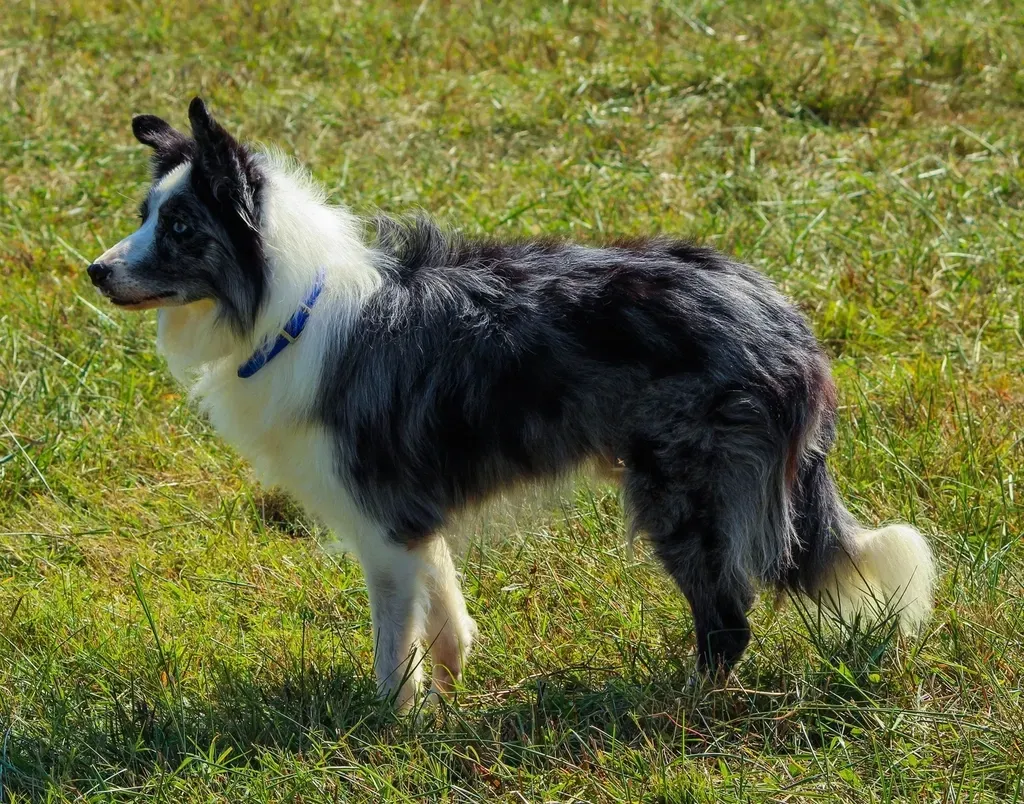
Ever wonder why your dog knows someone’s coming to the door long before you hear the car? Dogs have much more sensitive hearing than humans, hearing some sounds up to four times further away than we can. That means if you can hear a sound from 20 feet away, your dog might pick it up from 80 feet.
On average, dogs can hear sounds from 80 feet up to a mile away and even further under the right conditions. Their sense of hearing outstrips those of humans by at least four to five times. This incredible range isn’t consistent across all frequencies, though. Dogs are particularly skilled at detecting high-pitched sounds from great distances.
This distance advantage explains a lot of seemingly mysterious behaviors. When your dog barks at nothing or rushes to the window before you’ve heard anything unusual, they’re not being paranoid. They’re responding to legitimate sounds that are simply beyond your auditory reach.
Age-Related Hearing Loss Is Common But Manageable
Let’s be real: most dogs will experience some hearing loss as they age. Age-related hearing loss (presbycusis) is the most common form of acquired deafness. It tends to progress gradually, usually starting around 8 to 10 years of age, with high frequencies lost first. This is similar to what happens in aging humans.
As your dog loses their hearing, you might find them “ignoring” your cues, such as not sitting when asked or failing to come when you call them. They may also seem confused by their surroundings or by your requests. Before you assume your senior dog is just being stubborn, consider that they might genuinely not be hearing you.
The good news? Most dogs adapt well when their ears fail, and you can continue to communicate using body language and hand signals. Also, the ability to detect high-pitched sounds is usually the last to go, so louder, high-frequency sounds, like a whistle, may work even when your dog can no longer hear your voice. Teaching hand signals early in your dog’s life is an investment that pays off tremendously in their golden years.
Preventing Hearing Damage Starts With You

Here’s something many dog owners don’t consider: we can actually help protect our dogs’ hearing. To prevent avoidable causes of deafness in your dog, promptly treat suspected ear infections and work with your vet to manage allergies and other causes of otitis externa. Chronic ear infections are a leading cause of preventable hearing loss in dogs.
Dogs can be so distressed by everyday noises, like a vacuum cleaner or power drill, because they sound louder to dogs than to humans. Plus, dogs can hear high-pitched noises from these devices that we can’t detect. When you’re using loud appliances or power tools, consider giving your dog a quiet space away from the noise. Their ears are truly more sensitive than ours.
Watch out for certain medications too. Certain medications or chemicals can damage the inner ear. These include: antibiotics (aminoglycosides), chemotherapy drugs (cisplatin), furosemide, salicylates, or tetracycline, local anesthetics, detergents, and stabilizers. Always discuss potential side effects with your vet before starting new medications.
Conclusion

Your dog’s hearing is far more than just a slightly enhanced version of your own. It’s a sophisticated sensory system that opens up a completely different auditory world, one filled with frequencies and distances we can only imagine. From those remarkable 18 ear muscles working in perfect coordination to the ability to detect sounds from hundreds of feet away, your dog is equipped with biological technology we humans simply can’t match.
Understanding these facts isn’t just trivia for impressing other dog lovers. It helps you become a better, more empathetic companion to your furry friend. You’ll recognize why they react to things you can’t perceive, you’ll be more alert to signs of hearing loss, and you’ll know how to protect those precious ears throughout their life. What surprised you most about your dog’s incredible hearing? Have you noticed behaviors that make more sense now?


