
You know that feeling when you’re about to walk out the door and your dog gives you those eyes? The ones that say, “You’re leaving me again?” It hits different, doesn’t it? Most of us have come home to some version of chaos. Maybe a chewed shoe. A suspiciously shredded cushion. A neighbor’s note about the barking.
Here’s the thing. Your dog isn’t being spiteful or naughty. They’re bored out of their mind. When left alone, dogs with separation anxiety may exhibit destructive behavior, excessive barking, or even self-harm. Think about it from their perspective: their favorite person just vanished, and they’ve got nothing but four walls and silence to keep them company. That’s rough for any creature who thrives on connection and activity.
The good news? You don’t need a pet sitter on speed dial or a fortune spent on fancy gadgets. With a few smart strategies, you can turn alone time into something your dog actually enjoys. Let’s be real, a mentally stimulated dog is a happy dog. So let’s dive in.
Puzzle Toys That Challenge Their Brain
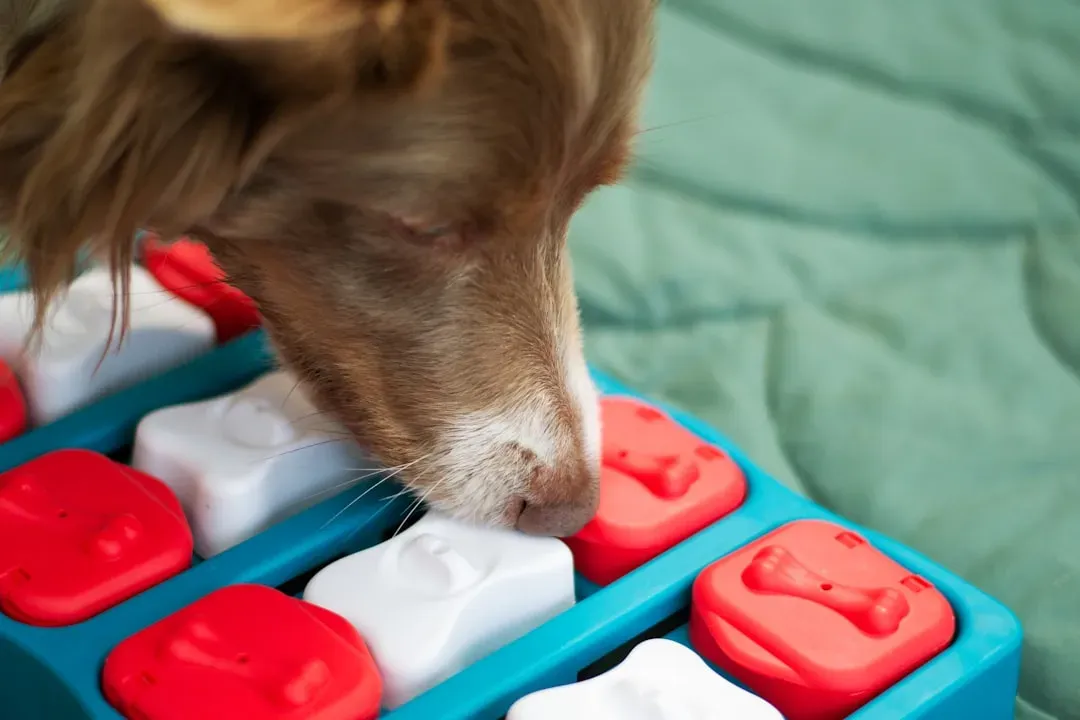
Interactive dog toys are toys designed to stimulate on a mental as well as physical level and are created to fulfill often-overlooked enrichment needs, such as occupational or sensory needs. Think of them as video games for dogs. They have to work for their reward, which keeps their brain firing on all cylinders.
According to dog behaviorists, 15 minutes of mental stimulation with the employment of interactive games equal 1 hour of physical exercise. That’s a pretty incredible return on investment if you ask me. You can start simple with sliding puzzles where they nudge compartments open to find treats, or go more advanced with multi-level challenges that require paw coordination and serious problem solving.
Many involve a dog solving the puzzle for a food reward – usually pieces of kibble or treats that you place within the puzzle toy. Rotate different puzzles throughout the week so your pup doesn’t get bored with the same one. Some dogs catch on fast, others take their sweet time. Either way, it’s time well spent for them, and that’s what matters.
Treat Dispensing Toys for Long Lasting Fun
These versatile chew toys can hold treats, spreads, or a bully stick for your dog to chew, and you can try spooning a serving of dog-safe peanut butter or pumpkin inside and freeze for a longer-lasting treat they can lick for hours. Honestly, this is one of the easiest ways to keep your dog occupied, and it taps into their natural instinct to forage and work for food.
Stuff a durable rubber toy with layers of kibble, a bit of wet food, some peanut butter, maybe a few blueberries, then pop it in the freezer overnight. Hand it over before you leave, and your dog will be happily licking and chewing for a good chunk of time. It’s calming, it’s satisfying, and it keeps their mouth busy instead of on your furniture.
Chew toys provide a calming outlet for stress and help release feel-good endorphins, while interactive toys keep the mind engaged and distracted from anxious thoughts. The beauty of these toys is that they’re self-paced. Your dog controls the speed, which gives them a sense of accomplishment when they finally get to that last delicious bit at the bottom.
Snuffle Mats and Scent Games
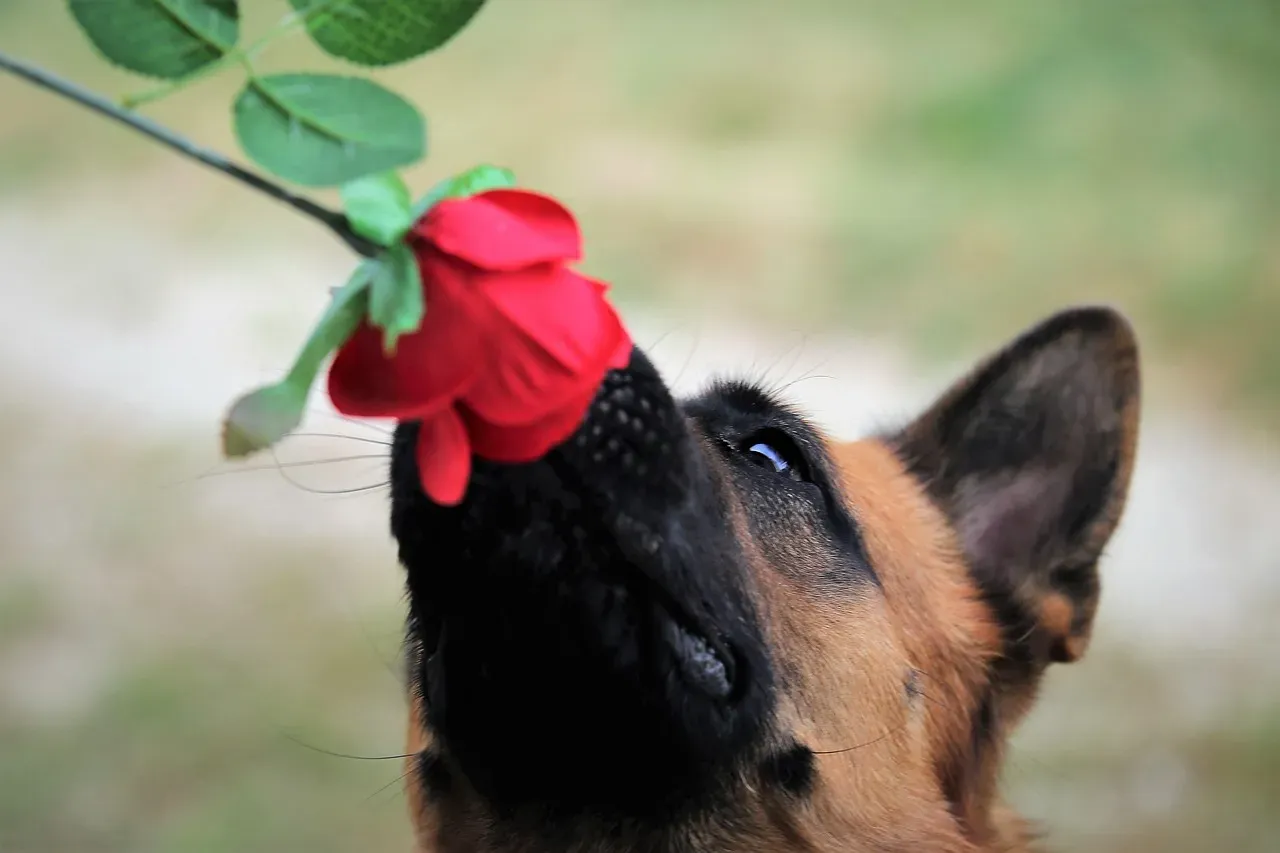
Snuffle mats are pieces of fabric with lots of loops, flaps, or pockets that can be used to hide treats, and the point is for your dog to sniff for treats hidden in the fabric. This mimics natural foraging behavior, which is incredibly satisfying for dogs. Their nose is their superpower, and when you let them use it, magic happens.
You can buy a snuffle mat or make one yourself with fleece strips tied through a rubber mat. Sprinkle kibble or small treats throughout the fabric, and watch your dog go to town. Allow your dog plenty of time for scent walks and add simple Find It games, as sniffing is a natural form of mental exercise that relieves stress and uses significant brainpower.
Even a simple towel rolled up with treats inside works wonders. The act of sniffing lowers stress hormones and engages the part of their brain designed for hunting and exploration. It’s low effort for you, high reward for them. I think it’s one of the most underrated tools in the dog entertainment toolkit.
Rotate Toys to Keep Things Fresh
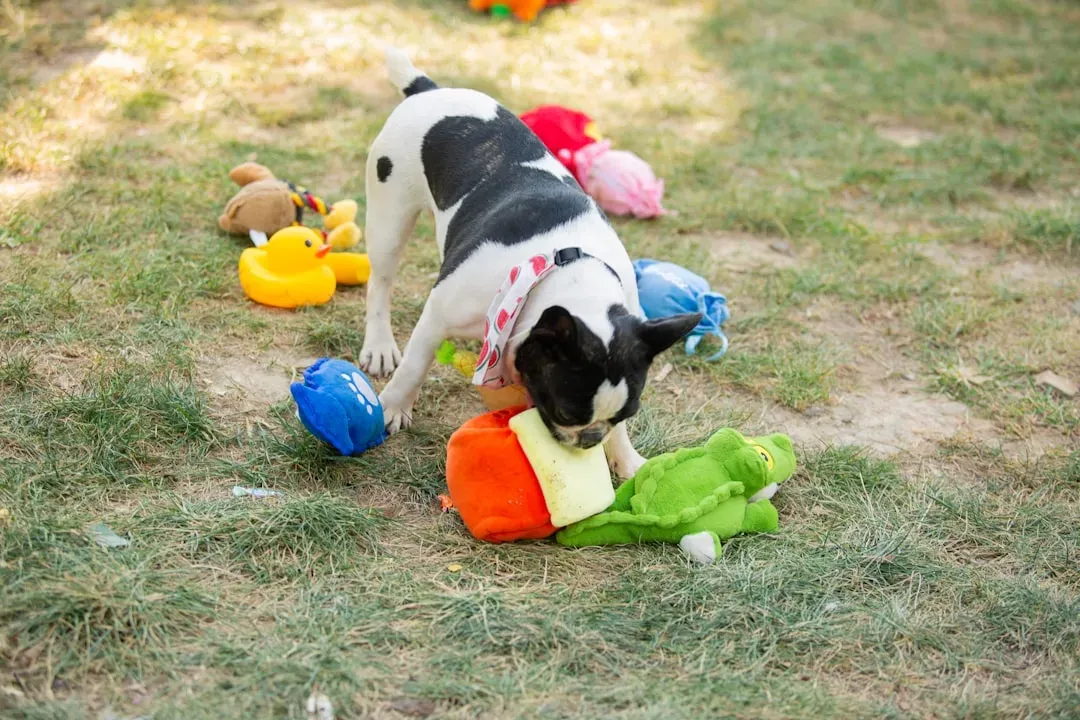
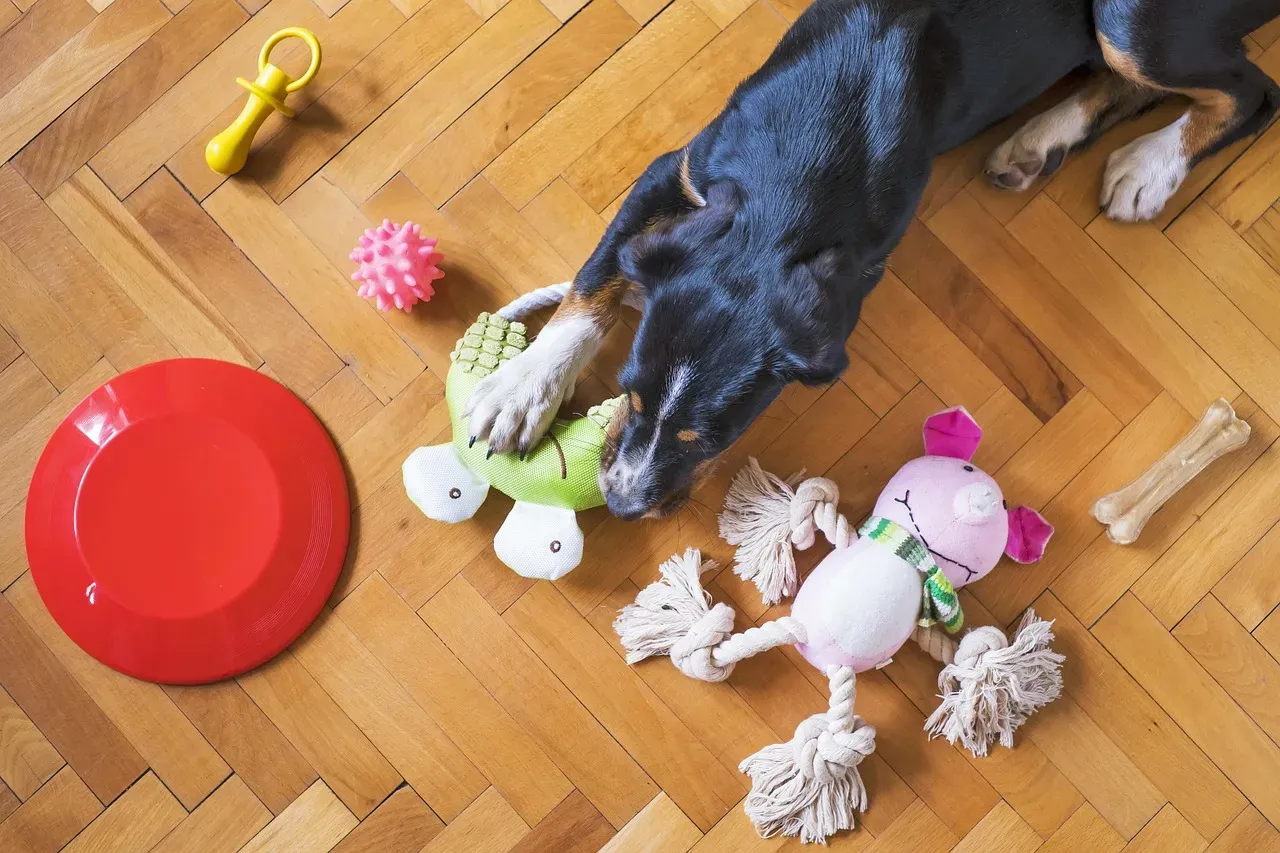
Some dogs need variety, so try rotating toys or introducing new challenges to keep things fresh. If your dog has access to the same three squeaky toys every single day, they stop being interesting. It’s like watching the same movie on repeat. You’d zone out too, right?
Instead, keep a rotation system. Have a basket of toys that you swap out every few days. When something disappears for a week, it becomes exciting again when it reappears. This trick works surprisingly well and costs you absolutely nothing. Dogs and cats need stimulation from exercise, attention, other fur friends, chew toys, treat-dispensing toys, and opportunities to explore, so be sure to have plenty of toys available around the house for pets.
Mix up the types too. One day it’s a plush toy, the next day a rubber ball, then a rope tug. Variety keeps their brain guessing and prevents that dull, restless energy from building up. It’s such a simple shift, but it makes a real difference in how engaged your dog stays throughout the day.
Background Noise and Calming Entertainment
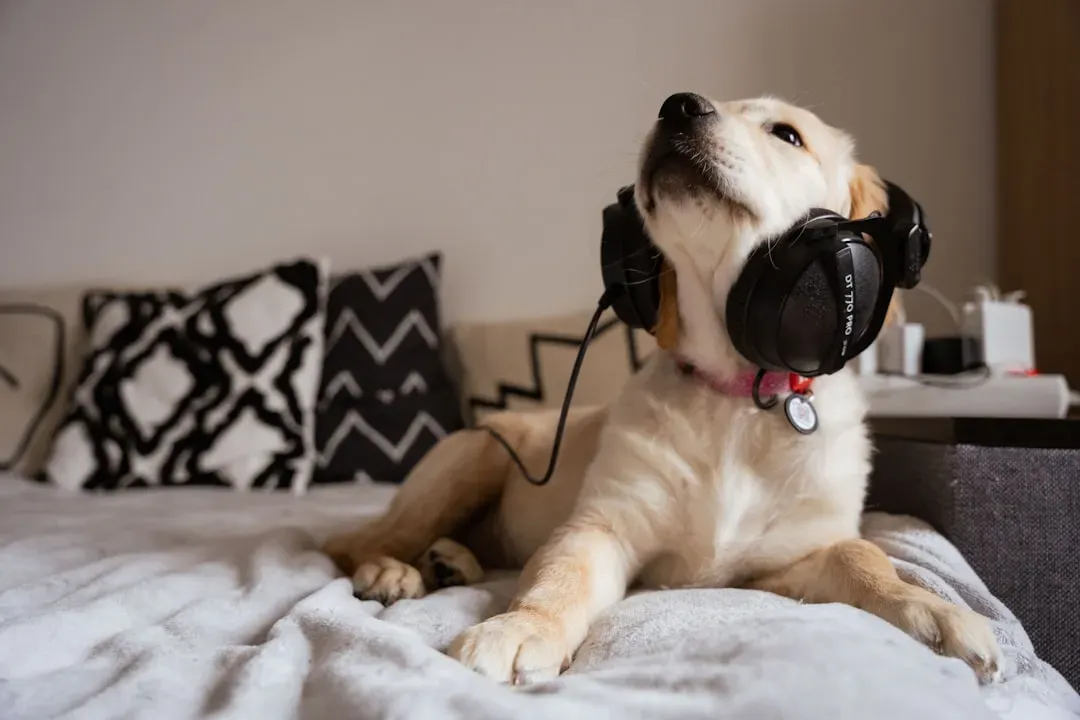
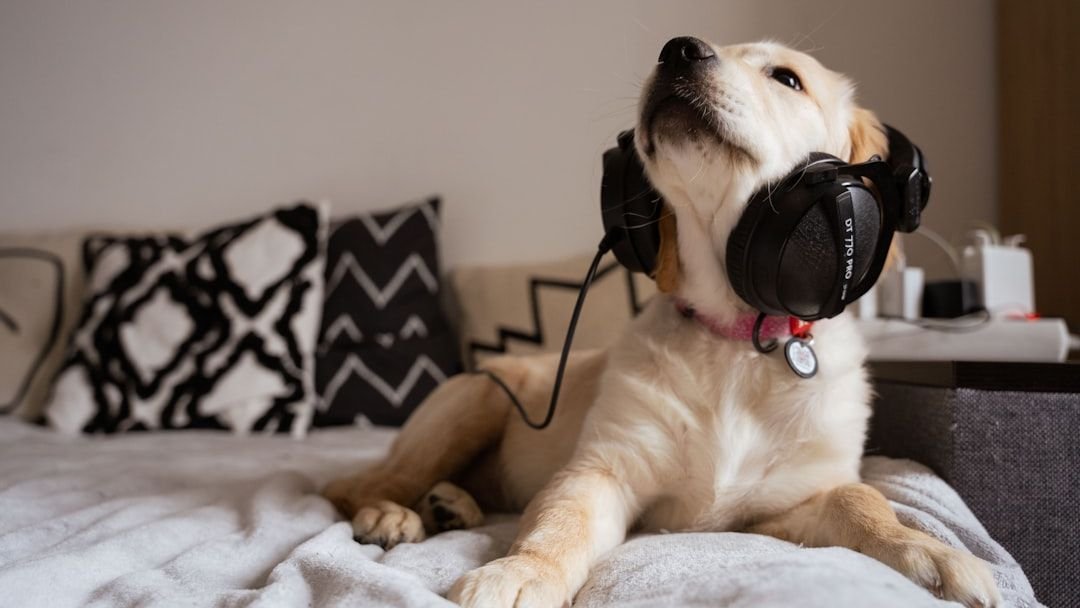
Silence can be unsettling for dogs, especially if they’re used to the hum of activity when you’re home. Leaving on the TV, radio, or even a white noise machine can provide comfort and reduce feelings of isolation. Some pet parents swear by dog-specific playlists or audiobooks designed to soothe anxious pups.
Calm My Pet automatically senses your pet’s anxiety and will toss them treats for good behaviour. While that’s a high-tech option, even just classical music or a talk radio station can help. The key is creating an environment that doesn’t feel empty or eerily quiet.
You can also try a pet camera if you want to check in and even interact remotely. Some models let you talk to your dog or toss treats from your phone. It won’t replace your presence, but it can ease the transition and give your dog something positive to associate with your absence. Honestly, anything that breaks up the monotony helps.
Create a Comfortable Safe Space
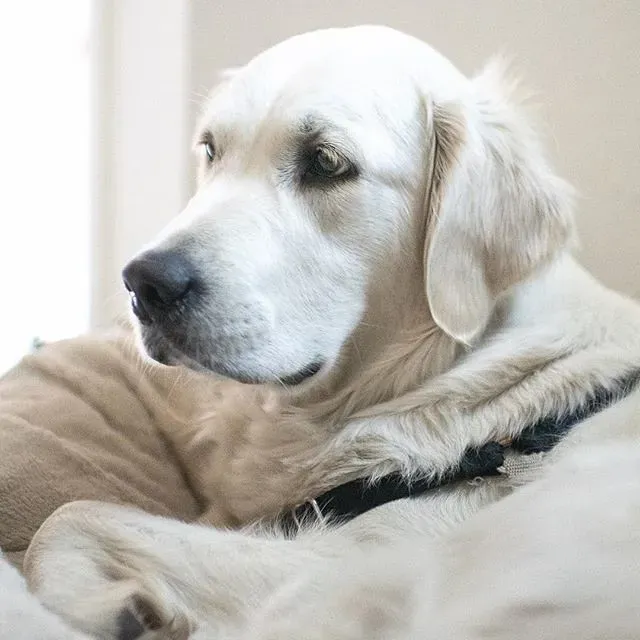
Building a place where your dog can go and take a deep breath and self-regulate will help you so much in so many ways, as creating a restful environment for our pets can give them the ability to self-soothe and self-regulate without you, which is key for being comfortable at home alone and increasing their independence. This could be a crate with a cozy blanket, a dog bed in a quiet corner, or even a designated room.
Make it inviting. Add their favorite blanket, a safe chew toy, maybe a piece of your worn clothing that smells like you. The trick is to teach them to associate their crate with wonderful things like chew toys and food-releasing puzzle toys so they are happy to spend time inside. This isn’t about locking them away. It’s about giving them a retreat where they feel secure.
Many of the dogs that come to me for help with building comfort at home alone or separated are also working on building self-regulation and self-soothing skills, and long-term calming projects are an excellent way to help your pet start practicing those skills on a daily basis. When your dog has a go-to spot that feels safe and calm, being alone becomes less stressful. It’s their little sanctuary, and that peace of mind is priceless.
Conclusion
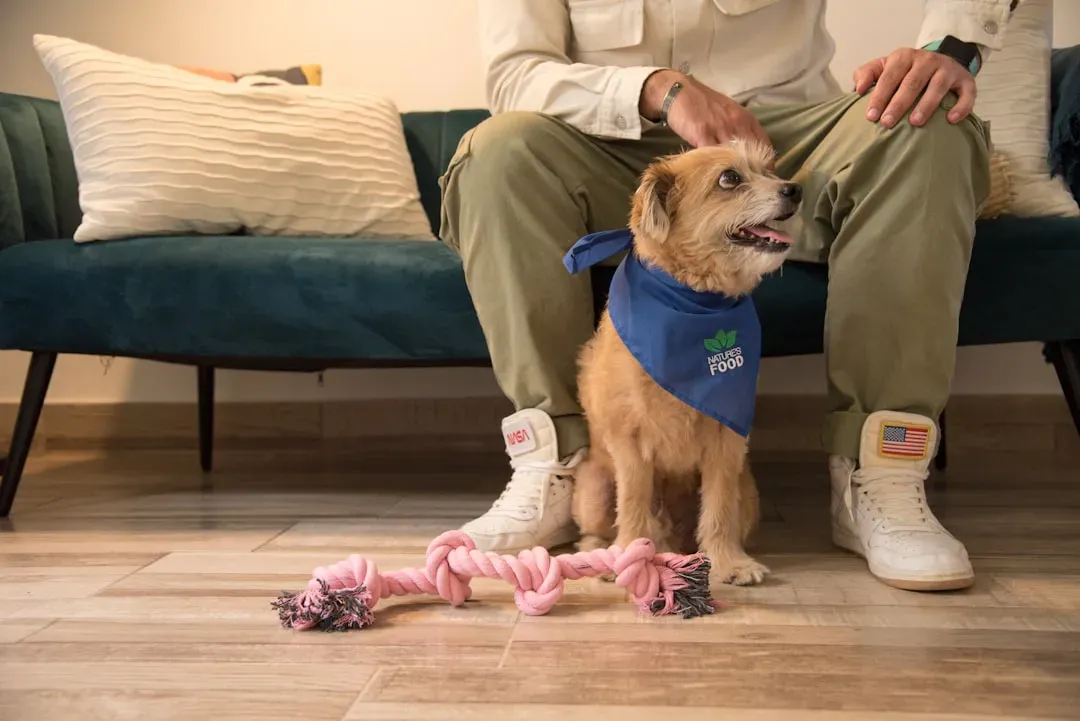
Keeping your dog entertained while you’re away isn’t about guilt or overcompensating. It’s about understanding what they need to feel balanced and content. Pups that have opportunities to engage their senses are happier, healthier, and less likely to become bored, which can lead to destructive behaviors, because a busy dog is a happy dog – and enrichment toys can engage your pup’s brain and body for hours at a time.
Start with one or two of these strategies and see what clicks with your dog. Every dog is different. Some will obsess over puzzle toys, others will live for a frozen treat. The goal is to give them options, variety, and a sense of purpose even when you’re not there.
What’s worked best for your pup when they’re home alone? I’d love to hear your tricks and wins in the comments below.


