

There’s a heaviness that settles over you when you first start wondering. Maybe your senior dog moved a little slower this morning. Maybe they turned away from their favorite treat. It’s a whisper at first, not a shout, and honestly, most of us aren’t ready to listen.
I’ve been there myself, watching for signs I wasn’t sure I wanted to see. Dogs have a way of communicating their deepest needs without words, especially when they’re nearing the end of their journey. Recognizing these signals isn’t about giving up on them. It’s about honoring the bond you share and ensuring their final chapter is filled with dignity, comfort, and love rather than prolonged suffering.
They Lose Interest in Their Favorite Things

Remember when your dog used to spin in circles at the sound of a leash clipping on? Or how they’d bolt to the door the second you said “walk”? When a dog is near the end, they may not want to get up from their spot, even for their most favoritest things, like toys, treats, and offers to go for a walk, and they might not even seem happy to see family members.
This change can be subtle at first. Your dog might still lift their head when you call, but there’s no tail wag, no spark in their eyes. Senior dogs may become more irritable or withdrawn, showing less interest in activities they once loved, such as playing fetch or going for walks, and these changes can be subtle at first but tend to become more pronounced over time. It’s heartbreaking to witness, especially when you remember all the joy those simple moments used to bring them.
Pay attention to these shifts. They’re not just being lazy or stubborn. Their body is telling them something important, and they’re listening to it in ways we sometimes wish they wouldn’t.
Their Appetite Disappears or Becomes Erratic

Loss of appetite is a common sign that a dog may be dying. Food is life for most dogs. They live for mealtime, for that scoop of kibble hitting the bowl, for sneaking scraps under the dinner table.
As older dogs approach the end of their time, their bodies start shutting down, including their digestive system, and as a result, they might refuse to eat or be fussy with certain foods. You might try tempting them with boiled chicken, their favorite treats, even hand-feeding them. Sometimes they’ll take a bite or two to please you, then turn away again.
This isn’t about being picky. It is common for dogs to lose interest in food and water in their final days, particularly if they are experiencing nausea or pain. Their body no longer needs fuel the same way. Watching them refuse food is one of the most difficult signals to accept, because feeding them has always been an act of love.
They Seek Solitude or Become Unusually Clingy

Here’s the thing about dogs and dying. They don’t all handle it the same way. Some dogs socially distance themselves from humans or other pets, or become unusually clingy or needy, and this behavior will be unique to each pooch, but keep an eye out for an unusual change in their level of needs.
Some will retreat to quiet corners, under beds, or to spots where they feel safe and undisturbed. Some dogs may hide as death nears instead of seeking comfort, and they often won’t want to be around others when they die and may seek comfort in the silence of their beds. Others do the complete opposite. They’ll follow you from room to room, pressing against your leg, asking for constant reassurance.
Neither response is wrong. Both are their way of coping with something profound happening inside them. Respect whatever they need, whether that’s space or closeness. Your presence matters more than you realize, even if they’re tucked away in a dark corner.
Their Mobility Declines Dramatically
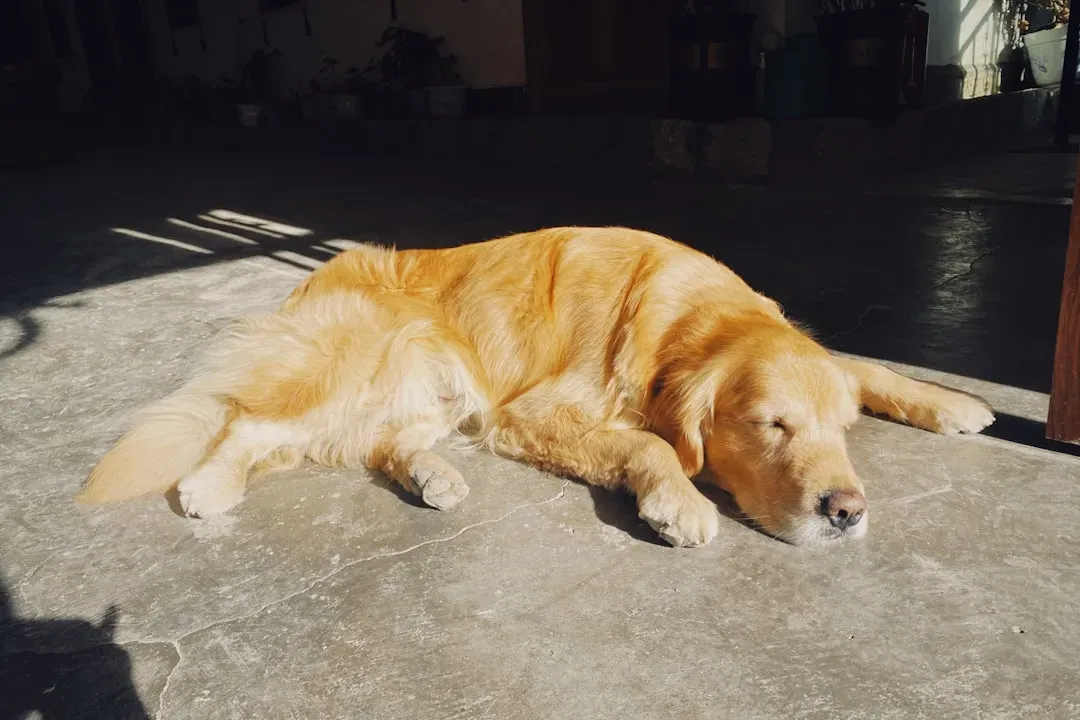
One of the most common signs of dying is often an increase in pain and an inability to get comfortable, with dogs sleeping more than usual and having trouble getting up or going outside to use the bathroom. You might notice them struggling to stand, stumbling when they walk, or collapsing partway to their water bowl.
Movement becomes an enormous effort. Simple tasks like climbing stairs or stepping outside to relieve themselves turn into exhausting ordeals. A loss of control of the bladder or bowels is common in senior dogs but often worsens as they are close to death, with some pets having accidents in their sleep, while others may pee or poop while they walk.
This loss of control is deeply distressing for them. Dogs are clean animals by nature. They don’t want to soil their sleeping area. Keeping them comfortable with soft bedding, easy access to water, and maintaining their dignity through gentle cleanups shows them the same respect they’ve given you all these years.
Their Breathing Changes in Ways That Worry You

Breath is life. When you notice your dog’s breathing becoming labored, irregular, or punctuated by long pauses, it’s a clear signal their body is struggling. Labored breathing, long pauses between breaths, or open-mouth breathing may indicate your dog is struggling.
Sometimes their breathing will be rapid and shallow. Other times you’ll count the seconds between breaths, wondering if another one is coming. Dogs in heart failure may develop a cough due to changes in the size of their heart and fluid accumulation in the lungs, along with weakness caused by anemia and poor circulation of oxygenated blood.
If your dog can’t breathe comfortably, nothing else truly matters. This is one of those signs that requires immediate veterinary attention, not just for diagnosis but for compassionate pain management. No dog should spend their final days gasping for air.
They Seem Distant, Confused, or No Longer Themselves

You may also observe breathing problems, changes in behavior like confusion, clinginess or self-isolation, and depression or anxiety, with your dog seeming distant and uninterested in what’s going on around them. Their eyes might look through you rather than at you. They may stare blankly at walls or wander aimlessly without clear purpose.
Cognitive decline can manifest as confusion or disorientation, impacting a dog’s awareness of their surroundings, with dogs staring blankly at walls or into space, appearing unresponsive to external stimuli, and wandering around the house or pacing back and forth without any clear purpose. This is especially common in senior dogs whose minds are fading along with their bodies.
The dog you’ve known for years feels like they’re slipping away before they’re actually gone. It’s devastating. Yet even in that fog, your voice, your touch, your familiar presence can provide comfort they might not be able to express.
Conclusion
Recognizing these signs doesn’t make the decision any easier. Honestly, nothing does. What it does do is give you the gift of time to prepare, to ensure your dog’s remaining days are as peaceful and pain-free as possible, and to say goodbye in a way that honors everything they’ve meant to you.
In some situations, euthanasia is the quickest and most humane way to end a pet’s suffering, and as a pet owner, the choice to euthanize is an incredibly difficult decision, so it’s important to take your time to assess your pet’s quality of life and consult with your veterinarian, knowing that they won’t be in any pain during the process.
Talk to your veterinarian. Use quality of life scales. Track their good days versus bad days. Trust your gut when it tells you your dog is asking for your help to let go. You’ve given them everything throughout their life. Sometimes the final gift of love is releasing them from suffering. What signs have you noticed in your own dog? How are you navigating this difficult journey?


