
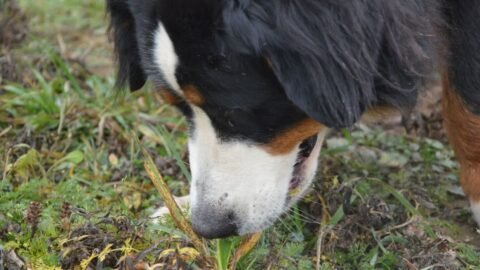
Your dog loves every corner of your yard, right? That wagging tail, the joyful sniffing, the curious nose poking into every flower bed. It’s where they play, explore, and just be a dog. You’ve probably spent time making your garden beautiful, a little oasis where you can relax and your pup can roam free.
Yet here’s the thing. That same space, filled with blooms and greenery, might be hiding threats you’d never suspect. I’m not trying to scare you, honestly. It’s just that some of the most common garden features can pose serious risks to our four-legged friends. Most of us don’t realize until something goes wrong.
So let’s talk about what’s really lurking out there. Knowledge is power, and when it comes to keeping your beloved companion safe, a little awareness goes a long way. Let’s dive in.
Pretty Petals That Pack a Punch: Toxic Plants
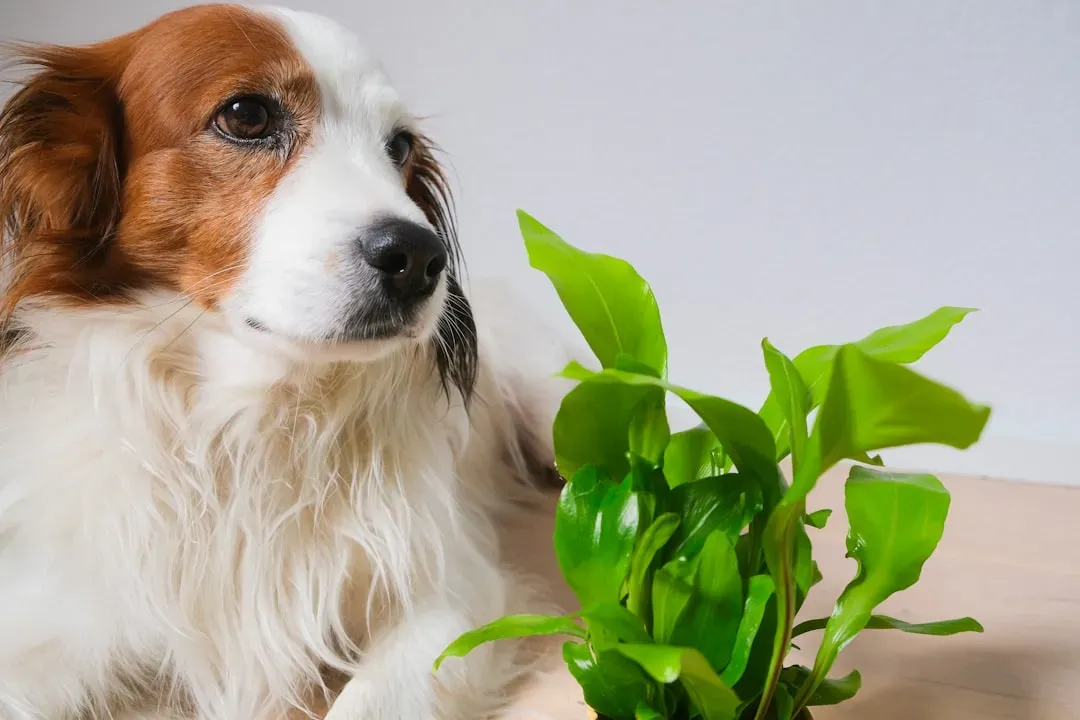
Many shrubs, trees, and flowers commonly found in the garden are dangerous if your dog eats them, and some can be downright deadly. Common toxic plants include sago palms, lilies, azaleas and tulips. You might think your dog would instinctively avoid dangerous plants. While it’s sometimes true of animals in the wild, dogs have no ability to distinguish between safe and unsafe plants.
Autumn Crocus contains colchicine, which is extremely toxic, causing gastrointestinal bleeding, severe vomiting, kidney and liver damage, and respiratory failure, with symptoms that might be delayed for several days. Foxglove, with all parts from seeds to petals, is extremely toxic to dogs and ingestion can cause cardiac failure and even death. Even popular spring bulbs carry risks. Tulip and hyacinth bulbs are the most toxic part, but any part of these flowers can be harmful, causing mouth and esophagus irritation, excessive drooling and vomiting, with larger ingestions potentially causing increased heart rate and irregular breathing.
Watch for symptoms like excessive drooling, vomiting, diarrhea, or lethargy after your dog has been in the garden. Daffodil and other narcissus bulbs are toxic to dogs, causing nausea, vomiting and diarrhea, and can be fatal. If you grow azaleas or rhododendrons, be extra vigilant. The entire genus is extremely dangerous for dogs. Some dogs are more curious than others, especially puppies.
That Bag of Plant Food Could Be Deadly: Fertilizer Poisoning
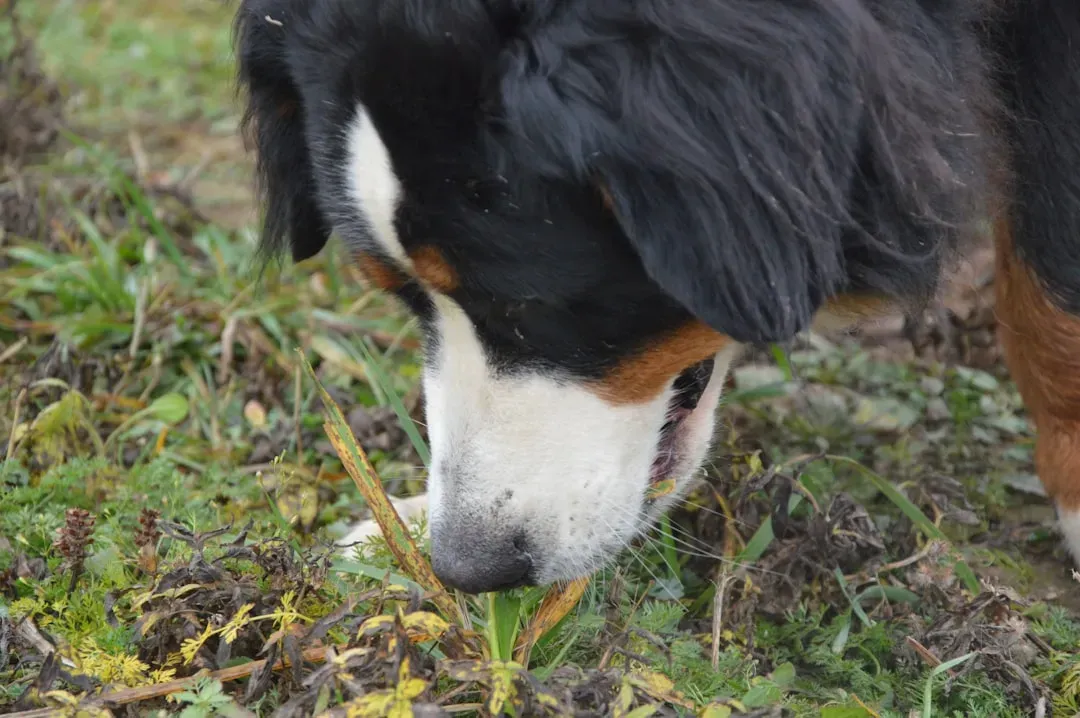
Fertilizers contain a variety of chemicals and minerals that can be highly toxic to animals, even in small amounts, causing serious health issues including bowel obstruction, pancreatitis, and more. Let’s be real, most of us don’t think twice about leaving a bag of fertilizer in the garage or shed. Dogs, though, can find those bags surprisingly tempting.
Fertilizers often contain nitrogen, phosphorus, potassium, iron, copper, zinc, cobalt, boron, manganese, and molybdenum, and they may also contain herbicides, pesticides, and fungicides, all of which can increase the risk of poisoning. When there are pesticides and herbicides in the fertilizer, the effects can be very serious, with iron potentially causing bloody diarrhea, liver damage, kidney damage, and heart problems. Disulfoton, an insecticide sometimes added to granular rose fertilizers, is extremely dangerous, as one single teaspoon with 1% disulfoton can kill a 55-pound dog, causing increased salivation, tear production, vomiting, rapid breathing, tremors, increased heart rate, and seizures.
The main cause of dogs getting into the emergency room with severe fertilizer poisoning is direct ingestion from the fertilizer container or spreader. A dog can be exposed to fertilizer by simply walking across a lawn that has been treated, with some fertilizer residues staying in toxic form for days to weeks. Keep bags sealed and stored high. After treating your lawn, keep dogs inside until the product has been absorbed into the soil.
Sweet-Smelling Danger: Cocoa Mulch and Other Ground Covers

Mulch makes gardens look polished and helps retain moisture, yet certain types are hazardous. Cocoa bean mulch can be particularly dangerous as it contains theobromine, the same toxic ingredient found in chocolate, which is highly toxic to dogs. Cocoa mulch, made from shells or hulls from the cocoa bean, is often used for home landscaping, is very fragrant when first placed in the yard and smells faintly of chocolate, so dogs may be tempted to ingest it.
When ingested in large amounts, this can cause signs of chocolate poisoning, and if ingested, cocoa mulch can cause toxic symptoms just like chocolate itself, such as gastrointestinal, cardiac and neurologic side effects. Large pieces of mulch can cause obstructions in a dog’s gastrointestinal tract, leading to severe health issues that may require surgical intervention, with symptoms including vomiting, loss of appetite, lethargy, and abdominal pain.
Even regular wood mulch can harbor mold. Mulch can contain molds or pesticides that can be toxic if eaten, with many types potentially containing molds like penitrem A and roquefortine, which can cause tremors or seizures, vomiting, or diarrhea. Choose safer alternatives like cedar chips or pine needles, though supervision is still key. Some types of mulch are considered safer than others, like cedar, however ingestion could still involve a risk of mold or obstruction, with untreated wood chips, leaves, and pine needles all possibly causing gastrointestinal irritation or obstruction.
That Tempting Compost Heap: A Toxic Buffet
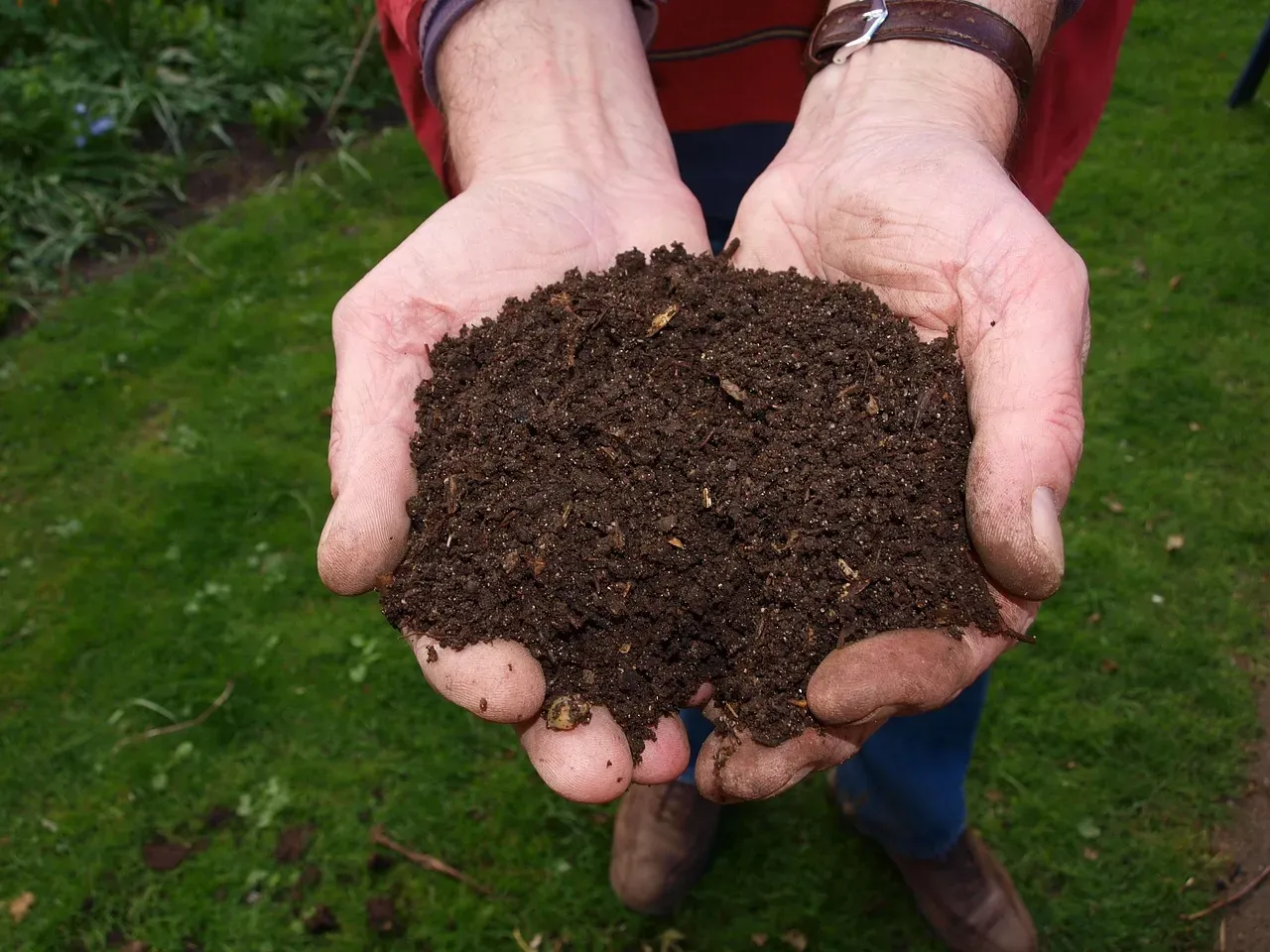
Composting is great for the environment. For dogs, though, it’s a potential nightmare. Dogs are attracted to the smell of compost and if not careful, your dog may ingest the material and become incredibly sick, with the material providing a choking hazard and containing dangerous toxins that can cause severe illness. The decaying organic matter smells irresistible to many pups.
Compost is especially dangerous as the decomposing organic matter can contain fungi which produce neurotoxins called tremorgenic mycotoxins. Decaying food material contains many types of mold and the mold spores produce mycotoxins, so consuming mold causes mycotoxin ingestion and pets will show signs of tremors and imbalance, with other notable signs including vomiting, diarrhea, fever, and excitability. When consumed by an animal, moldy food or compost ingestion can result in sickness and physical distress in as little as 30 minutes, with symptoms including agitation, panting, drooling, vomiting, tremors and seizures.
Although most dogs who are diagnosed with compost poisoning will recover within 24 to 48 hours with prompt treatment, some dogs will not, as tremors and seizures can last for several days and secondary complications such as clotting abnormalities and aspiration pneumonia may develop, with these complications often being fatal. Make sure you keep a closed, air-tight bin for your kitchen compost out of reach from pets, and if you have a backyard compost bin, be very careful to prevent access and always supervise them while they are around. Trust me, it’s worth the extra effort.
The Inviting Water Feature: Ponds and Standing Water Risks
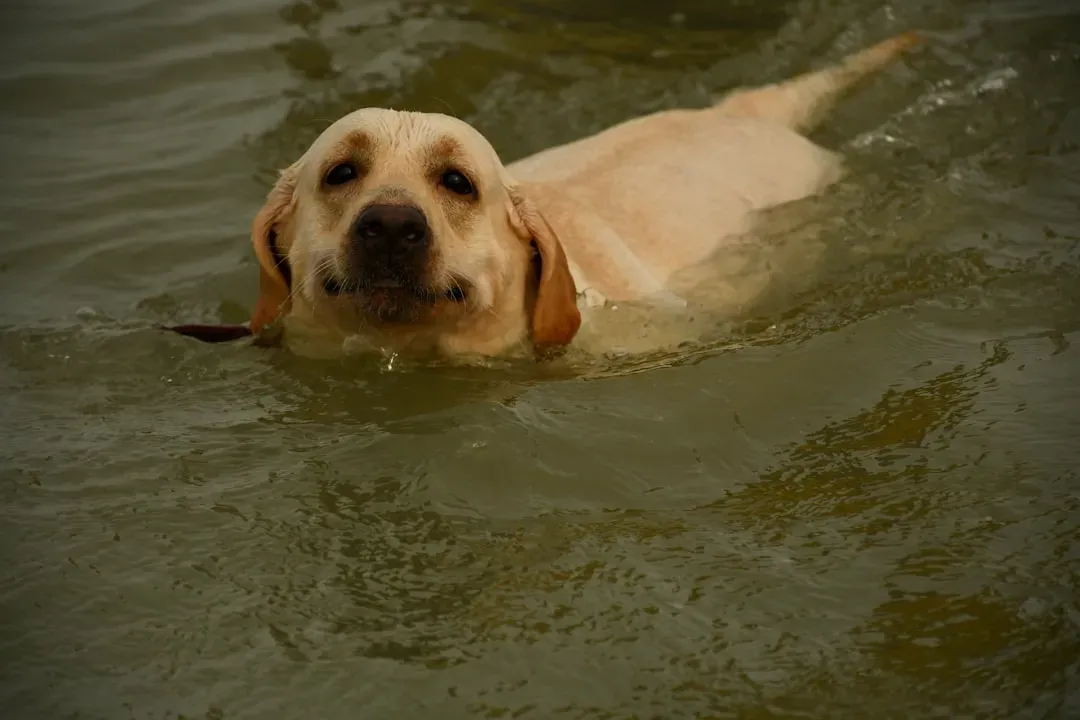
Garden ponds are beautiful and peaceful, creating a lovely focal point. For dogs, they can be dangerous in ways you might not expect. Drowning is an obvious concern, especially for smaller dogs or breeds with short legs. Every year, it is estimated that thousands of family pets drown, with almost all causes occurring due to exhaustion.
Lake water dangers can range from drowning to illness, but the most common are from blue-green algae, parasites, bacteria, and saltwater toxicity. Parasites and bacteria are common occurrences in lakes and ponds, with the three most common being cryptosporidium, giardia, and leptospirosis, all of which can cause intestinal upset, abdominal pain, and vomiting. Toxic blue-green algae, also called cyanobacteria, is present in some bodies of water and can be toxic to dogs. Blue-green algae can be fatal if your dog swallows even a small amount of it, so avoid water that looks greenish-blue, olive green, or red.
While some treatments used to maintain water quality help keep fish healthy, they can be highly toxic if ingested by dogs, with pond water also containing waste, bacteria, algae, and parasites that can lead to digestive issues or infections if consumed. Pond drains can be especially dangerous as draining water may be too swift to swim against and may pull your dog under. Keep ponds fenced or covered with netting, and always bring fresh water for your dog when spending time outdoors.
Hidden Hazards You Might Miss: Pesticides, Sharp Objects, and More
Sometimes the danger isn’t what you planted but what you used to maintain it. Pesticides and insecticides that contain organophosphates, often found in systemic rose care products, can be life-threatening for pets even if ingested in small amounts. Garden products often contain products toxic to pets, so avoid spraying any areas your dog usually visits and put up barriers or covers to keep pets out of any areas that need treatment.
Slug and snail baits that contain metaldehyde are highly poisonous to dogs and cats, causing restlessness, salivation, seizures, tremors, vomiting, and high fever that can result in death. Sharp garden tools, hidden stakes, broken glass, or rough edges on decorative stones can all injure curious paws. Dogs exploring bushes might encounter thorny plants or get scratched by sharp branches.
Mouldy foods can contain lots of different toxins and, if eaten, may make your dog ill, with one particular substance mostly found on mouldy dairy products, bread and nuts causing dogs to quickly develop muscle tremors and seizures that may last for up to two days. Poisoning from acorns is most likely to occur in autumn months when these fruits have fallen to the ground, with a one-off feast likely to cause vomiting and diarrhea, both possibly bloody, and eating acorns regularly potentially causing kidney or liver problems. Always do a quick scan of your yard before letting your dog loose.
Conclusion
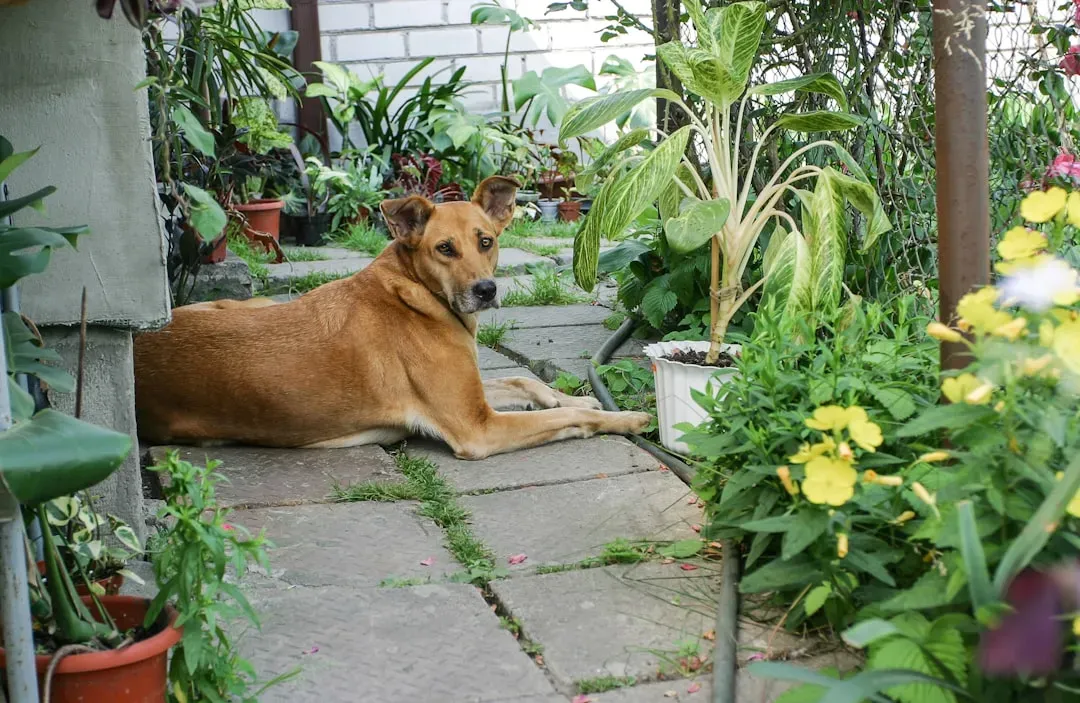
Our gardens are meant to be sanctuaries, places where we and our dogs can unwind and enjoy fresh air. Knowing what dangers might be hiding there doesn’t mean you have to tear everything out or never let your dog outside. It just means being aware, making smart choices, and keeping a watchful eye.
Remove or fence off the most toxic plants, store chemicals securely, and supervise your dog when they’re exploring. Check water sources regularly. Pick up fallen fruit or nuts that could be harmful. These small steps can make all the difference between a fun afternoon and an emergency vet visit.
Your dog trusts you to keep them safe. With a little vigilance and some thoughtful planning, your garden can be a place where both of you can truly relax. Did you know about all these hidden dangers? What steps will you take to make your garden safer?


