
You know that feeling when you see someone walking their energetic pup and they look like they’re being yanked down the sidewalk? Maybe that’s entertaining from a distance, but let’s be real. If you’re at a point in life where peace, predictability, and comfort rank high on your list, bringing home the wrong dog can feel like inviting chaos through the front door.
I’ve spent years working with dogs of all kinds. Some breeds are gentle souls who adapt beautifully to quieter lifestyles. Others? Well, they’re wired for work, motion, and constant mental engagement. The latter group isn’t necessarily bad. They’re magnificent animals. Yet for many seniors, these dogs present daily challenges that can quickly become overwhelming, even unsafe.
This isn’t about being negative. It’s about being honest so you can make the best choice for both you and the dog. Let’s dive into six breeds that, despite their many wonderful traits, might not be the wisest companions for older adults.
Border Collie: The Relentless Thinker Who Never Stops
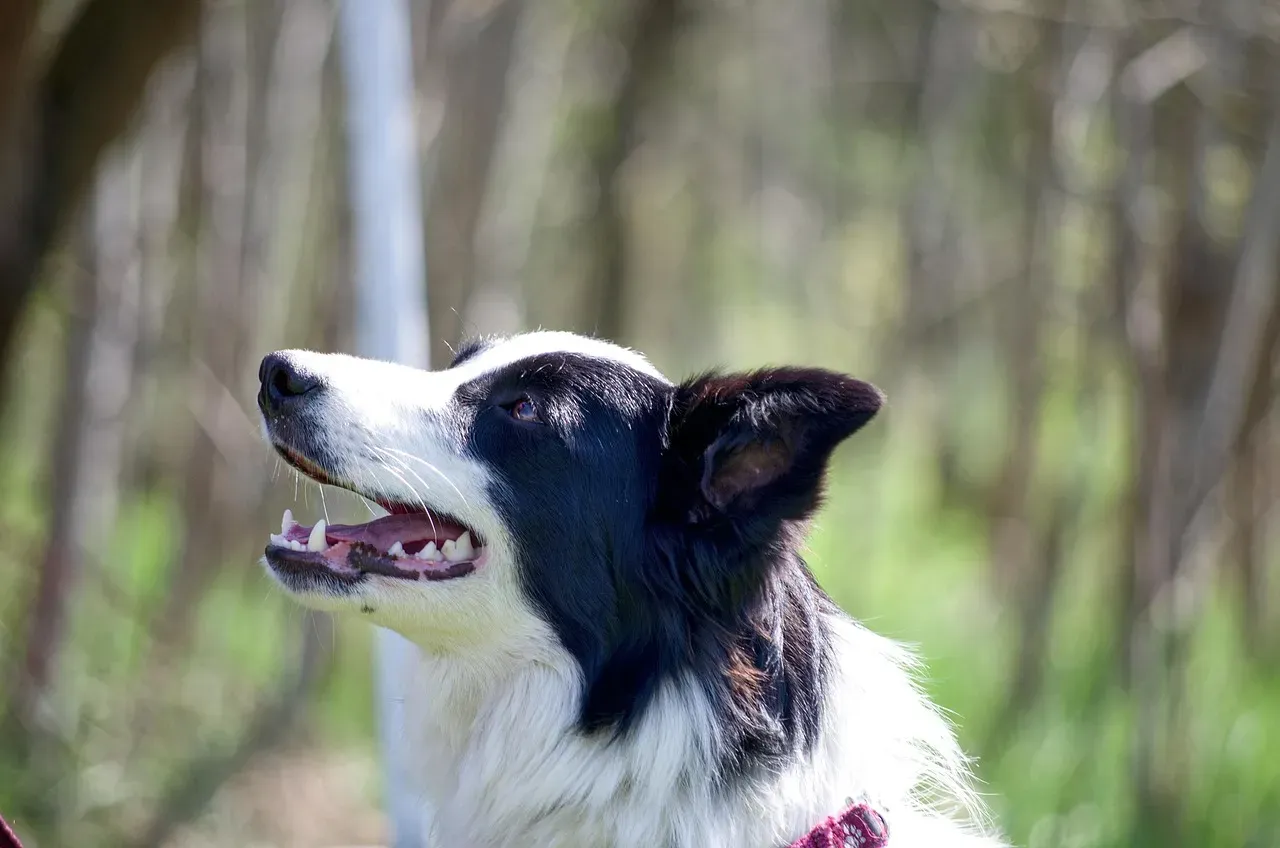
Border Collies need at least two to three hours of vigorous exercise every day, and that’s just the physical component. These dogs were bred as energetic, intelligent, hard-working herding dogs with athletic prowess rarely seen in other breeds. Think about what that really means in practical terms for your daily life.
Border Collies are incredibly intelligent and high-energy dogs that thrive on challenges like obedience training, puzzle toys, agility exercises, or herding games, and without enough stimulation, they can become bored and develop behavioural issues. When a Border Collie doesn’t get what it needs, you might find chewed furniture, relentless barking, or a dog that paces constantly. Their brains are always switched on, always looking for the next task.
For seniors with limited mobility or energy reserves, keeping pace with this breed is genuinely exhausting. They are particularly likely to develop separation anxiety, especially if they’ve been left alone without adequate exercise and mental stimulation. Imagine needing to coordinate multiple long outings, training sessions, and puzzle activities every single day without fail. It’s hard to say for sure, but most seniors would find this level of demand unmanageable.
Jack Russell Terrier: Small Package, Enormous Energy
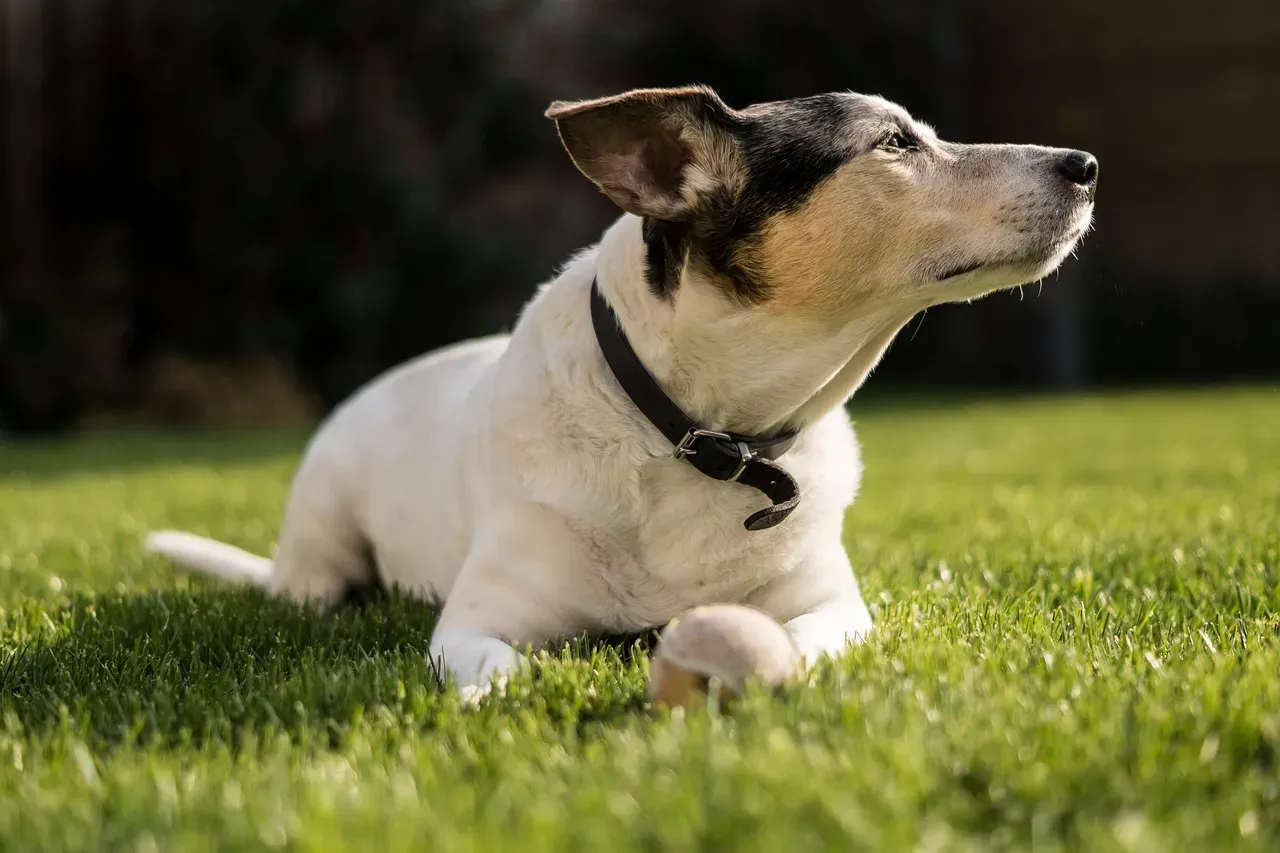
Don’t let their compact size fool you. Jack Russell Terriers are active dogs that need at least 90 minutes of high-quality exercise every day. Jack Russell Terriers are incredibly energetic and require a lot of exercise and mental stimulation, and they can be a handful to train and manage.
These little dynamos were bred to flush foxes from their dens. Jack Russell Terriers are energetic compact dogs with enormous character, originally bred for fox hunting in England, combining intelligence, determination and fearless drive. That hunting instinct translates into a dog that’s constantly alert, often vocal, and occasionally stubborn. Jack Russells and Fox Terriers are known for their boundless energy levels and can be difficult to train.
Jack Russell Terriers require a long-term commitment to obedience, activity, exercise and entertainment. Their unique character and high energy level can frustrate you. Jack Russell Terriers are a poor choice for Senior Citizens because they are too active and need lots of exercise, and they bark a lot. For seniors in apartments or those seeking calm companionship, a Jack Russell might feel less like a pet and more like a full-time job.
Australian Shepherd: The Workaholic Who Craves a Purpose
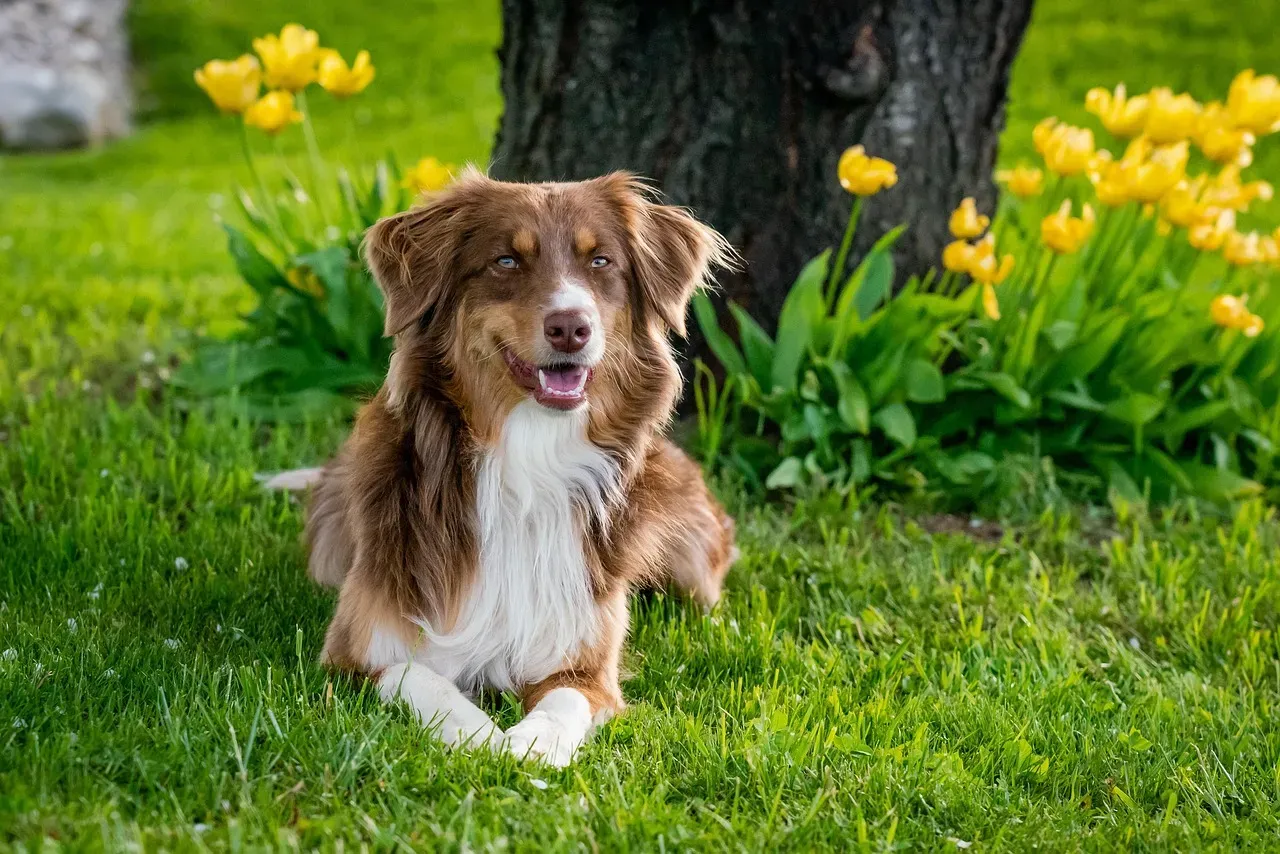
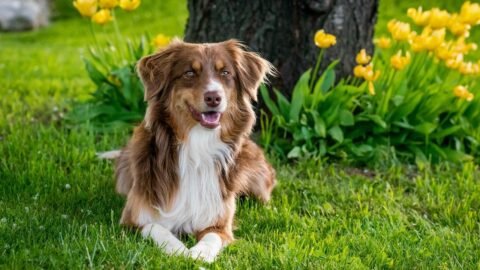
Adult Australian Shepherds require one to two hours of vigorous exercise daily, stemming from their heritage as working dogs where they spent long days herding livestock. Here’s the thing. These aren’t dogs content with a leisurely stroll around the block. They want intensity, variety, and purpose.
Australian Shepherds are known for their high energy levels and need plenty of exercise to keep them physically and mentally stimulated. Australian Shepherds are smart, intelligent, remarkable, and hyperactive dogs that need hours of daily exercise and mental work. Without that outlet, behavioral problems emerge quickly.
Without adequate exercise, these intelligent and athletic dogs can develop behavioral issues, including destructive habits, excessive barking, and anxiety. Australian Shepherds are generally not recommended for first-time dog owners due to their high energy levels, intense need for mental stimulation, and strong herding instincts requiring significant commitment to consistent training, socialisation, and daily exercise. Honestly, for most seniors, meeting these demands day in and day out would be nearly impossible. The commitment required is simply enormous.
Belgian Malinois: The Intense Professional
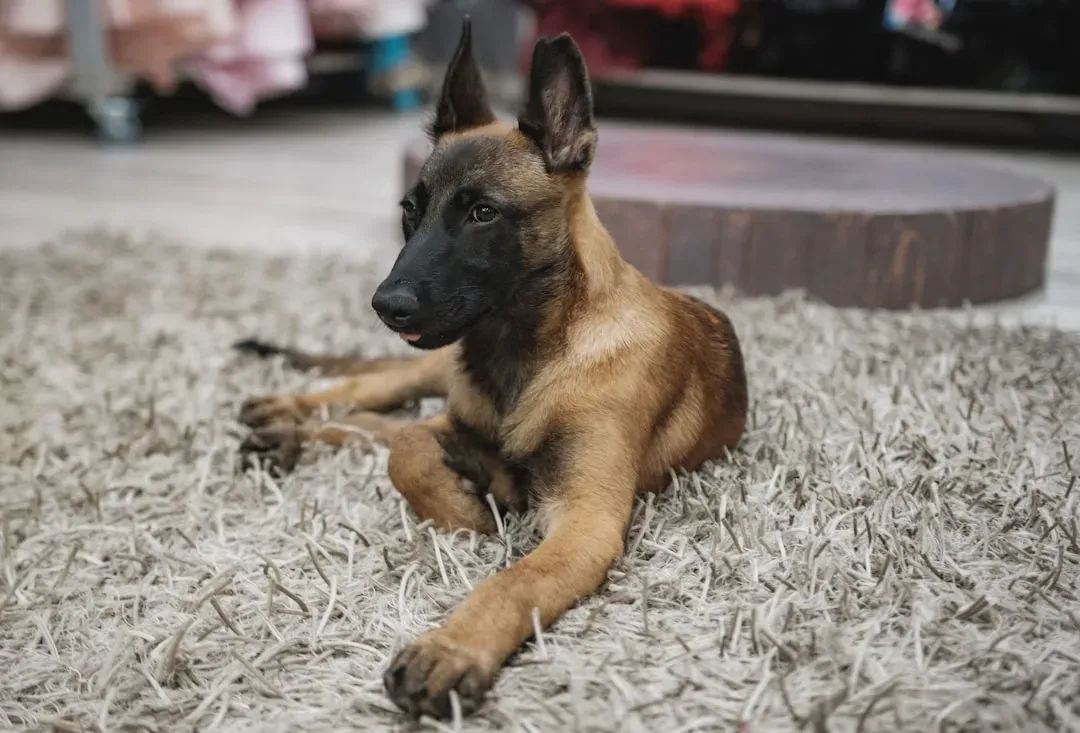
Belgian Malinois need several hours of exercise daily and especially enjoy activities that involve agility, retrieving, jumping, and herding. This breed isn’t just high energy. They’re what I’d call intensely focused and driven. Belgian Malinois are demanding dogs that need an experienced owner, with a wide range seen in temperament and aggressiveness.
Belgian Malinois are high-energy working dogs that require intense exercise and mental stimulation, and their intelligence and drive can be overwhelming for seniors. Their high energy and need for constant activity can make them a lot for some people to handle, requiring an energetic and active owner who can commit to training, exercising and engaging with their Mal on a daily basis.
These dogs form incredibly tight bonds with their people, but they also demand structure, consistent leadership, and near-constant engagement. Belgian Malinois are highly strung and need to be tired out both mentally and physically, or unwanted behaviours can surface, and they shouldn’t be left alone for more than a couple of hours. For seniors wanting a companion to relax with, the Belgian Malinois represents the opposite extreme.
Dalmatian: The Athlete With Endless Stamina
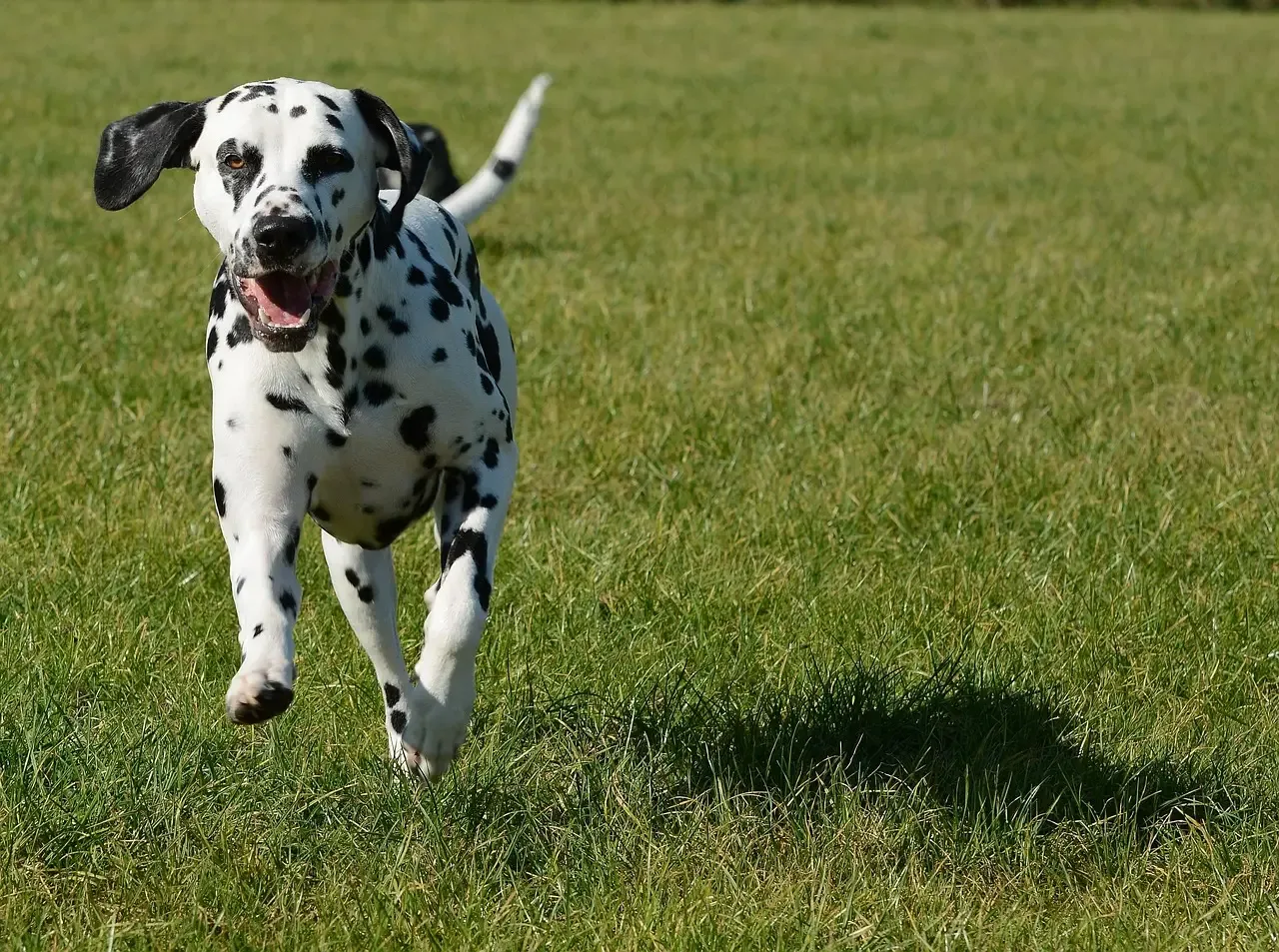
Dalmatians are large, energetic dogs that need plenty of exercise to stay happy and healthy, and they can be strong-willed and may require consistent training and socialization. These iconic spotted dogs weren’t bred to lounge around. They were carriage dogs, running alongside horses for miles.
Breeds like the Border Collie, Australian Shepherd, and Dalmatian thrive on constant activity and mental stimulation. That endurance is bred into their DNA. What looks graceful and elegant from afar becomes a challenge when you’re the one responsible for channeling all that energy safely every single day.
Their size adds another layer of difficulty. A strong, energetic Dalmatian can easily pull an older person off balance during walks. They require firm, consistent training from day one, and without proper outlets for their energy, they can develop stubbornness and behavioral issues. Let me be clear. This breed needs someone who can keep up physically and mentally. For most seniors, that’s simply asking too much.
Weimaraner: The Restless Hunter
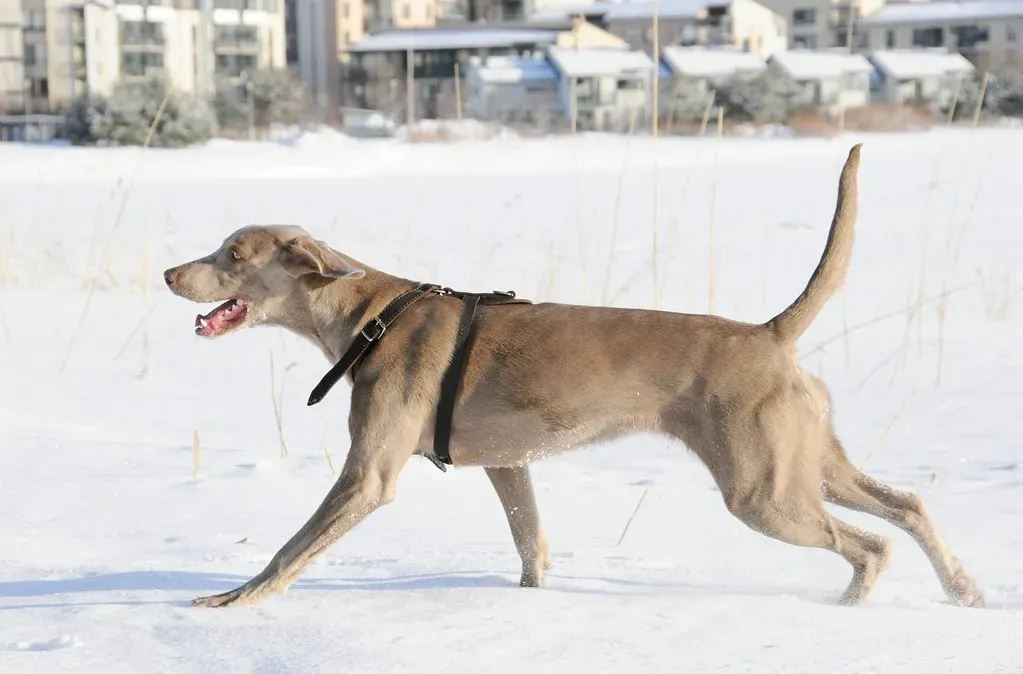
The Weimaraner is an athletic and energetic breed that thrives on physical activity, needs lots of space to run and plenty of stimulation to prevent boredom, and may be too much for seniors to handle. These sleek silver dogs are stunning to look at, but they’re also hunting dogs with boundless energy and a need for constant companionship.
Weimaraners were bred to hunt large game all day long. That translates into a dog that’s rarely satisfied with a quick walk. They need running space, interactive play, and mental challenges. Without these, they become anxious, destructive, and difficult to manage. They’re also known for severe separation anxiety if left alone.
For seniors living quieter lives or those with mobility limitations, a Weimaraner presents too many daily hurdles. These dogs demand athletic owners who can provide the kind of vigorous, sustained activity most people naturally slow down from as they age. It’s not about capability. It’s about recognizing realistic limits.
Final Thoughts: Choosing With Both Heart and Head
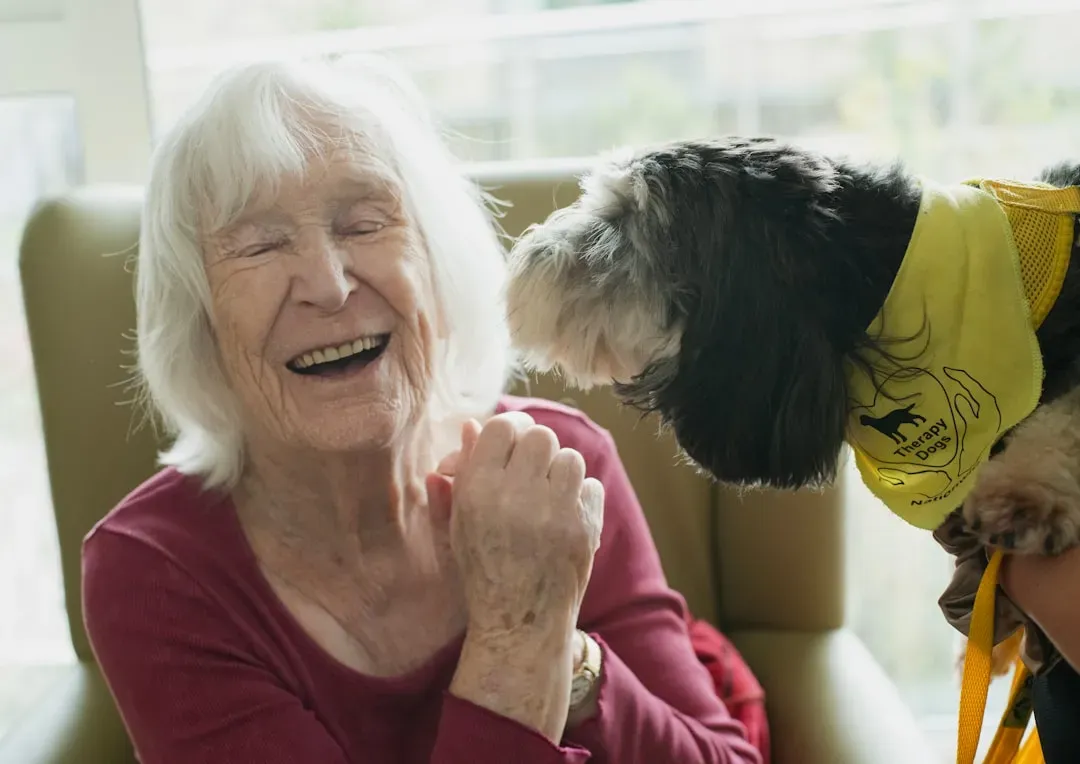
None of these breeds are bad dogs. They’re extraordinary animals with incredible traits. Yet the reality is that their needs don’t align well with what most seniors can reasonably provide. Bringing home a high-strung, intensely energetic breed when you’re looking for gentle companionship isn’t fair to you or the dog.
The best dog for you is one whose energy, temperament, and care requirements genuinely match your lifestyle. There are so many wonderful, affectionate breeds out there that thrive in calmer environments and don’t require hours of daily vigorous exercise. Those are the dogs that will bring joy, not stress, into your golden years.
Did this list surprise you? What matters most to you when choosing a canine companion? Share your thoughts in the comments.


