
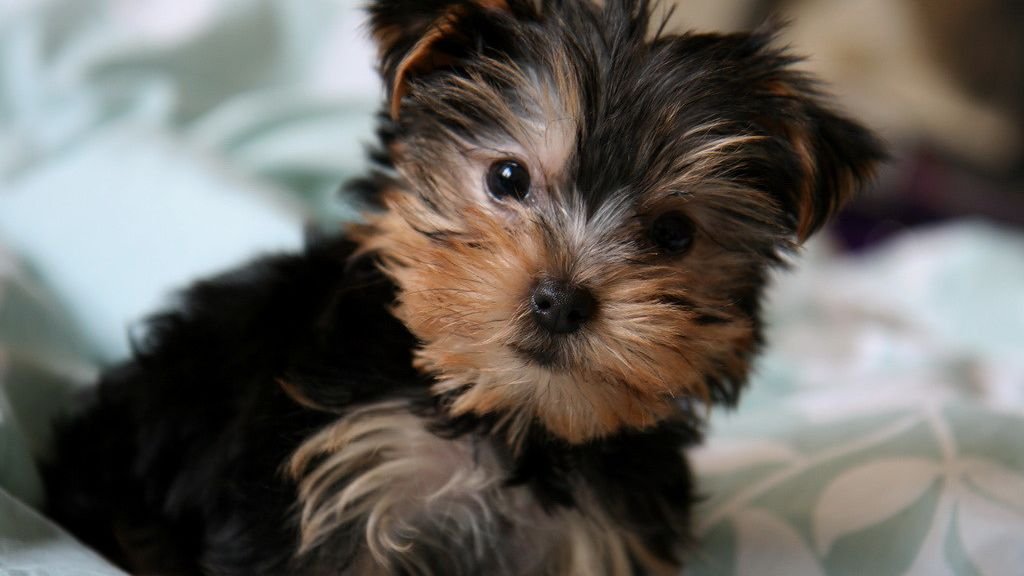
If you’ve ever fallen head over heels for a fluffy pup only to be stopped in your tracks by a sneezing fit, you know the struggle. You want that unconditional canine love, the tail wags, the warm snuggles on cold nights. Yet the reality of dog allergies can feel like a cruel joke nature plays on dog lovers.
Here’s the thing though. The word “hypoallergenic” gets thrown around a lot in the dog world, especially when breeders and enthusiasts talk about certain breeds. Let’s be real: no dog is 100% hypoallergenic, and every dog sheds at least a small amount of hair and dander. Even those breeds marketed as allergy friendly will produce some allergens. The trick is understanding which ones produce less and why some still shed just a bit, even when they’re labeled as safe for sensitive noses.
What you might not expect is that several so called hypoallergenic breeds actually do shed, just minimally. Think of it like this: they’re not miracle workers, but they’re pretty darn close for folks with mild to moderate allergies. So if you’ve been searching for that perfect companion who won’t turn your home into a tissue box headquarters, keep reading. You might be surprised by what’s out there.
Portuguese Water Dog: The Presidential Pick That Sheds Less
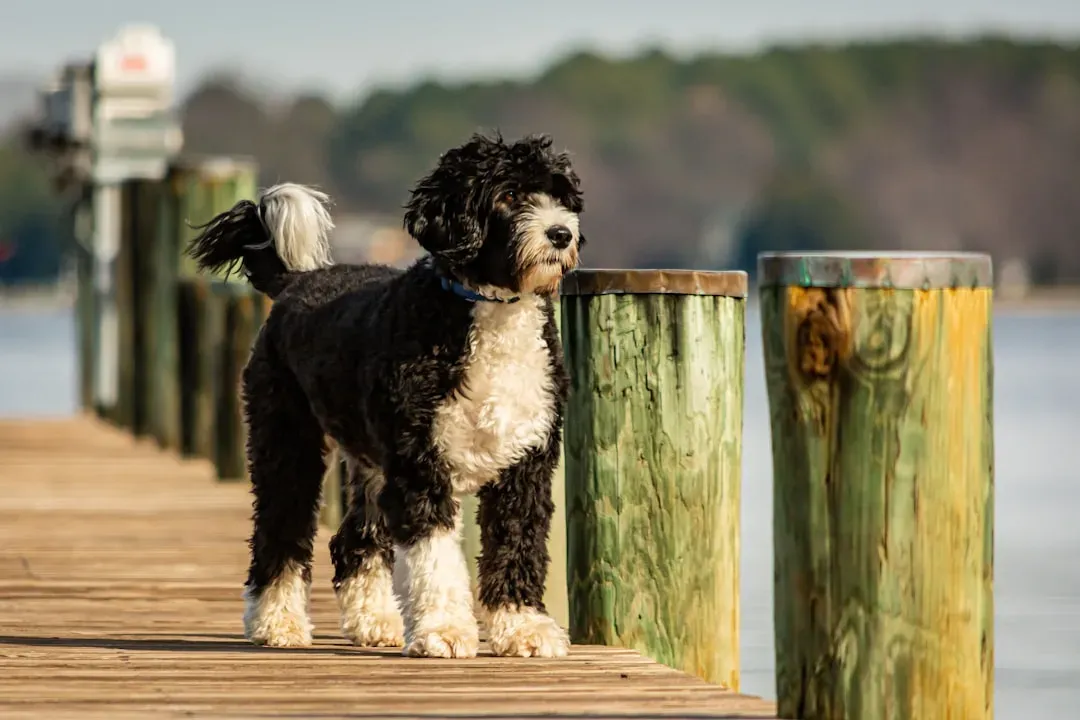
You might remember Bo and Sunny, the two Portuguese Water Dogs who lived in the White House. They weren’t chosen just for their good looks and webbed paws. Originally bred as an aid to fishermen in Portugal, these dogs have thick, curly coats that do not shed much, making them a popular hypoallergenic dog breed.
That curly coat is key. They have no undercoat and do not shed; therefore, they produce far fewer amounts of dander particles. Notice I said fewer, not zero. Portuguese Water Dogs do lose some hair, but it stays trapped in those tight curls rather than floating around your living room. Think of it like having a dog wearing a built in lint roller.
Their athletic build and intelligent nature make them fantastic family dogs, especially for active households. Swimming is basically their love language, so if you live near water or have a pool, you’ve got yourself a very happy pup. Regular grooming every six to eight weeks keeps their coat healthy and dander under control.
Maltese: Tiny White Clouds With Minimal Mess
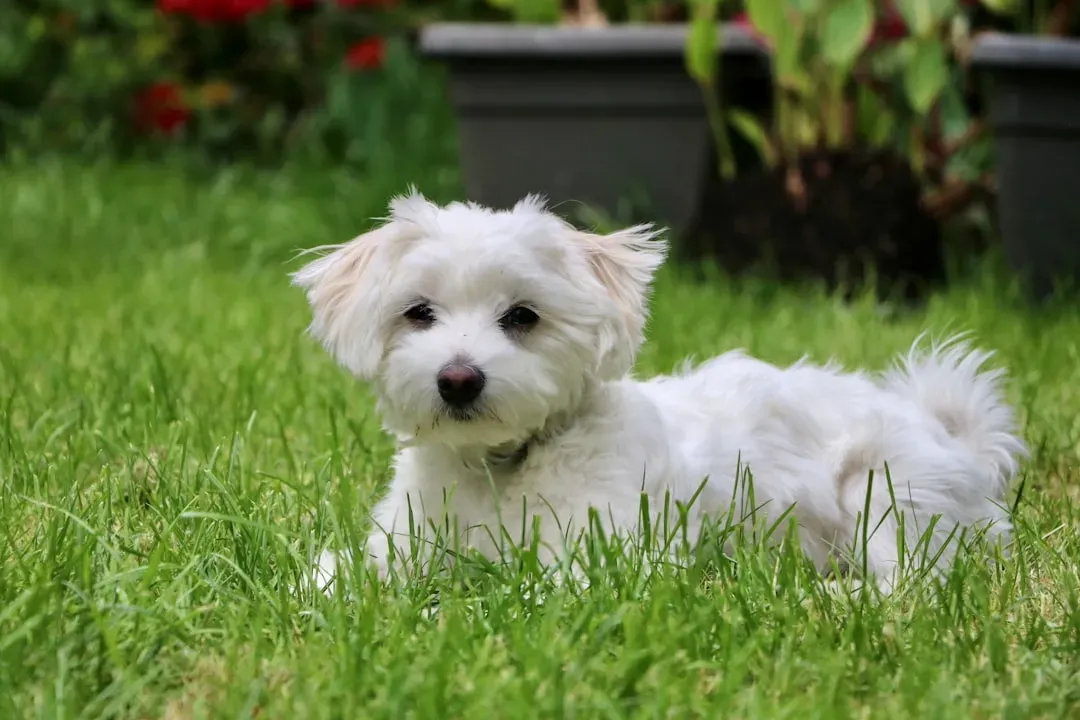
Maltese dogs look like they should leave a trail of white fur everywhere they go, but the opposite is true. They do not have an undercoat and shed very little. Their coat is technically hair, not fur, which grows continuously like human hair.
Because the Maltese does not have the underlayer, technically, he doesn’t shed, but just like our hair, it falls out lightly throughout the whole year when it dies. You’ll find the occasional strand on your couch or clothing, but nothing compared to double coated breeds. Their small size also means less surface area producing dander overall.
Daily brushing is non negotiable with these little beauties. Their silky coat tangles easily, and regular grooming appointments keep them looking like the royalty they think they are. The bonus? All that brushing removes loose hair before it ends up on your black pants. Just remember, even though they’re small and shed minimally, they still produce allergens in their saliva and skin.
Yorkshire Terrier: Big Personality, Little Shedding
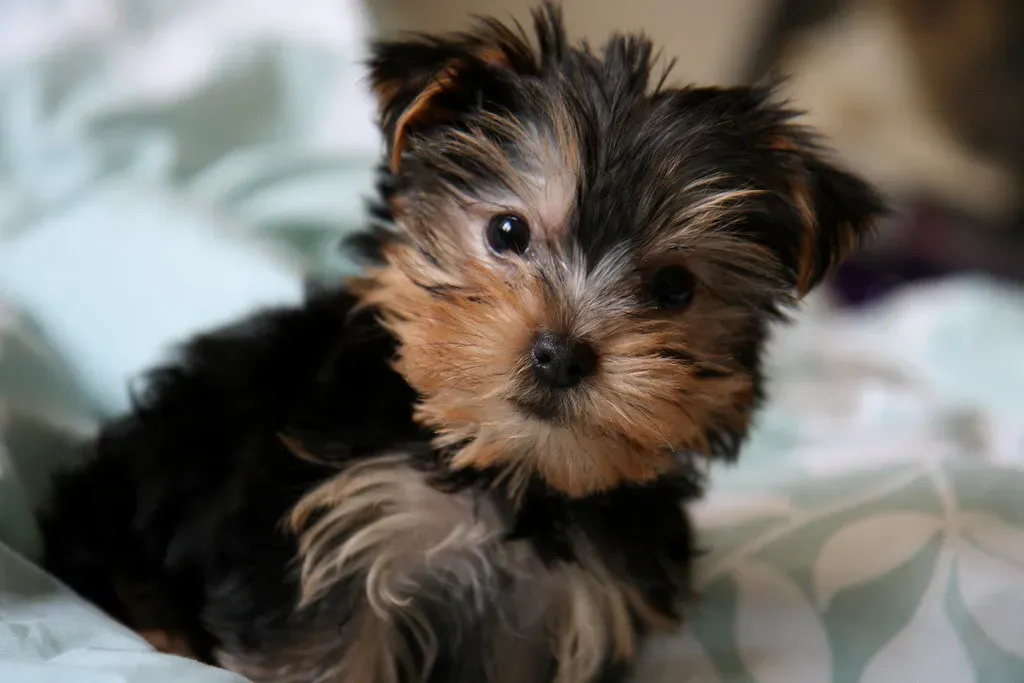
Yorkies might be tiny, but their personalities are larger than life. What’s even better for allergy sufferers is their hair like coat. Yorkshire Terriers shed less than many other breeds because they have hair rather than fur, and their hair grows continuously rather than shedding in large amounts.
All dogs shed a little, but Yorkies are very low shedding dogs, with the AKC ranking their shedding as a one on a scale of one to five, which is the lowest possible ranking. Their coat sheds similarly to how people lose hair. You’ll notice strands when you brush them or occasionally on furniture, but that’s about it.
Their small size works in your favor too. The bigger the dog, the more fur it’ll shed and the greater the amount of dander produced; since Yorkies hardly shed and have a small surface, they are considered a hypoallergenic dog. Weekly grooming and regular baths help keep allergens at bay while maintaining that signature silky coat.
Bichon Frise: Curly Coated Cuddle Bugs
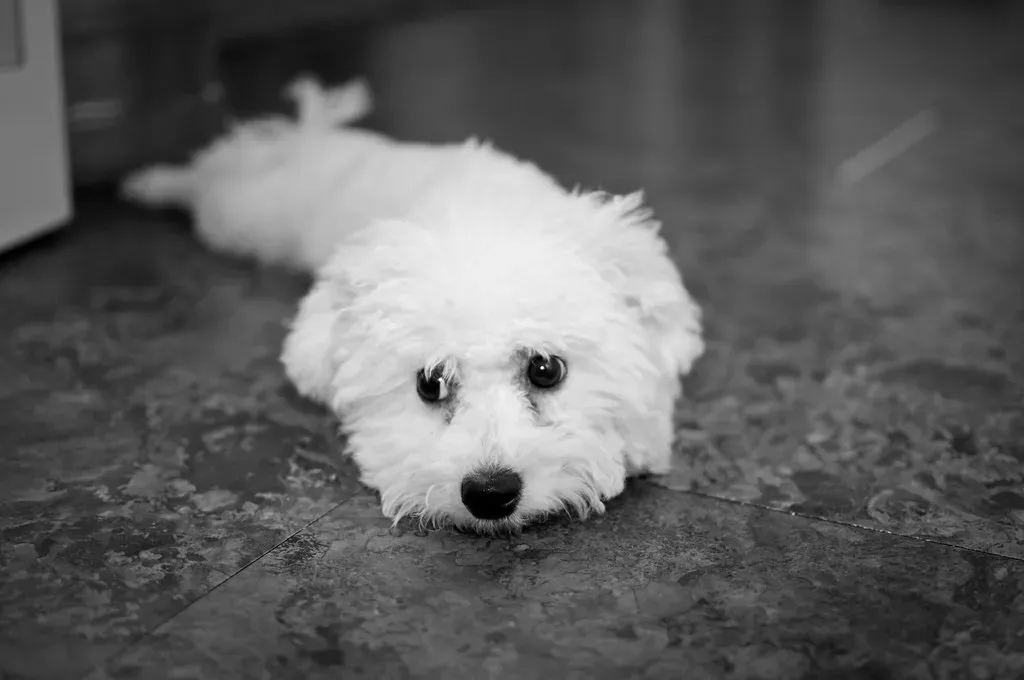
Bichon Frises look like fluffy white clouds bounced to life, and honestly, they might be one of the closest things to a non shedding dog you’ll find. Their soft, curly double coat traps loose hairs instead of letting them scatter across your floors, making them one of the best dogs for allergy sensitive homes.
Bichon Frise have a curly and dense coat, which helps to trap and hold dander close to their bodies, limiting the distribution of allergens in the air. It’s like they come with their own allergen containment system. That said, their coat requires serious commitment. Daily brushing prevents matting, and professional grooming every four to six weeks keeps everything under control.
Their cheerful, social personalities make them ideal for families with older children or apartment dwellers. They thrive on human interaction and love being the center of attention. Fair warning though: that beautiful coat means you’ll need to factor in grooming costs, but many Bichon owners say the reduced sneezing and watery eyes are worth every penny.
Shih Tzu: The Royal Companion With Surprisingly Low Shedding
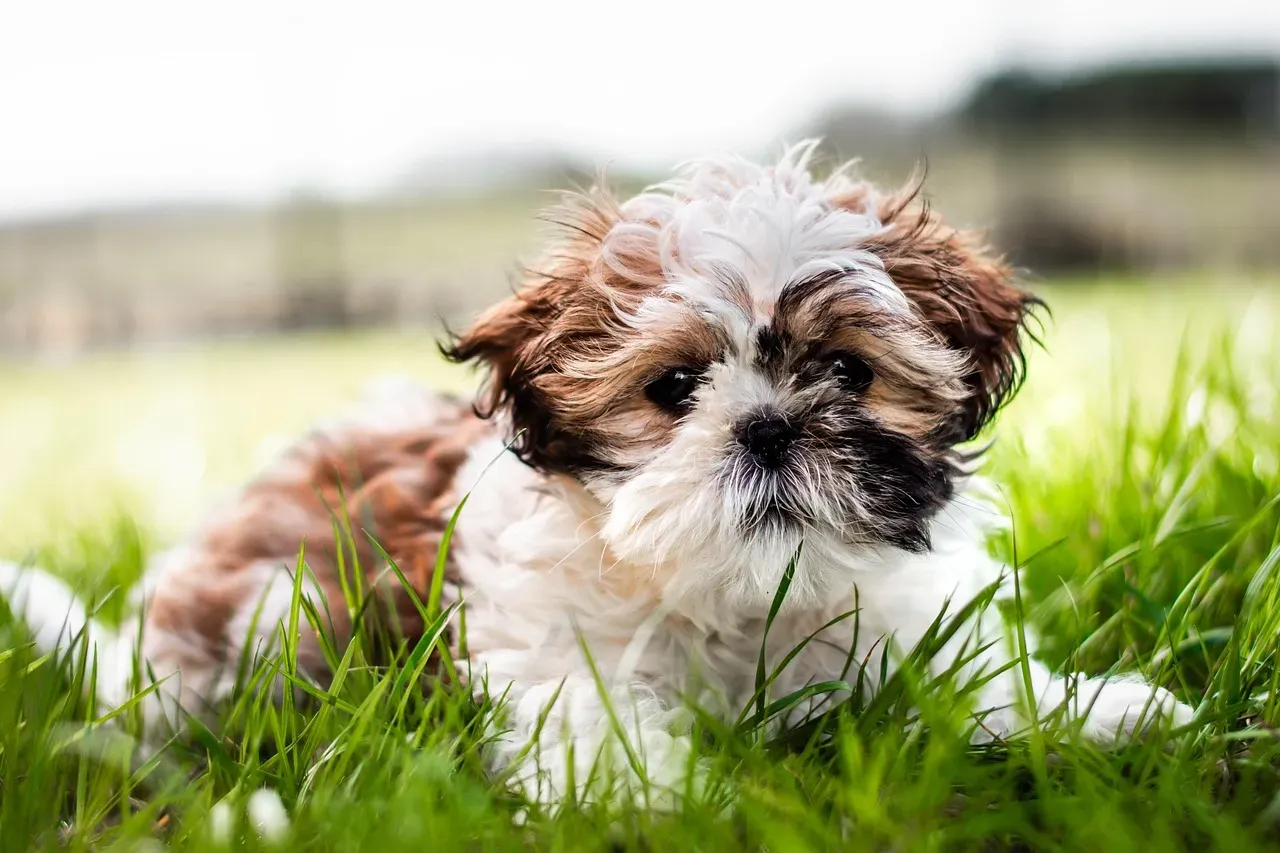
Looking at a Shih Tzu’s long, flowing coat, you’d never guess they’re considered low shedding. Here’s the twist: the shih tzu is an extremely rare double coat breed that almost never sheds, and once its adult coat is in, this little dog’s adult coat is made up of hair instead of fur.
The AKC ranks the shih tzu’s shedding as a one on a scale of one to five, making it a low to no shedding breed, and low to no shedding dogs are typically the best options for allergy sufferers. Like human hair, their coat grows continuously and takes much longer for individual strands to die and fall out. Most owners keep their Shih Tzus in shorter puppy cuts to make maintenance easier.
They’re lovers, not fighters, despite their name meaning “little lion.” These dogs are affectionate lap warmers who bond deeply with their families. Regular grooming every few weeks and daily brushing keeps their coat healthy and allergen levels manageable. Just know that while they shed minimally, they do shed to a lesser extent compared to some other breeds, and produce allergens that can potentially trigger allergies in sensitive individuals.
Miniature Schnauzer: Wiry Coats That Keep Allergens Contained
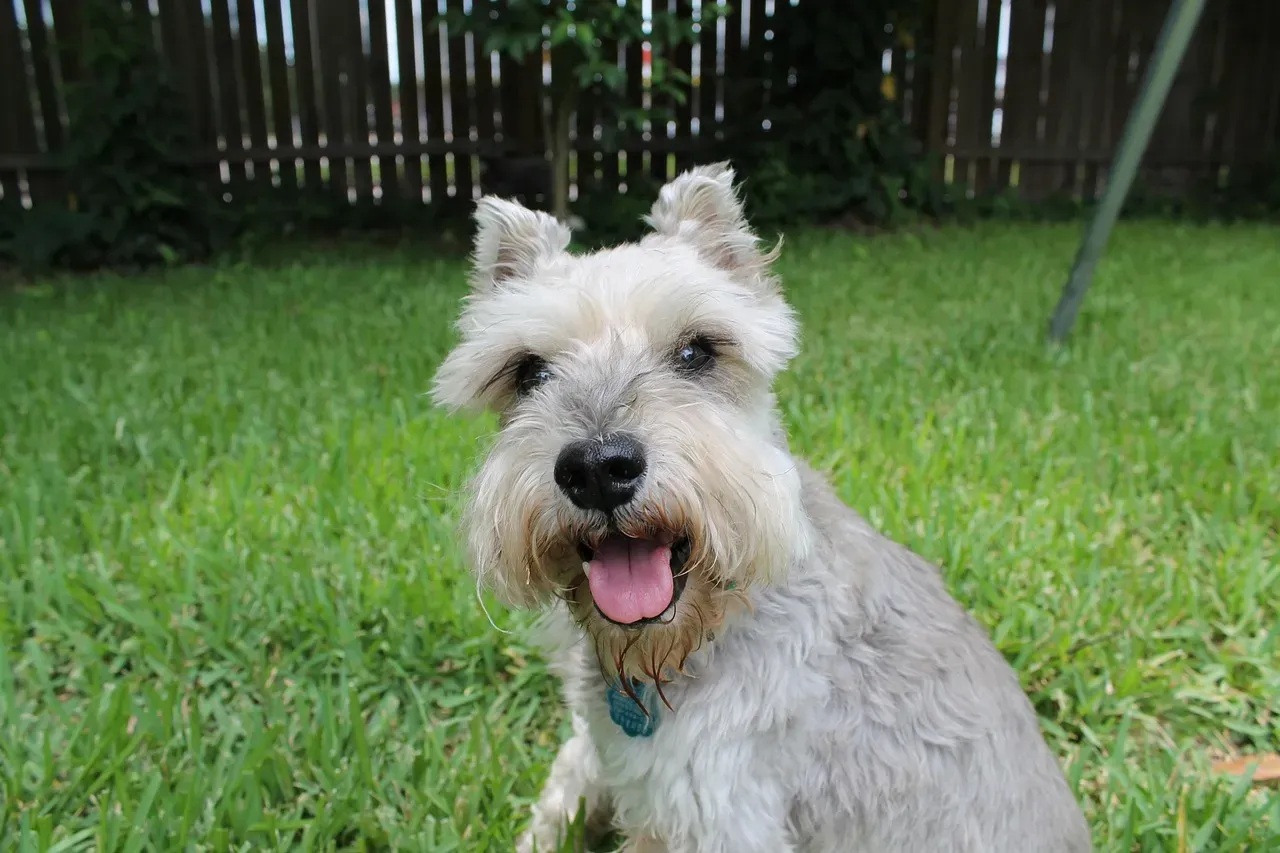
Schnauzers have that distinctive look with their beard and eyebrows, and their wiry coat is more than just stylish. Available in three sizes, Schnauzers have a wiry, non shedding coat that collects less dander, making them a hypoallergenic option. The Miniature variety is especially popular for smaller living spaces and families.
Their coat texture plays a huge role in allergen control. That dense, wiry outer layer traps dander before it becomes airborne. Their wiry coat is effective in trapping dander, reducing the release of allergens into their environment. Hand stripping twice a year maintains coat health and texture, though many owners opt for clipping instead.
Miniature Schnauzers are smart, loyal, and a bit protective, making them excellent watchdogs despite their small size. They need daily exercise and mental stimulation to prevent boredom. At around twelve to fourteen inches tall, they fit comfortably into apartment life or homes with small yards. Their friendly nature means they typically get along well with other dogs and people, though early socialization helps.
Conclusion
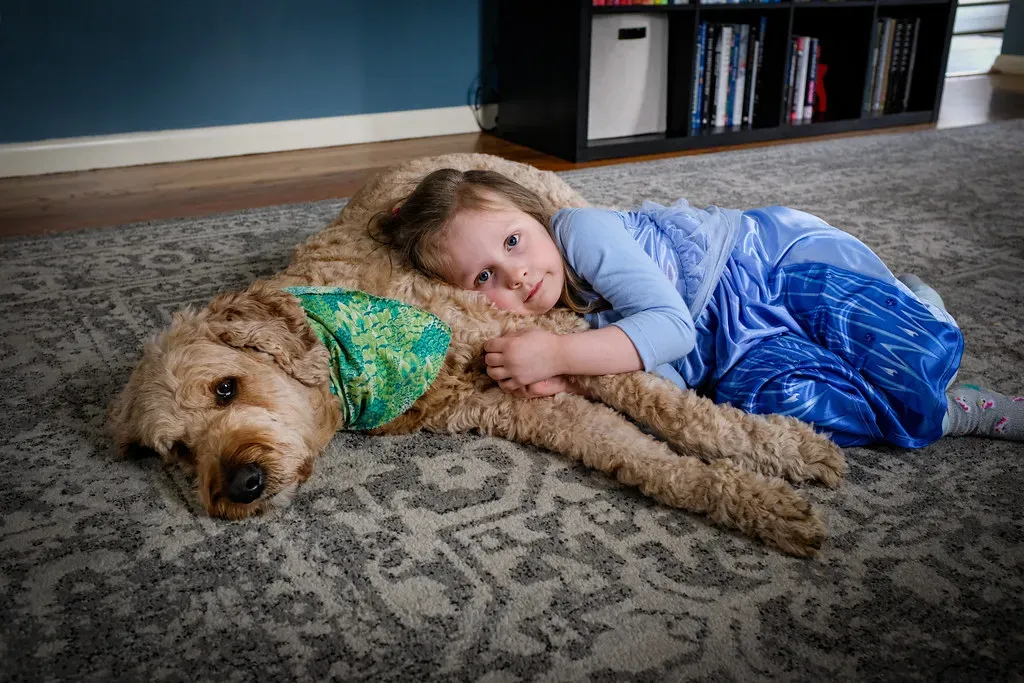
The truth about hypoallergenic dogs is more nuanced than most marketing materials let on. Every single breed we’ve covered here does shed, at least a little. Every dog sheds at least a small amount of hair and dander, and what makes some breeds more allergy friendly is the amount and frequency of shedding, not the complete absence of it.
What these six breeds offer is hope for allergy sufferers who refuse to give up on their dog owning dreams. Portuguese Water Dogs, Maltese, Yorkshire Terriers, Bichon Frises, Shih Tzus, and Miniature Schnauzers all produce fewer allergens than most breeds thanks to their unique coat types and minimal shedding patterns.
Regular grooming, frequent bathing, and keeping your home clean with HEPA filters can reduce allergens even further. Honestly, the key is spending time with any breed before committing. Your individual reaction matters more than any label or guarantee. Many people with mild allergies find they can live comfortably with these breeds, while others with severe sensitivities might still struggle.
The perfect dog is out there waiting for you, sneezes and all. What did you expect when you started reading?


