

There’s nothing quite like bringing home a new puppy. Those soft paws, that curious nose, those eyes full of wonder. Everything is magical, right? Here’s the thing though. Those first few months aren’t just about cuddles and adorable puppy breath. They’re arguably the most important weeks of your dog’s entire life. What happens during this time shapes who your puppy becomes as an adult dog.
If you’ve ever met a dog who trembles at strangers or barks frantically at other dogs, chances are they missed out on proper socialization. It’s heartbreaking, honestly. Socialization isn’t just a nice extra step in puppy care. It’s the foundation for everything else. So let’s talk about how to do it right, because your puppy is counting on you to open the world to them in a way that feels safe, exciting, and full of possibility.
Start Early, But Be Smart About Timing
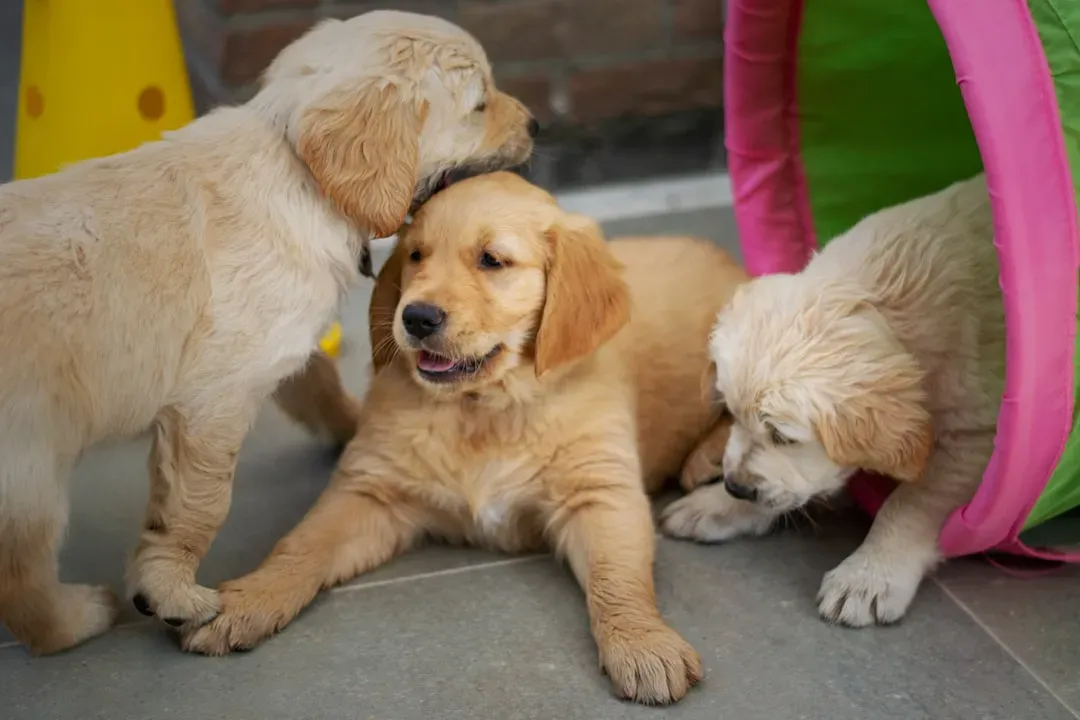
The critical socialization period for puppies falls between roughly three and fourteen weeks of age. This narrow window is when your puppy’s brain is wired to accept new experiences as normal parts of life. Think of it like a sponge that’s only super absorbent for a limited time.
During this period, puppies are most accepting, less cautious, and very curious about their environment. I know what you’re thinking: “But my puppy hasn’t finished their vaccinations yet!” This creates what I call the socialization dilemma. You need to expose your puppy to the world, yet you also need to keep them safe from disease.
The trick is finding creative, low-risk ways to introduce your puppy to new experiences. Carry them to places where they can observe without touching potentially contaminated ground. Invite vaccinated, friendly dogs to your home. As a guideline, bring your puppy to new places at least twice weekly. The behavioral risks of under-socialization often create bigger problems than the relatively small disease risk when you take proper precautions.
Use Positive Experiences to Build Confidence
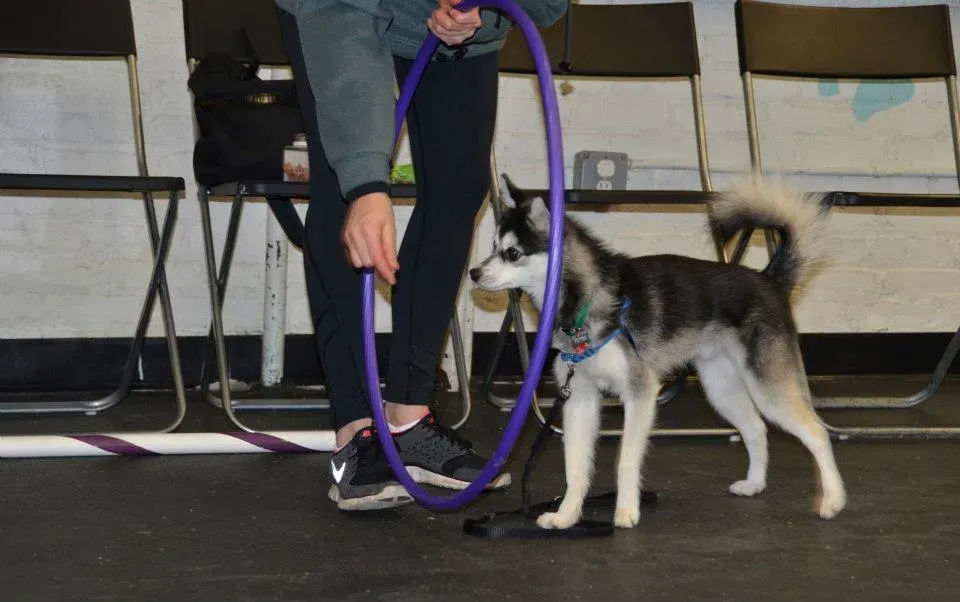
Every single interaction your puppy has right now is teaching them something about the world. Will it be scary or exciting? Threatening or rewarding? That’s largely up to you. Positive reinforcement is one of the most effective socialization techniques, simply rewarding your puppy for behaviors you want to see more of – like calmly greeting a stranger or walking confidently in a new place.
As soon as your puppy has acclimated to your family and home, you can begin providing positive, pleasant experiences in novel situations, and pack some tasty treats and exciting toys to occupy them. The magic ingredient here is timing. When your puppy encounters something new and responds with calm curiosity, immediately reward that response. They’ll start to associate novelty with good things happening.
Never force your puppy into situations that frighten them. Never force your puppy to “face his fears” or thrust him into new situations when he seems panicked or fearful, as it may worsen the fear. If your puppy seems hesitant, take a step back. Let them observe from a distance where they feel comfortable, then gradually decrease that distance over multiple sessions.
Navigate the Fear Periods With Patience

Just when you think socialization is going brilliantly, your confident puppy might suddenly act spooked by things that never bothered them before. Welcome to fear periods. Your puppy will experience two fear periods, both of which are a normal evolutionary part of puppy development.
The first typically happens between eight and ten weeks for puppies, and fear periods usually last for one to two weeks. The second fear period occurs between six to fourteen months of age, and generally, this critical age occurs earlier for small dogs and later for larger ones. Your previously bold puppy might suddenly shy away from people wearing hats or react to a fire hydrant they’ve walked past dozens of times.
During these periods, they can go through something called single-event learning which means it only takes one negative incident to create a trigger in their future. This is why gentle handling during fear periods is so crucial. Don’t rush them. Don’t laugh it off. Help your pup associate the scary thing with something positive (such as praise, treats, play or distance), and by doing this over and over again at a safe distance, you are helping your dog create a positive association.
Introduce a Wide Variety of Experiences
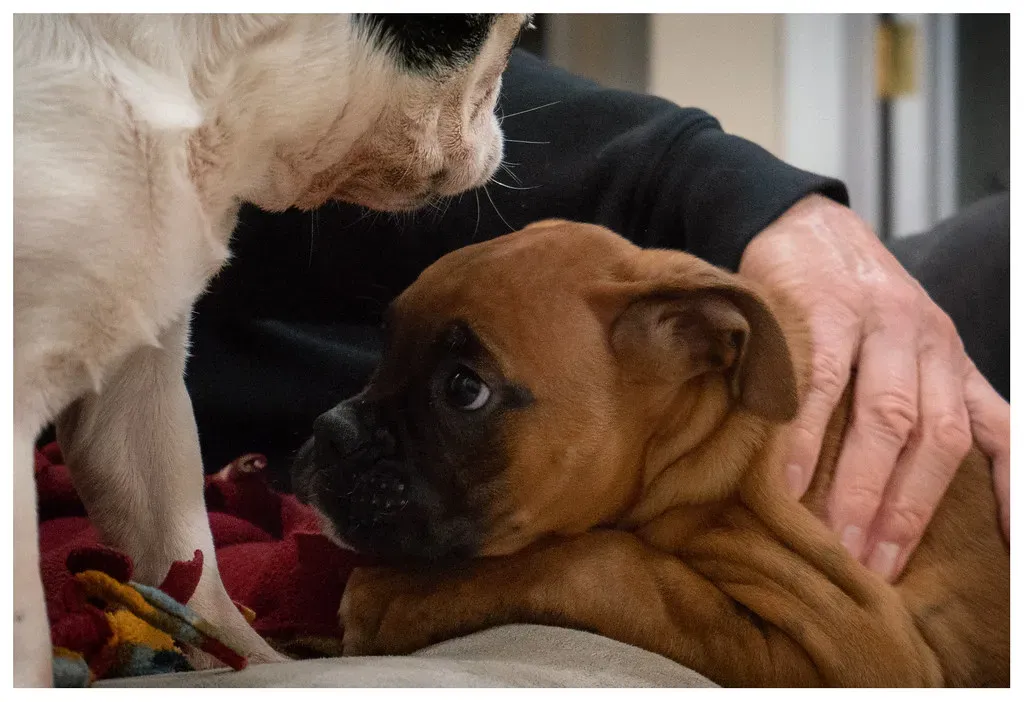
Socialization isn’t just about meeting other dogs. That’s a common misconception. Socialization includes the introduction of new people, objects, novel experiences and other animals. Your puppy needs to experience different surfaces underfoot, various sounds, people of different ages and appearances, and environments ranging from quiet to bustling.
Let’s be real, the modern world is overwhelming. Your puppy will encounter vacuum cleaners, delivery trucks, children on skateboards, the beeping of crosswalks, and countless other stimuli throughout their life. The more you can gently introduce during this critical window, the better equipped they’ll be to handle it all as an adult.
Create a mental checklist of experiences your adult dog will encounter. Will they visit the vet regularly? Go to grooming appointments? Meet children? Ride in cars? Hear fireworks? Each of these should be introduced gradually and paired with positive associations. Any new person, pet, object, or experience must result in good things. This isn’t about checking boxes quickly. Quality matters far more than quantity.
Enroll in Puppy Socialization Classes
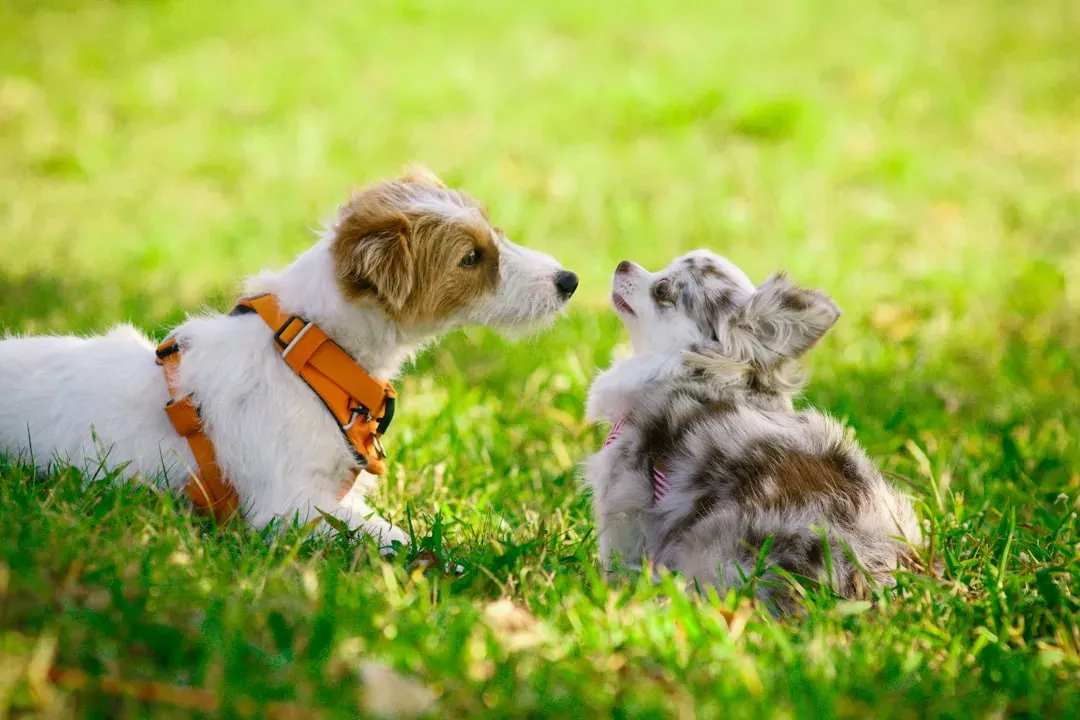
Ask your veterinarian to help you find a puppy socialization class, as suitable classes provide opportunities to interact with other people and dogs in a low-risk environment, and help puppies learn social manners, including the important skills of ignoring as well as politely greeting people and other dogs. These classes are gold for socialization because they combine supervised play with professional guidance.
Puppy kindergarten provides a means for puppies to form social relationships with other animals and people, in a safe, controlled environment. The key word here is controlled. Not all dog interactions are beneficial. The best play pal for a new puppy is a mature adult who is known to be friendly and eager to play with other dogs, but also one that does not tolerate excessive mouthing or jumping.
Watch your puppy’s body language during these interactions. Are they engaged and playful, or overwhelmed and trying to hide? A bad experience at this sensitive age can have long lasting negative effects. If puppy class isn’t available in your area, you can create socialization opportunities at home. Invite small groups of friends over, set up treat stations, and let your puppy move from person to person having positive interactions. Make it fun, make it rewarding, and keep it low-pressure.
Maintain Socialization Throughout Life
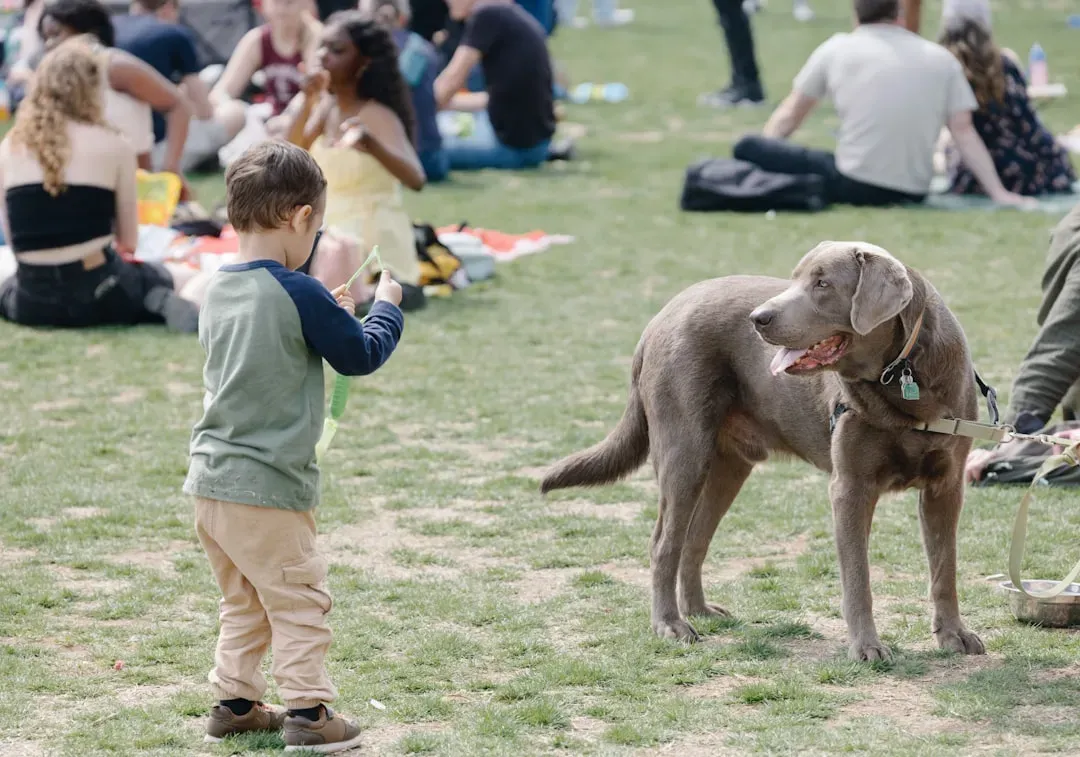
Here’s something that surprises many puppy parents: socialization doesn’t end when the critical period closes. Even if your puppy is over 16 weeks and past the sensitive period for socialization, it is important to continue providing regular social interactions, and during adolescence, between 6 and 18 months of age, it is important to maintain positive, calm social experiences to bolster your dog’s confidence and comfort through adulthood.
Continuing socialization after the primary period is important for future behavior, and enrichment and proper stimulation later in life may partly compensate for a poor start, while later poor experiences can counteract an optimal early environment. Think of early socialization as building a strong foundation, but the house still needs maintenance throughout your dog’s life.
Adolescence can be particularly challenging. Your previously confident puppy might suddenly become reactive or anxious again. This is normal development, not a failure of your socialization efforts. Continue exposing them to new experiences, always pairing novelty with positive outcomes. Keep training sessions fun and rewarding. The work you put in now creates dividends for years to come.
Conclusion
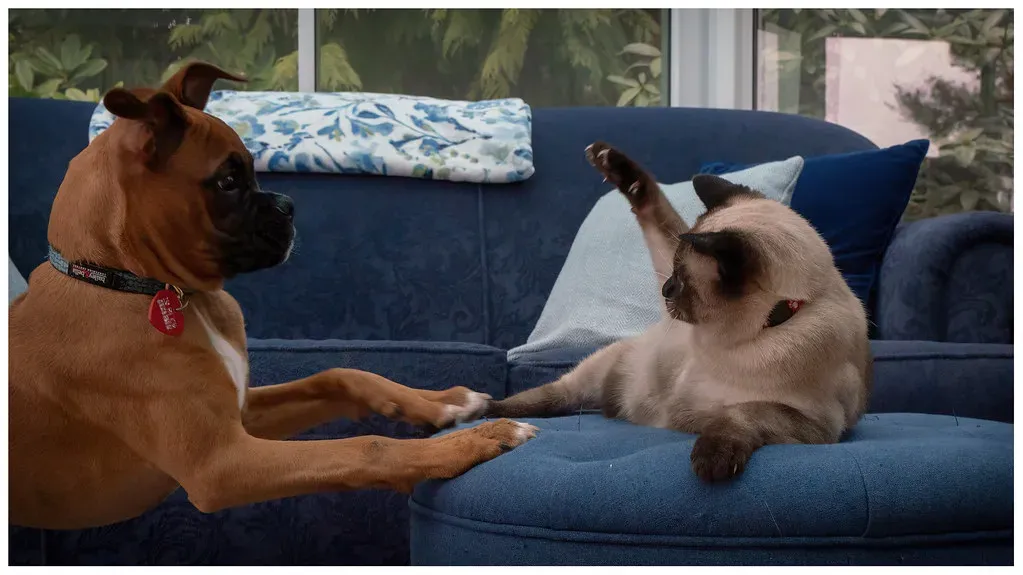
Socializing a puppy isn’t about creating a dog who loves absolutely everyone and everything. It’s about raising a dog who can navigate the world with confidence and resilience. A well-socialized dog doesn’t panic when encountering something new. They look to you for guidance, assess the situation, and respond appropriately.
Since behavioral problems are the biggest reason for owner relinquishment of dogs, early socialization and training are essential and can help save the lives of many dogs. That’s not an exaggeration. The time you invest during those first few months genuinely shapes your dog’s entire life and your relationship with them.
So take a breath, pack some treats, and start introducing your puppy to the world. Go slow when they need it, celebrate their bravery, and remember that every positive experience is an investment in their future. What part of socialization are you finding most challenging with your puppy? Share your experiences in the comments below.


