

Picture this: you bring home your stunning Siberian Husky, all excited about life with those piercing blue eyes and fluffy coat. Then reality hits harder than a sled on ice. That adorable furry ball transforms into what feels like a four-legged hurricane with the intelligence of a toddler and the determination of a mountain climber.
You’re not alone if you’re feeling overwhelmed. Every husky parent has stood in their destroyed living room wondering if they’ve bitten off more than they can chew. The good news? These challenges aren’t impossible mountains to climb. Let’s dive into what you’re really facing and how to tackle these hurdles with confidence.
The Energy Explosion: When Your Home Becomes a Race Track
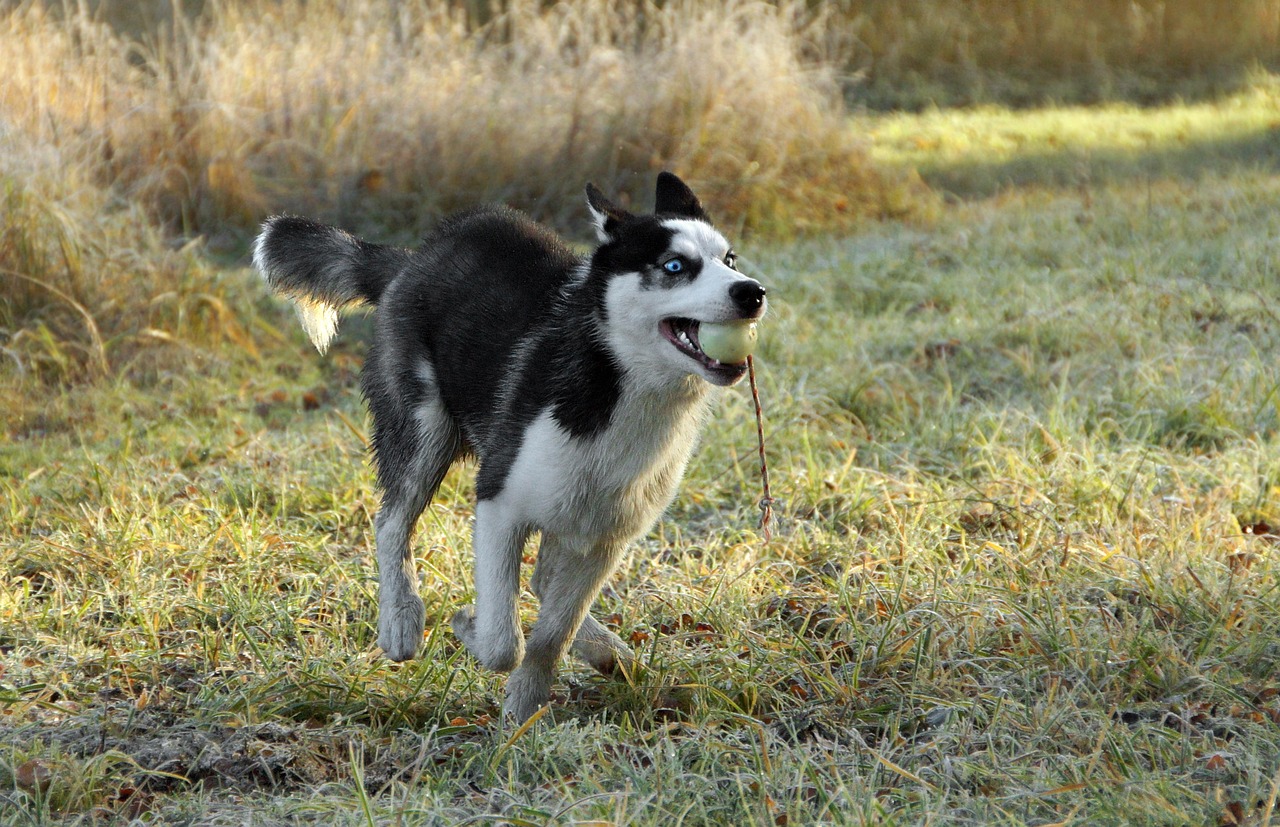
Huskies need at least 2 hours of exercise daily, which is one of the highest out of any dog breed. The number one thing that all experienced or prospective husky owners need to know is how much exercise huskies need and how beneficial it is to meet their exercise requirements. Make sure to exercise a husky for at least 2 hours a day, and the majority of the problems that you can face with huskies with disappear.
That two-hour requirement isn’t a gentle suggestion from your vet. It’s a non-negotiable survival guide for your sanity. This can be a hurdle for new owners who aren’t aware of this type of behavior, and it can be hard to adapt to. If you don’t exercise your husky enough or provide them with mental stimulation, it can lead to many problems with their behavior and well-being.
Think of your husky as a professional athlete who’s been benched. As well as tantrums, huskies can quickly develop many other destructive behaviors if their needs are not met. A few examples of these can be found in the list below: Excessive Chewing – Chewing is common for huskies that are teething, but it can also become a habit if your adult husky is bored and restless. Your couch becomes their personal gym equipment when they’re understimulated.
Huskies need long-distance, purpose-driven activity. Daily walks won’t cut it. Consider biking, hiking, or even dog sports to give them the workout they crave. Your husky isn’t being difficult – they’re being exactly what they were bred to be.
The Great Escape Artist: Houdini Has Nothing on Your Husky
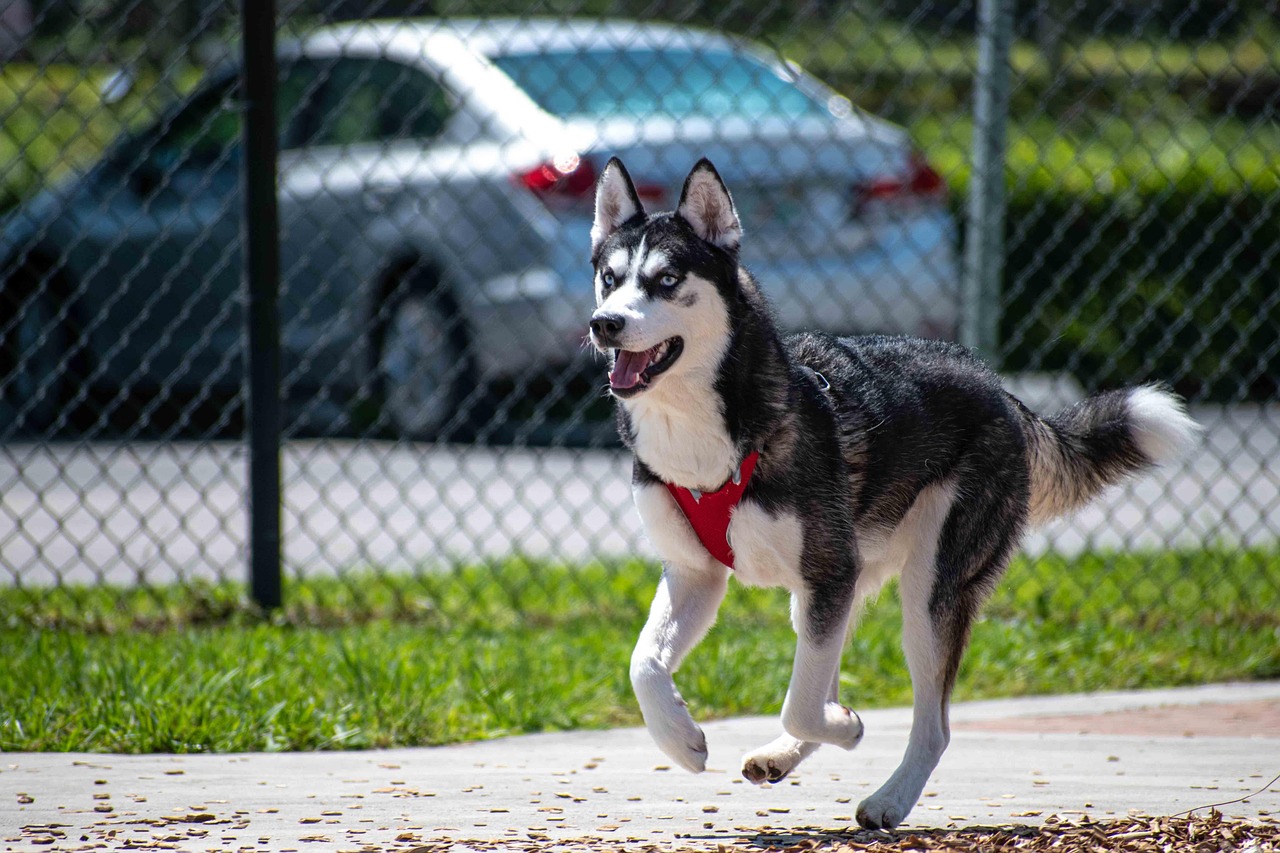
Your backyard fence might as well be a polite suggestion to most huskies. Standard fencing is a polite suggestion to a husky. Think about height. 8 feet isn’t excessive for some Huskies who can cheerfully clean over obstacles that would stop other dogs cold.
Huskies are well known for escaping form just about anywhere. Preparing your property is vital for any new Husky owner. Preparing your property is vital for any new Husky owner. Fences should be at least 2 meters high, buried into the ground at least 30 cm and have either a rolling top or the top section should be loose so that as the Husky climbs the fence will fond over in towards the property making it impossible to climb.
The truth is that they escape because they’re wired for it. Originally bred as sled dogs in Arctic regions, huskies were selected for their endurance, pack cooperation, and ability to travel vast distances efficiently. This isn’t rebellion – it’s their DNA calling.
The solution isn’t just fortress-level fencing. The underlying problem of an escaping Husky is a lack of exercise or mental stimulation. Exercise, exercise, exercise – a well exercised and stimulated Husky will not want to escape. A tired husky is a content husky who sees home as their favorite resting spot, not a prison to break out of.
Training a Four-Legged Philosopher: The Intelligence Dilemma
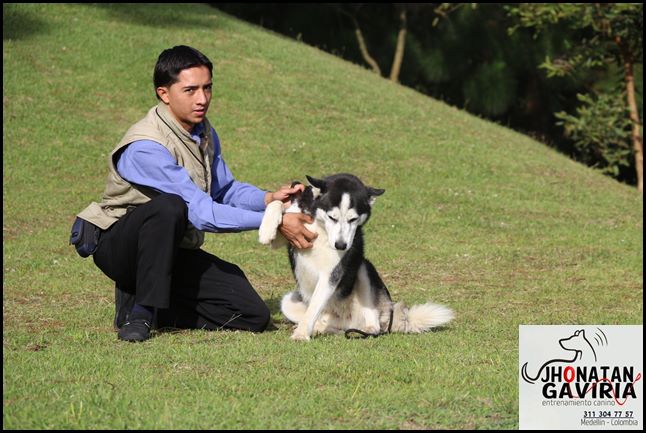
Learning the theory on how to train a Siberian husky will probably not prepare you for the practicality of the exercise. Intelligence, stubbornness and the questioning nature of your dog may prove frustrating. Your husky will learn a trick quickly and soon become disinterested if asked to repeat it too often. Training sessions could easily become a case of you saying “jump” and your dog asking “why”.
Your husky isn’t being stubborn out of spite. The Siberian Husky breed likes to take information in, digest it, and then figure out its meaning. This process can sometimes appear to be stubbornness when in fact your Siberian Husky is just sorting things out in their mind. Give them the opportunity to complete this mind process and they will be happy to oblige your requests.
The answer to the question, how to train a Siberian husky, is as simple as this; Treat him as an intellectual equal. Be aware that he only needs a small amount of positive reinforcement and reward based training to learn something new. They’re not your typical eager-to-please breed – they’re thinking dogs who need to understand the “why” behind your requests.
The Howling Symphony: When Your Neighbor’s Patience Wears Thin
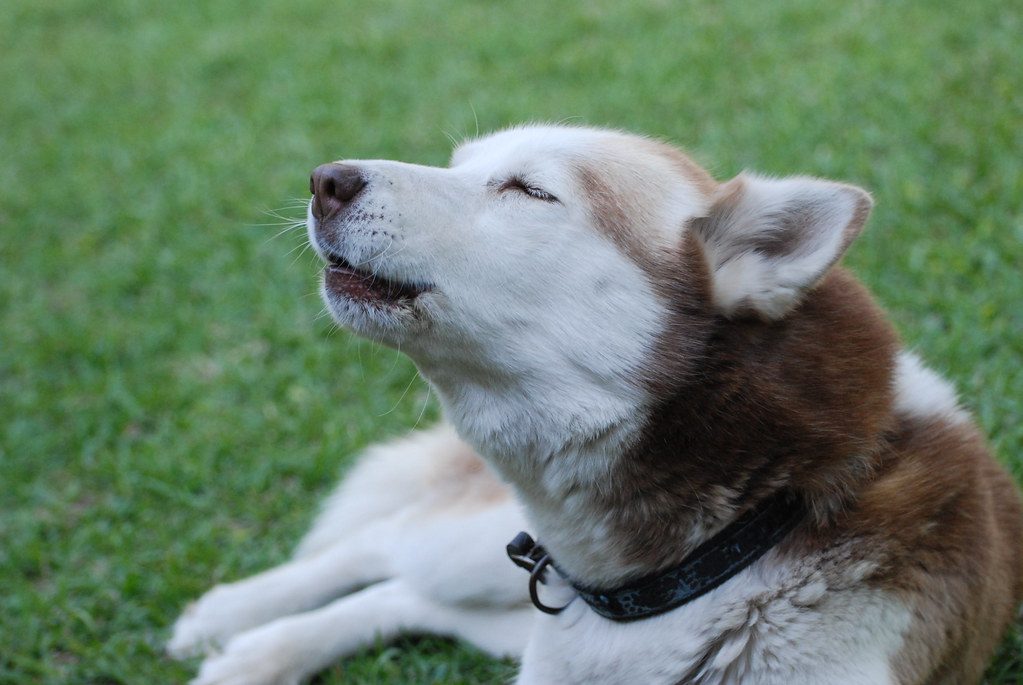
Siberian huskies rarely bark. But that is no reason to sign in relief. Instead, they will howl which can be extremely irritating to neighbors (as much as it sounds like music to the Husky and his owner’s ears!).
That haunting howl you fell in love with on YouTube videos? It becomes less charming at 3 AM when your husky decides to sing the song of their people. Huskies are known for their unique vocalization, including howling, which is a natural behavior for them. However, excessive howling can be a behavior problem that may lead to complaints from neighbors and even legal action! The reasons why huskies are so vocal include separation anxiety, boredom, and lack of exercise.
Your husky isn’t trying to annoy the neighborhood – they’re communicating. Understanding the triggers helps you address the root cause rather than just the symptom.
Separation Anxiety Meltdowns: The Velcro Dog Paradox
Another problem that Huskies can suffer from is their need for the company of people or other dogs at all times. As they were originally bred as companion animals (the original family pets!), they are very social dogs. This need for companionship becomes your biggest challenge when you need to leave for work.
This tendency for attachment and attention can become a problem when you, the owner, have to leave home. Siberian Huskies may develop separation anxiety, resulting in a multitude of problems that may include excessive howling, biting, chewing, and digging. This is a serious issue, especially if you live in a busy household where it is not always possible to be at home all the time.
Your sweet, loving companion transforms into a four-legged wrecking ball when left alone. They’re not being vengeful – they’re genuinely distressed by your absence. Siberian Huskies are very social dogs and don’t tolerate being left alone for long periods well. Gradual conditioning and mental enrichment activities can help them cope with your temporary departures.
The Hair Hurricane: Living in a Fur-nado
Life with a Siberian Husky also means dealing with dog hair, and lots of it! Huskies have thick double coats that shed frequently and will need weekly brushings. They’ll also shed hair around your house, so a good vacuum and a lint roller are a Husky owner’s best friend.
That gorgeous double coat comes with a price. Twice a year, during shedding season, your house becomes a snow globe filled with fur instead of snow. You’ll find husky hair in places you didn’t even know existed – your coffee, your closet, somehow inside your sealed containers.
Investing in a quality vacuum becomes as essential as dog food. Professional grooming during peak shedding seasons can save your sanity and your relationship with your houseguests. Regular brushing isn’t just about appearance – it’s about maintaining your living space and your husky’s comfort.
Conclusion: Embracing the Beautiful Challenge
Living with a husky isn’t for the faint of heart, but it’s incredibly rewarding for those ready to rise to the challenge. These magnificent dogs push you to become more active, more patient, and more creative in your problem-solving approach. Every destroyed shoe teaches you about proper exercise routines, every escape attempt shows you the importance of mental stimulation, and every howling session reminds you that you’re living with a truly wild spirit.
The key is understanding that your husky isn’t a broken dog that needs fixing – they’re a working breed that needs a job. When you provide that outlet for their energy, intelligence, and natural instincts, you’ll discover why husky owners become so devoted to these incredible animals.
Remember, every challenge has a solution, and every husky behavior has a reason. What’s your biggest husky challenge so far? Tell us in the comments – we’d love to hear your survival stories and celebrate your victories together.


