
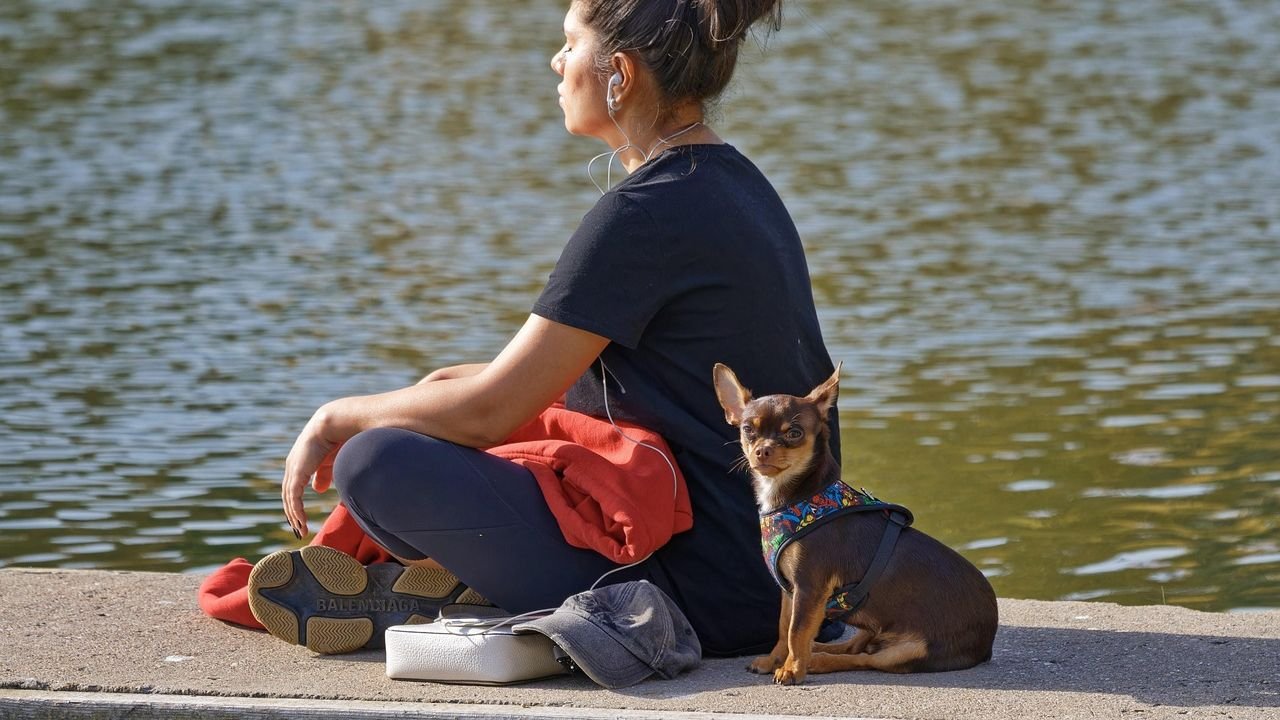
You probably already think your dog knows you pretty well. The way they leap up when you reach for their leash, or how they settle into that familiar spot on the couch when you sit down. They read you like a book, right?
Here’s the thing. Your dog knows you in ways you don’t even realize. Their brain is quietly recording details about you that go far beyond treats and walks. Science is starting to confirm what a lot of us suspected all along: dogs are paying attention to way more than we give them credit for. They’re building memories about you that shape every wag, every cuddle, every reaction. Some of these memories, honestly, you’ll never even know exist.
The Exact Smell of Your Emotions
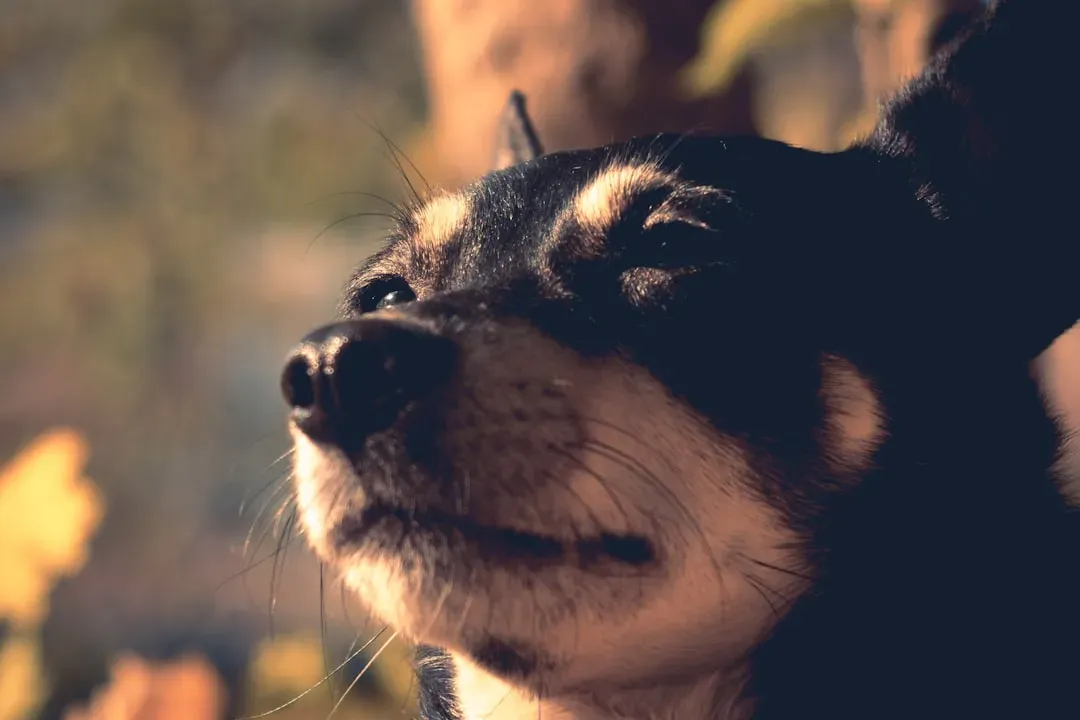
Your dog can smell the chemical changes that occur when you feel different emotions, such as happiness or anger, and this impacts their response. Think about that for a second. When we are stressed or scared, we secrete adrenaline, the fight-or-flight hormone, which dogs detect even though we cannot smell it. When we are anxious, we also have increased heart rate and blood flow, which carries body chemicals to the skin surface where dogs can smell them more easily.
Dogs were more hesitant to approach a bowl after smelling the odor of a stressed stranger, meaning they were more pessimistic. Your pup is cataloging your emotional scent signature every single day. They’re creating a mental scent library of what you smell like when you’re scared, joyful, or sad. The dogs adopted behaviors and stress responses consistent with the emotions that were experienced by human volunteers. The pets’ reaction was most acute when they smelled sweat samples associated with human fear responses. Dogs acted fearful themselves, seeking out more reassurance from their owners.
Your Voice When You’re Not Talking to Them
Things like your scent and your voice will be associated with comfort, love, happiness, and food, thus them remembering who you are by associative memory. Your dog doesn’t just know the tone you use for commands. They remember how your voice sounds when you’re on the phone arguing with customer service, or laughing with a friend.
If your dog does something they shouldn’t and you reprimand them with a stern voice, they likely recognize that tone of voice with a negative consequence. They notice the difference. They pick up the subtle shifts in pitch and volume that tell them how your day is going. It’s hard to say for sure, but I think dogs are probably better at reading vocal cues than most humans.
This kind of memory helps them predict what’s coming. They can tell when your voice means play time versus when it signals stress. That’s the kind of knowledge that builds trust between you.
The Pattern of Your Routines Down to the Minute
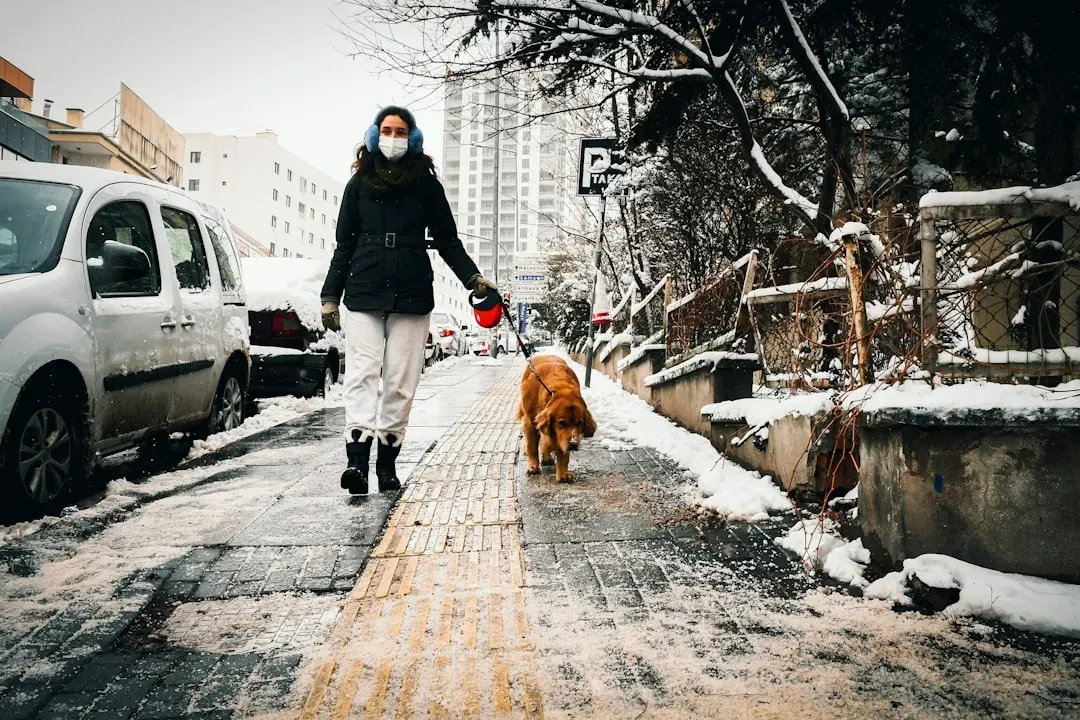
Dogs associate certain times of the day with certain events, such as understanding that they get a long walk outside as soon as you get home from work at the same time every weekday. They’re not just remembering vaguely that walks happen. They know the sequence. Your morning alarm, the sound of the coffee maker, which shoes you put on.
When a dog associates the sound of your boots with walk time, that’s associative memory at work. They’ve mapped your entire schedule in their heads. Maybe you’ve noticed your dog waiting by the door five minutes before you usually leave for work. That’s not magic or ESP. That’s memory.
This pattern recognition goes deeper than you think. They know which days are vet days based on tiny cues you probably don’t realize you’re giving. They’re constantly updating their mental calendar of your life.
A Memory of Something You Did Once, Years Ago
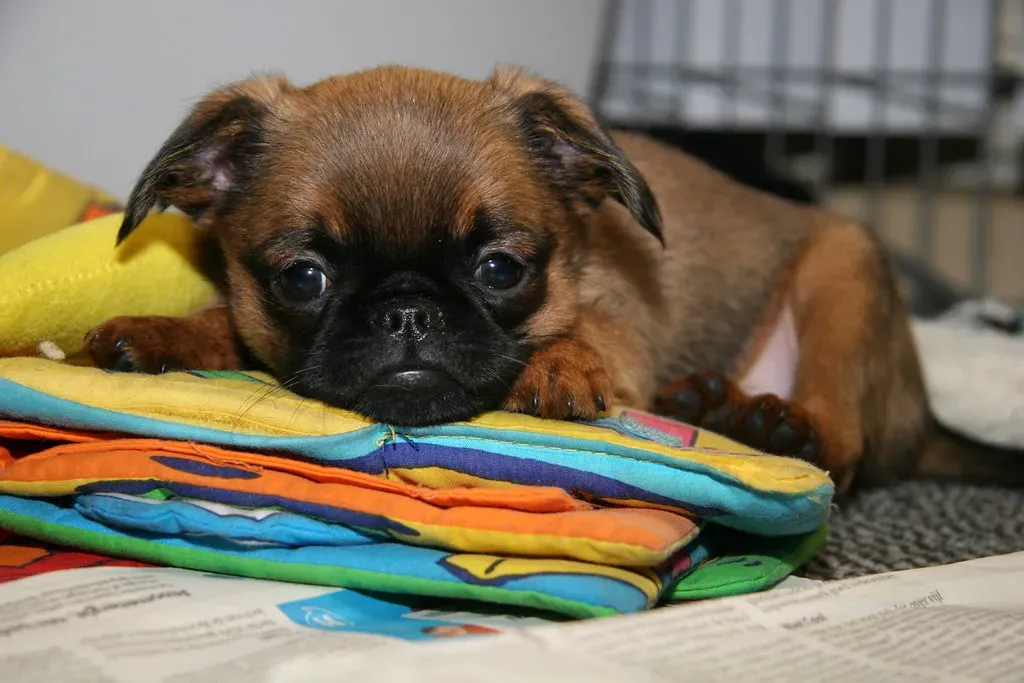
Certain actions that a dog does not practice regularly can still be retained and then repeated over 10 years later. Let’s be real, this one is kind of shocking. Both species reportedly remembered single-occurrence events that happened years ago.
Your dog might remember that one time you accidentally stepped on their paw in the hallway, or the day you brought them to the lake for the first time. Things a dog remembers from puppyhood can be expressed in their mannerisms later in life. This may explain how dogs who have been abused early in life might be reactive toward people when they are older. These aren’t just abstract memories. They’re filed away with emotions attached.
The vast majority of dogs were reported to remember past events. They were often recalled when current external stimuli overlapped with the memory. So if you once gave them a special treat in a certain spot, they might still look for it there years later.
How You Look When You’re Sad or Happy

Dogs can recognize six basic emotions, including anger, fear, happiness, sadness, surprise, and disgust, and process these in similar ways as humans. Dogs behaved differently depending on the owner’s emotional state: they gazed and jumped less at owners when they were sad, and their compliance with the ‘sit’ command was also diminished.
They’re not just reacting in the moment. They pay attention, obtain information and use this information to adjust their behaviour. Moreover, they are able to use information previously stored in their memory from prior experiences with human emotional expressions to infer the emotional state of people. Your dog has a mental catalog of what your face looks like in different emotional states.
When they see certain expressions, they recall past situations tied to those faces. They know what your happy face looks like because they’ve memorized it across hundreds of moments. Same with your worried face or your tired face.
Specific Actions You Don’t Even Remember Doing
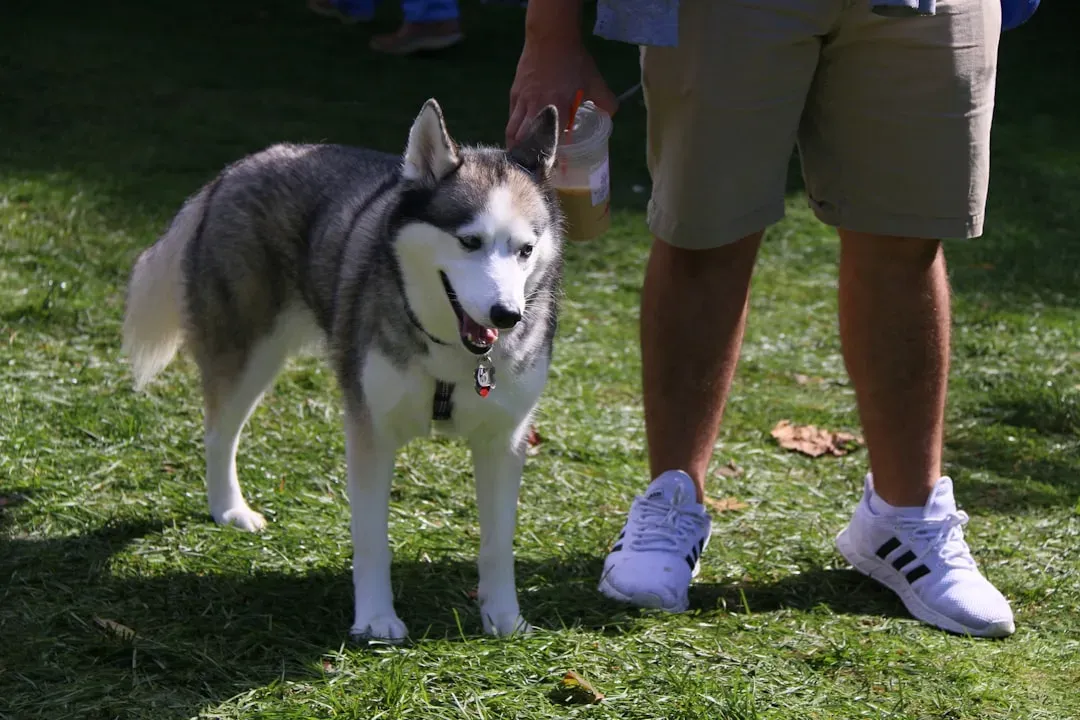
Dogs succeeded in 33 of 35 trials. That suggests that dogs have something similar to episodic memory. The dogs remembered and repeated their own spontaneous actions after delays of 20 seconds and, in some cases, after 1 minute. Some dogs recalled their own actions even after 1 hour. Success in these tests shows that the dogs had formed a mental representation of their own previous action.
If they can remember their own actions that precisely, imagine what they remember about yours. Maybe you once gestured a certain way before tossing them a toy. They filed that away. Dogs repeated their own actions after delays ranging from a few seconds to 1 hour, with their performance showing a decay typical of episodic memory. The combined evidence suggests a far more complex representation of a key feature of the self than previously attributed to dogs.
They’re watching you constantly, storing little moments you’d never think twice about. That time you paused before opening the treat jar. The way you scratched behind their ear differently on a Tuesday afternoon. These micro-memories add up to create their entire understanding of who you are.
Conclusion
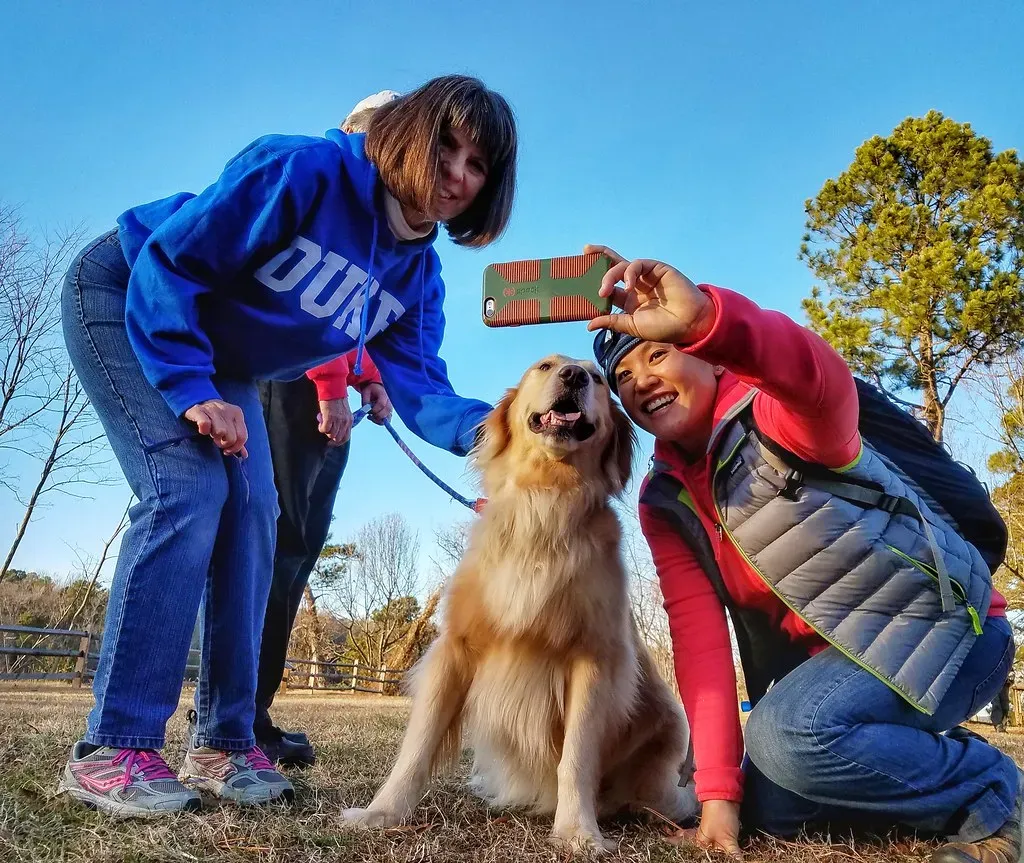
Your dog’s brain is more sophisticated than most people realize. Dogs remember events much like we do, and their memories aren’t based simply on repetition and reward. They’re holding onto emotional snapshots of you that span years.
The emotional bond between a dog and their human significantly enhances memory retention. Dogs can remember owners for years, sometimes after five or more years of separation. They associate scents and voices with comfort and love, strengthening their ability to remember people. Every moment you share with your dog is being recorded in ways science is only beginning to understand.
So the next time your dog looks at you with those knowing eyes, remember they’re carrying a lifetime of memories about you. Have you ever wondered what your dog would tell you if they could describe what they remember most?


