You’re standing in the pet store or scrolling through adoption websites, and you spot them. Those bright eyes. That beautiful coat. You fall in love instantly and imagine long walks on Sunday mornings and cozy evenings curled up together.
Then reality hits. Three months later, you’re drained, your couch is shredded, and your pup seems to have an endless battery. You love them fiercely, yet you’re utterly exhausted. Let’s be real, not every dog breed fits every lifestyle. Some dogs were literally bred to work all day herding livestock across mountains or chasing prey through dense forests, and they bring that same relentless energy into your living room. It’s not their fault, and it’s not yours either. It’s simply a mismatch. Here’s the thing though: understanding which breeds demand the most from their owners can save you from burnout and help you find a better match. In this article, we’ll walk through six overactive dog breeds that frequently overwhelm owners, explain what makes them so intense, and introduce some wonderfully relaxed alternatives that might be a better fit for your life.
The Border Collie: A Brilliant Mind That Never Stops
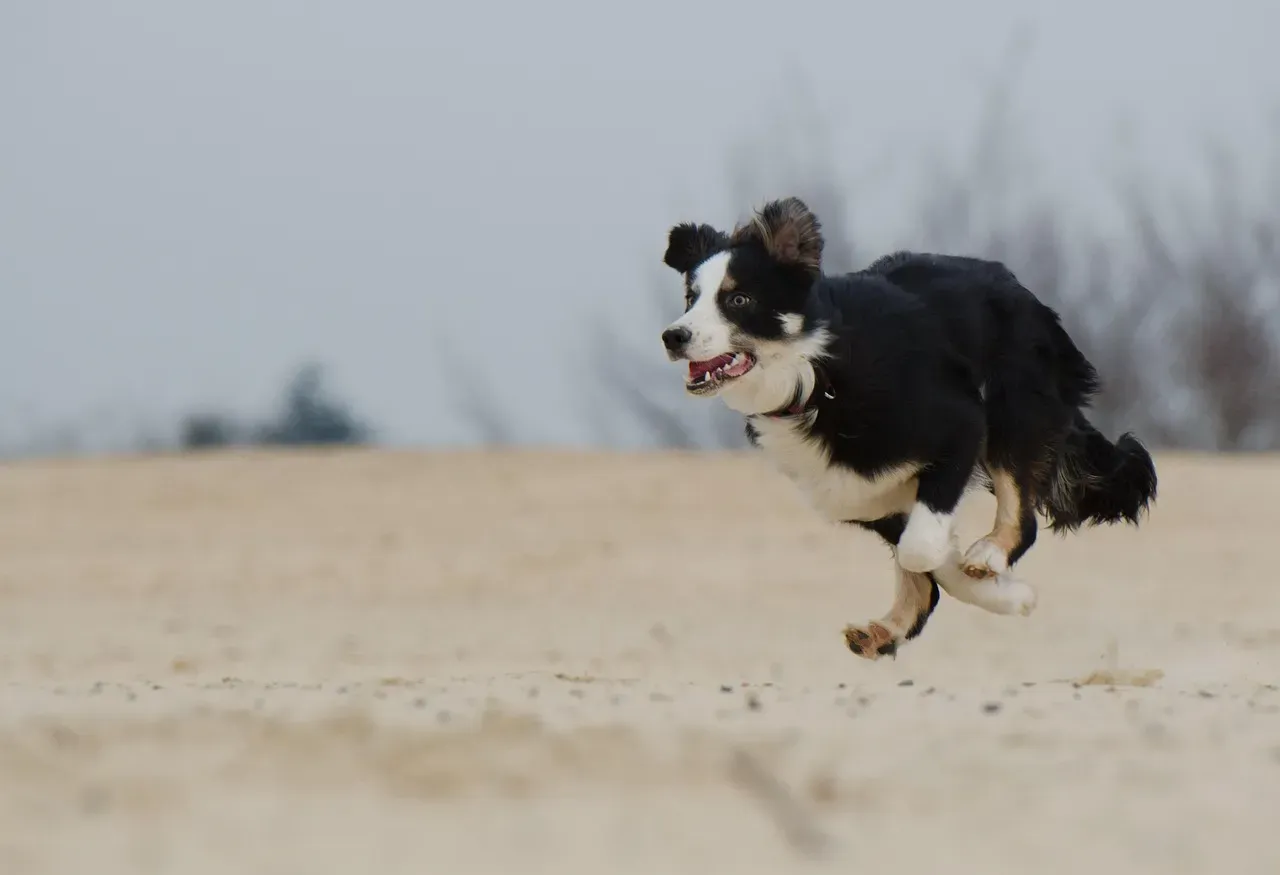
Border Collies can literally run all day herding sheep and require roughly two to three hours of intense exercise daily. Think about that for a second. Two to three hours. Every single day. These dogs are often called the most intelligent breed, which sounds like a selling point until you realize that their brains need just as much work as their bodies.
Border Collies are herding dogs bred to help shepherds keep their flocks together, and they were designed to work. Without proper exercise and stimulation, they can become bored and develop undesirable behaviors like chewing or barking excessively. I’ve met Border Collies who learned to open doors, unlock gates, and even turn on faucets out of sheer boredom. That level of intelligence is impressive, yet it’s also exhausting for an owner who just wants to relax after work. For active breeds like these, a walk on a leash may not do the trick; they need activities like fetch or games in a fenced yard where they can really run.
The Belgian Malinois: High Intensity With Military Precision
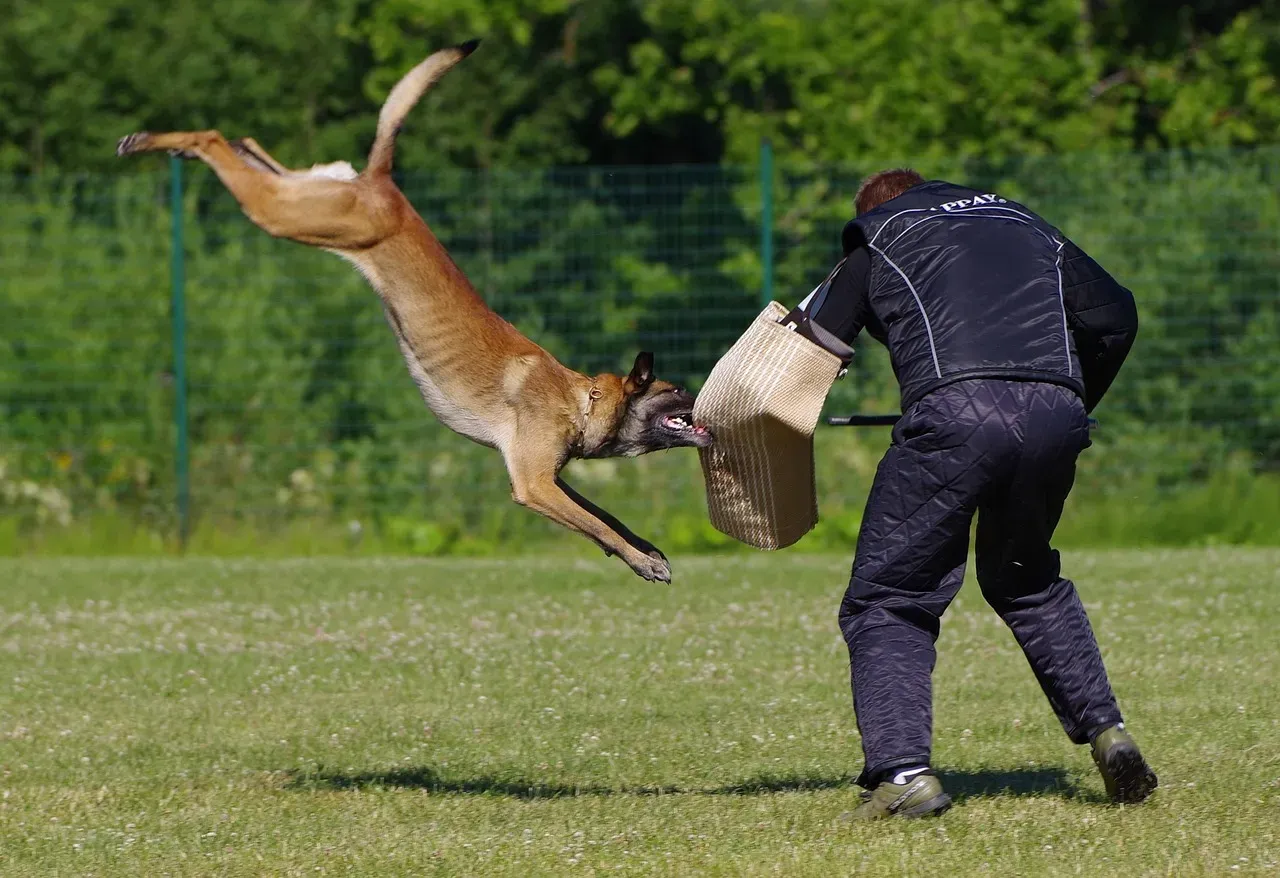
The Belgian Malinois is a high-intensity breed with an incredible work ethic, favored for police and military work thanks to their intelligence and loyalty. They need at least ninety to one hundred twenty minutes of vigorous physical activity per day, broken into multiple sessions, and many Malinois thrive with over two hours if possible. Honestly, these dogs aren’t just energetic; they’re driven. They want a job, a purpose, something to accomplish.
If a Belgian Malinois doesn’t get enough mental and physical stimulation, they can quickly become bored, leading to destructive behaviors like chewing, digging, or excessive barking. Their intensity can sometimes be overwhelming for novice owners, and they thrive with experienced handlers who understand their needs and can channel their energy productively. These aren’t the kind of dogs you can leave in the backyard and expect them to entertain themselves. They need structure, consistency, and a human willing to meet their relentless drive head-on.
The Australian Shepherd: Compact Energy Tornado
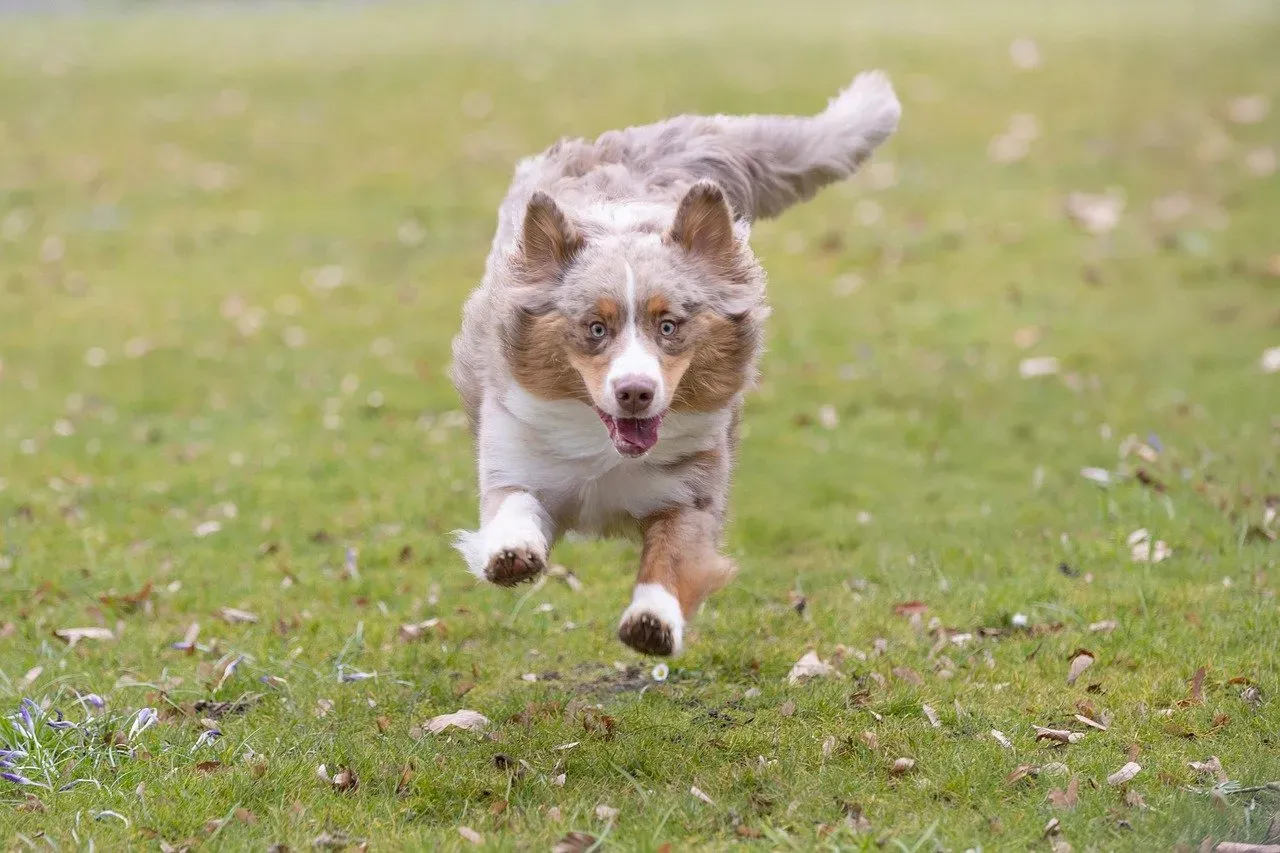
Despite their name, Australian Shepherds were actually developed in the United States to herd livestock and are versatile, energetic working dogs. This breed thrives on at least one to two hours of vigorous exercise daily, including activities like frisbee, hiking, or herding. They’re medium-sized but pack an enormous amount of stamina and enthusiasm into their bodies.
Australian Shepherds are known for their energy and intelligence, making them excellent herders and great family pets for active households. They’re agile, quick, and need plenty of physical and mental challenges. But here’s the catch: if you’re not genuinely active yourself, you’ll struggle to keep up. Mental stimulation is equally important, so incorporate training sessions, problem-solving games, or obedience courses to keep their brain engaged. Without that outlet, you might come home to a redecorated house courtesy of your frustrated Aussie.
The Jack Russell Terrier: Small Dog, Enormous Attitude

Jack Russell Terriers might be small in size, but they pack a big punch when it comes to energy levels; originally bred for hunting, they have a ton of stamina and need plenty of exercise. Jack Russell Terriers are active dogs, so they need at least ninety minutes of high-quality exercise every day to keep them happy. These little firecrackers seem to have boundless reserves of enthusiasm.
Training Jack Russell Terriers can be challenging due to their stubbornness and excitability, and they’re often the poster child for small dog syndrome, thinking they’re way bigger than they actually are. I know it sounds cute until your tiny terrier is trying to boss around the neighborhood Rottweiler or digging under your fence for the third time this week. Jack Russell Terriers are bred for agility, athleticism, and stamina, and your Jack Russell might even see other small animals around the house, including the family cat, as potential prey. They’re smart, tenacious, and absolutely relentless when they set their minds to something.
The Siberian Husky: Endurance Champion With Escape Artist Skills
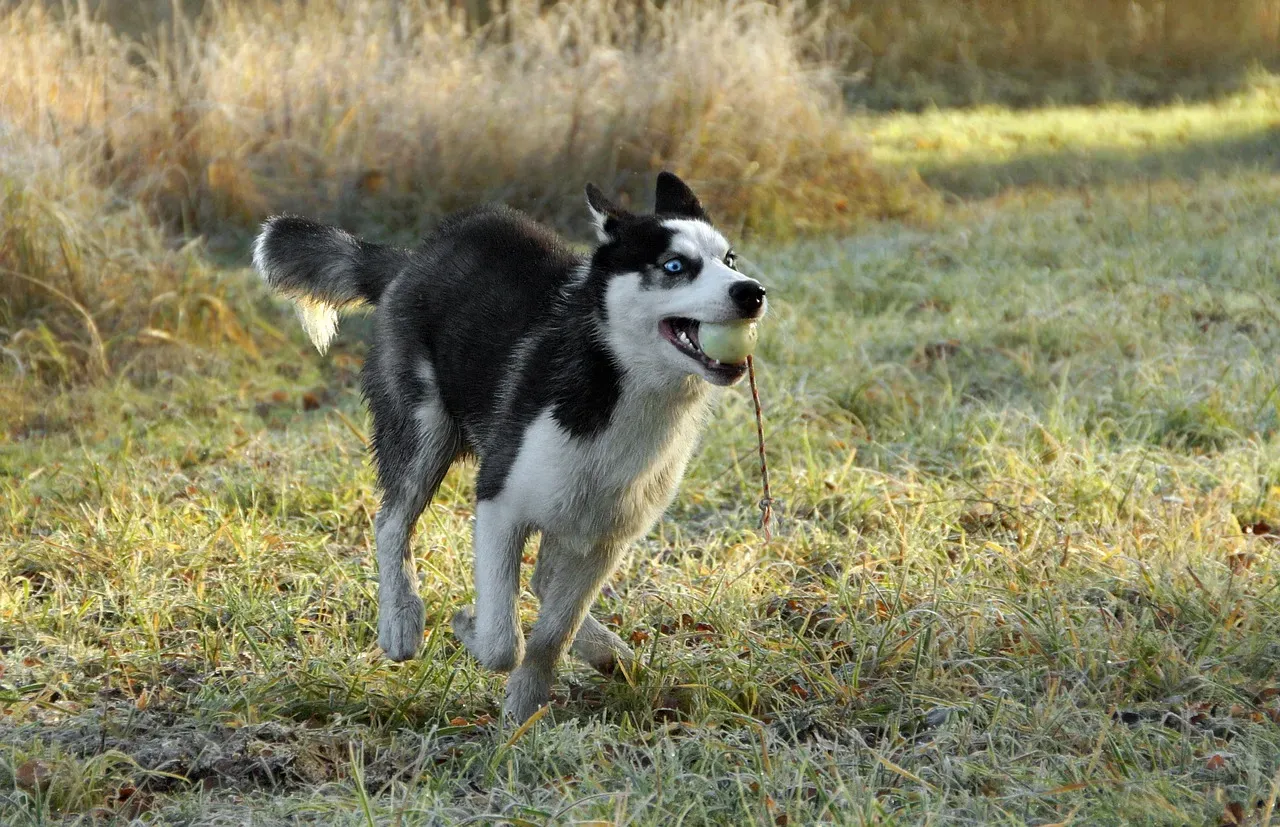
Bred in Siberia for pulling sleds across vast distances, Huskies are known for their endurance and pack-oriented behavior, and they need at least two hours of exercise daily. These gorgeous dogs with their striking blue eyes weren’t designed for apartment living. They were built to run, and run, and run some more.
Siberian Huskies are friendly, playful, and thrive in active homes, but be prepared for lots of exercise and the occasional escape attempt, as they’ve been known to jump fences when they’re bored. Honestly, Huskies are notorious escape artists. They’ll dig under fences, climb over them, or figure out how to unlatch gates. Huskies have remarkable endurance and high energy, originally bred for pulling sleds, and they require an active lifestyle to prevent them from becoming bored or destructive. If you’re not ready to give them serious daily exercise, you’ll likely face some creative destruction.
The Weimaraner: The Gray Ghost That Never Rests
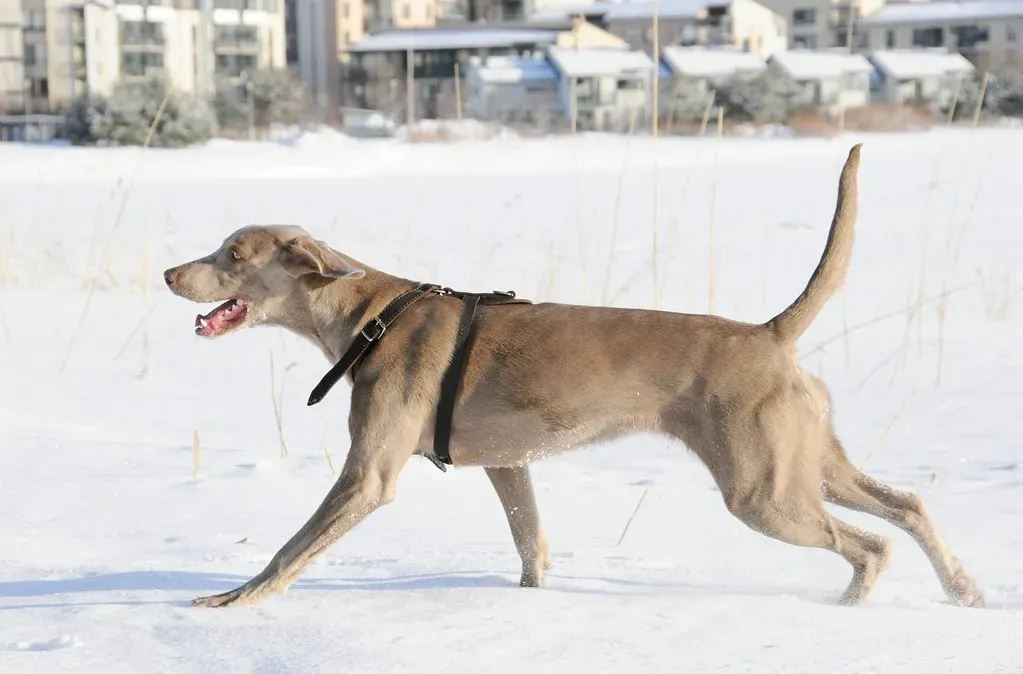
Nicknamed the Gray Ghost, the Weimaraner is an elegant, athletic breed that’s full of energy, excels at hunting, and loves being part of an active household. This breed needs at least sixty to ninety minutes of exercise daily, and a Weimaraner will thrive in an environment where they can run off-leash in a safe space. These sleek, beautiful dogs are velcro pets who want to be near their humans constantly.
Weimaraners are known for their striking appearance and boundless energy; originally bred as hunting dogs, they have high stamina and need a lot of exercise to stay content, making them a great choice for running or hiking companions. They’re affectionate yet demanding, needing both physical activity and mental challenges. Without proper outlets, they can develop anxiety and destructive habits that’ll test even the most patient owner’s limits.
Why These Breeds Burn Owners Out
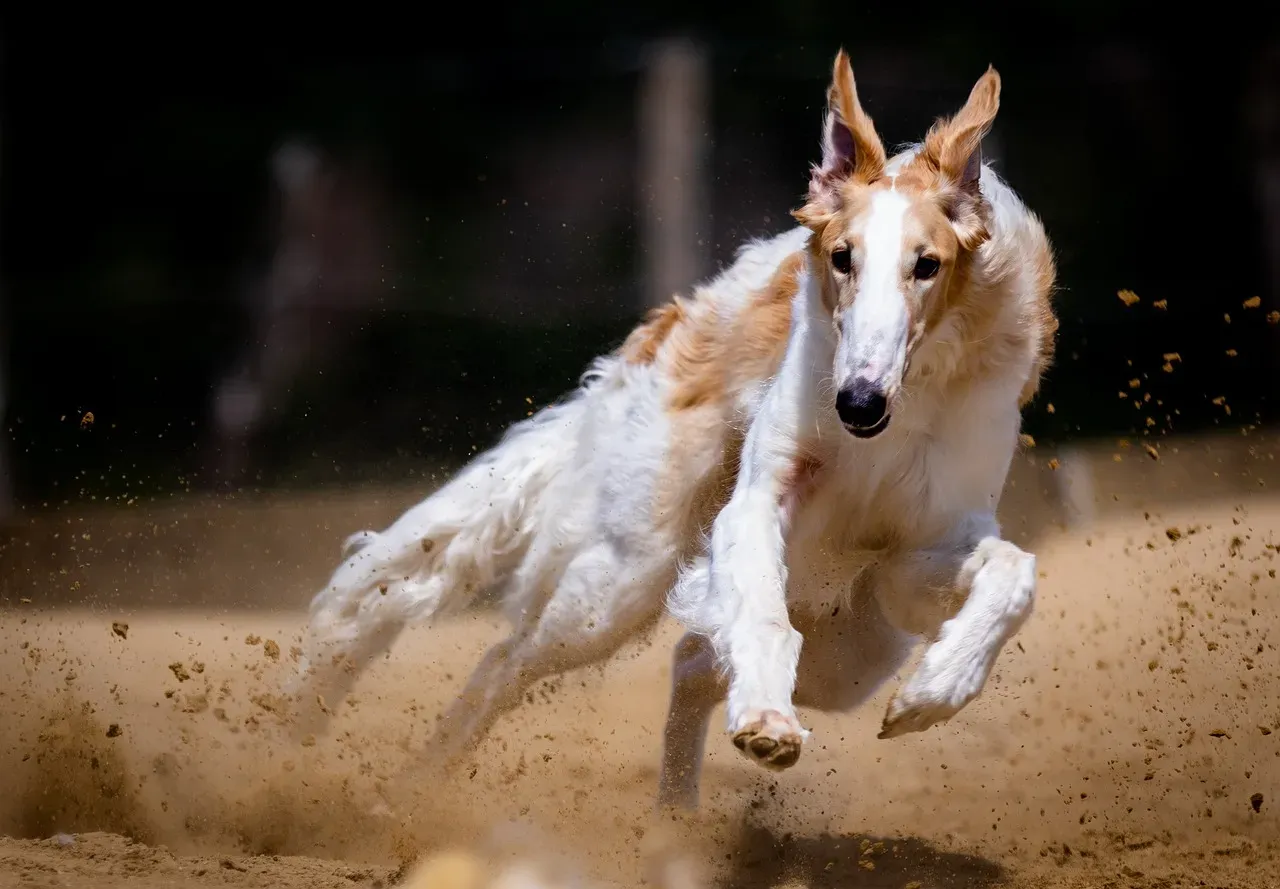
High-energy dogs want and need to work, requiring mental as well as physical exercise, and without proper involvement they can and will become problem dogs. It’s hard to say for sure, but I think many people underestimate what “high energy” truly means until they’re living it daily. These breeds weren’t designed for our modern, sedentary lifestyles.
When energetic dog breeds don’t get the proper amount of daily exercise, they will likely exhibit unwanted behaviors in the home. If left alone for long periods of time, the high-energy dog will get into trouble, may bark, whine, dig, jump the fence or chew, and may turn to self-mutilation such as excessive chewing or licking to release energy. The frustration builds on both sides. Your dog isn’t trying to be difficult; they’re simply wired to move and work constantly.
Recognizing The Warning Signs Of Owner Burnout

You might be experiencing burnout if you’re dreading coming home, feeling resentful toward your dog, or constantly exhausted from trying to meet their needs. If you’ve put an appropriate exercise plan in place for your dog and they continue to appear overactive, a veterinary check-up is in order, as there are medical conditions that can cause hyperactivity. Sometimes it’s not just about energy levels but also about compatibility.
I’ve talked with owners who felt guilty admitting they were overwhelmed, as if loving their dog meant they should handle anything. Yet love doesn’t magically create more hours in the day or energy in your body. While certain breeds are particularly noted for their high energy levels, any dog’s exact personality is unique, and any dog may be hyper depending on its training, diet, exercise and activity levels, age, and other factors. Recognizing when a dog’s needs exceed what you can realistically provide isn’t failure; it’s wisdom.
Calmer Alternative: The Basset Hound

The Basset Hound is a calm, gentle dog breed that’s adaptable to new surroundings and content with moderate exercise; these low-energy dogs aren’t very athletic. Their droopy faces and soulful eyes hide a wonderfully laid-back personality. These dogs were bred for tracking scents, not for marathon running sessions.
Standing no more than fourteen inches, the Basset Hound originated in France and Belgium, and they have proven to be very independent. Known for their long ears, droopy expressions, and calm demeanor, Basset Hounds are true couch potatoes; though originally bred for scent tracking, modern Bassets are more interested in lounging than chasing, making a leisurely sniff-filled walk and plenty of nap time perfect for them. They still need daily walks, yet you won’t need to dedicate hours to tiring them out.
Calmer Alternative: The Cavalier King Charles Spaniel

Dating back to Renaissance times, the Cavalier King Charles Spaniel is known for their prestigious nobility and gentle demeanor, bred through generations of royals. The Cavalier King Charles Spaniel has been a favorite lap dog of British royalty for generations, and their sweet, gentle temperament makes these calm, small dogs great for families with kids and other pets. These adorable dogs want nothing more than to be near their humans.
Cavaliers love being lap dogs, but they do enjoy exercise, owing in part to their shared heritage with Sporting spaniels. They’re adaptable, affectionate, and beautifully balanced. You can take them on moderate walks or let them play gently indoors, and they’ll be perfectly content. They won’t demand hours of frisbee or agility training, yet they’ll happily join you for whatever activity level you prefer.
Calmer Alternative: The English Bulldog

A well-socialized English Bulldog is generally a calm, low-energy dog, and while napping is one of their favorite activities, they also need to get outside for a walk and some playtime each day to stay happy and healthy. These stocky, wrinkly-faced companions are the definition of relaxed. They’re content with short walks and plenty of couch time.
English Bulldogs are the epitome of laziness, and that’s precisely why their owners love them; with a stout build and a wrinkly face, this calm dog breed is more interested in snoozing on the sofa than going for a jog. Honestly, they’re perfect for people who want canine companionship without the marathon training sessions. Their exercise needs are manageable, and they’re generally happy to match your energy level rather than demanding you match theirs.
Calmer Alternative: The Great Dane
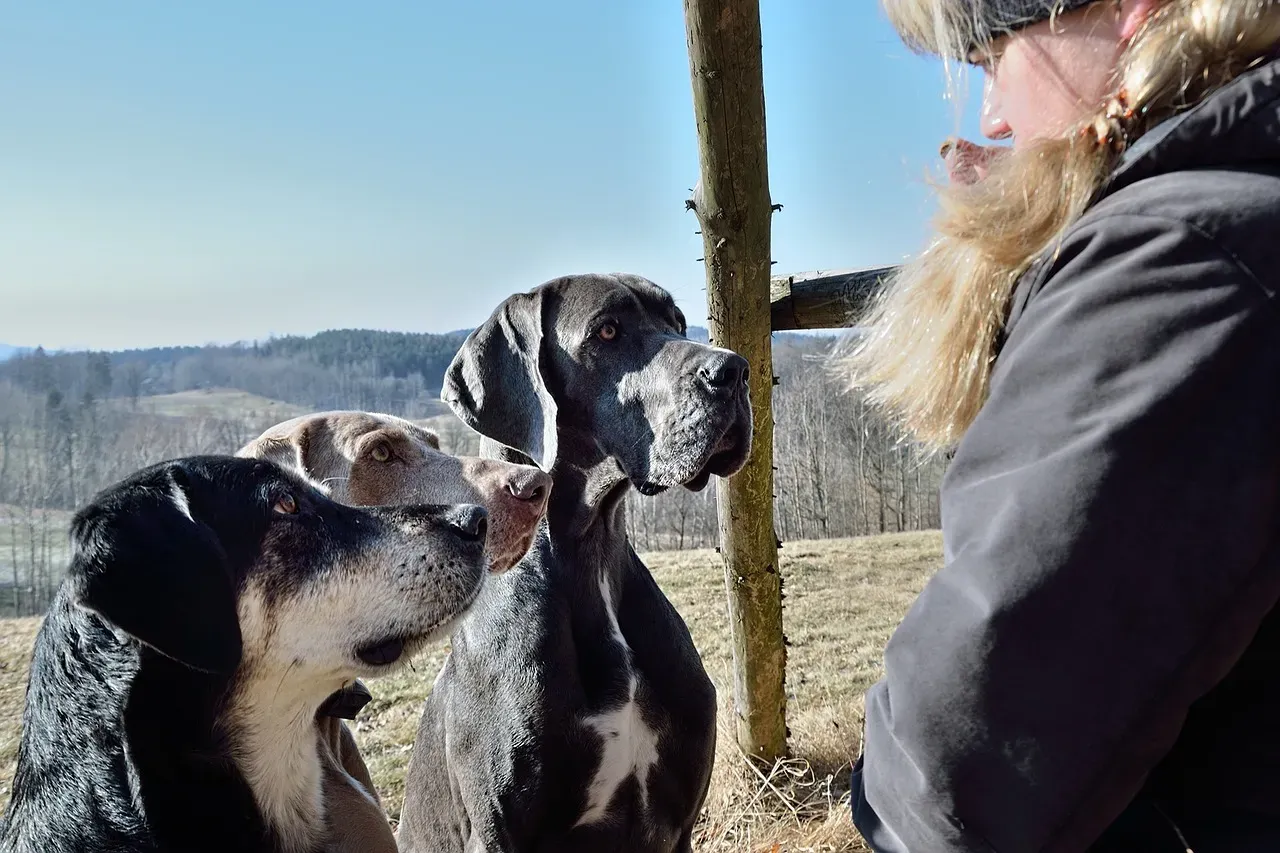
Known as gentle giants, Great Danes have a naturally laid-back and gentle temperament, making them perfect for a relaxed lifestyle; you’ll often find them just lounging around and snuggling, although they do still need one to two hours of exercise per day. Despite their massive size, these dogs are surprisingly mellow indoors.
Despite their massive size, Great Danes are often referred to as gentle giants for a reason; they don’t have the high exercise demands of other large breeds, and many Danes are content with a couple of walks and lots of rest, with their calm and affectionate nature making them ideal for homes with space. They’re patient, sweet-natured, and happy to lounge around most of the day. Their size requires space, yet their temperament requires far less energy from their owners than you might expect.
Making The Right Choice For Your Lifestyle

Choosing the right dog isn’t about finding the cutest or most impressive breed. It’s about honest self-assessment. A hyper dog needs room to use up its energy, and a larger home with a good-sized yard is best; if you don’t have a yard, easy access to a large park can be helpful, yet if you live in a small apartment without nearby parks, a less energetic dog breed might be a better choice.
Think about your actual daily routine, not the idealized version where you’ll suddenly start running five miles every morning. If you’re considering a high-energy dog, it’s important to be prepared for the commitment they require; these dogs need plenty of exercise, mental stimulation, and attention, but in return, they’ll reward you with loyalty, companionship, and endless fun. Yet if that level of commitment doesn’t fit your reality, choosing a calmer breed isn’t settling; it’s being smart and compassionate to both yourself and your future companion.
Conclusion

Overactive breeds can be absolutely wonderful for the right owners. They’re loyal, intelligent, and capable of incredible feats when properly trained and exercised. Yet for many people, they’re simply too much dog. There’s no shame in admitting that a Border Collie’s needs exceed what you can provide or that a Belgian Malinois’s intensity doesn’t match your lifestyle.
The calmer alternatives we’ve discussed offer just as much love and companionship without the relentless energy demands. Whether you choose a Basset Hound’s gentle nature, a Cavalier’s sweet disposition, or a Great Dane’s calm presence, you’ll find a loyal friend who fits your life rather than overwhelming it. Remember, the best dog for you is the one whose needs you can joyfully meet, not the one you thought you should get. What kind of energy level truly matches your lifestyle? Be honest with yourself, and you’ll find the perfect match.