
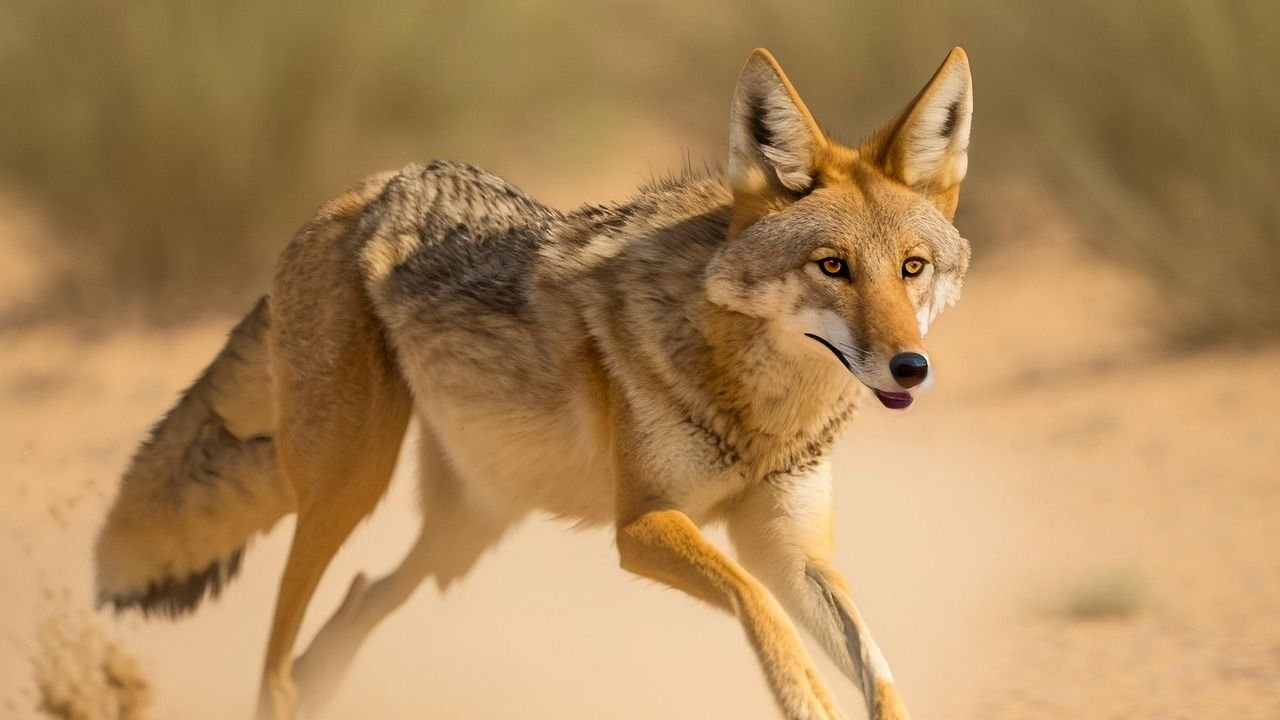
Red foxes have always been creatures of mystery and adaptation. These rust-colored canines, with their bushy tails and sharp intelligence, have long captured our imagination. Yet beneath their charming exterior lies a story that’s unfolding right now across continents, a story that has serious implications for the natural world we know.
Something unusual is happening with red fox populations around the globe. They’re leaving their traditional habitats in ways that wildlife biologists didn’t predict just a few decades ago. Some are pushing into arctic territories they’ve never occupied before, while others are abandoning rural landscapes for city streets. The ecological consequences of these mass movements stretch far beyond the foxes themselves, creating ripple effects that touch everything from ground-nesting birds to competing predator species.
Let’s dive into the reasons behind this dramatic shift and why it matters more than you might think.
Climate Change Is Pushing Foxes Into New Territory
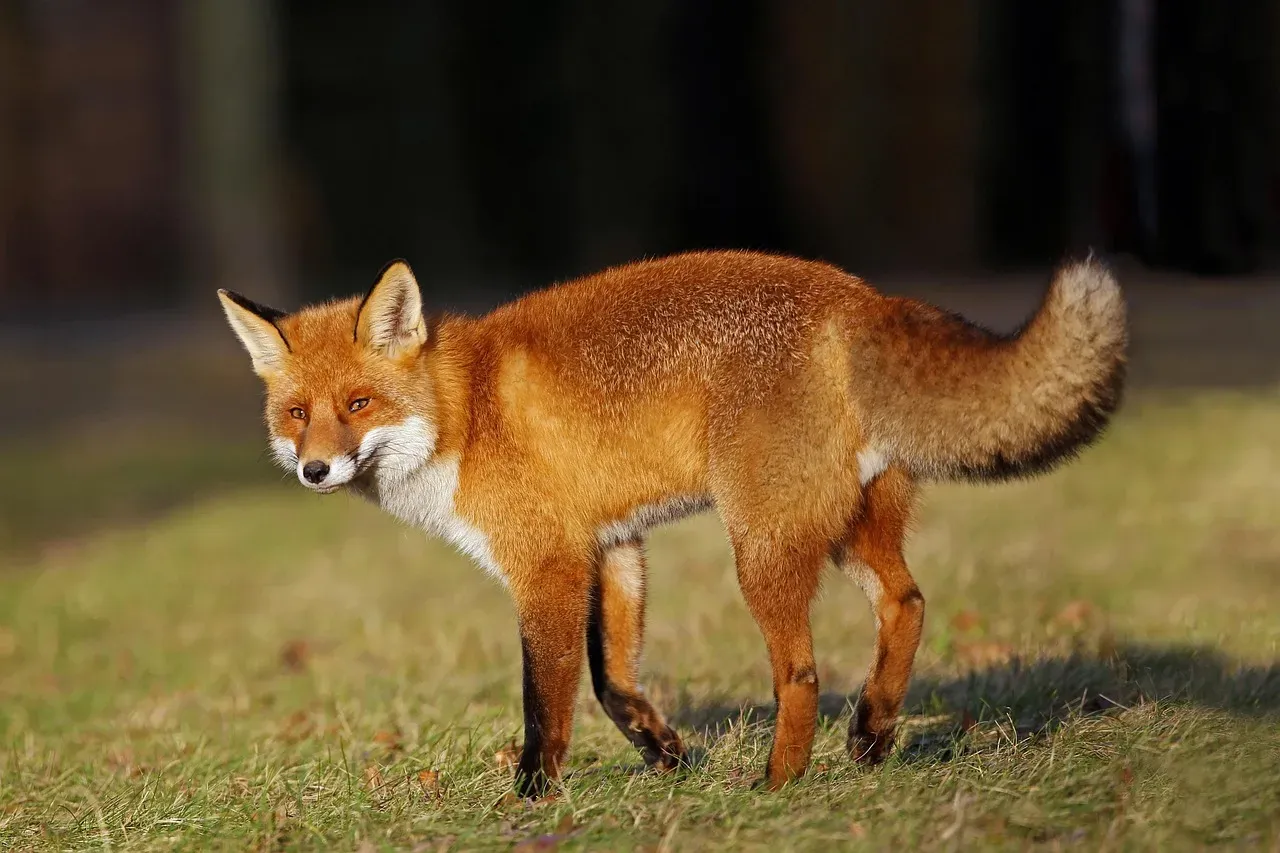
Arctic temperatures have risen between 2 and 3°C in the past 50 years, making the region more hospitable to the red fox. This warming trend has essentially opened doors that were previously locked shut by brutal cold. Red foxes, with their longer limbs and ears, historically lost too much body heat to survive in the frozen tundra.
Now they’re marching north like an invading army. The Arctic is warming at nearly twice the global average rate, causing profound changes including melting sea ice, thawing permafrost, and a shift from icy tundra to more temperate and forested conditions. What was once an inhospitable frozen wasteland has transformed into viable fox habitat in just a couple of generations.
The problem is that arctic foxes already live there. In some areas arctic fox numbers decrease when red foxes move in, creating a displacement scenario that threatens the survival of these specialized tundra dwellers. It’s like a hostile takeover, except nobody invited the new management.
In a warming Arctic there’s more to eat, and the new bounty attracts the arctic fox’s southern neighbor – the much bigger red fox. Increased food availability means red foxes can sustain themselves in areas where they would have starved just decades ago. The ecological balance that existed for thousands of years is crumbling under the weight of climate disruption.
What makes this particularly alarming is the speed of change. The widespread and adaptable red fox has expanded its range northward over the past 70 years. That’s barely three human generations to witness what might be one of the most significant predator range shifts in modern history.
Habitat Loss and Degradation in Traditional Ranges
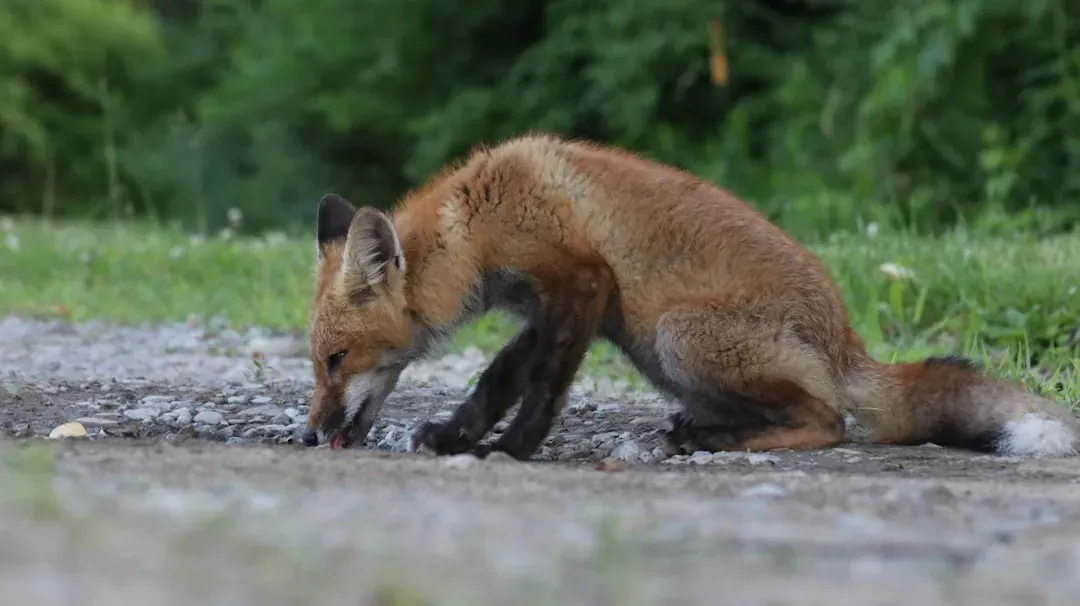
While some foxes head north, others are being squeezed out of their ancestral territories entirely. Habitat loss and alteration of natural landscapes through farming, urbanization or infrastructures among others, are major drivers of Global Change and the Biodiversity Crisis. Traditional fox habitats are being bulldozed, paved over, or converted into monoculture farmland at an alarming rate.
Habitat loss caused by development and urbanization, eliminates natural areas for fox populations to live and reproduce in. Think about it: when a forest becomes a shopping mall or when grasslands transform into housing developments, the wildlife doesn’t just vanish into thin air. They have to go somewhere, and that somewhere is often unsuitable or already occupied.
The impact goes beyond simple displacement. Habitat loss and landscape degradation compromise red fox ecosystem services, with these services being affected by landscape degradation. Foxes play crucial roles in seed dispersal and rodent population control, services that benefit entire ecosystems. When their habitats fragment and degrade, these benefits collapse.
Rural foxes face different pressures than their ancestors did. Agricultural intensification means fewer hedgerows, less diverse prey, and more pesticide exposure. Red foxes face challenges such as habitat loss, road mortality, and disease transmission. It’s honestly a wonder they’ve adapted as well as they have.
Habitat loss can cause a collapse in seed dispersal because foxes are less likely to eat fruit in fragmented landscapes than in continuous natural ones. The web of ecological connections is more delicate than most people realize, and when one thread breaks, others follow.
Competition and Displacement From Larger Predators
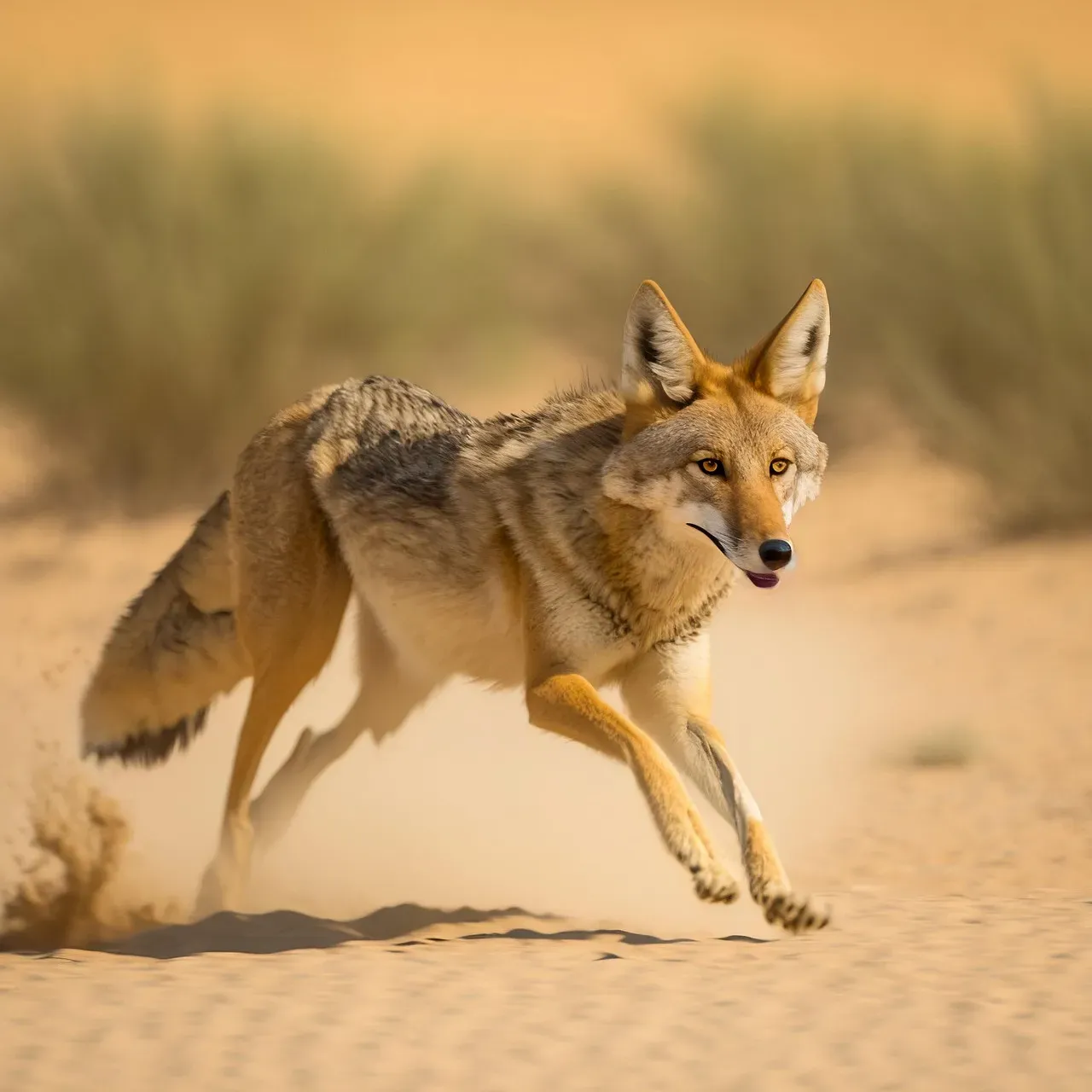
Red foxes might be adaptable survivors, but they’re not at the top of the food chain. Larger predators actively shape where foxes can and cannot live. This isn’t new, but changing predator distributions are forcing foxes into marginal habitats they wouldn’t normally choose.
Coyotes present a particularly interesting challenge. In areas where these two species overlap, the dynamics can be brutal. Foxes must constantly calculate risk versus reward when larger canids are in the neighborhood. This pressure pushes them toward areas where coyotes are less common, often human-dominated landscapes.
Even wolves and other apex predators influence fox distribution patterns. When large predator populations rebound in certain areas, foxes often relocate to avoid direct confrontation. They’re smart enough to know that discretion is the better part of valor when you weigh only about 15 pounds and your competitor weighs ten times that.
The displacement isn’t always violent or direct. Sometimes it’s simply about resource competition. Larger predators consume prey that foxes depend on, forcing the smaller canids to seek food elsewhere. Over time, this subtle pressure can push entire fox populations out of otherwise suitable habitat.
Interestingly, in some regions where large predators have been eliminated by humans, fox populations have exploded. This creates its own set of problems, demonstrating that ecosystem balance is far more complex than simply having or not having certain species present.
The Urban Food Bonanza Is Too Good to Resist
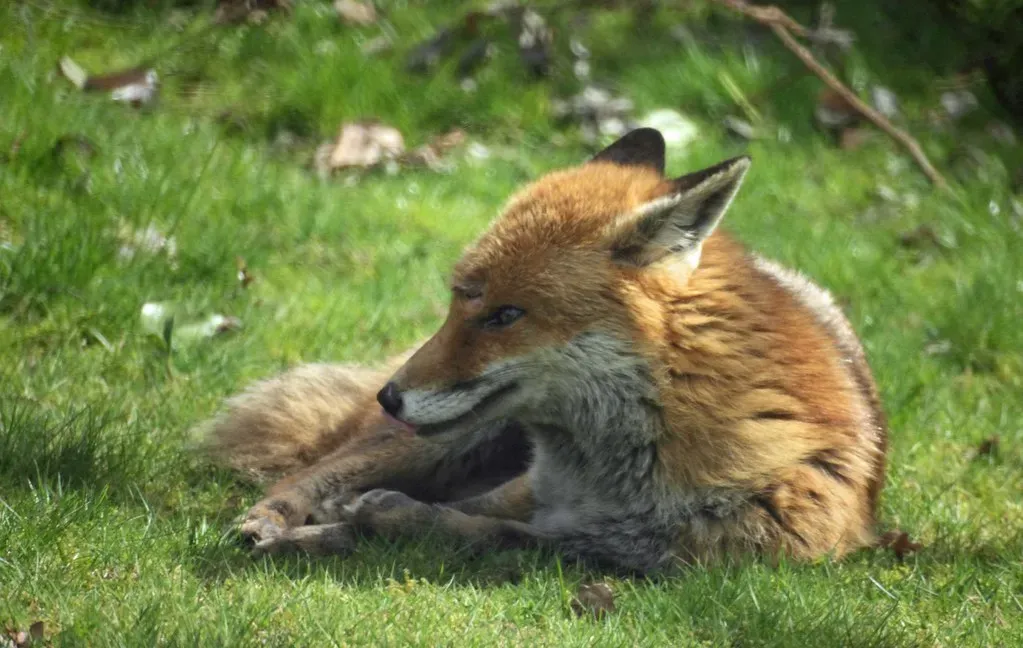
Cities have become fox magnets, and the reason is simple: food, glorious food. Research in 2025 suggests that human-generated food comprises 35% of urban fox diet, compared to just 6% for their rural counterparts. When survival becomes easier in the concrete jungle, natural habitats lose their appeal.
The number of urban foxes in the UK rose from 33,000 in 1995 to 150,000 foxes in 2017. That’s not just growth, that’s an invasion. Urban environments provide reliable food sources year-round, something that wild habitats increasingly struggle to offer. Trash bins, compost heaps, pet food left outside, these anthropogenic resources have created an urban fox boom.
The behavioral changes are striking. Urban red foxes are significantly more confident than peri-urban red foxes, and they’re more confident when protected by dense vegetation cover. They’ve learned that humans, while sometimes unpredictable, are generally not life-threatening. This boldness allows them to exploit resources that more timid animals couldn’t access.
Urban areas support surprisingly high densities of foxes, with up to sixteen individuals per km2 in Melbourne, compared to just 0.2 individuals per km2 in rural areas. The math is compelling from a fox perspective: Why struggle in the countryside when the city offers such abundance? Yet this urban migration means traditional habitats are being abandoned, disrupting ecological relationships that took millennia to establish.
As a result of diet differences between urban and rural populations, city-dwelling red foxes tend to grow larger than their rural counterparts. Bigger foxes means more offspring and higher survival rates, creating a self-reinforcing cycle that pulls more foxes cityward.
Disease and Reduced Snowpack in Mountain Subspecies
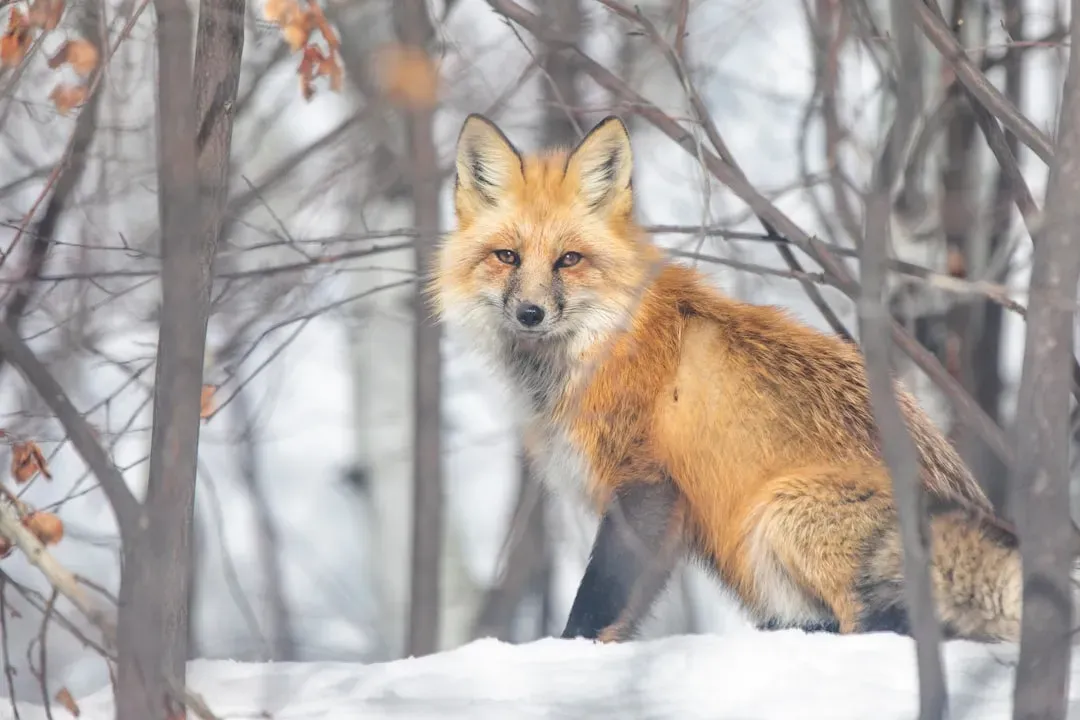
Specialized mountain-dwelling red fox subspecies face particularly dire circumstances. Sierra Nevada red foxes are specialized for snowy areas, so other carnivores like coyotes may outperform or prey upon the fox in areas with now less snowy conditions due to the impacts of the changing climate. When your survival strategy depends on deep snow and the snow disappears, you’re in serious trouble.
Climate change is projected to dramatically shrink the Sierra Nevada red fox’s subalpine habitat as hotter and drier conditions push its range farther up mountain slopes. There’s only so far up you can go before you run out of mountain. These foxes are being squeezed into smaller and smaller pockets of suitable habitat.
Sierra Nevada red fox populations have declined dramatically because of poisoning and trapping, habitat destruction from logging and livestock grazing, and disturbance from off-road vehicles and snowmobiles. It’s a perfect storm of pressures, and the foxes are losing ground fast. Fewer than 40 individuals may be left on the landscape, making this one of North America’s rarest mammals.
Climate change is reducing the Sierra snowpack, causing increased competition for food with coyotes, and these foxes are jeopardized by inbreeding depression due to small population size and hybridization with nonnative red foxes. When populations crash this hard, genetic diversity plummets, making recovery even more difficult. Every pressure compounds the others.
Disease transmission also increases when foxes are forced into closer contact with domestic animals and other wildlife species. As their traditional habitats shrink, the opportunities for pathogen spillover multiply, threatening both fox populations and other species sharing their increasingly confined spaces.
Ecosystem Services Collapse When Foxes Leave
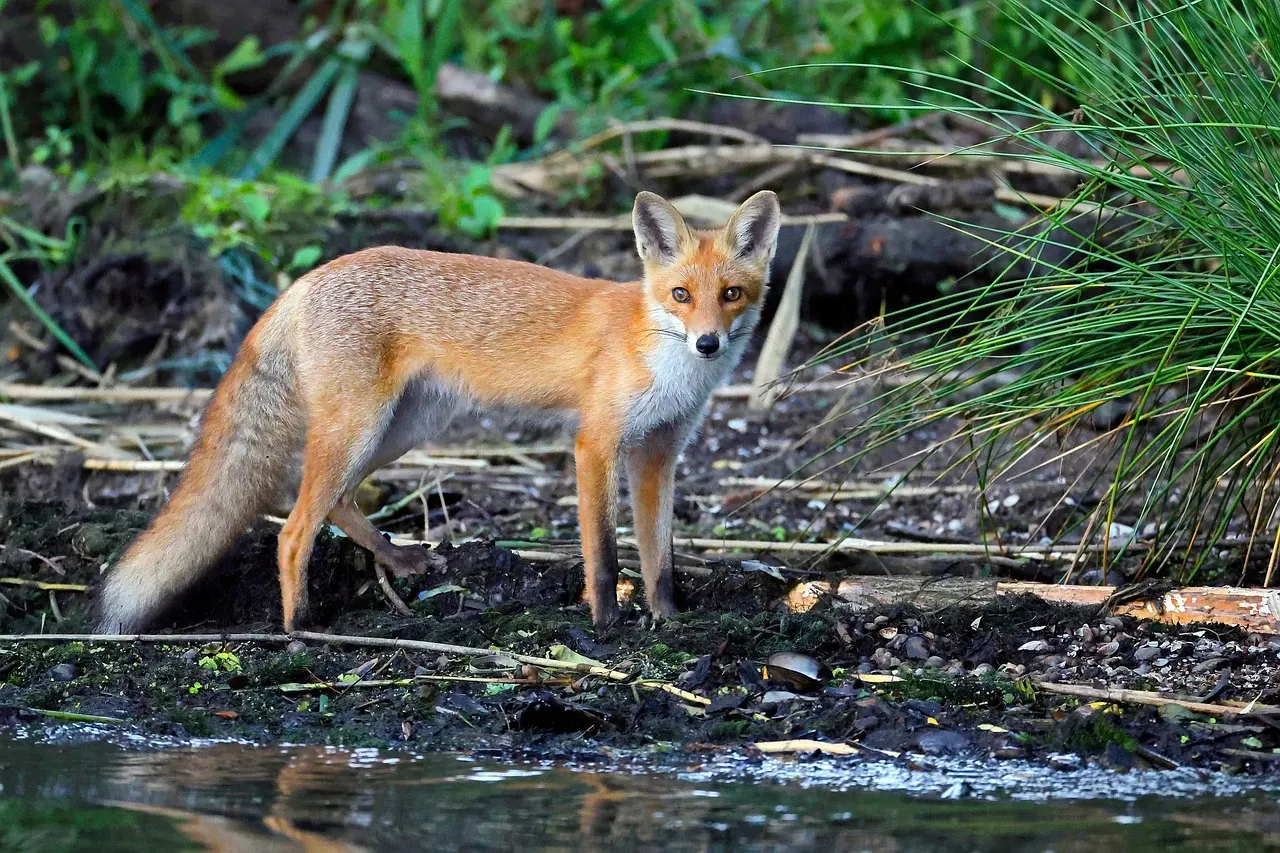
Here’s the thing most people don’t realize: red foxes aren’t just cute animals wandering through forests. They’re ecological engineers performing services that benefit countless other species. Red fox plays a crucial role for community-level seed dispersal, and these services have potential to cascade on regeneration of keystone species.
When foxes abandon their traditional habitats, rodent populations can explode. As opportunistic hunters, they help regulate populations of small mammals and insects, thereby indirectly impacting vegetation and preventing overgrazing. Without this natural control, ecosystems can quickly become unbalanced, with cascading effects on plant communities and other animal species.
The seed dispersal role is particularly underappreciated. Foxes consume vast quantities of fruit, and the seeds pass through their digestive systems to be deposited far from the parent plant. All seeds collected from fox scats germinated, while about one-fifth collected from the trees themselves failed to germinate. Passage through a fox gut actually improves germination rates for many plant species.
Arctic foxes, adapted to the harsh, cold environment of the Arctic tundra, are being pushed out of their traditional habitats by red foxes, and this displacement can force Arctic foxes into less suitable areas, leading to declines in survival and reproduction rates. It’s not just about one species moving, it’s about the domino effect on everything else. Arctic foxes evolved over thousands of years to fill a specific ecological niche, and red foxes aren’t equipped to replace them in those roles.
Due to its rapid spread and ecological impact, the red fox has been classified as one of the most damaging invasive species in Australia. When foxes move into new areas, particularly where they’re not native, the destruction can be catastrophic for ground-nesting birds, small marsupials, and other vulnerable species. The flip side is equally true: when they leave areas where they belong, those ecosystems suffer different but equally serious consequences.
Conclusion
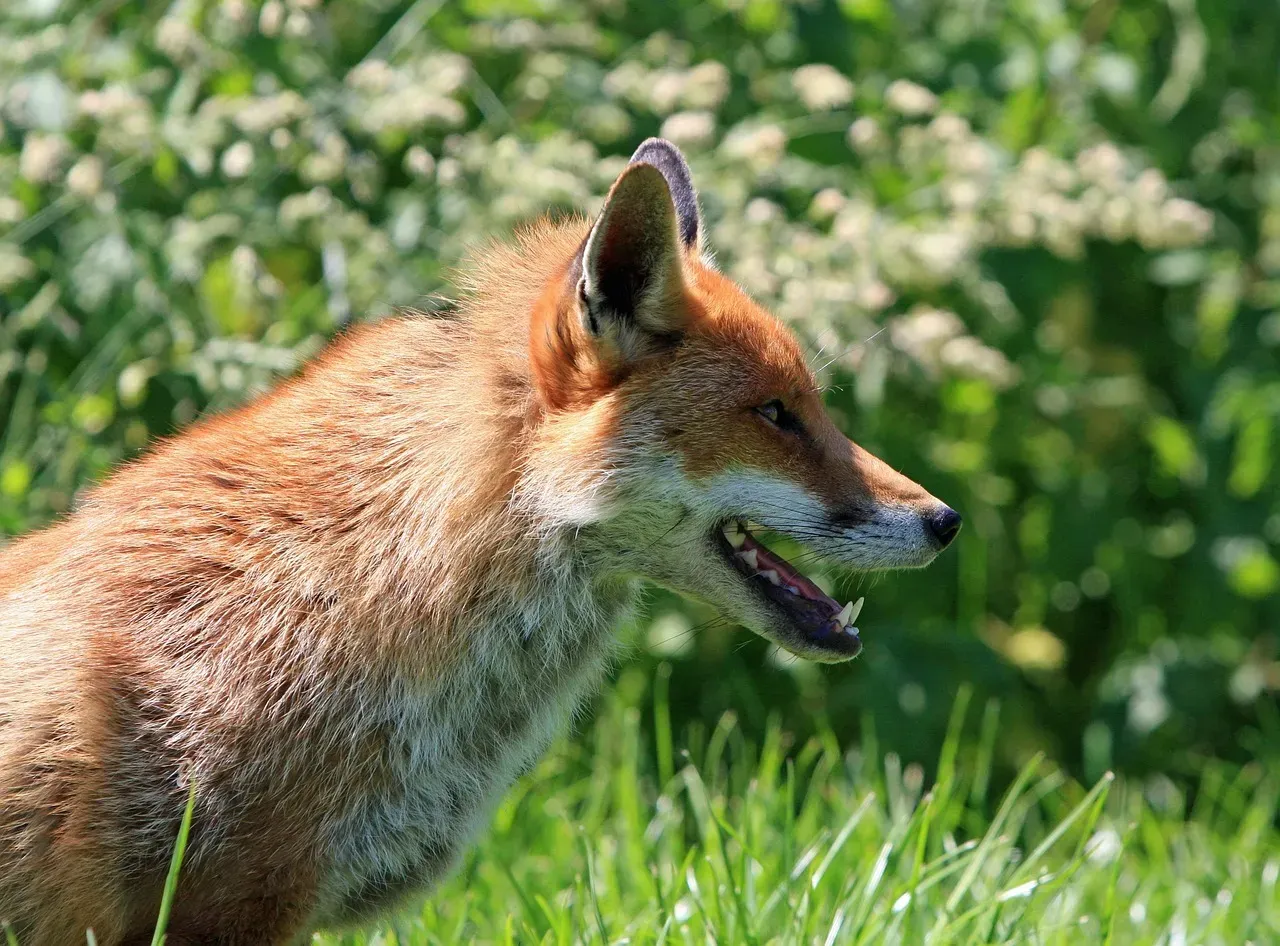
The movement of red foxes out of their traditional habitats tells a larger story about our changing planet. Climate disruption, habitat destruction, and human encroachment are reshaping wildlife distributions in ways we’re only beginning to understand. What happens to foxes matters because they’re indicators of broader ecosystem health.
These migrations create winners and losers across the ecological landscape. Arctic foxes lose ground to their larger cousins. Mountain subspecies face extinction. Urban areas gain bold scavengers while rural ecosystems lose important predators and seed dispersers. The intricate balance that sustained these systems for millennia is unraveling thread by thread.
We can’t turn back the clock, but understanding these patterns helps us make better conservation decisions going forward. Protecting habitat corridors, maintaining natural landscapes, and addressing climate change aren’t just about saving foxes. They’re about preserving the countless invisible connections that keep ecosystems functioning.
The red fox story is ultimately our story too. Their movement patterns reflect the pressures we’ve placed on the natural world. What do you think we should prioritize to help not just foxes, but all wildlife navigate these dramatic changes?


