
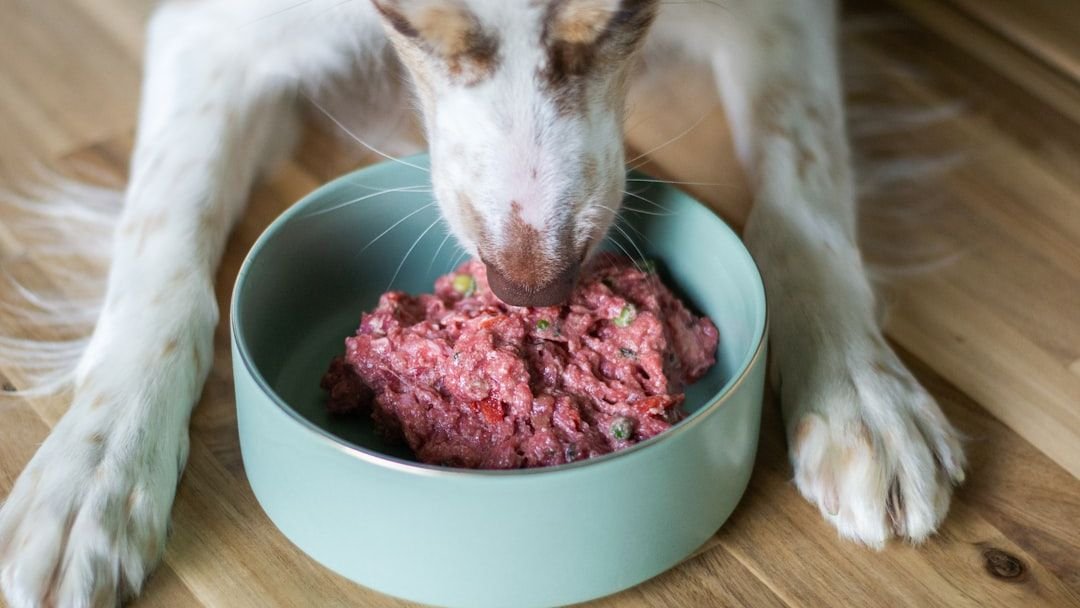
You’ve filled the bowl, called their name, and waited. Nothing. Your dog just stares at their food like it personally offended them. For dog parents, few things spark more worry than a sudden change in eating habits, especially when it comes from a pup who usually inhales their meals before you can even set the bowl down.
Here’s the thing: a dog skipping a meal isn’t always cause for panic. Sometimes the reason is surprisingly simple. Other times, it’s your dog’s way of telling you something important. Either way, understanding what’s behind those closed lips is one of the most loving things you can do for them. Let’s dive in.
They Might Be Feeling Under the Weather
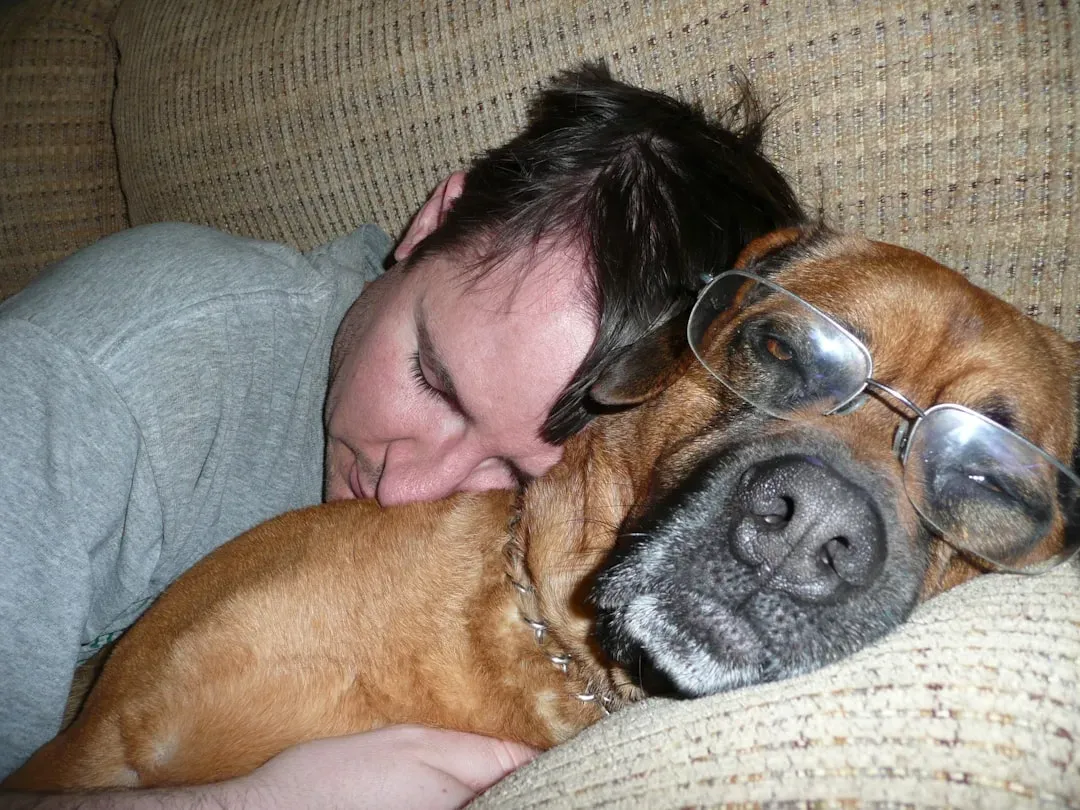
Think about how you feel when you have a fever. The last thing on your mind is food. Dogs are exactly the same. A decreased appetite in dogs is often a sign of sickness, especially if your dog is showing other symptoms at the same time. Although appetite loss doesn’t necessarily indicate serious disease, it could point to significant illness including infections, pain, liver problems, and kidney failure.
The scary part is that dogs can’t tell us where it hurts. When a dog refuses food, illness is one of the first things pet parents should consider. Unlike humans, dogs don’t have the luxury of verbalizing pain or discomfort. Watch for additional clues like lethargy, vomiting, or a dull coat.
Loss of appetite is one of the most common signs of illness, so if your dog hasn’t eaten for 24 hours, it’s best to call your vet, especially if there are other troubling signs like diarrhea or lethargy. Don’t wait and hope it resolves on its own. Early intervention genuinely makes a difference.
Dental Pain Is Making Every Bite Miserable
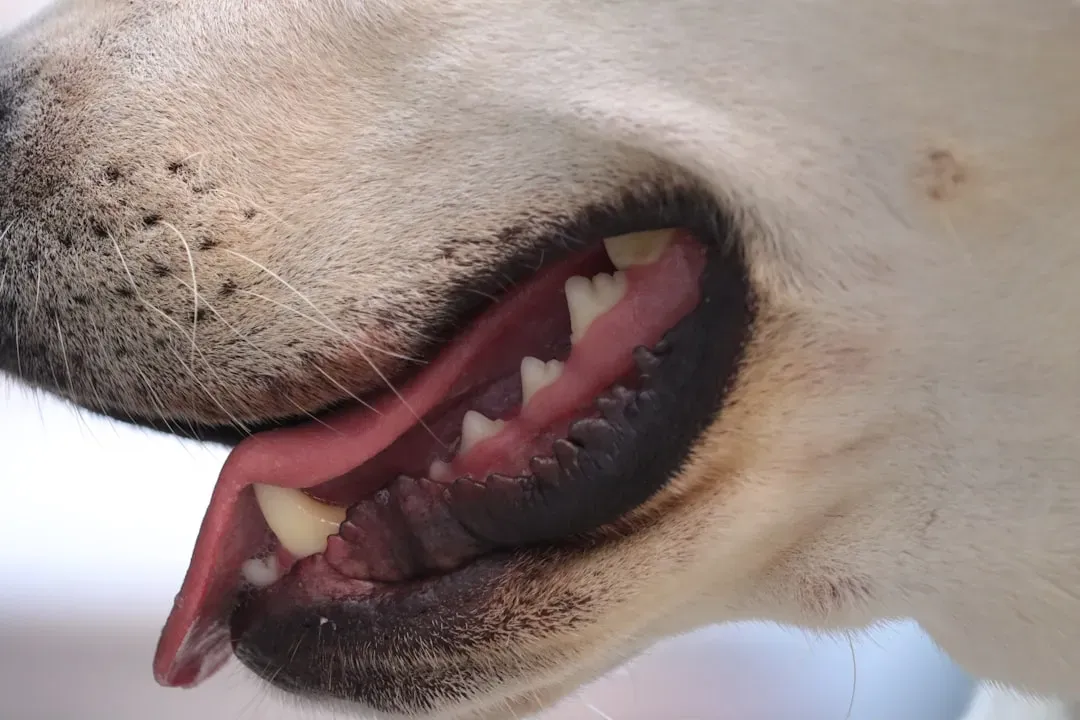
Honestly, this one is overlooked far too often. Imagine trying to eat with a cracked molar or swollen gums. You wouldn’t want to eat either. Dental issues can often cause appetite loss. Just like toothache in humans, your pup may not feel much like eating if there’s something amiss with their teeth, so it’s a good idea to check your dog’s mouth for anything stuck in their teeth or gums.
If chewing food is painful for your dog, it may cause them to refuse food. If you notice broken or loose teeth, swelling, bleeding, or excessively bad breath, it may be that poor oral health is the cause of your dog’s lack of appetite. These are signs you really don’t want to ignore.
Your dog may not want to eat because something in its mouth is causing pain. Have them checked for a broken or loose tooth, severe gingivitis, and even an oral tumor. Sometimes things can happen below the gum line that cannot be seen, like a tooth root abscess. Regular dental checkups aren’t optional. They’re essential.
Stress and Anxiety Have Stolen Their Appetite
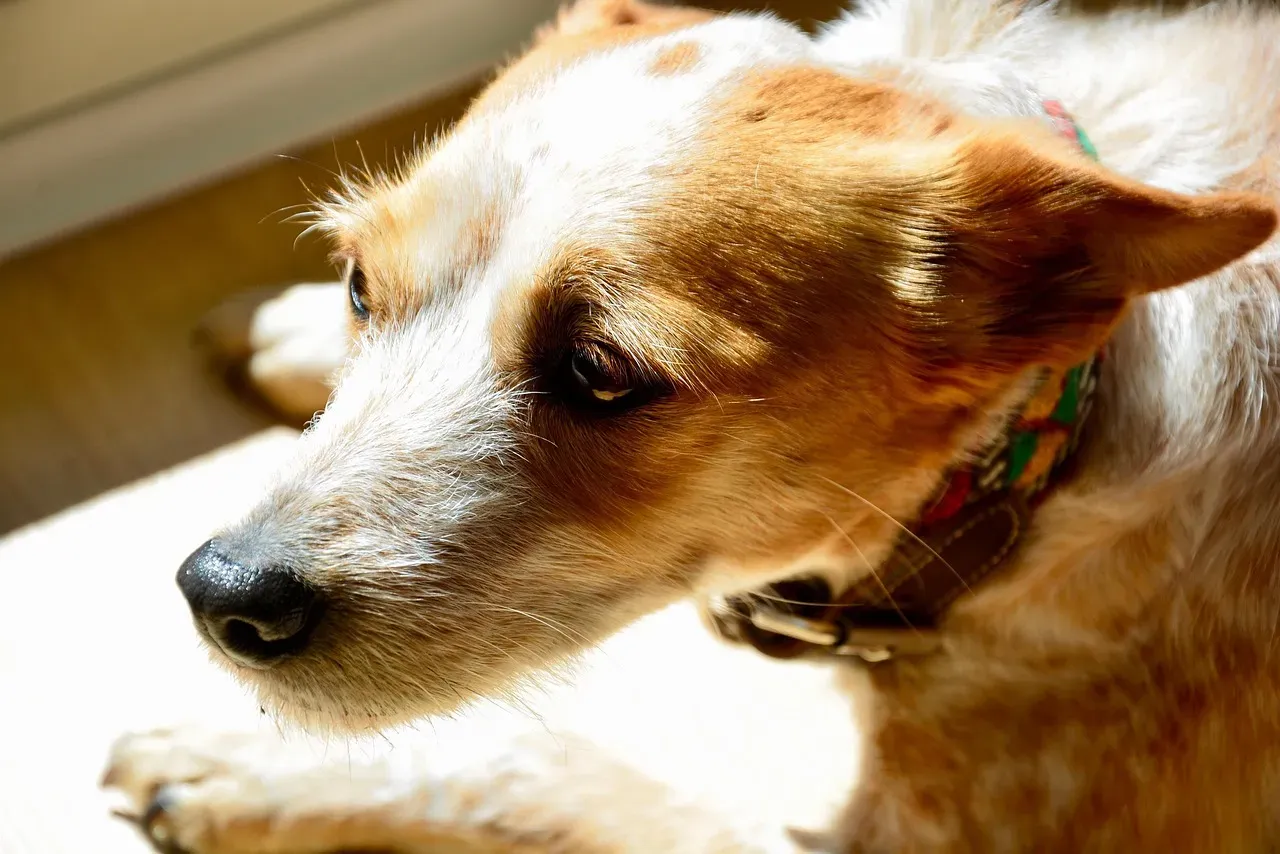
Dogs feel emotions deeply, more deeply than we often give them credit for. A house move, a new baby, a lost companion, even you coming home later than usual can send their stress levels through the roof. When faced with anxiety, grief, or sudden changes like a move, a new baby, or being left at a kennel, your dog’s body activates a hormonal cascade. This can suppress hunger, as the body shifts into a “fight-or-flight” state and deprioritizes digestion.
Dogs with separation anxiety, for example, may refuse to eat until their trusted person returns, while others may lose interest in food after the loss of a companion animal. That’s not drama. That’s grief. That’s love, actually.
Look for signs of stress in your dog such as panting, pacing, excessive licking, or hiding. If you suspect stress is the cause of your dog’s eating habits, try to identify and minimize the stressors. Providing a calm and consistent environment can help. Routine is your best friend here, and theirs.
Their Food Has Gone Stale or the Formula Changed
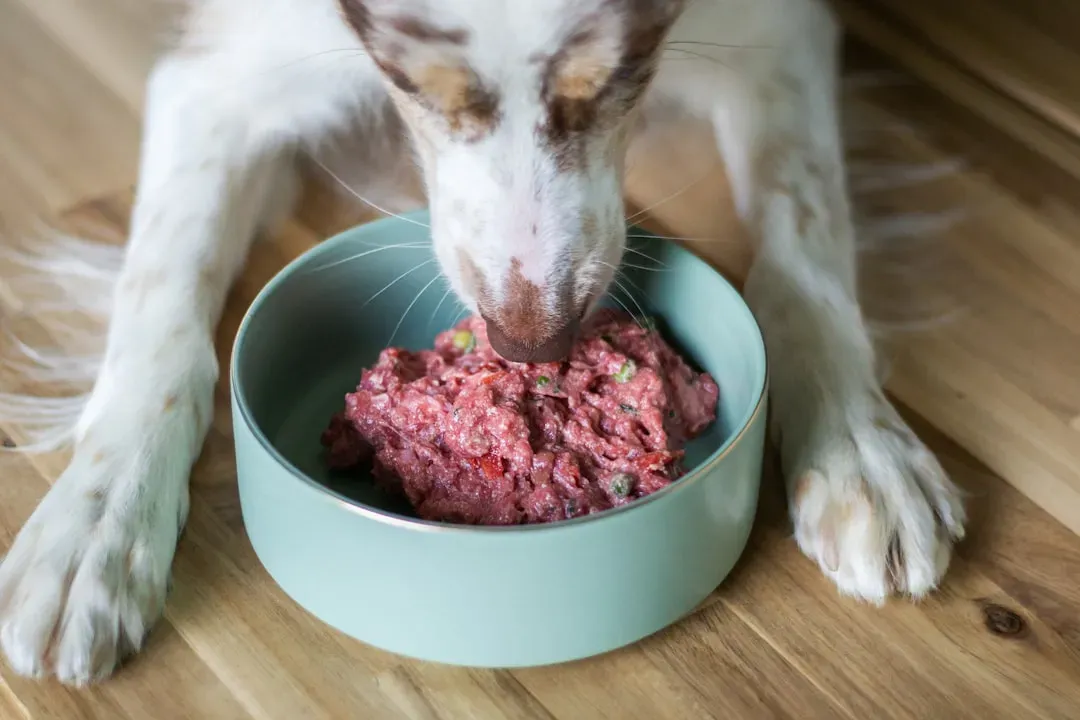
Here’s something that surprises a lot of dog owners. You can buy the exact same bag of kibble you’ve always bought, and your dog might still refuse it. Why? Even if you always buy the same dog food for your pup, the formulation could change. While many brands will indicate a change with labels like “New and Improved,” these changes in formulation are often only reflected in the list of ingredients and nutritional information.
Dogs have a keen sense of smell and can detect when their food is spoiled. If the food has gone bad, they will likely refuse to eat it. Always check the expiration dates on your dog’s food and store it properly to maintain freshness. Think of your dog’s nose as a quality control system that’s far more sensitive than yours.
It can be a good idea to feed your dog a couple of different foods right from day one. That way, if one food’s formulation changes in a way that your dog doesn’t like, you have an alternative food readily available that you know they will enjoy. Smart prevention, simple execution.
They’ve Learned That Holding Out Gets Them Something Better
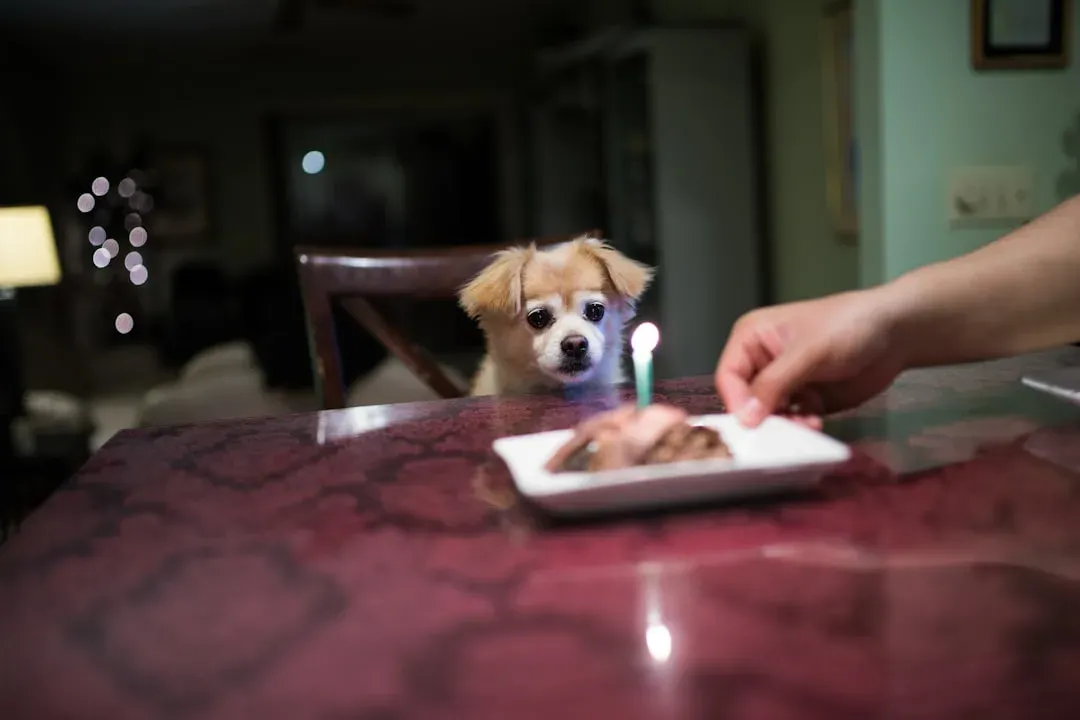
Let’s be real. Dogs are clever little manipulators sometimes, and we love them for it. Their picky eating habits may suggest that they’re a very smart dog. By holding out long enough, your dog has realized that if they ignore their average daily meals, they’re more likely to get attention and, most importantly, more likely to be offered an alternative. Often, they will gobble down the new food offered, but this doesn’t mean that they like it any better than what they had before.
If refusing food leads to a tastier option, say, a slice of steak instead of their regular meal, they’ll catch on quickly. This kind of learned behavior is particularly common in pampered dogs, where even well-meaning pet parents unintentionally reinforce selective eating. Sound familiar? No judgment here.
It’s important to set boundaries and stick to a feeding schedule. Offer your dog their regular food at meal times and remove it after 15 to 20 minutes if they haven’t eaten. Avoid giving them treats between meals to encourage them to eat their regular food. Consistency is the kindest thing you can offer a food-smart dog.
Recent Medication or Vaccination Is Temporarily Affecting Their Appetite
If your dog just got their shots or started a new prescription, the timing might not be a coincidence. While vaccinations are an essential part of your dog’s long-term health, they can cause your pup to temporarily feel unwell. It is normal for your dog to have a slightly decreased appetite for a day or two after being vaccinated. If their loss of appetite persists for more than two days, you should give your vet a call.
Has your dog recently been put on a new medication? That drug and/or regimen change might be upsetting their stomachs. It’s the same reason some of us lose our appetite when we start antibiotics. The body is adjusting, and your pup needs a little grace while that happens.
If your pet is recovering from illness, surgery, or medication changes, follow your veterinarian’s instructions closely and keep a close eye on their appetite and behavior. A bland diet of boiled chicken and plain rice can often coax even the most reluctant eater back to the bowl during recovery. It’s practically magic.
Final Thoughts: Your Dog Is Talking. Are You Listening?
A dog who won’t eat is never just being dramatic. Every skipped meal is a small signal worth taking seriously, whether it turns out to be something as simple as stale kibble or something that needs a vet’s attention. Dogs are incredibly attuned to their surroundings, more than many pet parents realize. Emotional shifts, environmental disruptions, and even subtle changes in routine can all influence your dog’s appetite. What looks like pickiness may actually be your dog’s way of processing stress.
The truth is, knowing your dog well, their habits, their quirks, their baseline, is your greatest diagnostic tool. If your dog goes off their food for a day or two but then resumes eating without displaying any other concerning signs, you shouldn’t be overly worried. Signs to watch out for include any significant change in eating habits that persists more than a couple of days, repeated vomiting or diarrhea, lethargy, sudden weight loss, or unusual stool.
You know your dog better than anyone else does. Trust that knowledge, stay observant, and never hesitate to call your vet when something feels off. The bowl may be ignored today, but with a little patience and the right care, it won’t be for long. What changes have you noticed at your dog’s mealtime lately? Tell us in the comments below.


