
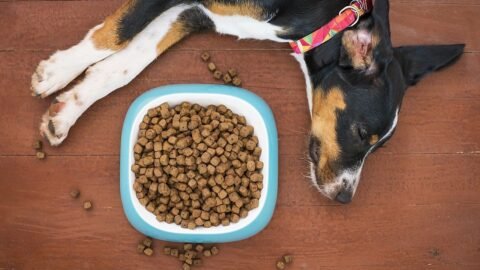
You know the look. The one where your beloved pup sniffs their food bowl, glances at you with almost theatrical disappointment, and walks away. Yesterday they wolfed down that same food like it was the finest steak in the world. Today? They’re acting like you’ve personally insulted them with this offering. It’s confusing, frustrating, and honestly a little heartbreaking when your dog refuses to eat.
Let me reassure you right now – you’re not alone in this. Sudden food pickiness is one of the most common concerns I hear from worried dog parents, and the good news is that it’s usually fixable once you understand what’s happening beneath the surface. Sometimes it’s something simple, other times it requires a bit of detective work. Your dog isn’t trying to drive you crazy (even though it feels that way). There’s always a reason behind the behavior.
Hidden Dental Pain Could Be the Culprit
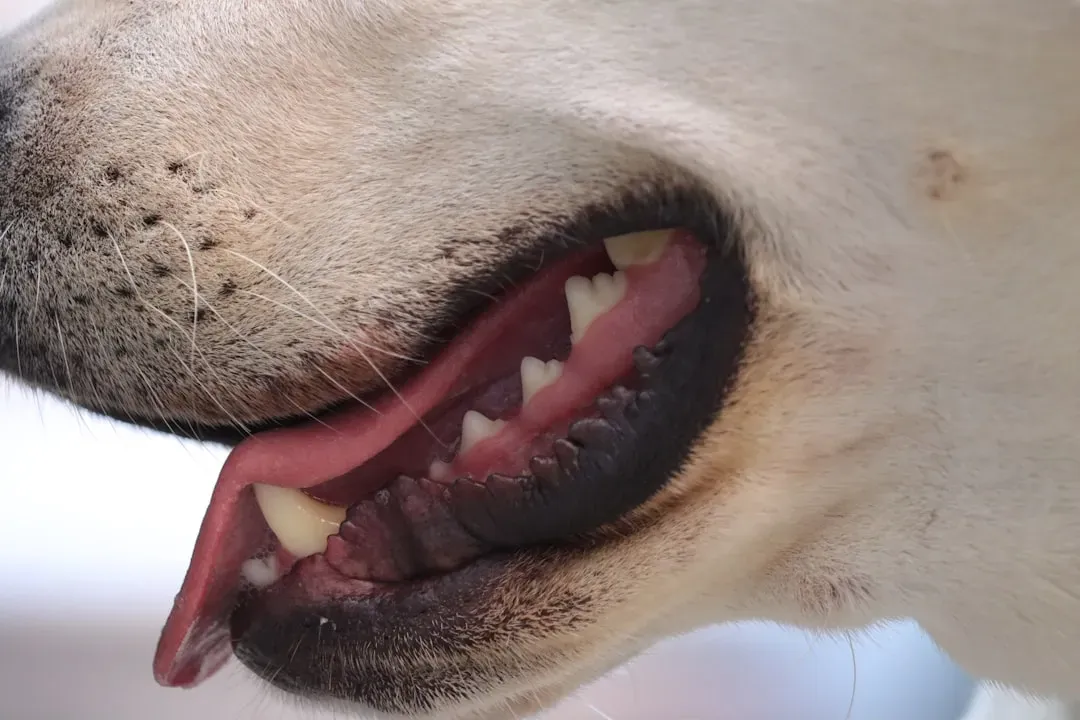
Here’s something that breaks my heart every time I see it. Dental disease can be painful and lead to a dog not wanting to eat, yet dental disease can occur below the gums, which is not visible to our eyes. Your dog might desperately want to eat but finds the act of chewing absolutely miserable.
Picture this: you’ve got a throbbing toothache, and someone puts a bowl of crunchy food in front of you. Would you dive in enthusiastically? Probably not. Dental disease, which is especially common in senior dogs and small breeds, can make chewing painful. If your dog suddenly refuses their kibble but happily accepts soft treats or shows interest in food without actually eating it, dental issues should be at the top of your suspect list.
Watch for other signs too – pawing at their mouth, drooling more than usual, or that distinctive bad breath that makes you turn your head away. Sometimes dogs will tilt their heads while eating or drop food from their mouths repeatedly. If you notice any of these behaviors along with the food refusal, schedule a vet visit. The solution might be as straightforward as a dental cleaning or addressing a specific problem tooth, and once that pain is gone, your pup will likely return to their normal eating habits.
Medical Issues You Cannot See
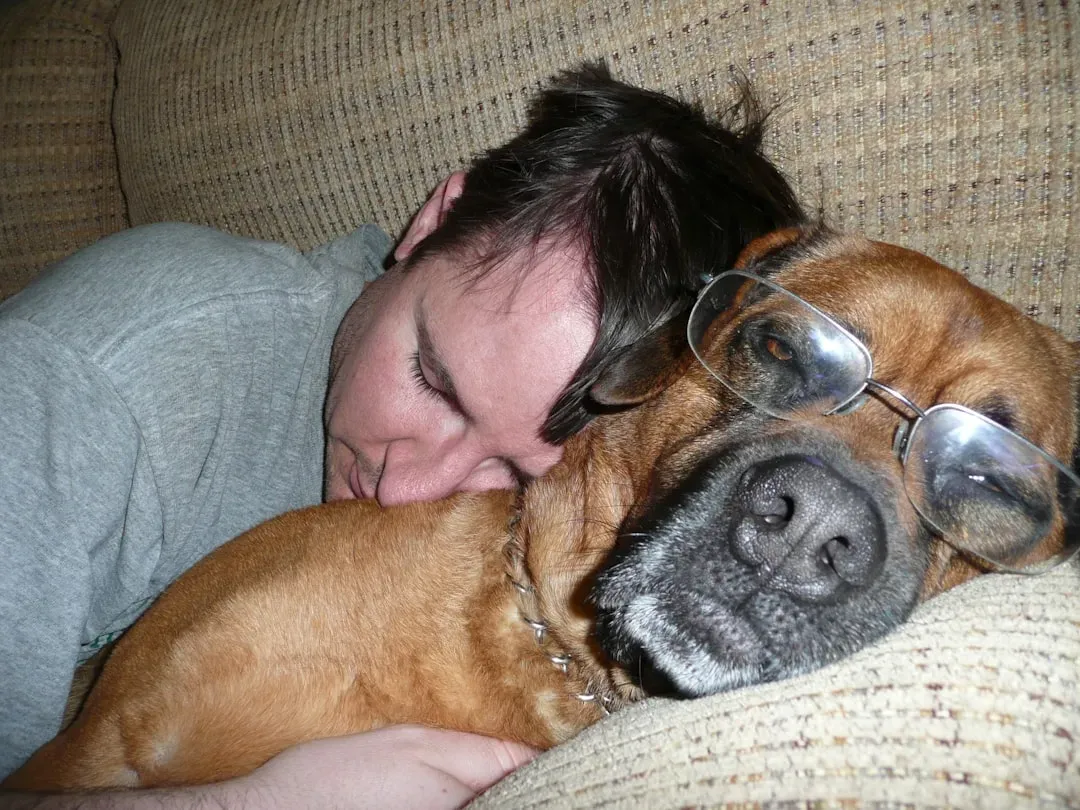
Sometimes the problem runs deeper than we can observe from the outside. Certain medical conditions, such as liver or kidney disease, hormonal imbalances, cancer, or infections, can lead to a decreased appetite in dogs, and these conditions often require prompt veterinary attention. I know that sounds scary, but early detection makes all the difference.
Kidney disease and elevations in kidney values, such as urea, can make your dog feel unwell and affect their appetite. Think about how you feel when you’re coming down with something – food just doesn’t appeal, right? It’s similar for our furry friends. Medications and vaccines, while often necessary, can also have adverse effects, and NSAIDs, antibiotics, and steroids are known to cause digestive upset or temporarily alter gut flora.
If your dog’s pickiness is accompanied by other symptoms like lethargy, vomiting, diarrhea, excessive thirst, or weight loss, don’t wait it out. You should consult your veterinarian if your dog experiences a significant appetite change that lasts longer than 12 to 24 hours and doesn’t return to normal. Trust your instincts here. You know your dog better than anyone, and if something feels off beyond simple food fussiness, it probably is.
Emotional Stress and Environmental Changes
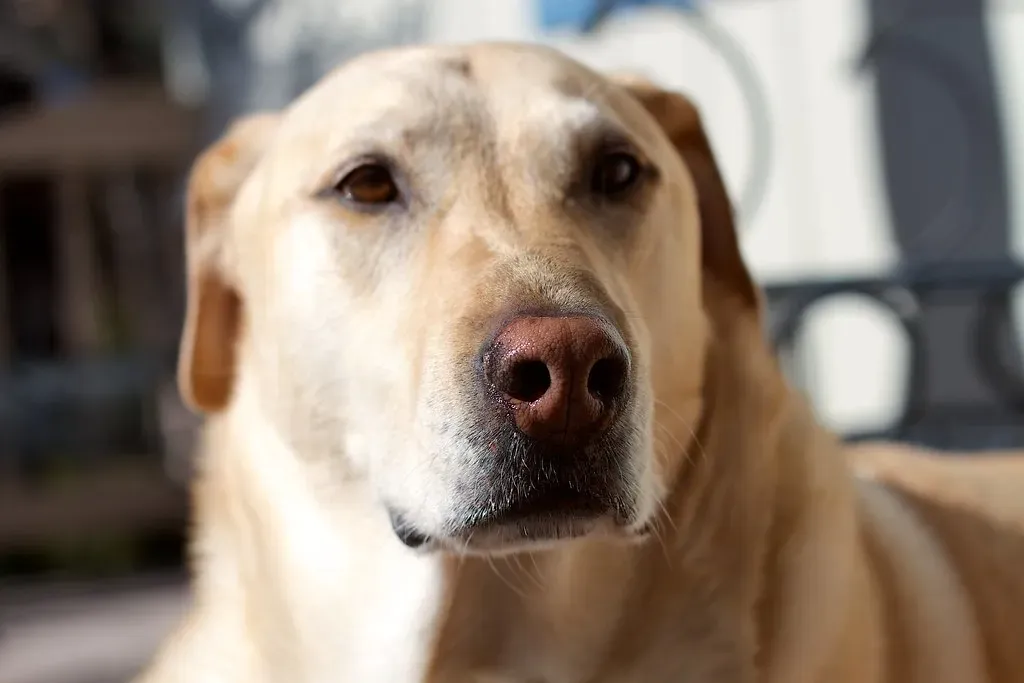
Dogs are incredibly sensitive creatures, far more than most people realize. Dogs are incredibly attuned to their surroundings, and emotional shifts, environmental disruptions, and even subtle changes in routine can all influence your dog’s appetite, as what looks like pickiness may actually be your dog’s way of processing stress. Has anything changed in your household recently? Maybe you started a new job, a family member moved out, or you brought home a new pet?
When faced with anxiety, grief, or sudden changes like a move, a new baby, or being left at a kennel, your dog’s body activates the hypothalamic-pituitary-adrenal axis, and this hormonal cascade can suppress hunger as the body shifts into a fight-or-flight state and deprioritizes digestion. I’ve seen this happen with dogs who experience separation anxiety – they literally won’t touch their food until their person comes home.
Even smaller disruptions matter. Did you change where you feed them? Is construction happening nearby? Are there suddenly loud noises in the neighborhood? If your pet suddenly becomes a picky eater, it could be due to stress or anxiety from drastic changes to your dog’s routine, as dogs are creatures of habit and even small changes to their normal routine can lead to picky eating. Creating a calm, predictable feeding environment can work wonders. Try feeding your dog in a quiet space away from household chaos and keep mealtimes consistent.
You Accidentally Trained Them to Be Picky
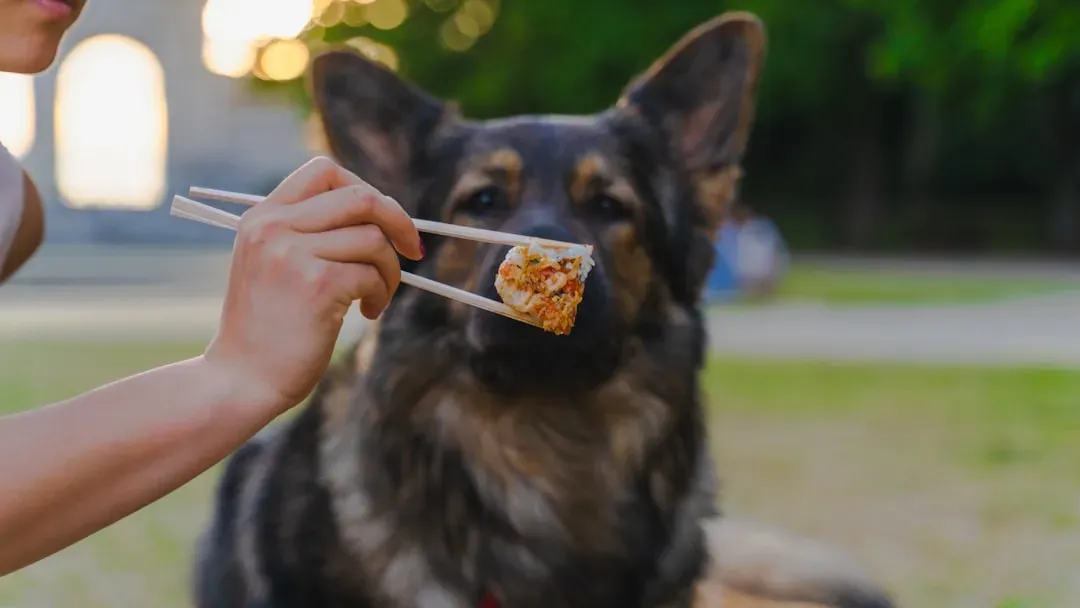
Okay, this one might sting a little, but hear me out with compassion. Frequently, the cause of a dog’s pickiness isn’t a result of its behavior – it’s usually the result of humans feeding table scraps or too many treats. I get it completely. Those puppy dog eyes are powerful, and we show love through food. However, when your dog learns that refusing their regular meal results in something tastier, you’ve inadvertently created a little food negotiator.
Dogs that refuse to eat their own food but are perfectly happy to accept human table scraps may fall into that category of picky eater. It’s like a kid who holds out for dessert instead of eating vegetables. If you constantly switch foods when your dog turns up their nose, or if you immediately upgrade their meal with special toppers, they learn that patience pays off. Constantly changing foods can have an unintended consequence – it can make your dog even more likely to refuse his food and can cause stomach upset and digestive dysfunction.
The fix requires consistency and a bit of tough love. Set and stick to a mealtime schedule to the degree possible, leave food out for no longer than 15 to 20 minutes, and if your dog doesn’t eat anything, take the bowls away without giving any more food or treats until their next scheduled feeding time. Your dog won’t starve themselves. Most healthy dogs will eat when they realize the buffet isn’t opening.
The Food Itself Has Changed
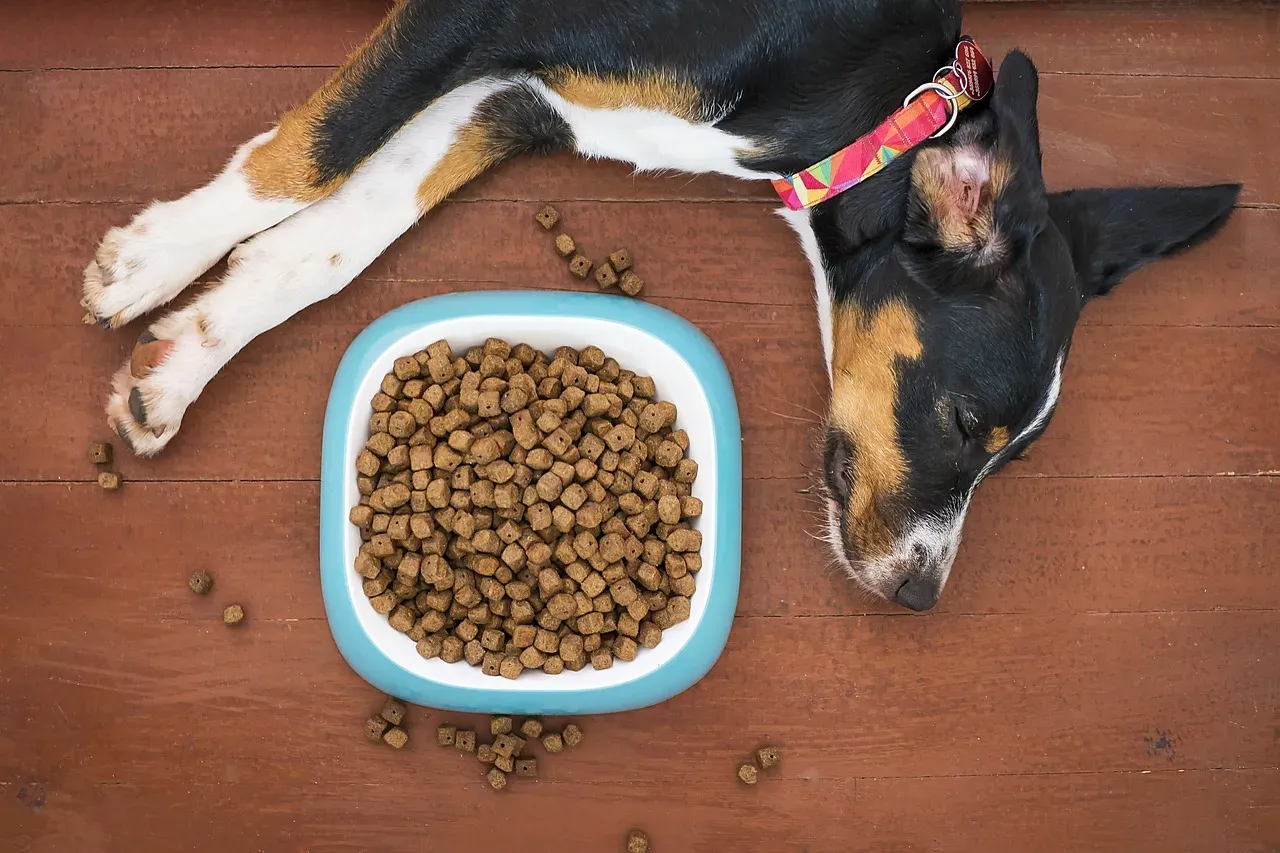
Sometimes the problem isn’t your dog at all – it’s the food. Have you checked the expiration date lately? As they age, dogs can experience a decline in their ability to smell and taste, just as their vision and hearing might become diminished, which means stale or spoiled food becomes even less appealing. Kibble can lose its aroma and palatability over time, especially if stored improperly.
Manufacturers occasionally reformulate their recipes without making a big announcement about it. Your dog’s sensitive nose picks up on these subtle changes immediately. Foods that they once enjoyed can start causing digestive problems, which makes dogs not want to eat the food, and dogs that are allergic to specific proteins or grains found in dog food can resist eating those foods. If your dog develops a food sensitivity or allergy, they might associate that food with feeling unwell and refuse it entirely.
Try warming the food slightly before serving it. Warming the food slightly or adding natural appetite enhancers like bone broth can make meals more inviting, as dogs often respond better to food that’s warm and aromatic. You might also consider whether the food’s texture is appropriate – some dogs develop preferences for wet food over dry, or vice versa. If you suspect the food is the issue and your dog is otherwise healthy, a gradual transition to a new high-quality food might solve everything.
Age-Related Appetite Changes
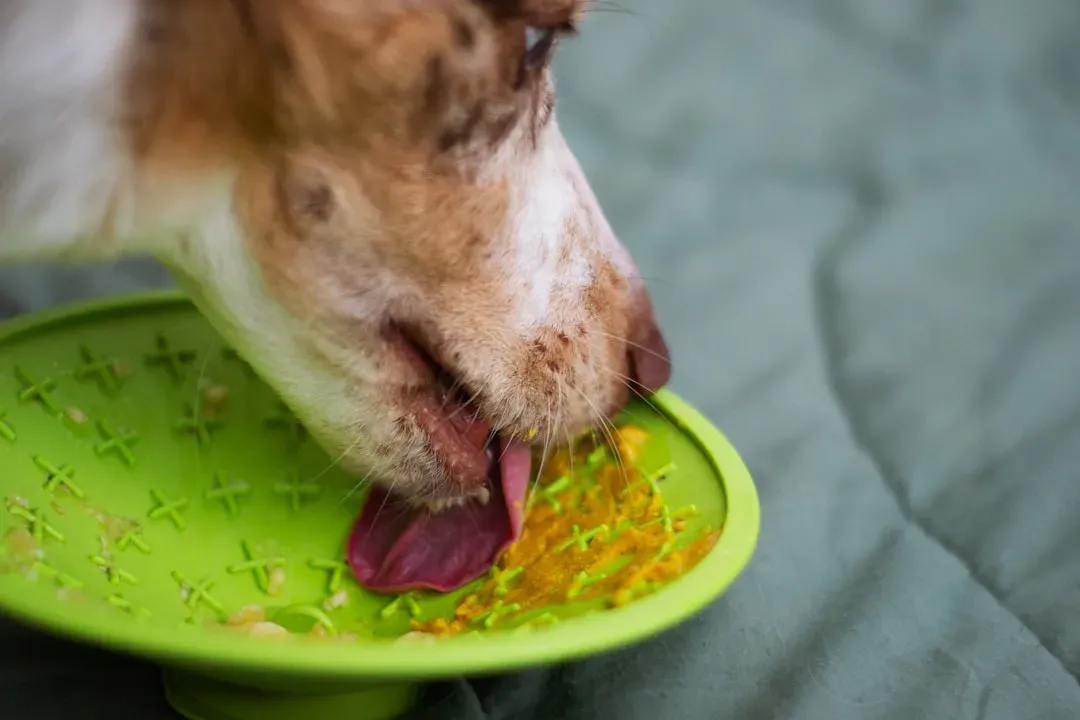
Getting older changes everything, doesn’t it? It does for dogs too. Older dogs may experience a decrease in appetite due to aging-related changes in their metabolism and lower exercise levels. Senior dogs often need different accommodations to make eating comfortable and appealing again.
Their senses aren’t as sharp as they once were. That incredible nose that could smell a treat from three rooms away isn’t what it used to be, making food less enticing. A deterioration of dental structure, a reduction of sensorial capacities, a decrease in the energy demand, and other metabolic changes could directly affect the discrimination and selection of food in domestic dogs. Maybe they need their food bowl elevated because bending down has become uncomfortable for arthritic joints.
Pay attention to your older dog’s specific needs. They might benefit from softer foods that are easier to chew, or they might need smaller, more frequent meals instead of two large ones. If your dog is older, they may just need some accommodations to make mealtime easier, as senior dogs might need their food bowl elevated for easier reach. Adding warm water to kibble can soften it and release more aroma, making it more appealing to diminished senses. The key is adapting to their changing needs with patience and creativity.
Finding Your Way Forward
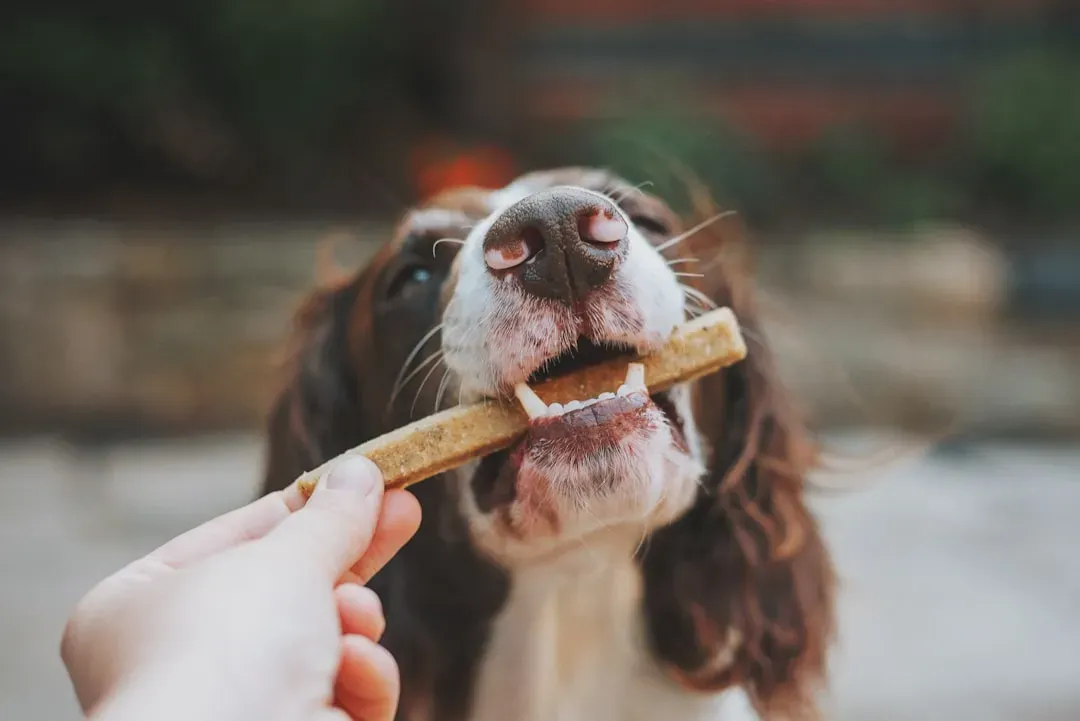
Watching your dog refuse food is genuinely worrying, especially when you don’t understand why it’s happening. The beautiful thing is that once you identify the cause, solutions often follow naturally. Sometimes it requires a vet visit, sometimes a behavior adjustment, and sometimes just a little patience and understanding.
Remember that a pet choosing to eat little or no food as the result of an upset stomach or stress may begin eating again within 24 hours, but loss of appetite for longer than 1-2 days can be a sign of medical emergency and should not go untreated. Trust yourself to know when something needs professional attention versus when you can troubleshoot at home.
Your dog depends on you to be their advocate and detective. Keep a food diary if needed, noting when the pickiness started and any other changes you’ve observed. Most importantly, don’t panic. With a bit of investigation and the right approach, you’ll have your enthusiastic eater back soon. What changes have you noticed in your dog’s eating habits lately? Sometimes talking it through helps you spot patterns you might have missed.


