
You walk into your living room after dinner, and there’s your senior dog racing around in circles with that wild, joyful look in their eyes. Your first thought? Honestly, you might panic a little. It’s confusing, maybe even scary, to see your typically calm older companion suddenly zipping around like they’ve found the fountain of youth. Let me tell you, it’s more common than you think, and it doesn’t always spell trouble. Sometimes it’s actually a good sign. Other times, it warrants a closer look.
Senior dogs can surprise us in the most unexpected ways. They’ve spent years settling into a comfortable rhythm of naps and leisurely strolls, and then boom, they’re acting like they’re two years old again. Here’s the thing: this sudden burst of puppy-like energy can stem from several different reasons, some delightful and others deserving your attention.
They’re Genuinely Feeling Better
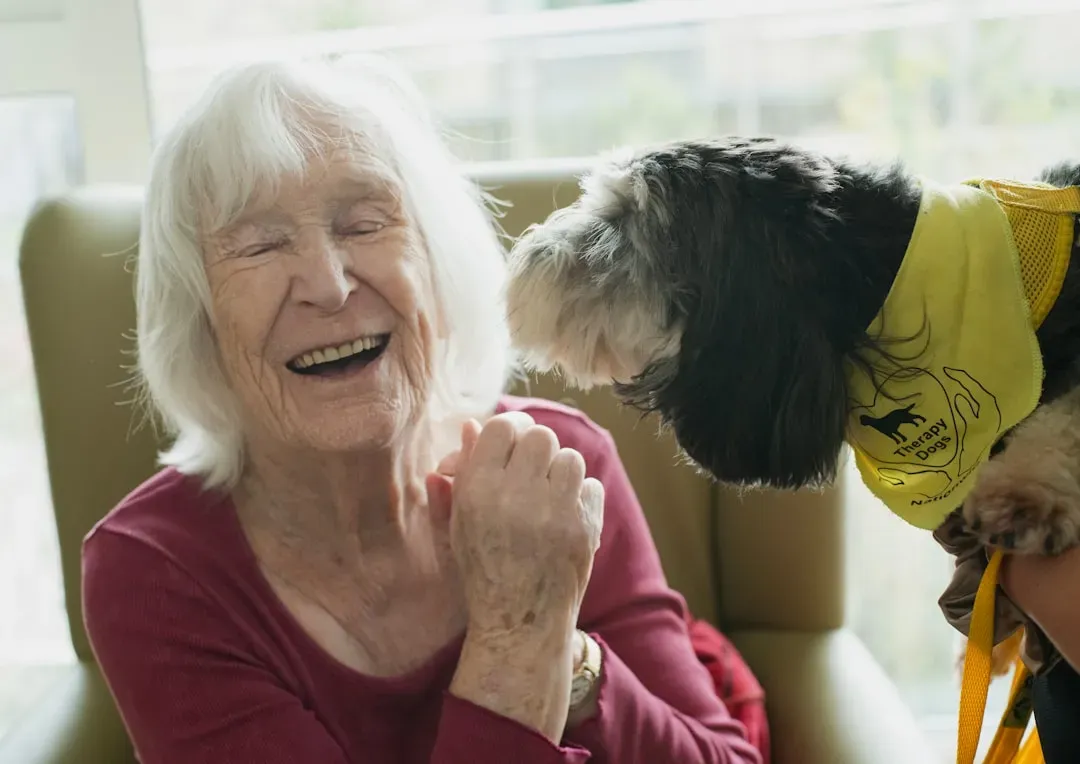
Sometimes the simplest explanation is the right one. A sudden energy boost can occur due to improved health or environmental changes, and this might just mean your dog is feeling really, really good.
Think about it like this: maybe you recently switched their food to something that agrees with their digestion better, or perhaps those joint supplements you started a few weeks ago are finally kicking in. When chronic discomfort eases, even just a bit, dogs feel liberated. They remember what it’s like to move freely, and that joy translates into playful behavior.
Senior dogs may experience energy bursts due to dietary changes, new environments, or even improved health conditions. If your older dog has been receiving treatment for arthritis or another condition, relief from pain can feel like a complete transformation. They’re not necessarily acting weird. They’re just happy to feel like themselves again.
Releasing Pent-Up Energy and Excitement
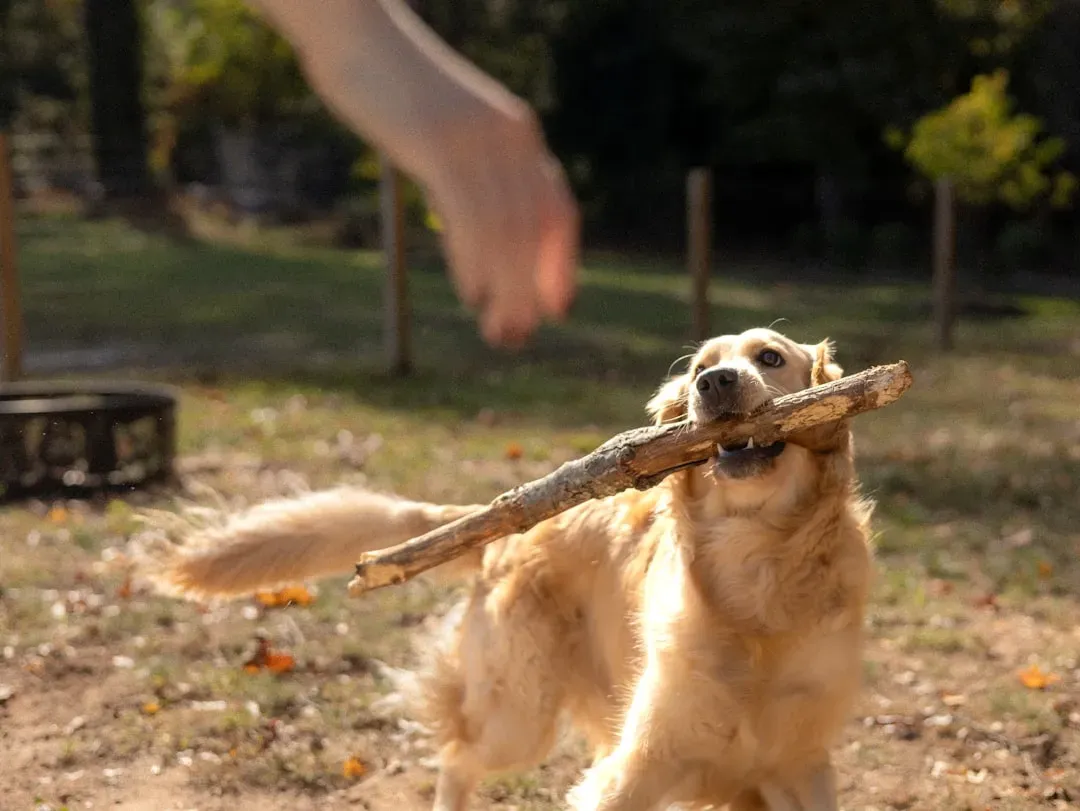
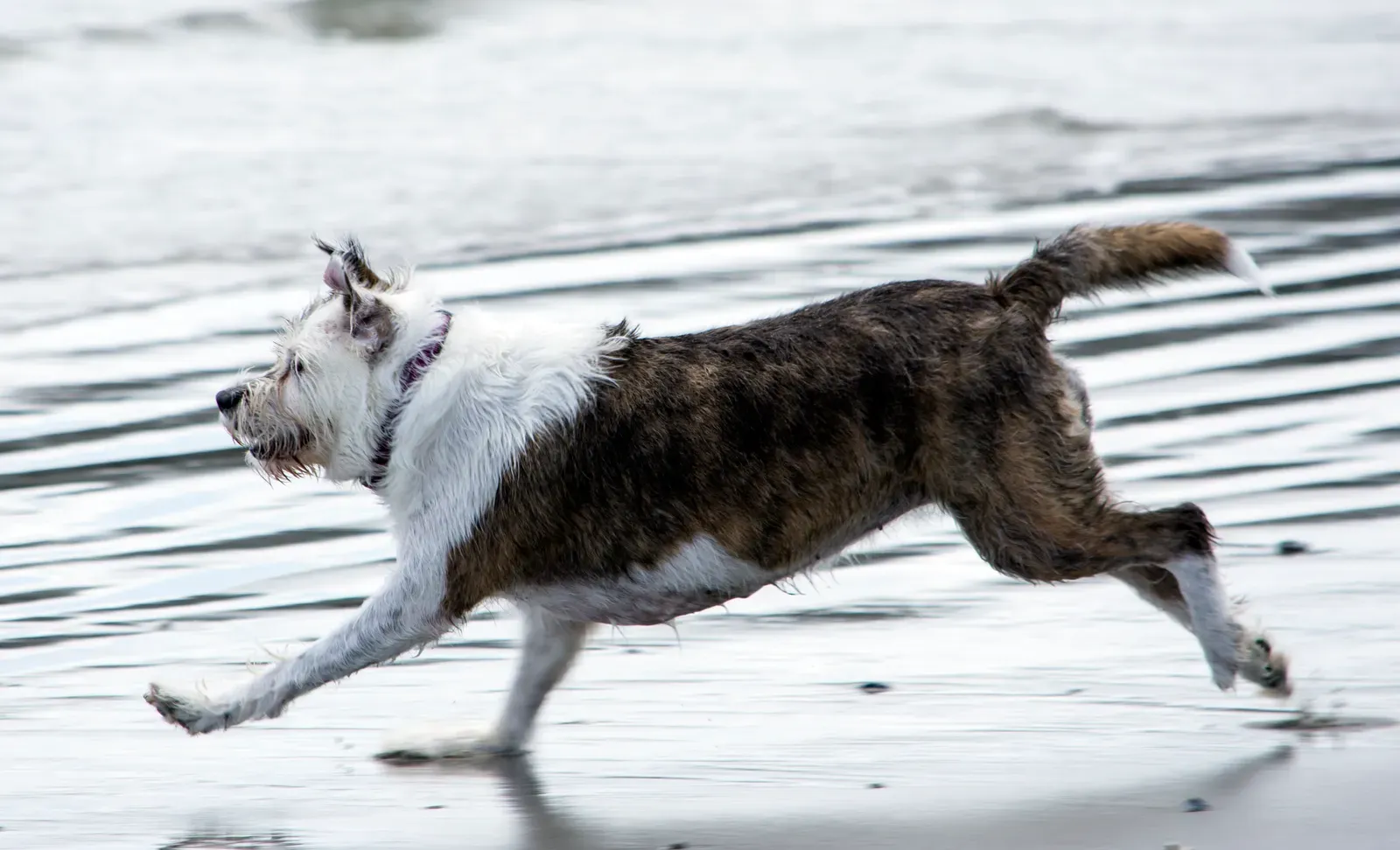
Senior dogs are less likely to have dog zoomies, but it’s still possible for them to get a sudden burst of energy every once in a while. Yes, even older dogs get the zoomies.
You know how kids get wound up after sitting still too long? Dogs are similar. If your senior pup has been resting all day or confined during bad weather, they might suddenly need to blow off steam. Dogs get the zoomies when they have pent-up energy, either physical or emotional, that needs to be released.
Senior dogs, like humans, can sometimes experience days when they feel more energetic or joyful. It’s not that unusual. Maybe something exciting happened, like a favorite person came home, or they heard the crinkle of a treat bag. That surge of happiness can manifest as playful running, bouncing, or even play bows. Let’s be real, it’s adorable when it happens, even if it catches you off guard.
Changes in Routine or Environment
Senior dogs struggle a lot with changes in routines or their environment (such as relocation), and this might be a reason for sudden hyperactivity in your dog, he’s simply overwhelmed. Routine gives dogs a sense of security, especially as they age.
When something shifts, whether it’s a new pet in the house, a move to a different home, or even just a change in your work schedule, older dogs can react in surprising ways. Any change in routine or environment can bring forth behavioral changes, and sometimes that looks like hyperactivity or puppyish behavior.
Elderly dogs can become more emotionally sensitive with age. What once rolled off their back now might trigger a stronger response. Your dog might not know how to process the change, so they act out with bursts of energy or playful antics. It’s their way of coping with the unfamiliar, even if it seems counterintuitive to us.
Cognitive Dysfunction Causing Confusion

This one’s harder to talk about, but it’s important. Cognitive dysfunction syndrome (CDS) is a common age-related disease in dogs that affects the brain, causing deterioration similar to Alzheimer’s disease in humans, and dogs may start to develop CDS around nine years of age, or older.
CCD is common in aged dogs (greater than eight years), affecting between 14% and 35% of the pet dog population, with apparent confusion, anxiety, disturbance of the sleep/wake cycle, and decreased interaction with owners all common clinical signs. Sometimes hyperactivity or unusual playfulness can be part of this decline. It’s not always the stereotypical wandering or staring at walls.
Cognitive changes can lead to restlessness, pacing, or seemingly random bursts of activity. Your dog might not be acting playful in the joyful sense. They might be confused or anxious, and that manifests as frantic movement. If this puppy-like behavior is accompanied by other signs like disorientation, house soiling, or changes in sleep patterns, definitely talk to your vet.
Stress, Anxiety, or Overstimulation
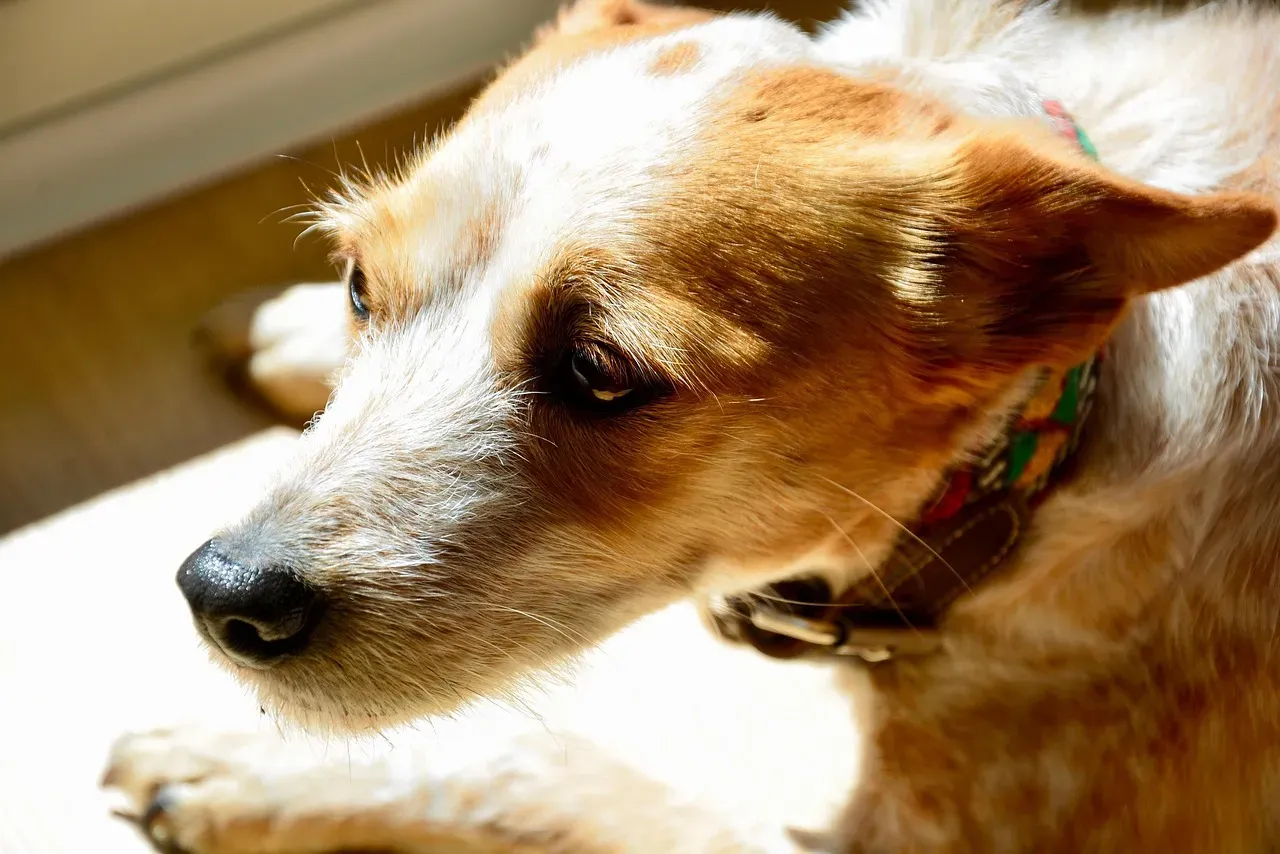
Not all zoomies are happy zoomies. Zoomies aren’t always a sign of a happy dog, as they can be caused by stress, anxiety, fear or pain. Sometimes what looks like playful energy is actually a stress response.
Increased anxiety is also common in seniors, often secondary to mental or physical changes that leave them feeling like less-than-their-best-selves. If your dog has experienced something stressful, like a vet visit, a loud noise, or even bath time, they might release that nervous energy through hyperactive behavior.
Pay attention to body language. A happy, playful dog is loose and wiggly, with a relaxed face and maybe their tongue hanging out. A frightened dog will be tense, wide eyed, and have their tailed tucked under tightly, with their head low and ears folded back submissively. Understanding the difference can help you respond appropriately and comfort your dog when they need it.
Pain or Discomfort They’re Trying to Shake Off
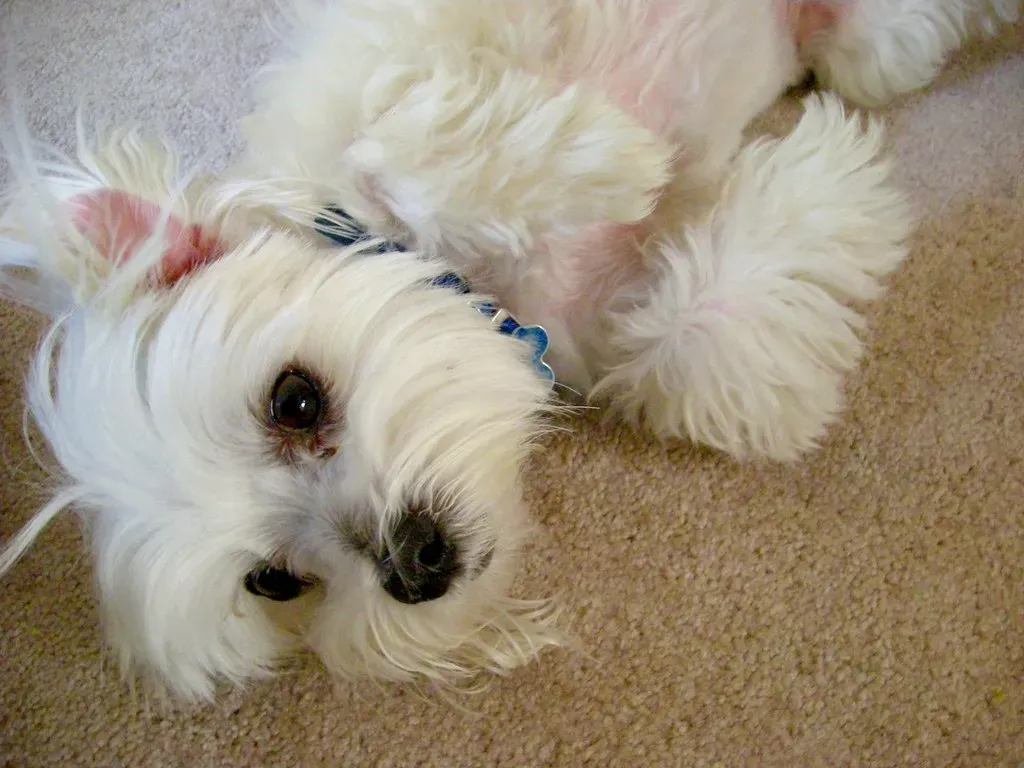
Here’s something that might surprise you: It’s possible that your pooch suffers from some kind of pain or discomfort and tries to get rid of it by jumping around. I know it sounds backward, but dogs sometimes become more active when they’re uncomfortable.
While it’s possible that behavior is a reaction to one of the things listed, it could also be something clinical, as sudden changes in an old dog can be a sign of pain or a disease. Think about how you might pace when you’re anxious or in pain. Dogs do something similar.
Arthritis or other painful conditions can also make a dog feel insecure or grumpy, and that discomfort might show up as restlessness or frantic activity. If your senior dog’s sudden energy seems out of character or is paired with other symptoms like limping, whining, or changes in appetite, it’s time for a vet check. Better safe than sorry, and early intervention can make a world of difference.
Conclusion
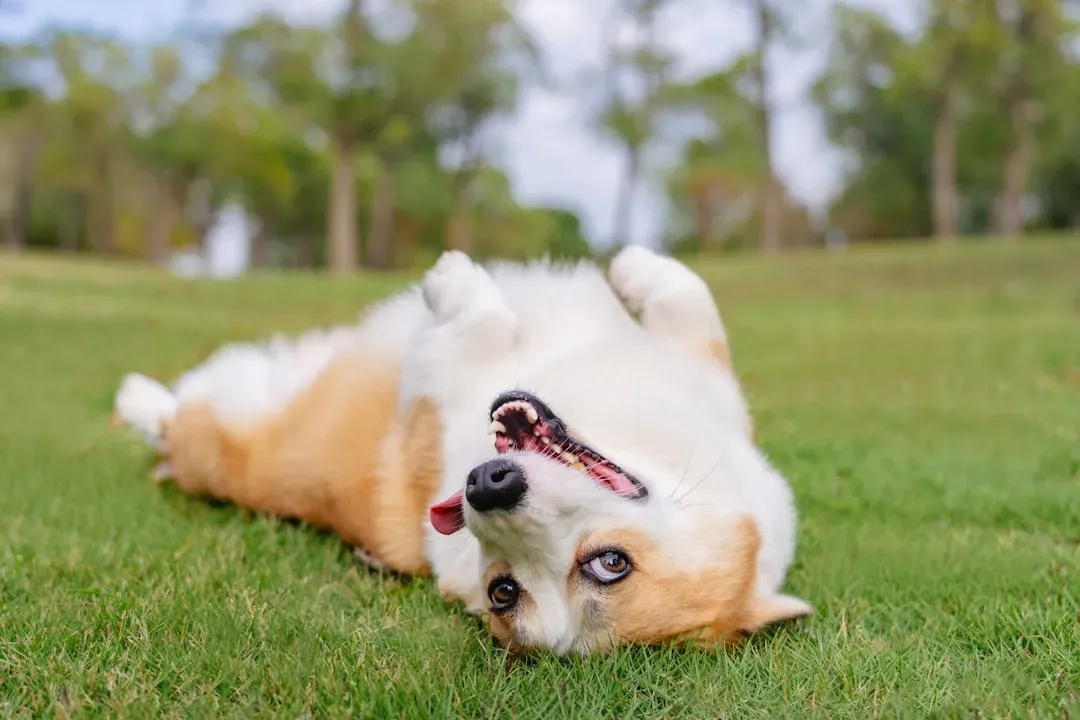
Seeing your older dog suddenly act like a puppy again can be equal parts delightful and worrying. Most of the time, these bursts of energy are harmless and even heartwarming. Your dog might just be feeling good, celebrating a moment of joy, or releasing some pent-up energy.
Still, it’s crucial to pay attention to the context and other behaviors. If the puppy-like antics come with confusion, anxiety, pain signals, or other concerning symptoms, a conversation with your vet is the best next step. Early detection of issues like cognitive dysfunction or underlying pain can help you provide better care and maintain your dog’s quality of life for as long as possible.
Have you noticed your senior dog acting like a youngster again? What do you think triggered it? Share your story in the comments.


