
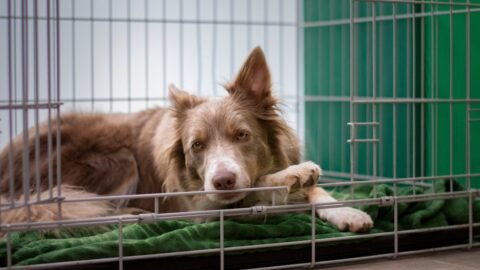
Here’s the thing. You look at a crate and see a cage. Your dog? They see something entirely different.
It’s one of the most common misunderstandings between us and our dogs. We project our own feelings onto them, imagining confinement and restriction where they actually feel safety and calm. I get it. I used to resist crates, too.
Yet walk into any home with a properly crate-trained dog, and you’ll likely notice something surprising. That dog goes into their crate willingly, sometimes even choosing to nap there with the door wide open. Let’s explore why your dog might genuinely love that space you’ve been hesitant about.
It Taps Into Their Natural Desire For Small, Secure Spaces
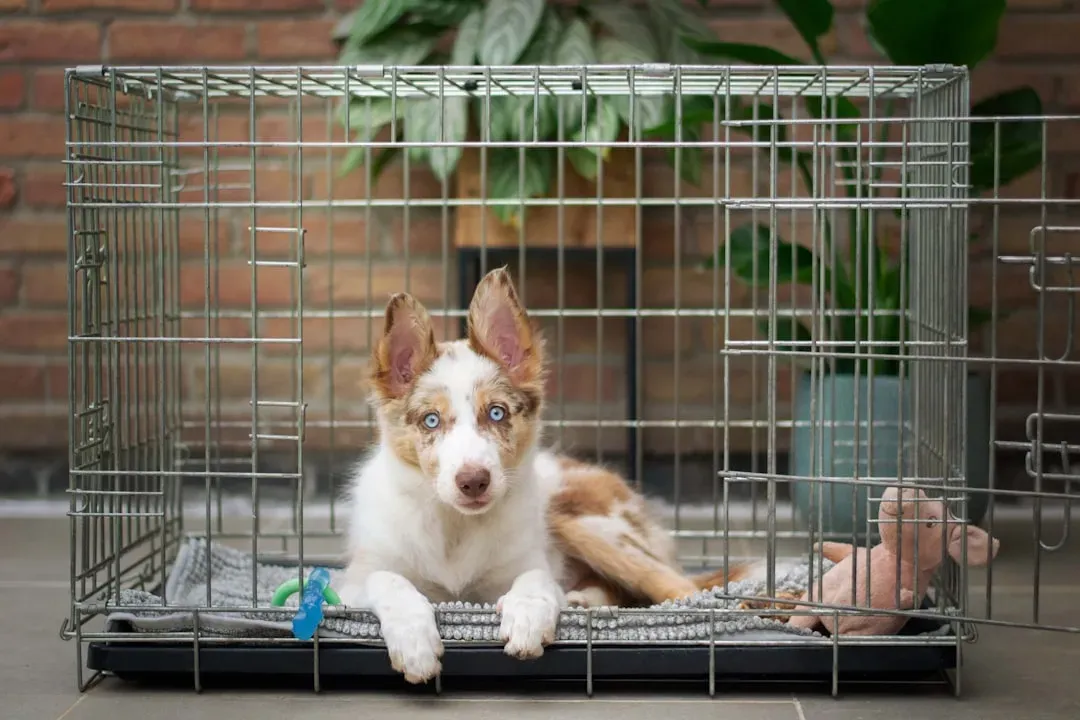
Dogs need a den, or a small space just for them, to feel safe, cozy, and secure. When a crate is used appropriately, it can give dogs this feeling of a safe space and it can be a sanctuary for a dog. Think about where your dog naturally gravitates when they’re tired or overwhelmed. Under the coffee table? Behind the couch? Tucked into that narrow space between your bed and the wall?
That’s not random. While dogs are not officially considered “den animals” (animals that spend most of their lives in a cave or underground), they do have similar instincts and usually enjoy being in enclosed environments. Your dog isn’t seeking isolation when they wedge themselves into tight spots. They’re seeking security.
They seek out small, enclosed spaces for comfort, especially when overwhelmed. Think about it: when a dog is nervous, do they stretch out in the middle of a wide-open space? No. They tuck themselves under a table, curl up in a corner, or even hide under your legs. A properly sized crate simply provides that instinctive comfort in a structured way.
It Becomes Their Personal Retreat From Household Chaos
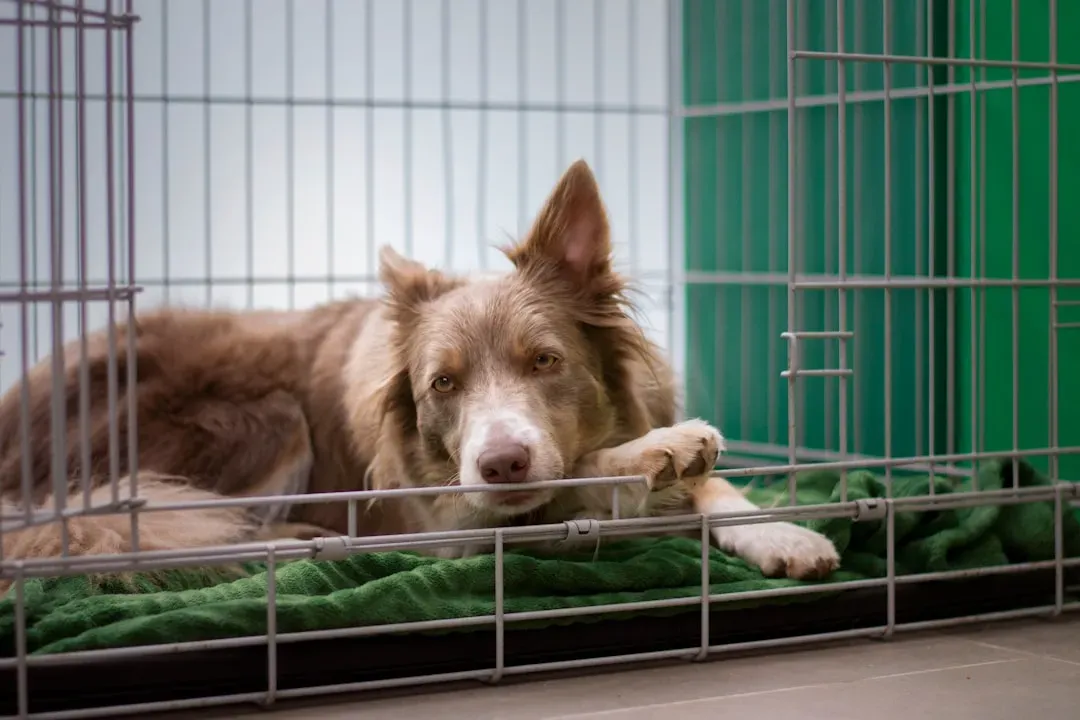
Imagine having young children running around, visitors constantly coming and going, or another pet who doesn’t understand boundaries. Can enjoy the privacy and security of a den of her own, to which she can retreat when tired, stressed or not feeling well. That’s exactly what the crate offers your dog.
Remaining in a crate when company is over is usually acceptable behavior for a dog. Perhaps he’s anxious and needs a retreat, or he is just tired and doesn’t want to be bothered. The crate is his go-to resting space, and it’s great that he’s using it appropriately.
Your dog can’t tell you when they’re overstimulated or need a break. Instead, they show you by disappearing into their crate. It’s not rejection of the family. It’s smart self-regulation. The crate gives them permission to opt out of social interactions without feeling vulnerable.
It Helps Them Regulate Their Emotions And Settle Down

A structured crate routine helps dogs regulate their emotions by offering a retreat when needed. This is particularly beneficial for high-energy breeds or puppies who may struggle with overstimulation. Let’s be real. Dogs don’t naturally know how to calm themselves in our busy human world.
When you create structure, you eliminate a significant amount of the anxiety that stems from unpredictability. Instead of frantically pacing the house when overwhelmed, your dog learns to settle themselves. The crate teaches them that downtime exists, that rest is safe, and that they don’t need to be on high alert constantly.
Dogs, much like humans, benefit from consistent sleep routines. A crate provides an undisturbed, quiet environment that encourages deeper, more restorative sleep. By creating a dedicated sleep zone, dogs establish healthy rest patterns, improving their mood, behavior, and cognitive function. Better sleep means a happier, more balanced dog.
It Reduces Their Anxiety During Stressful Situations
The initial stress from being confined can give way to “increased feelings of security, safety, and comfort” after repeated exposure to the crate. Once your dog forms positive associations with their crate, it becomes their safe zone during thunderstorms, fireworks, or when unfamiliar people visit.
As humans, we worry that dogs will feel confined, but the opposite is true: A crate can provide a sense of security and help calm anxiety. Honestly, I’ve watched dogs run directly to their crates at the first rumble of thunder, not because they were forced, but because that’s where they feel most protected.
A study published in the Journal of Veterinary Behavior found that crate-trained dogs exhibited lower cortisol levels when left alone compared to dogs without a structured retreat space. This demonstrates how a properly introduced crate can significantly enhance a dog’s ability to cope with solitude. The research backs up what many dog owners already observe in their homes.
It Makes Travel And Vet Visits Less Traumatic
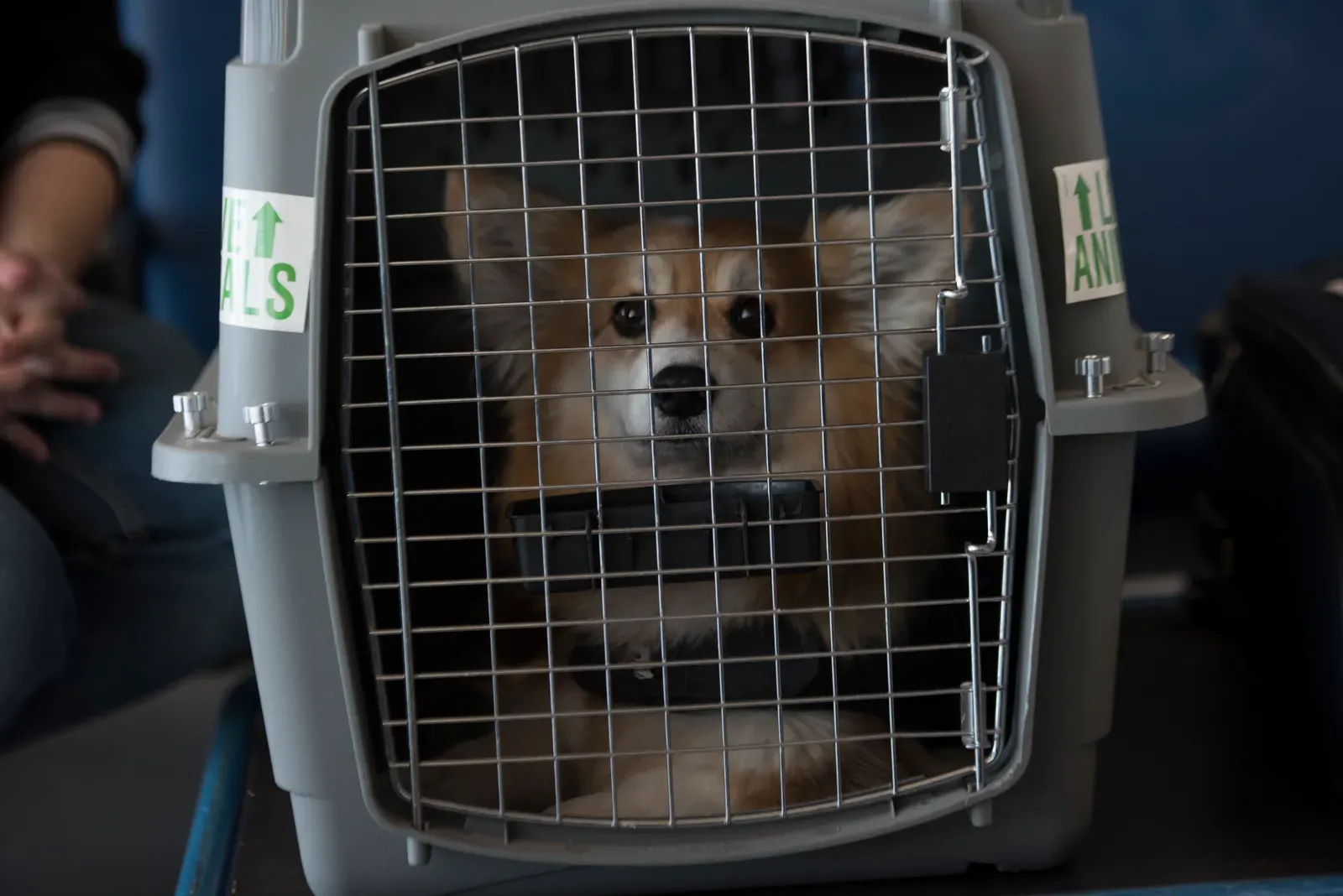
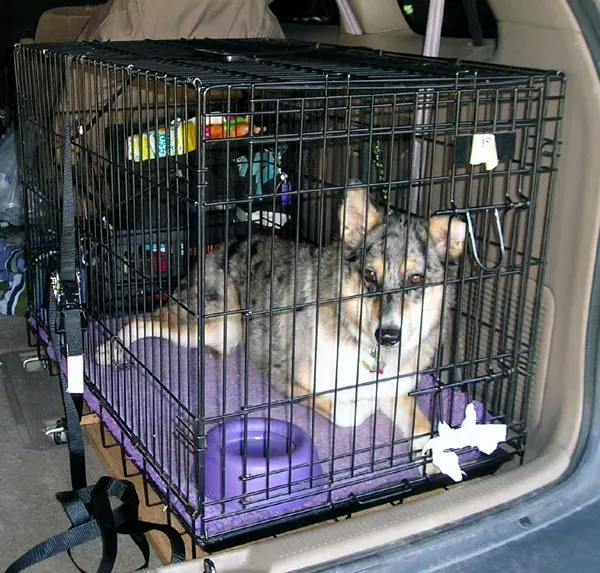
Crates make it easier to safely transport your dog by car or by air during long-distance travel or vacations. Crate training makes long car rides more pleasant for both humans and canines. Your dog’s crate travels with them, providing familiarity in unfamiliar situations.
Can travel with your dog safely and be assured that she will more easily adapt to strange surroundings as long as she has her familiar “security blanket,” her crate. Whether it’s a trip to the veterinarian or a weekend at your parents’ house, that portable safe space reduces stress dramatically.
When your dog learns that the crate is a safe space for them to settle down and relax, then having a dog crate can be helpful for multiple situations – including basic house training and preventing destructive behavior when you cannot directly supervise them. It also prepares your dog for a less stressful experience if they ever need to be placed in a crate for travel, hospitalization or in the event of an emergency.
It Prevents Destructive Behavior Born From Boredom Or Anxiety
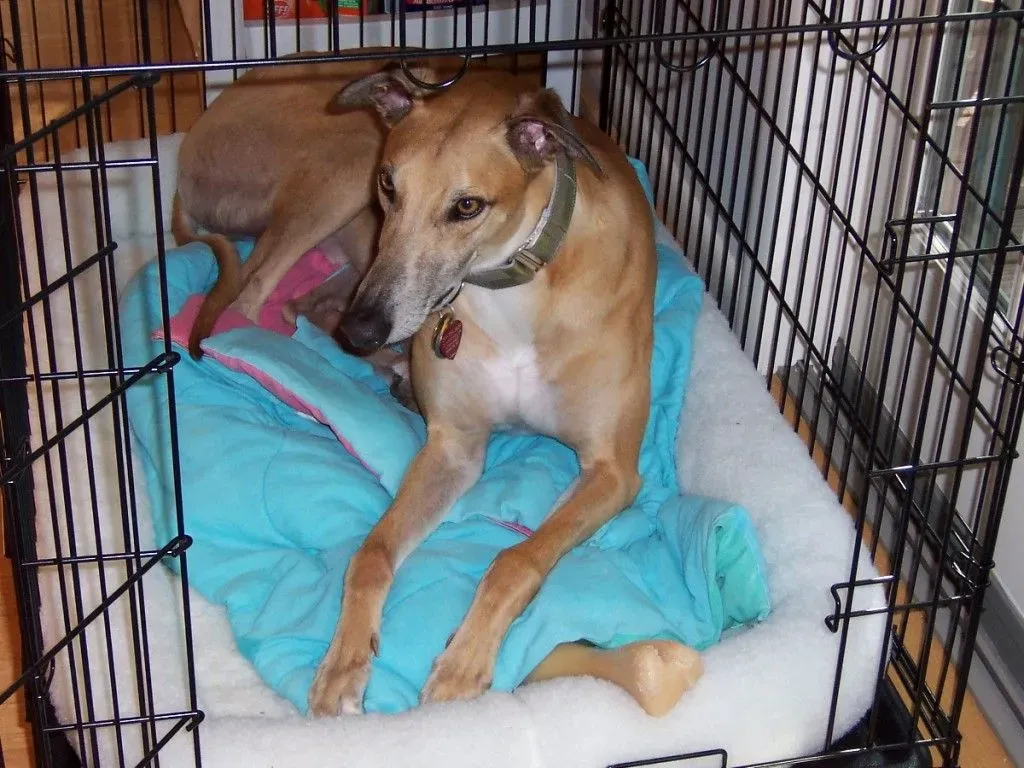
The benefits of crate training include: Preventing destruction: Anxiety and boredom are common reasons dogs destroy things. Crate training limits your dog’s access to furniture and other items if they get bored and want to chew. It can also help alleviate their anxiety; if your dog feels safe and secure in their crate, this can deter the instinct to chew destructively.
This isn’t about punishment or containment. It’s about preventing your dog from making choices they can’t undo. Crates keep curious puppies safely sequestered when you’re not able to supervise them. Dogs instinctively try to keep their sleeping areas clean. As such, the crate helps puppies learn to hold and strengthen their bladder and bowel muscles, making housebreaking less of a chore for you and your dog.
The crate protects your belongings, yes. More importantly, though, it protects your dog from ingesting something dangerous or getting into a situation that could harm them. It’s a management tool that keeps everyone safe and stress levels low.
Conclusion
Your dog’s relationship with their crate likely differs dramatically from how you perceive it. Where you might see bars and confinement, they experience comfort and predictability. Using a crate as a personal and protected space can be beneficial if the dog retains control over its use.
The key is introducing the crate positively, never using it as punishment, and recognizing that it serves your dog’s emotional needs in ways we sometimes overlook. When done right, crate training isn’t about controlling your dog. It’s about giving them the tools to self-soothe, rest deeply, and navigate our human world with confidence.
What has your experience been with crate training? Does your dog voluntarily choose their crate even when the door is open?


