

You know your dog better than anyone. That goofy grin when you get home from work, the excited tap-dance before dinner, the precise spot on the couch where they curl up each evening. Dogs are creatures of habit, and that’s actually a blessing in disguise. Because when something’s off, even slightly, those small deviations can be your first clue that your furry friend isn’t feeling quite right.
Here’s the thing, though. Dogs will instinctively hide how they feel in the early stages of an illness, a survival mechanism hardwired into them from their wild ancestors. So by the time they’re visibly struggling, they might have been suffering quietly for days. Learning to read the subtle signs they’re sending can make all the difference in catching health issues early, when they’re often easier to treat and less distressing for your beloved companion. Let’s dive into those secret signals your dog might be using right now.
The Sudden Shift in Social Behavior

Has your usually gregarious pup started avoiding family members or hiding in unusual places? Maybe your independent dog has become your shadow, following you from room to room with an almost desperate neediness. Behavioral shifts may suggest sickness including becoming more withdrawn or hiding from family members, or showing sudden irritability or aggression when usually calm. These changes aren’t just quirks or mood swings.
When dogs don’t feel well, it often manifests in the form of sudden personality changes, such as being antisocial, snippy, aggressive, or lethargic, while other dogs won’t show negative behavior, but a typically independent dog might become extra clingy or needy. I’ve seen dogs who normally greet visitors with enthusiasm suddenly cower or retreat when the doorbell rings. Others might snap at children they usually adore. These aren’t signs of a bad temperament, they’re often your dog’s way of saying something hurts or feels wrong.
Pay special attention if your friendly dog suddenly growls when you touch a particular area. That’s not aggression, that’s communication. They’re protecting a sore spot.
Changes in Sleep Patterns You Might Dismiss
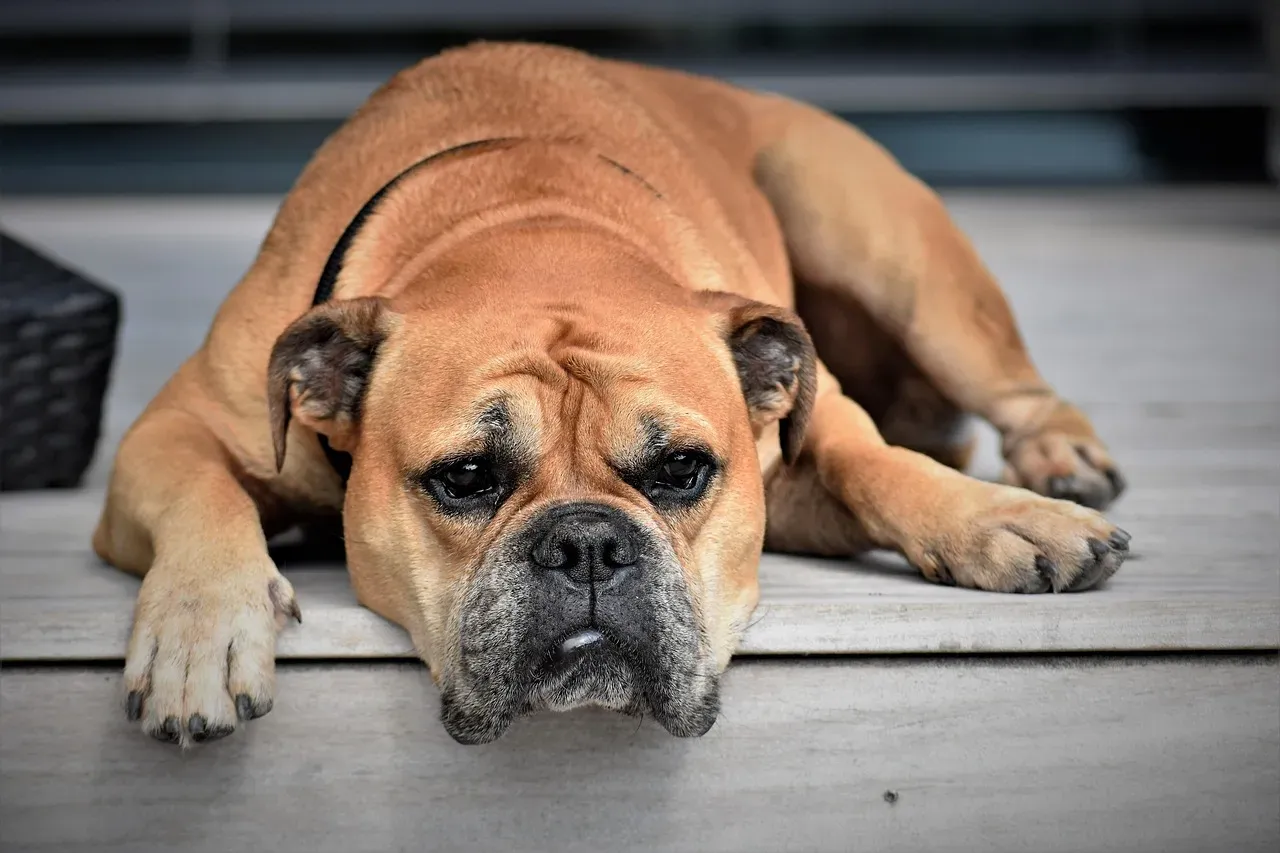
Sure, dogs sleep a lot. Puppies can snooze up to 20 hours a day, and senior dogs aren’t far behind. Yet there’s a difference between normal rest and the kind of exhaustion that comes with illness. Sleeping much more or less than normal can be a behavioral shift that may suggest sickness.
Is your energetic morning companion suddenly refusing to get up for their usual walk? If your pet suddenly seems tired, refuses to play, or sleeps excessively, it may be a sign of an underlying illness. On the flip side, a dog who can’t seem to settle, pacing restlessly through the night, might also be dealing with discomfort.
Since pain can exhaust dogs just as it does humans, many dogs become tired more easily, and you may notice your dog sleeping more if their pain has become a problem recently or they are experiencing chronic pain. Think of it like when you’re coming down with the flu. Sometimes you can barely keep your eyes open, other times the discomfort keeps you tossing and turning. Dogs experience the same thing.
The Appetite Anomaly
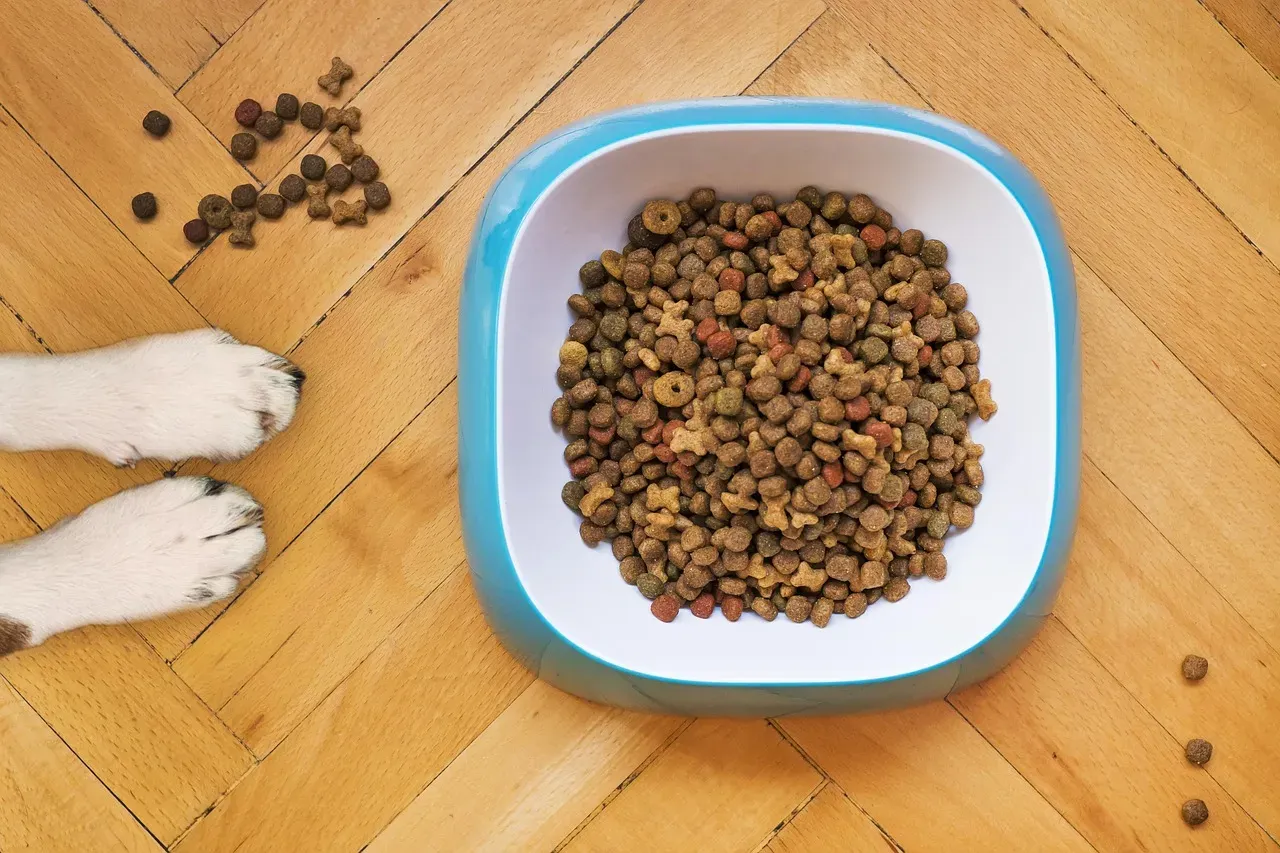
Few things are as reliable as a dog’s enthusiasm for food. So when that enthusiasm wanes, it’s worth taking seriously. A dog that refuses meals or suddenly seems hungrier than usual may have an underlying issue, and gradual or sudden weight loss is another warning sign that requires veterinary evaluation.
Maybe they’re approaching their bowl but just sniffing and walking away. Perhaps they’re eating only the treats but ignoring their regular food. A missed meal now and then is not always a cause for concern, but when appetite loss continues for more than a day, it could indicate a problem. Honestly, if my food-obsessed Labrador ever skipped breakfast, I’d be on the phone with the vet immediately.
Conversely, sudden increases in appetite can also signal trouble. Drinking too much water can indicate that your pet has a fever, hormone issues, diabetes, or kidney disease. These changes in consumption patterns are your dog’s body trying to tell you something’s not functioning properly.
Subtle Grooming and Postural Changes
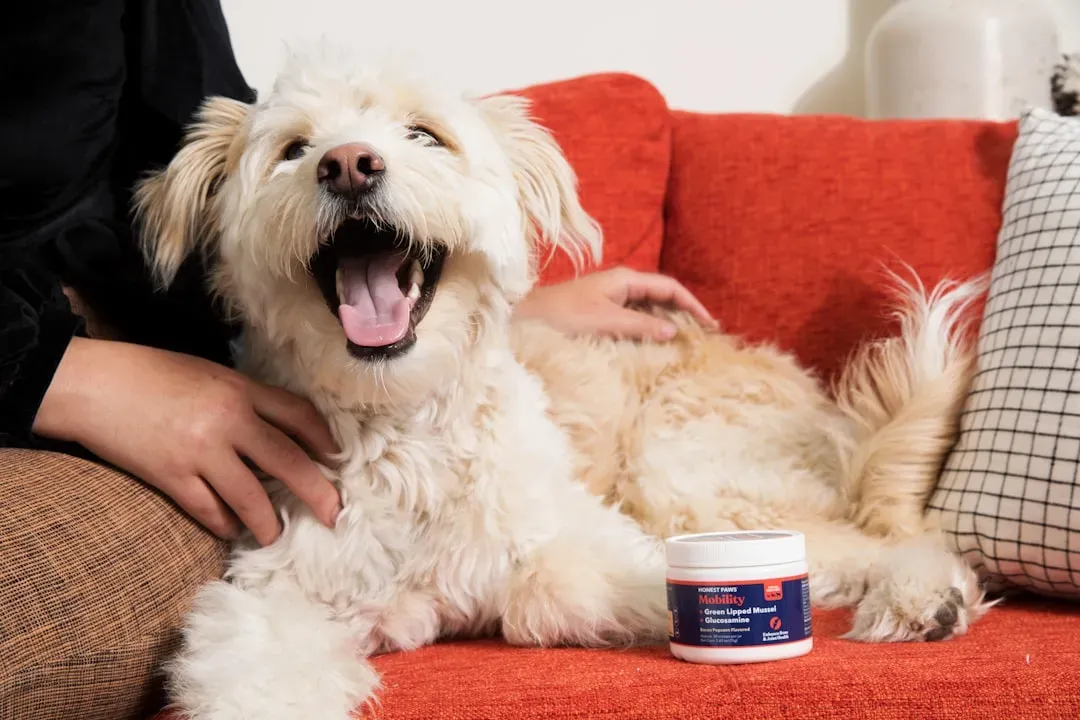
Dogs sometimes lick or chew at a sore spot, which can lead to redness or even sores, and changes in posture, such as arching the back, favoring one limb, or shifting weight when sitting or lying down, may also signal discomfort. You might notice a damp patch of fur where they’ve been obsessively licking, or catch them frequently looking back at their hindquarters.
Watch how your dog gets up from lying down. If your pet is slower to get up from a nap or cuddle session, this could be an early sign of osteoarthritis, which can be painful for dogs and cats. That hesitation before jumping onto the couch, the careful way they navigate stairs they used to bound up, these aren’t just signs of aging. They can indicate joint pain, muscle soreness, or internal discomfort that needs attention.
A normally well-groomed dog whose coat suddenly looks dull or unkempt might also be waving a red flag. When dogs don’t feel well, grooming often falls by the wayside.
Respiratory Oddities Beyond the Obvious
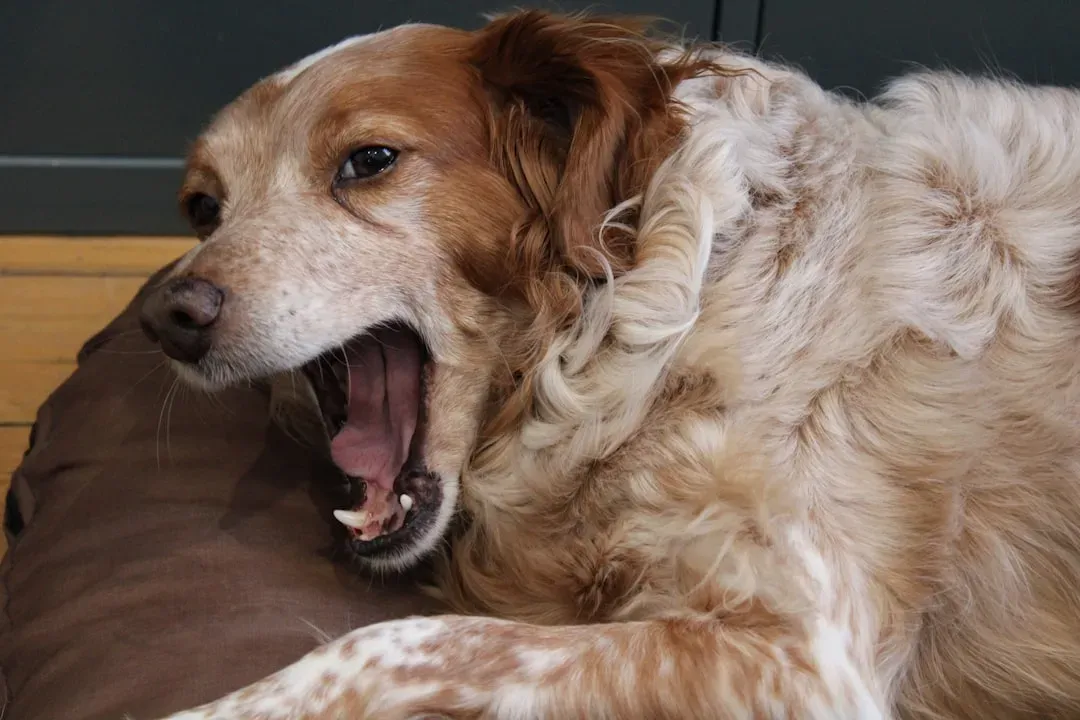
Difficulty breathing, persistent coughing, or wheezing should always be taken seriously, as dogs rely heavily on their respiratory system during exercise and play, so problems here can quickly affect their well-being. I’m not just talking about dramatic panting after a run. Look for the dog who’s breathing heavily while resting, or making unusual sounds when they breathe.
Coughing, wheezing, trouble breathing, and nasal discharge are all signs of a respiratory problem, and these symptoms can range from a simple cold to canine flu, kennel cough, or heart failure, while hearing a honking noise can indicate a condition called tracheal collapse that is common in some small dog breeds. That little cough you’ve been dismissing as nothing could be the early warning of something more serious.
Does your dog pant excessively even in cool temperatures? Are they reluctant to exercise when they used to love long walks? These respiratory changes can indicate heart problems, infections, or other conditions that worsen rapidly without treatment.
Bathroom Habit Disruptions
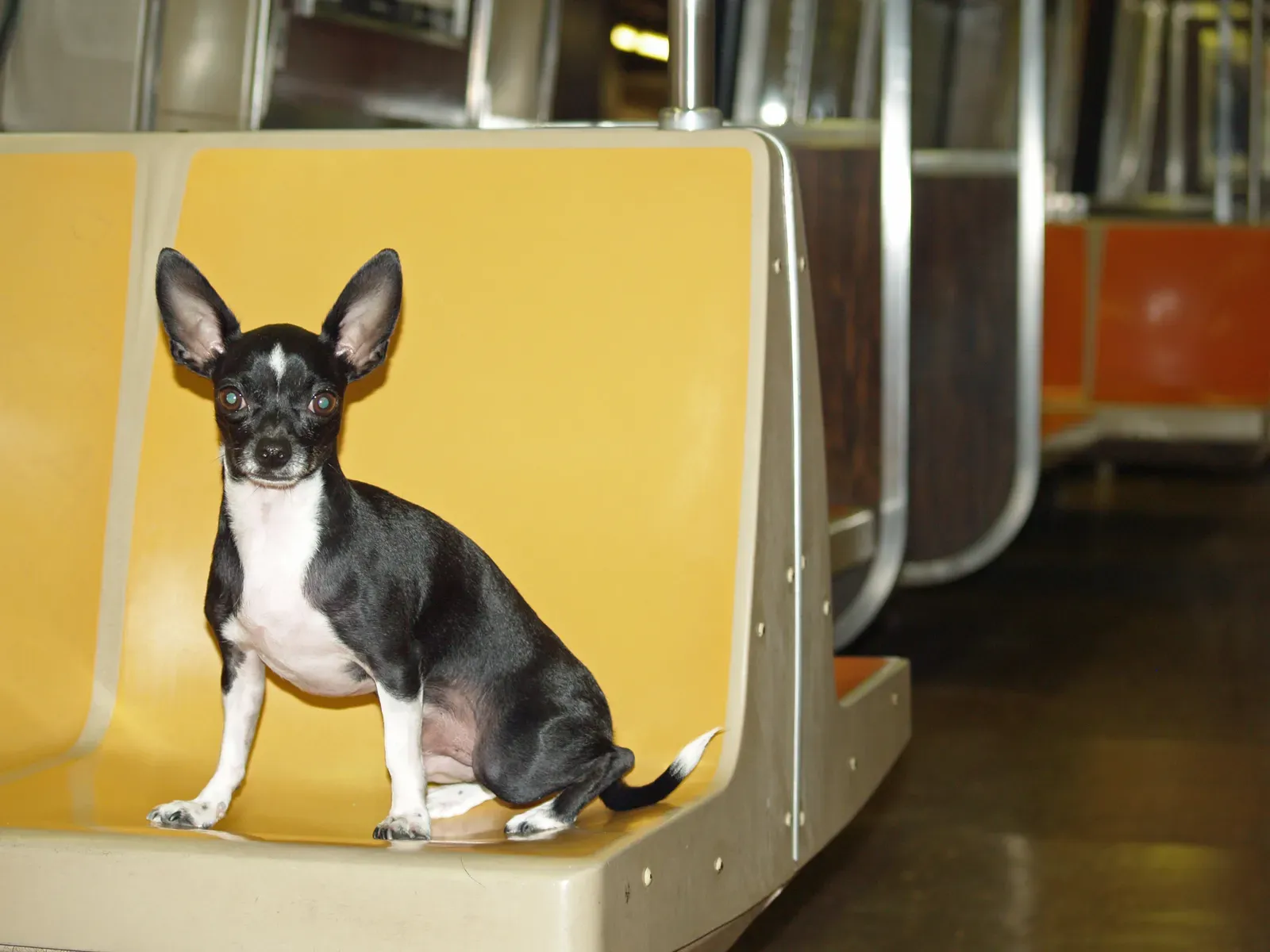
Your dog’s urine and stool can reveal valuable information about their health, and changes in color, frequency, or consistency may signal problems with the urinary tract, kidneys, or digestive system. A well-trained dog who suddenly has accidents in the house isn’t being spiteful or forgetting their training.
If your well-trained dog hasn’t had an accident in the house in a long time and is suddenly having frequent messes, there’s likely a medical reason, and changes in elimination habits lasting more than a couple of days, such as accidents, difficulty passing a bowel movement, diarrhea, difficulty urinating, or notable changes in the frequency or volume of urine should not be ignored. Straining to urinate, producing only small amounts, or showing signs of discomfort in the bathroom are all urgent signals.
Similarly, digestive changes beyond the occasional upset stomach warrant attention. Vomiting, diarrhea, or constipation can occur occasionally, but frequent episodes often indicate illness, and changes in stool color, odor, or consistency also warrant attention. Keep an eye on what’s happening during bathroom breaks, even though it’s not the most pleasant part of dog ownership. Those observations can provide crucial diagnostic information for your vet.
Conclusion
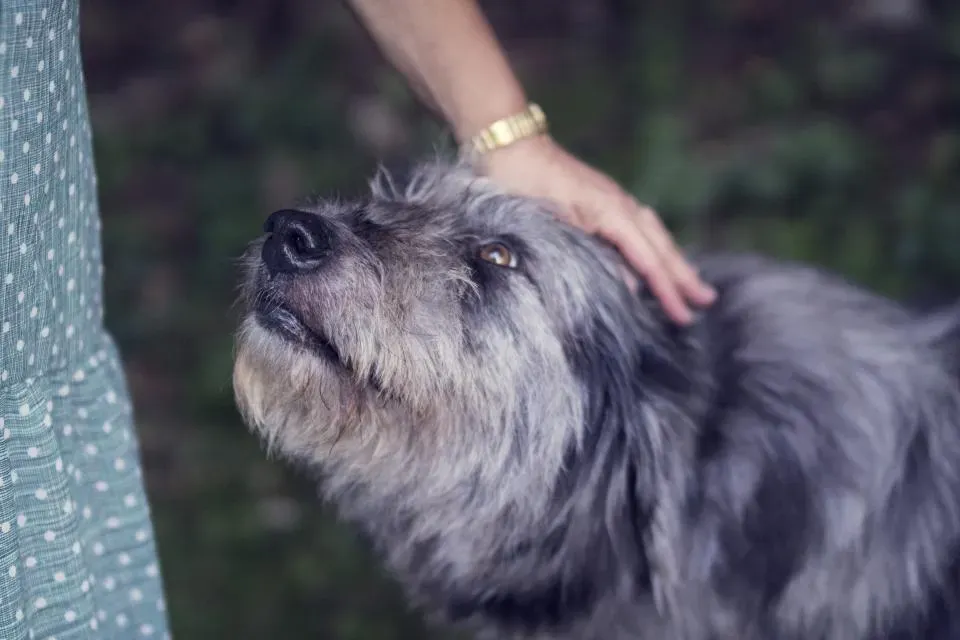
Since dogs cannot verbally communicate their pain, understanding their nonverbal cues is critical for early identification and management, and proactive pain recognition can help slow the progression of chronic pain and improve your dog’s quality of life. The secret signals we’ve explored aren’t always dramatic or obvious. They’re the whispered concerns your dog is trying to share through the only language they have.
Trust your instincts. You’re the expert on your dog’s normal behavior, and any persistent change from that baseline deserves attention. Dogs often hide early signs of illness, making vigilance key for every pet owner, and by observing subtle symptoms that could indicate your dog is sick, documenting changes, and seeking timely veterinary care, can help keep your dog in good health and maintain their overall well-being.
The bond between you and your dog is built on love, loyalty, and communication. By learning to read these subtle signals, you’re honoring that bond and ensuring your companion gets the care they need when they need it most. What changes have you noticed in your pup lately? Sometimes the smallest observations make the biggest difference.


