
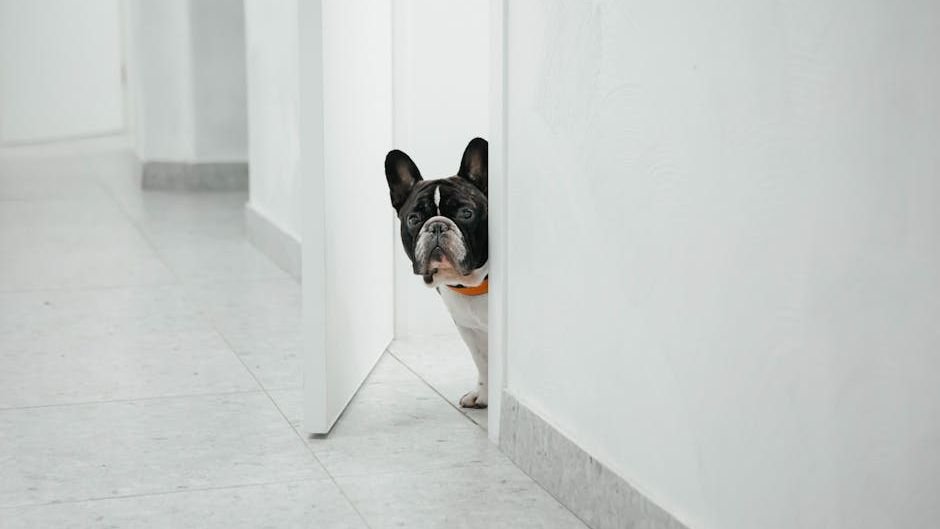
Your dog can’t text you when something feels off. They can’t tell you they’re overwhelmed or scared or that the thunderstorm outside is making their heart race. Instead, they speak in a language made entirely of body cues, behaviors, and subtle shifts that are surprisingly easy to miss if you don’t know what to look for.
Here’s the thing: research suggests that roughly one quarter to one half of pet dogs exhibit some form of anxiety-related behavior, but much of it goes completely unnoticed by their owners. That’s a lot of quietly suffering dogs whose humans love them deeply but simply don’t recognize the signs. If you’ve ever wondered whether your pup is stressed, nervous, or just being “weird,” you’re in the right place. Let’s dive in.
Sign 1: Excessive Barking, Whining, or Howling That Seems Out of Nowhere
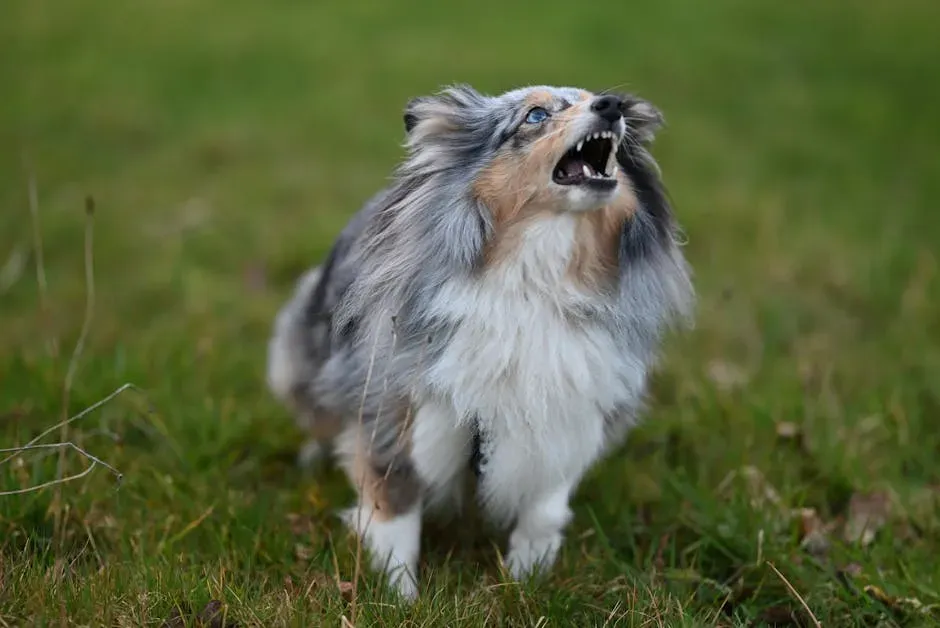
We all know dogs bark. That’s kind of their thing. But there’s a big difference between the excited bark when you grab the leash and the persistent, almost frantic vocalization that seems to come from nowhere.
Barking is a natural way for dogs to communicate, but a dog who barks nonstop may be trying to tell you they’re stressed out. Anxiety-related barking typically occurs alongside other behaviors, such as pacing. Similarly, whining is another normal way for dogs to communicate, but it can also mean your pup is feeling anxious, especially if they’re pacing or trembling at the same time.
Honestly, the key is context. A dog whining at the dinner table is one thing. A dog whining, pacing, and refusing to settle after you put your shoes on? That’s a different story entirely. Try creating a calm pre-departure routine, keeping your goodbyes short and low-key, and rewarding your dog’s quiet, settled behavior with treats or gentle praise.
Sign 2: Pacing, Restlessness, and the Inability to Settle Down

Picture this: it’s a quiet evening, you’re relaxing on the couch, and your dog just won’t stop moving. Back and forth, circles around the coffee table, up, down, and repeat. It can look almost comical at first. But it’s really not.
An anxious dog may have difficulty settling down and may pace back and forth. A dog that paces and pants, particularly at night, is often restless and doesn’t want to settle, and may also seem disoriented. This restlessness is the body’s stress response in overdrive, basically a dog that can’t switch off their internal alarm system.
Playtime and exercise are essential for a dog’s mental and physical health. In addition to burning off excess energy, regular exercise releases endorphins, which reduce anxiety and stress in dogs. Even a solid 30-minute walk before your dog’s typical stress window, like late afternoon or before a storm, can make a surprising difference.
Sign 3: Hiding, Withdrawing, or Trying to Escape the Situation
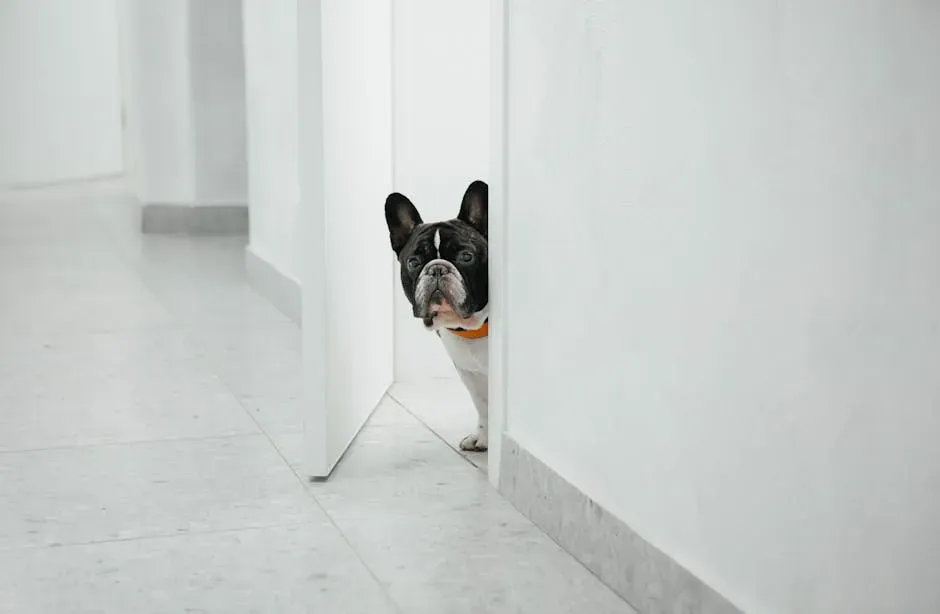
Has your dog ever suddenly vanished under the bed during a party? Or bolted behind you the moment a stranger approaches? That’s not shyness. That’s your dog sending you an SOS signal. It deserves your attention.
Hiding or escape behavior is common in anxious dogs. Some tense dogs move behind a trusted person or behind a nearby object. They may even nudge or jump on their person to prompt them to move along. Some dogs will try to hide or withdraw from a situation entirely. Others might bolt when frightened, which can be highly dangerous.
The most important thing you can do here is resist the urge to drag them out or force the interaction. If your dog avoids interaction with other dogs or people, do not force the issue. Respect their choice. Instead, one of the most effective ways to soothe an anxious dog is by providing a designated safe space where they can retreat and feel secure. This could be a quiet room or a cozy crate equipped with their favorite blankets and toys.
Sign 4: Destructive Behavior When Left Alone
Coming home to a chewed-up couch cushion or a scratched door frame is frustrating. I get it. But before you scold your dog, take a breath. What looks like “bad behavior” could actually be a cry for help.
Dogs can show signs of distress such as whining, howling, barking, pacing, house soiling, or destroying household items after their owner leaves. Scared dogs will do anything within their power to escape if they feel trapped, which can lead to clawed wallboards, chewed trim, broken windows and screens, and sometimes serious injuries. These escape behaviors can all be signs of separation anxiety as they attempt to be reunited with their owners.
It is estimated that between about one in seven and one in five dogs have separation anxiety. That’s genuinely a lot. If this sounds familiar, start small: if your dog has separation anxiety, you can gradually desensitize them to being left alone by first just walking out of the room and immediately coming back, then gradually increasing the amount of time you are out of sight. Small wins build big confidence.
Sign 5: Excessive Licking, Yawning, or Lip-Licking in Tense Situations
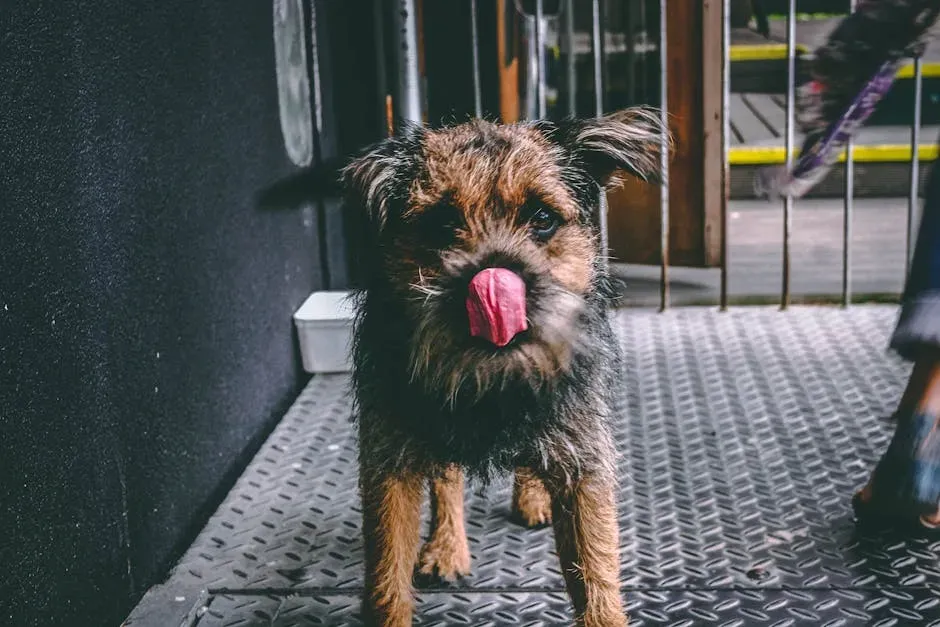
This one surprises almost everyone. Most people see their dog yawning and think, “Cute, they’re sleepy.” Or they notice a lot of lip licking and assume their dog just wants a snack. These assumptions, though completely understandable, can cause you to miss something important.
Dogs often rely on low-level appeasement and displacement behaviors, like looking away, lip-licking, and making slow movements, to avoid conflict while still coping with stress. Repetitive behaviors like these can have a calming effect, similar to how a person might twirl their hair or tap their foot when nervous. Unfortunately, the positive effect is mild and temporary, and not always without adverse consequences. Excessive licking, for example, can lead to hair loss and injury to the skin.
Think of it this way: your dog is self-medicating with the only tools they have. Learning to read dog body language so you can spot the first signs of stress, such as lip licking or pulled-back ears, allows you to act quickly to change the situation and relieve your dog’s discomfort. Catching it early is everything.
Sign 6: Changes in Posture, Dilated Pupils, or a Tucked Tail
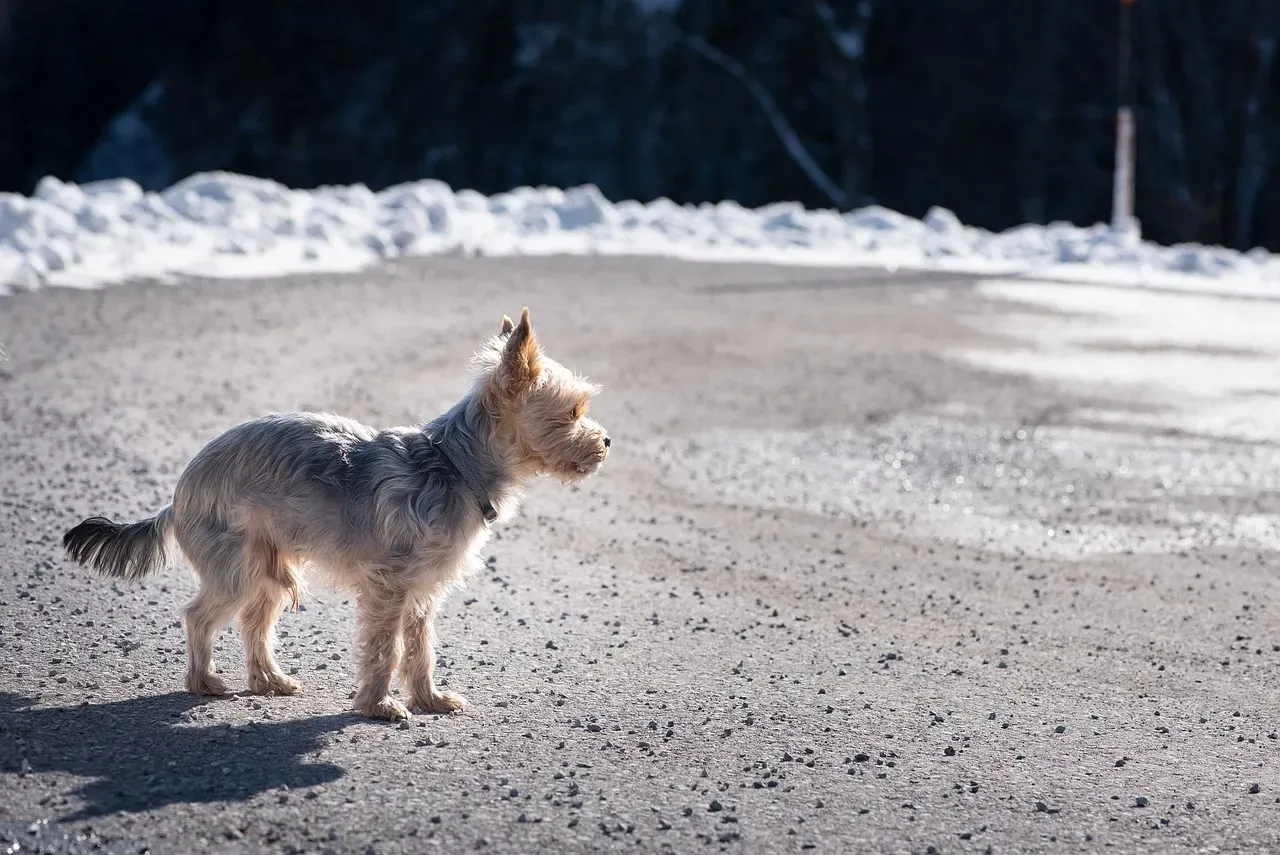
The body never lies. Not in people, and certainly not in dogs. When a dog’s posture suddenly shifts or their eyes go wide and dark, that’s their nervous system screaming what their bark can’t say. Learn to read the body, and you’ll never miss the message.
Dilated pupils and changes in posture are key warning signs of anxiety. These physiological reactions often appear before more serious behavioral problems, such as aggression, destruction, or attempts to escape. An anxious dog may also hold its tail low or tuck it between its legs, which is one of the clearest physical signals that something feels deeply wrong to them.
If you consistently notice these physical signs, don’t wait. A dog that cannot rest, eats poorly, or panics when left alone may be suffering from a recognized anxiety disorder. Left untreated, these conditions can lead to self-injury, aggression, or even relinquishment to shelters. Almost all anxious dogs benefit from positive reinforcement training and increased predictability and consistency in their routine and in interactions.
A Final Thought: Your Dog Is Counting on You
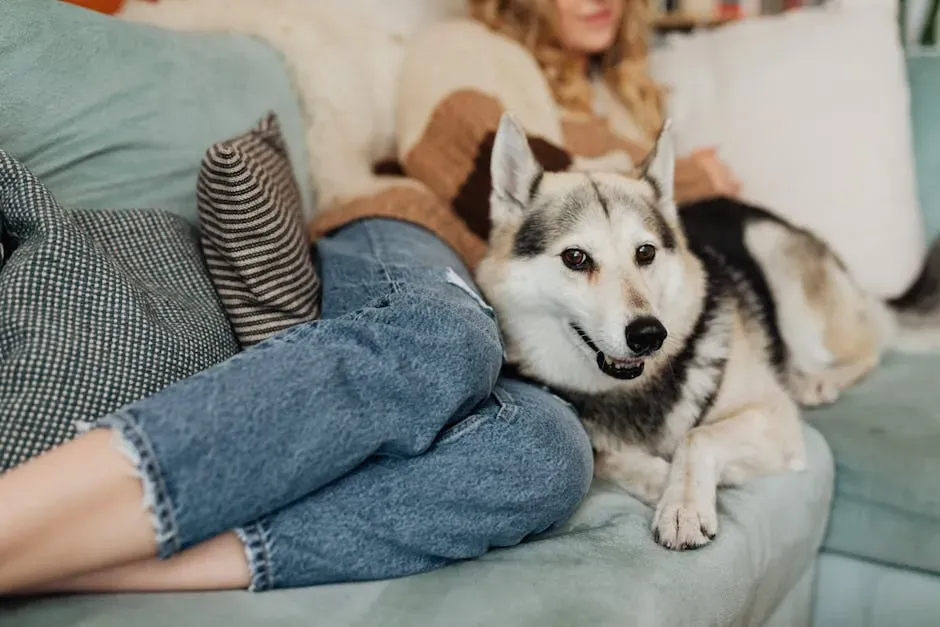
Recognizing anxiety in your dog isn’t about becoming a canine scientist overnight. It’s about paying attention. It’s about noticing when something feels off and choosing to lean in rather than dismiss it.
It does not make an anxious dog worse to comfort them. It does not teach a dog to be fearful by rewarding them when fearful, because fear is a feeling and not a behavior. So go ahead, sit with them. Be the safe place they’re looking for.
Owners can reduce canine anxiety by adopting calm, consistent behavior patterns that reassure dogs they are safe. Stressful or unpredictable interactions often reinforce fear, so creating a stable environment with structured routines for meals, walks, and rest makes a real difference. Your dog trusts you completely. That trust is your greatest tool.
Which of these signs have you noticed in your own dog? Have you found something that really helps them feel safe? Share your story in the comments. Your experience might be exactly what another dog owner needs to read today.


