

Your dog can’t tell you when they’re feeling overwhelmed. They can’t say, “Hey, I’m having a rough day.” Yet they’re communicating with you all the time, using a language we often miss or misinterpret. Dogs are masters at hiding their stress, especially when it’s subtle. You might think your pup is fine, maybe just a little tired or distracted, when in reality they’re quietly struggling with anxiety.
Around three quarters of dogs show at least one anxiety-related behavior, which means stress is incredibly common. The problem is, most of us don’t realize it until things escalate. Let’s be real, by the time destructive behavior or excessive barking shows up, your dog has likely been sending quieter signals for weeks. The good news? Once you know what to look for, you can help your furry friend feel safe and calm again. So let’s dive in and uncover the hidden signs your dog might be silently stressed.
Yawning When They’re Not Tired
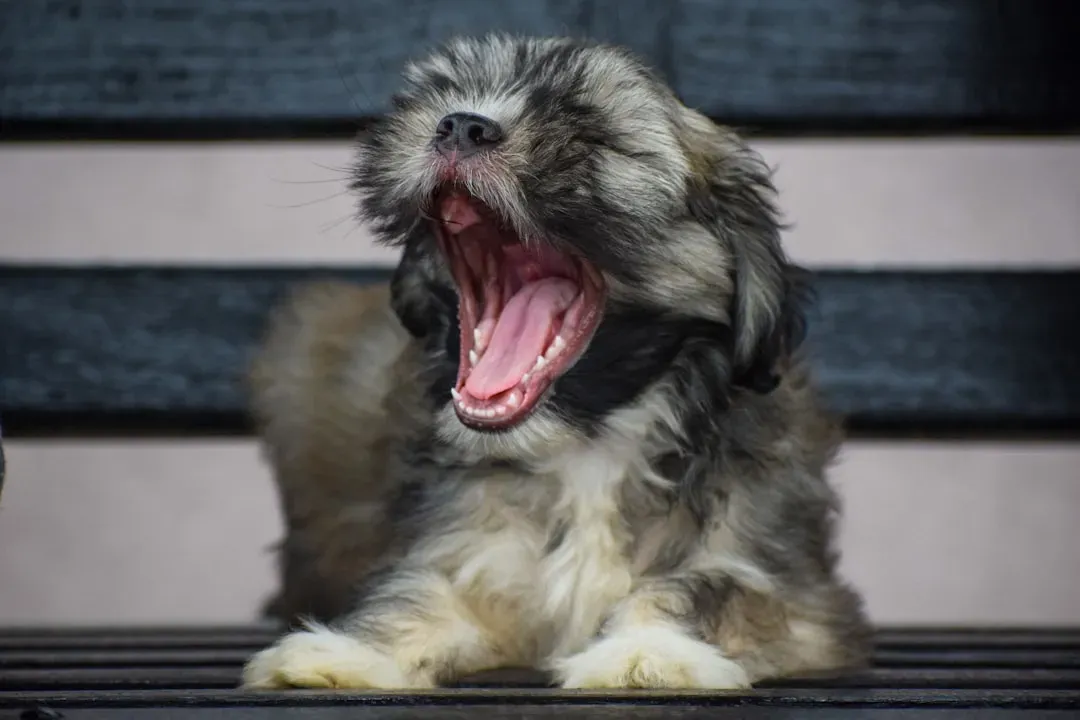
You’ve probably seen your dog yawn and thought nothing of it. After all, yawning means they’re sleepy, right? Not always. Prolonged or drawn-out yawns can signal stress in dogs, and though it’s unclear exactly why stressed dogs yawn, it’s believed to have calming effects. Think of it as their way of trying to settle themselves down when something in their environment feels off.
Frequent yawning, especially when the dog is not obviously tired, can indicate stress, fear, or anxiety, and may serve as a way to diffuse a tense situation. If your dog starts yawning during a vet visit, when guests arrive, or in any unfamiliar setting, pay attention. They’re telling you they’re uncomfortable. It’s one of those behaviors we tend to overlook because it seems so innocent, but context is everything here.
Excessive Shedding in Stressful Situations
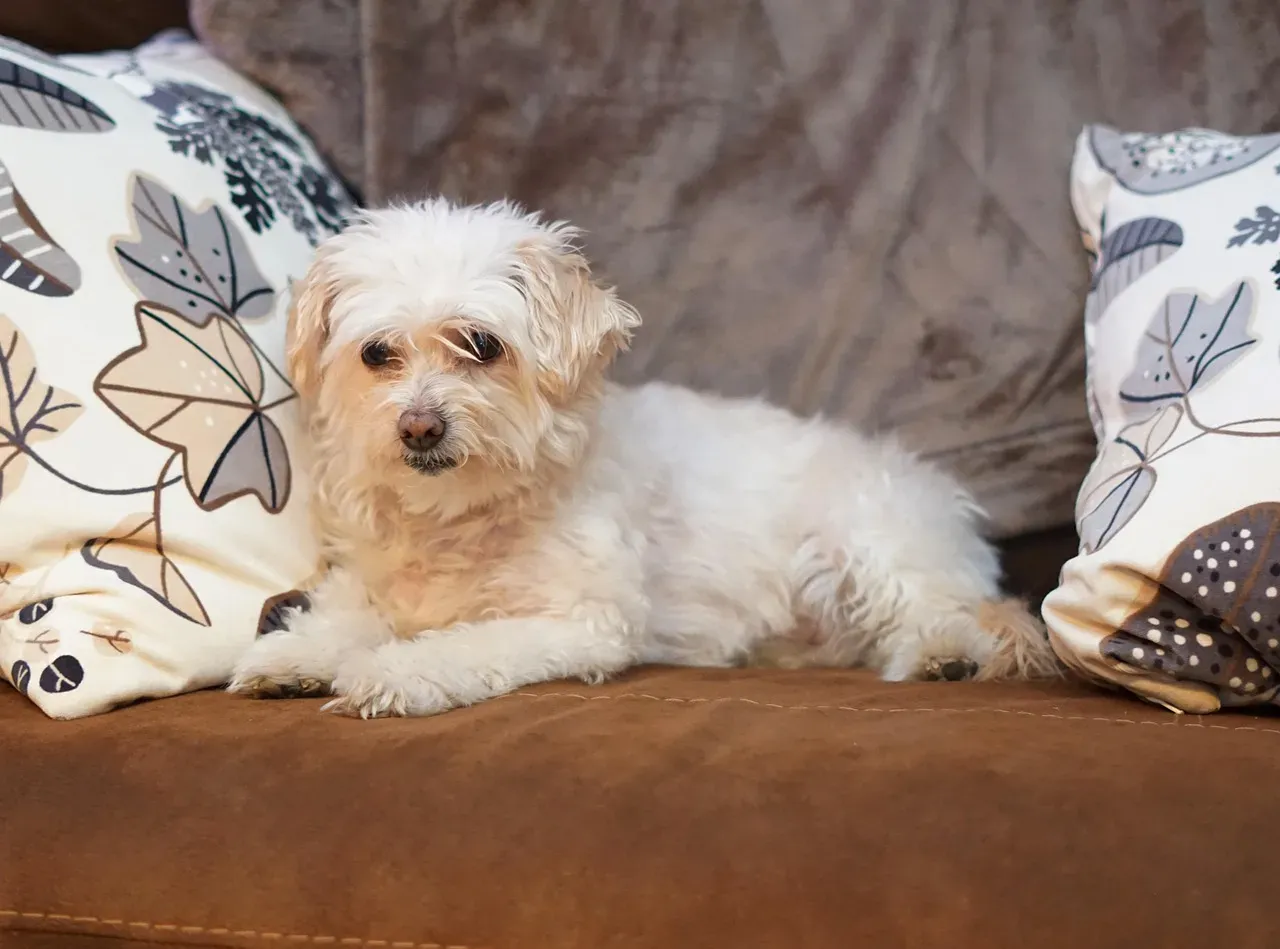
Have you ever noticed how much fur your dog leaves behind at the vet’s office? It’s not just because they’re hot. Dogs often shed heavily when nervous, a phenomenon sometimes called blowing their coat, and shedding increases when a dog is anxious even in less obvious settings like a new dog park. I’ve seen this firsthand with my own dogs, clumps of fur appearing out of nowhere during thunderstorms or car rides.
It’s honestly one of the more surprising stress signals because we tend to think shedding is just seasonal or related to health. Stress causes a physiological reaction that loosens the hair follicles, and suddenly your dog is leaving a trail of evidence wherever they go. If you’re vacuuming up way more fur than usual after certain events or outings, that could be your first clue that something’s making your dog anxious.
Lip Licking and Nose Licking
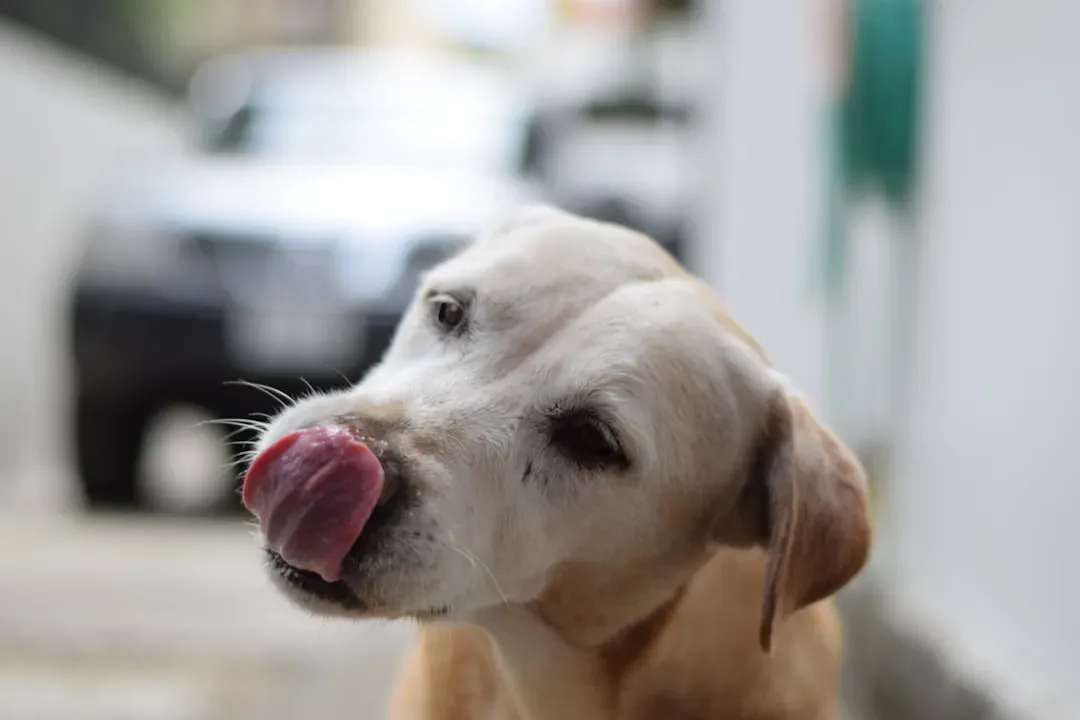
Dogs lick their lips for lots of reasons, but when there’s no food around, it can be a red flag. Licking the lips or nose, even when no food or water is present, can indicate anxiety or fear. This is a self-soothing behavior, kind of like when humans bite their nails or fidget. Dogs use licking as a self-soothing technique, allowing them to avoid the situation and maintain focus elsewhere.
Watch for this subtle signal when your dog encounters something new or overwhelming. Maybe it’s a stranger leaning in too close or another dog approaching too quickly. That quick little tongue flick isn’t just cute, it’s communication. Your dog is trying to tell you they need space or reassurance. Honestly, once you start noticing this behavior, you’ll see it everywhere.
Avoidance and Turning Away
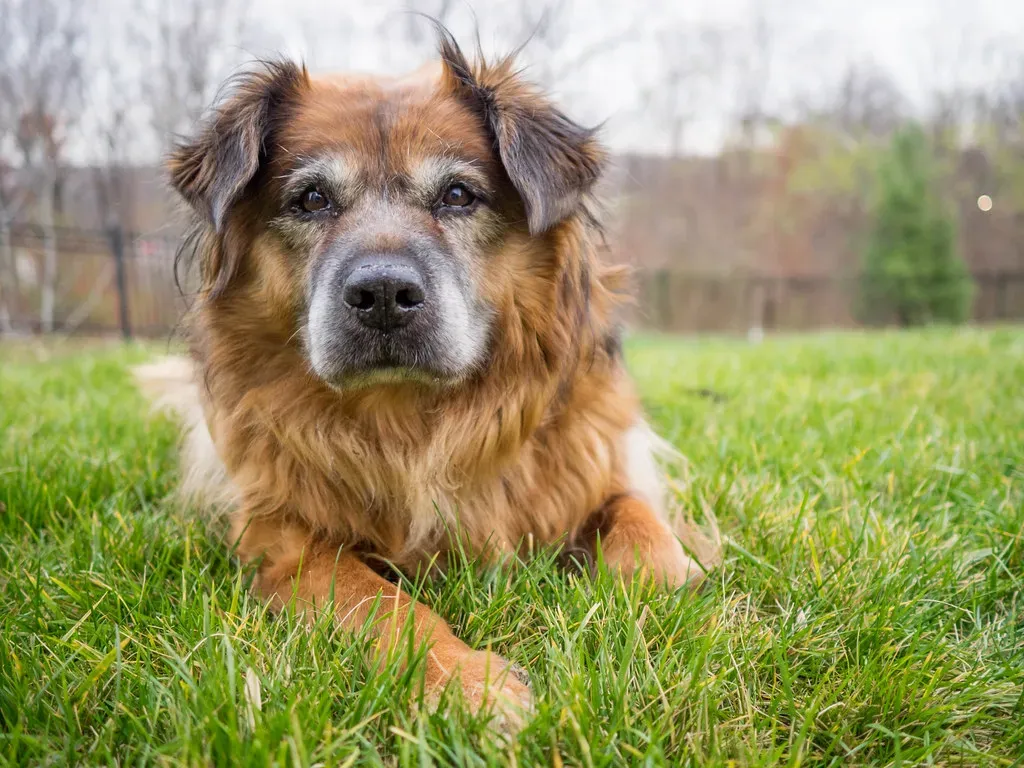
Dogs will try to remove themselves from stressful situations by turning their heads away from the trigger, and handlers should keep track of what triggers this stress response. It might seem like your dog is just being aloof or ignoring someone, but they’re actually trying to cope. When faced with an unwelcome situation, dogs may escape by focusing on something else, such as sniffing or digging the ground or licking their genitals.
This is their polite way of saying, “I’m not comfortable with this.” Maybe someone is petting them and they look away, or they turn their body when another dog gets too close. If your dog avoids interaction with other dogs or people, respect their choice rather than forcing the issue. Forcing interaction when they’re showing avoidance can actually make their stress worse over time and damage their trust in you as their protector.
Changes in Body Posture
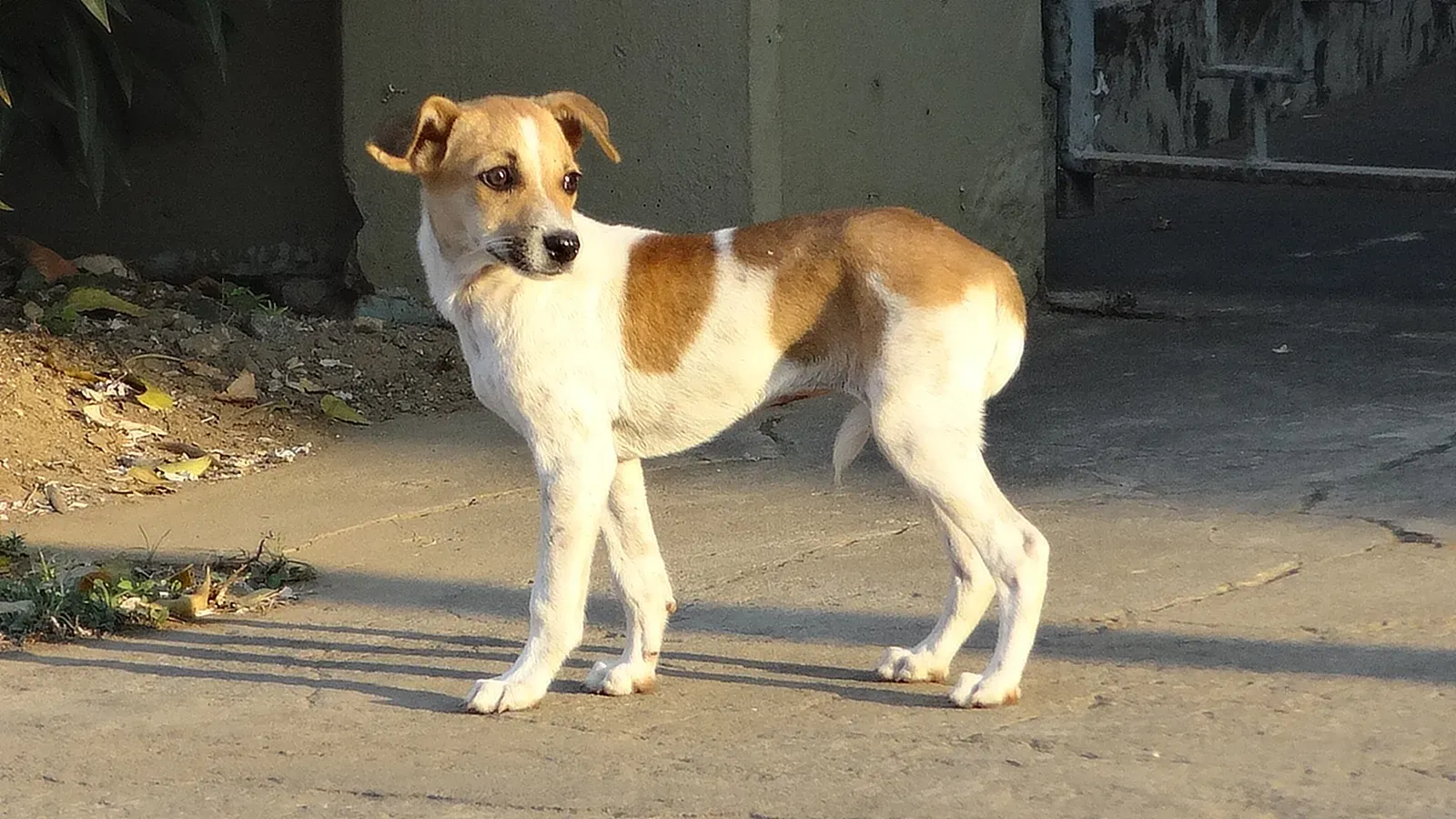
Your dog’s body tells a story, and when they’re stressed, that story shifts. Dogs normally bear weight evenly on all four legs, but a healthy dog that shifts weight to the rear legs or cowers may be exhibiting stress, and scared dogs may also tuck their tails or become rigid. These postural changes are huge indicators that your dog is feeling threatened or anxious, even if there’s no obvious danger present.
A relaxed dog usually has semi-erect or forward-facing ears, a soft mouth, and round eyes. When that shifts to pinned-back ears, tense muscles, and a lowered head, your dog is signaling discomfort. It’s hard to say for sure without knowing your individual dog, but learning their normal body language is the key to spotting these changes early. Every dog has a baseline, and deviations from that baseline are worth paying attention to.
Panting Without Physical Exertion
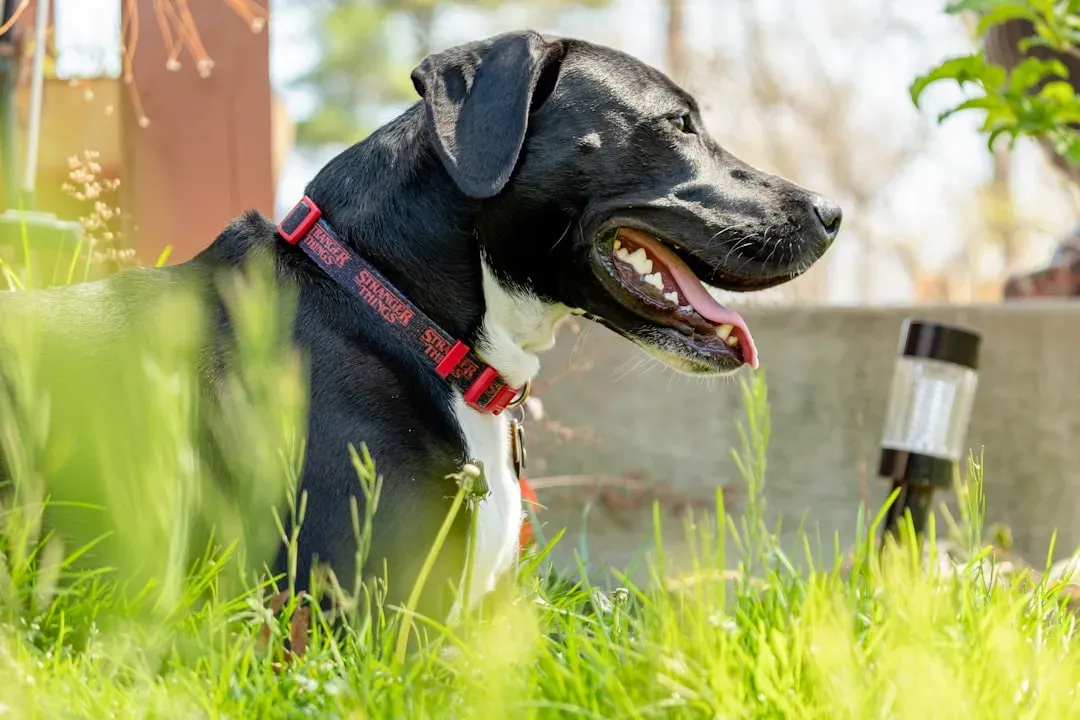
Dogs pant when hot, excited, or stressed, and if your dog is panting even though they haven’t exercised, they may be experiencing stress. This is one I see all the time, and it’s easy to dismiss as normal dog behavior. Heavy panting with no clear physical reason, though, especially when paired with other signs like pacing or restlessness, is a clear stress indicator.
Let’s say your dog starts panting heavily during a car ride, even with the air conditioning on. Or maybe they pant when visitors arrive, long before any physical activity happens. That’s anxiety, not heat or exertion. Dogs drool excessively when stressed, and profuse salivation when there’s no food around may indicate nausea or stress. These physical responses happen because their nervous system is in overdrive, preparing for a fight-or-flight response that never actually comes.
How to Calm Your Stressed Dog Down

Once you’ve identified that your dog is stressed, the next step is helping them find their calm again. Exercise can be a great stress reducer for healthy dogs, as physical activities like walking or playing fetch help both you and your dog release tension. Sometimes, just getting outside and burning off some energy can reset their nervous system.
Providing a designated safe space, like a quiet room or cozy crate equipped with favorite blankets and toys, helps dogs retreat and feel secure during stressful events. Create that retreat before they need it, not during a crisis. Establishing a routine for feeding, exercise, playtime, and sleep helps dogs feel comfortable and secure, as dogs are creatures of habit and thrive on predictability and structure.
Music or white noise can help calm anxious dogs by providing a soothing environment and drowning out unpredictable noises from thunderstorms or fireworks. I’ve used classical music during storms with great success. Pheromone-based calming aids that release synthetic versions of the dog-appeasing pheromone have a calming effect on dogs, and products like diffusers or sprays can be helpful during high-stress events.
When you notice stress signs, remove your dog from the stressor and find a quiet place to regroup, resist the urge to overly comfort them, and for some dogs, being asked to follow routine commands for treats provides a positive distraction. The goal is to redirect their focus and help them feel in control again. If stress persists or worsens despite your efforts, consulting with your veterinarian or a certified behaviorist is the best next step.
Conclusion
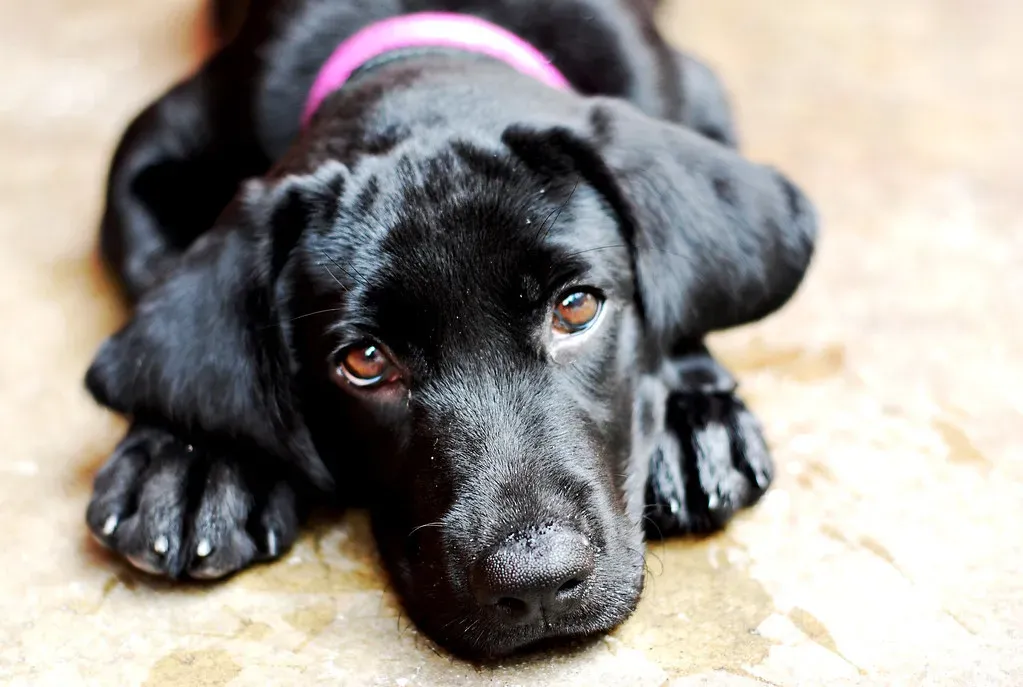
Recognizing stress in your dog isn’t always straightforward, but once you start paying attention to these subtle signals, you’ll become fluent in your dog’s unique language. Yawning, shedding, lip licking, avoidance, postural changes, and panting are all pieces of the puzzle that tell you how your dog is really feeling. The more you notice, the better you can advocate for their comfort and safety.
Helping a stressed dog isn’t about quick fixes; it’s about patience, consistency, and creating an environment where they feel truly secure. Exercise, safe spaces, routines, calming music, and pheromone products can all play a role in reducing anxiety. Your dog depends on you to understand what they can’t say out loud. What signs have you noticed in your own dog? Share your observations in the comments, we’d love to hear your experiences.


